

Home » A Buyer’s Guide to Roll Stock
A Buyer’s Guide to Roll Stock
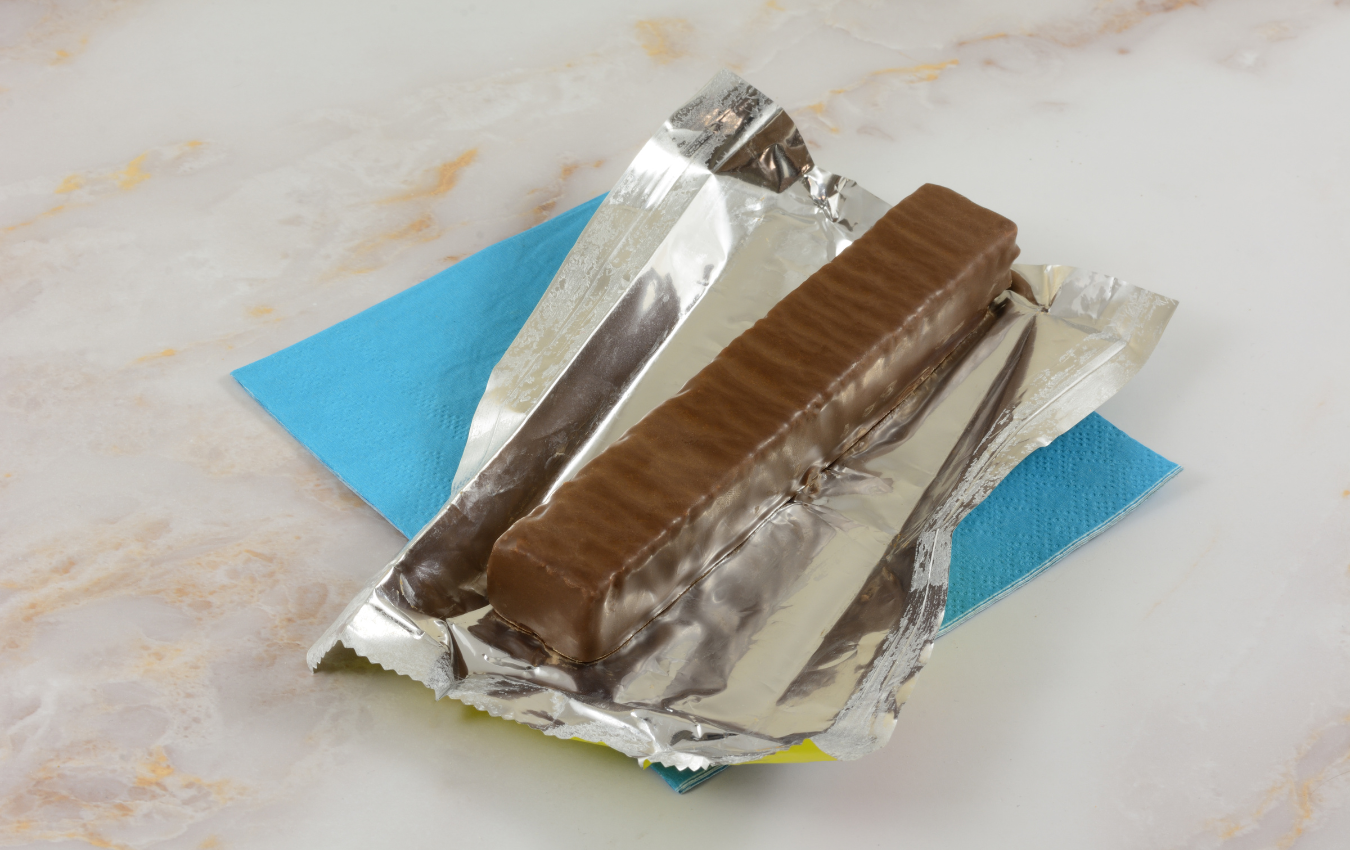
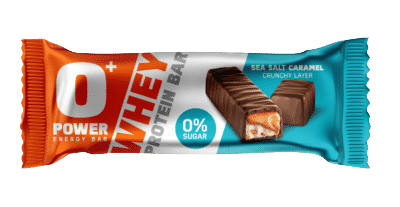
In the world of packaging, roll stock, also referred to as candy wrappers or snack wrappers, is a versatile and essential component. It refers to a continuous sheet of flexible material wound into a roll, used in various packaging applications. Roll stock materials come in a wide range of options, each designed to meet specific packaging requirements. Whether you are a seasoned packaging professional or a newcomer to the field, this buyer’s guide to roll stock will help you navigate the complexities of selecting the right material for your packaging needs.
Understand Your Packaging Requirements
Before diving into the specifics of roll stock materials, it’s crucial to understand your packaging requirements. Ask yourself the following questions:
- What type of product are you packaging?
- What are the dimensions and weight of your product?
- Is your product sensitive to environmental factors like moisture, oxygen, or light?
- What is the expected shelf life of your product?
- Do you require printing or branding on the packaging material?
- What is your budget for packaging materials?
By answering these questions, you’ll gain a clearer picture of your packaging needs and be better equipped to choose the right roll stock material.
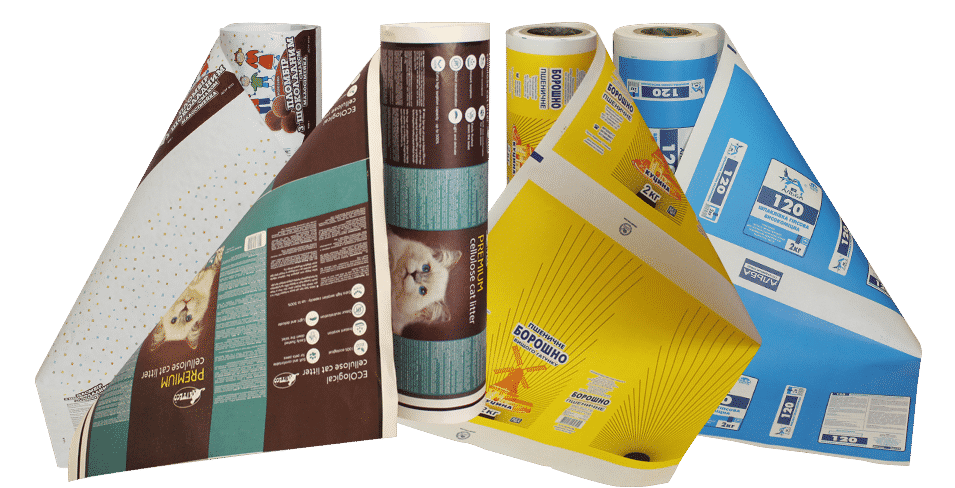
Types of Roll Stock Materials
Roll stock materials come in various types, each offering unique characteristics and benefits. Here are some common roll stock materials:
Flexible Films:
- Polyethylene (PE)
- Polypropylene (PP)
- Polyvinyl chloride (PVC)
- Polyester (PET)
- Nylon (PA)
Flexible films are suitable for a wide range of products, from food to electronics. They offer excellent barrier properties and are customizable for printing.
Foil Laminates:
- Aluminum foil laminated with various substrates
Foil laminates provide exceptional barrier properties against moisture, light, and oxygen. They are often used for perishable food items and pharmaceuticals.
Paper-Based Roll Stock:
- Kraft paper
- Coated paper
Paper-based roll stock is eco-friendly and ideal for products where a natural or rustic appearance is desired.
Specialty Films:
- Metallized films
- Biodegradable films
- Retort pouch films
Specialty films cater to unique packaging needs, such as high gloss, sustainability, and resistance to high-temperature processing.
Barrier Properties
Consider the barrier properties required for your product. For example, if you are packaging perishable goods, you’ll need materials with excellent moisture and oxygen barrier properties. Foil laminates and certain specialty films are often preferred for such applications.
Printing and Branding
If branding and aesthetics are crucial for your product, choose roll stock materials that offer excellent printability. Flexible films and paper-based materials are typically easier to print on, allowing for vibrant graphics and branding.
Environmental Impact
In today’s environmentally conscious world, it’s essential to consider the environmental impact of your packaging materials. Biodegradable films and sustainable materials are excellent choices for eco-friendly packaging.
Budget Constraints
Budget constraints are a significant factor in the decision-making process. While high-performance materials may offer superior properties, they can also be more expensive. Balance your budget with your packaging requirements to find the most cost-effective solution.
Regulatory Compliance
Ensure that your chosen roll stock material complies with relevant industry regulations and standards. This is particularly important for packaging in the food and pharmaceutical industries, where strict guidelines are in place.
Supplier Selection
Choose a reliable and reputable roll stock supplier. Look for a supplier with a proven track record of delivering high-quality materials on time and within budget.
If you are interested in packaging your products with roll stock, then partner with Brown Packaging today to get started.
Sustainable packaging in 2027 will be less about broad claims and more about proof, performance, compliance, and cost control. Buyers will still care about recyclable
Sustainable packaging in 2027 will be less about broad claims and more about proof, performance, compliance, and cost control. Buyers will still care about recyclable
A folding carton may look simple once it reaches the shelf, but it goes through a controlled production process before it becomes a finished package.
Folding carton production is becoming more automated because buyers are asking for faster timelines, tighter consistency, and more flexibility across more SKUs. Shorter product lifecycles,
Folding carton style matters because structure affects more than appearance. The right carton can improve shelf presentation, packing speed, product access, closure security, storage efficiency,
Pouch packaging trends in 2027 will be shaped by convenience, shelf impact, sustainability pressure, sealing performance, automation, ecommerce growth, and total packaging cost. Buyers will
By submitting your information, you agree to our terms and conditions and privacy policy.
Home » A Buyer’s Guide to Roll Stock


In the dynamic world of packaging, one must constantly innovate to maintain a competitive edge. As we move through 2024, custom pouch packaging is standing
Roll stock flow wrap packaging is a versatile and efficient method used in the food and packaging industry to package a wide variety of products.
Flexible packaging is in the throes of a revolution, with several innovative materials surfacing that promise to change the landscape of the industry. Traditionally, flexible