window.uetq = window.uetq || []; window.uetq.push(‘event’, ‘submit_lead_form’,{ event_label:‘SUBMIT MESSAGE’ }); window.lintrk('track', { conversion_id: 10271009 }); window.lintrk('track', { conversion_id: 10271017 });

Preventing Product Damage in 2026 Supply Chains

Preventing Product Damage in 2026 Supply Chains

Product damage is one of the most expensive risks in packaging. Beyond replacement costs, damaged goods lead to lost sales, returns, and reputational harm. In 2026, complex e-commerce, global shipping, and automation create new challenges for packaging buyers. The right materials, testing, and design strategies are critical to protecting products while controlling costs.

Why Damage Prevention Matters

  • Financial losses: Damaged products increase replacement and freight costs.
  • Customer impact: Poor delivery experience reduces loyalty and repeat sales.
  • Sustainability: Returns and waste drive higher carbon footprints.
  • Compliance: Retailers often impose penalties for damaged shipments.

Common Causes of Product Damage

  • Compression: Pallet stacking weakens boxes in transit.
  • Vibration and shock: Long-haul shipping increases risk.
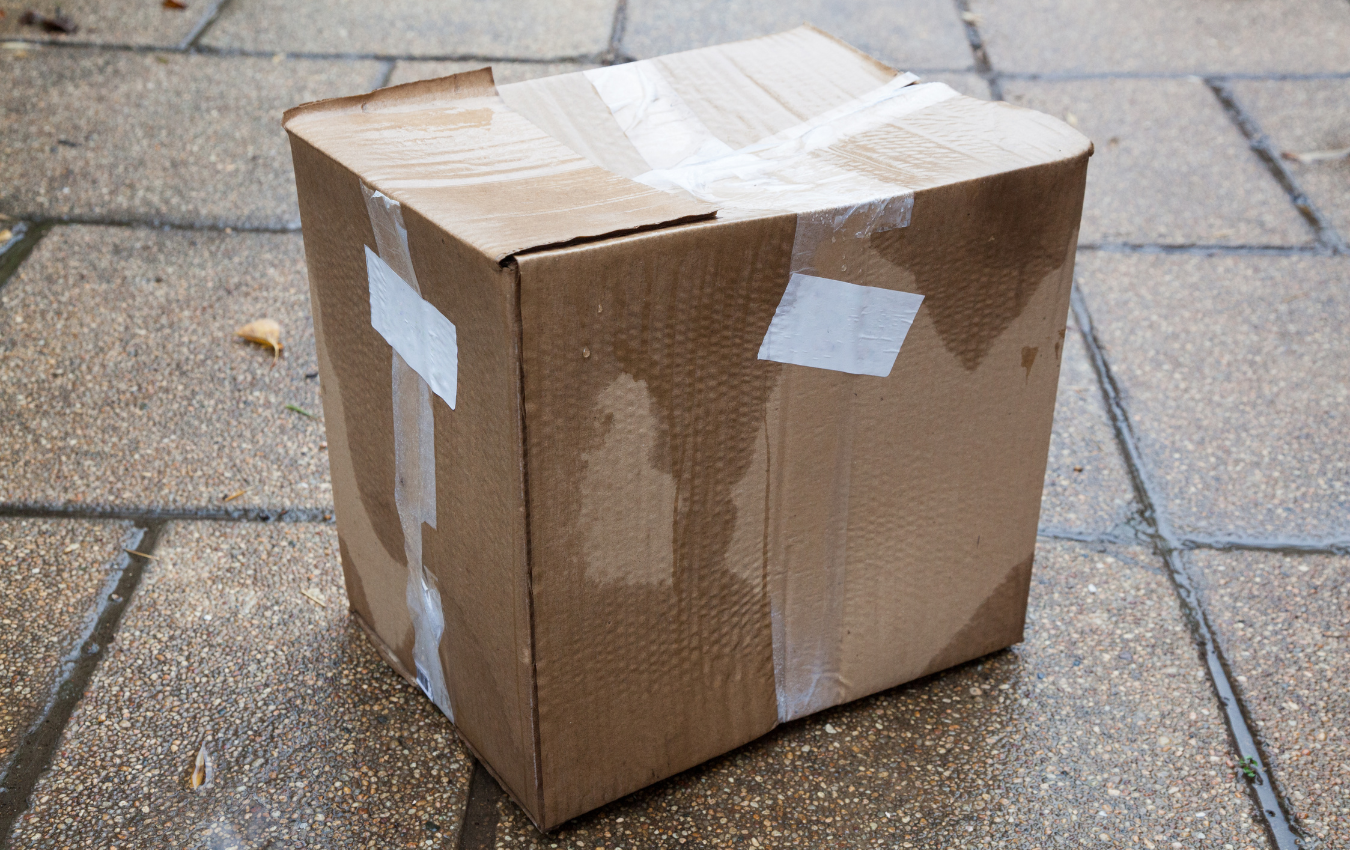
  • Moisture exposure: Humidity and rain compromise corrugated performance.
  • Poor right-sizing: Oversized boxes allow product movement inside.
wet damaged packaging

Strategies to Reduce Damage in 2026

  • Right-size packaging: Minimize empty space and movement.
  • Material optimization: Choose the correct corrugated grade for load demands.
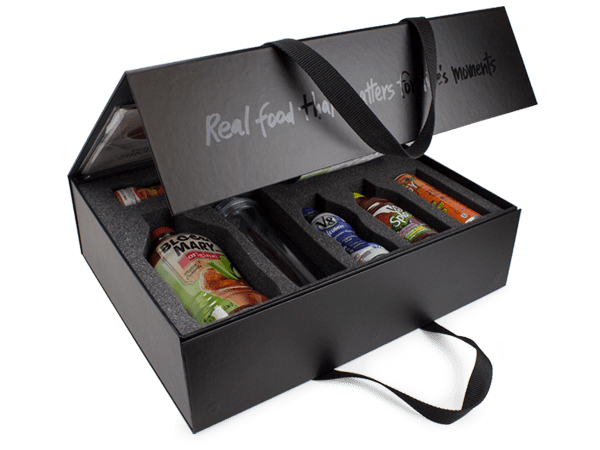
  • Protective inserts: Molded pulp or engineered corrugated reduce shock.
  • Moisture-resistant coatings: Defend against water and humidity.
  • Automation-friendly design: Prevent jams that damage products on high-speed lines.
Custom rigid box with handles and foam insert

Testing Protocols for Damage Prevention

  • ISTA testing: Simulates vibration, drops, and compression.
  • ASTM standards: Validate packaging strength and durability.
  • Pilot shipments: Real-world trials confirm lab results.

Packaging Solutions with Brown Packaging

Brown Packaging designs solutions that minimize damage across today’s complex supply chains. From right-sized corrugated to ISTA-tested inserts, we help buyers protect products while reducing costs. Contact us to strengthen your packaging program.

References


ASTM International. (2023). ASTM D4169: Standard Practice for Performance Testing of Shipping Containers and Systems.
International Safe Transit Association (ISTA). (2023). ISTA Testing Procedures for Transport Packaging. Retrieved from https://ista.org
Soroka, W. (2009). Fundamentals of Packaging Technology (4th ed.). Institute of Packaging Professionals.

Most Recent Posts:
Retail Packaging Trends for 2026

Retail packaging continues to evolve as brands balance sustainability, supply chain performance, and consumer experience. In 2026, buyers face new challenges shaped by material innovation, compliance requirements, and rising consumer

Read More »
Meeting 2026 Packaging Compliance Standards

Packaging compliance is no longer optional—it’s a requirement for accessing retail shelves, shipping networks, and international markets. In 2026, buyers must navigate evolving regulations around sustainability, labeling, and testing to

Read More »
Categories:
Subscribe To Our Newsletter

By submitting your information, you agree to our terms and conditions and privacy policy.

Custom Packaging
Facebook
Twitter
LinkedIn
Pinterest
Relevant Posts
Customization for Different Segments: A Key Strategy in Packaging
Packaging
brownpackaging
Customization for Different Segments: A Key Strategy in Packaging

In a diverse consumer market, the effectiveness of your packaging strategy can hinge on how well it resonates with specific customer segments. Customization for different segments in packaging allows brands to tailor their approach to meet the unique preferences and needs of various consumer groups. This blog post continues to explore the strategies and benefits of segment-specific packaging customization. Demographic-Based Customization Age Groups: Packaging for different age groups requires distinct design elements. Bright, bold designs may attract a younger audience, while older consumers might prefer sleek, sophisticated packaging. Gender-Specific Design: While moving towards more gender-neutral designs is a growing trend, some products might still benefit from gender-specific packaging, using color schemes and imagery that traditionally appeal more to men or women. Lifestyle and Interest Customization Hobby or Interest-Based Packaging: Products aimed at specific hobbies or interests can benefit from customized packaging that reflects these activities. For instance, sports equipment packaging can feature athletic imagery and dynamic designs. Cultural and Geographic Tailoring: Customizing packaging to reflect local cultures, languages, and symbols can significantly increase its appeal in different geographic markets. Customization Based on Consumer Behavior Eco-Conscious Packaging: For environmentally conscious consumers, using sustainable materials and minimalist designs can make the product more appealing. Luxury and Premium Packaging: High-end products can benefit from packaging that exudes luxury through high-quality materials, elegant designs, and exclusive finishes. Personalization: The Ultimate Customization Individualized Packaging: Advances in printing technology have made it possible to create personalized packaging, such as including a customer’s name or a personalized message, which can greatly enhance the customer experience and loyalty. Technological Integration for Targeted Segments Smart Packaging Elements: Incorporating technology like QR codes or augmented reality can appeal to tech-savvy segments, offering them an interactive and informative packaging experience. Testing and Consumer Feedback Market Testing: Before fully committing to a new packaging design for a specific segment, conduct market tests to gauge consumer response. Feedback Loops: Regularly collecting and analyzing consumer feedback can provide insights into how well your packaging resonates with different segments and what improvements can be made. Challenges in Segment-Specific Customization Balancing Cost and Benefit: While customization can significantly increase appeal, it can also raise production costs. It’s crucial to balance the level of customization with the potential return on investment. Avoiding Stereotypes: It’s important to base customization on genuine consumer insights and avoid reinforcing stereotypes that might be offensive or outdated. If you are interested in customer packaging, then partner with Brown Packaging today to get started. (714)300-0650 request@brownpackaging.com Most Recent Posts: Categories: Corrugated Ecommerce ESD Design Display Flexible Packaging Foam Folding Carton Packaging Plastic Packaging Pouch Printing Protection Retail Rigid Box Thermoform Sustainability Subscribe To Our Newsletter By submitting your information, you agree to our terms and conditions and privacy policy. Custom Packaging Facebook Twitter LinkedIn Pinterest Relevant Posts

Read More »
Custom stand up pouches multiple designs
Printing
brownpackaging
Digital Print in Packaging: A Comprehensive Guide

The packaging industry has undergone significant changes in recent years, with new technologies such as digital print revolutionizing the way packaging materials are produced. Digital print technology offers a cost-effective and efficient way to create customized packaging materials with unique designs and graphics, while minimizing setup time and cost. In this comprehensive guide, we will explore what digital print is in packaging, how it works, its advantages and disadvantages, and its various applications. Whether you are a business owner looking to create customized packaging materials for your products or a consumer interested in the latest packaging trends, this guide provides valuable information on the benefits and limitations of digital print in packaging. Overview: Digital Print Explained This blog explores the topic of digital print in packaging, including what it is, how it works, its advantages and disadvantages, and its various applications. The guide will be explained: What is digital print in packaging? How Does Digital Printing in Packaging Work? Advantages of Digital Print Disadvantages of Digital Print Digital Print Packaging Applications What is Digital Print in Packaging? Digital print in packaging is a printing process that uses digital technology to print high-quality graphics, images, and text directly onto packaging materials. Unlike traditional printing methods, which require expensive setup costs and long lead times, digital print technology enables businesses to create customized packaging materials quickly and cost-effectively. Digital print technology works by using specialized software to create digital artwork or designs that are then printed directly onto the packaging material. The digital printer uses inkjet or laser technology to apply the design or image onto the surface of the material. One of the key advantages of digital print technology is its ability to create customized designs, graphics, and text on a wide range of packaging materials, including paper, cardboard, plastic, and metal. This allows businesses to differentiate their products from the competition by creating unique packaging materials that stand out on store shelves. Digital print technology also offers greater flexibility and speed than traditional printing methods. Because digital printers do not require the use of printing plates, setup time is significantly reduced, and changes to the design can be made quickly and easily. This makes digital print technology ideal for short runs and small batch orders, which can be produced in a matter of hours or days. How Does Digital Printing in Packaging Work? Digital print technology works by using specialized software to create digital artwork or designs that are then printed directly onto the packaging material. The process involves several steps: design creation, file preparation, printing and finishing. Design Creation The first step in the digital print process is to create the design or artwork that will be printed onto the packaging material. This is done using specialized software such as Adobe Illustrator, Photoshop or special programs created by the machine manufacturer. The design can include images, text, and graphics, and can be customized to meet the specific needs of the packaging project. File Preparation Once the design is complete, it is saved in a digital format that can be read by the digital printer. The file is then prepared for printing by adjusting settings such as color and resolution to ensure that the final print is of high quality. Printing The next step is to print the design onto the packaging material. The digital printer uses inkjet or laser technology to apply the design or image onto the surface of the material. The printer can print a single design or multiple designs on the same sheet, depending on the size and shape of the packaging material. Finishing Once the printing is complete, the packaging material is finished according to the desired specifications. This can include cutting, folding, and gluing to create the final packaging product. Overall, digital print technology offers several advantages over traditional printing methods, such as offset printing. Unlike offset printing, which requires printing plates and complex setup processes, digital print technology does not require printing plates and has a much shorter setup time. This makes it ideal for short runs and small batch orders, which can be produced quickly and cost-effectively. Additionally, digital print technology allows for greater flexibility in design, as changes can be made quickly and easily without incurring additional setup costs. This allows businesses to create customized packaging materials with unique designs and graphics, which can help them stand out from their competitors on store shelves. Advantages of Digital Print in Packaging Digital print technology offers several advantages over traditional printing methods, such as offset printing, for producing customized packaging materials. Some of the advantages of digital print in packaging are: Customization Digital print technology enables businesses to create customized packaging materials with unique designs, graphics, and text. This allows companies to differentiate their products from the competition and create packaging that aligns with their brand image and values. Speed Digital print technology has a fast turnaround time, allowing businesses to produce customized packaging materials quickly and efficiently. This is particularly useful for businesses with time-sensitive promotions or seasonal products. Multi-SKU Printing It is quite ideal for companies to print digitally for multiple SKU products. This is because digital printing is much more flexible and efficient than alternative printing methods in adjusting to changing art work. Cost-Effective Digital print technology eliminates the need for expensive setup costs associated with traditional printing methods. This allows businesses to produce short runs or small batch orders cost-effectively. Sustainability Digital print technology produces less waste than traditional printing methods, making it a more sustainable option for packaging materials. Additionally, digital printing uses water-based inks that are more environmentally friendly than solvent-based inks used in traditional printing methods. High-Quality Digital print technology produces high-quality images and text, providing businesses with a way to create packaging materials that showcase their products in the best possible light. The technology uses advanced color management systems that ensure accurate color reproduction and sharp image quality. Flexibility Digital print technology allows for greater flexibility in design, as changes can be made quickly

Read More »
Packout and Fulfillment
Display
brownpackaging
Balancing Visual Impact and Logistics in POP Displays

Point-of-purchase (POP) displays must catch a shopper’s eye while also moving efficiently through the supply chain. Striking the right balance between visual impact and logistics ensures displays drive sales without creating costly inefficiencies. A design that leans too far toward graphics may ship poorly, while one built only for logistics risks blending into the background. The Role of Visual Impact Graphics and structure are central to a display’s retail performance. Visual impact drives traffic and communicates the brand message at a glance. Bold colors and large product imagery attract attention. Clean layouts improve readability in busy aisles. Seasonal themes and promotions build urgency. Without strong branding, even the most efficient display may fail to engage shoppers. Logistics Demands in POP Displays Retailers expect displays that not only sell but also ship and set up efficiently. Logistics considerations include: Cube efficiency: Displays should maximize pallet and trailer space. Durability: Strength to withstand transit and handling. Ease of assembly: Retail staff need quick setup without extra labor. Compliance: Dimensions must meet retailer guidelines for footprint and safety. Strategies to Balance Both Sides Collaborative design: Structural and graphics teams work together from the start. Prototype testing: Confirm visual alignment and shipping durability before production. Material selection: Choose corrugated grades that allow high-quality print and strength. Right-size graphics: Design branding that adapts to fold lines and pallet constraints. Examples of Balanced POP Designs Club store pallet displays: Large branding surfaces combined with pallet-ready engineering. Seasonal promotions: Bold graphics with lightweight, compact shipping formats. Cross-merchandising units: Multi-SKU designs that showcase brands while stacking efficiently. POP Display Solutions with Brown Packaging Brown Packaging creates POP displays that deliver both retail impact and supply chain efficiency. Our designs maximize brand presence while meeting freight, compliance, and setup demands. Contact us to explore display options that balance impact with logistics. References Shop! Association. (2021). Best Practices for In-Store Marketing and POP Displays. Retrieved from https://www.shopassociation.orgSoroka, W. (2009). Fundamentals of Packaging Technology (4th ed.). Institute of Packaging Professionals.ASTM International. (2022). ASTM D685: Standard Practice for Conditioning Paper and Paper Products for Testing. (714)300-0650 request@brownpackaging.com Most Recent Posts: Categories: Corrugated Ecommerce ESD Design Display Flexible Packaging Foam Folding Carton Packaging Plastic Packaging Pouch Printing Protection Retail Rigid Box Thermoform Sustainability Subscribe To Our Newsletter By submitting your information, you agree to our terms and conditions and privacy policy. POP Display Facebook Twitter LinkedIn Pinterest Relevant Posts

Read More »