






Home » The Versatility of Corrugated Boxes
The Versatility of Corrugated Boxes
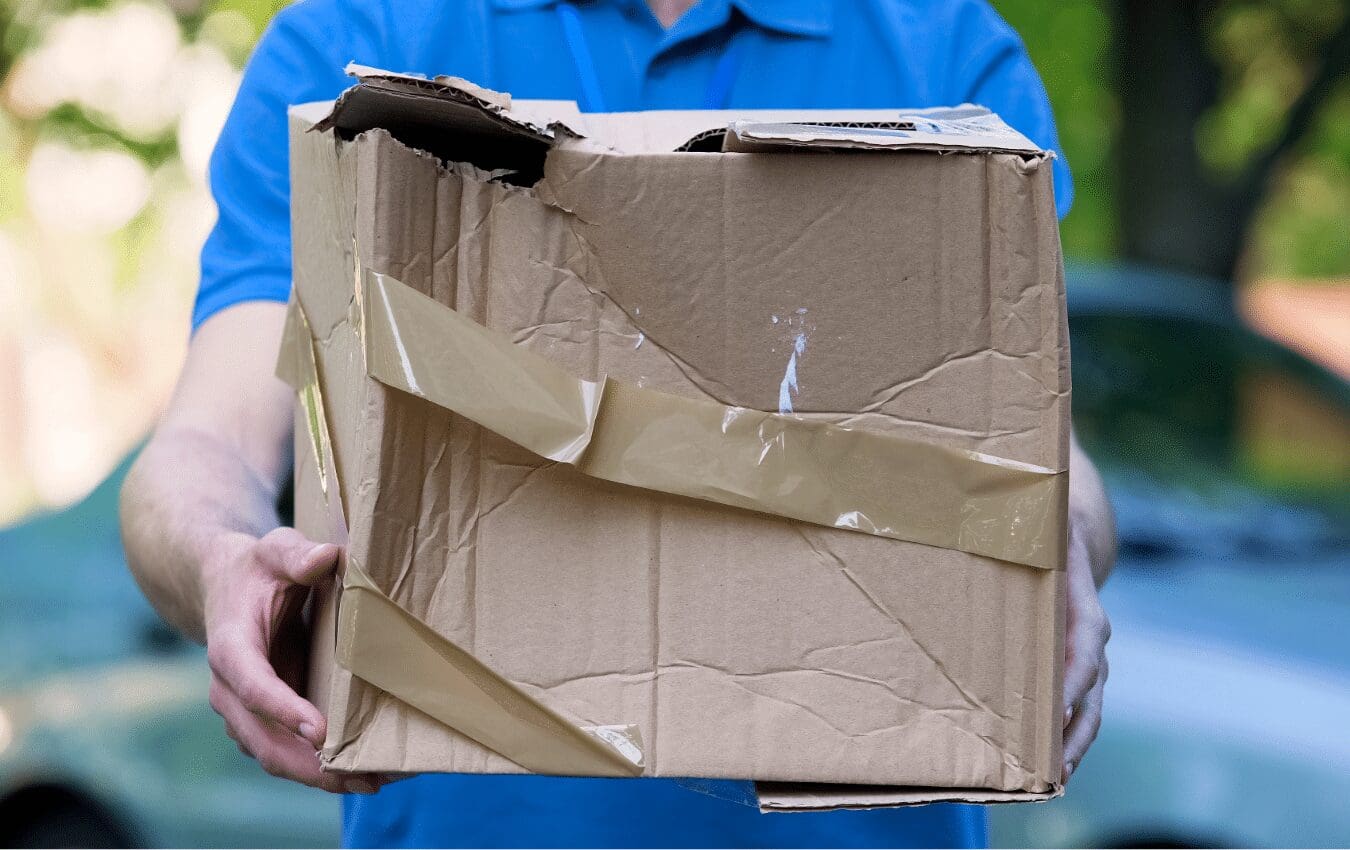
Corrugated boxes, often seen as an ordinary tool for storage and transportation, possess versatility that goes beyond their humble reputation. From industries like e-commerce and logistics to home organization and DIY craft projects, the use of corrugated boxes has taken on a dynamic role in various fields. This article explores the multitudinous applications of these eco-friendly and resilient packages, proving why they are a mainstay in our everyday life.
Unboxing the Corrugated Advantage
Before diving into the various applications, let’s first unbox the inherent qualities that make corrugated boxes an excellent choice.
- Strength and Durability: Corrugated boxes are designed to be incredibly durable. Their fluted structure provides strength and stability, ensuring they can handle pressure and weight without compromising their shape.
- Eco-friendliness: As they are made primarily from recycled paper, corrugated boxes are environmentally friendly, both in terms of their production process and their recyclability.
- Cost-effectiveness: Corrugated boxes are a cost-effective packaging solution, given that their raw materials are readily available and they’re easy to manufacture.
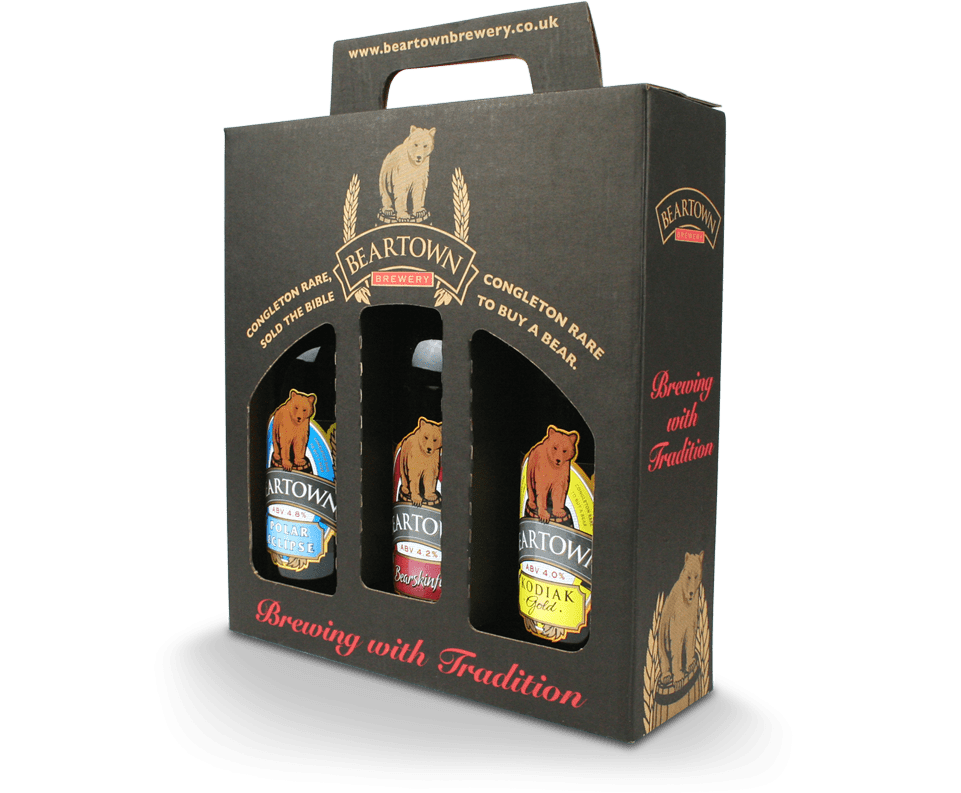
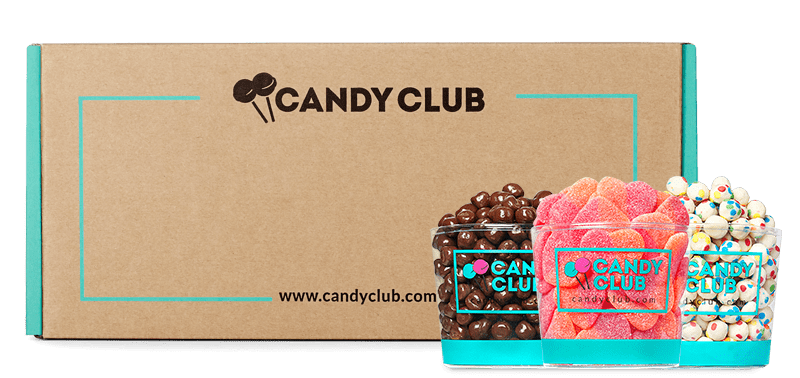
- Customizability: With modern printing and manufacturing techniques, corrugated boxes can be tailored to any size, shape, or design, making them a flexible choice for various applications.
Corrugated Boxes in E-commerce
The explosion of e-commerce has seen corrugated boxes play a starring role in logistics and delivery systems. Whether shipping electronics, clothes, or food items, these boxes offer a robust, secure, and customizable solution.
The customizable nature of corrugated boxes, combined with the possibilities of digital printing, has allowed brands to create unique and engaging unboxing experiences for their customers. The box is no longer just a transport vessel, but an extension of the brand’s identity and customer experience.
Versatility in Logistics
Corrugated boxes are widely used in warehousing and logistics due to their durability and stack-ability. They are capable of bearing heavy loads and protecting goods during transport, making them an excellent choice for storing and moving products.
Plus, the ease of writing or printing on these boxes makes them ideal for tracking and inventory purposes. Markings, barcodes, or labels can be easily added to facilitate systematic storage and retrieval.
Corrugated Boxes in Retail
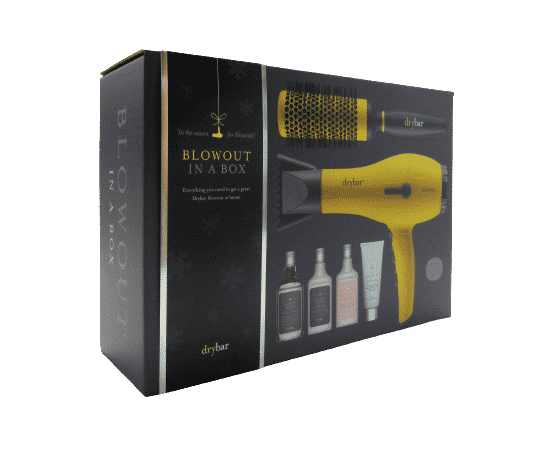
In the retail sector, corrugated boxes aren’t just hidden in stock rooms. They also make appearances as point-of-sale displays, shelf-ready packaging, and more.
Their easy customizability allows retailers to tailor their size, shape, and print to suit various products and branding strategies, helping to catch consumers’ eyes and increase sales.
Home Use and DIY Projects
Beyond their commercial uses, corrugated boxes have also found their way into our homes as storage solutions, DIY projects, and even furniture.
Their sturdy construction makes them great for organizing home spaces, while their customizability allows for creative reuse in crafting projects. From making customized gift boxes to crafting playhouses for kids, the possibilities are limited only by one’s imagination.
Future of Corrugated Boxes
While they’re already immensely versatile, the potential applications for corrugated boxes are far from exhausted. With ongoing innovations in material science and manufacturing techniques, expect to see these humble packages continue to evolve and adapt to our changing needs.
In conclusion, the versatility of corrugated boxes stems not just from their physical properties but also from their ability to be customized, reused, and repurposed. This makes them an indispensable tool in various sectors, proving that there is indeed much more to these boxes than meets the eye.
If you are interested in corrugated boxes, then partner with Brown Packaging today to get started.
Retail packaging continues to evolve as brands balance sustainability, supply chain performance, and consumer experience. In 2026, buyers face new challenges shaped by material innovation, compliance requirements, and rising consumer expectations. Understanding these trends helps companies stay competitive while aligning packaging programs with industry standards. Sustainability Becomes Non-Negotiable Greater use of recyclable and compostable substrates. Retailers pushing suppliers toward FSC-certified materials. Minimalist designs that reduce waste without losing impact. Smarter Packaging for Supply Chains Increased adoption of right-sizing to reduce freight costs. Boxes designed for automation and faster fulfillment. Stronger corrugated grades to withstand long e-commerce journeys. Enhanced Consumer Experience Custom graphics for seasonal campaigns and limited editions. Tear strips, resealable closures, and window cutouts for convenience. Premium finishes that elevate gift packaging at retail. Growth of Hybrid Packaging Formats Combining corrugated strength with folding carton graphics. Modular designs for multi-SKU and club store environments. Packaging engineered to serve both e-commerce and in-store needs. Compliance and Testing Standards Retailers demanding ISTA and ASTM testing for packaging durability. Supply chain audits on recyclability and sustainability claims. More pressure for transparent reporting on environmental impact. Retail Packaging Solutions with Brown Packaging Brown Packaging helps brands adapt to evolving retail packaging trends. From sustainable substrates to automation-friendly designs, our solutions balance branding, durability, and compliance for 2026. Contact us to prepare your packaging program for the year ahead. References Forest Stewardship Council (FSC). (2023). FSC Packaging Certification Guidelines. Retrieved from https://fsc.orgSustainable Packaging Coalition. (2023). Packaging Trends and Consumer Insights. Retrieved from https://sustainablepackaging.orgSoroka, W. (2009). Fundamentals of Packaging Technology (4th ed.). Institute of Packaging Professionals. (714)300-0650 request@brownpackaging.com Most Recent Posts: Categories: Corrugated Ecommerce ESD Design Display Flexible Packaging Foam Folding Carton Packaging Plastic Packaging Pouch Printing Protection Retail Rigid Box Thermoform Sustainability Subscribe To Our Newsletter By submitting your information, you agree to our terms and conditions and privacy policy. Custom Packaging Facebook Twitter LinkedIn Pinterest Relevant Posts
Supplier contracts can make or break a packaging program. Without the right terms, buyers risk price volatility, missed lead times, and inconsistent product quality. In 2026, negotiating smart contracts is essential for controlling costs, securing reliable supply, and meeting compliance requirements. Why Packaging Contracts Matter Cost stability: Protects against sudden raw material price spikes. Supply security: Ensures availability during peak demand. Quality control: Aligns suppliers with testing and compliance standards. Operational efficiency: Streamlines purchasing and reduces administrative burden. Key Terms Buyers Should Negotiate Volume commitments: Secure better pricing with accurate forecasts. Price adjustment clauses: Define when and how costs can change. Lead times and delivery windows: Avoid shortages and production delays. Testing and compliance: Require ISTA, ASTM, or FSC certification where applicable. Sustainability commitments: Ensure suppliers align with environmental goals. Risks of Weak Contracts Paying inflated prices during market fluctuations. Receiving inconsistent corrugated strength or print quality. Missed shipments leading to costly expedited freight. Difficulty meeting retailer or regulatory compliance. Best Practices for Buyers in 2026 Leverage data: Use past order history to negotiate realistic volumes. Dual sourcing: Maintain backup suppliers for risk management. Annual reviews: Reassess terms to reflect changes in demand and compliance. Collaborative approach: Treat suppliers as partners, not just vendors. Packaging Solutions with Brown Packaging Brown Packaging helps buyers secure strong supplier contracts that balance cost, quality, and supply chain reliability. Our partnerships and industry expertise ensure your packaging program is protected for 2026 and beyond. Contact us to discuss supplier solutions. References Soroka, W. (2009). Fundamentals of Packaging Technology (4th ed.). Institute of Packaging Professionals.Fiber Box Association. (2024). Corrugated Packaging Market Outlook. Retrieved from https://www.fibrebox.orgSustainable Packaging Coalition. (2023). Supplier Standards for Sustainable Packaging. Retrieved from https://sustainablepackaging.org (714)300-0650 request@brownpackaging.com Most Recent Posts: Categories: Corrugated Ecommerce ESD Design Display Flexible Packaging Foam Folding Carton Packaging Plastic Packaging Pouch Printing Protection Retail Rigid Box Thermoform Sustainability Subscribe To Our Newsletter By submitting your information, you agree to our terms and conditions and privacy policy. Custom Packaging Facebook Twitter LinkedIn Pinterest Relevant Posts
Packaging compliance is no longer optional—it’s a requirement for accessing retail shelves, shipping networks, and international markets. In 2026, buyers must navigate evolving regulations around sustainability, labeling, and testing to avoid costly fines, rejected shipments, or damaged customer relationships. Why Compliance Matters in 2026 Retail requirements: Major retailers demand FSC, ISTA, and sustainability certifications. E-commerce standards: Carriers enforce dimensional weight and package testing rules. Global trade: Export packaging must comply with ISPM 15, ASTM, and ISO guidelines. Consumer trust: Transparency in packaging claims impacts purchasing decisions. Key Compliance Areas for Buyers Material sourcing: FSC-certified corrugated and board for sustainability. Labeling standards: GS1-compliant barcodes and accurate product details. Durability testing: ISTA and ASTM protocols for drop, vibration, and compression. Sustainability regulations: Requirements for recyclable or compostable materials. Chemical restrictions: Compliance with FDA, EU, or state-specific standards. Common Compliance Challenges Keeping up with frequent regulatory changes. Managing multiple certifications across suppliers. Balancing compliance with cost-efficiency. Verifying supplier claims for sustainability. Best Practices for Staying Compliant Audit suppliers annually to confirm certification validity. Run internal packaging tests before scaling. Track regulatory updates for each region you ship to. Work with experienced partners who understand industry compliance. Packaging Solutions with Brown Packaging Brown Packaging helps buyers meet 2026 compliance standards with FSC-certified materials, ISTA-tested designs, and regulatory expertise. Our team ensures your packaging meets retailer, carrier, and sustainability requirements. Contact us to keep your program compliant. References Forest Stewardship Council (FSC). (2023). FSC Certification Guidelines for Packaging. Retrieved from https://fsc.orgInternational Safe Transit Association (ISTA). (2023). ISTA Testing Procedures for Transport Packaging. Retrieved from https://ista.orgGS1. (2024). Global Standards for Packaging and Labeling. Retrieved from https://www.gs1.org (714)300-0650 request@brownpackaging.com Most Recent Posts: Categories: Corrugated Ecommerce ESD Design Display Flexible Packaging Foam Folding Carton Packaging Plastic Packaging Pouch Printing Protection Retail Rigid Box Thermoform Sustainability Subscribe To Our Newsletter By submitting your information, you agree to our terms and conditions and privacy policy. Custom Packaging Facebook Twitter LinkedIn Pinterest Relevant Posts
In 2026, sustainability is no longer just a trend—it’s a buyer expectation. Forest Stewardship Council (FSC) certification has become a key benchmark for responsible packaging, signaling that materials are sourced from responsibly managed forests. For packaging buyers, FSC certification is more than a compliance checkbox—it’s a brand value that influences purchasing decisions, retailer acceptance, and customer loyalty. What Is FSC Certification? The Forest Stewardship Council certifies that paper-based packaging materials are sourced from forests managed for environmental responsibility, social benefit, and economic viability. FSC Mix: Packaging contains a blend of FSC-certified and controlled wood. FSC Recycled: Packaging is made entirely from recycled fiber. FSC 100%: Packaging is sourced only from FSC-certified forests. Why FSC Matters to Buyers in 2026 Retail access: Many major retailers now require FSC-certified packaging. Sustainability goals: Aligns with corporate ESG and carbon reduction commitments. Consumer trust: Customers recognize the FSC label and view it as credible. Global compliance: Meets international sustainability regulations. How FSC Certification Strengthens Brand Value Differentiation: Stand out with certified sustainable packaging. Marketing advantage: FSC logos reinforce eco-friendly messaging. Risk reduction: Verified sourcing prevents greenwashing claims. Customer loyalty: Environmentally conscious buyers prefer certified products. Challenges in FSC Implementation Limited supply of certain FSC substrates. Higher costs compared to non-certified materials. Need for supplier audits and documentation. Packaging Solutions with Brown Packaging Brown Packaging partners with buyers to integrate FSC-certified materials into corrugated boxes, folding cartons, and retail packaging. Our solutions support sustainability while maintaining cost efficiency and protection. Contact us to strengthen your brand with FSC-certified packaging. References Forest Stewardship Council (FSC). (2023). FSC Certification Guidelines for Packaging. Retrieved from https://fsc.orgSustainable Packaging Coalition. (2023). Consumer Insights on Sustainable Packaging. Retrieved from https://sustainablepackaging.orgSoroka, W. (2009). Fundamentals of Packaging Technology (4th ed.). Institute of Packaging Professionals. (714)300-0650 request@brownpackaging.com Most Recent Posts: Subscribe To Our Newsletter By submitting your information, you agree to our terms and conditions and privacy policy. Sustainable Packaging Facebook Twitter LinkedIn Pinterest Relevant Posts
Sustainability is now a top priority for packaging buyers. Retailers, regulators, and consumers are all demanding packaging solutions that reduce environmental impact without sacrificing performance. In 2026, buyers must balance eco-friendly materials, cost, and compliance to build programs that are both effective and future-ready. What Buyers Need to Know About Sustainable Packaging Regulatory pressure: Governments are enforcing stricter rules on recyclability and plastic use. Retail mandates: FSC certification and recyclable packaging are becoming standard requirements. Consumer expectations: Customers increasingly choose brands with visible sustainability commitments. Sustainable Material Options Recycled corrugated: High recycled content while maintaining compression strength. Compostable films: Suitable for select food and retail applications. Molded pulp inserts: Replace foam or plastic for protective packaging. Water-based coatings: Enhance moisture resistance without harmful chemicals. Balancing Cost and Performance Right-size packaging: Reduces material waste and shipping costs. Hybrid solutions: Combine eco-materials with corrugated for balance. Life cycle analysis: Evaluate true environmental impact, not just marketing claims. How to Evaluate Sustainable Suppliers Verify FSC, SPC, or ISO certifications. Request testing data for durability and recyclability. Audit supply chains for consistency and transparency. Ensure claims meet local and international compliance standards. Packaging Solutions with Brown Packaging Brown Packaging helps buyers implement sustainable packaging programs that balance cost, performance, and compliance. From recycled corrugated to eco-friendly coatings and inserts, we deliver solutions that meet 2026 sustainability goals. Contact us to explore sustainable packaging options. References Forest Stewardship Council (FSC). (2023). FSC Certification Guidelines for Packaging. Retrieved from https://fsc.orgSustainable Packaging Coalition. (2023). Packaging Sustainability Trends and Buyer Insights. Retrieved from https://sustainablepackaging.orgSoroka, W. (2009). Fundamentals of Packaging Technology (4th ed.). Institute of Packaging Professionals. (714)300-0650 request@brownpackaging.com Most Recent Posts: Categories: Corrugated Ecommerce ESD Design Display Flexible Packaging Foam Folding Carton Packaging Plastic Packaging Pouch Printing Protection Retail Rigid Box Thermoform Sustainability Subscribe To Our Newsletter By submitting your information, you agree to our terms and conditions and privacy policy. Sustainable Packaging Facebook Twitter LinkedIn Pinterest Relevant Posts
Choosing the right packaging material is one of the most important decisions buyers face. Single-material packaging offers simplicity and recyclability, while multi-material designs provide enhanced performance and protection. Understanding the trade-offs helps companies balance cost, functionality, and sustainability goals in 2026. What Is Single-Material Packaging? Single-material packaging uses one substrate—such as corrugated board, folding carton, or plastic—for the entire structure. Advantages: Easier to recycle and dispose. Lower material costs in many cases. Streamlined sourcing and inventory. Supports sustainability messaging. Disadvantages: Limited barrier protection. Less customization for fragile or complex products. May require added thickness for strength, increasing weight. What Is Multi-Material Packaging? Multi-material packaging combines two or more substrates—such as corrugated with foam, or paperboard laminated with film—to achieve specific performance outcomes. Advantages: Greater protection against moisture, oxygen, and impact. Allows for premium finishes and enhanced graphics. Ideal for fragile or high-value products. Customizable for unique supply chain conditions. Disadvantages: More difficult to recycle due to material separation. Higher cost and longer lead times. Complex sourcing and inventory management. When to Use Each Approach Single-material packaging: Best for products with low fragility, strong sustainability requirements, or cost-driven programs. Multi-material packaging: Best for high-value, fragile, or regulated products requiring advanced protection. Balancing Performance and Sustainability Buyers must weigh performance needs against eco goals: Use recyclable coatings to extend single-material performance. Choose hybrid designs that separate easily for recycling. Apply multi-material solutions only where risk of damage outweighs cost. Packaging Solutions with Brown Packaging Brown Packaging helps buyers evaluate when to use single- vs. multi-material packaging. Our team balances sustainability, performance, and cost to deliver solutions tailored to your supply chain. Contact us to explore the right approach for your products. References Forest Stewardship Council (FSC). (2023). FSC Packaging Certification Guidelines. Retrieved from https://fsc.orgSoroka, W. (2009). Fundamentals of Packaging Technology (4th ed.). Institute of Packaging Professionals.Sustainable Packaging Coalition. (2022). Design for Recyclability and Multi-Material Packaging Report. Retrieved from https://sustainablepackaging.org (714)300-0650 request@brownpackaging.com Most Recent Posts: Categories: Corrugated Ecommerce ESD Design Display Flexible Packaging Foam Folding Carton Packaging Plastic Packaging Pouch Printing Protection Retail Rigid Box Thermoform Sustainability Subscribe To Our Newsletter By submitting your information, you agree to our terms and conditions and privacy policy. Custom Packaging Facebook Twitter LinkedIn Pinterest Relevant Posts
Home » The Versatility of Corrugated Boxes

Rising tariffs and trade restrictions on Chinese manufacturing are accelerating the need for U.S. companies to reevaluate their packaging supply chains. Many packaging buyers who once relied on Chinese corrugated, folding carton, or retail display production are now confronting considerable tariff hikes, longer lead times, and higher freight costs. The result: sourcing decisions must shift from lowest unit price to lowest total landed cost and risk exposure. Why Tariff Exposure Is Now a Core Supply Chain Risk Tariffs aren’t a temporary inconvenience—they’ve become a recurring part of U.S.–China trade dynamics. Most categories affected by tariffs including paperboard, corrugated substrates, and even adhesives or coatings used in printed packaging. That means importers can no longer assume tariff exemptions. For packaging buyers, this instability affects: Forecasting accuracy — Tariff shifts alter quarterly pricing models and margin targets. Supplier consistency — Factories facing reduced export demand may limit runs or close entirely. Compliance risk — Country-of-origin labeling and component sourcing rules are tightening under new trade regulations. Why Nearshoring Has Become a Competitive Advantage Nearshoring—moving production to nearby regions such as Mexico, Central America, or Canada—offers a faster, more predictable alternative to Asian imports. Proximity reduces freight volatility and enables real-time collaboration on packaging design and assembly. Key nearshoring benefits for packaging include: Lower transit and warehousing costs – Drastically reduced container dependency and demurrage risk. Shorter lead times – Transit from Mexico or Canada averages 1–2 weeks vs. 6–8 weeks from China. Improved communication – Aligned time zones and fewer language barriers improve production accuracy. Lower minimum order quantities (MOQs) – Regional converters are often more flexible than high-volume Chinese facilities. Domestic Manufacturing: The Most Stable Option While nearshoring provides cost relief and flexibility, fully domestic packaging manufacturing remains the most secure option for long-term stability. U.S. suppliers are investing heavily in automation, digital die cutting, and short-run litho-laminated systems to close cost gaps with overseas competitors. Domestic packaging advantages include: Tariff elimination – 100% of production within U.S. borders avoids all import-related fees. Faster prototyping and revisions – Local access enables same-day design and sampling. Compliance confidence – Made-in-USA labeling supports sustainability and procurement standards. Integration with fulfillment – Many U.S. converters offer kitting, co-packing, and drop shipping within the same facility. Cost Optimization Beyond Labor Rates A common misconception is that nearshoring or U.S.-based sourcing automatically increases costs. However, freight, duties, insurance, and inventory carrying costs often offset labor savings from China. When total landed cost is evaluated correctly, domestic or nearshore solutions frequently provide parity or better value. Example cost drivers impacting total landed cost: Freight (ocean + inland) Tariffs Quality control inspections and compliance audits add hidden overhead. Long lead times create excess inventory storage and obsolescence risk. Material and Substrate Considerations Certain packaging types benefit more from nearshoring or domestic conversion: Corrugated Boxes – High volume, high cube, and regional freight sensitivity favor U.S. production. Folding Cartons – Nearshore or domestic options with automated gluing and UV print systems compete effectively at scale. POP Displays and Pallet Programs – Domestic production ensures compliance with retailer testing and ECT standards while minimizing damage risk during shipping. Flexible Packaging Films – Mexico and Central America are emerging hubs with competitive extrusion and printing capabilities. Supplier Consolidation and Compliance Efficiency Consolidating packaging SKUs under one domestic distributor or converter can simplify compliance tracking and tariff exposure management. Buyers who previously coordinated multiple overseas vendors for boxes, inserts, and displays are moving toward integrated regional sourcing. Modern packaging distributors now offer: Multi-material expertise (corrugated, carton, label, film) FSC®, SFI®, and ISO-certified manufacturing In-house engineering and prototyping Regional warehousing and JIT programs Domestic fulfillment and co-packing support Evaluating Next Steps for Sourcing Strategy Companies currently importing from China should perform a total landed cost analysis comparing three options: Maintain Chinese sourcing under new tariffs. Shift to nearshoring in Mexico or Canada. Transition to full domestic manufacturing through a U.S. distributor or converter. The analysis should include freight rates, duties, minimum orders, production reliability, and compliance overhead. Many packaging buyers are discovering that their “cheaper” overseas program actually costs more once tariffs, logistics delays, and quality losses are quantified. References Reuters. Trump mulls ending some trade ties with China, including relation cooking oil. October 14, 2025. U.S. Trade Representative (USTR). Section 301 Tariff Actions and Product Lists. International Trade Administration (ITA). Country Commercial Guide: Mexico – Packaging and Labeling. Soroka, W. Fundamentals of Packaging Technology. 6th ed. Institute of Packaging Professionals. (714)300-0650 request@brownpackaging.com Most Recent Posts: Categories: Corrugated Ecommerce ESD Design Display Flexible Packaging Foam Folding Carton Packaging Plastic Packaging Pouch Printing Protection Retail Rigid Box Thermoform Sustainability Subscribe To Our Newsletter By submitting your information, you agree to our terms and conditions and privacy policy. Custom Packaging Facebook Twitter LinkedIn Pinterest Relevant Posts

When it comes to packaging solutions, corrugated boxes are at the forefront of industry choices, providing durability, flexibility, and sustainability. However, the debate often arises between using kraft or white corrugated material. Both options have their unique benefits and considerations. Here’s a detailed comparison to guide you in making the right choice for your packaging needs. Aesthetic Appeal White Corrugated Material: White corrugated boxes offer a clean, crisp appearance that’s perfect for showcasing high-resolution graphics and detailed print. Their smooth surface is ideal for businesses looking to present a polished and premium image to their customers. Great for retail packaging, especially for electronic items, cosmetics, and luxury goods. Kraft Corrugated Material: The natural brown hue of kraft corrugated boxes gives them a rustic, organic feel. This is a favorite for brands aiming for an eco-friendly or artisanal image. They don’t present graphics as vibrantly as white boxes, but they carry a charm of their own. Printing and Branding White Corrugated Material: The white background serves as a blank canvas, ensuring that colors stand out vibrantly and true to their original hue. This is essential for brands with specific color palettes and detailed branding requirements. Kraft Corrugated Material: The brownish tone of kraft corrugated material can influence the appearance of printed colors. While this might not be ideal for brands requiring precise color matching, it works well for those aiming for a natural or vintage aesthetic. Plus, minimalistic designs with black or darker hues often pop beautifully on kraft. Environmental Considerations White Corrugated Material: The bleaching process used to achieve the white color can have environmental implications. However, many suppliers now offer white corrugated material made from recycled fibers or with eco-friendly bleaching alternatives. Kraft Corrugated Material: Typically more eco-friendly, kraft corrugated boxes are often made from unbleached paper pulp. The absence of the bleaching process means fewer chemicals are involved, making them a more sustainable choice for environmentally-conscious businesses. Cost White Corrugated Material: Generally, white corrugated boxes tend to be slightly more expensive than their kraft counterparts, due to the additional processing required to achieve their pristine appearance. Kraft Corrugated Material: Being less processed, kraft corrugated material usually comes with a lower price tag, making them a cost-effective choice for bulk packaging needs. Durability Both kraft and white corrugated materials offer excellent durability and protection, depending on their flute size and wall construction. However, any perceived difference in strength between the two is more about the construction and thickness of the corrugated box rather than the color or type of paper used. Market Perception White Corrugated Material: Often associated with a higher-end market perception, white boxes can elevate a product’s perceived value. Kraft Corrugated Material: Kraft boxes exude an earthy, organic vibe and are often associated with sustainability and eco-friendliness, making them a favorite for green and artisanal brands. Final Thoughts When deciding between kraft and white corrugated materials, it’s essential to consider your brand’s image, budget, and environmental stance. If you’re aiming for a high-end, polished appearance with vibrant printing, white corrugated material is your best bet. On the other hand, if you want to exude a natural, eco-friendly vibe with cost-effectiveness, kraft is the way to go. Remember, the choice between kraft and white isn’t just about aesthetics or cost – it’s about aligning the packaging with your brand’s values and message. Whichever you choose, ensure it resonates with your target audience and serves your product’s needs effectively. If you are interested in corrugated boxes, then partner with Brown Packaging today to get started. (714)300-0650 request@brownpackaging.com Most Recent Posts: Categories: Corrugated Ecommerce ESD Design Display Flexible Packaging Foam Folding Carton Packaging Plastic Packaging Pouch Printing Protection Retail Rigid Box Thermoform Sustainability Subscribe To Our Newsletter By submitting your information, you agree to our terms and conditions and privacy policy. Custom Corrugated Boxes Facebook Twitter LinkedIn Pinterest Relevant Posts

Ecommerce packaging is more than just a protective shell for your products; it’s a canvas for your brand identity, a vessel for customer experience, and a reflection of your commitment to quality. Corrugated mailers, with their durability and customizability, have emerged as a popular choice among ecommerce businesses. In this comprehensive guide, we’ll look into the world of corrugated mailers and how you can master your ecommerce packaging using this versatile option. Understanding Corrugated Mailers Corrugated mailers are boxes made from corrugated cardboard, a material known for its strength and resilience. The distinctive corrugated design consists of three layers: an outer liner, an inner liner, and a wavy inner medium known as “fluting.” This structure creates a balance between strength and weight, making corrugated mailers an ideal choice for shipping and protecting various products. Advantages of Corrugated Mailers Protection: The primary function of packaging is to protect your products during transit. Corrugated mailers excel in this aspect due to their sturdy construction, which absorbs shocks and minimizes the risk of damage. Customization: Corrugated mailers can be tailored to align with your brand identity. Printing options allow you to showcase your logo, branding, and even eye-catching graphics, enhancing your brand recognition. Versatility: Corrugated mailers come in a range of sizes and styles, accommodating diverse product dimensions. This flexibility is beneficial for businesses with varied product offerings. Eco-Friendly Options: Many corrugated mailers are made from recycled materials and are biodegradable, appealing to environmentally conscious consumers. Unboxing Experience: With proper design and branding, corrugated mailers contribute to an engaging unboxing experience that leaves a lasting impression on customers. Mastering Your Ecommerce Packaging Select the Right Size: Choose corrugated mailers that snugly fit your products. An oversized mailer wastes space and can lead to unnecessary shipping costs, while an undersized one risks inadequate protection. Quality Matters: Opt for high-quality corrugated cardboard to ensure maximum protection. The thickness of the cardboard (measured in “ECT,” or Edge Crush Test) should match the weight and fragility of your products. Branding and Design: Leverage the customization options by incorporating your brand’s colors, logo, and other design elements. Consider using high-quality printing to ensure your branding looks professional. Internal Cushioning: Depending on the fragility of your products, include internal cushioning materials such as bubble wrap, foam, or tissue paper to provide an extra layer of protection. Clear Labeling: Ensure each corrugated mailer has clear labeling, including shipping labels and destination addresses, to avoid any confusion during transit. Educational Inserts: Include educational inserts that guide customers on how to safely unbox and handle their products. This can prevent accidental damage caused by mishandling. Sustainability Focus: If sustainability is a part of your brand ethos, highlight it on your packaging. Use eco-friendly materials and inform customers about the recyclability of the packaging. Quality Control: Implement quality control processes to ensure that every corrugated mailer meets your standards before it’s sent out to customers. Consistency is Key: Maintain consistency in your packaging design and materials across orders. This helps in reinforcing your brand identity and building customer trust. Unboxing Experience: Consider adding a personal touch to your corrugated mailers, such as a thank-you note or a small promotional item, to enhance the unboxing experience. Conclusion Corrugated mailers offer a winning combination of protection, customization, and brand representation. By mastering the art of ecommerce packaging with corrugated mailers, you’re not just delivering products; you’re delivering an experience that resonates with your customers. Keep your brand values and customer satisfaction at the forefront, and let your packaging become a memorable extension of your ecommerce journey. If you are interested in corrugated mailers or alternative ecommerce packaging options, then partner with Brown Packaging today to get started. (714)300-0650 request@brownpackaging.com Most Recent Posts: Categories: Corrugated Ecommerce ESD Design Display Flexible Packaging Foam Folding Carton Packaging Plastic Packaging Pouch Printing Protection Retail Rigid Box Thermoform Sustainability Subscribe To Our Newsletter By submitting your information, you agree to our terms and conditions and privacy policy. Ecommerce Packaging Facebook Twitter LinkedIn Pinterest Relevant Posts