

Home » Smart Packaging Decisions for a Cost-Conscious Market
Smart Packaging Decisions for a Cost-Conscious Market
Every brand is feeling the squeeze — higher raw material costs, volatile freight rates, and a consumer base more price-conscious than ever. But cutting packaging budgets blindly can lead to damaged goods, compliance issues, and eroded brand value. Smart brands aren’t chasing cheaper boxes — they’re making smarter packaging decisions that balance performance, cost, and perception.
The difference between saving money and losing value comes down to how you evaluate your packaging, not just what you pay for it.
Beyond Unit Price: Understanding Total Packaging Cost
A low unit price might look great on paper — until you factor in assembly time, damage rates, and freight efficiency. Smart packaging evaluation considers the total cost of ownership, including:
- Material yield (how efficiently sheets convert into boxes)
- Pallet and trailer utilization (freight optimization)
- Labor efficiency (ease of assembly or automation compatibility)
- Product protection (damage rates, replacements, and returns)
When buyers assess all these metrics, the lowest-cost box often isn’t the best-value box.
Material Selection That Saves in the Long Run
Switching materials isn’t just about cutting cost — it’s about reducing waste and improving performance. For instance, moving from double-wall to a high-performance single-wall with better flute structure can cut weight and shipping cost without sacrificing protection.
In folding cartons, substrate optimization — using a lighter caliper SBS or switching to coated recycled board — can yield savings that scale across production runs. And for rigid boxes, structural tweaks like thinner chipboard paired with strong wrap papers can preserve presentation while reducing material use.
Every small change adds up when you scale across thousands of units.
Design Efficiency: The Overlooked Cost Saver
A smart structural design can eliminate cost before production even starts. Simplifying folds, reducing glue flaps, or reengineering inserts can cut assembly time and material waste.
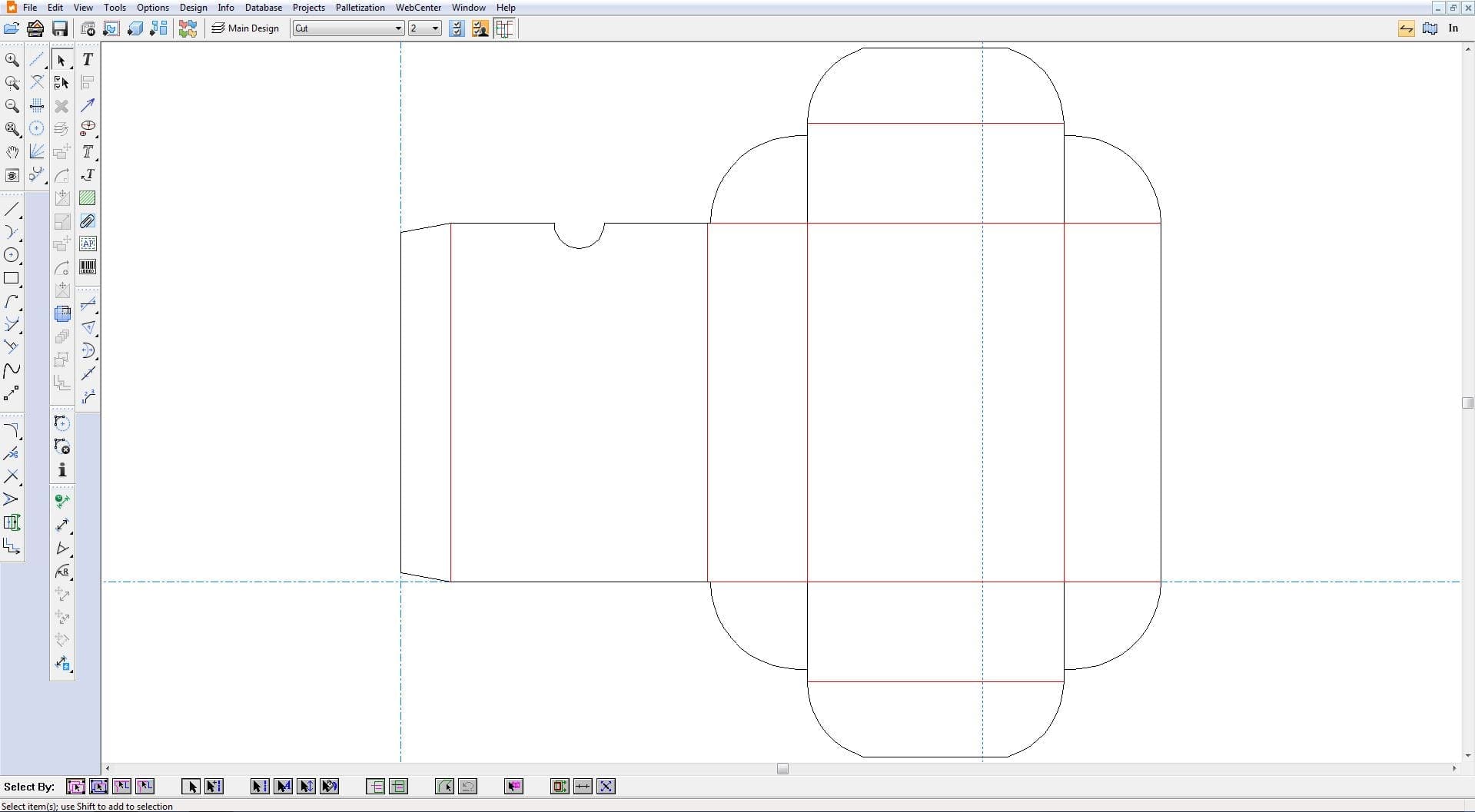
Modern packaging engineers use CAD-based dieline analysis to optimize layouts — ensuring maximum sheet yield and minimal offcut. For e-commerce and retail brands alike, right-sizing packaging improves shipping efficiency and reduces filler materials while maintaining the brand’s polished look.
It’s not just design — it’s design that earns its keep
Printing Smart: Matching the Process to the Purpose
Not every job needs premium litho or complex spot varnishes. A good packaging partner matches print method to scale and brand intent:
- Flexo printing for high-volume, cost-efficient runs.
- Digital printing for short runs, personalization, and multi-SKU campaigns.
- Litho laminating for high-end visuals in rigid or premium retail displays.
By choosing the right print method early, brands can avoid over-engineering — saving both time and money without compromising quality.
Data-Driven Decisions: The New Standard for Packaging Buyers
Leading companies now use data to guide packaging spend. Damage rate metrics, SKU-level freight analysis, and consumer perception studies all contribute to smarter choices.
Smart buyers are no longer asking, “What’s the cheapest box?” They’re asking, “What’s the most efficient box that protects the product, ships well, and supports brand goals?”
This mindset shift is what separates cost-cutting from cost control.
The Brown Packaging Approach
At Brown Packaging, we help brands make smarter packaging decisions by combining engineering analysis, supplier network leverage, and real-world testing.
Our process aligns packaging performance with total cost goals — from box design to print selection and logistics. The result: stronger packaging, lower waste, and sustainable cost savings that scale with your business.
Because in today’s market, smart packaging isn’t just a cost center — it’s a competitive advantage.
References
- PMMI. (2025). Operational Cost Efficiency in Packaging and Logistics.
- McKinsey & Company. (2024). Total Cost of Ownership in Consumer Goods Packaging.
- Packaging World. (2025). Data-Driven Decisions in Packaging Sourcing.
- Soroka, W. (2009). Fundamentals of Packaging Technology (4th ed.).
Subscription packaging continues to expand across beauty, food, lifestyle, and specialty products. Buyers must balance branding, protection, and sustainability while keeping fulfillment efficient. This checklist highlights the critical areas buyers
As budgets tighten in 2026, packaging buyers are under pressure to reduce costs without increasing damage rates. Cutting too aggressively can lead to product loss, higher return rates, and frustrated
Product damage is one of the most expensive risks in packaging. Beyond replacement costs, damaged goods lead to lost sales, returns, and reputational harm. In 2026, complex e-commerce, global shipping,
Retail packaging continues to evolve as brands balance sustainability, supply chain performance, and consumer experience. In 2026, buyers face new challenges shaped by material innovation, compliance requirements, and rising consumer
Home » Smart Packaging Decisions for a Cost-Conscious Market

What is Chipboard? Chipboard is made from small wood particles mixed with resin, binders and other additives, which is then pressed together under high temperature with high amounts of pressure. It is thicker than normal paper, but doesn’t have flutes like corrugated boxes. Chipboard normally comes in a single layer material, but it can come in a variety of thicknesses dependent on your packaging needs. This type of packaging is not meant for shipping purposes, it is best used for small consumer goods. For the purposes of this blog SBS, CCNB, CNK, SUS, and other similar products are included in this chipboard category. Advantages: Cost Efficient: Lower production and shipping cost. Better for Storage: Takes up less space when being stored compared to other packaging products. Printing: Ideal for design and customization and can be directly printed on. Flexible: Easier to cut, fold and shape due to thinner material. Protection: The density of the material gives strength and protection against possible damage. Environmental Factors: It is made from recycled material. The energy used to create this product is far less than other packaging options. Disadvantage: Chipboard cannot hold heavy or fragile Items and does not offer as much protection compared to other materials like corrugated. What are Common Chipboard Applications? Chipboard is best suited for retail and lightweight displays because this material can be cut and folded into different sizes and thicknesses. Since it is easily customized and printed directly on, it allows for pictures and high-quality designs to be printed directly on the chipboard surface, as opposed to needing secondary labels. It is best used for lightweight and less valuable products due to it not being as strong as corrugated material. Most packaging seen in retail is chipboard material. Examples of this include packaging food, beauty products, pharmaceuticals and other retail items. What are the Chipboard Packaging Products? Folding cartons: Thin flexible paperboard or chipboard cartons used in packaging lightweight products. There are several different folding carton styles some being; Straight Tuck End, Reverse Tuck End, Auto Bottom, Full Seal, Shelf Displays and many other styles. Setup Boxes: Premium two-piece boxes used to protect luxury items. Inserts: Protect items and prevent them shifting from fulfillment to completion. Pads: Used to provide products with extra protection and separate layers. Straight Tuck End (STE) Folding Carton with hanging tab Setup Box (Rigid Box) Inserts Pads Is Chipboard Right for your Packaging needs? Deciding which packaging material will work best for your business needs is an important decision. You must take many factors into consideration when weighing your options. If you are looking for a light weight, cost efficient, highly customizable, and ecofriendly packaging option, then chipboard might be the best option for your packaging needs. If you are needing help deciding if chipboard is the right packaging material for you, contact Brown Packaging today and one of our packaging specialists will assist you. (714)300-0650 request@brownpackaging.com Most Recent Posts: Categories: Corrugated Ecommerce ESD Design Display Flexible Packaging Foam Folding Carton Packaging Plastic Packaging Pouch Printing Protection Retail Rigid Box Thermoform Sustainability Subscribe To Our Newsletter By submitting your information, you agree to our terms and conditions and privacy policy. Custom Folding Cartons Facebook Twitter LinkedIn Pinterest Relevant Posts

Flexographic printing is a widely used printing method in the packaging industry that offers several advantages, including high efficiency, versatility, and cost-effectiveness. However, the sustainability of flexographic printing for packaging applications depends on several factors, including the materials used, the printing process, and the disposal of the printed material. In this blog, we will explore these factors in more detail and discuss how companies can adopt sustainable practices to ensure the sustainability of flexographic printing for packaging applications. Materials Used: Sourcing Sustainable Substrate Materials The sustainability of the printed material depends on the sustainability of the substrate material used. Paper and corrugated material is a renewable resource that is widely used in packaging applications. Sustainable paper production practices include using recycled paper, sourcing paper from responsibly managed forests, and using renewable energy sources to power the production process. Plastic is a non-renewable resource that is widely used in packaging applications. Sustainable plastic production practices include using recycled plastic, using bioplastics made from renewable resources, and designing packaging that can be easily recycled or reused. By sourcing sustainable substrate materials, companies can reduce the environmental impact of their packaging materials and ensure the sustainability of their printing practices. Printing Process: Using Environmentally Friendly Inks and Renewable Energy Sources The printing process used in flexographic printing can also impact the sustainability of the printed material. Using environmentally friendly inks, such as water-based or soy-based inks, can reduce the environmental impact of the printing process. These inks are biodegradable and do not contain harmful chemicals, making them a more sustainable choice than traditional petroleum-based inks. Using renewable energy sources, such as solar or wind power, can also reduce the carbon footprint of the printing process and make it more sustainable. Disposal of Printed Material: Designing Packaging for Recycling and Reuse The disposal of printed material is another important factor to consider when assessing the sustainability of flexographic printing for packaging applications. Printed material that is not recycled or reused can end up in landfills, where it can take hundreds of years to break down. Designing packaging that can be easily recycled or reused can help reduce the environmental impact of printed material. This can include using materials that are easily recyclable, such as paper or corrugated, or designing packaging that can be reused, such as refillable containers. Sustainability as a Holistic Approach To ensure the sustainability of flexographic printing for packaging applications, companies should take a holistic approach to their printing practices. This can include sourcing sustainable materials, using environmentally friendly inks, reducing energy consumption, and designing packaging that can be easily recycled or reused. By adopting sustainable practices throughout their printing processes, companies can reduce their environmental impact and help create a more sustainable future for the packaging industry. Conclusion: A Step Towards a Sustainable Future Flexographic printing can be a sustainable printing method for packaging applications, but it requires a commitment to sustainable practices from companies in the packaging industry. By taking a holistic approach to their printing practices and considering the sustainability of their materials, processes, and disposal methods, companies can reduce their environmental impact and help create a more sustainable future for the packaging industry. As consumers become increasingly aware of the environmental impact of packaging materials, companies that adopt sustainable printing practices are likely to have a competitive advantage in the marketplace. If you are interested in custom packaging with flexographic print, then partner with Brown Packaging today to get started. (714)300-0650 request@brownpackaging.com Most Recent Posts: Categories: Corrugated Ecommerce ESD Design Display Flexible Packaging Foam Folding Carton Packaging Plastic Packaging Pouch Printing Protection Retail Rigid Box Thermoform Sustainability Subscribe To Our Newsletter By submitting your information, you agree to our terms and conditions and privacy policy. Custom Packaging Facebook Twitter LinkedIn Pinterest Relevant Posts

Choosing a folding carton isn’t just about the graphics or the style—it’s about how the structural design and substrate work in tandem. The right combination can optimize line efficiency, protect products during transit, and reinforce brand perception, while the wrong pairing can lead to excess costs, damaged goods, or production slowdowns. This guide explains how style and material decisions influence one another and how to align them for maximum performance. Load-Bearing and Product Weight Heavier products place greater stress on both the style and the board grade. High-Strength Pairing: Auto-bottom or Full Seal End designs with coated unbleached kraft (CUK) for beverage carriers, glass jars, or frozen food. Lightweight Retail: Straight Tuck End (STE) with SBS for cosmetics or nutraceuticals, where presentation outweighs structural load. Key Interaction: Style choice can compensate for lighter materials—an auto-bottom with medium caliper SBS can still handle moderate weight without upgrading to heavier board. Straight Tuck End (STE) Reverse Tuck End (RTE) Environmental Resistance Packaging exposed to moisture, grease, or temperature swings needs both the right style and the right coating. Cold Chain Products: FSE with poly-coated CUK to prevent panel warping in refrigerated or frozen conditions. Dry Shelf Products: STE or RTE with uncoated SBS for vibrant graphics without added cost. Key Interaction: The wrong pairing—like SBS without coating in high-humidity environments—can fail even if the style is structurally sound. Assembly Speed and Automation Line efficiency depends on how easily the style works with the chosen substrate. High-Speed Automation: FSE or STE in SBS or FBB for consistent feeding and folding with minimal score cracking. Manual Operations: RTE or auto-bottom in softer recycled FBB for easy hand folding. Key Interaction: Certain recycled boards may require adjusted creasing profiles to fold cleanly at high speeds—designers must factor this into style selection. Branding and Shelf Presence Material surface quality and structural layout work together to shape consumer perception. Premium Branding: STE in SBS for uninterrupted front panels and high-gloss finishes. Natural/Artisan Look: Sleeve or RTE in natural kraft CUK for an eco-conscious aesthetic. Key Interaction: Choosing a style with large uninterrupted panels means surface smoothness matters more, favoring higher-grade boards. Cost Optimization The most cost-effective designs balance board grade, caliper, and style complexity. Cost-Down Opportunities: Switch from STE to RTE when material yield is higher in layout, or move from SBS to recycled FBB when strength is over-specified. When to Spend More: Upgrade to auto-bottom when labor costs outweigh the savings of a simpler tuck style. Key Interaction: Sometimes a stronger style allows for a lighter material, and sometimes a higher-grade board allows for a simpler style—knowing which trade-off delivers more savings is critical. Decision Framework Define Product Constraints – Weight, fragility, shelf life, and environmental conditions. Set Line Requirements – Manual vs. automated, speed targets, changeover flexibility. Match Style to Strength – Select a structural format that supports handling and branding needs. Match Material to Style – Ensure board grade, caliper, and coatings enhance the style’s performance. Validate with Prototypes – Test under real-world shipping and retail conditions before committing to production. References Soroka, W. (2014). Fundamentals of packaging technology (5th ed.). Institute of Packaging Professionals. ISBN: 978-1-930268-37-2 Twede, D., & Goddard, R. (2021). Cartons, crates and corrugated board: Handbook of paper and wood packaging technology (2nd ed.). DEStech Publications. ISBN: 978-1-60595-120-5 (714)300-0650 request@brownpackaging.com Most Recent Posts: Categories: Corrugated Ecommerce ESD Design Display Flexible Packaging Foam Folding Carton Packaging Plastic Packaging Pouch Printing Protection Retail Rigid Box Thermoform Sustainability Subscribe To Our Newsletter By submitting your information, you agree to our terms and conditions and privacy policy. Custom Folding Cartons Facebook Twitter LinkedIn Pinterest Relevant Posts