window.uetq = window.uetq || []; window.uetq.push(‘event’, ‘submit_lead_form’,{ event_label:‘SUBMIT MESSAGE’ }); window.lintrk('track', { conversion_id: 10271009 }); window.lintrk('track', { conversion_id: 10271017 });

Reducing Packaging Tariff Exposure with U.S. Suppliers
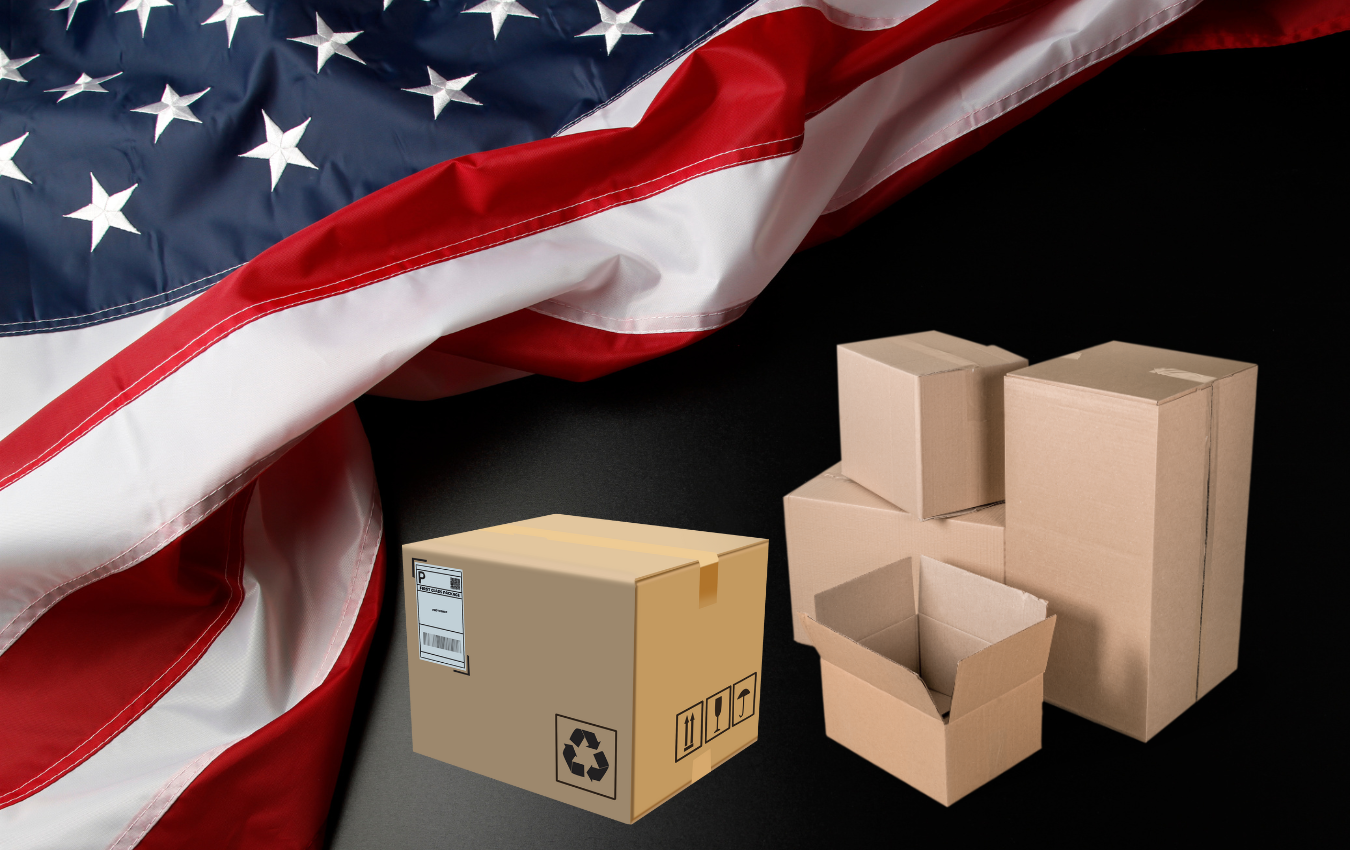
Reducing Tariff Exposure with Domestic Packaging Alternatives

Rising tariffs and trade restrictions on Chinese manufacturing are accelerating the need for U.S. companies to reevaluate their packaging supply chains. Many packaging buyers who once relied on Chinese corrugated, folding carton, or retail display production are now confronting considerable tariff hikes, longer lead times, and higher freight costs. The result: sourcing decisions must shift from lowest unit price to lowest total landed cost and risk exposure.

Why Tariff Exposure Is Now a Core Supply Chain Risk

Tariffs aren’t a temporary inconvenience—they’ve become a recurring part of U.S.–China trade dynamics. Most categories affected by tariffs including paperboard, corrugated substrates, and even adhesives or coatings used in printed packaging. That means importers can no longer assume tariff exemptions.

For packaging buyers, this instability affects:

  • Forecasting accuracy — Tariff shifts alter quarterly pricing models and margin targets.
  • Supplier consistency — Factories facing reduced export demand may limit runs or close entirely.
  • Compliance risk — Country-of-origin labeling and component sourcing rules are tightening under new trade regulations.

Why Nearshoring Has Become a Competitive Advantage


Nearshoring—moving production to nearby regions such as Mexico, Central America, or Canada—offers a faster, more predictable alternative to Asian imports. Proximity reduces freight volatility and enables real-time collaboration on packaging design and assembly.

Key nearshoring benefits for packaging include:

  • Lower transit and warehousing costs – Drastically reduced container dependency and demurrage risk.
  • Shorter lead times – Transit from Mexico or Canada averages 1–2 weeks vs. 6–8 weeks from China.
  • Improved communication – Aligned time zones and fewer language barriers improve production accuracy.
  • Lower minimum order quantities (MOQs) – Regional converters are often more flexible than high-volume Chinese facilities.

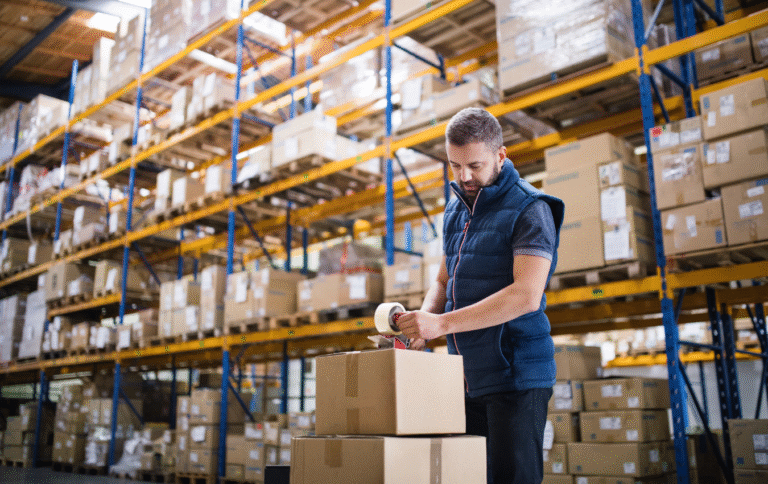
How to Optimize Your Packaging in Delivery Trucks Using CAPE Software

Domestic Manufacturing: The Most Stable Option


While nearshoring provides cost relief and flexibility, fully domestic packaging manufacturing remains the most secure option for long-term stability. U.S. suppliers are investing heavily in automation, digital die cutting, and short-run litho-laminated systems to close cost gaps with overseas competitors.

Domestic packaging advantages include:

  • Tariff elimination – 100% of production within U.S. borders avoids all import-related fees.
  • Faster prototyping and revisions – Local access enables same-day design and sampling.
  • Compliance confidence – Made-in-USA labeling supports sustainability and procurement standards.
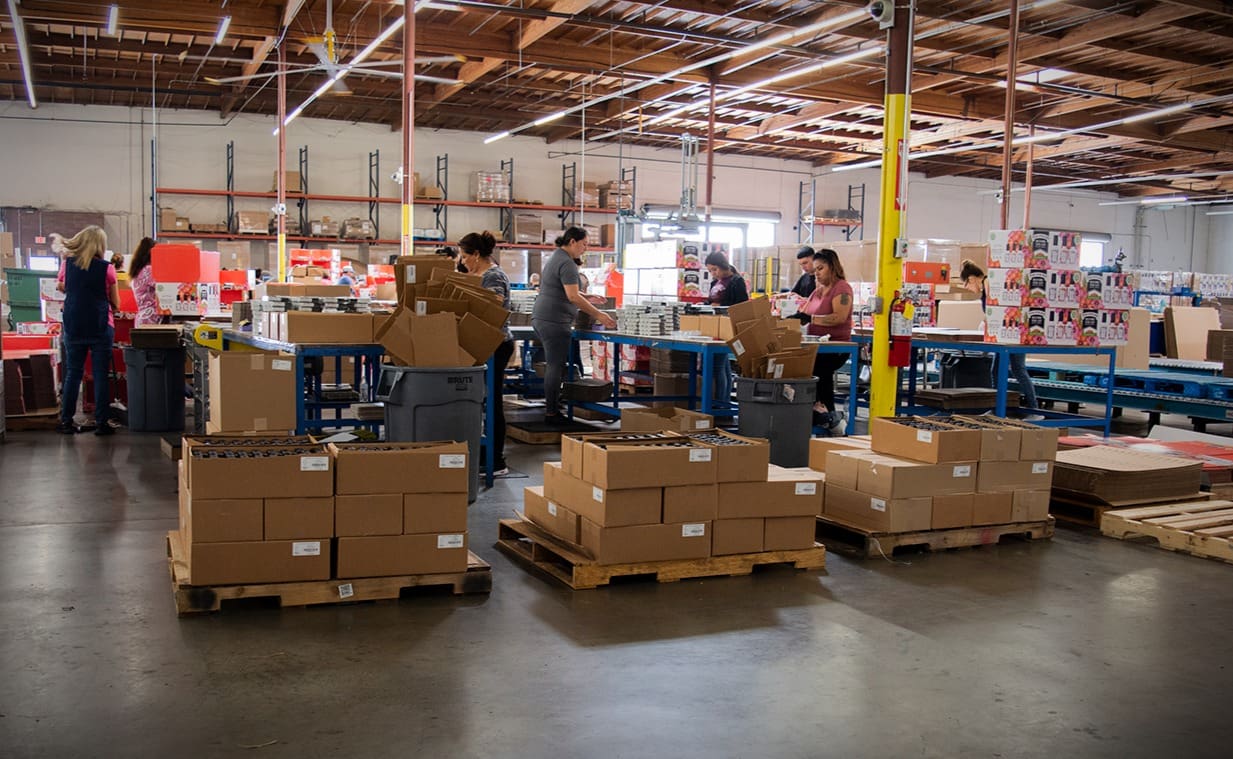
  • Integration with fulfillment – Many U.S. converters offer kitting, co-packing, and drop shipping within the same facility.
Fulfillment and Packout

Cost Optimization Beyond Labor Rates


A common misconception is that nearshoring or U.S.-based sourcing automatically increases costs. However, freight, duties, insurance, and inventory carrying costs often offset labor savings from China. When total landed cost is evaluated correctly, domestic or nearshore solutions frequently provide parity or better value.

Example cost drivers impacting total landed cost:

  • Freight (ocean + inland)
  • Tariffs
  • Quality control inspections and compliance audits add hidden overhead.
  • Long lead times create excess inventory storage and obsolescence risk.
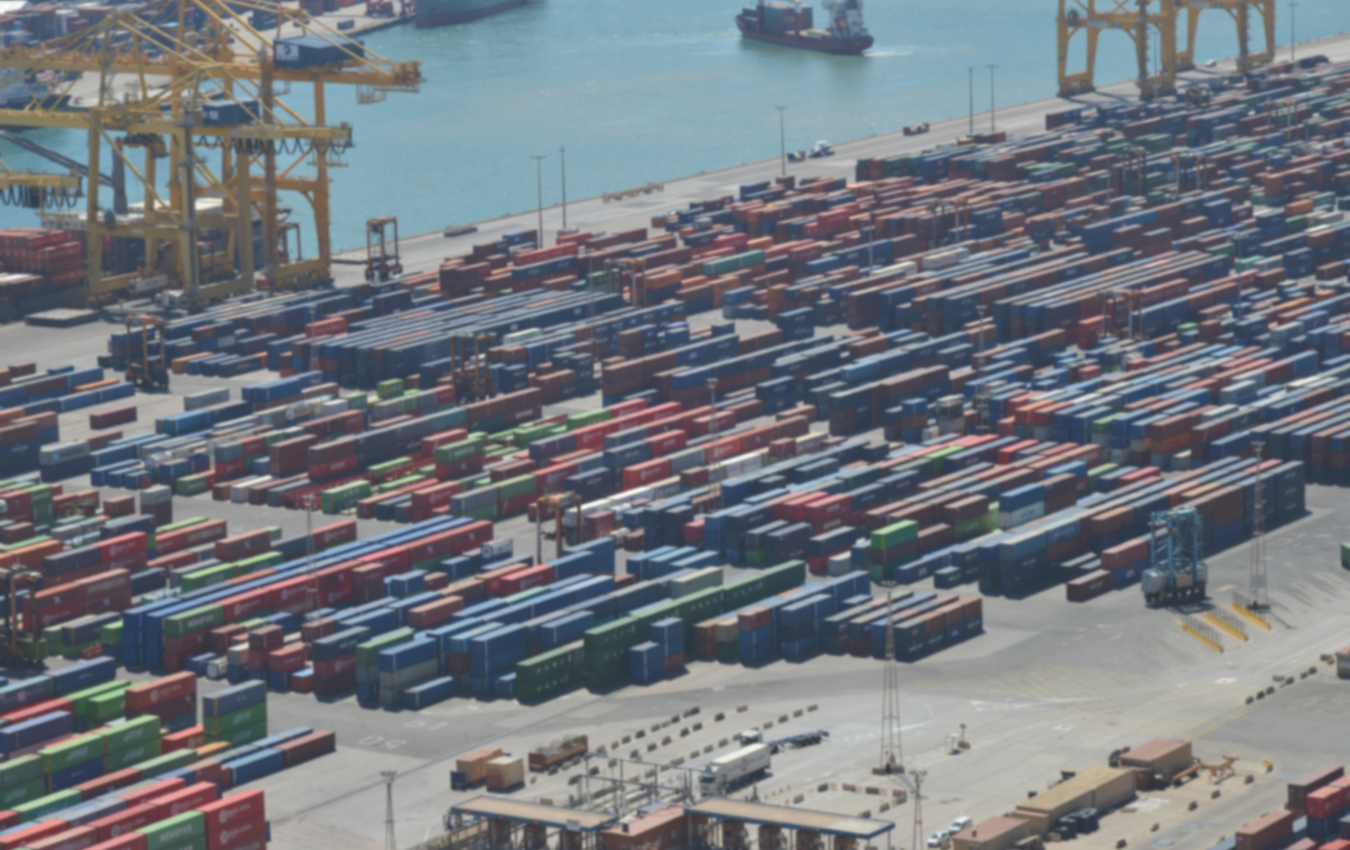
Shipping delays

Material and Substrate Considerations


Certain packaging types benefit more from nearshoring or domestic conversion:

  • Corrugated Boxes – High volume, high cube, and regional freight sensitivity favor U.S. production.
  • Folding Cartons – Nearshore or domestic options with automated gluing and UV print systems compete effectively at scale.
  • POP Displays and Pallet Programs – Domestic production ensures compliance with retailer testing and ECT standards while minimizing damage risk during shipping.
  • Flexible Packaging Films – Mexico and Central America are emerging hubs with competitive extrusion and printing capabilities.
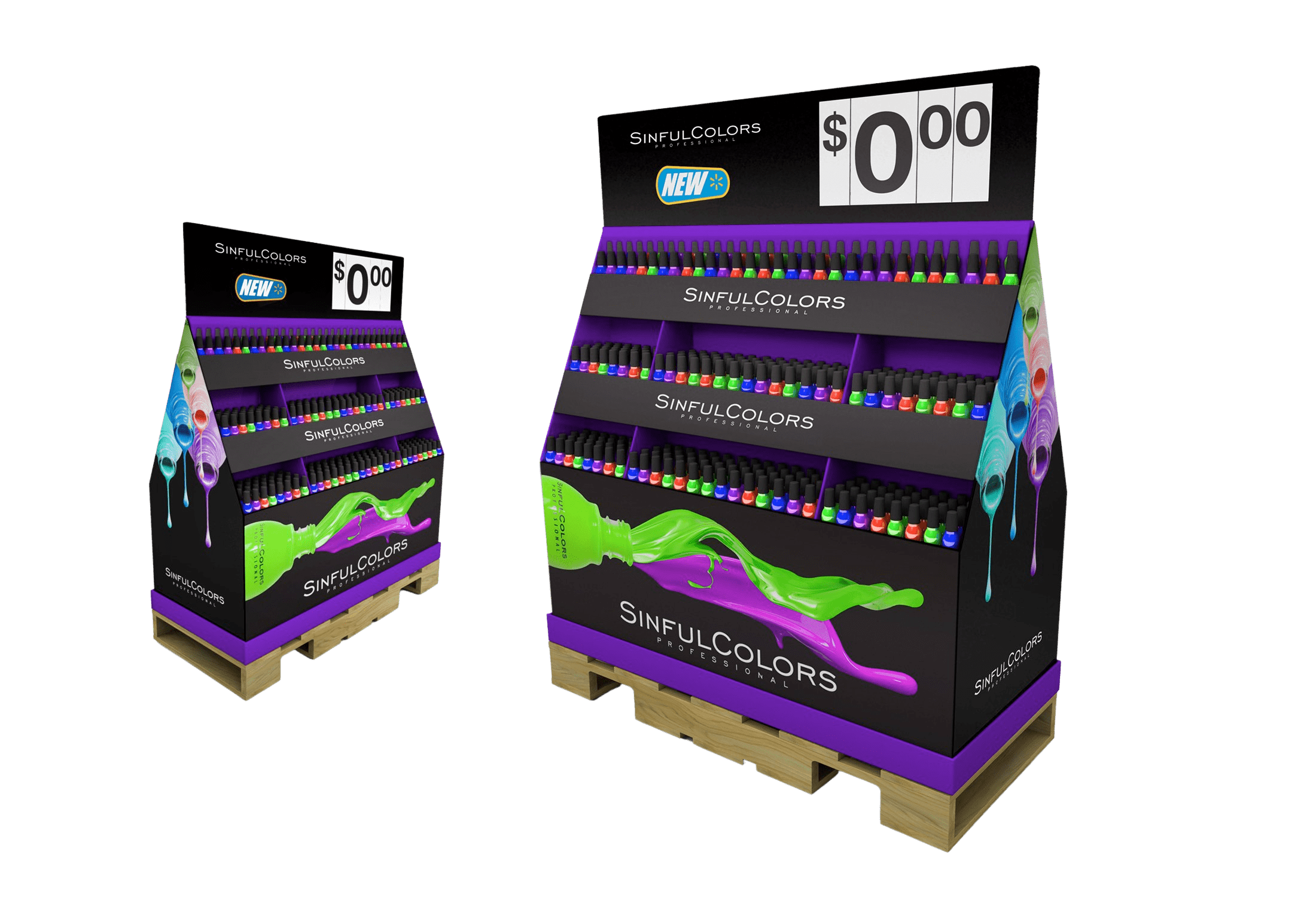
Sinful Colors Pallet Display

Supplier Consolidation and Compliance Efficiency


Consolidating packaging SKUs under one domestic distributor or converter can simplify compliance tracking and tariff exposure management. Buyers who previously coordinated multiple overseas vendors for boxes, inserts, and displays are moving toward integrated regional sourcing.

Modern packaging distributors now offer:

  • Multi-material expertise (corrugated, carton, label, film)
  • FSC®, SFI®, and ISO-certified manufacturing
  • In-house engineering and prototyping
  • Regional warehousing and JIT programs
  • Domestic fulfillment and co-packing support

Evaluating Next Steps for Sourcing Strategy


Companies currently importing from China should perform a total landed cost analysis comparing three options:

  1. Maintain Chinese sourcing under new tariffs.
  2. Shift to nearshoring in Mexico or Canada.
  3. Transition to full domestic manufacturing through a U.S. distributor or converter.

The analysis should include freight rates, duties, minimum orders, production reliability, and compliance overhead. Many packaging buyers are discovering that their “cheaper” overseas program actually costs more once tariffs, logistics delays, and quality losses are quantified.

References

  • Reuters. Trump mulls ending some trade ties with China, including relation cooking oil. October 14, 2025.
  • U.S. Trade Representative (USTR). Section 301 Tariff Actions and Product Lists.
  • International Trade Administration (ITA). Country Commercial Guide: Mexico – Packaging and Labeling.
  • Soroka, W. Fundamentals of Packaging Technology. 6th ed. Institute of Packaging Professionals.
Most Recent Posts:
Comparing Single vs. Multi-Material Packaging

Choosing the right packaging material is one of the most important decisions buyers face. Single-material packaging offers simplicity and recyclability, while multi-material designs provide enhanced performance and protection. Understanding the

Read More »
Categories:
Subscribe To Our Newsletter

By submitting your information, you agree to our terms and conditions and privacy policy.
Floor Display
Custom Packaging
Facebook
Twitter
LinkedIn
Pinterest
Relevant Posts
custom pouch
Packaging
brownpackaging
Primary Packaging: The First Line of Defense for Products

In the world of product manufacturing and retail, packaging plays a crucial role in protecting products, attracting consumers, and conveying brand messages. Among the various types of packaging, primary packaging holds a special place as it is the first and most direct form of packaging around a product. This blog post aims to explore the concept of primary packaging, its importance, and its various forms. What is Primary Packaging? Primary packaging is the material that first envelops the product and holds it. This type of packaging is in direct contact with the product itself and is often the last to be opened by the consumer before using the product. It serves several critical functions, from protecting the product to providing consumer information and aiding in marketing efforts. The Role of Primary Packaging Protection: The most fundamental role of primary packaging is to protect the product from damage, contamination, and tampering. It ensures the product remains intact and safe for use from the production line until it reaches the consumer. Preservation: For many products, especially food items and pharmaceuticals, primary packaging plays a crucial role in preserving the quality and extending the shelf life of the product by providing barriers to moisture, light, and air. Information and Compliance: Primary packaging is a key medium for conveying necessary product information, instructions for use, ingredients or contents, and compliance with regulatory requirements. Branding and Marketing: Often the first thing a consumer interacts with, primary packaging is an important branding tool. Its design, colors, and materials can significantly influence purchasing decisions and brand perception. Types of Primary Packaging Primary packaging can vary greatly depending on the product. Common types include: Bottles and Jars: Used for liquids and creams in the beverage, beauty, and pharmaceutical industries. Boxes and Cartons: Often used for electronics, cosmetics, and house hold items. Flexible Packaging: Such as pouches or bags, commonly used for snacks, grains, and frozen foods. Blister Packs: ideal for medical devices and electronics. Tubes: For semi-solid products like toothpaste or certain food items. Materials Used in Primary Packaging The choice of material for primary packaging is determined by the product’s needs and includes: Plastics: Versatile and widely used, suitable for a range of products. Glass: Preferred for its non-reactive nature, especially for food and pharmaceuticals. Metal: Often used for its durability and protective qualities. Paper and Cardboard: Commonly used for their recyclability and lightweight properties. Design Considerations in Primary Packaging Designing primary packaging requires a balance between functionality and aesthetics. It should be user-friendly, secure, and aligned with the brand’s identity. Additionally, sustainable design practices are increasingly important to reduce environmental impact. Innovation and Trends in Primary Packaging The primary packaging sector is seeing innovations like smart packaging, which includes the use of QR codes and RFID technology, and sustainable alternatives like biodegradable materials and minimalist designs. If you are interested in primary packaging, then partner with Brown Packaging today to get started. (714)300-0650 request@brownpackaging.com Most Recent Posts: Categories: Corrugated Ecommerce ESD Design Display Flexible Packaging Foam Folding Carton Packaging Plastic Packaging Pouch Printing Protection Retail Rigid Box Thermoform Sustainability Subscribe To Our Newsletter By submitting your information, you agree to our terms and conditions and privacy policy. Custom Packaging Facebook Twitter LinkedIn Pinterest Relevant Posts

Read More »
10 Most Budget-Friendly Ways to Package Products
Packaging
brownpackaging
10 Most Budget-Friendly Ways to Package Products

In the competitive marketplace, packaging can significantly impact the overall cost of your product. However, efficient and budget-friendly packaging options can help maintain quality without breaking the bank. This blog post outlines the top 10 cost-effective packaging strategies that don’t compromise on the product’s appeal and protection. Simplify Your Design Bulk Purchases Choose Standard Sizes and Shapes Lightweight Materials Go for Eco-Friendly Options Reduce Excess Packaging Efficient Packaging Design Multi-functional Packaging Digital Printing for Smaller Runs Reuse and Repurpose Simplify Your Design Keeping your packaging design simple and minimalistic can reduce printing costs. Opt for one or two-color designs instead of multiple colors and avoid complex graphics. A simple, clean design not only saves money but also often appeals more to modern consumers. Bulk Purchases Ordering packaging materials in bulk usually leads to lower unit costs. However, it’s crucial to balance the inventory and storage costs against the bulk discount to ensure it’s actually cost-effective. Choose Standard Sizes and Shapes Custom shapes and sizes can be expensive, when available use standard sizes. Utilize standard sizes for boxes, pouches, or bottles, which are more affordable due to their widespread availability and the economies of scale in their production. Lightweight Materials Opting for lightweight packaging materials can significantly cut shipping costs. Materials like thin plastic, lightweight cardboard, or certain foams offer enough protection without adding much weight. Go for Eco-Friendly Options Eco-friendly materials like recycled paper or biodegradable plastics are often competitively priced and meet the growing demand for sustainable packaging. They can also save costs on waste disposal and are increasingly favored by consumers. Reduce Excess Packaging Evaluate your product’s packaging needs and eliminate unnecessary layers or components. Not only does this reduce material costs, but it also aligns with sustainability efforts and can reduce shipping costs. Efficient Packaging Design Design your packaging to use space efficiently. For instance, flat-pack designs that can be assembled as needed save space and shipping costs. Efficient use of space inside the package can also reduce the overall size, thus saving on material costs. Multi-functional Packaging Consider packaging that serves more than one purpose. For example, a box that doubles as a display stand in retail settings, or packaging that can be reused by the customer, adding value to their purchase. Digital Printing for Smaller Runs For smaller production runs, digital printing is often more cost-effective than traditional printing methods like offset or flexographic printing. It offers high-quality printing without the need for expensive plates. Reuse and Repurpose For internal operations or shipping, consider reusing boxes and other packaging materials. This approach not only reduces costs but also contributes to environmental sustainability. Bonus Tip: Engage with Multiple Suppliers Don’t rely on a single supplier for your packaging needs. Engaging with multiple suppliers can help you compare prices and negotiate better deals, potentially leading to significant cost savings. If you are interested in custom effective packaging solutions, then partner with Brown Packaging today. (714)300-0650 request@brownpackaging.com Most Recent Posts: Categories: Corrugated Ecommerce ESD Design Display Flexible Packaging Foam Folding Carton Packaging Plastic Packaging Pouch Printing Protection Retail Rigid Box Thermoform Sustainability Subscribe To Our Newsletter By submitting your information, you agree to our terms and conditions and privacy policy. Custom Packaging Facebook Twitter LinkedIn Pinterest Relevant Posts

Read More »
How Edge Protectors are Enhancing Sustainability in the Packaging Industry
Corrugated
brownpackaging
How Edge Protectors are Enhancing Sustainability in the Packaging Industry

In recent years, sustainability has become a key focus in various industries, including packaging. As companies strive to minimize their environmental footprint, innovative solutions are being developed to promote sustainable practices. One such solution is the use of edge protectors in the packaging industry. Edge protectors not only provide structural support and protection for packaged goods, but they also contribute significantly to enhancing sustainability. This blog explores the various ways in which edge protectors are enhancing sustainability in the packaging industry. Understanding Edge Protectors Before delving into their sustainable benefits, let’s understand what edge protectors are. Edge protectors, also known as corner protectors, are typically made from materials like cardboard, paperboard, or plastic. They are designed to reinforce and protect the edges and corners of packaging, preventing damage during transit and handling. Edge protectors are available in various sizes and configurations to suit different packaging needs. Reducing Material Waste One of the significant advantages of using edge protectors is their ability to reduce material waste in the packaging industry. By reinforcing the edges and corners of packages, they minimize the risk of damage during transportation. This reduces the need for excessive cushioning materials, such as foam or bubble wrap, which are often used to protect vulnerable areas. Edge protectors act as a first line of defense, enabling packaging to withstand external pressures and reducing the overall material waste. Enhancing Product Protection Another way edge protectors contribute to sustainability is by enhancing product protection. When packaged goods are damaged during transit, they often end up as waste, resulting in financial losses for businesses and environmental impact. By providing additional structural support, edge protectors minimize the likelihood of product damage. This not only reduces the waste generated but also extends the lifespan of the packaged goods, leading to a more sustainable approach. Facilitating Reusability and Recyclability Edge protectors are often made from recyclable materials such as cardboard or paperboard. This makes them highly suitable for reuse and recycling. Unlike some other packaging materials, edge protectors can be easily separated from the primary packaging and recycled separately. This promotes a circular economy, where materials are reused and recycled rather than disposed of after a single use. By incorporating recyclable edge protectors, companies can minimize their environmental impact and contribute to sustainable packaging practices. Optimizing Packaging Efficiency Efficiency plays a crucial role in sustainable packaging practices. Edge protectors can help optimize packaging efficiency by allowing for better stacking and utilization of space. By reinforcing the edges and corners, packages can be stacked more securely, reducing the risk of collapse and maximizing the use of available storage and transportation space. This, in turn, leads to fewer trips required for transportation, reduced fuel consumption, and lower carbon emissions. By improving packaging efficiency, edge protectors contribute to overall sustainability efforts. Supporting Lightweight Packaging With the rising focus on reducing carbon emissions and transportation costs, lightweight packaging has gained prominence. Edge protectors enable the use of lighter packaging materials by providing structural integrity to the package. By reinforcing the edges and corners, edge protectors allow companies to use thinner materials without compromising the protection of the packaged goods. This helps reduce the overall weight of the packaging, leading to lower transportation costs and reduced energy consumption during transportation. Summary: Edge Protectors and Sustainability Edge protectors play a vital role in enhancing sustainability within the packaging industry. They not only reduce material waste but also enhance product protection, facilitate reusability and recyclability, optimize packaging efficiency, and support lightweight packaging. As companies increasingly adopt sustainable practices, incorporating edge protectors into their packaging solutions becomes an essential step towards reducing environmental impact. By embracing edge protectors, businesses can contribute to a greener future and promote a more sustainable packaging industry overall. If you are interested in edge protectors and/or sustainable solutions, then partner with Brown Packaging today to get started. (714)300-0650 request@brownpackaging.com Most Recent Posts: Categories: Corrugated Ecommerce ESD Design Display Flexible Packaging Foam Folding Carton Packaging Plastic Packaging Pouch Printing Protection Retail Rigid Box Thermoform Sustainability Subscribe To Our Newsletter By submitting your information, you agree to our terms and conditions and privacy policy. Edge Protectors Facebook Twitter LinkedIn Pinterest Relevant Posts

Read More »