window.uetq = window.uetq || []; window.uetq.push(‘event’, ‘submit_lead_form’,{ event_label:‘SUBMIT MESSAGE’ }); window.lintrk('track', { conversion_id: 10271009 }); window.lintrk('track', { conversion_id: 10271017 });

How to Structurally Design Your Corrugated Box

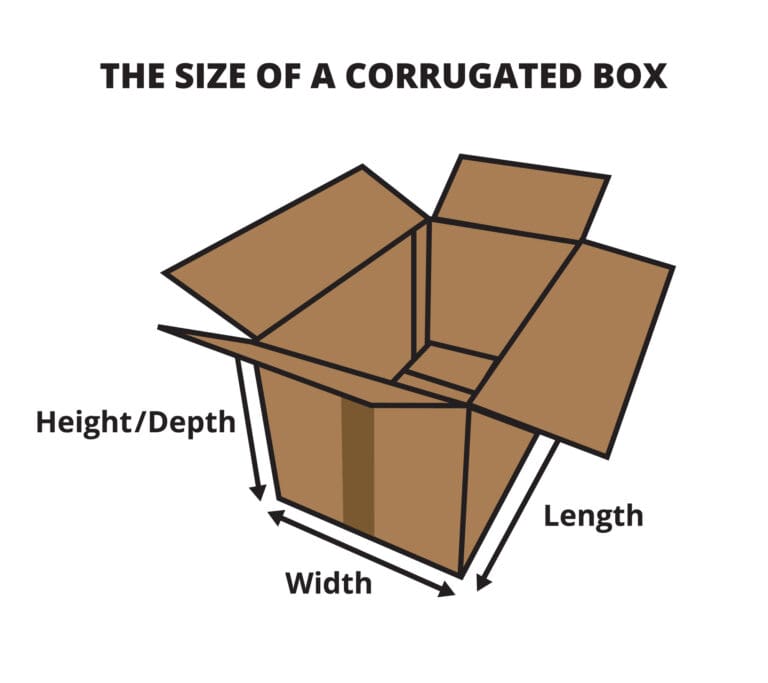
The size of a corrugated box, chart of how to measure a corrugated box. Width, length, height or depth. Cardboard boxes size. Package dimensions.

Structurally designing your corrugated box involves understanding the specific requirements of your product and applying principles of material science and engineering to ensure optimal protection, efficiency, and cost-effectiveness. This process requires careful consideration of the box’s dimensions, material grade, flute type, and the intended use to create a packaging solution that meets both logistical and aesthetic needs.

Understanding the Basics of Corrugated Boxes

Before diving into the design process, it’s important to grasp the fundamental components of a corrugated box:

  • Fluting: The wavy layer of corrugated paper that provides cushioning and strength. The size, type and the material of the flute affect the box’s compression strength, stacking strength, and crush resistance.
  • Linerboards: Flat sheets of paper that sandwich the fluting, contributing to the box’s durability and structural integrity.
  • Box Types: Common configurations include the Regular Slotted Container (RSC), Full Overlap (FOL), and Die-Cut designs, each offering different benefits in terms of protection and assembly efficiency.
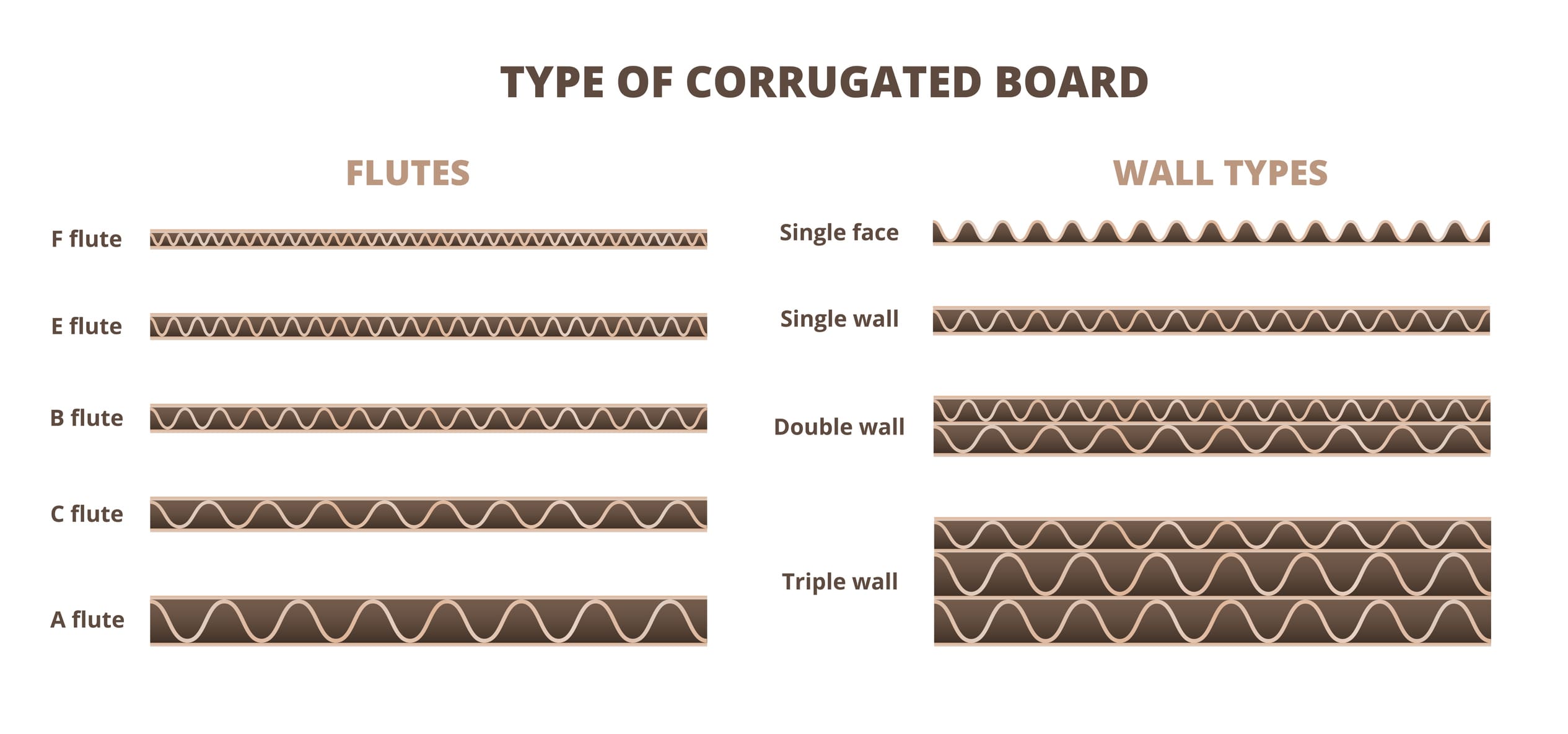
Vector scheme, type of corrugated board or cardboard isolated on white. Cardboard flute typical and usual grades, sizes, or types. Single face, single wall, double wall, triple wall corrugated.

Step 1: Assess Product Requirements

Start by evaluating the weight, dimensions, and fragility of the product. Consider any additional space needed for internal packaging materials like bubble wrap or foam inserts, which provide extra protection for delicate items. This assessment will guide the choice of box size and strength needed to ensure safe transport and storage.

custom corrugated box with print sustainability

Step 2: Select Material and Flute Type

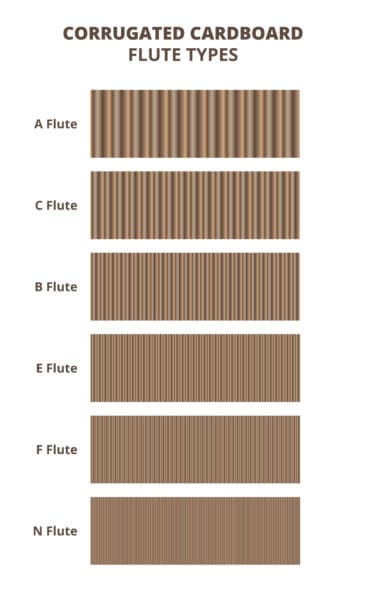
Choose the appropriate material grade and flute type based on the product’s weight and the level of protection required. For lightweight items, a single-wall box with smaller flutes like B or C may suffice. Heavier or more fragile items may require double-wall or triple-wall boxes with larger flutes like A or BC for increased cushioning and strength. The Edge Crush Test (ECT) rating of the cardboard is a critical factor here, indicating the box’s ability to withstand external pressures.

Vector set of flute types of corrugated board or cardboard isolated on white. Cardboard flute typical and usual grades, sizes, or types. Flute A, C, B, E, F, N.

Step 3: Design for Efficiency and Sustainability

Efficiency in packaging not only reduces material costs but also minimizes waste, contributing to sustainability. Design your box to fit your product snugly while allowing for minimal extra packaging material. Consider using recyclable materials and designing for ease of recycling after use, such as avoiding mixed materials that are difficult to separate.

Step 4: Prototype and Test

Once the initial design is established, create a prototype of your box. This allows for hands-on testing to ensure the box meets your requirements in terms of size, strength, and functionality. Conduct tests that mimic real-world handling, shipping, and stacking scenarios to identify any structural weaknesses or design flaws.

Step 5: Customization and Branding

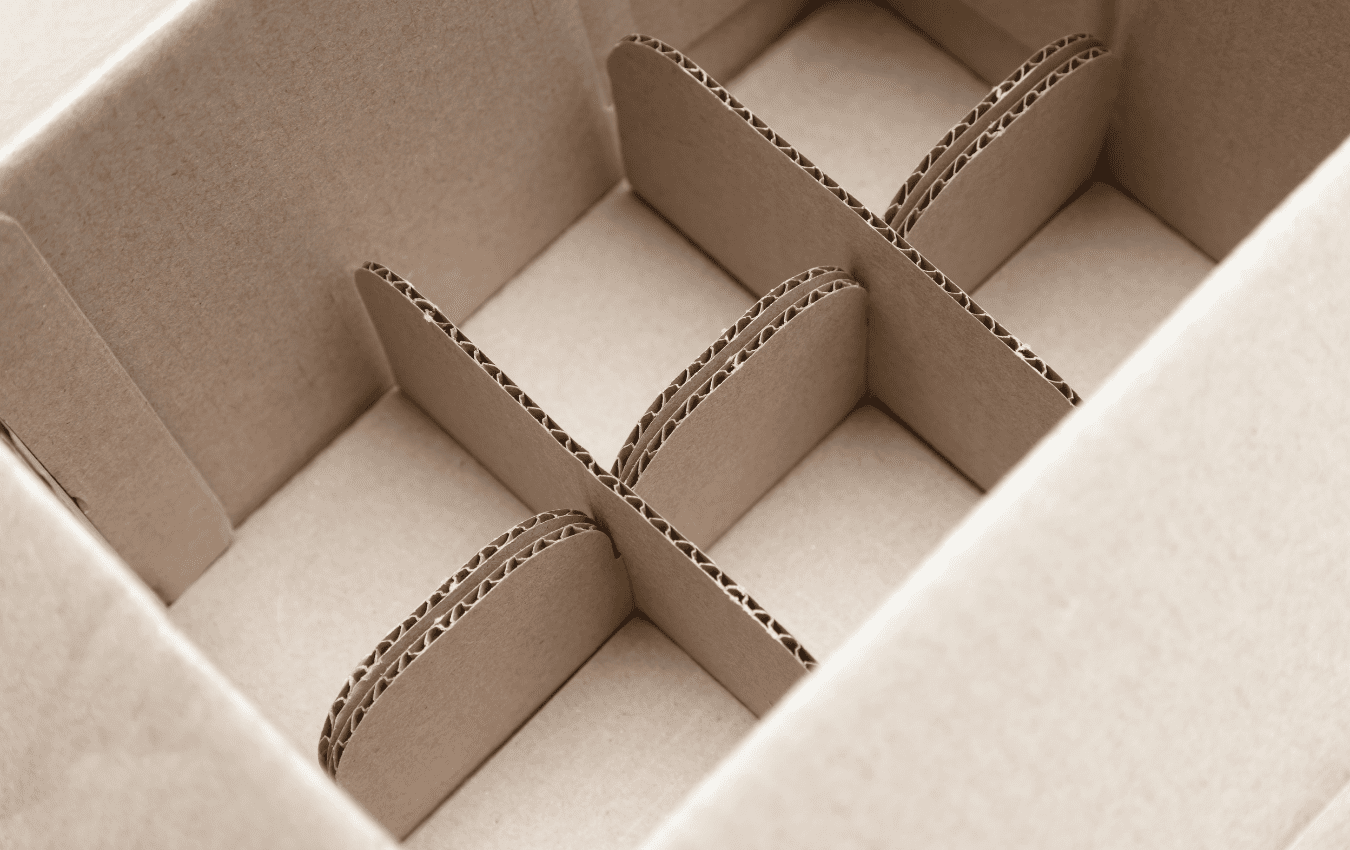
Customization isn’t just about aesthetics; it can also enhance the box’s structural integrity. For example, die-cut inserts not only secure products within the box but also add rigidity to the structure. Use the exterior for branding, but ensure that any printing or customization does not compromise the box’s strength.

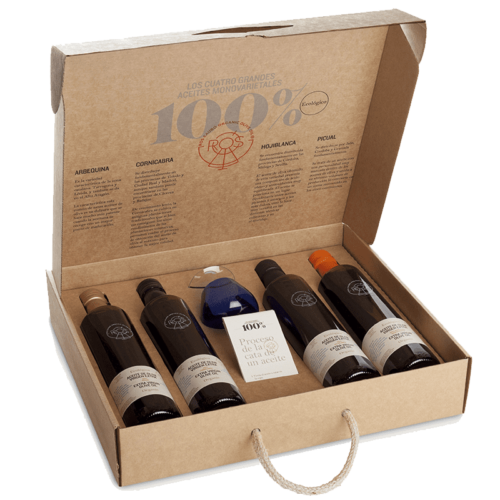
Custom corrugated mailer box for wine subscription

Step 6: Iterate Based on Feedback

Use feedback from the testing phase to refine your design. This may involve adjusting dimensions, changing the flute type, or reevaluating the material grade. Iteration is a crucial step in optimizing the design for both protection and cost.

Conclusion

Structurally designing a corrugated box is a detailed process that blends science, engineering, and aesthetics. It requires a deep understanding of the product needs, material properties, and the logistical demands of shipping and handling. By following these steps and focusing on both function and form, you can develop a corrugated box that not only protects your product but also enhances your brand’s presentation and sustainability efforts.

If you are interested in custom structurally designed corrugated boxes, then partner with Brown Packaging today to get started.

Most Recent Posts:
Comparing Single vs. Multi-Material Packaging

Choosing the right packaging material is one of the most important decisions buyers face. Single-material packaging offers simplicity and recyclability, while multi-material designs provide enhanced performance and protection. Understanding the

Read More »
Categories:
Subscribe To Our Newsletter

By submitting your information, you agree to our terms and conditions and privacy policy.

Corrugated Mailer
Custom Corrugated Boxes
Facebook
Twitter
LinkedIn
Pinterest
Relevant Posts
How To Maximize The Durability of Corrugated Boxes
Corrugated
brownpackaging
Edge Crush Test (ECT) Optimization for E-Commerce Shipments

The Edge Crush Test (ECT) is a critical performance metric for corrugated boxes, directly correlating to stacking strength and load-bearing capacity. In the high-stress world of e-commerce shipping, where packages face frequent handling, multi-stop routes, and varying climates, optimizing ECT values without over-engineering is essential for cost efficiency and product protection. Why ECT Matters in E-Commerce Stacking Strength: Determines how well boxes can withstand vertical loads in warehouse racking or trailer stacking. Material Efficiency: Allows engineers to achieve performance targets with lighter weight liners or mediums, reducing costs. Regulatory Alignment: Certain carriers and industry sectors specify minimum ECT ratings for compliance. Balancing ECT and Basis Weight ECT vs. Mullen Burst: ECT measures column strength; Mullen measures resistance to puncture/tearing. E-commerce often favors ECT for stacked pallet loads. Lightweighting Strategies: Use high-performance recycled fiber blends to maintain stiffness. Incorporate higher-grade outer liners for localized reinforcement. Design Variables That Influence ECT Flute Profile: B- and C-flutes offer different stiffness profiles. B-flute generally yields higher ECT for the same board weight. Adhesive Quality: Uniform glue lines prevent micro-buckling under compression. Moisture Resistance: High humidity can reduce ECT by up to 50%; moisture-resistant coatings help maintain performance. Testing and Standards ASTM D642: Measures box compression strength. TAPPI T839: Determines edgewise compressive strength of corrugated fiberboard using the clamp method. ISTA Series: Full-scale distribution simulation, including drop, vibration, and compression under varying conditions. Optimization in Practice Case Example: Switching from 44 ECT double-wall to 32 ECT single-wall with enhanced flute medium reduced material cost by 14% without increasing damage claims in a 90-day trial. Prototyping: Lab ECT data should be validated through route-specific field testing before large-scale rollout. ReferencesASTM International. (2015). ASTM D642-15: Standard test method for determining compressive resistance of shipping containers. ASTM International. https://www.astm.org/d0642-15.htmlTechnical Association of the Pulp and Paper Industry. (2018). TAPPI T839 om-18: Edgewise compressive strength of corrugated fiberboard using the clamp method. TAPPI. https://www.tappi.org/content/store/shared/T839.htmlInternational Safe Transit Association. (2018). ISTA 6-Series transit tests. ISTA. https://ista.org/ (714)300-0650 request@brownpackaging.com Most Recent Posts: Categories: Corrugated Ecommerce ESD Design Display Flexible Packaging Foam Folding Carton Packaging Plastic Packaging Pouch Printing Protection Retail Rigid Box Thermoform Sustainability Subscribe To Our Newsletter By submitting your information, you agree to our terms and conditions and privacy policy. Custom Corrugated Boxes Facebook Twitter LinkedIn Pinterest Relevant Posts

Read More »
Why More Brands Are Choosing U.S. Corrugated Box Suppliers Oversea Manufacturers
Corrugated
brownpackaging
The Shift to U.S. Corrugated Packaging Suppliers

With rising tariffs, unpredictable freight costs, and ongoing supply chain delays, more companies are pulling away from overseas packaging and turning to U.S.-based corrugated box suppliers. While international sourcing once offered significant cost savings, the current landscape has shifted. Now, domestic packaging solutions offer more control, faster turnaround, and better long-term value. Here’s why this shift is happening—and what buyers need to consider. Tariffs Are Raising Costs The return of tariffs on oversea goods has significantly increased the true cost of sourcing corrugated boxes overseas. What used to be a budget-friendly option is now burdened by duties, customs fees, and higher overall import costs—often eliminating any price advantage. Global Shipping Is Still Unstable Ocean freight remains volatile, with container costs, port delays, and extended lead times continuing to disrupt planning. Brands relying on overseas box production often face 8–12 week lead times—while U.S. suppliers can typically deliver in 2–4 weeks or less. Faster Turnarounds for Retail and E-Commerce In today’s fast-moving market, speed matters. Whether you’re launching new products, fulfilling flash sales, or restocking inventory, long overseas timelines are a major risk. Domestic suppliers offer more responsive service, making it easier to adjust forecasts and scale with demand. Better Communication and Quality Control Working with local vendors means easier collaboration, fewer miscommunications, and the ability to address issues quickly. You’re in the same time zone, speaking the same language, and often dealing with someone who knows your business directly. Retailers Prefer “Made in USA” Packaging Many retailers are encouraging (or outright requiring) U.S.-sourced packaging to support local economies and simplify logistics. Having a U.S.-made corrugated box can be a selling point, especially in food, cosmetics, or wellness categories where transparency matters. Sustainability and Local Sourcing Go Hand in Hand Brands committed to sustainability are realizing that local packaging = lower carbon footprint. Domestic sourcing means less transportation, less fuel usage, and often better access to recyclable or responsibly sourced materials. Final Thoughts What once made sense from a cost standpoint may no longer hold up under today’s market pressure. Tariffs, delays, and uncertainty have led many brands to move their printed corrugated box sourcing back to the U.S.—gaining speed, control, and stability in return. Looking to bring your packaging supply chain closer to home?We can help you transition smoothly and build a custom corrugated box solution that works for your business. (714)300-0650 request@brownpackaging.com Most Recent Posts: Categories: Corrugated Ecommerce ESD Design Display Flexible Packaging Foam Folding Carton Packaging Plastic Packaging Pouch Printing Protection Retail Rigid Box Thermoform Sustainability Subscribe To Our Newsletter By submitting your information, you agree to our terms and conditions and privacy policy. Custom Packaging Facebook Twitter LinkedIn Pinterest Relevant Posts

Read More »
White Corrugated box bin
Corrugated
brownpackaging
Maximizing Your Storage Efficiency with Corrugated Bin Boxes

Storage solutions are essential for any business who wants to organize their space efficiently. One of the most effective and economical options are corrugated bin boxes. These handy boxes can be an excellent way to declutter, systematize, and streamline storage areas. Let’s dive deep into what corrugated bin boxes are and how to maximize storage efficiency with them. What are Corrugated Bin Boxes? Corrugated bin boxes are storage boxes made from corrugated cardboard. They are durable, lightweight, and come in various sizes. Their unique design, which usually comprises a single sheet of cardboard folded and assembled in place, makes them especially suitable for stacking and organizing small items. Benefits of Using Corrugated Bin Boxes Cost-Effective: Compared to plastic or metal storage bins, corrugated bin boxes are much more affordable. This means you can buy more boxes for your budget, increasing your overall storage capacity. Eco-Friendly: Being made of cardboard, they are recyclable and biodegradable. This is a great way to reduce your carbon footprint while organizing your space. Customizable: You can easily label them, paint them, or even get them in custom sizes. Versatile: They can be used in various settings like warehouses, offices, homes, and retail stores. How to Maximize Your Storage Efficiency with Corrugated Bin Boxes Sort and Categorize: Before you start placing items into the boxes, sort and categorize everything. This step will help you determine the number and sizes of the boxes you need. Label Everything: Labeling each box with its contents will save you a lot of time and hassle. You can use permanent markers or printed labels. Consider using a color-coding system for even quicker identification. Optimal Box Size: Always choose the box size that closely fits the items you are storing. This reduces wasted space and ensures that items are snug and protected. Stack Smartly: Corrugated bin boxes are designed for stacking. However, ensure you stack heavier boxes at the bottom and lighter ones on top to prevent crushing and maintain stability. Regular Maintenance: Periodically go through your boxes to remove items that you no longer need. This will free up space and ensure that your storage remains efficient. Use Dividers: If you’re storing smaller items, consider using dividers within the boxes. This will keep items separate and more organized. Keep Accessibility in Mind: Store frequently used items towards the front and less frequently used items towards the back. Protect Against Moisture: While corrugated boxes are sturdy, they can be damaged by moisture. If you’re storing in a damp place, consider using pallets or shelving to keep them off the ground. Also, think about using silica gel packets inside the boxes to absorb any moisture. Reuse and Recycle: Instead of discarding boxes when you’re done with them, consider flattening them for reuse. If they’re no longer usable, ensure they’re recycled appropriately. Conclusion Corrugated bin boxes are a fantastic solution for those looking for affordable and efficient storage. With proper organization, labeling, and maintenance, these boxes can help you optimize your space, whether in a business setting or at home. Their eco-friendly nature, combined with their versatility, makes them an excellent choice for various storage needs. By following the above tips, you can make the most of these storage wonders and maintain an organized, clutter-free environment. If you are interested in corrugated bin boxes, then partner with Brown Packaging today to get started. (714)300-0650 request@brownpackaging.com Most Recent Posts: Categories: Corrugated Ecommerce Design Foam Folding Carton Packaging Plastic Packaging Pouch Retail Rigid Box Thermoform Sustainability Subscribe To Our Newsletter By submitting your information, you agree to our terms and conditions and privacy policy. Corrugated Bin Boxes Facebook Twitter LinkedIn Pinterest Relevant Posts

Read More »