window.uetq = window.uetq || []; window.uetq.push(‘event’, ‘submit_lead_form’,{ event_label:‘SUBMIT MESSAGE’ }); window.lintrk('track', { conversion_id: 10271009 }); window.lintrk('track', { conversion_id: 10271017 });

Foam Density Selection for Heavy vs. Light Products

9 Top Foam Packaging Trends for 2025

Choosing the right foam density isn’t about “soft” versus “hard” — it’s about controlling shock transmission and matching the foam’s cushioning curve to the product’s fragility. Using the wrong density can cause more damage than using no foam at all.

Understanding Foam Density

  • Definition: Density is the mass per unit volume (lb/ft³ or kg/m³) and directly affects stiffness, energy absorption, and weight.
  • Not the Same as Firmness: Firmness (indentation force deflection) can vary independently of density depending on foam chemistry.

How Density Affects Shock Absorption

  • Low-Density Foam:
    • Better for light, delicate products where over-compression could cause crushing.
    • May bottom out under heavy loads, losing protection.
  • High-Density Foam:
    • Better for heavy items, spreading impact force over a longer deceleration period.

Can be too stiff for fragile, lightweight products, causing rebound shock.

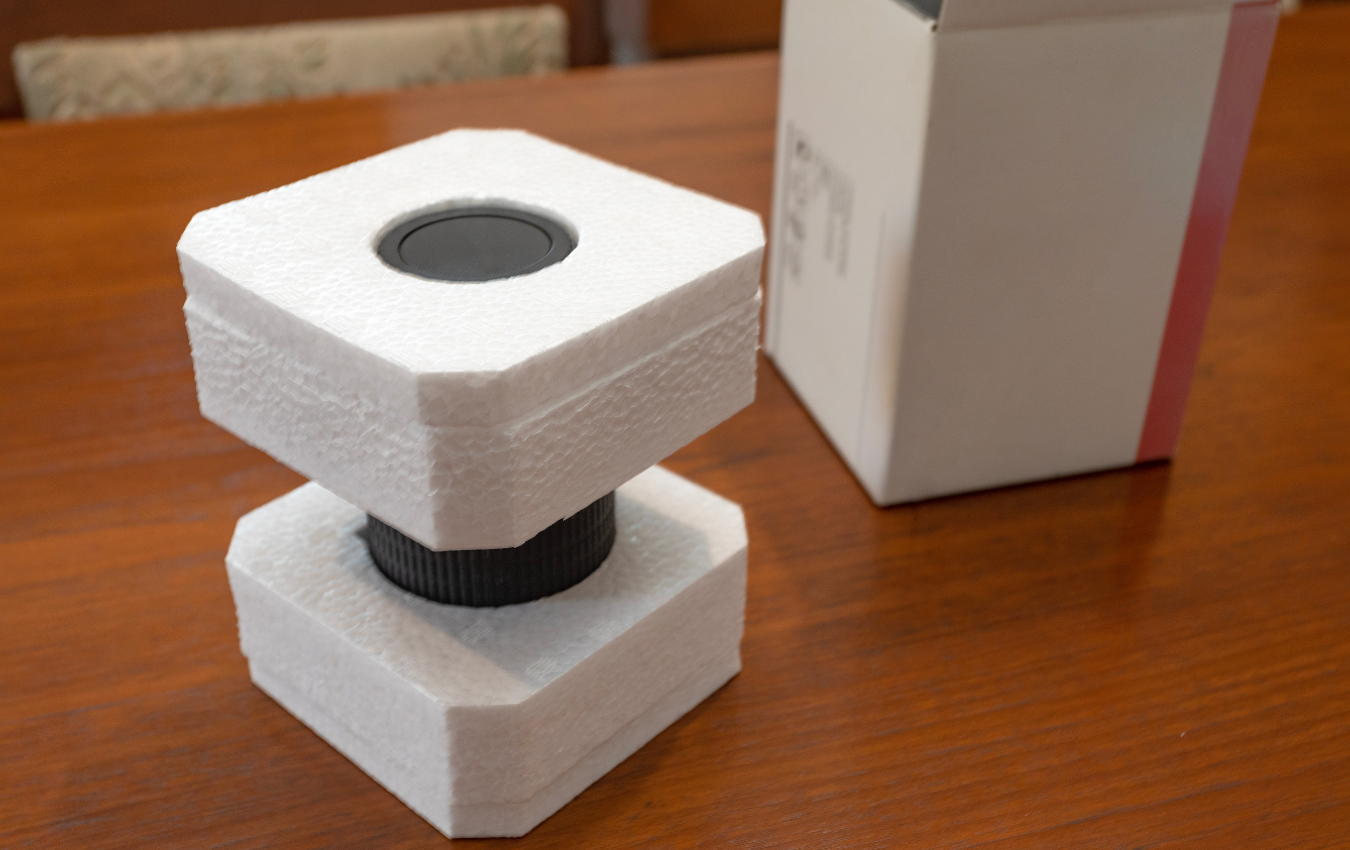
A Comprehensive Guide to Expanded Polystyrene (EPS) Foam in Packaging

Product Fragility

  • For fragile electronics (fragility rating ~30–50 G), choose foam that keeps transmitted forces below the product limit.

For rugged machinery parts (~100+ G), higher density foam can provide adequate protection with minimal thickness.

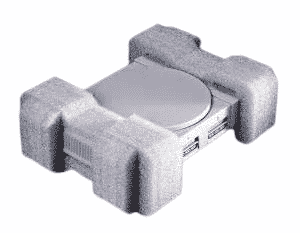
Electronic Device with Custom Foam End Caps

Environmental Factors

  • Temperature Sensitivity: Some foams stiffen in cold storage, increasing G-force transmission.
  • Moisture Uptake: Certain foams lose energy absorption properties when saturated.

Testing and Standards

  • ASTM D1596: Determines cushioning characteristics of packaging materials.
  • ASTM D4168: Measures shock cushioning performance in simulated transit.

Best Practices for Selection

  • Always test with actual product weight and packaging configuration.
  • Avoid relying solely on density — evaluate density + cushioning curve together.
  • Consider hybrid solutions, such as layering low- and high-density foams for mixed load shipments.

References


ASTM International. (2014). ASTM D1596-14: Standard test method for dynamic shock cushioning characteristics of packaging materials. ASTM International. https://www.astm.org/d1596-14.html
ASTM International. (2014). ASTM D4168-14: Standard test method for transmitting shock through packaging materials. ASTM International. https://www.astm.org/d4168-14.html

Most Recent Posts:
Packaging That Improves Retail Compliance

Retailers place strict requirements on packaging to ensure products move efficiently through distribution centers, arrive safely, and look consistent on shelves. Non-compliance can lead to costly chargebacks, rejected shipments, and

Read More »
Categories:
Subscribe To Our Newsletter

By submitting your information, you agree to our terms and conditions and privacy policy.

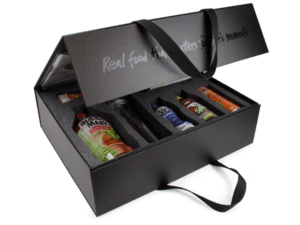
Custom rigid box with handles and foam insert
Custom Foam
Facebook
Twitter
LinkedIn
Pinterest
Relevant Posts

Leave a Comment