

Blogs
At Brown Packaging, we provide insightful content about the packaging industry to keep our clients, followers, and partners informed with the latest trends and accurate information. Our goal is to equip you with up-to-date knowledge that helps you stay ahead in the ever-evolving world of packaging.

The world of packaging has seen tremendous innovation over the years. With the increasing emphasis on product safety, hygiene, sustainability, and overall aesthetic appeal, manufacturers have adopted various modern packaging techniques. One such technique is thermoform packaging, a method widely recognized for its beneficial impacts on product safety and shelf-life. Understanding Thermoform Packaging Definition and Procedure Thermoform packaging involves the use of heat to mold plastic sheets into specific shapes that accommodate a product perfectly. The process involves heating a plastic sheet until it reaches a pliable state, then molding it around a specific form and cooling it. This provides a secure packaging solution that maintains the integrity of the enclosed product. Types of Thermoform Packaging There are several types of thermoform packaging, including clamshells, blister packs, and trap packs. These diverse types allow for a wide range of applications across different industries, including food, pharmaceuticals, and electronics, among others. Impact on Product Safety Enhanced Protection One of the primary benefits of thermoform packaging is that it offers superior product protection. The plastic molding process creates a snug, custom fit around the product, reducing the risk of movement and potential damage during transit. Furthermore, the rigid exterior of the packaging shields the product from external impact, ensuring its safety. Barrier Properties Thermoform packaging provides an excellent barrier against external factors such as moisture, dust, and bacteria, ensuring the product within remains uncontaminated. This is particularly critical in food and pharmaceutical packaging, where the intrusion of such elements could lead to product spoilage and pose serious health risks. Impact on Shelf-Life Preservation and Freshness The impermeability of thermoform packaging to gases like oxygen and carbon dioxide has a significant impact on product shelf-life. By preventing exposure to oxygen, this form of packaging slows down oxidation reactions, reducing food spoilage rates and maintaining freshness for longer. Reduced Product Waste As a consequence of the extended shelf-life, thermoform packaging also reduces product waste. With longer periods of freshness and usability, consumers have more time to use products before their expiration date, leading to less waste. Additional Benefits of Thermoform Packaging Visibility Thermoform packaging, especially types like clamshells and blister packs, provide excellent product visibility. This is beneficial from a marketing perspective, as customers can see the product without opening the package. Customization Thermoform packaging allows for high levels of customization. Businesses can create unique packaging shapes that not only fit their product perfectly but also enhance brand recognition and appeal. Sustainability Despite the plastic component, many thermoform packages are recyclable, which reduces the environmental impact. Companies are also exploring biodegradable and plant-based plastics for thermoforming, aligning with the global push for sustainability. Conclusion: A Significant Contribution to Product Safety and Shelf-Life The benefits of thermoform packaging on product safety and shelf-life are undeniable. Through enhanced protection, superior barrier properties, and extended product freshness, thermoform packaging ensures that products reach consumers in the best possible condition. Its added benefits of customization, visibility, and potential for sustainability make it a compelling choice in the packaging world. If you are interested in thermoform packaging, then partner with Brown Packaging today to get started. (714)300-0650 request@brownpackaging.com Most Recent Posts: Categories: Corrugated Ecommerce ESD Design Display Flexible Packaging Foam Folding Carton Packaging Plastic Packaging Pouch Printing Protection Retail Rigid Box Thermoform Sustainability Subscribe To Our Newsletter By submitting your information, you agree to our terms and conditions and privacy policy. Thermoform Packaging Facebook Twitter LinkedIn Pinterest Relevant Posts

In today’s fast-paced world, one industry that keeps businesses and individuals connected is the shipping and mailing industry. An often overlooked but crucial component of this industry is shipping and mailing tubes. These unique packages are designed to protect and transport goods like posters, blueprints, and documents, among other things. With sustainability becoming a global priority, industries, including the shipping and mailing tubes industry, are under increasing pressure to evolve. This article will highlight the current sustainable trends reshaping the shipping and mailing tubes industry. Use of Recycled Materials The push for sustainability has led manufacturers to increasingly turn to recycled materials in the production of shipping and mailing tubes. Using post-consumer waste paper and cardboard not only reduces landfill waste but also lowers the environmental footprint of the industry. Materials like recycled cardboard and paper have become commonplace in this sector, with companies often stating the percentage of recycled materials used in their products. Reusable Shipping Tubes Another emerging trend is the development of reusable shipping tubes. These tubes are designed for multiple uses, with sturdy construction and closures that can be easily opened and closed without damaging the tube. While upfront costs may be higher, these reusable tubes can be cost-effective in the long run and provide an environmentally friendly solution for frequent shippers. Sustainable Packaging Practices Sustainable packaging goes beyond just the tubes themselves. Companies are now focusing on all aspects of their packaging, from the packing materials used inside the tubes (like biodegradable packing peanuts or shredded paper) to the tape used to seal them. Many are also choosing to print with soy-based or other types of eco-friendly inks. Carbon Neutral Shipping While not exclusive to the shipping and mailing tubes industry, the trend towards carbon-neutral shipping has had a significant impact. This involves calculating the carbon emissions generated by shipping goods and investing in projects that reduce or offset those emissions, such as renewable energy projects or tree planting. Many companies are now offering customers the option to choose carbon-neutral shipping at checkout. Supplier Sustainability Programs Businesses are increasingly requiring their suppliers to meet specific sustainability standards. This trend is making waves in the shipping and mailing tubes industry, with manufacturers being asked to provide evidence of their sustainable practices, such as responsible sourcing of materials, waste reduction efforts, and energy-efficient manufacturing processes. Customer Education Companies are also prioritizing educating their customers about sustainable choices. They’re providing clear information about how their tubes are more sustainable, how to recycle them correctly, and the benefits of choosing sustainable options. Education is a vital step in promoting the widespread adoption of sustainable practices. Conclusion Sustainability is more than just a buzzword. It’s a necessary shift to ensure the longevity and health of our planet. The shipping and mailing tubes industry, like many others, is recognizing this and adapting accordingly. The current trends of recycled materials, reusable options, sustainable packaging practices, carbon-neutral shipping, supplier sustainability programs, and customer education are evidence of this growing shift. As consumers, we play an essential role in supporting these trends. By choosing to buy from companies that prioritize sustainability, we can help drive the demand for eco-friendly alternatives and contribute to a more sustainable future. If you are interested in custom or stock mailing tubes, then partner with Brown Packaging today to get started. (714)300-0650 request@brownpackaging.com Most Recent Posts: Categories: Subscribe To Our Newsletter By submitting your information, you agree to our terms and conditions and privacy policy. Custom Mailing Tubes Facebook Twitter LinkedIn Pinterest Relevant Posts

Corrugated bin boxes are indispensable in warehouses, retail spaces, and offices. They are designed to hold, organize, and transport items efficiently. However, to ensure safety and longevity, it’s crucial to use and stack them correctly. This blog will explore the safety tips for stacking and using corrugated bin boxes, emphasizing weight limits, distribution, and general safety protocols in warehouses. Weight Limits and Distribution Understand the Weight Limit: Each corrugated bin box has a specific weight limit. Always check the manufacturer’s guidelines to ascertain the maximum weight a box can carry. Overloading can compromise the box’s structure and lead to accidents. Distribute Weight Evenly: When filling bin boxes, distribute the weight evenly. This prevents tipping and ensures stability when stacking. It’s also essential to place heavier items at the bottom and lighter ones on top to maintain balance. Avoid Top-Heavy Stacks: When stacking boxes, the heaviest should always be at the bottom. This reduces the risk of the stack toppling over. Safety Protocols in Warehouses Regular Inspection: Regularly inspect corrugated bin boxes for signs of wear and tear. Boxes with tears, dents, or water damage should be replaced immediately. Proper Lifting Techniques: Train staff to use proper lifting techniques. Bend at the knees, not the waist, and keep the box close to the body when lifting. This reduces the risk of back injuries. Stacking Height: Avoid stacking boxes too high. As a rule of thumb, stacks should be at a comfortable height for the average person to retrieve items without needing to tiptoe or overreach. This usually means limiting stacks to eye level or below. Clear Aisles: Ensure that stacked boxes don’t encroach upon walking spaces or block emergency exits. A clear aisle minimizes the risk of tripping hazards and ensures a safe evacuation route during emergencies. Use Shelving: Instead of stacking boxes directly on the floor, use shelves designed to hold corrugated bin boxes. This enhances stability, allows for better organization, and reduces the risk of boxes getting damp from floor moisture. Label Properly: Clearly label each box with its contents and weight. This helps staff identify boxes quickly and understand the precautions needed for handling. Use Personal Protective Equipment (PPE): Ensure that warehouse staff wear appropriate PPE, such as steel-toed shoes, gloves, and safety helmets when necessary. This minimizes injury risks during box handling. Emergency Training: Ensure that all staff understand emergency procedures, know the location of emergency exits, and are familiar with the use of fire extinguishers. Conclusion Corrugated bin boxes offer numerous benefits in storage and organization, but their effective and safe use requires diligence. By understanding weight limits, ensuring even weight distribution, and adhering to warehouse safety protocols, businesses can optimize efficiency and safety simultaneously. Remember, safety first! If you are interested in corrugated bin boxes, then partner with Brown Packaging today to get started. (714)300-0650 request@brownpackaging.com Most Recent Posts: Categories: Corrugated Ecommerce Design Foam Folding Carton Packaging Plastic Packaging Pouch Retail Rigid Box Thermoform Sustainability Subscribe To Our Newsletter By submitting your information, you agree to our terms and conditions and privacy policy. Corrugated Bin Boxes Facebook Twitter LinkedIn Pinterest Relevant Posts

In the dynamic world of packaging, one must constantly innovate to maintain a competitive edge. As we move through 2024, custom pouch packaging is standing out as a remarkable trendsetter. This versatile, efficient, and consumer-focused packaging solution is evolving with several intriguing trends. Here, we dive into the top 10 trends dominating the custom pouch packaging industry this year. Sustainable Materials: An Eco-Friendly Shift Transparent Pouches: The Clear Choice Single-Serve Pouches: Portion Control and Convenience Innovative Closures: Enhancing User Experience Custom Shapes: Differentiation and Appeal Stand-Up Pouches: Functionality Meets Visibility Digitally Printed Pouches: Vibrant and Flexible Designing Matte Finishes: Modern Aesthetic and Tactile Experience QR Codes: Bridging the Physical and Digital Divide Personalized Packaging: Creating a Unique Connection Sustainable Materials: An Eco-Friendly Shift With increasing global consciousness towards environmental sustainability, the use of sustainable materials in pouch packaging is becoming a notable trend. More companies are embracing biodegradable, recyclable, and compostable materials, such as bio-plastics and plant-based materials. This shift towards eco-friendly packaging options not only reduces the environmental footprint but also aligns with consumers’ rising demand for sustainable packaging solutions. Transparent Pouches: The Clear Choice Transparency is more than just a buzzword in the packaging industry; it has found a literal interpretation in the form of transparent pouch packaging. Clear pouches or pouches with window designs are becoming popular as they enable consumers to visually verify the product before making a purchase decision, thereby fostering trust and transparency between the brand and the consumer. Single-Serve Pouches: Portion Control and Convenience In response to the escalating demand for on-the-go consumption and portion-controlled servings, single-serve pouches are trending in 2024. They offer both convenience and portion control, making them a popular choice, especially within the food and beverage sector. Innovative Closures: Enhancing User Experience The world of custom pouch packaging is witnessing a surge in the use of innovative, easy-to-open, and resealable closures. These advanced closure systems, which include zip-locks, sliders, and spouts, enhance user convenience, ensure the product’s freshness, and extend shelf life. Custom Shapes: Differentiation and Appeal Another trend that’s making waves is the use of custom-shaped pouches. Creative and distinctive pouch designs not only capture the consumer’s attention in a crowded retail space but also elevate brand recognition and differentiation. Stand-Up Pouches: Functionality Meets Visibility Stand-up pouches are continuing to be a go-to choice for many brands, given their impressive functionality. These pouches offer excellent stability on retail shelves and optimize space utilization. Their vertical orientation provides ample room for branding, product information, and eye-catching design elements, thus enhancing product visibility. Digitally Printed Pouches: Vibrant and Flexible Designing The advent of digital printing technology is reshaping custom pouch packaging. It facilitates high-quality, vibrant printing even for smaller batches, making it a cost-effective solution. Furthermore, digital printing allows brands to implement design changes quickly, without the need for expensive plates or lengthy setup times. Matte Finishes: Modern Aesthetic and Tactile Experience While glossy finishes have traditionally dominated the packaging industry, matte finishes are gaining substantial ground in 2024. Matte finished pouches exude a modern, premium appeal and provide a unique tactile experience that resonates with today’s discerning consumers. QR Codes: Bridging the Physical and Digital Divide The integration of QR codes on pouch packaging is on the rise. These scannable codes create a seamless link between the physical packaging and digital content. They enable brands to share in-depth product information, promotional offers, or even interactive experiences, enhancing consumer engagement and brand recall. Personalized Packaging: Creating a Unique Connection Personalization is a rising trend permeating all forms of packaging, and pouches are no exception. Personalized packaging, which could involve including the customer’s name, unique designs, or personalized messages, is helping brands establish a deeper connection with their consumers, enhancing the unboxing experience, and promoting brand loyalty. In conclusion, 2024 is proving to be a year of tremendous innovation and environmentally conscious development for custom pouch packaging. These key trends reflect the industry’s commitment to satisfying evolving consumer demands for convenience, sustainability, and personalization. Keeping abreast of these trends will help ensure your packaging strategy remains relevant, engaging, and competitive in this rapidly evolving marketplace. If you are interested in custom pouches, then partner with Brown Packaging today to get started. (714)300-0650 request@brownpackaging.com Most Recent Posts: Categories: Corrugated Ecommerce ESD Design Display Flexible Packaging Foam Folding Carton Packaging Plastic Packaging Pouch Printing Protection Retail Rigid Box Thermoform Sustainability Subscribe To Our Newsletter By submitting your information, you agree to our terms and conditions and privacy policy. Custom Pouches Facebook Twitter LinkedIn Pinterest Relevant Posts

When you think about product packaging, your mind probably jumps to traditional solutions like plastic containers, cans, or cardboard boxes. However, a dramatic shift is taking place in the industry, with more and more brands embracing flexible packaging. This transition doesn’t just benefit the businesses adopting this approach, but it also has implications for consumers and the environment. Let’s delve deeper into why brands are turning to flexible packaging. Cost-Effectiveness One of the primary reasons businesses are gravitating towards flexible packaging is its cost-effectiveness. Compared to rigid packaging, flexible packaging often requires less material. This decrease in material not only reduces the upfront cost for the company but also means that less energy is consumed during production, which results in a lower overall manufacturing cost. Furthermore, flexible packaging is lighter and compact, which means it requires less storage space and reduces transportation costs. Consequently, the savings can be passed on to the consumer, leading to a competitive price point on the shelf. Enhanced Brand Appeal and Marketing Capabilities Flexible packaging offers a wide array of creative design opportunities. The surface of flexible packaging provides a larger area for product information, instructions, and branding elements compared to traditional rigid packaging. This allows companies to create more engaging and informative packaging, enhancing their brand appeal and increasing their product’s visibility on store shelves. Moreover, the ability to use high-quality graphics and vibrant colors on flexible packaging helps brands to stand out in a crowded marketplace and make a stronger connection with consumers. Convenience and User Experience In today’s fast-paced world, consumers prioritize convenience. They desire products that are easy to use, transport, and store. Flexible packaging aligns perfectly with these consumer demands. Packages can be resealable, easy to open, and can even include features like spouts for easy pouring. In addition, flexible packaging can be engineered to improve the freshness of food items, offering a more extended shelf-life. This enhanced preservation functionality is particularly appealing to consumers and can lead to increased brand loyalty. Sustainability In the face of increasing environmental concerns, brands are under pressure to minimize their ecological footprint. Flexible packaging often utilizes less material and energy during production and transportation compared to traditional packaging, thereby reducing CO2 emissions. As consumers become more environmentally conscious, brands that utilize sustainable packaging options are likely to be favored over those that don’t. Adaptability Finally, flexible packaging offers a high degree of adaptability. It can be tailored to suit a wide range of product shapes, sizes, and types, from food items to beauty products, and everything in between. It can also accommodate various product delivery methods, like squeeze pouches or stand-up pouches with zip locks. This versatility means that no matter what a company’s specific needs may be, flexible packaging can be customized to meet them. Final Thoughts: Why Brands Are Shifting Towards Flexible Packaging The shift towards flexible packaging signifies a crucial evolution in the packaging industry. It provides brands with a host of benefits, from cost-effectiveness and enhanced brand appeal to improved user experience, sustainability, and adaptability. With these advantages, it’s no surprise that more and more brands are choosing flexible packaging as their go-to solution. Whether you’re a brand looking to reinvent your packaging or a consumer keen to understand the changes you’re seeing on store shelves, the rise of flexible packaging is an exciting development that’s set to shape the future of product packaging. If you are interested in flexible packaging, then partner with Brown Packaging today. (714)300-0650 request@brownpackaging.com Most Recent Posts: Categories: Corrugated Ecommerce ESD Design Display Flexible Packaging Foam Folding Carton Packaging Plastic Packaging Pouch Printing Protection Retail Rigid Box Thermoform Sustainability Subscribe To Our Newsletter By submitting your information, you agree to our terms and conditions and privacy policy. Custom Packaging Facebook Twitter LinkedIn Pinterest Relevant Posts

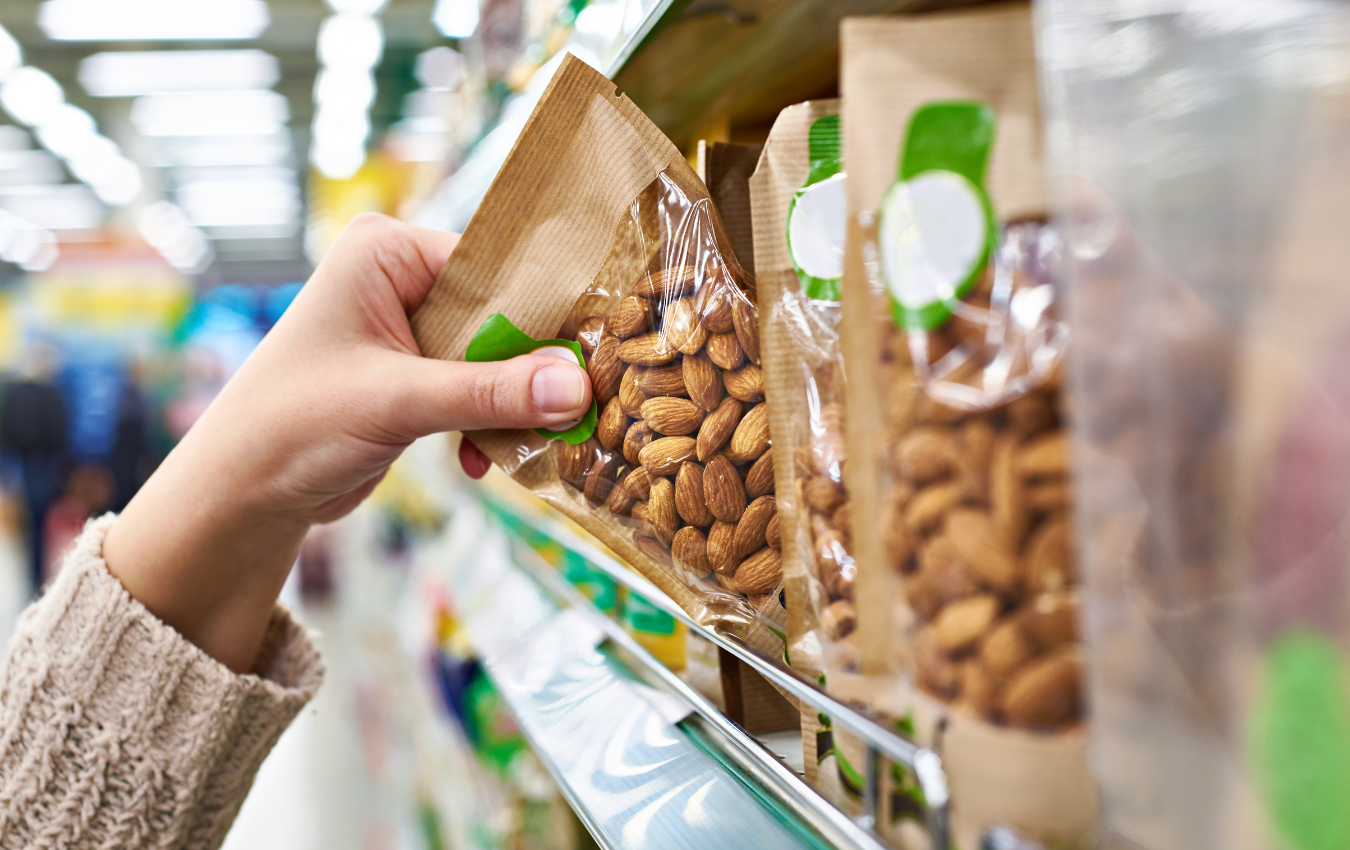
In the dynamic and ever-evolving food industry, packaging plays a pivotal role in preserving the quality, safety, and freshness of products while also captivating consumers with its visual appeal. Among the myriad packaging options available, thermoform packaging has emerged as a popular choice due to its versatility, functionality, and cost-effectiveness. This comprehensive blog aims to delve into the multifaceted role of thermoform packaging in the food industry, exploring its wide-ranging benefits, diverse applications, and profound impact on both businesses and consumers. What is Thermoform Packaging? Thermoform packaging is a process that involves heating plastic sheets until they become pliable, then molding them into specific shapes to create packaging containers for a variety of products. This method entails heating the plastic sheet to a precise temperature, allowing it to conform to a mold through the application of vacuum pressure or mechanical force. Once cooled and solidified, the plastic retains the desired shape, resulting in a rigid and durable container. Benefits of Thermoform Packaging Extended Shelf Life Thermoform packaging offers exceptional barrier properties, effectively shielding food products from detrimental external factors such as moisture, oxygen, and light. This extended shelf life significantly reduces food waste, enhances product quality, and ensures that goods remain fresh for prolonged periods. Product Visibility Thermoform packaging provides remarkable transparency, enabling consumers to visually inspect the product inside. This heightened product visibility fosters a sense of trust, as consumers can assess the quality, freshness, and appeal of the item before making a purchase decision. Customization and Branding Thermoform packaging offers unparalleled flexibility in customization and branding. It can be easily tailored to fit the specific shape and size of the product, while various printing techniques can be employed to showcase branding elements such as logos, labels, and crucial product information. This versatility empowers businesses to establish a distinct brand identity, effectively differentiate their products, and captivate consumers on store shelves. Product Protection Thermoform packaging provides robust protection against physical impact, contamination, and tampering. The inherent rigidity of the packaging ensures that delicate food items are shielded from damage during transportation and handling, guaranteeing that products reach consumers in optimal condition. Sustainability Thermoform packaging has made significant strides towards sustainability. Many thermoformed containers are now made from recyclable materials, reducing their environmental footprint. Furthermore, the lightweight nature of thermoform packaging minimizes carbon emissions during transportation, making it an environmentally friendly choice. Applications of Thermoform Packaging Ready-to-Eat Meals Thermoform packaging finds extensive use in the ready-to-eat meal sector due to its ability to provide an airtight seal, ensuring the freshness and quality of the food. These containers are often microwave-safe, offering unparalleled convenience to consumers who can heat and consume their meals directly from the packaging. Snack Foods Thermoform packaging is an ideal choice for snack foods such as chips, nuts, and cookies. The packaging’s exceptional barrier properties effectively preserve the crunchiness, flavor, and shelf life of these snacks. Additionally, thermoform packaging allows for easy portion control and resealing, maintaining the product’s freshness after initial opening. Fresh Produce Thermoform packaging plays a pivotal role in the fresh produce industry by providing protective packaging for fruits, vegetables, and herbs. The packaging effectively maintains the quality, freshness, and shelf life of the produce, reducing spoilage and minimizing food waste. Additionally, thermoform containers facilitate efficient stacking and enable easy identification of different produce varieties. The Impact on Businesses and Consumers For businesses operating in the food industry, thermoform packaging offers numerous advantages. The cost-effectiveness of thermoforming processes enables manufacturers to produce packaging at a large scale, reducing production costs and enhancing profitability. The versatility of thermoform packaging allows businesses to create visually appealing and distinctive designs, effectively setting their products apart from competitors, increasing sales, and establishing brand recognition. Consumers benefit significantly from thermoform packaging as well. The heightened product visibility empowers them to make informed purchasing decisions based on the freshness, quality, and appeal of the product. The convenience offered by features such as microwave-safe containers, reclosable lids, and easy-to-handle packaging aligns seamlessly with the demands of modern lifestyles, providing utmost ease of use and reducing food waste. If you are interested in thermoform packaging for the food industry, then partner with Brown Packaging today. (714)300-0650 request@brownpackaging.com Most Recent Posts: Categories: Corrugated Ecommerce ESD Design Display Flexible Packaging Foam Folding Carton Packaging Plastic Packaging Pouch Printing Protection Retail Rigid Box Thermoform Sustainability Subscribe To Our Newsletter By submitting your information, you agree to our terms and conditions and privacy policy. Food Packaging Facebook Twitter LinkedIn Pinterest Relevant Posts

Thermoform packaging is the backbone of numerous sectors including food, pharmaceutical, electronics, cosmetics, and consumer goods, to name a few. Its high adaptability and customizability make it an unparalleled choice for businesses around the globe. This blog post seeks to dive deeper into the world of this unique process, exploring its labyrinthine facets. Thermoform Packaging: A Basic Overview Before we delve deeper, let’s first understand what thermoform packaging is. This process involves heating plastic sheets until they reach a pliable forming temperature. Once the material is pliable, it’s then formed into a specific shape using a mold. After the forming process, the plastic is trimmed and converted into finished packages. Common examples of thermoform packaging that you might encounter in your daily life include blister packs, clamshells, trays, and even innovative designs like trap packs. A Closer Look at the Types of Thermoform Packaging There are various types of thermoform packaging, each fulfilling a unique role in different industries. The most common types include blister packs, clamshells, trays, and the emerging trend of trap packs. Blister Packs: The Pharmaceutical Industry’s Favorite Blister packs are a ubiquitous sight in the pharmaceutical sector. They are most commonly used for packaging pills, capsules, or lozenges. A blister pack is made from a formable web, typically a thermoformed plastic, which is shaped into a cavity or pocket designed to securely hold the product. Clamshells: Versatile and Secure Clamshells, as the name suggests, are a type of packaging that resembles a clam in its structure. This form of packaging features two halves, which are connected through a hinge area. This design allows the packaging to open and close in a manner similar to a clamshell. Trays: A Jack of All Trades Trays represent another versatile form of thermoform packaging. These are extensively used to hold a plethora of items ranging from ready-to-eat meals in the food industry to various components in the electronics industry. Trap Packs: Innovative Consumer Goods Packaging Trap packs are an emerging trend in consumer goods packaging. They combine the advantages of thermoform packaging with innovative design elements, often featuring traps or compartments that enhance product organization and presentation. Trap packs are gaining popularity in industries where product visibility, organization, and aesthetics are crucial. The Detailed Thermoform Packaging Process Thermoforming packaging might seem straightforward, but it’s a complex process involving multiple stages. Each stage plays an integral role in crafting the final product. The Salient Advantages of Thermoform Packaging Thermoform packaging boasts numerous advantages. One of its most striking benefits is its high degree of customization. The process allows for virtually any shape to be achieved, making it apt for a wide variety of products, including the consumer goods sector. Another notable advantage of thermoform packaging is its cost-effectiveness. The materials utilized in this process are relatively inexpensive, and the production process is highly efficient. The packaging’s lightweight nature also contributes to a decrease in shipping costs. Transparency is yet another critical benefit. The clear nature of thermoform packaging allows potential consumers to view the product without needing to open the packaging. This quality makes thermoform packaging particularly appealing in the retail sector, especially for consumer goods where product visibility is a key selling point. Wrapping It Up Thermoform packaging is a multifaceted and versatile process that plays an indispensable role across a wide array of industries, including consumer goods. Understanding its intricate process and myriad benefits allows businesses to utilize this technology optimally, improving their product presentation, ensuring product safety, and boosting their profitability. As we continue to witness an evolution in the world of packaging, thermoform packaging stands firm as a reliable and efficient solution, adapting to the ever-changing demands of the consumer goods market. If you are interested in thermoform packaging, then partner with Brown Packaging today to get started. (714)300-0650 request@brownpackaging.com Most Recent Posts: Categories: Corrugated Ecommerce ESD Design Display Flexible Packaging Foam Folding Carton Packaging Plastic Packaging Pouch Printing Protection Retail Rigid Box Thermoform Sustainability Subscribe To Our Newsletter By submitting your information, you agree to our terms and conditions and privacy policy. Thermoform Packaging Facebook Twitter LinkedIn Pinterest Relevant Posts

Storage solutions are essential for any business who wants to organize their space efficiently. One of the most effective and economical options are corrugated bin boxes. These handy boxes can be an excellent way to declutter, systematize, and streamline storage areas. Let’s dive deep into what corrugated bin boxes are and how to maximize storage efficiency with them. What are Corrugated Bin Boxes? Corrugated bin boxes are storage boxes made from corrugated cardboard. They are durable, lightweight, and come in various sizes. Their unique design, which usually comprises a single sheet of cardboard folded and assembled in place, makes them especially suitable for stacking and organizing small items. Benefits of Using Corrugated Bin Boxes Cost-Effective: Compared to plastic or metal storage bins, corrugated bin boxes are much more affordable. This means you can buy more boxes for your budget, increasing your overall storage capacity. Eco-Friendly: Being made of cardboard, they are recyclable and biodegradable. This is a great way to reduce your carbon footprint while organizing your space. Customizable: You can easily label them, paint them, or even get them in custom sizes. Versatile: They can be used in various settings like warehouses, offices, homes, and retail stores. How to Maximize Your Storage Efficiency with Corrugated Bin Boxes Sort and Categorize: Before you start placing items into the boxes, sort and categorize everything. This step will help you determine the number and sizes of the boxes you need. Label Everything: Labeling each box with its contents will save you a lot of time and hassle. You can use permanent markers or printed labels. Consider using a color-coding system for even quicker identification. Optimal Box Size: Always choose the box size that closely fits the items you are storing. This reduces wasted space and ensures that items are snug and protected. Stack Smartly: Corrugated bin boxes are designed for stacking. However, ensure you stack heavier boxes at the bottom and lighter ones on top to prevent crushing and maintain stability. Regular Maintenance: Periodically go through your boxes to remove items that you no longer need. This will free up space and ensure that your storage remains efficient. Use Dividers: If you’re storing smaller items, consider using dividers within the boxes. This will keep items separate and more organized. Keep Accessibility in Mind: Store frequently used items towards the front and less frequently used items towards the back. Protect Against Moisture: While corrugated boxes are sturdy, they can be damaged by moisture. If you’re storing in a damp place, consider using pallets or shelving to keep them off the ground. Also, think about using silica gel packets inside the boxes to absorb any moisture. Reuse and Recycle: Instead of discarding boxes when you’re done with them, consider flattening them for reuse. If they’re no longer usable, ensure they’re recycled appropriately. Conclusion Corrugated bin boxes are a fantastic solution for those looking for affordable and efficient storage. With proper organization, labeling, and maintenance, these boxes can help you optimize your space, whether in a business setting or at home. Their eco-friendly nature, combined with their versatility, makes them an excellent choice for various storage needs. By following the above tips, you can make the most of these storage wonders and maintain an organized, clutter-free environment. If you are interested in corrugated bin boxes, then partner with Brown Packaging today to get started. (714)300-0650 request@brownpackaging.com Most Recent Posts: Categories: Corrugated Ecommerce Design Foam Folding Carton Packaging Plastic Packaging Pouch Retail Rigid Box Thermoform Sustainability Subscribe To Our Newsletter By submitting your information, you agree to our terms and conditions and privacy policy. Corrugated Bin Boxes Facebook Twitter LinkedIn Pinterest Relevant Posts

In the current competitive retail landscape, the packaging of a product plays an increasingly significant role in customer decision-making. Brands are progressively realizing the power of packaging as a communication tool. Among the many forms of packaging available, blister packs stand out as a popular choice for several reasons. They strike a balance between product visibility, protection, and cost-effectiveness, hence the growing demand across various industries. Defining Blister Packs: A Quick Overview Blister packs, also mistaken as clamshell packaging, are pre-formed plastic packaging solutions that seal the product against a cardboard backing or another plastic component. This type of packaging is widely used for small consumer goods, pharmaceuticals, and medical devices. Their design is purposefully transparent to showcase the product within, offering potential buyers a clear view of what they’re about to purchase. Increased Product Visibility: The Window to Purchase Decision Showcasing Product Quality One of the most significant advantages of blister packs is the transparency that allows customers to view the product directly. With the rise of informed consumers, the ‘see before you buy’ concept has never been more crucial. By providing an unobstructed view, blister packs instill confidence in the product, as consumers can verify the product’s condition and quality firsthand. Highlighting Product Features Through a blister pack’s clear plastic cover, brands have the opportunity to highlight the most critical product features. This visual promotion can be a game-changer, particularly for products with unique design elements or accessories that the company wants to emphasize. Deterring Product Tampering Product visibility also plays a vital role in preventing tampering. With blister packs, any signs of interference are easily recognizable, thus providing an additional layer of assurance to customers about the product’s integrity. Superior Product Protection: Ensuring Safety and Longevity Resistance to External Factors Blister packs provide superior protection against numerous external factors such as moisture, light, and temperature changes, making them suitable for products sensitive to such conditions, like pharmaceuticals and electronics. Enhancing Product Life Blister packs are designed to be tough and durable. The rigid plastic housing protects the product from mechanical damage during transport or in-store handling, thereby extending the product’s shelf life and ensuring it reaches the consumer in its best state. Improved Tamper Evident Packaging As previously mentioned, blister packs deter tampering. However, they also serve as excellent tamper-evident packaging. If the package is opened or damaged, it is immediately noticeable, allowing both the seller and the buyer to be assured of the product’s untouched condition. Balancing Cost-effectiveness and Environmental Concerns While the benefits of product visibility and protection are undeniable, it’s essential to highlight that blister packs are also cost-effective and can be designed with environmental concerns in mind. Economical Production and Versatility The production process for blister packs is relatively economical, making them an affordable option for many businesses. The versatility of blister packaging, fitting a wide range of products, also contributes to its cost-effectiveness. Eco-friendly Options In addition to traditional blister packs, some companies are now offering eco-friendly alternatives known as “trap packs.” Trap packs are designed with sustainability in mind, using recycled materials or materials that are easier to recycle. PET (Polyethylene Terephthalate) and RPET (Recycled Polyethylene Terephthalate) are commonly used due to their high recyclability. These eco-conscious trap packs provide the same level of visibility and protection while minimizing their environmental impact. Conclusion: The All-Round Packaging Solution Blister packs have proven their value in the world of product packaging. By boosting visibility and offering superior protection, these packs are instrumental in driving purchase decisions while ensuring products reach consumers in optimal condition. As eco-friendly options like trap packs become more widely available, blister packs are positioned to remain a popular choice for packaging needs in the foreseeable future. If you are interested in blister packs, then partner with Brown Packaging today to get started. (714)300-0650 request@brownpackaging.com Most Recent Posts: Categories: Corrugated Ecommerce ESD Design Display Flexible Packaging Foam Folding Carton Packaging Plastic Packaging Pouch Printing Protection Retail Rigid Box Thermoform Sustainability Subscribe To Our Newsletter By submitting your information, you agree to our terms and conditions and privacy policy. Blister Packaging Facebook Twitter LinkedIn Pinterest Relevant Posts

The packaging industry has continuously evolved throughout history, striving to develop solutions that are practical, reliable, and cost-effective. Among these, mailing tubes have emerged as a key player, ensuring safe transport for a variety of items from posters to blueprints. This blog takes a deep dive into the evolution of mailing tubes and explores their applications across different industries. The Genesis of Mailing Tubes Early Innovations The genesis of mailing tubes can be traced back to the 19th century when they were initially employed in mailing systems to transport long, rolled documents such as maps and blueprints. These humble paper-based cylinders, offering an optimal balance of robustness and weight, revolutionized the world of packaging and shipping. Technological Advancements and Material Diversification Over the years, significant advancements in materials science and manufacturing processes have refined the design and durability of mailing tubes. The first major shift was the transition from paper to cardboard, which offered superior strength and durability. In the late 20th century, plastics entered the scene, providing an alternative for water-sensitive items. Plastic mailing tubes proved highly resilient, providing increased protection from environmental factors. Today, we find mailing tubes made from materials like Kraft paper, cardboard, plastics, and even metals, each tailored to specific use-cases. Understanding the Design Evolution Mailing tubes started as simple cylindrical containers, but as demand grew and diversified, so too did their designs. Today, we have adjustable tubes, telescopic tubes, square tubes, and triangular mailing tubes, each designed to cater to particular needs. The Impact of Sustainability The turn of the 21st century marked a seismic shift towards sustainability in all aspects of life, including packaging. This shift led to a surge in the production of biodegradable and recyclable mailing tubes. Today, many companies opt for eco-friendly mailing tubes made of recycled cardboard or biodegradable materials, aligning their operations with environmentally conscious values. Mailing Tubes Across Industries Graphic Arts and Printing Industry In the graphic arts and printing industry, mailing tubes are indispensable. They provide a secure, cost-effective, and practical solution for shipping posters, large format prints, canvases, and blueprints. These items can be rolled without damage, making cylindrical mailing tubes the perfect fit. Manufacturing and Construction Industry In manufacturing and construction industries, mailing tubes serve a key role in transporting blueprints, schematics, and detailed plans. These tubes offer the necessary protection for such crucial documents during transit. E-commerce The e-commerce industry has embraced mailing tubes as a shipping solution for a variety of products, from rolled clothing items to yoga mats. Not only do they protect the product, but their unique shape also provides an interesting unboxing experience for the customer. Photography and Film Industries The photography and film industries often require the transport of large format prints, movie posters, film reels, and negatives. Mailing tubes offer a safe and secure means of transportation, ensuring that these valuable items reach their destination undamaged. Advertising and Marketing In the advertising and marketing sector, mailing tubes are often used to send promotional material, banners, and posters. Their distinctive shape can make an impression, acting as a part of the marketing strategy itself. Conclusion: The Future of Mailing Tubes With the continued growth of e-commerce and global trade, mailing tubes are set to remain a staple in the packaging world. As sustainability remains a critical concern, we can expect to see further advancements in eco-friendly materials and designs. The future will undoubtedly bring further innovation, but one thing is certain: the humble mailing tube will continue to evolve, serving industries worldwide with its practicality and versatility. (714)300-0650 request@brownpackaging.com Most Recent Posts: Categories: Subscribe To Our Newsletter By submitting your information, you agree to our terms and conditions and privacy policy. Custom Mailing Tubes Facebook Twitter LinkedIn Pinterest Relevant Posts

Corrugated boxes play a vital role in the packaging industry, offering durability and versatility for shipping and storing various products. To ensure the safe transportation and identification of goods, packaging products such as tape, stretch film, labels, inserts, void fill, dunnage bags, bubble wrap, edge protectors, and shrink wrap are commonly used in conjunction with corrugated boxes. Quick Overview: Packaging Products for Corrugated Boxes In this blog post, we will explore the significance, applications, and benefits of utilizing these packaging products with corrugated boxes. Tape Stretch Film Labels Inserts Void Fill Bubble Wrap Edge Protectors Shrink Wrap Tape Tape is an essential packaging product used to secure corrugated boxes, ensuring the products inside remain protected during transit. It comes in various materials, including plastic, paper, and cloth. Plastic tape is widely used due to its cost-effectiveness and strong sealing properties, while paper tape offers an eco-friendly option with a natural appearance. Cloth tape is ideal for heavy-duty packaging requirements. Benefits of using tape with corrugated boxes include: Protection: Tape securely seals corrugated boxes, safeguarding the products during transportation. Customization: Tape can be tailored to fit different sizes and shapes of corrugated boxes. Convenience: Tape is easy to use and can be applied manually or with a tape dispenser. Stretch Film Stretch film is a versatile packaging product used to provide an additional layer of protection to corrugated boxes. It safeguards products from dust, moisture, and other environmental factors during transit, while also minimizing product movement. Benefits of using stretch film with corrugated boxes include: Protection: Stretch film offers an extra layer of protection for products during transportation. Customization: Stretch film can be customized to fit various sizes and shapes of corrugated boxes. Convenience: Stretch film can be applied manually or with specialized machines. Labels Labels play a crucial role in identifying the contents of corrugated boxes and providing essential information about the products. They can indicate the box contents, product weight, handling instructions, and branding details. Benefits of using labels with corrugated boxes include: Identification: Labels provide vital information about the products inside the boxes. Customization: Labels can be designed and customized to fit specific labeling requirements. Convenience: Labels can be easily affixed to corrugated boxes manually or using labeling machines. Inserts Inserts are employed to protect products within corrugated boxes, preventing movement and minimizing the risk of damage during transportation. Common materials used for inserts include foam, cardboard, and plastic. Benefits of using inserts with corrugated boxes include: Protection: Inserts provide additional protection by securing products in place during transit. Customization: Inserts can be tailored to fit the shape and size of corrugated boxes. Convenience: Inserts are easy to use and can be manually placed within the boxes. Void Fill Void fill is used to occupy empty spaces within corrugated boxes, reducing product movement and enhancing protection. It is particularly useful for fragile items such as glassware, electronics, and ceramics. Void fill materials include paper, foam, and inflatable plastic. Benefits of using void fill with corrugated boxes include: Protection: Void fill prevents products from shifting and minimizes the risk of damage during transportation. Customization: Void fill can be adjusted to fit the specific box size and shape. Convenience: Void fill is easy to use and can be manually placed within corrugated boxes. Bubble Wrap Bubble wrap is a popular packaging product known for its cushioning properties, making it suitable for protecting delicate items such as glassware, electronics, and ceramics. It consists of plastic material with air bubbles. Benefits of using bubble wrap with corrugated boxes include: Protection: Bubble wrap provides effective cushioning and safeguards fragile products during transportation. Customization: Bubble wrap can be cut to fit the size and shape of the products and boxes. Convenience: Bubble wrap is easy to use and can be wrapped around products manually. Edge Protectors Edge protectors are designed to protect the corners and edges of products within corrugated boxes. They are commonly used for items like furniture, appliances, and electronics. Benefits of using edge protectors with corrugated boxes include: Protection: Edge protectors prevent damage to product corners and edges during transportation. Customization: Edge protectors can be customized to fit various box sizes and shapes. Convenience: Edge protectors are easy to use and can be manually applied. Shrink Wrap Shrink wrap is a packaging product used to secure and protect products within corrugated boxes during transportation. It involves wrapping a plastic film around the products and applying heat to shrink and conform it to their shape. Benefits of using shrink wrap with corrugated boxes include: Protection: Shrink wrap provides secure and tamper-evident packaging, protecting products from external elements. Customization: conforms to the shape of products and corrugated boxes. Convenience: can be easily applied manually or with shrink wrap semi or fully automatic machines. If you are interested corrugated boxes or other types of packaging, then partner with Brown Packaging today to get started. (714)300-0650 request@brownpackaging.com Most Recent Posts: Categories: Corrugated Ecommerce ESD Design Display Flexible Packaging Foam Folding Carton Packaging Plastic Packaging Pouch Printing Protection Retail Rigid Box Thermoform Sustainability Subscribe To Our Newsletter By submitting your information, you agree to our terms and conditions and privacy policy. Custom Corrugated Boxes Facebook Twitter LinkedIn Pinterest Relevant Posts

Venture into a sizable retail store, roam the pathways of an expansive warehouse, or take a behind-the-scenes glance at a bustling e-commerce fulfillment center, and you’re bound to encounter the unassuming yet invaluable bin box. But let’s decode this organizational marvel a bit further. What are bin boxes, and why are custom corrugated bin boxes gaining traction? Here’s your comprehensive guide. Understanding the Corrugated Bin Box A bin box, at its core, is a straightforward, open-front container devised to store and systematically arrange products, parts, and inventory. Often placed on shelves, they facilitate immediate access to the items stored within. The term “corrugated” delineates the material from which the box is crafted. Essentially, corrugated cardboard is a sturdy, wavy paperboard birthed from the marriage of a flat paper sheet with a corrugated (wavy) counterpart. This union bestows upon it robustness and rigidity, making it a favored choice in the realm of packaging and shipping. The Merits of Going Custom with Corrugated Bin Boxes Customization, especially in the business landscape, is synonymous with specificity and precision. Here’s why custom corrugated bin boxes are game-changers: Tailored Sizing: Enterprises can modify the box’s dimensions to accommodate specific items or utilize shelf space to the maximum. Branding Spotlight: From logos to product details, custom-printed boxes can amplify brand visibility and furnish critical information to staff members. Augmented Strength: Depending on the items they’re destined to house, custom boxes can be fortified to offer enhanced durability. Organizational Mastery: Incorporating dividers, crafting unique shapes, or fashioning distinct openings can elevate the categorization and orderliness of stored items. Where Custom Corrugated Bin Boxes Shine Retail Stores: Ideal for showcasing products, especially those petite items that have a penchant for chaos. Warehouses: In vast inventory landscapes, bin boxes offer methodical categorization, accelerating access and restocking processes. Workshops: From expansive manufacturing units to compact workshops, bin boxes ensure tools and components stay in their designated spots. Office Environments: A haven for stationeries, documents, and myriad office essentials, ensuring a clutter-free and efficient workspace. The Green Footprint Sustainability isn’t just a buzzword; it’s an imperative. Corrugated bin boxes are not only recyclable but can also be constructed from recycled materials. This eco-centric approach aids in attenuating the carbon footprint and propelling a sustainable business model. To Sum It Up Custom corrugated bin boxes transcend the realm of mere storage apparatus. They are organizational maestros, pivotal in streamlining processes, enhancing brand prominence, and championing efficiency in diverse business setups. Whether you’re a retail entity keen on impeccable displays or a vast warehouse set on operational fluidity, these custom boxes promise to be an indispensable ally in your business journey. If you are interested in corrugated bin boxes, then partner with Brown Packaging today to get started. Final Thoughts Corrugated bin boxes are a versatile and eco-friendly solution for storage needs. By following these stacking guidelines, you can ensure the safety and longevity of both your boxes and their contents. Always prioritize stability and avoid the temptation to stack too high – it’s better to have two stable shorter stacks than one towering, unstable one. Safe stacking! If you are interested in corrugated bin boxes, then partner with Brown Packaging today to get started. (714)300-0650 request@brownpackaging.com Most Recent Posts: Categories: Corrugated Ecommerce ESD Design Display Flexible Packaging Foam Folding Carton Packaging Plastic Packaging Pouch Printing Protection Retail Rigid Box Thermoform Sustainability Subscribe To Our Newsletter By submitting your information, you agree to our terms and conditions and privacy policy. Corrugated Bin Boxes Facebook Twitter LinkedIn Pinterest Relevant Posts

With the rise in accidental medication ingestions by children each year, it has become increasingly important to implement child-resistant packaging. Among various packaging solutions, child-resistant blister packs stand out for their potential in enhancing consumer safety. This blog will delve deep into understanding the role of child-resistant blister packs in consumer safety. What are Child-Resistant Blister Packs? Child-resistant blister packs are special types of packaging designed to reduce the risk of children ingesting hazardous substances. These are often used for prescription drugs, over-the-counter medications, and even some types of household chemicals. A perfect example of a child-resistant blister pack is known as a trap pack. A “trap pack” is a specialized packaging designed to thwart unauthorized access, particularly by children, and includes a built-in mechanism or technology to alert caregivers or parents when tampering occurs. These innovative packages enhance child safety by combining physical barriers with real-time alert systems to prevent access to potentially hazardous contents. These packs are specifically designed to be difficult for children to open, usually requiring a level of dexterity or understanding beyond their capabilities. However, they are also designed to allow adults to open them without too much difficulty. Why Child-Resistant Packaging is Important? Over the years, accidental poisoning from medication has been a significant concern. Children are naturally curious and love to explore their environment by tasting, touching, and sniffing unfamiliar objects. If they gain access to potentially harmful substances, such as certain medications or household chemicals, the results can be dangerous or even fatal. According to the American Association of Poison Control Centers, over 50% of the over two million poisoning incidents each year in the United States happen to children under the age of six. This underscores the need for effective child-resistant packaging. Design and Features of Child-Resistant Blister Packs Most child-resistant blister packs feature one or more barriers to entry. These could be hard-to-pierce foils, push-through tabs, or complex series of steps that need to be completed before the medication can be accessed. These features have to strike a delicate balance: being complex enough to deter children, but not so complex that they prevent adults, especially the elderly, from accessing their medication. The Effectiveness of Child-Resistant Blister Packs The introduction of child-resistant packaging has been associated with a significant decline in child poisonings. The US Consumer Product Safety Commission estimates that child-resistant packaging prevents the poisoning of 50,000 children each year in the US alone. Despite this, child-resistant packaging is not child-proof. In other words, given enough time and determination, a child may eventually be able to access the contents of the package. Therefore, while these blister packs add an extra level of safety, they should not be viewed as a replacement for responsible storage of medication and other dangerous substances out of children’s reach. Child-Resistant Blister Packs and Elderly Consumers While child-resistant blister packs are designed to protect children, there’s a group of consumers who sometimes struggle with them: the elderly. Due to potential issues like decreased hand strength and dexterity, or cognitive decline, some seniors find these packs difficult to open. Recognizing this problem, the industry has started to implement dual-functional packaging. These packages maintain their child-resistant properties when closed in one way, but become easy-to-open when closed in another way, catering to the needs of elderly or disabled consumers. The Future of Child-Resistant Packaging The packaging industry continues to innovate in response to the needs of consumers. Emerging technology, like biometrics, may play a role in future child-resistant packaging designs. For example, packaging that only opens with the touch of an adult hand could offer an effective and user-friendly solution. Additionally, there’s ongoing research and development in the area of “trap packs,” which are designed to not only deter children from opening them but also to alert caregivers or parents when tampering is attempted. Summary: Blister Packs and Child Safety Child-resistant blister packs play a crucial role in consumer safety. By making it harder for children to access potentially harmful substances, they significantly reduce the risk of accidental poisoning. However, it’s crucial to remember that these packs are an additional safeguard and not a replacement for careful storage and supervision. As technology advances, we can look forward to even more effective child-resistant packaging solutions. If you are interested in blister packs, then partner with Brown Packaging today to get started. (714)300-0650 request@brownpackaging.com Most Recent Posts: Categories: Corrugated Ecommerce ESD Design Display Flexible Packaging Foam Folding Carton Packaging Plastic Packaging Pouch Printing Protection Retail Rigid Box Thermoform Sustainability Subscribe To Our Newsletter By submitting your information, you agree to our terms and conditions and privacy policy. Blister Packaging Facebook Twitter LinkedIn Pinterest Relevant Posts

The world of packaging is an intricate system of components working together to ensure products reach consumers in pristine condition. Many packaging elements such as tape, stretch film, or boxes are commonplace in our daily lives. However, in the grand scheme of packaging, one hero often goes unnoticed: the humble edge protector. This article aims to shine a spotlight on the essential but underappreciated role of edge protectors in the realm of packaging. The Fundamentals: What are Edge Protectors? Edge protectors, often referred to as corner protectors, edge guards, or angle boards, are industrial packaging materials designed to safeguard the corners and edges of goods during storage and transportation. They are usually made from sturdy materials like plastic, metal, or most commonly, recycled cardboard. Edge protectors may appear straightforward and mundane, but they hold the essential task of shielding the products from harm and ensuring secure delivery. The Critical Role of Edge Protectors in Packaging Edge protectors are not just additional packaging components; they’re integral to maintaining the integrity of the packaged goods. Here’s why: Damage Prevention The primary purpose of edge protectors is to shield the vulnerable corners and edges of products from damage during transit. By reinforcing these vulnerable points, they decrease the likelihood of the product being affected by impacts, vibrations, or abrasions. Load Stability Edge protectors help maintain the stability of palletized goods during transit. They enable better load distribution and prevent shifting or toppling of products, making transport safer and more efficient. Strapping Protection Edge protectors also act as a buffer between strapping materials and the product, distributing the pressure applied by strapping evenly and preventing indentation or damage to the product. Enhanced Product Image By minimizing the risk of product damage, edge protectors indirectly contribute to preserving a company’s reputation. Receiving goods in perfect condition enhances customer satisfaction, promoting a positive product and brand image. The Environmental Impact: Sustainability in Focus An often-overlooked aspect of edge protectors is their contribution to sustainable packaging practices. Many edge protectors, especially those made from recycled cardboard, align with the push towards eco-friendly packaging. They are recyclable and biodegradable, reducing the overall environmental footprint of packaging. Thus, the use of edge protectors aligns with the growing consumer demand for sustainable business practices. The Economic Perspective: Cost-Efficiency in Packaging Edge protectors are cost-effective packaging solutions. They reduce the risk of product damage and associated costs of replacements or refunds. By ensuring load stability, they allow more efficient use of transportation space, saving costs in the long run. Moreover, being made from cost-effective materials like recycled cardboard, they don’t add significantly to the overall packaging expenses. Conclusion: The True Value of Edge Protectors In the world of packaging, it’s easy to overlook the quiet contributors like edge protectors. However, their role in preventing damage, promoting sustainability, and enhancing cost efficiency is invaluable. They may be unsung heroes, but the quality of the product delivery wouldn’t be the same without them. As we strive towards creating efficient, sustainable packaging solutions, the significance of edge protectors is likely to grow even more. So, the next time you see a shipment arrive in pristine condition, take a moment to appreciate the hidden champions of packaging: the edge protectors. If your interested in edge protectors, stock or custom, the contact Brown Packaging today to get started. (714)300-0650 request@brownpackaging.com Most Recent Posts: Categories: Corrugated Ecommerce ESD Design Display Flexible Packaging Foam Folding Carton Packaging Plastic Packaging Pouch Printing Protection Retail Rigid Box Thermoform Sustainability Subscribe To Our Newsletter By submitting your information, you agree to our terms and conditions and privacy policy. Stock Edge Protectors Facebook Twitter LinkedIn Pinterest Relevant Posts

In an age where sustainability and ecological responsibility take center stage, our individual roles in environmental preservation have never been more crucial. A key part of this role includes recycling, but we can do even more by reusing items as much as possible before they end up in the recycle bin. Today, we’ll be focusing on an often-overlooked recyclable: the humble shipping tube. Often used for packaging items like posters, blueprints, and textiles, these tubes usually end up in the trash. Here’s a guide on how we can transform them into useful items and eventually recycle them responsibly. Understanding the Importance of Shipping Tube Recycling Before diving into the ways to recycle and reuse shipping tubes, let’s first grasp why it’s vital. Environmental Impact: In general, recycling reduces the need for new raw materials, subsequently reducing deforestation and mining impacts. It also curtails the energy expended in production processes, hence reducing greenhouse emissions. Landfill Reduction: Every item that’s reused or recycled is an item that doesn’t end up in a landfill. Shipping tubes, mainly made from cardboard, paper, or plastic, can take years to degrade and may release harmful chemicals in the process. Economic Efficiency: Reusing and recycling also save money by reducing the need for purchasing new items and by generating income in the recycling and manufacturing industries. Innovative Ways to Reuse Shipping Tubes Before you send your shipping tubes off to be recycled, consider whether you can give them a second life. Below are some creative ideas for reusing these versatile cylinders: Craft Projects: Shipping tubes make great materials for kids’ craft projects. They can become kaleidoscopes, binoculars, musical instruments, or parts of a castle. Storage Solutions: Cut shipping tubes into smaller sections to create custom drawer organizers. Alternatively, keep them whole for storing important documents, artworks, or textiles. Garden Aids: Use them to support young plants or as seedling starters. The biodegradable tubes can be planted directly in the ground, gradually decomposing and adding organic matter to your garden. Proper Recycling of Shipping Tubes When your shipping tubes have been reused to the point of no return, it’s time to recycle them. Here’s how to do it responsibly: Preparation: Remove any plastic caps and non-recyclable materials from the tubes. If your shipping tube came with plastic ends, these usually need to be recycled separately from the tube itself. Recycling Bins: If your local curbside recycling program accepts cardboard or the type of plastic your shipping tubes are made from, you can typically place them in your recycling bin. Always check your local guidelines as these can vary. Recycling Centers: If curbside recycling isn’t an option, take your shipping tubes to a recycling center. These facilities have the ability to recycle various materials, including cardboard and different types of plastic. Commercial Recycling Programs: Some office supply stores and shipping companies offer recycling programs for packaging materials, including shipping tubes. Final Thoughts By reusing and responsibly recycling shipping tubes, we not only reduce waste but also contribute to environmental conservation. And remember, these principles can apply to many other items in our daily lives. Let’s strive for a circular economy, where we reduce, reuse, and recycle as much as possible. Every small action count and contributes to the health and sustainability of our planet. If your interested in custom or stock shipping tubes, then partner with Brown Packaging today to get started. (714)300-0650 request@brownpackaging.com Most Recent Posts: Categories: Subscribe To Our Newsletter By submitting your information, you agree to our terms and conditions and privacy policy. Custom Mailing Tubes Facebook Twitter LinkedIn Pinterest Relevant Posts

Corrugated bin boxes are widely used for storage and organization, especially in warehouses and retail settings. When used and stacked properly, they offer an efficient way to store small items, parts, or products. However, if you’re not careful, stacking them haphazardly can lead to instability and potential damage to both the boxes and their contents. Here’s a step-by-step guide to stack corrugated bin boxes safely and efficiently. Step 1. Start with a Strong Foundation Before you begin stacking, ensure you have a firm and level surface. This could be a sturdy table, a shelving unit, or a flat area of the floor. A good foundation ensures the boxes will not tip over or collapse under the weight. Step 2. Inspect Your Boxes Examine each box for signs of wear, tear, or damage. A damaged box might not have the structural integrity to hold weight or stay upright, especially when stacked. Step 3. Choose the Right Size Start with the largest and sturdiest boxes at the bottom. As you build up, the boxes should become progressively smaller. This creates a pyramid-like structure, ensuring stability. Step 4. Mind the Weight Be mindful of the weight you’re putting into each box. A heavier box placed on top of a lighter box can lead to a collapse. Best rule of thumb, is placing the heavier boxes on bottom with the lighter boxes on top. Step 5. Align the Edges When stacking, make sure the edges of the boxes line up as precisely as possible. This ensures that the weight is distributed evenly across the surface of the box below and reduces the risk of tipping. Step 6. Avoid Overloading It’s essential to avoid overstuffing the boxes. An overstuffed box can bulge, making it uneven and unstable when stacked. It can also lead to the contents spilling out or the box tearing. Step 7. Leave Some Space If you’re stacking boxes on a shelf, make sure there’s a little space between the top of the highest box and the shelf above. This not only makes it easier to retrieve boxes but also ensures that there’s adequate airflow, reducing the risk of moisture buildup, which can weaken corrugated boxes. Step 8. Label Clearly Label each box clearly on the front and sides, so you can quickly identify its contents without having to unstack or move multiple boxes. Step9. Regularly Check for Stability Every so often, give your stack of boxes a gentle push to ensure they’re still stable. Over time, the weight distribution inside boxes might change, or the boxes themselves could wear down, impacting their stability. Step 10. Replace Worn Out Boxes If a box shows signs of wear or begins to sag, replace it. Regularly rotating out old or worn boxes ensures the entire stack remains stable and that your items are safe. Step 11. Use Dividers if Needed If you’re storing many small items in one box, use dividers. These can prevent items from shifting too much, which can lead to an uneven distribution of weight. Final Thoughts Corrugated bin boxes are a versatile and eco-friendly solution for storage needs. By following these stacking guidelines, you can ensure the safety and longevity of both your boxes and their contents. Always prioritize stability and avoid the temptation to stack too high – it’s better to have two stable shorter stacks than one towering, unstable one. Safe stacking! If you are interested in corrugated bin boxes, then partner with Brown Packaging today to get started. (714)300-0650 request@brownpackaging.com Most Recent Posts: Categories: Corrugated Ecommerce ESD Design Display Flexible Packaging Foam Folding Carton Packaging Plastic Packaging Pouch Printing Protection Retail Rigid Box Thermoform Sustainability Subscribe To Our Newsletter By submitting your information, you agree to our terms and conditions and privacy policy. Corrugated Bin Boxes Facebook Twitter LinkedIn Pinterest Relevant Posts

The visual appeal of a product often determines its success in the market. In today’s competitive retail environment, innovative packaging designs have become a crucial aspect of the marketing mix. One of the increasingly popular methods used to enhance product presentation is thermoform packaging. This blog post delves into the world of thermoform packaging, exploring its potential to revolutionize product presentation. What is Thermoform Packaging? Thermoform packaging is a type of packaging that involves heating plastic sheets until they are pliable, then molding them into specific shapes to contain, protect, and display a product. Once the plastic cools, it retains the desired form, providing a durable and aesthetically pleasing package. The Impact of Packaging on Product Presentation The role of packaging extends beyond product protection. It serves as a silent salesperson, speaking volumes about the product’s quality and value. An appealing packaging design can captivate consumers, facilitating brand recognition and fostering customer loyalty. Creating a Unique Product Image Thermoform packaging can enhance the image of a product. Its adaptability allows businesses to create unique, brand-specific designs. This personalization sets products apart, offering a competitive edge in crowded marketplaces. Enhancing Visibility and Accessibility Transparent thermoform packaging enables customers to see the actual product, adding a layer of transparency and trust. By improving product visibility, it boosts consumer confidence and increases the chances of purchase. Thermoform Packaging: A Revolution in Product Presentation Thermoform packaging provides opportunities for manufacturers to reimagine their product presentation and develop packaging designs that truly reflect their brand identity. Here are some ways that thermoform packaging revolutionizes product presentation: Customizable Designs Thermoform packaging is exceptionally customizable, with the ability to conform to virtually any shape or size. This flexibility enables brands to design innovative packaging that aligns with their product and brand image. Unique and intricate designs can be realized through thermoforming, allowing products to stand out on the shelf. Material and Cost Efficiency Thermoform packaging uses plastic efficiently, reducing material waste. It also has a lower tooling cost compared to other types of packaging, such as injection molding. This cost-effectiveness is beneficial for businesses seeking to improve their packaging without significantly increasing their overheads. Environmentally Friendly Options As sustainability becomes a more significant consumer concern, companies can choose eco-friendly materials for thermoform packaging. Some thermoform plastics are recyclable, and biodegradable options are available as well. Enhanced Product Protection Thermoform packaging not only boosts product presentation but also provides robust protection. The molded plastic can cushion products during transport and minimize damage, ensuring the product reaches the customer in pristine condition. Case Studies of Thermoform Packaging Revolutionizing Product Presentation To truly grasp the transformative power of thermoform packaging, let’s look at a couple of case studies: Consumer Electronics The electronics industry is often the front runner in utilizing thermoform packaging. With its ability to create tailored compartments for individual components, thermoform packaging offers unrivaled protection and an impressive unboxing experience, strengthening the brand’s image. Food Industry In the food industry, thermoform packaging enhances product presentation while maintaining freshness and safety. The visual appeal of clear thermoform packages enables consumers to view the product directly, influencing their buying decision positively. The Future of Product Presentation Thermoform packaging has proven itself as a powerful tool for product presentation. As technology advances and more sustainable materials become available, we can expect to see more innovative and eco-friendly thermoform packaging solutions in the future. From boosting brand image to protecting products and providing cost-effective solutions, thermoform packaging is indeed revolutionizing the way products are presented. By embracing this technology, brands can deliver a more engaging and memorable consumer experience, ultimately driving sales and growth. If you are interested in thermoform packaging, then partner with Brown Packaging today to get started. (714)300-0650 request@brownpackaging.com Most Recent Posts: Categories: Corrugated Ecommerce ESD Design Display Flexible Packaging Foam Folding Carton Packaging Plastic Packaging Pouch Printing Protection Retail Rigid Box Thermoform Sustainability Subscribe To Our Newsletter By submitting your information, you agree to our terms and conditions and privacy policy. Thermoform Packaging Facebook Twitter LinkedIn Pinterest Relevant Posts

At a cursory glance, the humble cardboard box might seem like a straightforward item, yet it’s far more intricate and sophisticated than it initially appears. Deceptively simple, the construction of these boxes features numerous structural components that provide robustness, protection, and insulation, while offering an invaluable canvas for brand promotion. One of these often-overlooked components is the corrugated flute, a critical aspect of cardboard packaging that plays a vital role in the design and functionality of the box. This comprehensive guide will take a deep dive into corrugated flutes and their role in the packaging industry. Decoding Corrugated Flutes Corrugated flutes might escape the naked eye at first, but these wave-like patterns, nestled between the liner layers, form the very backbone of corrugated packaging. Integral to the composition of cardboard boxes, they turn these packages into sturdy containers, making them some of the most reliable methods for shipping and storage. Key Roles of Corrugated Flutes Corrugated flutes are much more than just layers of corrugated material. They play a central role in providing corrugated packaging with additional insulation and protection layers. Acting as the structural skeleton of the packaging, these flutes make the package crush-proof and puncture-proof, making it possible for boxes to bear the weight of heavy items without giving way or collapsing. To further understand the role of these flutes, let’s examine them in a typical shipping scenario. Packages often undergo considerable stress during transit, such as pressure from other boxes, jostling, or even puncture risks. The flutes within the corrugated box provide a cushioning effect that absorbs these shocks and helps protect the contents of the box. As a result, whether you’re shipping delicate glassware or weighty books, you can be confident that your items are secure within their corrugated packaging. A Detailed Look at the Five Types of Corrugated Flutes Not all corrugated flutes are created equal. The packaging industry employs five primary types of flutes, each serving specific needs and offering different benefits. Let’s explore these types in more detail: A Flutes With a thickness of approximately 5 millimeters or ¼ inch, the A flute is the thickest type available. Around 36 of these flutes can be found within a single linear foot of packaging, resulting in a highly robust structure for heavier items and excellent cushioning for delicate contents. A flute’s larger size provides optimal strength and compression properties, making it an excellent choice for products that require more support or have a higher risk of breakage. It’s no surprise then that A flutes are often used in packaging electronics, appliances, glass items, and other similar products. B Flutes The B flute, about 3.2 millimeters or ⅛ inch thick, falls into the mid-range category. With about 49 flutes per linear foot, it offers considerable crush and puncture resistance. B flutes provide an excellent surface for printing words, graphics, and logos directly onto the corrugated cardboard. Thanks to its combination of stiffness and compactness, the B flute is commonly used in retail packaging for items like canned goods. It is also commonly used in stand-up displays and for smaller boxes requiring a more refined print. Die cut boxes, generally use B – flute, as relatively small flute thickness helps when there a several scores and folds. C Flutes Being the second-thickest, C flutes measure around 3.2 millimeters or 11/64 inches in thickness, and about 41 flutes fit within a single linear foot. These flutes are ideal for shipping boxes due to their excellent resistance to crushing and compression. A C flute’s excellent stacking strength and printing capabilities make it a popular choice for transporting heavier products. Whether you’re moving a kitchen appliance or a batch of fresh produce, C flutes offer the durability and support needed. C- flute is the most popular thickness for general shipping boxes. E Flutes Second in thinness, E flutes are approximately 1.6 millimeters or 1/16 inch thick. As many as 90 flutes fit within a single linear foot, resulting in a lightweight but strong structure. The thinness of E flutes makes them an excellent choice for reducing storage space and costs. Because of its thinness and excellent printing surface, E flutes are commonly used in packaging consumer goods, particularly those requiring a more sophisticated presentation, such as cosmetics and high-end electronics. F Flutes The thinnest of all, F flutes measure around 0.8 millimeters or 1/32 inch in thickness. About 128 flutes can be found within a single linear foot, making them ideal for creating stiff packaging for specific consumer goods. Due to their thinness and smooth printing surface, F flutes are often used in retail packaging for luxury goods and other high-end items. Going Beyond Flutes: Board Types, Box Styles, and Printing Methods Understanding the world of corrugated packaging goes beyond flutes. There are several other critical considerations, such as board type, box style, and printing type. Each of these factors plays a vital role in determining the best packaging solution for specific products and brands. Board Type Corrugated packaging materials consist of a combination of flutes and liners, and this combination can vary depending on the packaging’s intended use. Let’s look at the four primary types of corrugated board: Single-face: As the name suggests, a single-face board consists of one layer of fluting and one liner layer. Although it’s not as durable as other types, its cushioning properties make it ideal for additional inner packaging components. Single-wall: This is the most commonly used board type, comprising one layer of fluting sandwiched between two liners. It offers sufficient insulation and protection, making it a popular choice for shipping cartons. Double-wall: Essentially two boxes in one, a double-wall board has three liner layers surrounding two layers of fluting. This super-durable board type is excellent for packaging heavy industrial items. Triple-wall: The most durable board type available, a triple-wall board has four liner layers and three fluting layers. It’s like having three boxes in one, which makes it ideal for robust applications such as extremely heavy metal pieces, equipment and chemical

In the world of packaging, different products require different packaging solutions. With myriad options available today, companies can be selective about which suits their needs best. One prominent packaging option used across industries is blister packaging. Yet, how does blister packaging stack up against other packaging types? This blog post aims to provide a comprehensive analysis of blister packs in comparison to other prevalent packaging options. Understanding Blister Packs Blister packs, or clamshell packages, are pre-formed plastic packages mainly used for small consumer goods, pharmaceuticals, and medical devices. They have two main components – the cavity or pocket made from a formable web, usually plastic, and the lid, made from a lidding seal, generally aluminum foil, chipboard, corrugated or plastic. Advantages of Blister Packs Product Visibility: Blister packs allow consumers to visually examine the product without opening the packaging. This feature can be crucial for products where design, color, or size matters to the consumer. Tamper Evident: Blister packs are designed to show clear signs of tampering, enhancing consumer trust. Protection: They provide robust protection from moisture, light, and oxygen, preserving the product’s quality. Cost-effective: Blister packs can be more affordable compared to other packaging options. Other Packaging Options Bottles & Jars These types of packaging are commonly used for beverages, pharmaceuticals, cosmetics, and food items. Advantages of Bottles & Jars Reusable: Unlike blister packs, bottles and jars can be reused, offering a sustainable alternative. Aesthetics: With options for material and shape customization, bottles and jars can enhance a product’s aesthetic appeal. Serving Size Flexibility: They offer more flexibility in terms of serving size, particularly important in the food and beverage industry. Pouches & Bags Flexible packaging like pouches and bags is gaining popularity due to its lightweight nature and convenience. Advantages of Pouches & Bags Portability: Lightweight and space-efficient, these are ideal for on-the-go consumption. Customizable: They offer a broad spectrum of design possibilities and can be resealable. Boxes Boxes are ubiquitous in packaging, ranging from shipping heavy equipment to enclosing tiny jewelry items. Advantages of Boxes Durability: Cardboard and corrugated boxes provide robust protection, ideal for shipping. Versatility: Boxes can be customized to fit a wide array of products. Blister Packs vs. Other Packaging Options: Comparative Analysis Cost While the exact cost will vary based on size and design, blister packs tend to be more affordable than bottles, jars, and boxes, making them a popular choice for businesses aiming to minimize packaging expenses. Pouches and bags, on the other hand, are often similarly priced to blister packs. Environmental Impact Plastic blister packs may not be as environmentally friendly as boxes, pouches, and bags that use biodegradable or recyclable materials. Glass bottles and jars, while recyclable, have a higher carbon footprint due to their weight and the energy required to produce them. Product Protection Blister packs provide excellent protection against external factors, rivalling that offered by bottles, jars, and boxes. Pouches and bags may provide less protection, depending on the material used. Consumer Convenience While blister packs offer product visibility and tamper evidence, they can be difficult to open. In comparison, bottles, jars, boxes, and especially resealable pouches and bags, provide easier access to the product. Product Presentation While blister packs excel in presenting the product visually, they lack the design versatility offered by boxes, pouches, and bags. Glass bottles and jars have a premium aesthetic appeal that blister packs may not match. If you are interested in blister packs or other packaging options, then partner with Brown Packaging today to get started. (714)300-0650 request@brownpackaging.com Most Recent Posts: Categories: Corrugated Ecommerce ESD Design Display Flexible Packaging Foam Folding Carton Packaging Plastic Packaging Pouch Printing Protection Retail Rigid Box Thermoform Sustainability Subscribe To Our Newsletter By submitting your information, you agree to our terms and conditions and privacy policy. Blister Packaging Facebook Twitter LinkedIn Pinterest Relevant Posts

As we approach 2024, the packaging industry continues to evolve, responding to both technological advancements and shifting consumer preferences. From sustainable materials to smart packaging, let’s dive into the anticipated trends and what brands and consumers can expect in the coming year. Sustainability at the Forefront Smart & Connected Packaging Minimalistic Designs Flexibility in Packaging Health & Safety Innovations Increased Transparency Return and Reuse Systems Localized Production Sustainability at the Forefront The clamor for sustainable packaging solutions has never been louder. Here’s what to anticipate: Biodegradable and Compostable Materials: More brands are expected to replace traditional plastics with materials like Polylactic Acid (PLA), mushrooms, seaweed, and other plant-based derivatives. Refill Stations: Embracing the zero-waste movement, some stores will offer refill stations, allowing customers to replenish their products without buying new packaging. Recycled Materials: Expect a rise in Post-Consumer Recycled (PCR) content in packaging materials, helping to reduce the carbon footprint. Smart & Connected Packaging Smart packaging is set to revolutionize consumer interaction with products: QR and AR Integration: Scanning codes will not only provide product information but also offer immersive Augmented Reality (AR) experiences, deepening brand engagement. Anti-Counterfeit Features: NFC chips and unique identifiers can ensure product authenticity, addressing the counterfeit market challenges. Sensors and Indicators: For perishable goods, expect packaging with freshness indicators or sensors that notify users of product quality or any potential issues. Minimalistic Designs With consumers seeking simplicity, packaging designs will veer towards clean, straightforward aesthetics. This not only reduces printing costs but also caters to the demand for transparency and authenticity. Flexibility in Packaging Flexibility in packaging design allows for: Personalization: With on-demand printing technologies, companies can offer personalized packaging for special occasions or personalized gifts. Adaptable Packaging: For e-commerce, flexible packaging that can adjust to different product sizes will become more prevalent, optimizing shipping and reducing waste. Health & Safety Innovations In the wake of global health concerns: Antimicrobial Packaging: Materials that can resist or kill microbial growth will become more popular, ensuring longer shelf life and enhanced safety. Touchless Delivery: For e-commerce, innovations in packaging that facilitate touchless delivery and receipt will gain traction. Increased Transparency Consumers are demanding to know more about their products: Transparent Labels: Labels will provide more than just ingredients or materials. They will also dive into the product’s origin, environmental impact, and the company’s social responsibility initiatives. Clear Packaging: The use of clear or transparent packaging materials will rise, letting consumers see exactly what they are buying. Return and Reuse Systems Building on the circular economy concept: Package Return Schemes: Companies will set up systems for consumers to return packaging, which can then be cleaned and reused, reducing waste. Multi-use Packaging: Designing packaging that consumers can repurpose or use for other functions post-unwrapping will become more popular. Localized Production With global supply chain challenges: Localized Material Sourcing: Brands will source packaging materials closer to home, reducing transportation costs and environmental impact. Localized Production: Embracing 3D printing and other technologies will enable localized packaging production, shortening lead times. Conclusion The packaging trends for 2024 point towards a future that’s not only eco-friendly but also tech-savvy, flexible, and consumer-centric. For brands, it’s time to adapt and innovate; for consumers, the future holds a promise of more mindful, engaging, and dynamic packaging solutions. As always, the intersection of technology and consumer demand will continue to shape this industry’s direction. If you are interested in custom or stock packaging, then partner with Brown Packaging today to get started. (714)300-0650 request@brownpackaging.com Most Recent Posts: Categories: Corrugated Ecommerce ESD Design Display Flexible Packaging Foam Folding Carton Packaging Plastic Packaging Pouch Printing Protection Retail Rigid Box Thermoform Sustainability Subscribe To Our Newsletter By submitting your information, you agree to our terms and conditions and privacy policy. Custom Packaging Facebook Twitter LinkedIn Pinterest Relevant Posts

In the highly competitive realm of shipping and freight, one packaging material consistently stands out from the crowd – corrugated packaging. Known for its ribbed center, also known as “fluting,” sandwiched between two linerboards, corrugated packaging has emerged as the go-to solution for various industries seeking secure, efficient, and eco-friendly shipping options. This in-depth guide will elucidate the multitude of advantages associated with using corrugated packaging for shipping. Cost-Effectiveness Arguably, one of the most compelling advantages of corrugated packaging is its cost-effectiveness. The primary raw materials used to produce corrugated packaging are inexpensive, renewable, and readily available. Therefore, when businesses are seeking to package large volumes of goods without significantly inflating their operational costs, corrugated packaging becomes a financially savvy choice. Durability and Strength Contrary to what its lightweight nature may suggest, corrugated packaging boasts remarkable durability. This durability is primarily attributed to the unique structure of the corrugated sheet, with the fluting design imparting exceptional strength and rigidity. The fluting forms a series of connected arches, renowned for their ability to withstand considerable external pressures. This structural stability ensures the integrity of the goods within the packaging, even amidst the bumps and knocks that come with the transportation process. Versatility The versatility of corrugated packaging is yet another significant asset. Not only can corrugated packaging be easily cut, folded, and molded into an array of shapes and sizes to suit different products, but it can also be customized to reflect the branding of a business. This customization can include the use of specific colors, logos, and printed messages, serving a dual purpose of product protection and brand promotion. Moreover, there are different types of corrugated packaging available, such as single-wall, double-wall, or triple-wall, to cater to the varied needs of businesses. Unrivalled Protection Few packaging materials offer the level of protection that corrugated packaging provides. The corrugated sheet’s fluted layer forms an insulating buffer that safeguards products from potential damage due to impact, vibration, and even temperature fluctuations. This protection is critical in the shipping industry, where goods are often exposed to less-than-ideal handling and environmental conditions. Sustainability In our progressively environmentally conscious world, the eco-friendly nature of corrugated packaging offers a significant competitive advantage. The primary material in corrugated packaging, wood pulp, is a renewable resource. Furthermore, corrugated boxes are recyclable and biodegradable, contributing to waste reduction and promoting a circular economy. This environmental stewardship aligns with the increasing consumer demand for sustainable business practices, adding a valuable feather to a business’s sustainability cap. Ease of Use and Storage Lastly, the ease of use and storage associated with corrugated packaging should not be underestimated. These boxes are quick to assemble, easy to fill, secure, and even reuse. Their lightweight nature simplifies handling and transportation, reducing labor requirements and associated costs. Furthermore, when not in use, they can be easily collapsed and stored, saving valuable warehouse space and offering readiness for future use. Final Thoughts: Why Embrace Corrugated Packaging for Shipping? In conclusion, the multifaceted benefits of corrugated packaging for shipping are hard to ignore. From its affordability and impressive durability to its vast versatility, exceptional protective qualities, eco-friendly characteristics, and straightforward usage, corrugated packaging is a comprehensive solution to diverse shipping needs. Whether you’re transporting fragile items, heavy goods, or anything in between, corrugated packaging promises to deliver reliable, efficient, and sustainable results that contribute to business success. (714)300-0650 request@brownpackaging.com Most Recent Posts: Categories: Corrugated Ecommerce ESD Design Display Flexible Packaging Foam Folding Carton Packaging Plastic Packaging Pouch Printing Protection Retail Rigid Box Thermoform Sustainability Subscribe To Our Newsletter By submitting your information, you agree to our terms and conditions and privacy policy. Stock Corrugated Packaging Facebook Twitter LinkedIn Pinterest Relevant Posts