
window.uetq = window.uetq || []; window.uetq.push(‘event’, ‘submit_lead_form’,{ event_label:‘SUBMIT MESSAGE’ }); window.lintrk('track', { conversion_id: 10271009 }); window.lintrk('track', { conversion_id: 10271017 });

Best Packaging Strategy for Multi-SKU Pouches

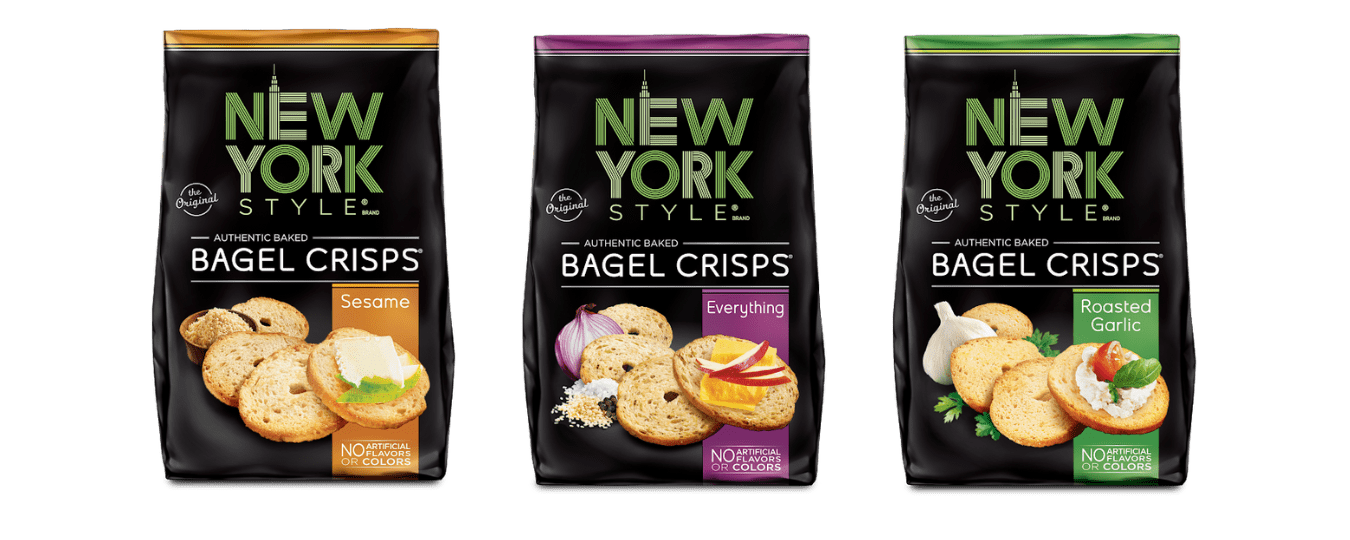
custom printed lay flat pouch multiple skus

Multi-SKU product lines offer variety, but when it comes to packaging, they also create complexity. Whether you’re offering different flavors, sizes, formulas, or bundle combinations, choosing the right approach for packaging pouches across multiple SKUs is key to keeping things organized, cost-effective, and retail-ready.

In this blog, we break down the smartest ways to handle multi-SKU pouch packaging and what strategies can simplify your process while maximizing shelf appeal.

Why Multi-SKU Pouch Packaging Needs a Strategy

If your product line includes multiple variations—like a protein powder in four flavors, or snacks in ten varieties—you’ll likely be working with multiple pouch designs and potentially different sizes. Without a plan, this can lead to over-ordering, poor inventory control, mismatched branding, and increased lead times.

A strategic approach to multi-SKU pouch packaging helps you:

  • Streamline production and inventory
  • Maintain consistent branding across all variations
  • Improve packaging efficiency for both retail and e-commerce
  • Reduce waste and minimize packaging costs
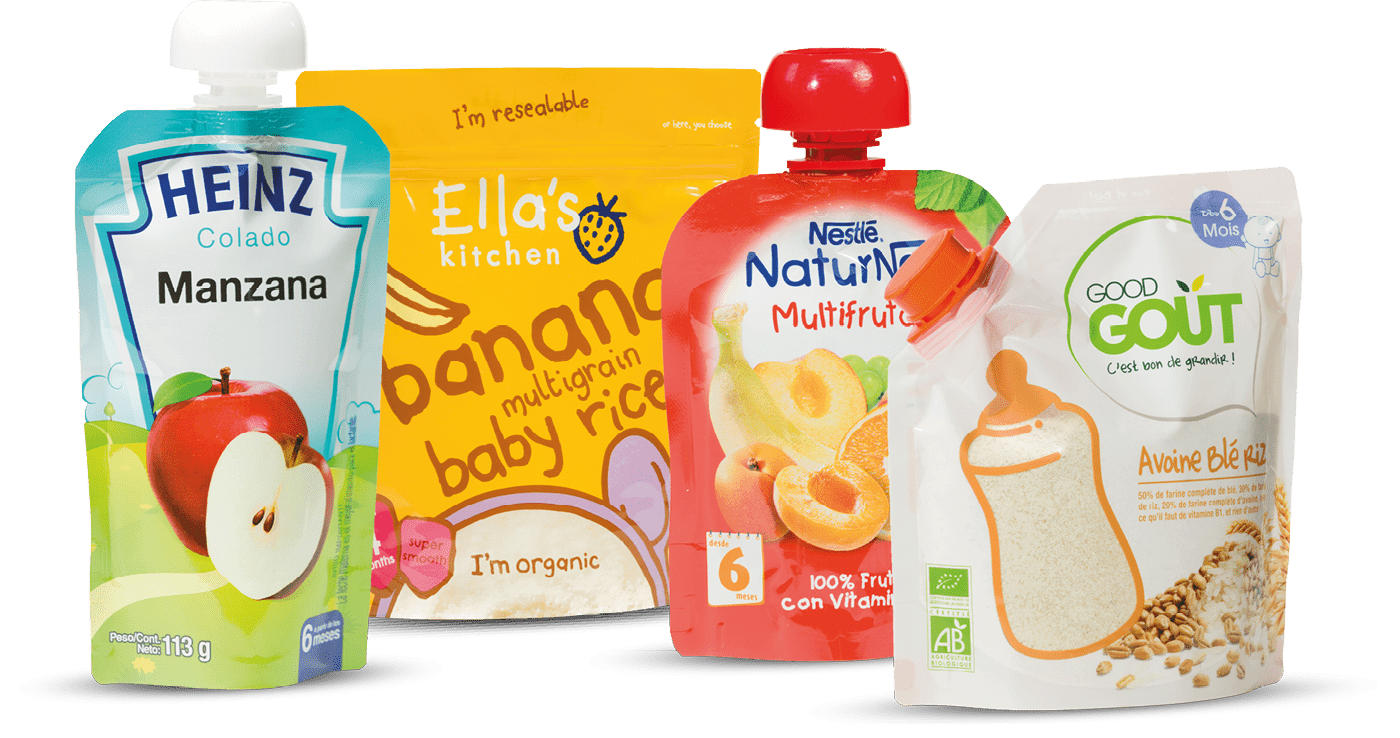
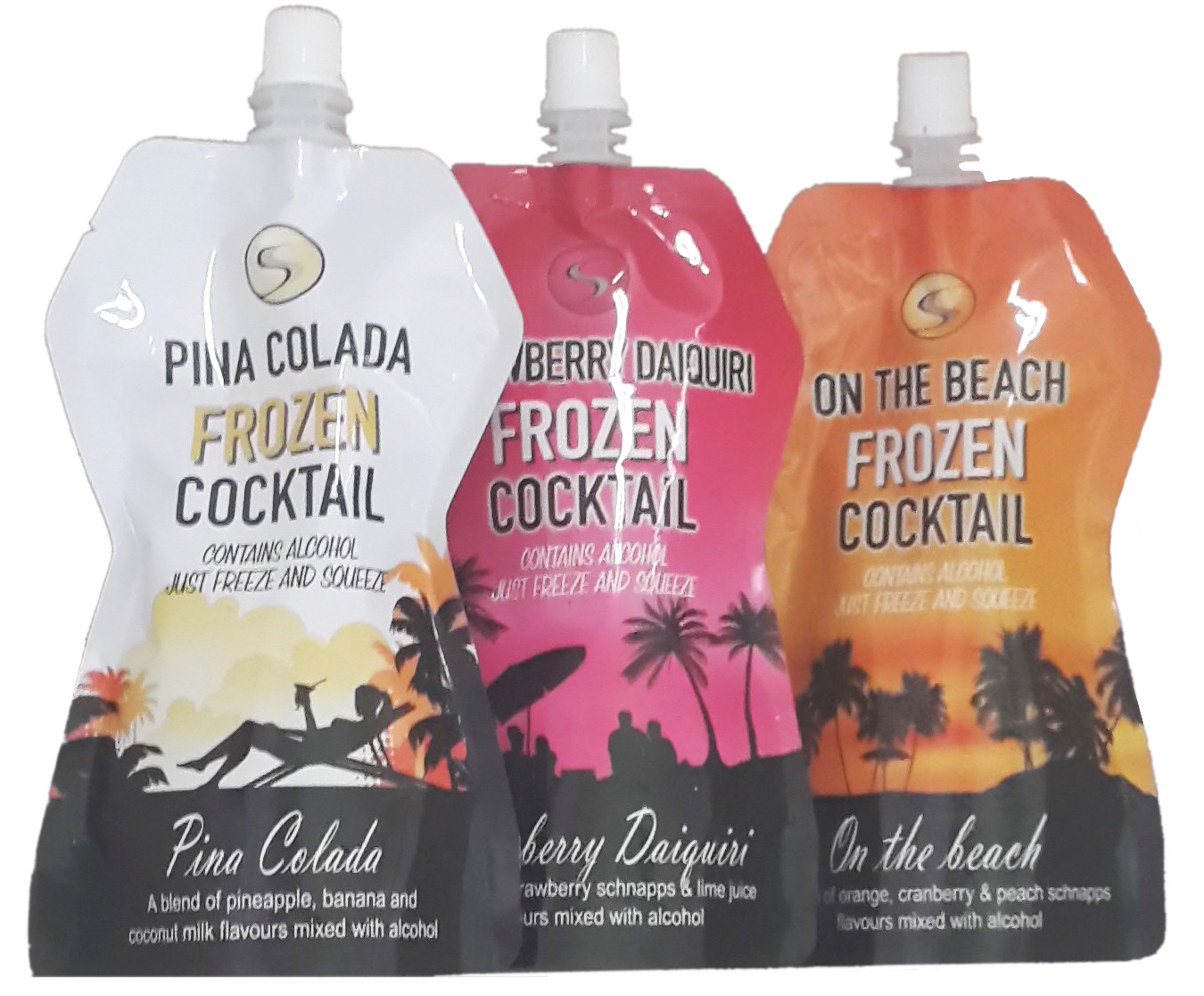
Custom Spout Pouches Multi-SKU Packaging

Choose the Right Pouch Format for All SKUs

The first step is selecting a pouch format that can work across your entire SKU range. This simplifies your sourcing, design process, and shipping logistics.

Common formats that work well across SKUs:

  • Stand-up pouches for shelf presence
  • Flat pouches for sample sizes or low-profile products
  • Zipper pouches for resealability and convenience
  • Printed roll stock if you need to automate pouch forming in-house

Sticking to a single pouch style for all SKUs—just with design changes—makes production and fulfillment smoother.

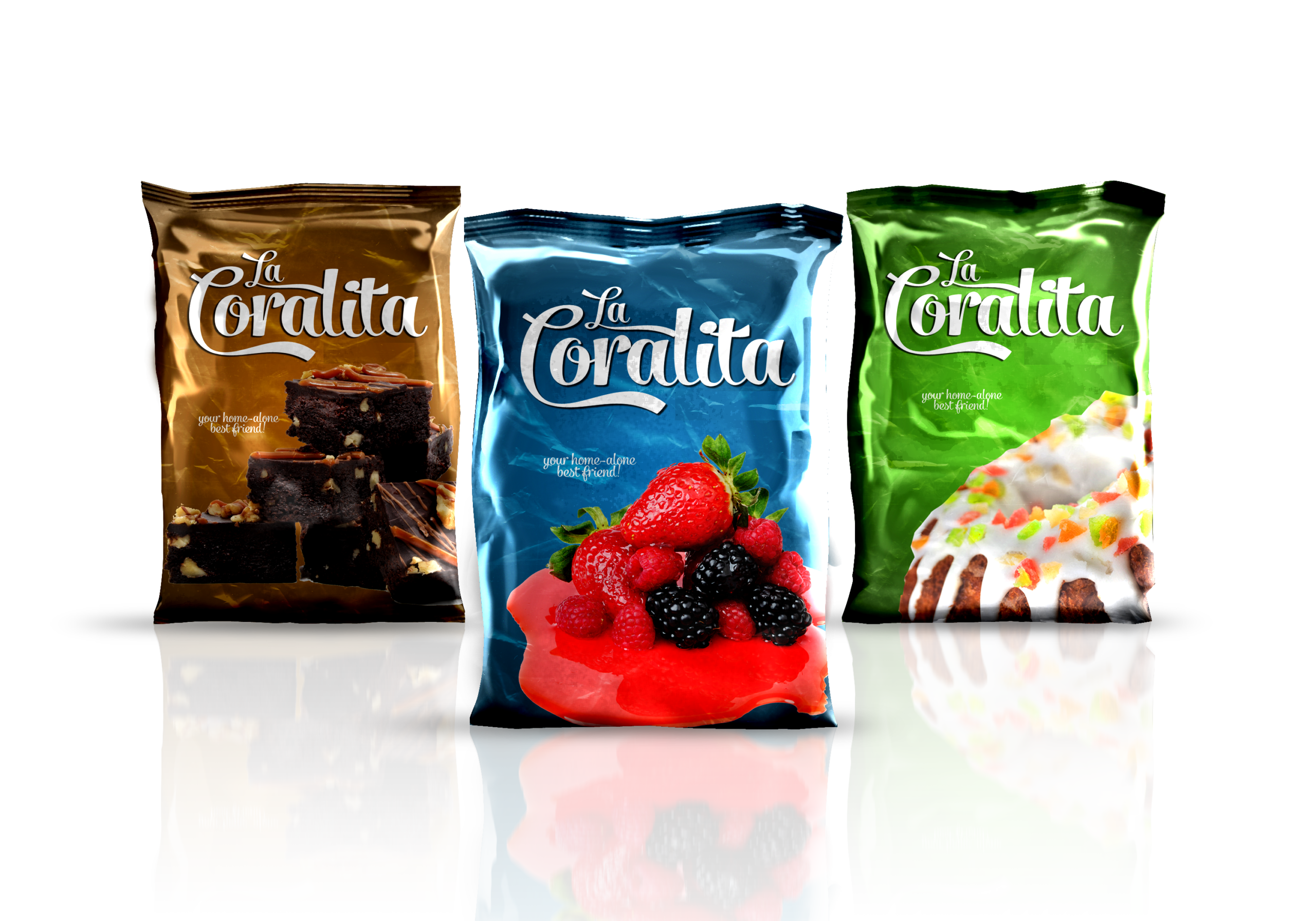
custom pouches

Leverage Digital Printing for Design Flexibility

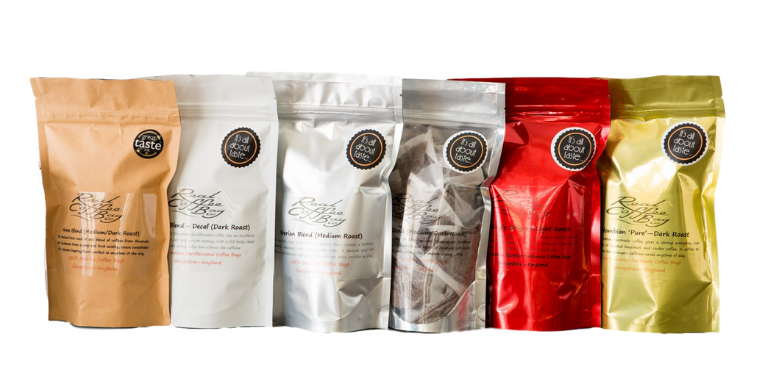
For brands managing 3, 5, or even 20+ SKUs, digital printing is a game-changer. It allows you to print multiple unique designs within the same run—no plate changes, no additional setup costs.

Digital printing benefits for multi-SKU pouch packaging:

  • Easy design versioning across SKUs
  • Lower MOQs for each version
  • Fast turnarounds to respond to changing demand
  • Great for product launches, seasonal releases, or subscription boxes

If you’re scaling or testing new SKUs, digital lets you stay nimble without sacrificing quality.

Custom coffee pouches printed and multisku

Bundle Multi-SKUs with Custom Kits or Displays

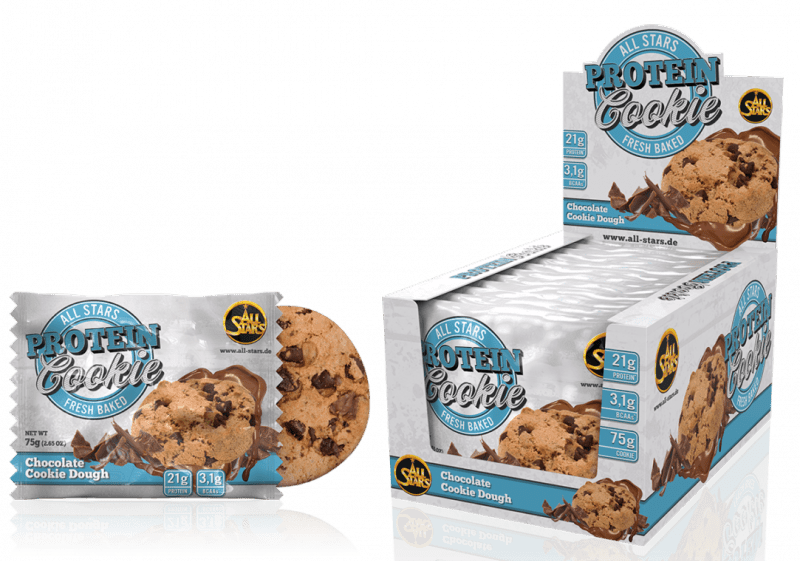
For brands selling multiple pouch SKUs in one package (like variety packs), consider custom kitting, inserts, or countertop displays that hold your pouches together in one unit. This is especially useful for:

  • Subscription snack kits
  • Sample sets or gift boxes
  • Seasonal bundles
  • Cross-promotional packs

You can use corrugated boxes, rigid kits, or even printed sleeves and belly bands to package multiple SKUs in a clean, retail-ready format.

Labeling and Inventory Tips

Managing multiple SKUs means more SKUs to track. Here’s how to keep things efficient:

  • Use consistent dielines across all pouch sizes if possible
  • Make sure each pouch design includes a unique barcode or QR
  • Include clear product names and variation callouts (like flavor or strength)
  • Store digital print files in a system that makes future updates easy

A well-labeled pouch not only helps in inventory—it also helps customers know exactly what they’re getting.

Final Thoughts

Packaging multiple SKUs with pouches doesn’t have to be overwhelming. With the right combination of standardized formats, flexible printing, and smart kitting or bundling, you can keep your operations lean while still offering the variety your customers love.

Need help building a multi-SKU pouch strategy?
We’ll help you find the right pouch, printing method, and packaging system that fits your brand and simplifies your workflow.

Most Recent Posts:
Comparing Single vs. Multi-Material Packaging

Choosing the right packaging material is one of the most important decisions buyers face. Single-material packaging offers simplicity and recyclability, while multi-material designs provide enhanced performance and protection. Understanding the

Read More »
Categories:
Subscribe To Our Newsletter

By submitting your information, you agree to our terms and conditions and privacy policy.

custom pouch
Custom Packaging
Facebook
Twitter
LinkedIn
Pinterest
Relevant Posts
Exploring the World of Pouch Packaging Materials
Pouch
brownpackaging
Exploring the World of Pouch Packaging Materials

Packaging is an essential aspect of product design, as it helps to protect the contents and enhance their shelf life. One of the most versatile types of packaging is pouches, which can be used for a wide range of products, from food items to personal care products. Pouches are lightweight, portable, and come in various shapes and sizes. They are also customizable, allowing businesses to showcase their brand with unique graphics and designs. The material used to make pouches can significantly impact their functionality and performance. In this blog, we will explore the different types of materials used to make pouches and their benefits and drawbacks. Plastic Pouches Plastic is one of the most common materials used to make pouches. It is versatile, durable, and lightweight, making it an ideal material for packaging. There are several types of plastic films used in the production of pouches, such as polyethylene, polypropylene, and polyester. Polyethylene (PE) is a widely used plastic film that is suitable for packaging food items, such as snacks, baked goods, and frozen foods. It is affordable, has excellent moisture and oxygen barrier properties, and is easy to print on. Polyethylene films come in different thicknesses, with high-density polyethylene (HDPE) being more robust than low-density polyethylene (LDPE). Polypropylene (PP) is another type of plastic film commonly used to make pouches. It is more durable than PE and has a higher melting point, making it suitable for hot-fill applications. PP films offer good moisture and oxygen barrier properties and are resistant to punctures and tears. Polyester (PET) is a strong, high-clarity plastic film that is suitable for packaging products that require high barrier properties, such as coffee, snacks, and dried fruits. It is also suitable for packaging products that require microwaveable or oven-able pouches. Plastic pouches are customizable, allowing businesses to showcase their brand with high-quality graphics and designs. However, plastic pouches are not biodegradable and can contribute to environmental pollution. They also have limited heat resistance and are not suitable for high-temperature applications. Paper Pouches Paper is a natural and biodegradable material that is becoming increasingly popular for pouch packaging. Paper pouches are lightweight, portable, and eco-friendly, making them an ideal option for dry food items such as nuts, seeds, and snacks. Paper pouches are typically made from kraft paper, which is a sturdy and tear-resistant material. They are also customizable and can be printed with unique designs and graphics. However, paper pouches are not suitable for products that require high barrier properties, such as liquids and perishable food items. Aluminum Foil Pouches Aluminum foil is a high barrier material that is commonly used for packaging perishable food items, such as meat, dairy products, and beverages. Foil pouches offer excellent moisture and oxygen barrier properties, preventing spoilage and extending the shelf life of the product. Aluminum foil pouches are puncture-resistant and tamper-evident, making them an ideal option for high-value products. They are also heat-sealable, ensuring the contents remain fresh and protected from external factors. However, aluminum foil pouches are not suitable for microwave or oven-able applications. They are also not biodegradable and can contribute to environmental pollution. Biodegradable Pouches As consumers become more environmentally conscious, biodegradable pouches are becoming increasingly popular. These pouches are made from materials such as corn starch, sugarcane, and other natural fibers. Biodegradable pouches break down quickly in the environment, leaving no harmful residues. They are also suitable for food items and offer similar barrier properties as traditional plastic pouches. However, biodegradable pouches are more expensive than traditional plastic pouches and have limited availability. They may also have lower barrier properties than other materials, making them less suitable for certain products. Composite Pouches Composite pouches are made by combining different materials to create a customized packaging solution. For example, a composite pouch might combine plastic and aluminum foil to create a high barrier pouch suitable for packaging liquids and powders. Composite pouches offer a range of benefits, such as increased durability, enhanced barrier properties, and improved product shelf life. Composite pouches are customizable and can be printed with high-quality graphics and designs. They are also tamper-evident, ensuring the contents remain fresh and protected from external factors. However, composite pouches are more expensive than traditional plastic pouches and may not be suitable for all products. The use of multiple materials in composite pouches may also make them more difficult to recycle. Summary: Which Pouch Material Should You Choose? In conclusion, the choice of material used to make pouches depends on the product being packaged, the required barrier properties, and environmental considerations. From plastic and paper to aluminum foil and biodegradable materials, there are several options available for creating the perfect pouch for your product. By understanding the benefits and drawbacks of each material, businesses can make informed decisions about the best type of pouch packaging for their products. If you are looking for custom pouches, then contact Brown Packaging today to get started. (714)300-0650 request@brownpackaging.com Most Recent Posts: Categories: Corrugated Ecommerce ESD Design Display Flexible Packaging Foam Folding Carton Packaging Plastic Packaging Pouch Printing Protection Retail Rigid Box Thermoform Sustainability Subscribe To Our Newsletter By submitting your information, you agree to our terms and conditions and privacy policy. Pouches Facebook Twitter LinkedIn Pinterest Relevant Posts

Read More »
Custom Pouch
Flexible Packaging
brownpackaging
Maximizing Clarity and Legibility in Pouch Packaging

In the competitive retail landscape, the clarity and legibility of pouch packaging play a pivotal role in customer engagement and brand communication. A well-designed package is not just a container for your product; it’s a crucial marketing tool. This blog post delves into the strategies for maximizing clarity and legibility in pouch packaging, ensuring your product stands out on the shelf and communicates effectively with consumers. Understanding the Importance of Clarity and Legibility Clarity and legibility in packaging design are about more than just aesthetics. They directly impact a customer’s ability to quickly identify and understand your product, which can be the deciding factor in the purchasing decision. Clear and legible packaging also ensures compliance with labeling regulations, particularly important in industries like food and pharmaceuticals. Tips for Enhancing Clarity and Legibility Choose the Right Font and Optimize Size: Use simple, easy-to-read fonts for critical information like product names, ingredients, and instructions. Avoid overly stylized fonts that might look attractive but reduce readability. Ensure that the font size is large enough to be read easily from a normal viewing distance. Prioritize key information and make it more prominent. Contrast is Key: Use high-contrast color schemes to enhance readability. Dark text on a light background or vice versa usually works best. Be mindful of colorblindness and avoid color combinations that might pose readability issues. Simplify the Design: Avoid cluttered designs that can overwhelm the eye and make it difficult to locate important information. Use whitespace effectively to create a clean, organized look that draws attention to key details. Use Clear Imagery: Incorporate high-quality images that accurately represent the product. This helps in quick identification and adds to the visual appeal. Ensure that images do not overshadow or interfere with the text. Hierarchical Information Layout: Organize information hierarchically. Place the most important information (like the brand and product name) in the most prominent position. Secondary details should be easily locatable but not dominate the primary information. Incorporate Informative Icons: Use universally recognized icons to convey information quickly, such as gluten-free or vegan symbols. Icons can be a great way to communicate key features without relying on text. Consider the Material and Finish: The material of the pouch can affect visibility. Matte finishes reduce glare, while clear windows can showcase the product directly. Test the legibility against the pouch’s texture and finish under various lighting conditions. Regulatory Compliance: Ensure that all required information, such as nutritional facts, ingredients, and usage instructions, complies with legal requirements in terms of visibility and legibility. Feedback and Testing: Conduct consumer testing to gather feedback on the packaging’s clarity and legibility. Make adjustments based on real-world input to optimize the design. If you are interested in pouch packaging, then partner with Brown Packaging today to get started. (714)300-0650 request@brownpackaging.com Most Recent Posts: Categories: Corrugated Ecommerce ESD Design Display Flexible Packaging Foam Folding Carton Packaging Plastic Packaging Pouch Printing Protection Retail Rigid Box Thermoform Sustainability Subscribe To Our Newsletter By submitting your information, you agree to our terms and conditions and privacy policy. Pouches Facebook Twitter LinkedIn Pinterest Relevant Posts

Read More »
custom designed lay flat pouches
Flexible Packaging
brownpackaging
Digital Printed Pouches: A Packaging Overview

In the diverse landscape of modern packaging, digital printed pouches stand out for their versatility and effectiveness. Offering a blend of functionality and aesthetic appeal, these pouches are becoming a preferred choice for various industries. This blog provides a comprehensive overview of digital printed pouches, discussing their key aspects, advantages, and applications. Introduction to Digital Printed Pouches Digital printed pouches represent a significant evolution in packaging technology. Utilizing state-of-the-art digital printing techniques, these pouches feature high-quality graphics printed directly onto flexible materials. They are distinguished by their vibrant colors, crisp details, and overall visual appeal. Key Advantages of Digital Printed Pouches High-Quality Graphics: With advanced digital printing, the images and text on these pouches are sharp, clear, and visually appealing, making them great for brand representation. Customization Flexibility: Digital printing allows for easy customization and personalization, making these pouches ideal for limited runs or special editions. Cost-Effectiveness: Particularly beneficial for small to medium-sized runs, digital printed pouches offer economic advantages due to lower setup costs. Quick Turnaround: The setup and printing process is much faster compared to traditional methods, significantly reducing lead times. Applications Across Industries Digital printed pouches are versatile and find applications in various sectors: Food and Beverage: Used for packaging snacks, drinks, and other consumables, they offer both appeal and practicality. Health and Beauty: The high-quality print makes these pouches perfect for cosmetics, showcasing brands effectively. Pharmaceuticals: Ideal for sample packs or trial sizes, offering precise labeling and vibrant designs. Design Considerations for Digital Printed Pouches When designing these pouches, it’s crucial to focus on: Brand Representation: Use the pouches as a canvas to reflect your brand’s image and message. Clarity and Legibility: Ensure that all text, especially product information and legal disclaimers, is readable. Compliance: Adhere to industry-specific packaging regulations, particularly important for food and pharmaceutical products. Looking Ahead: Trends and Developments The future of digital printed pouches is marked by continuous innovation: Integration of Smart Technologies: Incorporating elements like QR codes enhances user engagement and provides additional product information. Sustainable Practices: The shift towards eco-friendly materials in digital pouches is a growing trend, resonating with environmentally conscious consumers. Conclusion Digital printed pouches offer a dynamic and effective packaging solution, blending high-quality visuals with practicality. Their ability to be customized, combined with their cost-effectiveness and quick production time, makes them a valuable asset for any business looking to enhance its packaging strategy. As we look to the future, the role of digital printed pouches in packaging is set to grow, driven by technological advancements and a heightened focus on sustainability. If you are interested in digital printed pouches, then partner with Brown Packaging. (714)300-0650 request@brownpackaging.com Most Recent Posts: Categories: Corrugated Ecommerce ESD Design Display Flexible Packaging Foam Folding Carton Packaging Plastic Packaging Pouch Printing Protection Retail Rigid Box Thermoform Sustainability Subscribe To Our Newsletter By submitting your information, you agree to our terms and conditions and privacy policy. Custom Packaging Facebook Twitter LinkedIn Pinterest Relevant Posts

Read More »