Home » Cherry Locks in Roll End Tuck Top Boxes Explained
Cherry Locks in Roll End Tuck Top Boxes Explained
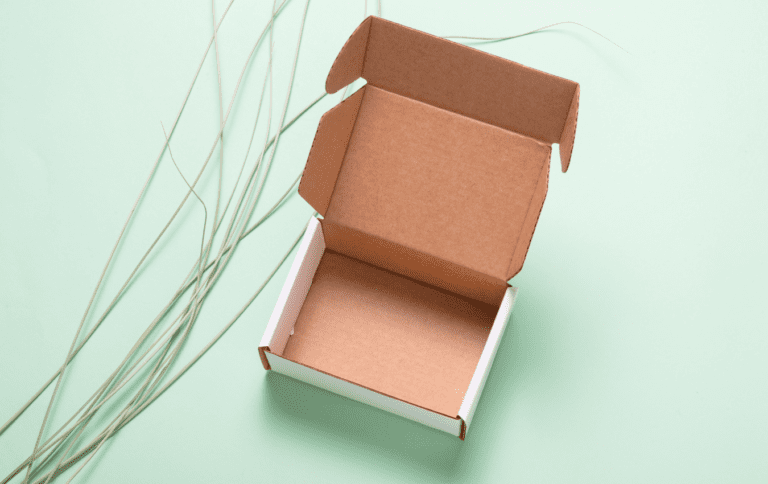
In the world of packaging, there’s a constant pursuit of innovation and improvement to ensure products are not only securely packaged but also easy to access. One such advancement in packaging technology is the incorporation of cherry locks in roll end tuck top (RETT) boxes. In this blog, we will delve into the intricacies of cherry locks, exploring their design, features, benefits, and the scenarios where they prove to be an invaluable addition to RETT boxes.
Understanding Cherry Locks
Cherry locks, also known as snap locks or friction locks, are a locking mechanism employed in packaging to secure the top flaps of boxes without the need for additional adhesives or tape. These locks are specifically designed to offer a secure closure while allowing for effortless and repeated opening, making them ideal for applications where ease of access is crucial. Here’s a closer look at their design and features:
Benefits of Cherry Locks
Cherry locks offer several advantages, making them a valuable addition to RETT boxes:
- Enhanced Security: Cherry locks provide a secure closure that prevents accidental opening during transit while deterring tampering or unauthorized access.
- Easy Access: The user-friendly design of cherry locks allows for quick and effortless opening, making them ideal for products that need to be accessed frequently, such as retail items or subscription boxes.
- Sustainability: Cherry locks contribute to sustainability efforts as they reduce the reliance on single-use adhesives and tapes, promoting eco-friendly packaging practices. These boxes can also be reused and repurposed.
- Cost Savings: While cherry locks may initially seem like a slightly higher investment, their reusability ultimately leads to cost savings by eliminating the need for additional sealing materials.
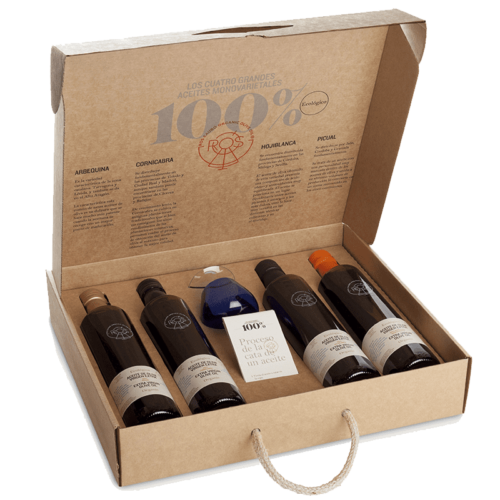
Cherry Locks in Roll End Tuck Top Boxes
Roll end tuck top boxes, with their inherent durability and versatility, are a perfect pairing for cherry locks. These boxes are constructed to provide a secure enclosure while allowing for easy customization and branding. When cherry locks are integrated into RETT boxes, they bring an added layer of security and convenience to the packaging solution.
Scenarios for Using Cherry Locks in RETT Boxes
Cherry locks are a versatile locking mechanism that can be employed in various industries and applications:
- Retail Packaging: RETT boxes with cherry locks are an excellent choice for retail packaging, ensuring that products remain secure on the shelves while allowing customers to open and inspect them easily.
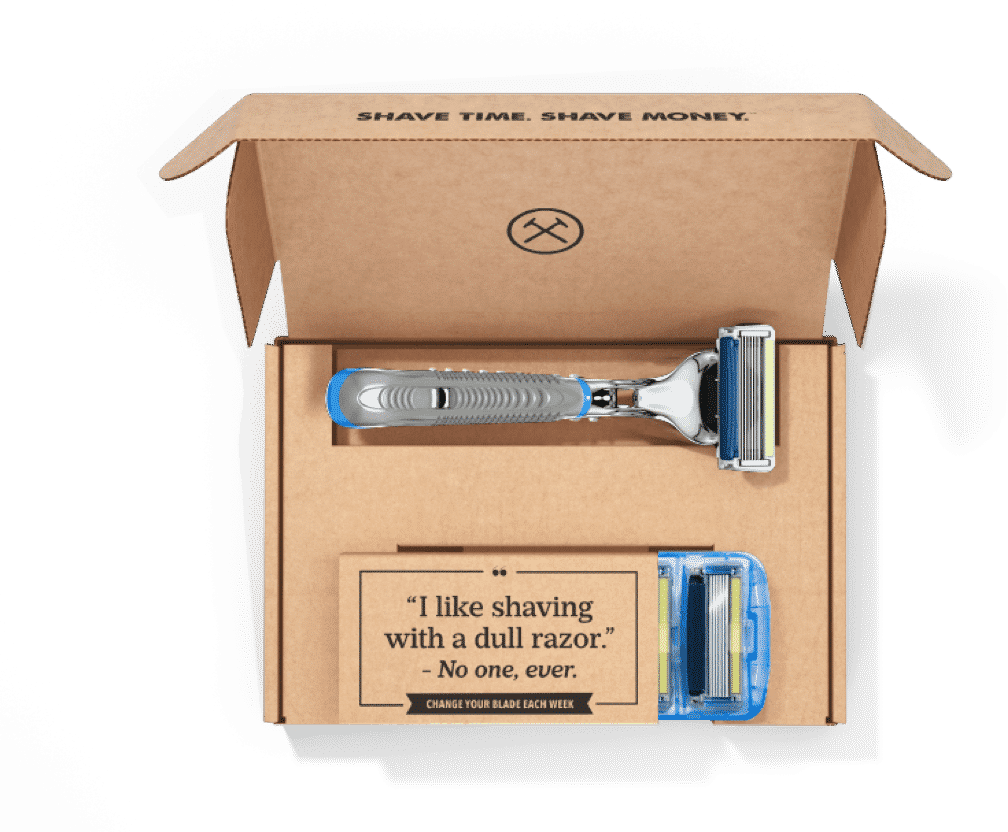
- E-commerce: For e-commerce businesses, cherry locks enhance the security of shipped items while offering recipients a hassle-free unboxing experience.
- Subscription Boxes: Subscription box services benefit from cherry locks as they combine security with the convenience of repeated opening for subscribers.
- Electronics and Gadgets: Sensitive electronics and gadgets can be securely packaged with cherry locks, ensuring the contents are protected during shipping and readily accessible to users.
Conclusion
Cherry locks in roll end tuck top boxes represent a significant innovation in packaging design, offering the perfect balance between security and ease of access. Understanding the design, features, benefits, and potential applications of cherry locks can help businesses make informed choices when selecting packaging solutions. Whether you are in retail, e-commerce, or any other industry, the integration of cherry locks into RETT boxes can enhance your packaging strategy, providing a secure and user-friendly experience for both businesses and customers alike.
If you are interested in roll end tuck top boxes with cherry locks, then partner with Brown Packaging today to get started.
In 2026, sustainability is no longer just a trend—it’s a buyer expectation. Forest Stewardship Council (FSC) certification has become a key benchmark for responsible packaging, signaling that materials are sourced
Sustainability is now a top priority for packaging buyers. Retailers, regulators, and consumers are all demanding packaging solutions that reduce environmental impact without sacrificing performance. In 2026, buyers must balance
Choosing the right packaging material is one of the most important decisions buyers face. Single-material packaging offers simplicity and recyclability, while multi-material designs provide enhanced performance and protection. Understanding the
One of the biggest challenges in sustainable packaging is balancing environmental responsibility with product protection. Buyers often worry that switching to eco-friendly materials means sacrificing durability or driving up costs.
Home » Cherry Locks in Roll End Tuck Top Boxes Explained
Corrugated board comes in multiple flute sizes and wall grades, each designed to balance strength, weight, and cost. Selecting the wrong grade can lead to product damage, excessive freight costs, or unnecessary material expense. In 2026, buyers must match corrugated performance to their supply chain conditions, sustainability goals, and budget requirements. Common Corrugated Grades Single-wall: Lightweight, cost-effective, suitable for many retail and e-commerce uses. Double-wall: Greater strength and stacking ability for heavy or fragile items. Triple-wall: Maximum compression resistance for industrial, bulk, and export packaging. Key Factors When Choosing a Grade Product weight: Heavier items require stronger board. Supply chain conditions: Long transit times, stacking, and climate variations increase stress. Cost balance: Higher grades protect better but add material expense. Sustainability goals: Use recycled content or right-size to minimize waste. Compliance: Certain industries require ISTA or ASTM-tested packaging. How to Match Grade to Application E-commerce: Single-wall RSCs with performance coatings for moisture resistance. Industrial parts: Double-wall or triple-wall for high stacking and pallet loads. Export packaging: Triple-wall FOL boxes for international freight durability. Retail displays: Lighter grades with strong print surfaces for shelf appeal. Testing for Performance Confidence Compression testing: Ensures cartons withstand stacking loads. Vibration and drop testing: Validates protection during transport. Material analysis: Confirms recycled fiber content aligns with performance goals. Packaging Solutions with Brown Packaging Brown Packaging works with buyers to identify the right corrugated grade for each application. From single-wall e-commerce boxes to triple-wall export packaging, we balance protection, cost, and sustainability. Contact us to select the right grade for 2026. References ASTM International. (2023). ASTM D642: Standard Test Method for Compression Resistance of Shipping Containers.Soroka, W. (2009). Fundamentals of Packaging Technology (4th ed.). Institute of Packaging Professionals.Fiber Box Association. (2024). Corrugated Packaging Performance Handbook. Retrieved from https://www.fibrebox.org (714)300-0650 request@brownpackaging.com Most Recent Posts: Categories: Corrugated Ecommerce ESD Design Display Flexible Packaging Foam Folding Carton Packaging Plastic Packaging Pouch Printing Protection Retail Rigid Box Thermoform Sustainability Subscribe To Our Newsletter By submitting your information, you agree to our terms and conditions and privacy policy. Custom Corrugated Boxes Facebook Twitter LinkedIn Pinterest Relevant Posts
As the popularity of subscription box services continues to surge, the competition in this rapidly evolving industry has become fiercer than ever. Custom packaging plays a pivotal role in this landscape, offering a unique opportunity for businesses to stand out, create memorable customer experiences, and foster brand loyalty. From aesthetics to sustainability, every element of your subscription box packaging has the potential to influence your customer’s perception of your brand. In this blog, we will delve into essential tips and strategies for successful custom packaging for subscription box services. Designing with Your Brand Identity in Mind Your packaging is often the first tangible interaction your customers have with your brand. Therefore, it’s critical to ensure that the design aligns with your brand identity. Consider using your brand’s color palette, logo, and typography on the box. Consistent branding not only improves brand recognition but also instills trust and loyalty among customers. Delight Customers with Unboxing Experience An exciting unboxing experience can drive customer engagement, prompt social media shares, and potentially attract new subscribers. To achieve this, think of your package as a gift box. Use quality materials, thoughtful arrangement of products, and add personalized touches such as thank-you notes or unexpected free samples. Use tissue paper, branded stickers, or custom inserts to add an extra layer of anticipation during unboxing. Prioritize Durability and Protection The integrity of your products is paramount. Your subscription box must be sturdy enough to protect its contents during transit. Utilize protective inner packaging like bubble wrap, foam inserts, or air pillows, particularly for delicate items. Furthermore, investing in high-quality materials reflects positively on your brand’s image and reduces the chances of customer dissatisfaction due to damaged items. Optimize for Shipping Costs Packaging dimensions significantly impact shipping costs. Design your subscription box to optimize space while ensuring safety and presentation of your products. Depending on your product mix, consider using variable-sized boxes or custom inserts to adapt to each order, thus saving on unnecessary shipping charges. Embrace Sustainability With growing consumer consciousness towards the environment, incorporating sustainable packaging practices can set your subscription service apart and resonate with eco-minded customers. Consider using recyclable or compostable materials, reducing excess packaging, or opting for suppliers who source materials responsibly. Customization and Personalization Customization is a powerful tool in establishing a deeper connection with customers. Personalized messages, products curated based on customer preferences, or unique box designs for different occasions can make your customers feel valued and appreciated, thus fostering a long-term relationship. Testing and Feedback Finally, remember that the perfect packaging strategy evolves over time. Regularly test different packaging elements and gather customer feedback to understand what works and what needs improvement. Such feedback is valuable in refining your packaging strategy to best meet your customers’ expectations and preferences. Summary: Subscription Boxes Tips and Strategies The unboxing of a subscription box is more than opening a package; it’s an experience that begins from the moment the customer sees the box at their doorstep. By crafting a delightful, engaging, and memorable unboxing experience, your subscription service can captivate customers, generate organic social media buzz, and ultimately, drive the success of your brand. Remember, the box is not just a container for your products; it’s a powerful marketing tool that can tell your brand story and connect with customers on a deeper level. By embracing the strategies shared in this blog, your custom packaging can become a strategic differentiator, transforming your subscription box service from good to unforgettable. If you are interested in subscription boxes, then partner with Brown Packaging today to get started. (714)300-0650 request@brownpackaging.com Most Recent Posts: Categories: Corrugated Ecommerce ESD Design Display Flexible Packaging Foam Folding Carton Packaging Plastic Packaging Pouch Printing Protection Retail Rigid Box Thermoform Sustainability Subscribe To Our Newsletter By submitting your information, you agree to our terms and conditions and privacy policy. Subscription Boxes Facebook Twitter LinkedIn Pinterest Relevant Posts
Corrugated pads are an essential component of the packaging industry. They are versatile, durable, and cost-effective solutions for a wide range of packaging needs. Corrugated pads can be used for both cushioning and separating products during transport or storage. In this ultimate guide to corrugated pads, we will explore everything you need to know about these valuable packaging materials. What are Corrugated Pads? Corrugated pads are flat pieces of corrugated cardboard that are used for cushioning and separating products during transport or storage. They are made by sandwiching a layer of fluted cardboard between two layers of linerboard. The fluted layer gives the pad its strength and cushioning properties, while the linerboard provides a smooth surface for printing and labeling. There are two main types of corrugated pads: single-wall and double-wall. Single-wall corrugated pads have one layer of fluting sandwiched between two layers of linerboard, while double-wall corrugated pads have two layers of fluting sandwiched between three layers of linerboard. Double-wall corrugated pads are more durable and provide better cushioning properties than single-wall corrugated pads. Advantages of Using Corrugated Pads Corrugated pads offer many advantages over other packaging materials. Here are some of the benefits of using corrugated pads in packaging: Cost-effectiveness: Corrugated pads are an affordable packaging solution that provides excellent value for money. They are cheaper than other materials such as plastic, foam, or wood. Versatility: Corrugated pads can be used for a wide range of packaging needs, from protecting fragile items during transport to separating and organizing products during storage. Environmental sustainability: Corrugated pads are made from renewable materials, and they are 100% recyclable. They have a lower carbon footprint than other packaging materials, and they do not contribute to landfill waste. Customizability: Corrugated pads can be customized to meet specific packaging needs. They can be cut to any size or shape, printed with branding or labeling, and even laminated for added strength and durability. Applications of Corrugated Pads Corrugated pads are used in many different industries and businesses. Here are some of the common uses of corrugated pads in packaging: Transportation and logistics: Corrugated pads are used to protect products during transport, especially fragile or delicate items such as electronics, glassware, or ceramics. Manufacturing and distribution: Corrugated pads are used to separate and organize products during manufacturing and distribution. They are often used in automated assembly lines to prevent damage or scratching of products. Retail packaging: Corrugated pads are used in retail packaging to provide cushioning and support for products. They are commonly used in shipping boxes or retail displays. Food packaging: Corrugated pads are used in food packaging to separate and cushion products such as eggs, fruits, and vegetables. They are also used in shipping boxes for food and beverage products such as wine bottles or canned goods. Innovative applications of corrugated pads in packaging include using them as insulation for homes, creating furniture, and even building temporary structures such as emergency shelters. Choosing the Right Corrugated Pad for Your Packaging Needs When choosing a corrugated pad for your packaging needs, there are several factors to consider. Here are some tips for choosing the right corrugated pad: Product weight and fragility: The weight and fragility of the product you are packaging will determine the thickness and strength of the corrugated pad you need. Heavier or more fragile items require thicker or double-wall corrugated pads. Shipping and storage conditions: The shipping and storage conditions of your product will also affect the type of corrugated pad you need. For example, if your product is being shipped long distances, you may need a stronger corrugated pad to withstand the vibrations and impact of transportation. Customization options: Corrugated pads can be customized to meet specific packaging needs. Consider whether you need a custom size or shape, printing or labeling, or laminated options for added strength. Tips for Using Corrugated Pads Effectively To maximize the protective properties of corrugated pads, here are some best practices for using them effectively: Proper placement: Place corrugated pads between products to prevent scratching or damage during transport or storage. Multiple layers: For heavier or more fragile items, consider using multiple layers of corrugated pads for added protection. Cushioning: Use additional cushioning materials such as bubble wrap or foam inserts to provide extra protection for fragile items. Storage and handling: Store corrugated pads in a dry, cool area to prevent moisture damage. Handle them carefully to avoid creases or tears that could reduce their effectiveness. If you are interested in corrugated pads, then partner with Brown Packaging today to get started. (714)300-0650 request@brownpackaging.com Most Recent Posts: Categories: Corrugated Ecommerce ESD Design Display Flexible Packaging Foam Folding Carton Packaging Plastic Packaging Pouch Printing Protection Retail Rigid Box Thermoform Sustainability Subscribe To Our Newsletter By submitting your information, you agree to our terms and conditions and privacy policy. Corrugated Pads Facebook Twitter LinkedIn Pinterest Relevant Posts