



Home » Structural vs. Graphic Design in Packaging
Structural vs. Graphic Design in Packaging
When it comes to packaging, two critical elements come into play – structural design and graphic design. Both are essential in their ways, but depending on your audience, one may hold more significance than the other. This blog post delves into the nuances of structural and graphic design in packaging and examines which aspect resonates more with different types of audiences.
Understanding Structural and Graphic Design in Packaging
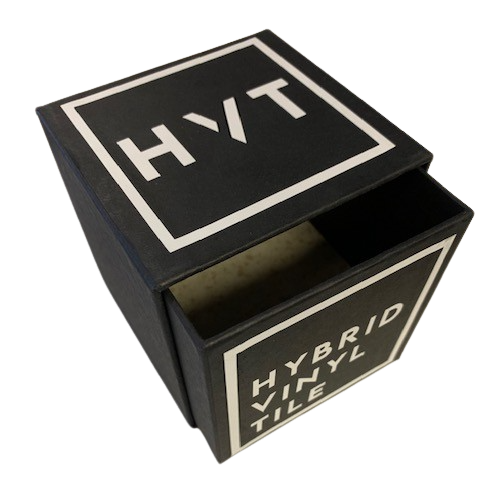
Structural Design refers to the physical shape and functionality of the packaging. It’s about how the package is constructed, how it protects the product, and how it functions from a user’s perspective.
Graphic Design, on the other hand, involves the visual elements on the packaging’s exterior. This includes the use of colors, fonts, images, and other graphical elements that communicate the brand and attract the consumer.
Structural Design: The Functional Communicator
Structural design is crucial when the audience prioritizes functionality, usability, and convenience. This aspect is particularly important in:
- Products Requiring Safe Transit: For fragile or high-value items, the structural design ensures safety and integrity.
- Consumer Convenience: Products aimed at offering convenience, like easy-to-open or resealable packaging, appeal more through their structural design.
- Innovative Niche Markets: In markets where innovation is highly valued, unique structural designs can make a significant impact.
Graphic Design: The Visual Storyteller
Graphic design becomes a dominant factor when the audience is influenced by brand story, aesthetics, and emotional connection. It’s significant in:
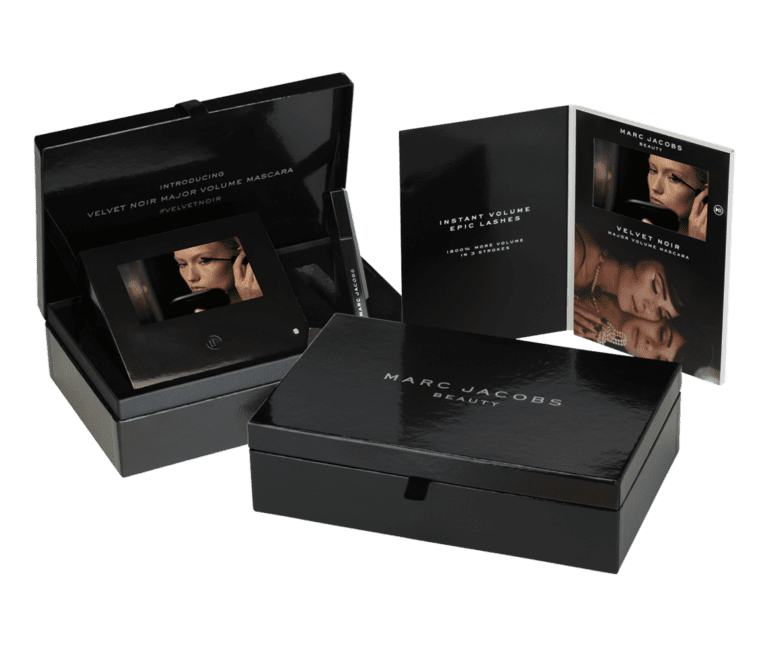
- Lifestyle and Luxury Products: For products where brand perception and aesthetic appeal are crucial, graphic design takes center stage.
- Products Aimed at Younger Audiences: Younger demographics often respond strongly to visually appealing and trendy designs.
- Brand-Driven Products: When the brand story and identity are integral to the product, graphic design helps in forging that connection with the audience.
Balancing Both for Maximum Impact
In most cases, a balance of both structural and graphic design is necessary to fully engage your audience. This balance can be achieved by:
- Understanding Customer Preferences: Conduct market research to understand what your audience values more – functionality or aesthetics.
- Cohesive Design Strategy: Ensure that both structural and graphic designs complement each other and align with the overall brand strategy.
- Innovative Blending: Experiment with innovative ways to blend structural and graphic elements for a unique packaging experience.
Considerations Based on Product Type and Audience
- FMCG Products: Fast-moving consumer goods often rely on graphic design for quick shelf impact but require structurally sound packaging for transportation and storage.
- Tech Products: For tech products, structural design often takes precedence for protection, but graphic design plays a key role in brand positioning.
If you are interested in structural and/or graphic design for your packaging, then partner with Brown Packaging today to get started.
A folding carton may look simple once it reaches the shelf, but it goes through a controlled production process before it becomes a finished package.
Folding carton production is becoming more automated because buyers are asking for faster timelines, tighter consistency, and more flexibility across more SKUs. Shorter product lifecycles,
Folding carton style matters because structure affects more than appearance. The right carton can improve shelf presentation, packing speed, product access, closure security, storage efficiency,
Pouch packaging trends in 2027 will be shaped by convenience, shelf impact, sustainability pressure, sealing performance, automation, ecommerce growth, and total packaging cost. Buyers will
Corrugated box trends in 2027 will be driven by a practical mix of cost control, sustainability, ecommerce growth, automation, retail requirements, and supply chain performance.
Packaging trends in 2027 will be shaped by one major reality: buyers are no longer looking at packaging as just a box, carton, insert, pouch,
Home » Structural vs. Graphic Design in Packaging

Choosing a folding carton isn’t just about the graphics or the style—it’s about how the structural design and substrate work in tandem. The right combination
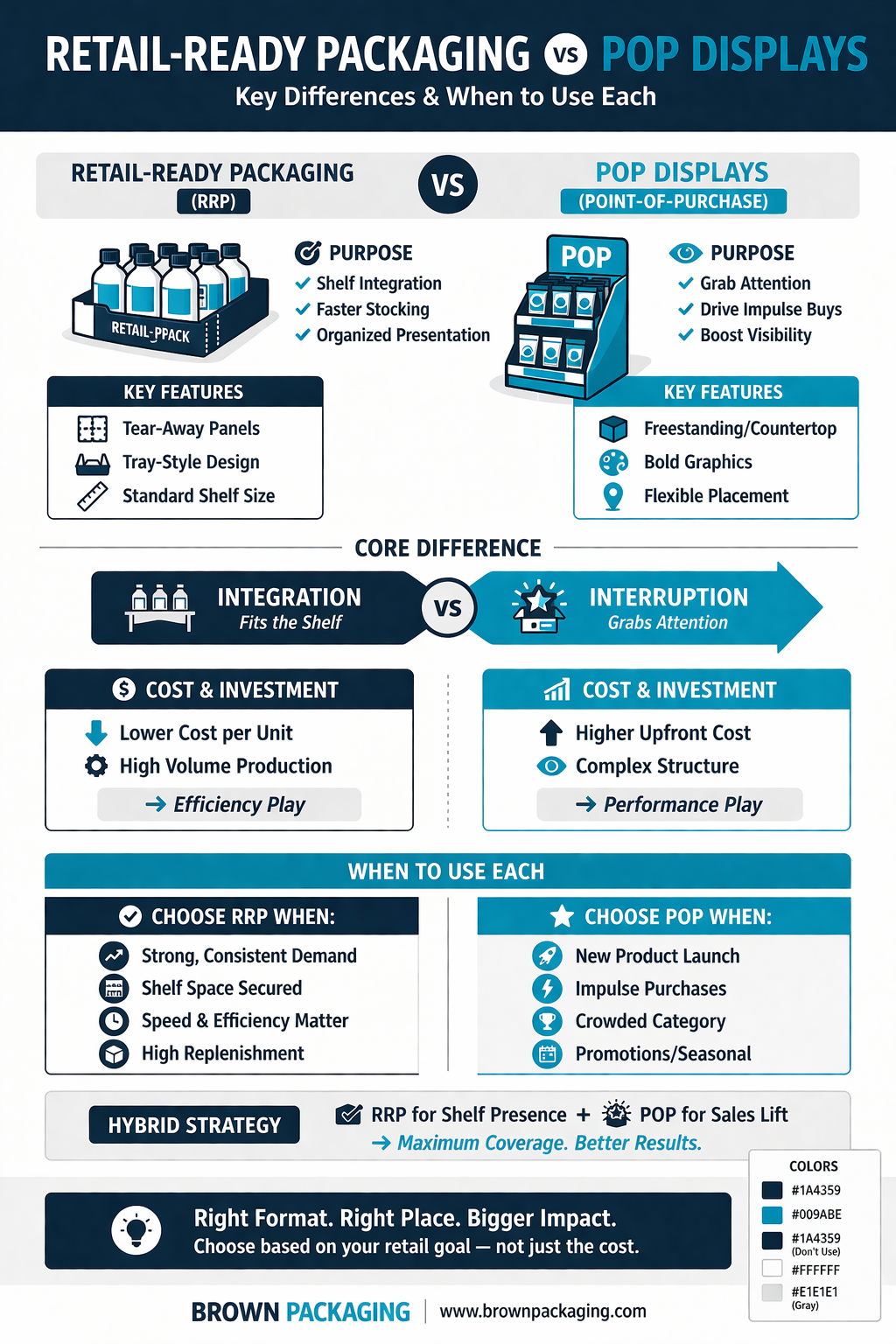
Retail-ready packaging (RRP) and POP displays are often treated as interchangeable. On paper, they both improve product presentation and efficiency. In reality, they serve completely
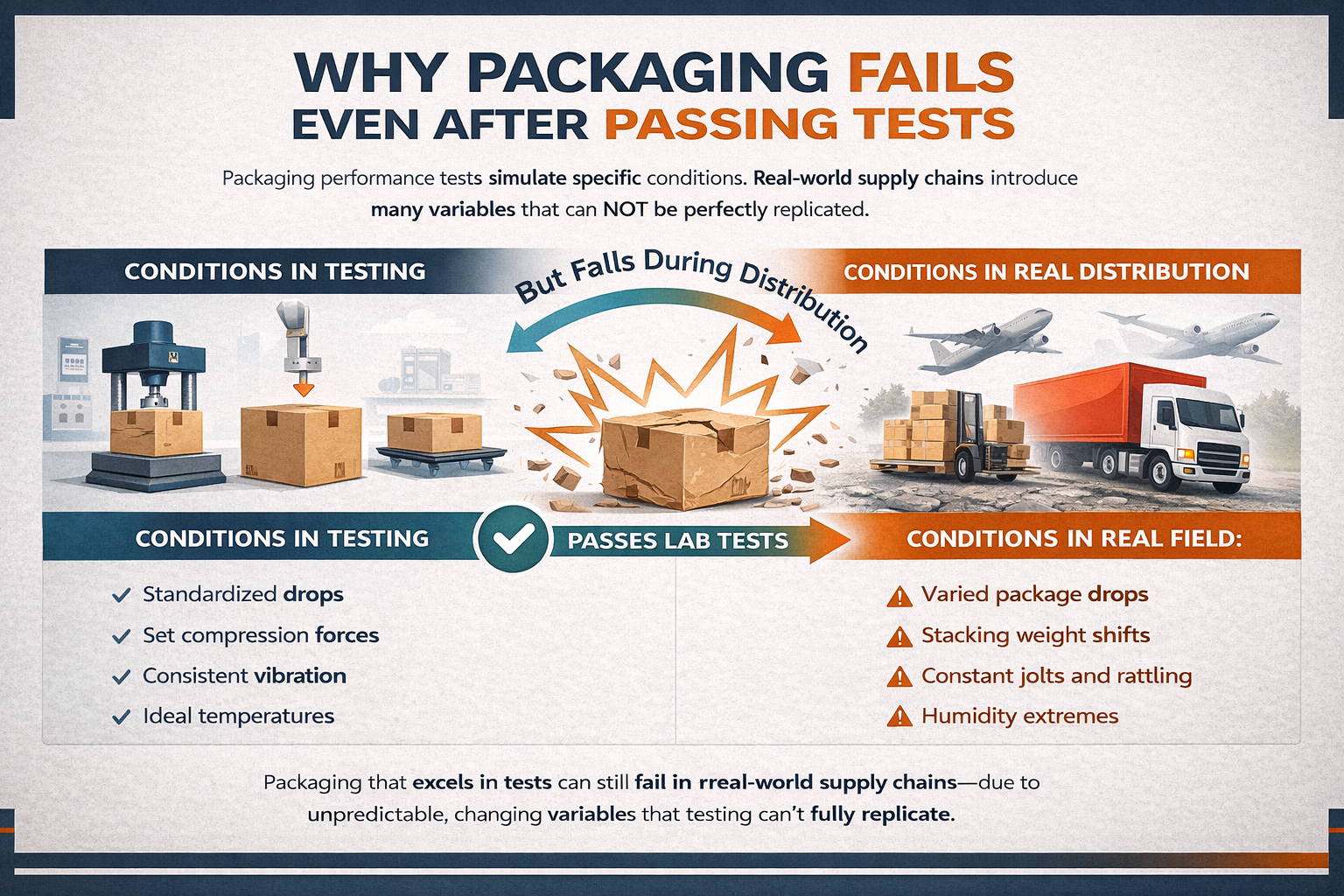
Packaging performance testing is designed to verify that packaging can withstand the stresses of distribution. Tests such as drop testing, compression testing, and vibration testing