

Home » How to Adapt Packaging to Evolving Consumer Behavior
How to Adapt Packaging to Evolving Consumer Behavior
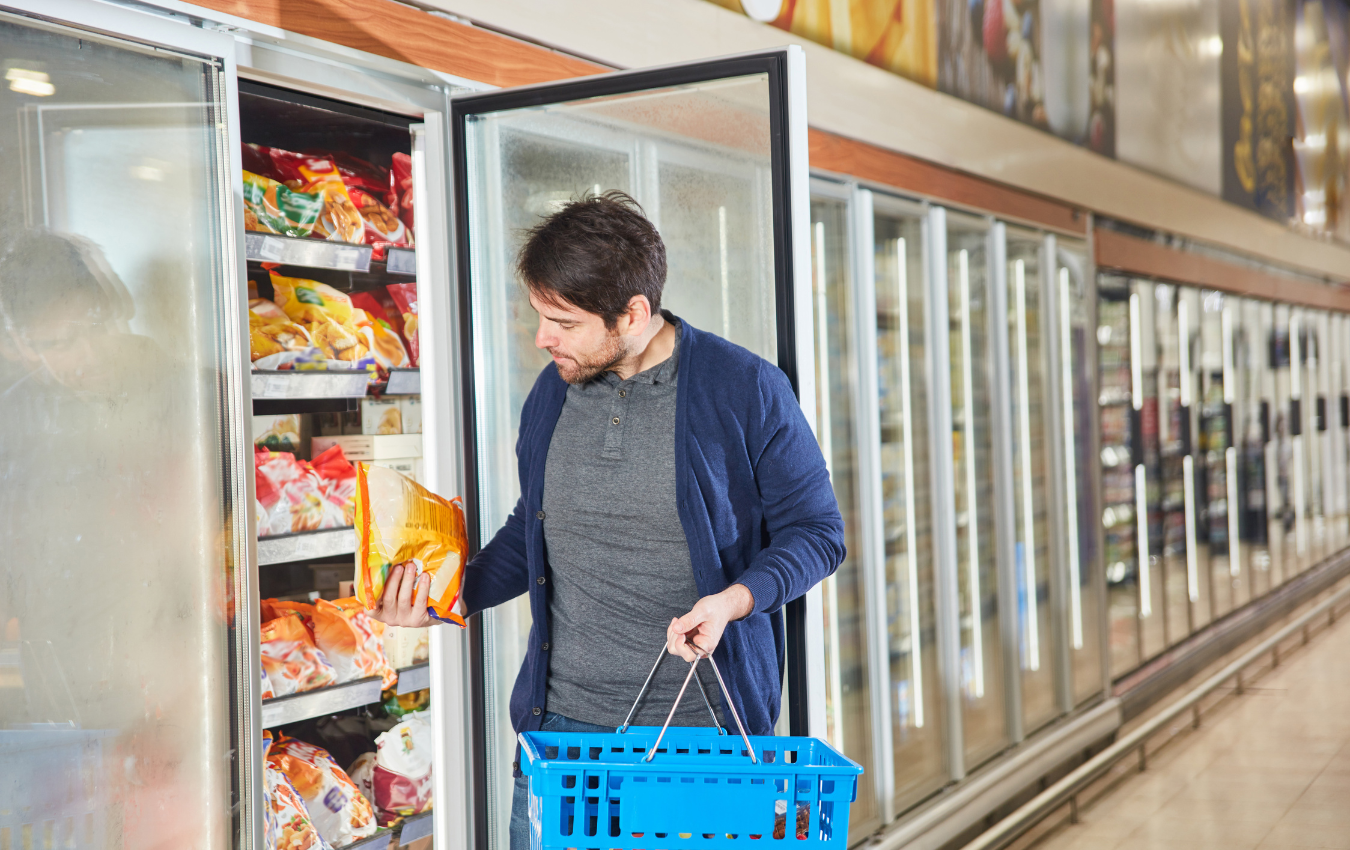
In the dynamic landscape of consumer goods, understanding and adapting to changing consumer behavior is crucial for maintaining relevance and competitiveness. One of the most direct ways businesses can respond to these shifts is through their packaging. This blog post explores how changing consumer behavior can influence packaging strategies and offers insights into adapting packaging to align with these evolving preferences.
Recognizing the Impact of Consumer Behavior on Packaging
Consumer behavior encompasses the attitudes, preferences, and purchasing habits of consumers. As these behaviors evolve, influenced by factors such as technological advancements, environmental concerns, and social trends, they can significantly impact what consumers expect and prefer in packaging.
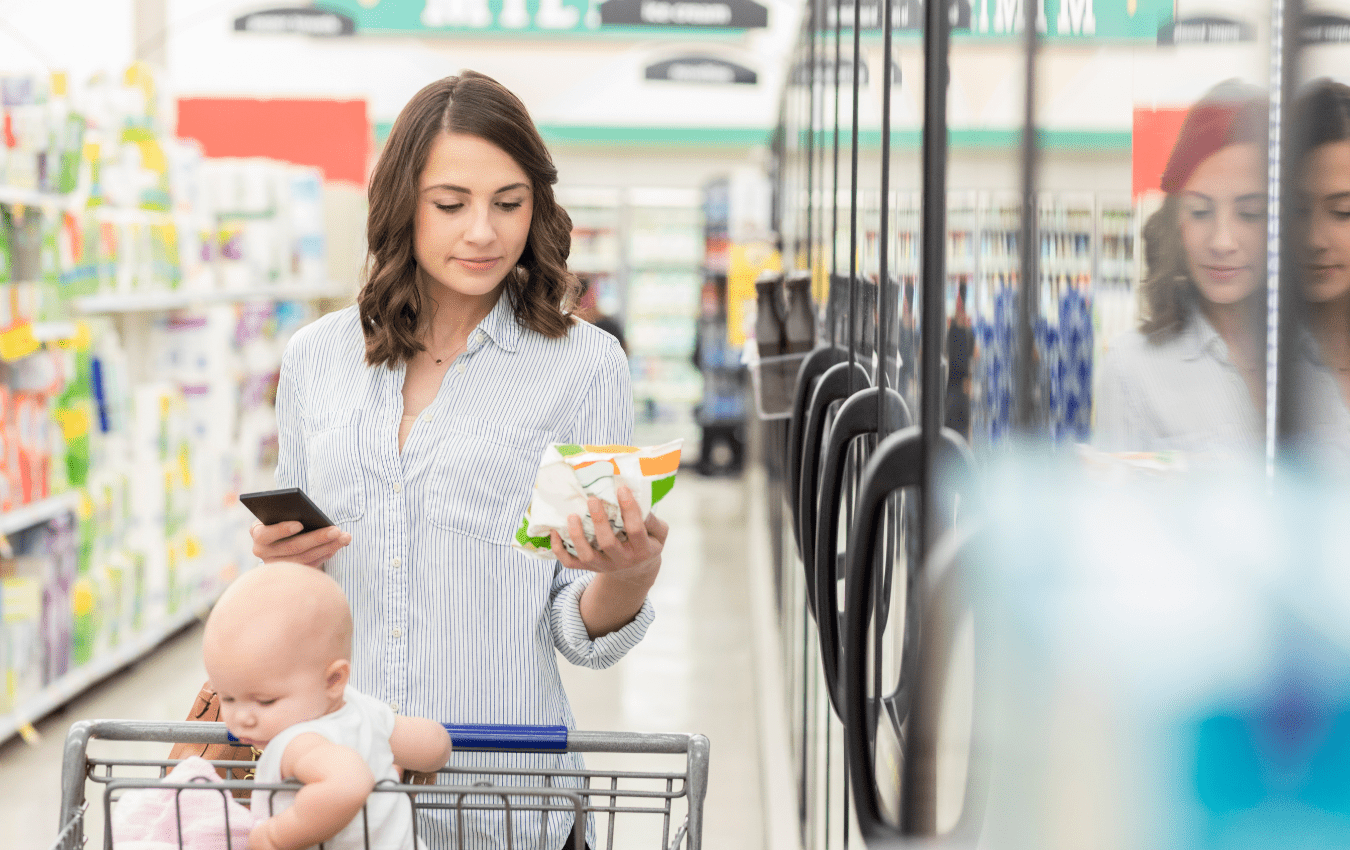
Key Consumer Trends Influencing Packaging
Sustainability Awareness:
- Increasing environmental consciousness among consumers has led to a greater demand for sustainable packaging solutions. This includes recyclable materials, biodegradable options, and minimal use of plastic.
- Brands are responding by adopting eco-friendly packaging and prominently displaying sustainability credentials on their packaging.
Packaging for a Female Audience
- Design Elements: Women may be drawn to more elegant, detailed, and aesthetically pleasing designs. Curves, soft edges, and intricate patterns can be more appealing.
- Color Schemes: Lighter, softer, and more varied color palettes are often attractive to female consumers. Pastel shades and a broader range of colors can be effectively used.
- Messaging and Communication: Packaging that tells a story or connects on an emotional level can be more engaging. Emphasize aspects like the brand’s values, the quality of the experience, and emotional benefits.
- Imagery and Graphics: Imagery that evokes warmth, comfort, or sophistication can be appealing. The graphics can be more detailed and subtly nuanced.
Convenience and On-the-Go Lifestyles:
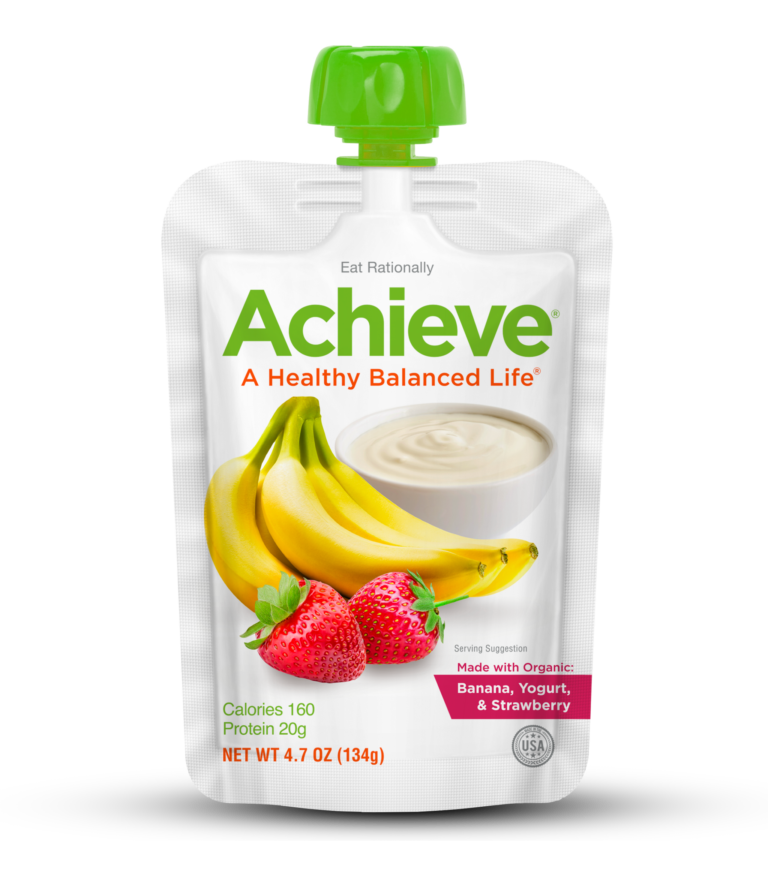
- The fast-paced lifestyle of modern consumers has heightened the demand for convenience in packaging. This includes easy-to-open, resealable, and portable packaging options.
- Packaging designs are evolving to include features like single-serve portions, resealable closures, and lightweight materials.
Health and Wellness Focus:
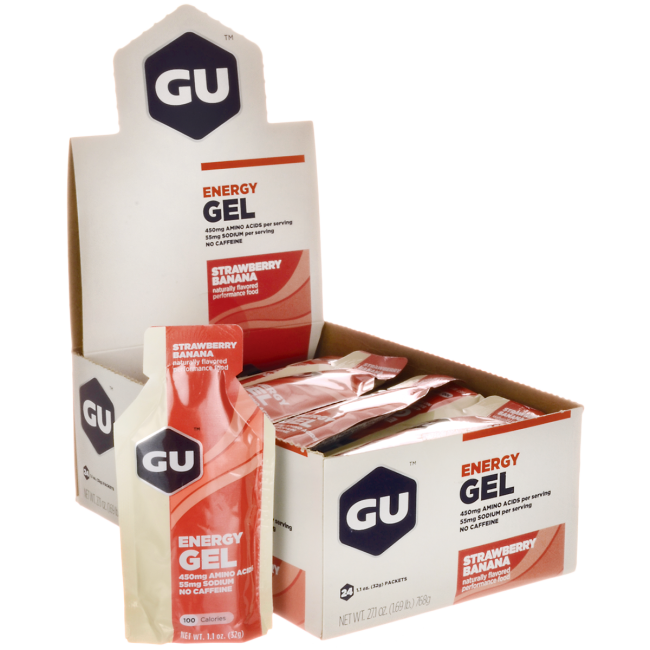
- The growing focus on health and wellness is influencing packaging designs to be more transparent, with clear labeling of ingredients, nutritional information, and health claims.
- The use of safe, non-toxic materials in food packaging has become a priority, responding to consumer concerns about health implications.
Technological Integration:
- As digital technology becomes more ingrained in consumer lifestyles, incorporating tech elements into packaging, such as QR codes, augmented reality, or smart labels, is becoming popular.
- These technologies can enhance the user experience by providing additional product information, authenticity verification, or interactive content.
Personalization and Customization:
- Personalization has become a significant trend, with consumers seeking products that cater to their individual preferences.
- Brands are leveraging packaging to offer personalized experiences, such as customized labels or packaging designs that consumers can interact with or modify.
Minimalism and Simplicity:
- There’s a growing preference for minimalistic and straightforward packaging designs that reflect simplicity and transparency.
- This trend is driving packaging designs to be less cluttered, with more focus on essential elements and a clean aesthetic.
Strategies for Adapting Packaging to Consumer Behavior
Conduct Continuous Market Research:
- Stay informed about emerging trends and shifts in consumer preferences through regular market research.
- Use insights from consumer feedback, social media, and market analysis to inform packaging decisions.
Innovate and Experiment:
- Be open to experimenting with new materials, designs, and technologies in packaging.
- Pilot new packaging concepts in small market segments to gauge consumer response before a full-scale rollout.

Focus on Brand Storytelling:
- Use packaging as a medium to tell your brand’s story and connect with consumers on a deeper level.
- Incorporate elements in your packaging that resonate with your brand values and align with consumer expectations.
Sustainability as a Priority:
- Integrate sustainable practices into your packaging strategy, not just as a response to consumer demand but as a corporate responsibility.
- Clearly communicate your sustainability efforts on your packaging to inform and educate consumers.
Collaboration and Feedback:
- Collaborate with consumers, designers, and industry experts to create packaging that aligns with contemporary needs and preferences.
- Implement mechanisms to gather and analyze consumer feedback on your packaging.
If you are interested in adapting your packaging to changing consumer behavior, then partner with Brown Packaging today to get started.
A folding carton may look simple once it reaches the shelf, but it goes through a controlled production process before it becomes a finished package.
Folding carton production is becoming more automated because buyers are asking for faster timelines, tighter consistency, and more flexibility across more SKUs. Shorter product lifecycles,
Folding carton style matters because structure affects more than appearance. The right carton can improve shelf presentation, packing speed, product access, closure security, storage efficiency,
Pouch packaging trends in 2027 will be shaped by convenience, shelf impact, sustainability pressure, sealing performance, automation, ecommerce growth, and total packaging cost. Buyers will
Corrugated box trends in 2027 will be driven by a practical mix of cost control, sustainability, ecommerce growth, automation, retail requirements, and supply chain performance.
Packaging trends in 2027 will be shaped by one major reality: buyers are no longer looking at packaging as just a box, carton, insert, pouch,
By submitting your information, you agree to our terms and conditions and privacy policy.

Home » How to Adapt Packaging to Evolving Consumer Behavior

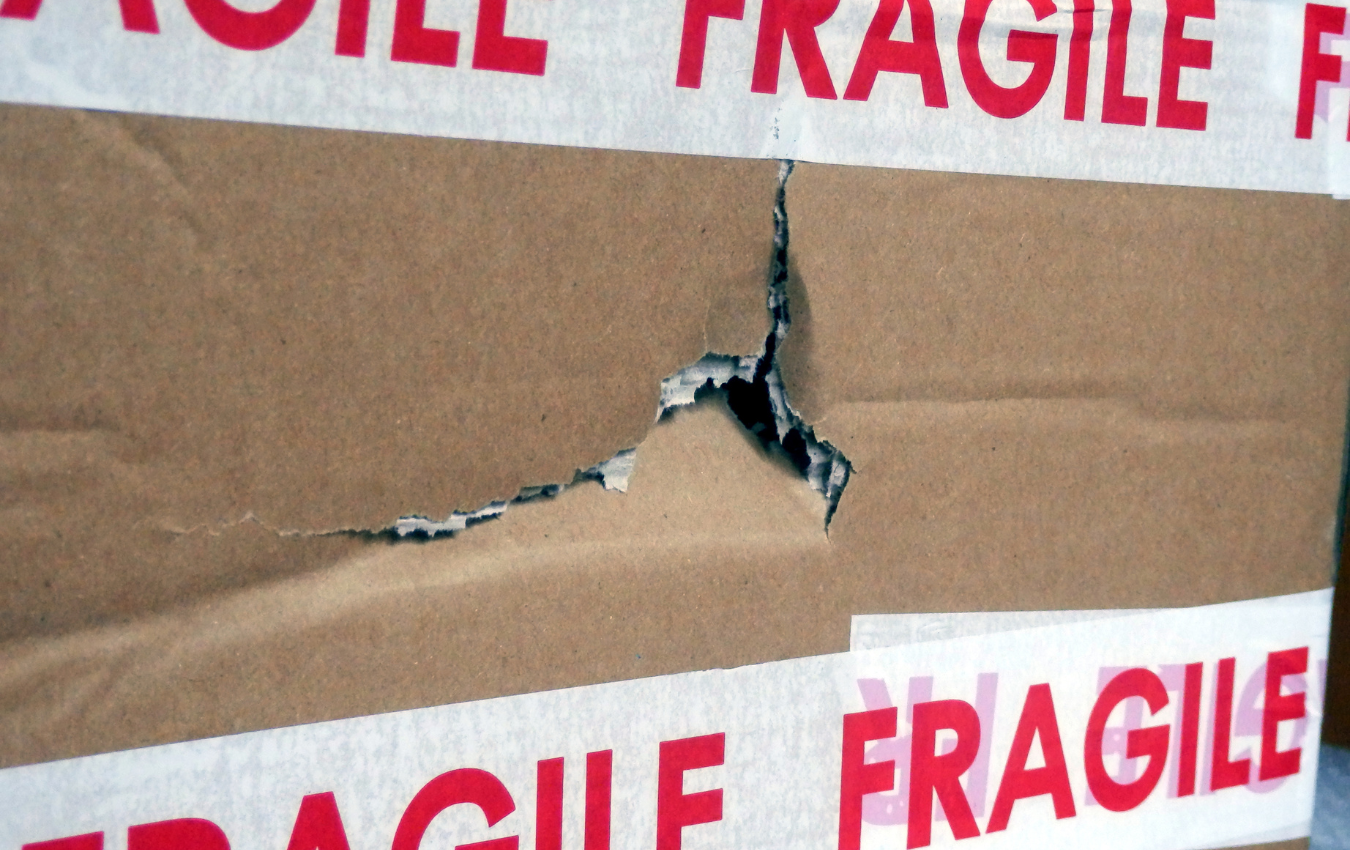

The holiday season is the busiest—and most demanding—time of year for e-commerce packaging. Higher shipping volumes, faster turnaround times, and rougher handling conditions increase the
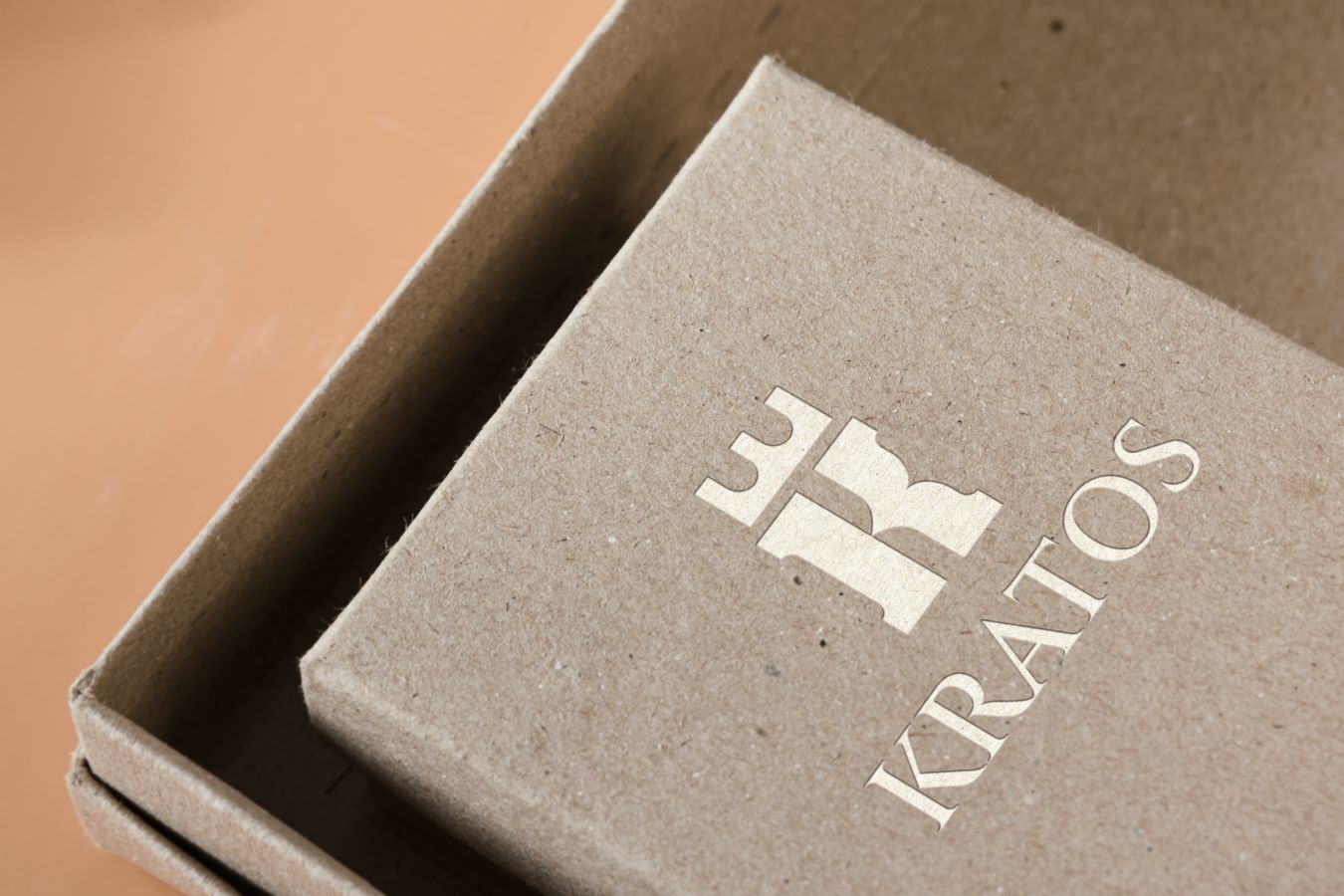
In the dynamic world of packaging, embossing stands out as a distinguished technique that adds depth and texture to product packaging, elevating the consumer experience.
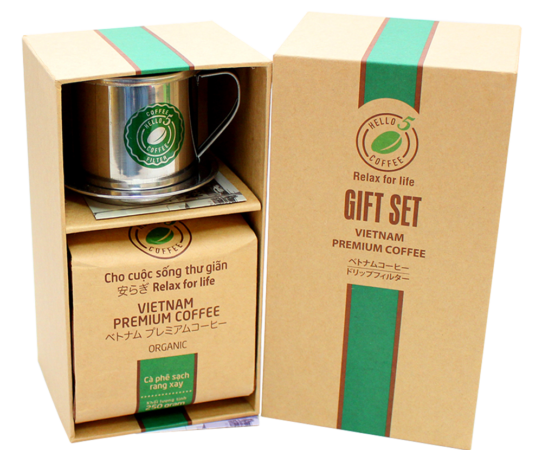
Unboxing has become a core part of the e-commerce experience, especially during the holidays. Seasonal packaging creates anticipation, reinforces branding, and turns customer deliveries into