

Home » The Impact of Flexible Packaging on Shelf Appeal
The Impact of Flexible Packaging on Shelf Appeal
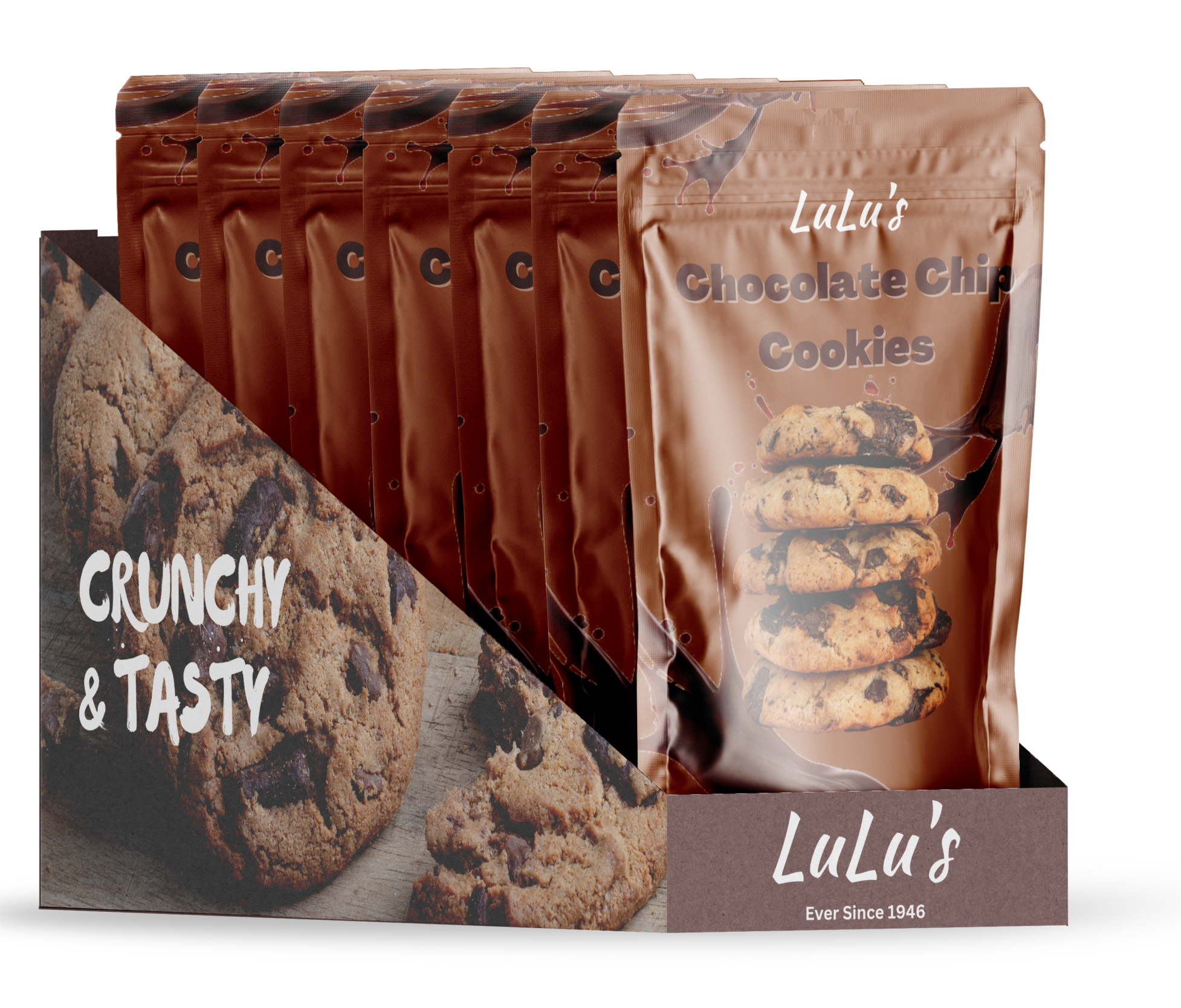
In a fiercely competitive retail landscape, brands strive to ensure their products stand out on the shelves. And one powerful tool they leverage is packaging. It’s often the first interaction that consumers have with a product, and it can significantly influence their buying decisions. Among various packaging options, flexible packaging is fast becoming a popular choice, thanks to its versatility, functionality, and sustainability. But how does it impact the shelf appeal of products? Let’s delve into this topic.
The Rise of Flexible Packaging
Flexible packaging, which includes everything from stand-up pouches to resealable bags and wraps, has seen a considerable surge in popularity over the years. Thanks to advancements in technology and materials, flexible packaging offers a number of advantages over traditional rigid packaging options.
For instance, flexible packaging can be easily customized to fit the shape, size, and weight of a product. This flexibility extends to design possibilities as well, with high-quality printing techniques allowing for vibrant, eye-catching graphics and branding elements.
Shelf Appeal: The Power of First Impressions
Shelf appeal refers to the visual impact a product makes when displayed on a retail shelf. It’s about making a strong first impression, and as the adage goes, “You never get a second chance to make a first impression”. On retail shelves crammed with numerous competing products, it’s often the packaging that catches the consumer’s eye first and convinces them to pick up the product.
The Role of Flexible Packaging in Enhancing Shelf Appeal
Here’s how flexible packaging contributes to enhancing the shelf appeal:
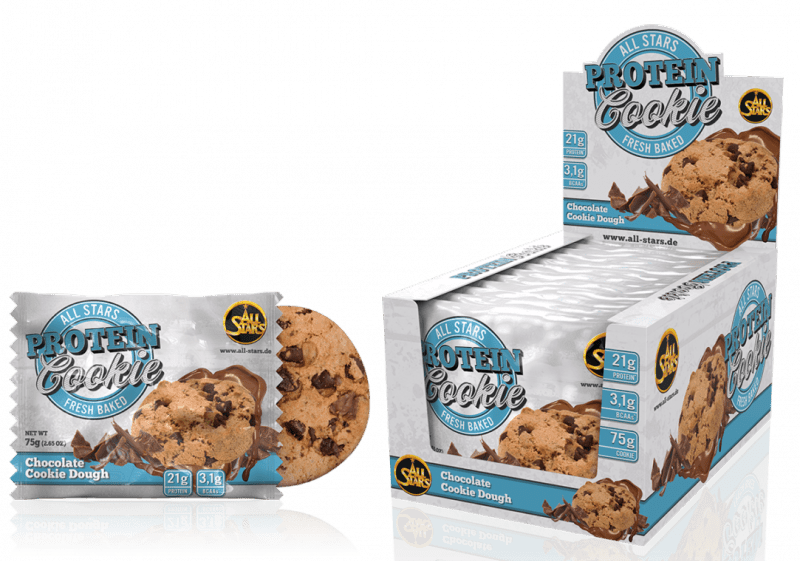
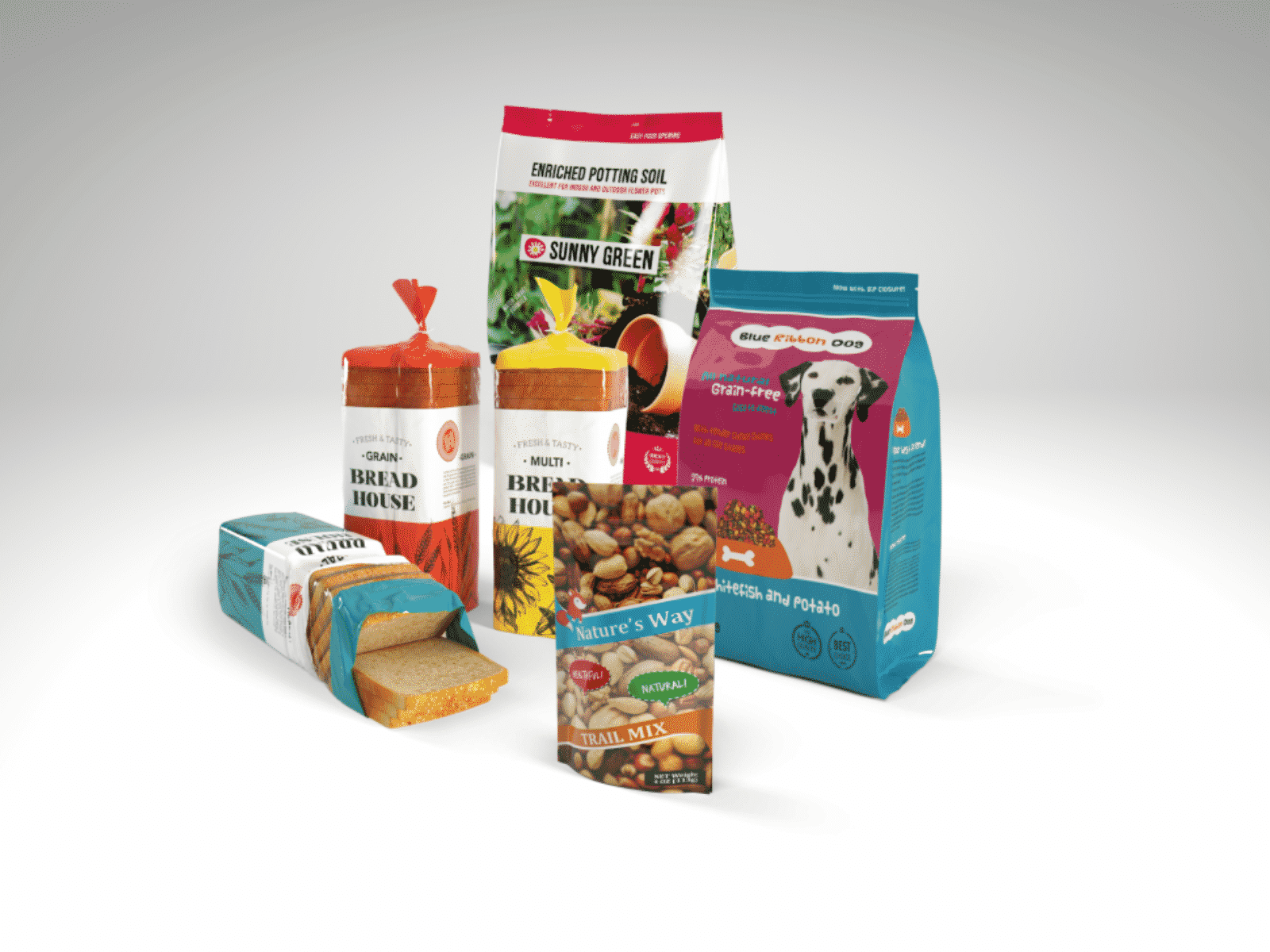
- Product Differentiation: Flexible packaging offers unlimited customization options, from shape and size to design and color. This enables brands to create unique and attention-grabbing packaging that sets their products apart from the competition.
- High-Quality Graphics: Modern printing technologies can render sharp, vibrant, and high-resolution images on flexible packaging materials. This makes the product visually appealing and easily recognizable on the shelf.
- Innovative Features: Features such as resealable closures, easy-open tabs, and built-in handles not only provide convenience but also make the product stand out on the shelf. Additionally, these features can be highlighted on the packaging design to further attract customer attention.
- Sustainability Appeal: Many consumers are now more conscious of the environmental impact of their purchases. As flexible packaging often uses less material than rigid packaging and is increasingly recyclable, it can enhance the shelf appeal for eco-conscious shoppers, especially if right materials are chosen.
The Impact of Flexible Packaging on Consumer Perception
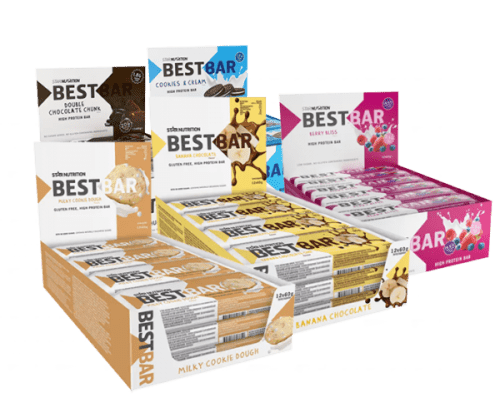
Research shows that packaging has a significant impact on consumer perception of a product. It can influence how customers perceive the quality and value of the product. Innovative and high-quality packaging, like flexible packaging, can lead customers to perceive the product as high-end and worth a premium price.
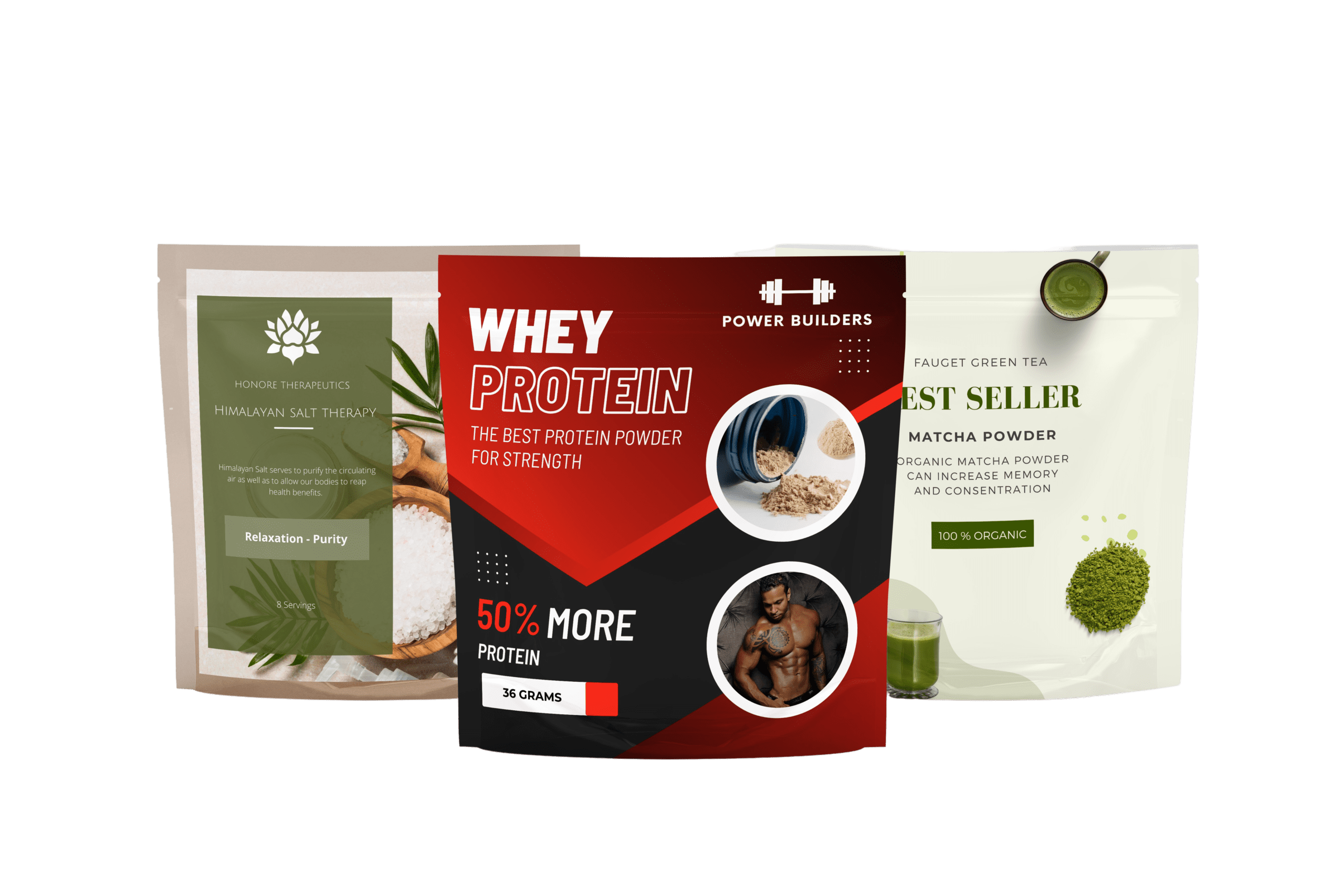
For instance, a product in a stand-up pouch with a resealable closure might be seen as more innovative and convenient, and thus of higher value, than a similar product in a traditional box or bag. In this way, flexible packaging can help to elevate a brand’s image and increase its appeal on the shelf.
The Future of Flexible Packaging and Shelf Appeal
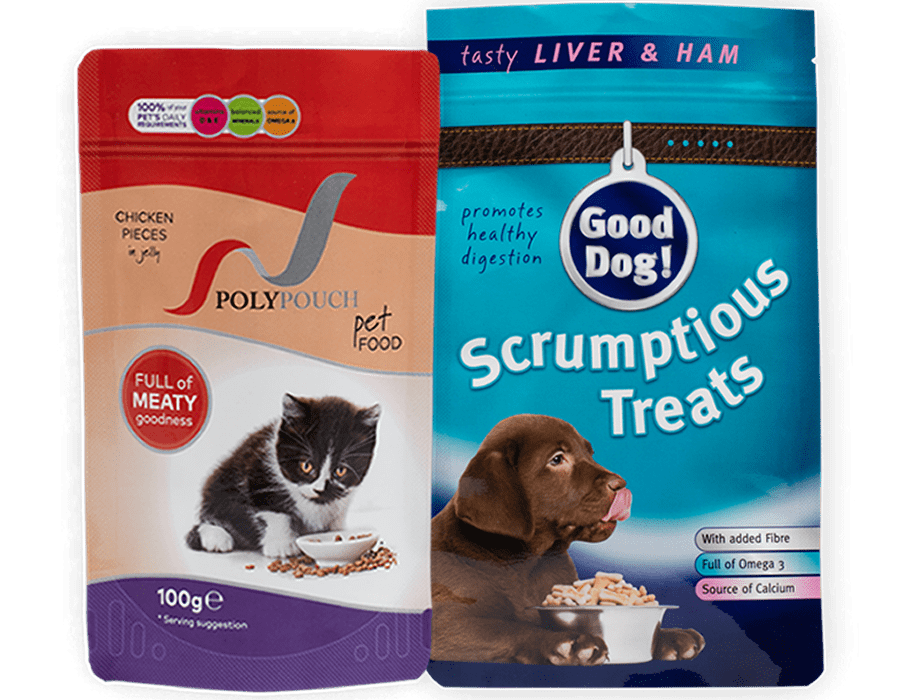
Given the numerous benefits and the increasing consumer preference for sustainable and convenient packaging, the use of flexible packaging is only set to increase in the future. Brands will continue to leverage its versatility and adaptability to create packaging designs that boost shelf appeal and connect with their target consumers.
If you are interested in flexible packaging, then partner with Brown Packaging today to get started.
Sustainable packaging in 2027 will be less about broad claims and more about proof, performance, compliance, and cost control. Buyers will still care about recyclable
Sustainable packaging in 2027 will be less about broad claims and more about proof, performance, compliance, and cost control. Buyers will still care about recyclable
A folding carton may look simple once it reaches the shelf, but it goes through a controlled production process before it becomes a finished package.
Folding carton production is becoming more automated because buyers are asking for faster timelines, tighter consistency, and more flexibility across more SKUs. Shorter product lifecycles,
Folding carton style matters because structure affects more than appearance. The right carton can improve shelf presentation, packing speed, product access, closure security, storage efficiency,
Pouch packaging trends in 2027 will be shaped by convenience, shelf impact, sustainability pressure, sealing performance, automation, ecommerce growth, and total packaging cost. Buyers will
By submitting your information, you agree to our terms and conditions and privacy policy.
Home » The Impact of Flexible Packaging on Shelf Appeal


Flexible packaging stands out in the packaging industry for its adaptability and efficiency. Utilizing materials that can flex and mold, this type of packaging adjusts
In the world of packaging, roll stock, also referred to as candy wrappers or snack wrappers, is a versatile and essential component. It refers to
Effective packaging can play a critical role in the success of any business. The right type of packaging can make all the difference when it