window.uetq = window.uetq || []; window.uetq.push(‘event’, ‘submit_lead_form’,{ event_label:‘SUBMIT MESSAGE’ }); window.lintrk('track', { conversion_id: 10271009 }); window.lintrk('track', { conversion_id: 10271017 });

Innovative Materials Shaping the Future of Flexible Packaging
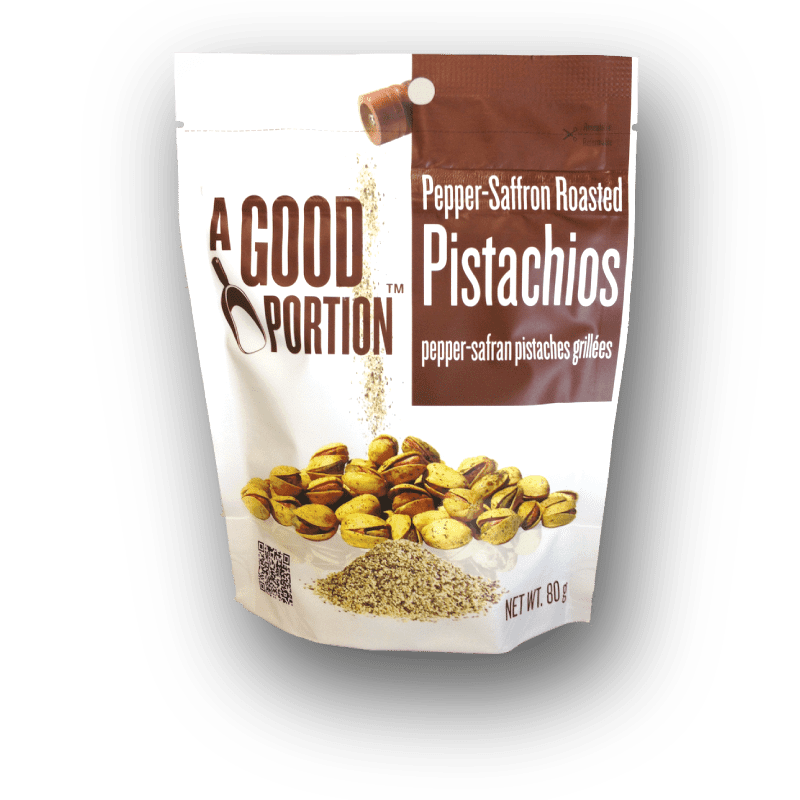
custom pouch printed

Flexible packaging is in the throes of a revolution, with several innovative materials surfacing that promise to change the landscape of the industry. Traditionally, flexible packaging has relied on materials such as plastic and paper. However, environmental considerations, as well as advancements in materials science, are ushering in a new era of flexible packaging options. Let’s delve into the cutting-edge materials that are steering the future of flexible packaging.

Biodegradable and Compostable Films

Consumer awareness and regulatory pressures are pushing the packaging industry towards environmentally friendly alternatives. One such innovative material is biodegradable and compostable films, made from bio-based polymers such as Polyactic Acid (PLA) and Polycaprolactone (PCL). These materials, derived from renewable sources like cornstarch, sugarcane, or potatoes, degrade naturally over time, significantly reducing their environmental footprint. The challenge lies in their production cost and durability, which scientists are tirelessly working to improve.

Edible Packaging Materials

The concept of edible packaging has piqued the interest of consumers and industry experts alike. It offers a zero-waste solution to packaging, where the packaging material itself can be consumed or composted. Innovations include films made from seaweed, proteins, lipids, and polysaccharides. One standout example is Notpla, a London-based start-up, which developed an edible packaging material from seaweed extract. These materials are safe for consumption and significantly lower the volume of waste generated.

Nanotechnology in Packaging

Nanotechnology is making substantial inroads into the packaging industry, thanks to its potential to improve material properties. Nanocomposites, made by incorporating nanoparticles into traditional polymers, can improve the barrier properties, strength, and heat resistance of packaging materials. Additionally, nano sensors embedded in the packaging material can detect food spoilage and alert consumers, adding an extra layer of safety to food packaging. However, regulations governing the use of nanomaterials in packaging are still under development, which can affect their widespread adoption.

Smart Packaging Materials

Smart packaging materials can interact with the product or the environment to extend the product’s shelf life, enhance safety, and improve consumer convenience. These materials include oxygen scavengers, moisture absorbers, and temperature indicators. Intelligent films that change color when exposed to microbial contamination or when the product is past its ‘use by’ date are already being used in food packaging. The field of smart packaging materials is rapidly expanding, driven by advancements in sensor technology and data analytics.

Recycled and Recyclable Materials

The use of recycled and recyclable materials in flexible packaging is gaining momentum. Recyclable mono-materials, which are made from a single type of polymer, are easier to recycle compared to multi-layered materials. These mono-materials can maintain the same performance characteristics as traditional packaging materials while reducing the environmental impact. Initiatives like the Circular Economy for Flexible Packaging (CEFLEX) are working towards advancing the circular economy model for flexible packaging, emphasizing the use of recycled and recyclable materials.

Final Thoughts: Flexible Packaging Innovations

The flexible packaging industry is poised for a significant transformation. Driven by environmental concerns, technological advancements, and consumer demand, these innovative materials are rapidly reshaping the industry. However, many of these materials are still in their developmental stages or facing regulatory hurdles. The challenge lies in finding a balance between performance, cost, sustainability, and consumer acceptance. Despite these hurdles, the future of flexible packaging looks brighter and more sustainable than ever before.

Most Recent Posts:
Subscription Packaging Buyers’ Checklist for 2026

Subscription packaging continues to expand across beauty, food, lifestyle, and specialty products. Buyers must balance branding, protection, and sustainability while keeping fulfillment efficient. This checklist highlights the critical areas buyers should review in 2026 when sourcing or redesigning subscription packaging. Branding and Unboxing Experience Seasonal or rotating graphics to keep unboxing fresh. Premium finishes such as foil, embossing, or unique die-cuts. Easy-open features like tear strips for convenience. Right-Sizing and Efficiency Reduce DIM charges with packaging tailored to product sizes. Use modular designs to cover multiple SKUs with fewer box sizes. Ensure packaging works with automation to speed fulfillment. Protection and Durability Inserts that prevent product shifting during transit. ISTA-tested designs to withstand vibration and drops. Moisture-resistant coatings for temperature-sensitive items. Sustainability Requirements FSC-certified corrugated or recycled substrates. Recyclable coatings or compostable options. Clear sustainability messaging to support consumer expectations. Cost Control SKU rationalization to limit unnecessary box variations. Material selection that balances protection and price. Supplier contracts that secure pricing for seasonal peaks. Packaging Solutions with Brown Packaging Brown Packaging designs subscription packaging that combines branding, protection, and sustainability. From FSC-certified corrugated to custom inserts, our solutions help buyers create packaging that builds loyalty and controls costs in 2026. Contact us to review your subscription packaging program. References Sustainable Packaging Coalition. (2023). Subscription Packaging and Consumer Insights. Retrieved from https://sustainablepackaging.orgForest Stewardship Council (FSC). (2023). FSC Certification Guidelines for Packaging. Retrieved from https://fsc.orgInternational Safe Transit Association (ISTA). (2023). ISTA Testing Procedures for Transport Packaging. Retrieved from https://ista.org (714)300-0650 request@brownpackaging.com Most Recent Posts: Categories: Corrugated Ecommerce ESD Design Display Flexible Packaging Foam Folding Carton Packaging Plastic Packaging Pouch Printing Protection Retail Rigid Box Thermoform Sustainability Subscribe To Our Newsletter By submitting your information, you agree to our terms and conditions and privacy policy. Ecommerce Packaging Facebook Twitter LinkedIn Pinterest Relevant Posts

Read More »
Cutting Packaging Costs Without Sacrificing Protection

As budgets tighten in 2026, packaging buyers are under pressure to reduce costs without increasing damage rates. Cutting too aggressively can lead to product loss, higher return rates, and frustrated customers. The key is balancing material use, box design, and supply chain efficiency so that savings do not come at the expense of protection. Where Packaging Costs Add Up Oversized boxes: Drive dimensional weight charges. Excess materials: Overuse of void fill and inserts. Complex SKU mix: Redundant sizes increase inventory costs. Inefficient freight: Poor palletization and stacking. Cost-Saving Strategies That Maintain Protection Right-sizing: Match box size to product dimensions to cut DIM charges and material use. Optimize corrugated grades: Switch to single- or double-wall where appropriate without compromising strength. Consolidate SKUs: Streamline packaging options to reduce inventory overhead. Efficient inserts: Replace foam or excess dunnage with engineered corrugated or molded pulp. Supplier contracts: Negotiate based on annual volumes, not just peak season orders. Testing Before Implementing Changes Use ASTM and ISTA protocols to ensure changes won’t increase product damage. Test for compression, vibration, and drop resistance. Run pilot shipments before scaling across the supply chain. Balancing Sustainability and Cost Eco-friendly doesn’t have to mean expensive: Use recyclable coatings to reduce plastic films. Choose corrugated designs that require less material while maintaining stacking strength. Highlight sustainable solutions in marketing to offset cost concerns. Packaging Solutions with Brown Packaging Brown Packaging helps companies lower costs while protecting products across the supply chain. From SKU rationalization to right-sized corrugated solutions, our team ensures packaging savings don’t compromise performance. Contact us to optimize your packaging program. References Soroka, W. (2009). Fundamentals of Packaging Technology (4th ed.). Institute of Packaging Professionals.ASTM International. (2023). ASTM D4169: Standard Practice for Performance Testing of Shipping Containers and Systems.Sustainable Packaging Coalition. (2023). Packaging Efficiency and Waste Reduction Report. Retrieved from https://sustainablepackaging.org (714)300-0650 request@brownpackaging.com Most Recent Posts: Categories: Corrugated Ecommerce ESD Design Display Flexible Packaging Foam Folding Carton Packaging Plastic Packaging Pouch Printing Protection Retail Rigid Box Thermoform Sustainability Subscribe To Our Newsletter By submitting your information, you agree to our terms and conditions and privacy policy. Custom Packaging Facebook Twitter LinkedIn Pinterest Relevant Posts

Read More »
Preventing Product Damage in 2026 Supply Chains

Product damage is one of the most expensive risks in packaging. Beyond replacement costs, damaged goods lead to lost sales, returns, and reputational harm. In 2026, complex e-commerce, global shipping, and automation create new challenges for packaging buyers. The right materials, testing, and design strategies are critical to protecting products while controlling costs. Why Damage Prevention Matters Financial losses: Damaged products increase replacement and freight costs. Customer impact: Poor delivery experience reduces loyalty and repeat sales. Sustainability: Returns and waste drive higher carbon footprints. Compliance: Retailers often impose penalties for damaged shipments. Common Causes of Product Damage Compression: Pallet stacking weakens boxes in transit. Vibration and shock: Long-haul shipping increases risk. Moisture exposure: Humidity and rain compromise corrugated performance. Poor right-sizing: Oversized boxes allow product movement inside. Strategies to Reduce Damage in 2026 Right-size packaging: Minimize empty space and movement. Material optimization: Choose the correct corrugated grade for load demands. Protective inserts: Molded pulp or engineered corrugated reduce shock. Moisture-resistant coatings: Defend against water and humidity. Automation-friendly design: Prevent jams that damage products on high-speed lines. Testing Protocols for Damage Prevention ISTA testing: Simulates vibration, drops, and compression. ASTM standards: Validate packaging strength and durability. Pilot shipments: Real-world trials confirm lab results. Packaging Solutions with Brown Packaging Brown Packaging designs solutions that minimize damage across today’s complex supply chains. From right-sized corrugated to ISTA-tested inserts, we help buyers protect products while reducing costs. Contact us to strengthen your packaging program. References ASTM International. (2023). ASTM D4169: Standard Practice for Performance Testing of Shipping Containers and Systems.International Safe Transit Association (ISTA). (2023). ISTA Testing Procedures for Transport Packaging. Retrieved from https://ista.orgSoroka, W. (2009). Fundamentals of Packaging Technology (4th ed.). Institute of Packaging Professionals. (714)300-0650 request@brownpackaging.com Most Recent Posts: Categories: Corrugated Ecommerce ESD Design Display Flexible Packaging Foam Folding Carton Packaging Plastic Packaging Pouch Printing Protection Retail Rigid Box Thermoform Sustainability Subscribe To Our Newsletter By submitting your information, you agree to our terms and conditions and privacy policy. Custom Packaging Facebook Twitter LinkedIn Pinterest Relevant Posts

Read More »
Categories:
Subscribe To Our Newsletter

By submitting your information, you agree to our terms and conditions and privacy policy.

Printed Pouch
Custom Packaging
Facebook
Twitter
LinkedIn
Pinterest
Relevant Posts
How to Reduce Waste with Flexible Packaging: A Comprehensive Guide
Flexible Packaging
brownpackaging
How to Reduce Waste with Flexible Packaging: A Comprehensive Guide

It’s no secret that we’re living in an era characterized by the urgent need for environmental sustainability. With escalating concerns about the waste generated by traditional packaging, it’s essential that businesses and consumers alike pay keen attention to the kind of packaging they use. One practical solution emerging as a frontrunner is flexible packaging. This blog post will delve into the innovative world of flexible packaging and illustrate how it can contribute significantly to waste reduction. It’ll also explore the potential of flexible packaging to lead the packaging industry toward sustainability. Understanding Flexible Packaging Before we dive into the specifics of waste reduction, let’s first understand what flexible packaging entails. At its core, flexible packaging refers to any packaging type that can easily change shape when filled with a product or after the product is removed. These include pouches, bags, films, and envelopes. Flexible packaging materials are often lightweight, which reduces shipping weight, and can be manufactured using fewer materials, which can reduce resource consumption. How Flexible Packaging Reduces Waste Flexible packaging, by its very nature, offers multiple avenues through which waste can be reduced. Here are a few: Efficient Use of Materials Unlike rigid packaging, flexible packaging uses significantly fewer materials. By using less, we naturally produce less waste. Flexible packaging often involves thinner and lighter materials, which also require less energy for production and transport, contributing to lower carbon emissions. Product Protection and Preservation Flexible packaging offers excellent product protection, reducing the chances of product damage during transit. It also provides superior barriers against moisture, light, and oxygen, which enhances product shelf life. By reducing spoilage and product damage, flexible packaging reduces waste associated with unsold or unusable goods. Optimized Logistics The lightweight and compact nature of flexible packaging means more products can be transported in one go. This efficiency reduces the number of trips needed, thus reducing fuel consumption and carbon emissions. Best Practices for Implementing Flexible Packaging Knowing that flexible packaging can reduce waste is one thing, but successfully implementing it in your business is another. Here are a few tips: Understand Your Packaging Needs First, identify your specific packaging needs. Consider the nature of your product, its shelf life, and how it’s typically transported. These factors will help you choose the most appropriate type of flexible packaging. Work With a Reputable Manufacturer Ensure you’re working with a reputable flexible packaging manufacturer who values sustainability. They should be able to provide you with the best materials for your needs and offer advice on how to maximize waste reduction. Educate Your Consumers Make sure your consumers understand the value of flexible packaging. Educate them on how to properly dispose of the packaging or, if possible, reuse it. The Future of Flexible Packaging The benefits of flexible packaging extend beyond waste reduction. With continued technological advancements, the industry is working towards even more sustainable options. Innovations like compostable and biodegradable flexible packaging are paving the way for a future where packaging can be both convenient and kind to the planet. If you are interested in flexible packaging, then partner with Brown Packaging today to get started. (714)300-0650 request@brownpackaging.com Most Recent Posts: Categories: Corrugated Ecommerce ESD Design Display Flexible Packaging Foam Folding Carton Packaging Plastic Packaging Pouch Printing Protection Retail Rigid Box Thermoform Sustainability Subscribe To Our Newsletter By submitting your information, you agree to our terms and conditions and privacy policy. Custom Packaging Facebook Twitter LinkedIn Pinterest Relevant Posts

Read More »
custom countertop displays and roll stock
Flexible Packaging
brownpackaging
Roll Stock Flow Wrap Packaging Explained

Roll stock flow wrap packaging is a versatile and efficient method used in the food and packaging industry to package a wide variety of products. It’s commonly used for packaging items like candy bars, cookies, granola bars, crackers, and even non-food items like soap bars and disposable razors. In this blog, we will delve into what roll stock flow wrap packaging is, how it works, its advantages, and some key considerations for businesses looking to implement this packaging solution. What is Roll Stock Flow Wrap Packaging? Roll stock flow wrap packaging, also known as horizontal form-fill-seal (HFFS) packaging, is a process that involves wrapping a continuous roll of flexible packaging material around a product or a group of products and then sealing it to create a sealed pouch or package. This packaging method is highly efficient and can accommodate a wide range of product sizes and shapes. The process of roll stock flow wrap packaging typically involves the following steps: Material Unwinding: A roll of flexible packaging material (often made of materials like plastic films or laminates) is mounted on a machine. This roll contains pre-printed or clear film, depending on branding and product visibility requirements. Product Feeding: The products to be packaged are fed into the machine’s conveyor system. These products can be singular items, such as candy bars, or multiple items bundled together, such as a pack of cookies. Film Forming: The packaging machine forms the flexible film into a tubular shape around the product or product group. The film is wrapped tightly around the product(s), ensuring a snug fit. Sealing and Cutting: The film is sealed along its length and width, creating individual pouches for each product or product group. Simultaneously, a cutting mechanism severs the pouches from the continuous roll. Product Discharge: The finished packages are discharged from the machine’s conveyor belt, ready for further handling, labeling, and distribution. Advantages of Roll Stock Flow Wrap Packaging: Roll stock flow wrap packaging offers several advantages that make it a popular choice for many businesses: Efficiency: This packaging method is highly automated, allowing for rapid production rates and reduced labor costs. Versatility: Roll stock flow wrap machines can handle a wide range of product sizes, shapes, and types. Whether you’re packaging individual items or multi-packs, this method can adapt. Product Protection: The tightly wrapped film provides a barrier against moisture, dust, and contaminants, ensuring the product’s freshness and integrity. Customization: Packaging materials can be customized with branding, labels, and graphics to enhance product visibility and appeal. Cost-Effective: Roll stock packaging materials are generally cost-effective, and the efficiency of the process helps reduce overall packaging costs. Reduced Material Waste: The form-fill-seal process minimizes excess packaging material, reducing waste and environmental impact. Considerations for Implementing Roll Stock Flow Wrap Packaging: Before implementing roll stock flow wrap packaging in your business, consider the following key factors: Product Type: Ensure that your products are suitable for this packaging method. Products with irregular shapes, sharp edges, or those that are extremely delicate may require special considerations. Machine Size and Speed: Choose a machine that matches your production requirements in terms of speed and capacity. Material Selection: Select appropriate packaging materials that align with your product’s shelf life, protection needs, and branding goals. Maintenance and Training: Regular maintenance and operator training are essential for optimal machine performance and product quality. Regulatory Compliance: Ensure that your packaging meets all relevant regulatory requirements for food safety, labeling, and environmental considerations. Cost Analysis: Evaluate the overall cost-effectiveness of roll stock flow wrap packaging for your specific products, considering the initial investment in machinery and ongoing operational costs. Roll stock flow wrap packaging is a versatile and efficient packaging solution that can enhance your product’s presentation, shelf life, and cost-effectiveness. By understanding the process and considering the relevant factors, businesses can make informed decisions about adopting this packaging method to meet their specific needs. If you are interested in roll stock flow wrap packaging, then partner with Brown Packaging today to get started. (714)300-0650 request@brownpackaging.com Most Recent Posts: Categories: Corrugated Ecommerce ESD Design Display Flexible Packaging Foam Folding Carton Packaging Plastic Packaging Pouch Printing Protection Retail Rigid Box Thermoform Sustainability Subscribe To Our Newsletter By submitting your information, you agree to our terms and conditions and privacy policy. Roll Stock Facebook Twitter LinkedIn Pinterest Relevant Posts

Read More »
6 Trends to Expect in 2024: Sustainable Flexible Packaging
Flexible Packaging
brownpackaging
6 Trends to Expect in 2024: Sustainable Flexible Packaging

The flexible packaging industry is experiencing a significant evolution as it leans into more sustainable practices. Amid growing environmental concerns, there’s a strong movement within the sector towards developing innovative, eco-friendly packaging solutions. This blog will delve into the most recent sustainable trends impacting the flexible packaging sector, pointing to a future where sustainability and innovation walk hand in hand. Adoption of Biodegradable and Compostable Materials Advancements in Recyclable Packaging Increased Use of Post-Consumer Recycled (PCR) Content Reduction in Packaging Sizes and Weights Innovation in Barrier Materials Investing in Sustainability Education and Transparency Adoption of Biodegradable and Compostable Materials As the world gradually moves away from single-use plastics, one trend that has taken center stage is the use of biodegradable and compostable materials in packaging. These materials are designed to break down naturally in the environment, minimizing their long-term impact on the ecosystem. For instance, some companies are turning to materials like Polyhydroxyalkanoates (PHA), which are fully biodegradable polymers derived from renewable resources. The aim is to make packaging that doesn’t just look good and protect the product, but also contributes positively to the planet. Advancements in Recyclable Packaging Recyclable materials offer another route towards more sustainable packaging. As recycling technologies improve, we are seeing a rise in the use of mono-material packaging — packaging composed of a single type of material, such as all-paper or all-polyethylene structures. This is a game-changer in the recycling process as it eliminates the need for separation, significantly simplifying the recycling process and ensuring that more waste is effectively recycled. Increased Use of Post-Consumer Recycled (PCR) Content Another trend making waves in the flexible packaging sector is the increased use of Post-Consumer Recycled (PCR) content. This involves using materials that have been previously used by consumers and then recycled. Using PCR content helps to lower the demand for new material production, reducing the overall environmental footprint of the packaging. Many companies are setting ambitious goals to incorporate a certain percentage of PCR content into their packaging within the coming years. Reduction in Packaging Sizes and Weights The drive towards sustainability is also encouraging brands to rethink the size and weight of their packaging. By reducing these aspects, companies can decrease the amount of raw material required in the packaging production process, leading to substantial environmental benefits. Furthermore, lighter packaging results in lower transportation emissions, another significant advantage in terms of reducing the carbon footprint. Innovation in Barrier Materials Traditionally, many flexible packaging options have relied on multi-layer structures to provide adequate barrier properties, protecting the contents from moisture, oxygen, and other damaging elements. However, these multi-layer formats can be difficult to recycle. As a response, the industry is innovating to develop high-performing, recyclable barrier materials. These new structures aim to maintain the same high level of protection for the packaged goods while also being easier to recycle, striking a balance between product protection and environmental responsibility. Investing in Sustainability Education and Transparency Many companies in the flexible packaging industry are investing in educating consumers about their sustainable efforts. They are providing information on their packaging about the materials used and how to recycle the packaging correctly. The idea is to involve consumers in the sustainability journey, allowing them to make informed decisions about the products they purchase. Conclusion: Flexible Packaging and Sustainable Trends With these sustainable trends, the future of the flexible packaging industry looks promising. While there are still challenges to overcome, significant strides are being made towards a more sustainable packaging landscape. As technology continues to advance and more innovative solutions are developed, it’s clear that sustainability is more than just a buzzword — it’s a commitment to our planet and future generations. So, in 2024, we can expect these trends to continue driving the flexible packaging industry toward a more sustainable and environmentally responsible future. If you are interested in sustainable and/or flexible packaging, then partner with Brown Packaging today to get started. (714)300-0650 request@brownpackaging.com Most Recent Posts: Categories: Corrugated Ecommerce ESD Design Display Flexible Packaging Foam Folding Carton Packaging Plastic Packaging Pouch Printing Protection Retail Rigid Box Thermoform Sustainability Subscribe To Our Newsletter By submitting your information, you agree to our terms and conditions and privacy policy. Custom Packaging Facebook Twitter LinkedIn Pinterest Relevant Posts

Read More »