

Home » 3 Things You Should Consider When Selecting the Right Pouch Style
3 Things You Should Consider When Selecting the Right Pouch Style
A pouch is a flexible packaging product which is made up of layers of plastic film, metalized, barrier film and other materials. Typically they are used to package small, lightweight products. Pouches are ideal solutions for a variety of markets with solid, liquid and powder products. They are highly customizable, environmentally friendly, cost efficient, consumer friendly, and can extend the shelf life of products.
Choosing the right pouches for your packaging needs can be complicated due to the many options available and the various feature combinations you can create for your final packaging solution. There is 3 main things you need to consider when making this decision; style, material, and feature functionality. It is important to learn about all options in order to choose the right one for your packaging needs.
Styles
Stand up:
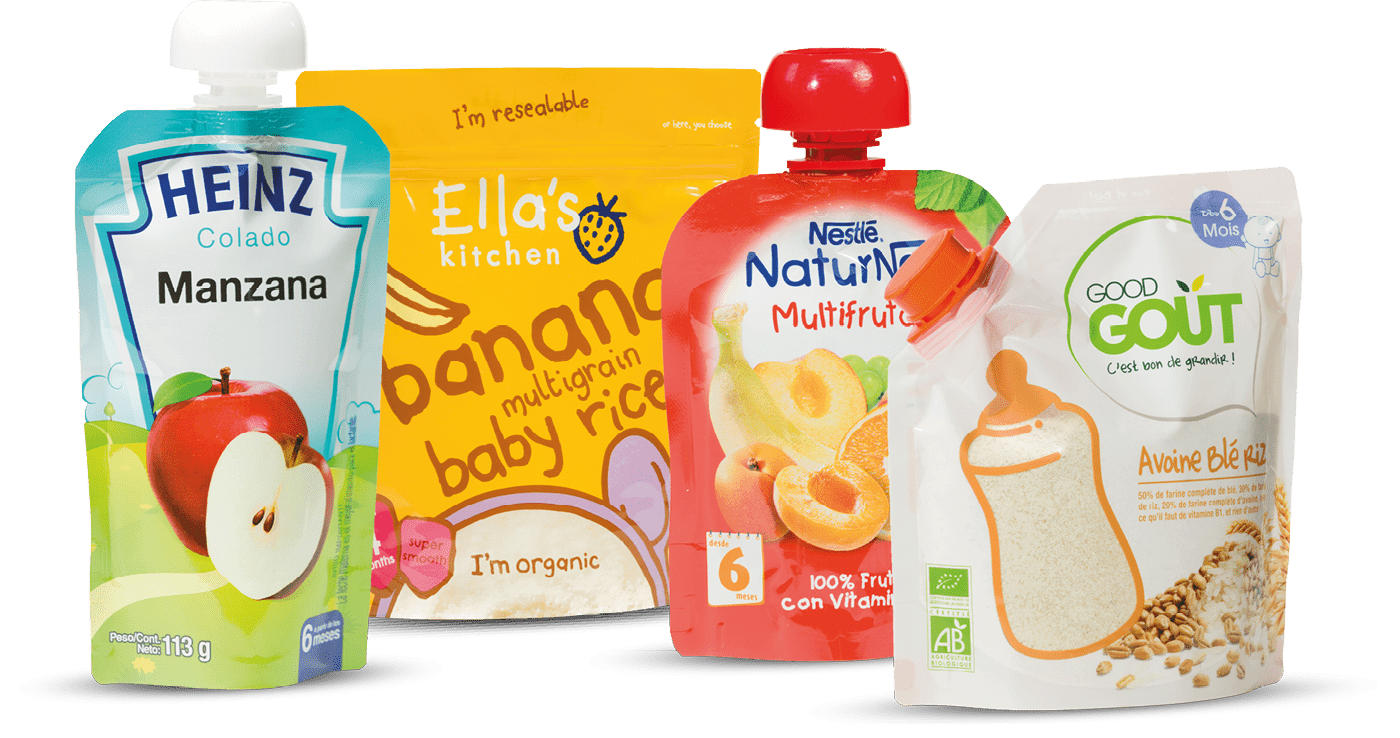
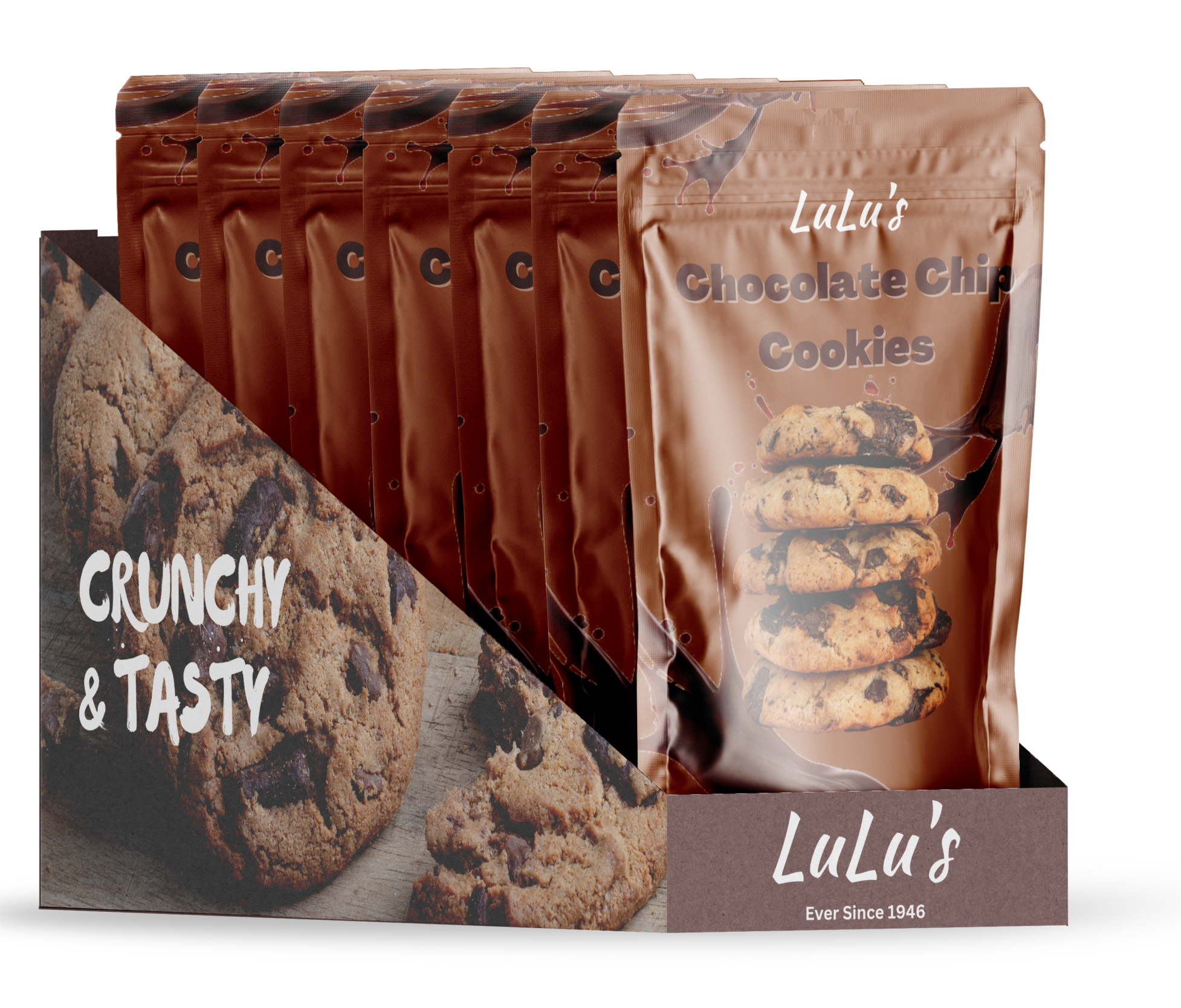
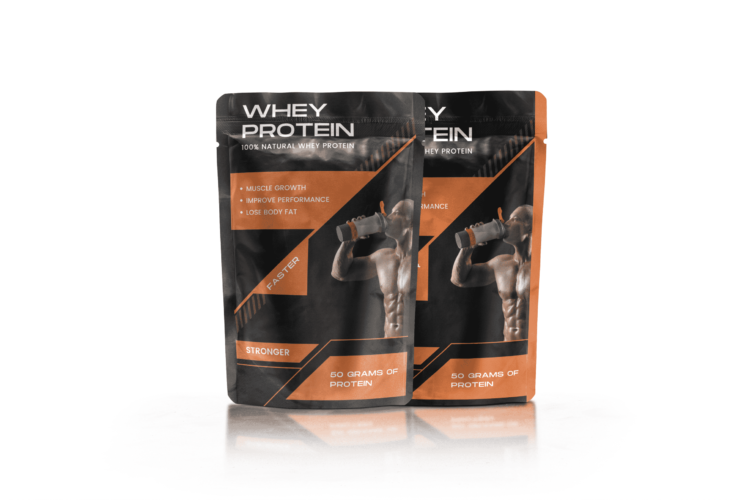
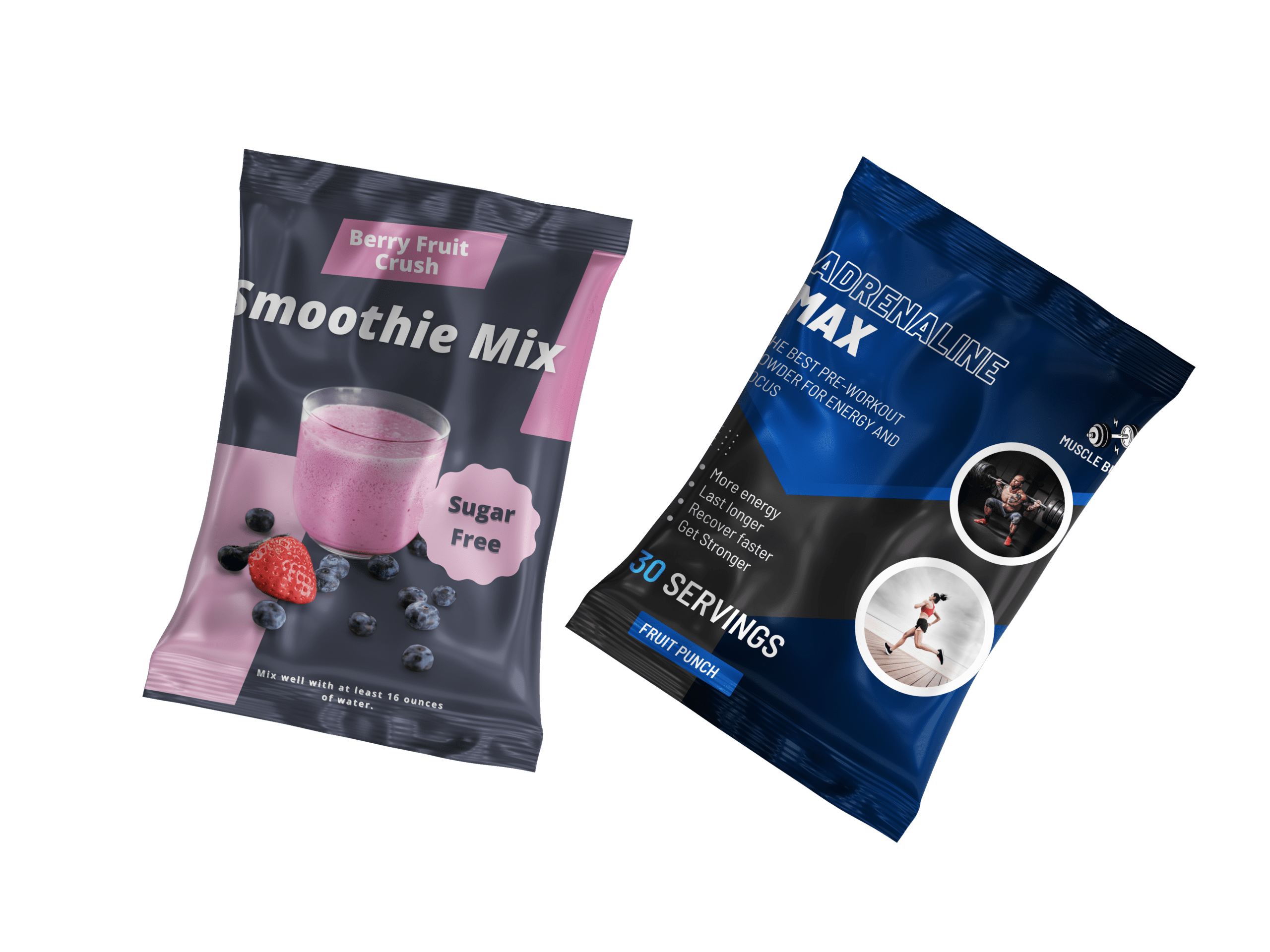
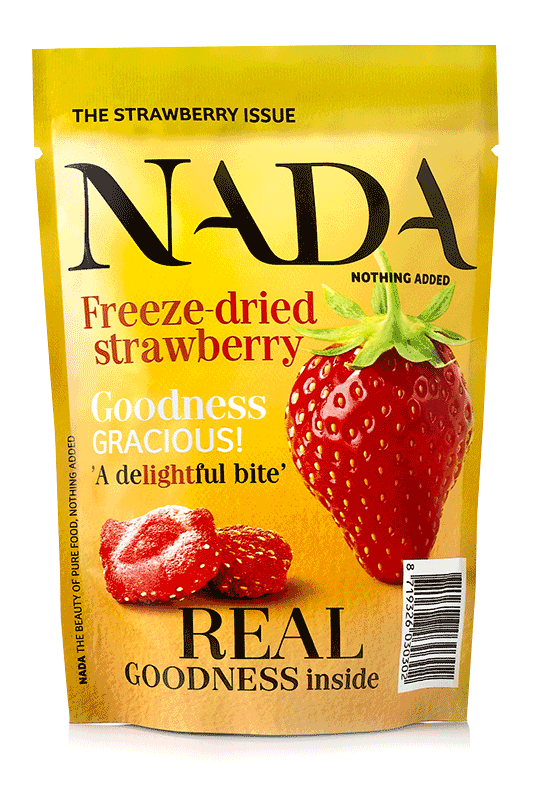
Stand up pouches are designed to stand up from the bottom for display, storage and usage. They are made up of one to three layers of high quality materials that keep the product fresh and secure. The first layer is designed to seal, second is to protect and third is for customization.
There are three main styles of a stand up pouch, those being; K-Style Bottom Gusset, W-Fold Bottom Gusset and Doyen Style Gusset. A gusset bag is a bag that has been designed with extra space and support structure typically on the side or bottom of the bag. These bags are ideal for packaging applications that require more filling volume or weight capacity.
These pouches come in many materials, features, and finishes which makes them ideal for a wide variety of products. They are resealable which makes them ideal for perishables because it will keep them fresh longer, overall extending shelf life.
Ideal for:
- Food and Beverages
- Pet food and Treats
- Cosmetics
- Home supplies and Gardening
- Electronics
- Outdoor supplies
Lay Flat:
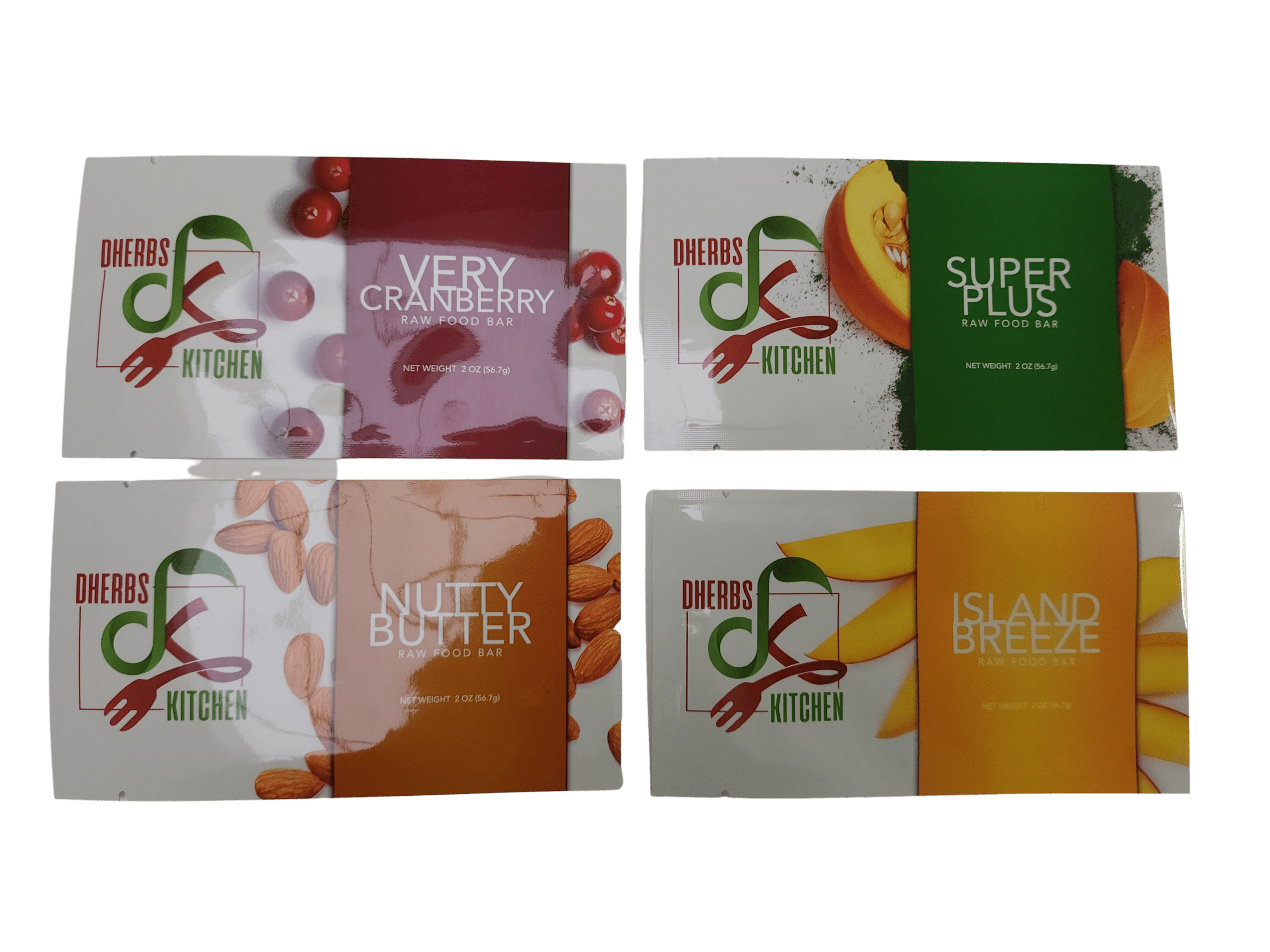
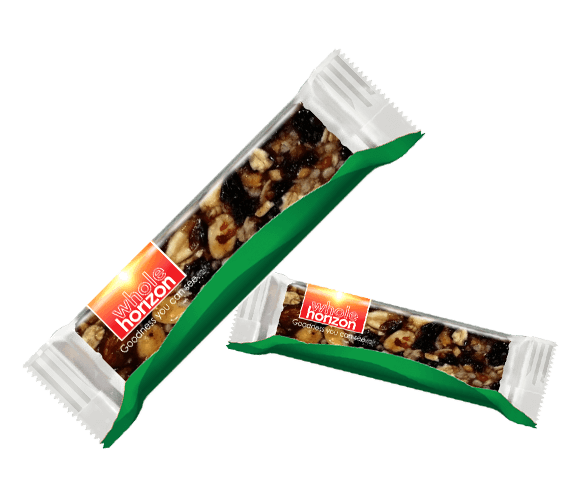
A lay flat pouch is designed to lay flat for display, storage and usage. These pouches are usually smaller and for single use. They are sized to fit tightly around the product in order to reduce packaging waste. Similar to stand up pouches, they also have one to three layers dependent on product needs. Lay flat pouches are typically sealed on all sides, whereas stand up pouches are only sealed on three sides. It is commonly best used for samples and to fit inside a box or tray.
Ideal for:
- Sachet: Sample packaging
- Static Shielding Bags: Electronics
Roll Stock
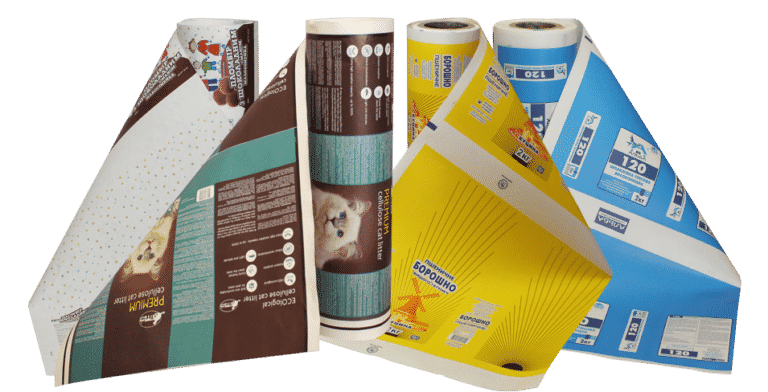
Roll stock also known as a film for horizontal or vertical wrapper, is printed laminated film on a roll, which is used to form, fill, and seal a product. Roll stock seals around a product using a Form Fill Sealing Machine (FFS Machine). This packaging is for single use items. It is mainly used to package candy bars, snacks, chips and other consumer goods.
Ideal for:
- Single serve snacks
- Single serve samples
Material
In addition to regular pouch materials, there are a few different material types for special applications. The main ones being; Vacuum Bags, Mil-Spec and Static Control. Vacuum bags are used for food products in which the air needs to be sucked out in order to keep the product fresh. This is commonly used for meat products. Mil-Spec is meant for military grade products, they must meet a certain standard in order to be considered mil-spec. If you are needing mil-spec packaging that is something we offer. Static control bags are designed to keep technology products safe. If you are packaging any electronics, this is the type of material you will need to use.
If you aren’t needing any of these special materials, then you would just use the standard one to three layer materials dependent on your product needs. There are three main film laminations used for these pouches.
- High Barrier: Create long shelf-life, comes in foil and clear. Blocks gases, moisture and chemicals.
- Bi-Oriented Polypropylene: Superior strength and durability
- Metalized: Best for customizing your packaging.
Features/Functionality
Features for Stand up:
- Multi-Sku
- Gusseted/Block or Flat Bottom
- Puncture & Tear Resistant
- Clouded & Transparent windows
- Hanger Holes
- Spout Pouches
- Cold Chain Solutions
- Fully customizable for design, size and finish
Features for Lay Flat:
- Samples
- Multi-Sku
- Clouded & Transparent Windows
- High Vapor Barriers
- Puncture & Tear Resistant
- Hanger Holes
- Fully customizable for design, size and finish
Features for Roll stock:
- Samples
- Multi-Sku
- Width and Impression Length Adjustment
- Clouded & Transparent
- Semi or Full Automation
- Fully customizable for design, size and finish
Subscription packaging continues to expand across beauty, food, lifestyle, and specialty products. Buyers must balance branding, protection, and sustainability while keeping fulfillment efficient. This checklist highlights the critical areas buyers should review in 2026 when sourcing or redesigning subscription packaging. Branding and Unboxing Experience Seasonal or rotating graphics to keep unboxing fresh. Premium finishes such as foil, embossing, or unique die-cuts. Easy-open features like tear strips for convenience. Right-Sizing and Efficiency Reduce DIM charges with packaging tailored to product sizes. Use modular designs to cover multiple SKUs with fewer box sizes. Ensure packaging works with automation to speed fulfillment. Protection and Durability Inserts that prevent product shifting during transit. ISTA-tested designs to withstand vibration and drops. Moisture-resistant coatings for temperature-sensitive items. Sustainability Requirements FSC-certified corrugated or recycled substrates. Recyclable coatings or compostable options. Clear sustainability messaging to support consumer expectations. Cost Control SKU rationalization to limit unnecessary box variations. Material selection that balances protection and price. Supplier contracts that secure pricing for seasonal peaks. Packaging Solutions with Brown Packaging Brown Packaging designs subscription packaging that combines branding, protection, and sustainability. From FSC-certified corrugated to custom inserts, our solutions help buyers create packaging that builds loyalty and controls costs in 2026. Contact us to review your subscription packaging program. References Sustainable Packaging Coalition. (2023). Subscription Packaging and Consumer Insights. Retrieved from https://sustainablepackaging.orgForest Stewardship Council (FSC). (2023). FSC Certification Guidelines for Packaging. Retrieved from https://fsc.orgInternational Safe Transit Association (ISTA). (2023). ISTA Testing Procedures for Transport Packaging. Retrieved from https://ista.org (714)300-0650 request@brownpackaging.com Most Recent Posts: Categories: Corrugated Ecommerce ESD Design Display Flexible Packaging Foam Folding Carton Packaging Plastic Packaging Pouch Printing Protection Retail Rigid Box Thermoform Sustainability Subscribe To Our Newsletter By submitting your information, you agree to our terms and conditions and privacy policy. Ecommerce Packaging Facebook Twitter LinkedIn Pinterest Relevant Posts
As budgets tighten in 2026, packaging buyers are under pressure to reduce costs without increasing damage rates. Cutting too aggressively can lead to product loss, higher return rates, and frustrated customers. The key is balancing material use, box design, and supply chain efficiency so that savings do not come at the expense of protection. Where Packaging Costs Add Up Oversized boxes: Drive dimensional weight charges. Excess materials: Overuse of void fill and inserts. Complex SKU mix: Redundant sizes increase inventory costs. Inefficient freight: Poor palletization and stacking. Cost-Saving Strategies That Maintain Protection Right-sizing: Match box size to product dimensions to cut DIM charges and material use. Optimize corrugated grades: Switch to single- or double-wall where appropriate without compromising strength. Consolidate SKUs: Streamline packaging options to reduce inventory overhead. Efficient inserts: Replace foam or excess dunnage with engineered corrugated or molded pulp. Supplier contracts: Negotiate based on annual volumes, not just peak season orders. Testing Before Implementing Changes Use ASTM and ISTA protocols to ensure changes won’t increase product damage. Test for compression, vibration, and drop resistance. Run pilot shipments before scaling across the supply chain. Balancing Sustainability and Cost Eco-friendly doesn’t have to mean expensive: Use recyclable coatings to reduce plastic films. Choose corrugated designs that require less material while maintaining stacking strength. Highlight sustainable solutions in marketing to offset cost concerns. Packaging Solutions with Brown Packaging Brown Packaging helps companies lower costs while protecting products across the supply chain. From SKU rationalization to right-sized corrugated solutions, our team ensures packaging savings don’t compromise performance. Contact us to optimize your packaging program. References Soroka, W. (2009). Fundamentals of Packaging Technology (4th ed.). Institute of Packaging Professionals.ASTM International. (2023). ASTM D4169: Standard Practice for Performance Testing of Shipping Containers and Systems.Sustainable Packaging Coalition. (2023). Packaging Efficiency and Waste Reduction Report. Retrieved from https://sustainablepackaging.org (714)300-0650 request@brownpackaging.com Most Recent Posts: Categories: Corrugated Ecommerce ESD Design Display Flexible Packaging Foam Folding Carton Packaging Plastic Packaging Pouch Printing Protection Retail Rigid Box Thermoform Sustainability Subscribe To Our Newsletter By submitting your information, you agree to our terms and conditions and privacy policy. Custom Packaging Facebook Twitter LinkedIn Pinterest Relevant Posts
Product damage is one of the most expensive risks in packaging. Beyond replacement costs, damaged goods lead to lost sales, returns, and reputational harm. In 2026, complex e-commerce, global shipping, and automation create new challenges for packaging buyers. The right materials, testing, and design strategies are critical to protecting products while controlling costs. Why Damage Prevention Matters Financial losses: Damaged products increase replacement and freight costs. Customer impact: Poor delivery experience reduces loyalty and repeat sales. Sustainability: Returns and waste drive higher carbon footprints. Compliance: Retailers often impose penalties for damaged shipments. Common Causes of Product Damage Compression: Pallet stacking weakens boxes in transit. Vibration and shock: Long-haul shipping increases risk. Moisture exposure: Humidity and rain compromise corrugated performance. Poor right-sizing: Oversized boxes allow product movement inside. Strategies to Reduce Damage in 2026 Right-size packaging: Minimize empty space and movement. Material optimization: Choose the correct corrugated grade for load demands. Protective inserts: Molded pulp or engineered corrugated reduce shock. Moisture-resistant coatings: Defend against water and humidity. Automation-friendly design: Prevent jams that damage products on high-speed lines. Testing Protocols for Damage Prevention ISTA testing: Simulates vibration, drops, and compression. ASTM standards: Validate packaging strength and durability. Pilot shipments: Real-world trials confirm lab results. Packaging Solutions with Brown Packaging Brown Packaging designs solutions that minimize damage across today’s complex supply chains. From right-sized corrugated to ISTA-tested inserts, we help buyers protect products while reducing costs. Contact us to strengthen your packaging program. References ASTM International. (2023). ASTM D4169: Standard Practice for Performance Testing of Shipping Containers and Systems.International Safe Transit Association (ISTA). (2023). ISTA Testing Procedures for Transport Packaging. Retrieved from https://ista.orgSoroka, W. (2009). Fundamentals of Packaging Technology (4th ed.). Institute of Packaging Professionals. (714)300-0650 request@brownpackaging.com Most Recent Posts: Categories: Corrugated Ecommerce ESD Design Display Flexible Packaging Foam Folding Carton Packaging Plastic Packaging Pouch Printing Protection Retail Rigid Box Thermoform Sustainability Subscribe To Our Newsletter By submitting your information, you agree to our terms and conditions and privacy policy. Custom Packaging Facebook Twitter LinkedIn Pinterest Relevant Posts
Retail packaging continues to evolve as brands balance sustainability, supply chain performance, and consumer experience. In 2026, buyers face new challenges shaped by material innovation, compliance requirements, and rising consumer expectations. Understanding these trends helps companies stay competitive while aligning packaging programs with industry standards. Sustainability Becomes Non-Negotiable Greater use of recyclable and compostable substrates. Retailers pushing suppliers toward FSC-certified materials. Minimalist designs that reduce waste without losing impact. Smarter Packaging for Supply Chains Increased adoption of right-sizing to reduce freight costs. Boxes designed for automation and faster fulfillment. Stronger corrugated grades to withstand long e-commerce journeys. Enhanced Consumer Experience Custom graphics for seasonal campaigns and limited editions. Tear strips, resealable closures, and window cutouts for convenience. Premium finishes that elevate gift packaging at retail. Growth of Hybrid Packaging Formats Combining corrugated strength with folding carton graphics. Modular designs for multi-SKU and club store environments. Packaging engineered to serve both e-commerce and in-store needs. Compliance and Testing Standards Retailers demanding ISTA and ASTM testing for packaging durability. Supply chain audits on recyclability and sustainability claims. More pressure for transparent reporting on environmental impact. Retail Packaging Solutions with Brown Packaging Brown Packaging helps brands adapt to evolving retail packaging trends. From sustainable substrates to automation-friendly designs, our solutions balance branding, durability, and compliance for 2026. Contact us to prepare your packaging program for the year ahead. References Forest Stewardship Council (FSC). (2023). FSC Packaging Certification Guidelines. Retrieved from https://fsc.orgSustainable Packaging Coalition. (2023). Packaging Trends and Consumer Insights. Retrieved from https://sustainablepackaging.orgSoroka, W. (2009). Fundamentals of Packaging Technology (4th ed.). Institute of Packaging Professionals. (714)300-0650 request@brownpackaging.com Most Recent Posts: Categories: Corrugated Ecommerce ESD Design Display Flexible Packaging Foam Folding Carton Packaging Plastic Packaging Pouch Printing Protection Retail Rigid Box Thermoform Sustainability Subscribe To Our Newsletter By submitting your information, you agree to our terms and conditions and privacy policy. Custom Packaging Facebook Twitter LinkedIn Pinterest Relevant Posts
Supplier contracts can make or break a packaging program. Without the right terms, buyers risk price volatility, missed lead times, and inconsistent product quality. In 2026, negotiating smart contracts is essential for controlling costs, securing reliable supply, and meeting compliance requirements. Why Packaging Contracts Matter Cost stability: Protects against sudden raw material price spikes. Supply security: Ensures availability during peak demand. Quality control: Aligns suppliers with testing and compliance standards. Operational efficiency: Streamlines purchasing and reduces administrative burden. Key Terms Buyers Should Negotiate Volume commitments: Secure better pricing with accurate forecasts. Price adjustment clauses: Define when and how costs can change. Lead times and delivery windows: Avoid shortages and production delays. Testing and compliance: Require ISTA, ASTM, or FSC certification where applicable. Sustainability commitments: Ensure suppliers align with environmental goals. Risks of Weak Contracts Paying inflated prices during market fluctuations. Receiving inconsistent corrugated strength or print quality. Missed shipments leading to costly expedited freight. Difficulty meeting retailer or regulatory compliance. Best Practices for Buyers in 2026 Leverage data: Use past order history to negotiate realistic volumes. Dual sourcing: Maintain backup suppliers for risk management. Annual reviews: Reassess terms to reflect changes in demand and compliance. Collaborative approach: Treat suppliers as partners, not just vendors. Packaging Solutions with Brown Packaging Brown Packaging helps buyers secure strong supplier contracts that balance cost, quality, and supply chain reliability. Our partnerships and industry expertise ensure your packaging program is protected for 2026 and beyond. Contact us to discuss supplier solutions. References Soroka, W. (2009). Fundamentals of Packaging Technology (4th ed.). Institute of Packaging Professionals.Fiber Box Association. (2024). Corrugated Packaging Market Outlook. Retrieved from https://www.fibrebox.orgSustainable Packaging Coalition. (2023). Supplier Standards for Sustainable Packaging. Retrieved from https://sustainablepackaging.org (714)300-0650 request@brownpackaging.com Most Recent Posts: Categories: Corrugated Ecommerce ESD Design Display Flexible Packaging Foam Folding Carton Packaging Plastic Packaging Pouch Printing Protection Retail Rigid Box Thermoform Sustainability Subscribe To Our Newsletter By submitting your information, you agree to our terms and conditions and privacy policy. Custom Packaging Facebook Twitter LinkedIn Pinterest Relevant Posts
Packaging compliance is no longer optional—it’s a requirement for accessing retail shelves, shipping networks, and international markets. In 2026, buyers must navigate evolving regulations around sustainability, labeling, and testing to avoid costly fines, rejected shipments, or damaged customer relationships. Why Compliance Matters in 2026 Retail requirements: Major retailers demand FSC, ISTA, and sustainability certifications. E-commerce standards: Carriers enforce dimensional weight and package testing rules. Global trade: Export packaging must comply with ISPM 15, ASTM, and ISO guidelines. Consumer trust: Transparency in packaging claims impacts purchasing decisions. Key Compliance Areas for Buyers Material sourcing: FSC-certified corrugated and board for sustainability. Labeling standards: GS1-compliant barcodes and accurate product details. Durability testing: ISTA and ASTM protocols for drop, vibration, and compression. Sustainability regulations: Requirements for recyclable or compostable materials. Chemical restrictions: Compliance with FDA, EU, or state-specific standards. Common Compliance Challenges Keeping up with frequent regulatory changes. Managing multiple certifications across suppliers. Balancing compliance with cost-efficiency. Verifying supplier claims for sustainability. Best Practices for Staying Compliant Audit suppliers annually to confirm certification validity. Run internal packaging tests before scaling. Track regulatory updates for each region you ship to. Work with experienced partners who understand industry compliance. Packaging Solutions with Brown Packaging Brown Packaging helps buyers meet 2026 compliance standards with FSC-certified materials, ISTA-tested designs, and regulatory expertise. Our team ensures your packaging meets retailer, carrier, and sustainability requirements. Contact us to keep your program compliant. References Forest Stewardship Council (FSC). (2023). FSC Certification Guidelines for Packaging. Retrieved from https://fsc.orgInternational Safe Transit Association (ISTA). (2023). ISTA Testing Procedures for Transport Packaging. Retrieved from https://ista.orgGS1. (2024). Global Standards for Packaging and Labeling. Retrieved from https://www.gs1.org (714)300-0650 request@brownpackaging.com Most Recent Posts: Categories: Corrugated Ecommerce ESD Design Display Flexible Packaging Foam Folding Carton Packaging Plastic Packaging Pouch Printing Protection Retail Rigid Box Thermoform Sustainability Subscribe To Our Newsletter By submitting your information, you agree to our terms and conditions and privacy policy. Custom Packaging Facebook Twitter LinkedIn Pinterest Relevant Posts
Home » 3 Things You Should Consider When Selecting the Right Pouch Style
The flexible packaging industry is experiencing a significant evolution as it leans into more sustainable practices. Amid growing environmental concerns, there’s a strong movement within the sector towards developing innovative, eco-friendly packaging solutions. This blog will delve into the most recent sustainable trends impacting the flexible packaging sector, pointing to a future where sustainability and innovation walk hand in hand. Adoption of Biodegradable and Compostable Materials Advancements in Recyclable Packaging Increased Use of Post-Consumer Recycled (PCR) Content Reduction in Packaging Sizes and Weights Innovation in Barrier Materials Investing in Sustainability Education and Transparency Adoption of Biodegradable and Compostable Materials As the world gradually moves away from single-use plastics, one trend that has taken center stage is the use of biodegradable and compostable materials in packaging. These materials are designed to break down naturally in the environment, minimizing their long-term impact on the ecosystem. For instance, some companies are turning to materials like Polyhydroxyalkanoates (PHA), which are fully biodegradable polymers derived from renewable resources. The aim is to make packaging that doesn’t just look good and protect the product, but also contributes positively to the planet. Advancements in Recyclable Packaging Recyclable materials offer another route towards more sustainable packaging. As recycling technologies improve, we are seeing a rise in the use of mono-material packaging — packaging composed of a single type of material, such as all-paper or all-polyethylene structures. This is a game-changer in the recycling process as it eliminates the need for separation, significantly simplifying the recycling process and ensuring that more waste is effectively recycled. Increased Use of Post-Consumer Recycled (PCR) Content Another trend making waves in the flexible packaging sector is the increased use of Post-Consumer Recycled (PCR) content. This involves using materials that have been previously used by consumers and then recycled. Using PCR content helps to lower the demand for new material production, reducing the overall environmental footprint of the packaging. Many companies are setting ambitious goals to incorporate a certain percentage of PCR content into their packaging within the coming years. Reduction in Packaging Sizes and Weights The drive towards sustainability is also encouraging brands to rethink the size and weight of their packaging. By reducing these aspects, companies can decrease the amount of raw material required in the packaging production process, leading to substantial environmental benefits. Furthermore, lighter packaging results in lower transportation emissions, another significant advantage in terms of reducing the carbon footprint. Innovation in Barrier Materials Traditionally, many flexible packaging options have relied on multi-layer structures to provide adequate barrier properties, protecting the contents from moisture, oxygen, and other damaging elements. However, these multi-layer formats can be difficult to recycle. As a response, the industry is innovating to develop high-performing, recyclable barrier materials. These new structures aim to maintain the same high level of protection for the packaged goods while also being easier to recycle, striking a balance between product protection and environmental responsibility. Investing in Sustainability Education and Transparency Many companies in the flexible packaging industry are investing in educating consumers about their sustainable efforts. They are providing information on their packaging about the materials used and how to recycle the packaging correctly. The idea is to involve consumers in the sustainability journey, allowing them to make informed decisions about the products they purchase. Conclusion: Flexible Packaging and Sustainable Trends With these sustainable trends, the future of the flexible packaging industry looks promising. While there are still challenges to overcome, significant strides are being made towards a more sustainable packaging landscape. As technology continues to advance and more innovative solutions are developed, it’s clear that sustainability is more than just a buzzword — it’s a commitment to our planet and future generations. So, in 2024, we can expect these trends to continue driving the flexible packaging industry toward a more sustainable and environmentally responsible future. If you are interested in sustainable and/or flexible packaging, then partner with Brown Packaging today to get started. (714)300-0650 request@brownpackaging.com Most Recent Posts: Categories: Corrugated Ecommerce ESD Design Display Flexible Packaging Foam Folding Carton Packaging Plastic Packaging Pouch Printing Protection Retail Rigid Box Thermoform Sustainability Subscribe To Our Newsletter By submitting your information, you agree to our terms and conditions and privacy policy. Custom Packaging Facebook Twitter LinkedIn Pinterest Relevant Posts
When designing flexible packaging, one key consideration is how the product will be displayed: Will it be showcased individually on retail shelves or packed in bulk carton packaging for distribution? This decision impacts the design, materials, and functionality of the packaging, as well as its cost-effectiveness and visual appeal. Here’s what you need to know about aligning your packaging with your display or bulk requirements. Retail Display Packaging If your product will be displayed individually on retail shelves, the packaging must do more than just protect the product—it needs to sell it. Visual appeal, easy access, and branding play crucial roles in grabbing consumer attention. Key Features for Retail Display Packaging: Eye-Catching Design Use vibrant colors, bold graphics, and clear branding to stand out on crowded shelves. Include essential product information and marketing messages prominently on the front. Structural Integrity The packaging must hold its shape and stand upright, whether hung on a pegboard, stacked, or placed in a display box. Convenience for Consumers Easy-to-open features like tear notches or resealable closures enhance the user experience. Sustainability Retailers and consumers value eco-friendly packaging. Options like recyclable or biodegradable materials align with these preferences. Practical Examples: Snack Pouches: Designed with vibrant graphics and resealable zippers for easy access and freshness. Single-Serve Items: Packaging with perforations for hanging or stacking, ideal for point-of-sale displays. Bulk Carton Packaging For products distributed in bulk, the focus shifts from individual consumer appeal to efficient storage and transportation. Bulk carton packaging prioritizes cost-effectiveness, protection, and ease of handling. Key Features for Bulk Carton Packaging: Protective Design Durable materials like multi-layer flexible films or reinforced cartons ensure the product withstands stacking and shipping stresses. Incorporate cushioning elements if the products are fragile. Efficient Packing Optimize the size and shape of individual packages to maximize space utilization within the carton. Consider flat or nested packaging styles to reduce overall bulk. Clear Labeling Include external labels with product details, barcodes, and handling instructions to simplify logistics. Sustainability Bulk cartons often use corrugated materials or eco-friendly liners to minimize environmental impact. Practical Examples: Foodservice Packaging: Large pouches of sauces or ingredients packed in cartons for restaurants or caterers. Retail Restocking: Individually wrapped items packed in bulk for efficient replenishment of store shelves. Comparing Display vs. Bulk Carton Packaging Aspect Retail Display Bulk Carton Packaging Primary Goal Attract and engage consumers at point-of-sale. Protect and transport large quantities efficiently. Material Focus High-quality visuals and convenience features. Durability and space optimization. Sustainability Often requires consumer-friendly recyclable options. Focus on reducing overall material waste. Customization Tailored to enhance shelf presence. Standardized for easy stacking and shipping. Questions to Ask When Deciding Where Will the Product Be Sold? Retail shelves or wholesale distribution centers? What Is the End User’s Interaction? Will the packaging be visible to consumers, or will it only be seen by retailers or logistics teams? What Are the Transportation Requirements? Does the packaging need to be compact and durable for long-distance shipping? What Are the Storage Conditions? Will the product sit in warehouses or need to fit specific shelving configurations? Why This Decision Matters Choosing between retail display and bulk carton packaging affects every aspect of your product’s journey—from the first impression on customers to the efficiency of shipping and storage. Balancing these factors ensures your packaging meets both marketing and logistical needs. Need help designing packaging for your product’s unique requirements? Contact us to develop custom solutions tailored to your distribution strategy! (714)300-0650 request@brownpackaging.com Most Recent Posts: Categories: Corrugated Ecommerce ESD Design Display Flexible Packaging Foam Folding Carton Packaging Plastic Packaging Pouch Printing Protection Retail Rigid Box Thermoform Sustainability Subscribe To Our Newsletter By submitting your information, you agree to our terms and conditions and privacy policy. Flexible Packaging Facebook Twitter LinkedIn Pinterest Relevant Posts
Multi-SKU product lines offer variety, but when it comes to packaging, they also create complexity. Whether you’re offering different flavors, sizes, formulas, or bundle combinations, choosing the right approach for packaging pouches across multiple SKUs is key to keeping things organized, cost-effective, and retail-ready. In this blog, we break down the smartest ways to handle multi-SKU pouch packaging and what strategies can simplify your process while maximizing shelf appeal. Why Multi-SKU Pouch Packaging Needs a Strategy If your product line includes multiple variations—like a protein powder in four flavors, or snacks in ten varieties—you’ll likely be working with multiple pouch designs and potentially different sizes. Without a plan, this can lead to over-ordering, poor inventory control, mismatched branding, and increased lead times. A strategic approach to multi-SKU pouch packaging helps you: Streamline production and inventory Maintain consistent branding across all variations Improve packaging efficiency for both retail and e-commerce Reduce waste and minimize packaging costs Choose the Right Pouch Format for All SKUs The first step is selecting a pouch format that can work across your entire SKU range. This simplifies your sourcing, design process, and shipping logistics. Common formats that work well across SKUs: Stand-up pouches for shelf presence Flat pouches for sample sizes or low-profile products Zipper pouches for resealability and convenience Printed roll stock if you need to automate pouch forming in-house Sticking to a single pouch style for all SKUs—just with design changes—makes production and fulfillment smoother. Leverage Digital Printing for Design Flexibility For brands managing 3, 5, or even 20+ SKUs, digital printing is a game-changer. It allows you to print multiple unique designs within the same run—no plate changes, no additional setup costs. Digital printing benefits for multi-SKU pouch packaging: Easy design versioning across SKUs Lower MOQs for each version Fast turnarounds to respond to changing demand Great for product launches, seasonal releases, or subscription boxes If you’re scaling or testing new SKUs, digital lets you stay nimble without sacrificing quality. Bundle Multi-SKUs with Custom Kits or Displays For brands selling multiple pouch SKUs in one package (like variety packs), consider custom kitting, inserts, or countertop displays that hold your pouches together in one unit. This is especially useful for: Subscription snack kits Sample sets or gift boxes Seasonal bundles Cross-promotional packs You can use corrugated boxes, rigid kits, or even printed sleeves and belly bands to package multiple SKUs in a clean, retail-ready format. Labeling and Inventory Tips Managing multiple SKUs means more SKUs to track. Here’s how to keep things efficient: Use consistent dielines across all pouch sizes if possible Make sure each pouch design includes a unique barcode or QR Include clear product names and variation callouts (like flavor or strength) Store digital print files in a system that makes future updates easy A well-labeled pouch not only helps in inventory—it also helps customers know exactly what they’re getting. Final Thoughts Packaging multiple SKUs with pouches doesn’t have to be overwhelming. With the right combination of standardized formats, flexible printing, and smart kitting or bundling, you can keep your operations lean while still offering the variety your customers love. Need help building a multi-SKU pouch strategy?We’ll help you find the right pouch, printing method, and packaging system that fits your brand and simplifies your workflow. (714)300-0650 request@brownpackaging.com Most Recent Posts: Categories: Corrugated Ecommerce ESD Design Display Flexible Packaging Foam Folding Carton Packaging Plastic Packaging Pouch Printing Protection Retail Rigid Box Thermoform Sustainability Subscribe To Our Newsletter By submitting your information, you agree to our terms and conditions and privacy policy. Custom Packaging Facebook Twitter LinkedIn Pinterest Relevant Posts