



window.uetq = window.uetq || []; window.uetq.push(‘event’, ‘submit_lead_form’,{ event_label:‘SUBMIT MESSAGE’ }); window.lintrk('track', { conversion_id: 10271009 }); window.lintrk('track', { conversion_id: 10271017 });

When Premium Packaging Isn’t Practical

When Premium Packaging Isn’t Practical

Premium packaging sells — until it doesn’t.


In an environment where raw material costs, shipping rates, and consumer budgets all fluctuate, the smartest brands are learning that premium doesn’t always mean profitable. Sometimes the best business move isn’t to upgrade your packaging — it’s to right-size it for your audience, channel, and margin reality.

The Hidden Cost of Looking Too Premium

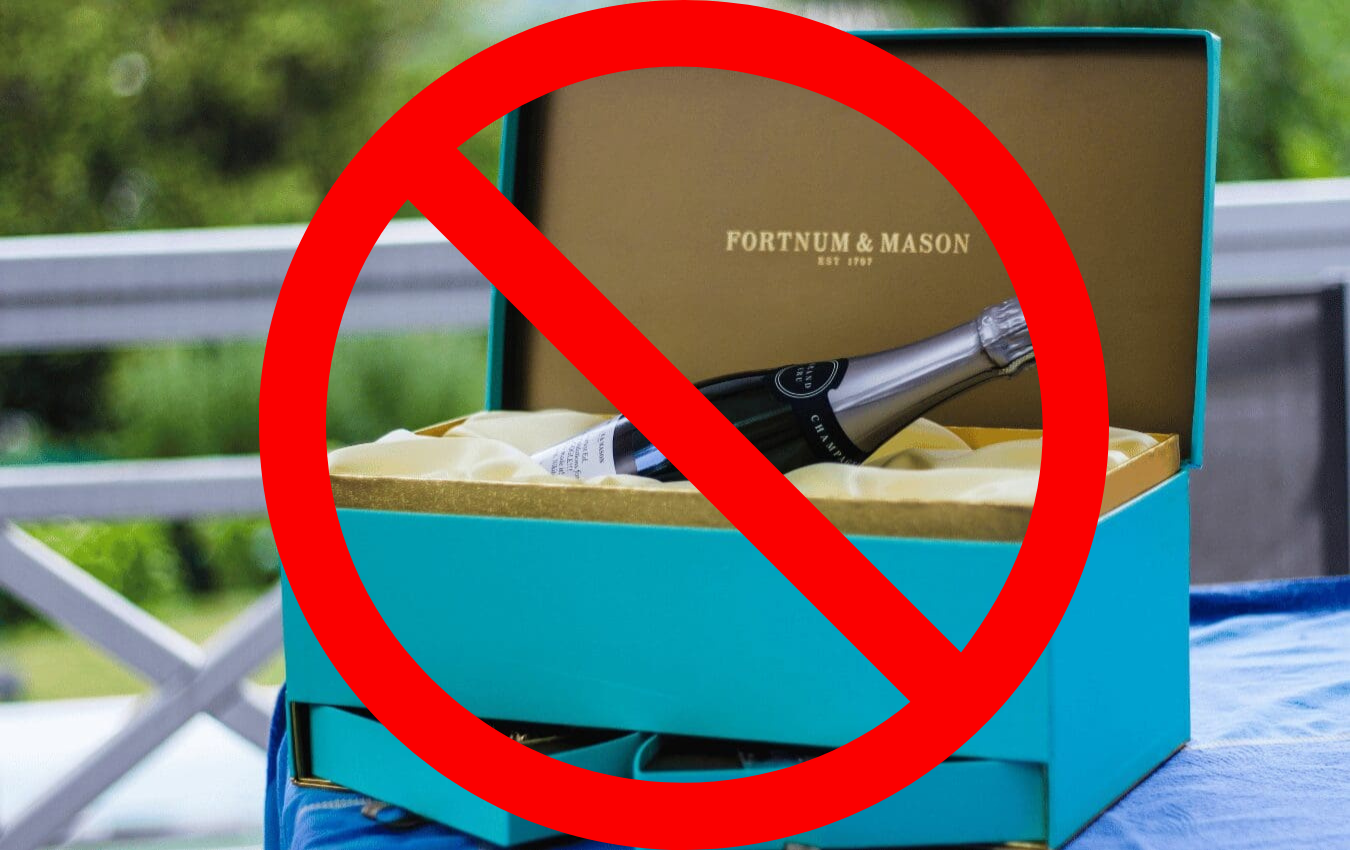
Luxury finishes, rigid boxes, and multi-layer constructions can make sense for high-margin products. But when applied across every SKU, they quietly drain operational budgets and complicate fulfillment.

A small run of magnetic rigid boxes or foil-wrapped cartons might elevate perception, but for most retail or e-commerce channels, the added cost rarely translates to measurable ROI. Instead, those dollars can often be redirected toward better materials, digital print consistency, or improved unboxing usability — all of which consumers actually notice.

luxury boxes

Understanding the Value of “Enough”

The best packaging doesn’t always compete to be premium; it competes to be appropriate.
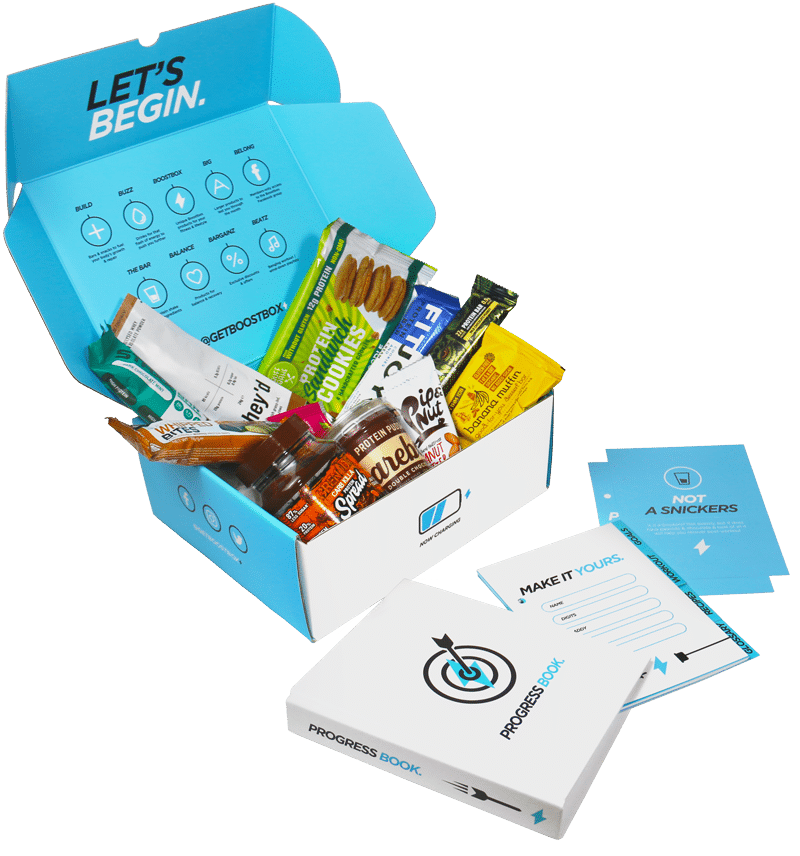
A well-printed corrugated mailer can outperform a rigid box if it fits the brand story and shipping model. Similarly, a folding carton with clean litho graphics can look polished without added coatings or embossing.

It’s about identifying what your customer expects, not what the category dictates. Every unnecessary premium layer adds cost without necessarily adding loyalty. When you deliver “enough” — durable, well-printed, and aligned with your brand’s tone — you win on both perception and profitability.

Channel-Specific Spending: Where Premium Still Belongs

Not all packaging is created for the same purpose — or the same audience.
Premium boxes make sense in direct-to-consumer, gift, or influencer kits, where unboxing plays a marketing role. But for wholesale or subscription-based distribution, streamlined packaging communicates value, speed, and reliability.

By aligning packaging spend with sales channels, brands can prioritize premium where it converts, and cut it where it doesn’t. That balance is where true affordability lives.

Dental Packaging Match Rigid Box (Slide)

Material Trade-Offs That Make Sense

Scaling back doesn’t mean cutting corners — it means optimizing resources.
Replacing rigid boxes with double-wall corrugated, switching to E-flute folding cartons for lighter weight, or simplifying finishes to spot gloss instead of full coating can preserve visual impact while trimming production costs.

These trade-offs keep packaging functional, protective, and attractive — without chasing unsustainable luxury.

Consumers Don’t Miss What You Remove

Consumers buy into your story, not your embossing. Most will never notice the difference between a foil stamp and a matte-printed metallic tone, but they will notice if prices go up.

When affordability and trust are top of mind, clarity and consistency matter more than extravagance. The right packaging signals stability and honesty — two qualities that outperform luxury when budgets tighten.

custom beverage packaging

The Practical Path Forward

At Brown Packaging, we help brands scale premium expectations to match real-world logistics and cost goals.
We collaborate with clients to identify which elements of their packaging truly influence value perception — and which can be simplified, standardized, or re-engineered to save money without compromising presentation.

Our approach is grounded in practicality: protect the product, express the brand, and keep your margins intact. Because sometimes the smartest thing a brand can do is know when premium just isn’t practical.

References

  • Soroka, W. (2009). Fundamentals of Packaging Technology (4th ed.). Institute of Packaging Professionals.
  • PMMI. (2024). Cost Optimization and Value Engineering in CPG Packaging.
  • Packaging World. (2025). Premium vs. Practical: Redefining Value in Consumer Packaging.
  • McKinsey & Company. (2024). Balancing Brand Perception and Cost Efficiency in Product Packaging.
Most Recent Posts:
Packaging Inventory Planning for Q1

The first quarter is a critical period for packaging buyers to reset supply levels after the holiday surge. Overstocking ties up capital, while understocking creates fulfillment delays and expedited freight

Read More »
Categories:
Subscribe To Our Newsletter

By submitting your information, you agree to our terms and conditions and privacy policy.

Custom Rigid Box
Custom Packaging
Facebook
Twitter
LinkedIn
Pinterest
Relevant Posts