
Home » What Packaging is Used for Protein Bars?
What Packaging is Used for Protein Bars?
Protein bars are a popular on-the-go snack, requiring durable, protective, and visually appealing packaging to ensure freshness and convenience. The right packaging helps extend shelf life, maintain texture, and protect against contamination, making it essential for both retail and eCommerce sales. Businesses must carefully select the best materials and formats for their protein bars to optimize product protection and brand visibility.
Types of Packaging for Protein Bars
Protein bars can be packaged in various materials and formats depending on brand preference, shelf life requirements, and distribution channels. The most common types include:
Flexible Film Packaging (Flow Wraps & Roll Stock)
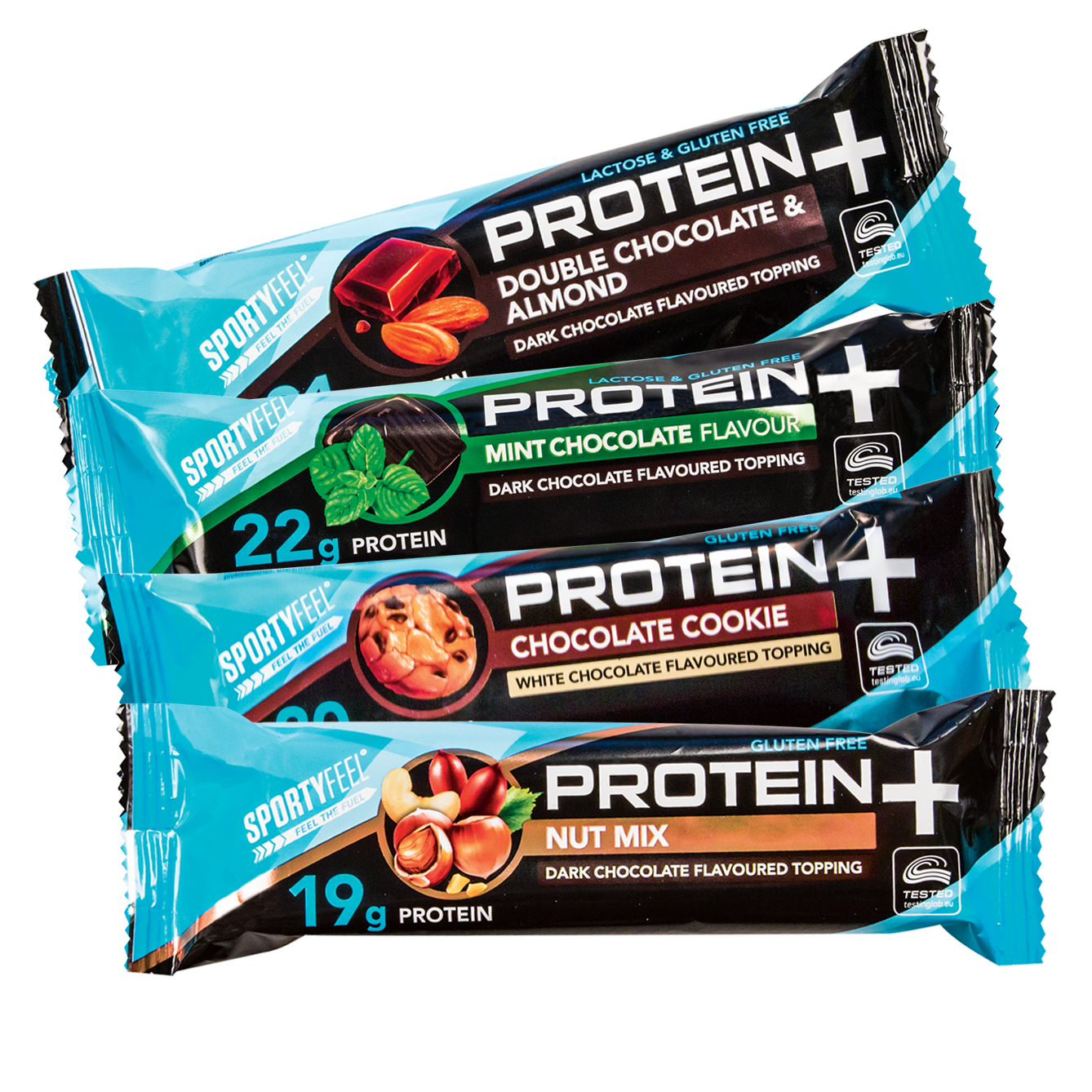
Flow wrap packaging, often produced from roll stock, is the most widely used solution for protein bars due to its lightweight, cost-effectiveness, and superior protection. It consists of a plastic or foil-based flexible film, heat-sealed to create an air-tight package.
Benefits:
- Provides moisture and oxygen barrier to extend shelf life.
- Offers high-speed packaging efficiency for mass production.
- Allows for vibrant branding and print customization.
Stand-Up Pouches and Resealable Bags
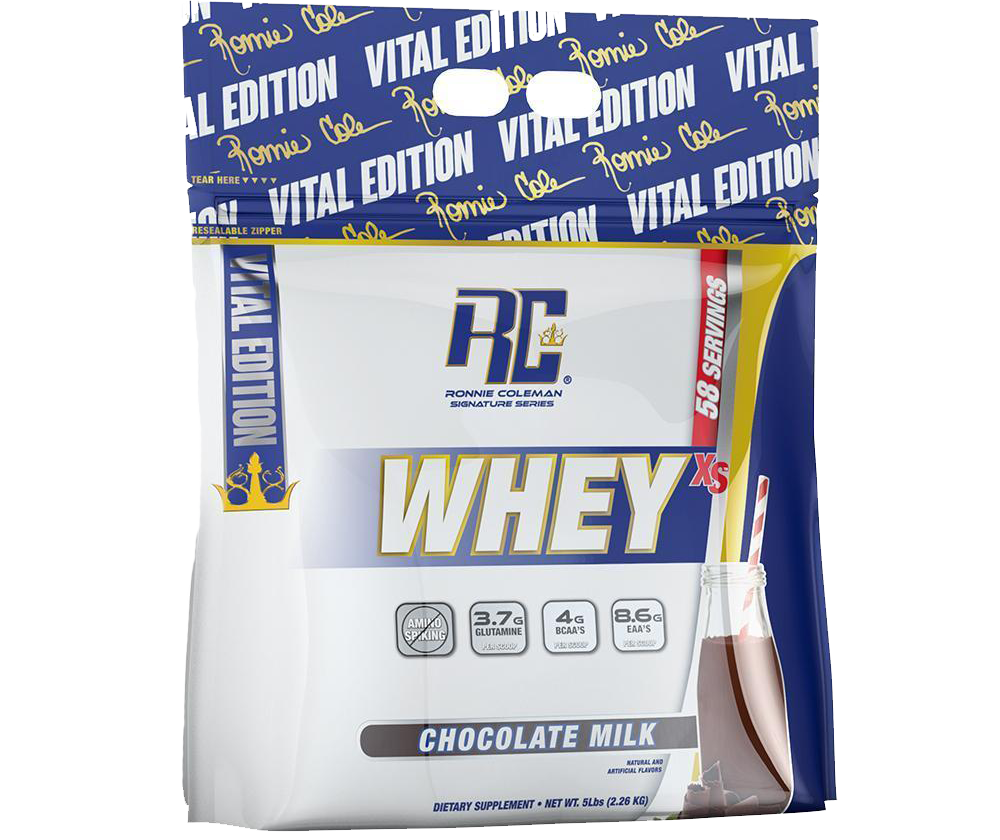
Ideal for multi-pack protein bars, stand-up pouches provide convenience and branding appeal while protecting bars from crushing and environmental factors.
Benefits:
- Resealable options improve freshness and portion control.
- Provides a premium look for retail shelves and club store formats.
- Customizable with clear windows, matte or gloss finishes, and tear notches.
Folding Cartons
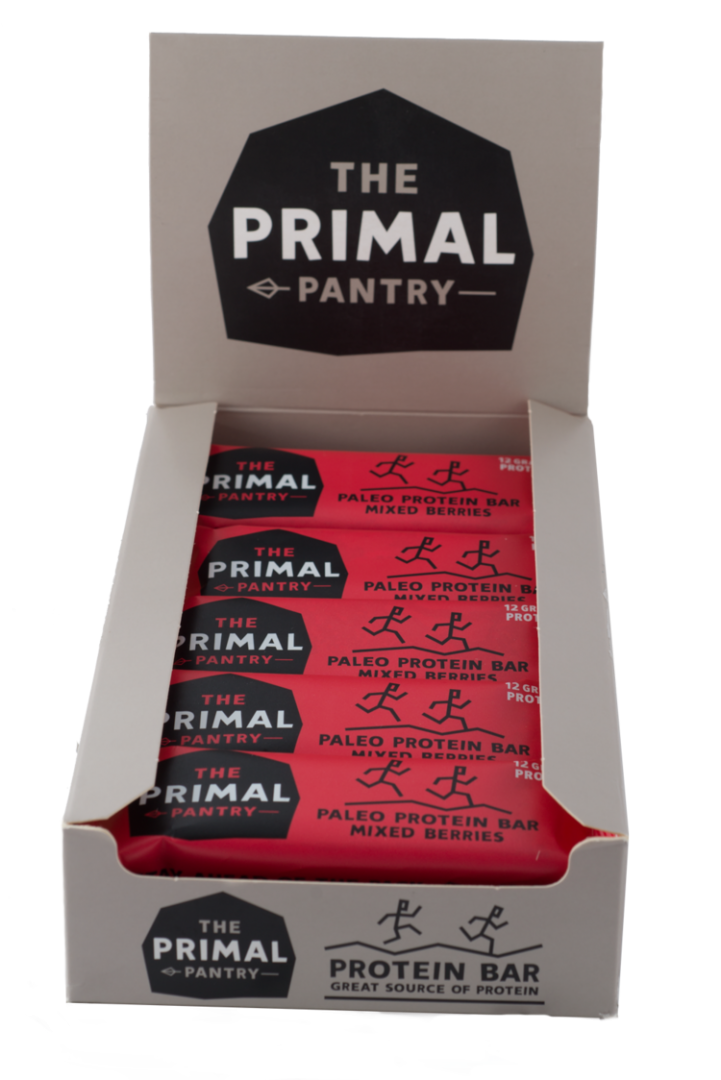
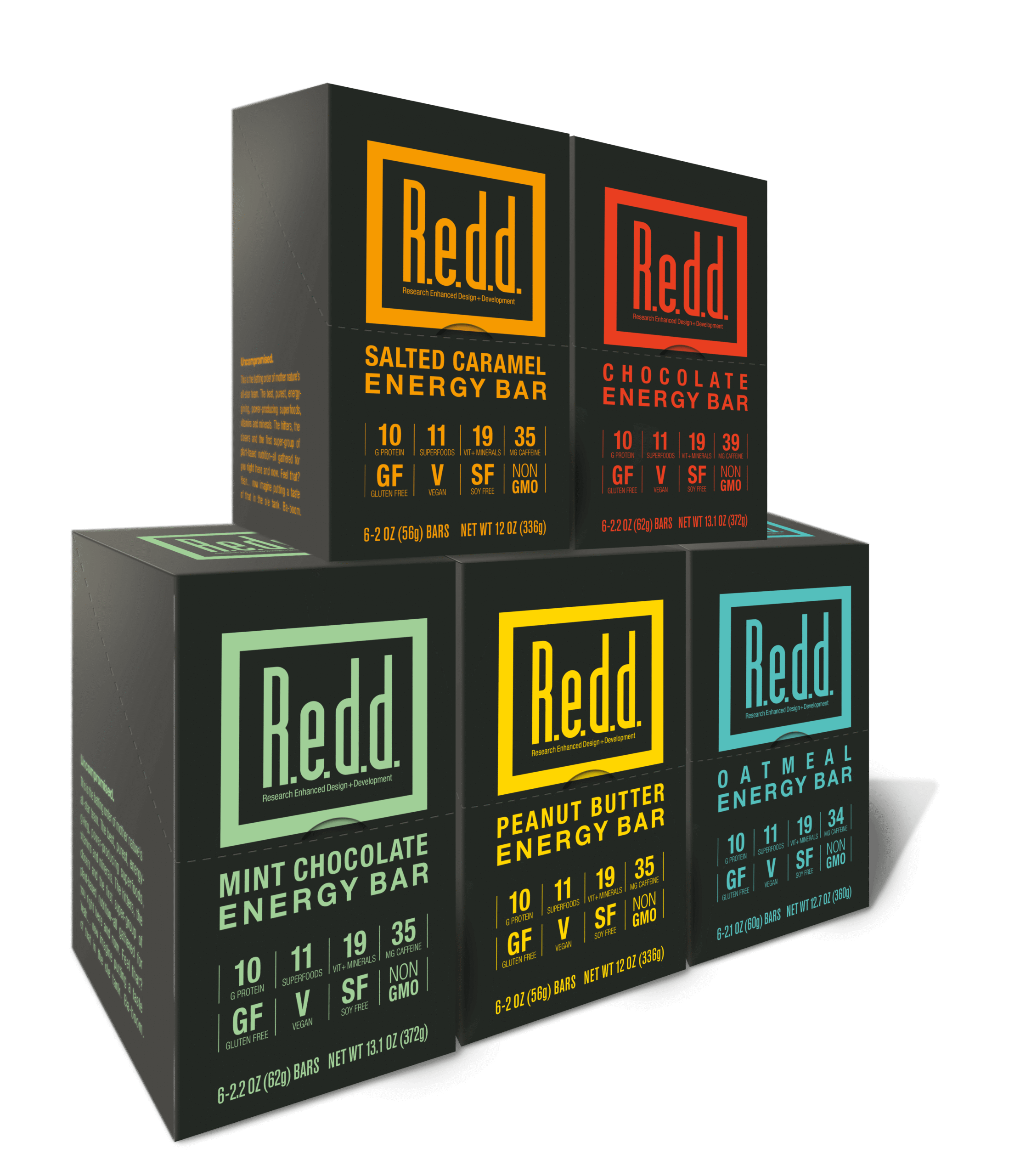
Many protein bars are sold in multi-bar packs housed in folding cartons. These secondary packaging solutions enhance shelf presence and provide additional protection.
Benefits:
- Ideal for bulk packaging and organized retail display.
- Supports branding with high-quality printing and embossing options.
- Adds structural protection to prevent crushing.
Corrugated Boxes for Shipping
For wholesale distribution and eCommerce fulfillment, protein bars are often packed in corrugated shipping boxes to ensure safe transit and bulk handling.
Benefits:
- Provides durability for long-distance shipping and warehouse storage.
- Can be designed with custom inserts for product security.
- Custom printing allows for branded unboxing experiences.
POP and Countertop Displays
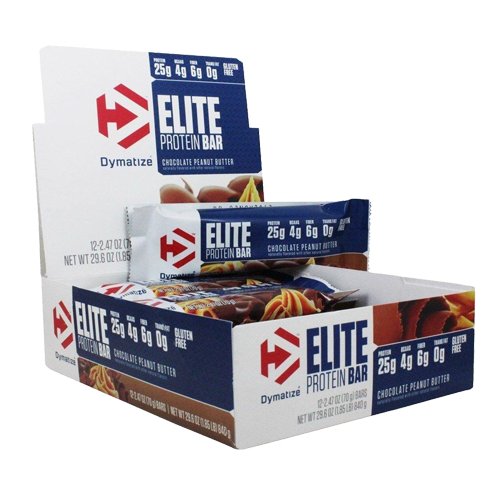
Retailers often use point-of-purchase (POP) and countertop displays to showcase protein bars in high-traffic areas. These displays help drive impulse purchases and enhance brand visibility.
Benefits:
- Designed for maximum visibility in checkout lanes and retail aisles.
- Can be customized for seasonal promotions or new product launches.
- Available in corrugated or folding carton formats for easy setup.
Key Packaging Considerations for Protein Bars
Choosing the right protein bar packaging requires evaluating several factors:
- Shelf Life Protection: Packaging must offer barrier properties against moisture, air, and light to prevent spoilage.
- Consumer Convenience: Features like resealable closures, easy-open tear notches, and portability enhance the user experience.
- Branding & Marketing Appeal: High-quality printing, embossing, or matte/gloss finishes make a product stand out on retail shelves.
- Shipping & Retail Optimization: Bulk packaging and display solutions improve storage, handling, and in-store presentation.
Final Thoughts: Selecting the Best Protein Bar Packaging
Protein bar packaging should be protective, convenient, and visually appealing while aligning with industry requirements. Whether using flow wraps and roll stock for single bars, folding cartons for multi-packs, corrugated boxes for shipping, or POP displays for retail, businesses should evaluate their packaging based on functionality, branding, and distribution needs.
Looking for custom protein bar packaging solutions? Contact Brown Packaging today to explore innovative packaging options that meet your brand’s needs!
In 2026, sustainability is no longer just a trend—it’s a buyer expectation. Forest Stewardship Council (FSC) certification has become a key benchmark for responsible packaging, signaling that materials are sourced
Sustainability is now a top priority for packaging buyers. Retailers, regulators, and consumers are all demanding packaging solutions that reduce environmental impact without sacrificing performance. In 2026, buyers must balance
Choosing the right packaging material is one of the most important decisions buyers face. Single-material packaging offers simplicity and recyclability, while multi-material designs provide enhanced performance and protection. Understanding the
One of the biggest challenges in sustainable packaging is balancing environmental responsibility with product protection. Buyers often worry that switching to eco-friendly materials means sacrificing durability or driving up costs.
Home » What Packaging is Used for Protein Bars?

Packaging is an essential component of product marketing, as it not only protects the products but also helps in promoting them. Boxes are the most common type of packaging material used by businesses of all sizes, and there are several types of boxes available in the market, including regular slotted containers (RSC) and half slotted containers (HSC). Quick Overview: RSC Vs HSC Boxes In this blog, we will compare and contrast RSC and HSC boxes in order to help you select the right one for your business needs. Definitions Customization Options Features Benefits Advantages Applications How to Select the Right Box for Your Business Needs We will also provide guidance on how a packaging buyer can select the appropriate type of box for their business needs. Definitions Regular slotted containers (RSC) are the most common type of box used in packaging. They are made from a single sheet of corrugated cardboard that is cut and scored to create four flaps at the top and bottom of the box. The flaps are then folded and sealed with tape to form the box. RSC boxes are versatile and can be used for a variety of products. Half slotted containers (HSC) are similar to RSC boxes but only have one set of flaps, which are located at the top of the box. The bottom of the box is left open, which makes it ideal for larger products or products that require loading from the top. HSC boxes are also versatile and can be used for a variety of products. Customization Options Both RSC and HSC boxes can be customized to meet specific business needs. Businesses can choose the size, shape, and thickness of the cardboard used to create the boxes. They can also choose to print logos, product information, and other graphics on the boxes to enhance their branding. Features RSC boxes are designed to be sturdy and secure, with four flaps that provide extra protection for the product inside. They can be stacked on top of each other without collapsing, which makes them ideal for shipping and storage. HSC boxes, on the other hand, are designed to be open at the bottom, which makes them easier to load and unload. They are also lighter than RSC boxes, which makes them more cost-effective to ship. Benefits RSC boxes are versatile and can be used for a variety of products. They are also strong and durable, which makes them ideal for shipping and storage. They are also cost-effective and can be easily stacked, which saves space and reduces transportation costs. HSC boxes are ideal for larger products or products that require loading from the top. They are also lightweight and cost-effective to ship. They are also easier to load and unload, which saves time and reduces labor costs. Disadvantages RSC boxes are not as easy to load and unload as HSC boxes, which can increase labor costs. They are also not suitable for products that require loading from the top. HSC boxes are not as secure as RSC boxes, as they only have one set of flaps at the top. This can make them less suitable for products that require extra protection during shipping and storage. Applications RSC boxes are ideal for a variety of products, including electronics, food and beverage products, and household items. They are also commonly used in the e-commerce industry, as they are cost-effective and easy to stack. HSC boxes are ideal for larger products, such as appliances, furniture, and industrial equipment. They are also commonly used in the agriculture industry, as they are lightweight and easy to load and unload. How to Select the Right Box for Your Business Needs When selecting the appropriate type of box for your business needs, there are several factors to consider. These include: Product Size and Weight: If you are shipping large or heavy products, an HSC box may be more suitable, as it provides easy access for loading and unloading. However, if your product is smaller and requires more protection, an RSC box may be the better option. Protection Needs: If your product requires extra protection during shipping and storage, an RSC box may be more suitable, as it has four flaps that provide extra protection. However, if your product is less fragile, an HSC box may be a more cost-effective option. Shipping and Storage Needs: If you are shipping or storing products in large quantities, an RSC box may be more suitable, as it is stackable and saves space. However, if you have limited storage space or are shipping smaller quantities, an HSC box may be more suitable. Budget: Both RSC and HSC boxes are cost-effective options for packaging, but the price may vary depending on the size and customization options chosen. Consider your budget when selecting the appropriate type of box for your business needs. Summary: RSC Vs HSC Boxes In conclusion, both regular slotted containers (RSC) and half slotted containers (HSC) have their own unique features, benefits, and disadvantages. When selecting the appropriate type of box for your business needs, consider factors such as product size and weight, protection needs, shipping and storage needs, and budget. If you are interested in corrugated boxes such as RSC, HSC or alternatives, then partner with Brown Packaging today to get started. (714)300-0650 request@brownpackaging.com Most Recent Posts: Categories: Corrugated Ecommerce ESD Design Display Flexible Packaging Foam Folding Carton Packaging Plastic Packaging Pouch Printing Protection Retail Rigid Box Thermoform Sustainability Subscribe To Our Newsletter By submitting your information, you agree to our terms and conditions and privacy policy. Custom Corrugated Boxes Facebook Twitter LinkedIn Pinterest Relevant Posts

In the complex journey of consumer decision-making, packaging plays a more significant role than many businesses might realize. It’s not merely a container for your product; it’s a crucial communication tool that can influence customer decisions at various stages. This blog post delves into the consumer decision-making process and examines how product packaging can sway these decisions, ultimately impacting sales and brand loyalty. Understanding the Consumer Decision-Making Process The consumer decision-making process typically involves several stages: recognizing a need, searching for information, evaluating alternatives, making the purchase decision, and post-purchase behavior. At each of these stages, packaging can have a profound impact. Need Recognition Attracting Attention: Eye-catching packaging design can stimulate the recognition of a need or desire. Unique shapes, colors, or designs can draw consumers’ attention in a crowded retail environment, prompting them to consider a purchase they hadn’t previously planned. Information Search Providing Key Information: Packaging serves as a primary source of information for consumers. Clear, concise, and visible information about the product, such as its uses, benefits, and any unique selling points, can facilitate the consumer’s information search process. Evaluation of Alternatives Differentiating from Competitors: In this stage, consumers compare your product with others. Packaging that stands out in terms of design, functionality, or sustainability can give your product a competitive edge. Conveying Quality: High-quality packaging can create a perception of a high-quality product, influencing the consumer’s evaluation favorably. Purchase Decision Emotional Influence: Packaging can evoke emotions and feelings that sway the purchase decision. For instance, packaging that resonates with a consumer’s values (like eco-friendliness) can be the deciding factor in choosing one product over another. Ease and Convenience: Functional aspects of packaging, such as ease of use, resealability, or portability, can also play a critical role in the final purchase decision. Post-Purchase Behavior Ensuring Satisfaction: The role of packaging doesn’t end at the point of purchase. How the packaging performs in terms of protecting the product, ease of storage, and disposal can affect the customer’s overall satisfaction. Influencing Repurchase and Loyalty: Positive experiences with a product’s packaging can lead to repeat purchases and brand loyalty. Conversely, packaging that is difficult to open, store, or dispose of can deter future purchases. Packaging as a Tool for Building Brand Identity Reflecting Brand Values: Packaging that aligns with your brand’s identity and values can strengthen your brand image in the consumer’s mind. Creating Brand Recognition: Consistent packaging design across different products can aid in brand recognition, making it easier for consumers to identify your products in the future. If you are interested in packaging solutions tailored to attract and acquire your customers, then partner with Brown Packaging today to get started. (714)300-0650 request@brownpackaging.com Most Recent Posts: Categories: Corrugated Ecommerce ESD Design Display Flexible Packaging Foam Folding Carton Packaging Plastic Packaging Pouch Printing Protection Retail Rigid Box Thermoform Sustainability Subscribe To Our Newsletter By submitting your information, you agree to our terms and conditions and privacy policy. Custom Packaging Facebook Twitter LinkedIn Pinterest Relevant Posts

Corrugated boxes are an essential part of the shipping and storage process for businesses worldwide. They are made of corrugated paperboard, which comprises three layers: an inside liner, an outside liner, and a corrugated medium. The fluted medium provides cushioning and strength to the box, while the liners provide a surface for printing and labels. There are several types of corrugated boxes, with full overlap (FOL) being one of the most popular due to its superior strength and durability. What is Full Overlap (FOL) Corrugated Boxes? Full overlap (FOL) corrugated boxes are designed with flaps that completely overlap, providing extra protection to the contents inside. The flaps on both the top and bottom of the box extend all the way to the opposite side of the box, ensuring maximum protection and support. The FOL design provides a stronger and more secure seal than other types of corrugated boxes, making it ideal for shipping and storage of heavy or fragile items. Benefits of Full Overlap (FOL) Corrugated Boxes: Durability and Strength FOL corrugated boxes are known for their superior strength and durability, making them ideal for shipping and storing heavy and fragile items. The complete overlap of the flaps ensures that the box can withstand rough handling during transit without compromising the contents. Protection The complete overlap of the flaps provides an extra layer of protection to the contents inside the box, reducing the risk of damage during transit. The FOL design also prevents dust and dirt from entering the box, keeping the contents clean and protected. Customizable Full overlap corrugated boxes can be customized to fit the specific needs of the contents being shipped. The size and shape of the box can be tailored to fit the contents, and additional cushioning or inserts can be added to provide extra protection. Cost-Effective Despite their strength and durability, FOL corrugated boxes are cost-effective and affordable. They are also recyclable, making them an environmentally friendly choice for packaging. Security These corrugated boxes can be sealed tightly and securely with tape, ensuring that the contents remain inside the box during transit. The secure seal also helps prevent tampering and theft. Branding FOL boxes can be customized with a company logo or branding, providing an opportunity for businesses to promote their brand while also protecting their products. Sustainability Full overlap boxes are made from renewable materials and are recyclable, making them a sustainable packaging choice for businesses. Compliance Corrugated boxes can be designed to comply with various shipping regulations, ensuring that the contents arrive at their destination safely and securely. Full Overlap Box Customization FOL corrugated boxes can be customized to meet specific business needs. Customization options include: Size and shape The size and shape of the box can be tailored to fit the contents being shipped. Custom sizes and shapes can be created to ensure a perfect fit for the products. Printing FOL boxes can be printed with company logos, branding, and product information. This can enhance the customer experience and promote brand awareness. Inserts and Cushioning Additional inserts and cushioning can be added to FOL boxes to provide extra protection for fragile or delicate items. Closure Options FOL boxes can be customized with different closure options, including plastic or paper tape, Velcro, or staples. When to Use Full Overlap (FOL) Corrugated Boxes: FOL corrugated boxes are ideal for shipping and storing heavy or fragile items that require extra protection. They are commonly used in industries such as manufacturing, automotive, and aerospace, where heavy and delicate components are shipped. FOL boxes are also commonly used for packaging equipment, machinery, and electronic devices. In addition, FOL boxes are ideal for shipping and storing items that require long-term storage, as they provide excellent protection against dust, dirt, and moisture. FOL boxes can be used for a variety of products, including: Industrial Full overlap boxes are often used to ship and store large and heavy industrial equipment, such as generators, compressors, and pumps. The boxes can be customized to fit the specific dimensions of the equipment and can be reinforced with additional cushioning or inserts for added protection. Automotive Auto parts such as engines, transmissions, and axles are commonly shipped with full overlap boxes. The boxes can be customized to fit the specific dimensions of the parts and can be reinforced with additional cushioning or inserts for added protection. Electronics These boxes are ideal for shipping and storing electronic devices, such as computers, printers, and televisions. The boxes provide excellent protection against dust, dirt, and moisture, which can damage electronic components. FOL boxes can be customized with additional cushioning or inserts to provide extra protection for delicate electronic components. Medical FOL boxes are commonly used to transport medical supplies, such as surgical instruments, laboratory equipment, and diagnostic kits. The boxes can be customized to fit the specific needs of the contents and can be reinforced with additional cushioning or inserts for added protection. Food and Beverage Food and beverage products, such as canned goods and bottles are often packaged inside this type of box as it provides excellent protection against damage during transit and can be customized to fit the specific dimensions of the products. Retail These boxes can be used to package retail products, such as clothing, shoes, and accessories. The boxes can be customized with branding and logos to promote the brand and enhance the customer experience. E-commerce FOL boxes are commonly used for e-commerce shipments, as they provide a secure and durable packaging solution for products being shipped directly to consumers. Summary: Full Overlap Boxes Explained In summary, Full Overlap (FOL) corrugated boxes are an excellent choice for businesses that require a strong, durable, and protective packaging solution for their products. FOL boxes provide superior protection to heavy or fragile items during transit, and they can be customized to fit the specific needs of the contents being shipped. Customization options include size and shape, printing, inserts and cushioning, and closure options. Whether shipping industrial equipment, automotive parts, electronics, medical supplies, food and beverage