Home » Top 10 Reasons to Consider Blister Packaging for Your Products
Top 10 Reasons to Consider Blister Packaging for Your Products
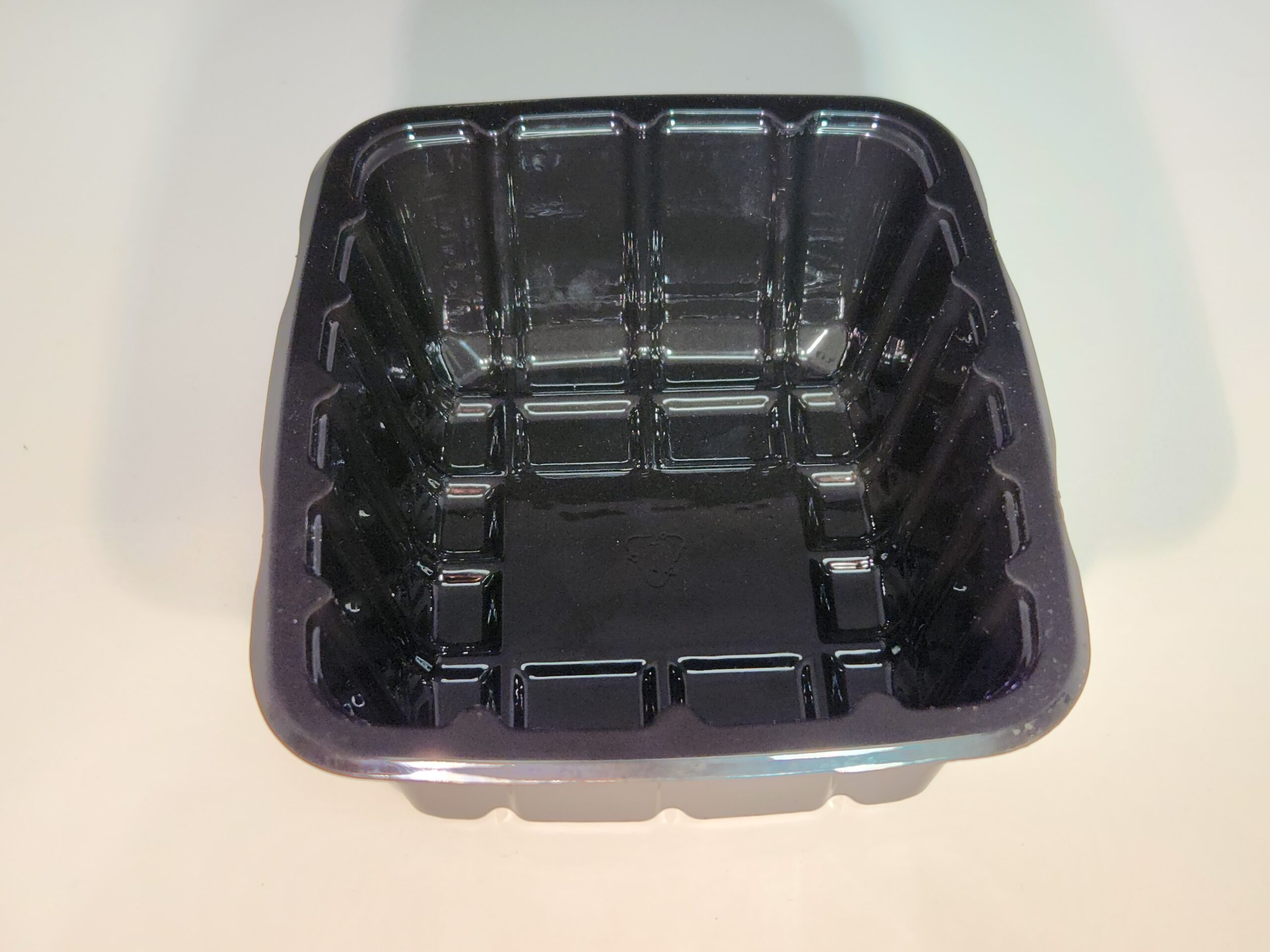
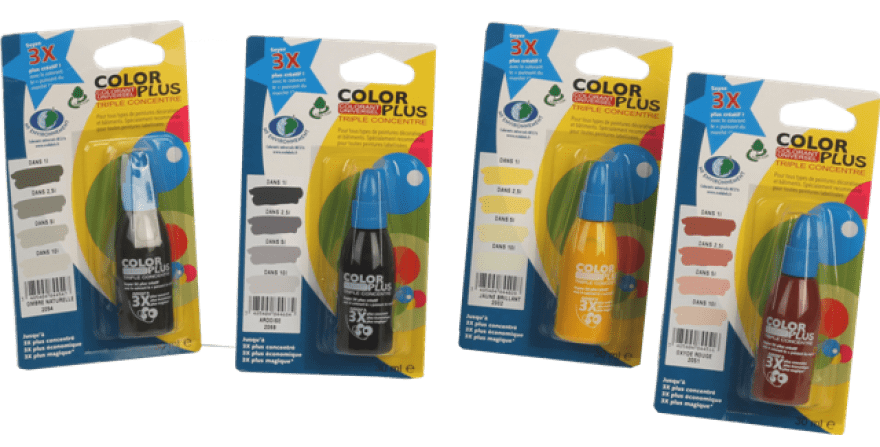
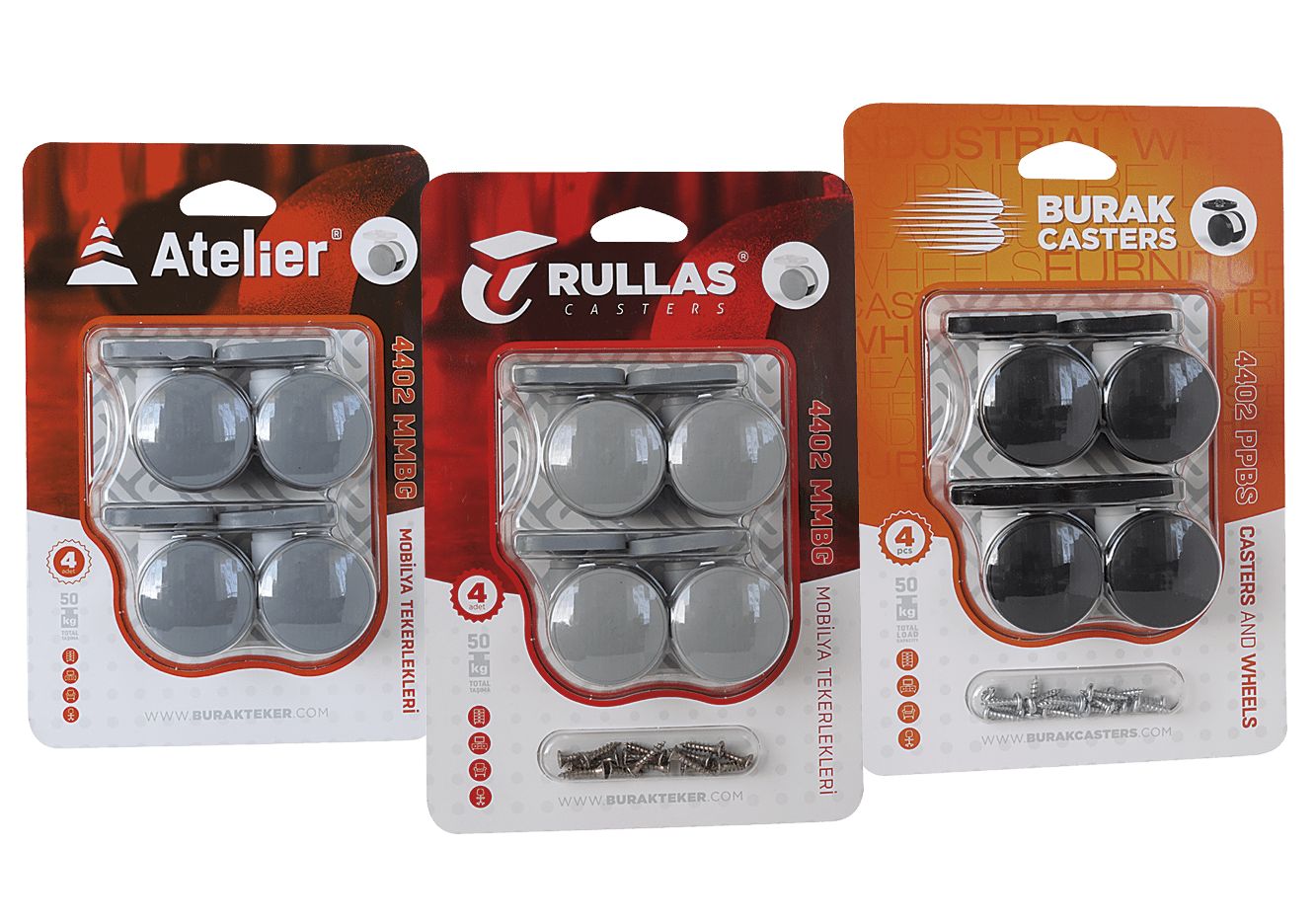
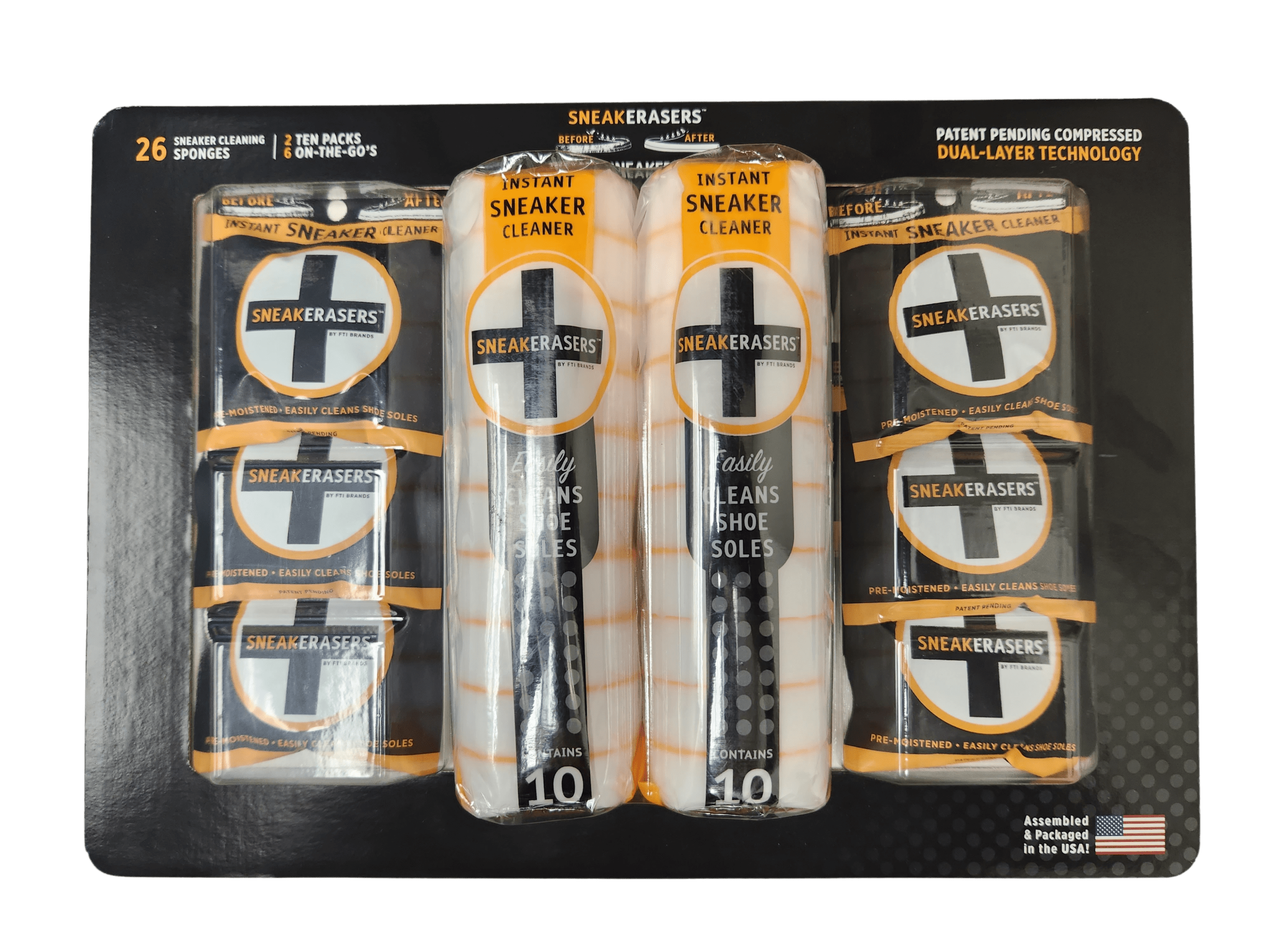
Effective packaging plays a crucial role in product presentation and protection across various industries. Among the many packaging options available, blister packaging stands out as a versatile and valuable choice. Blister packs find widespread use in sectors such as pharmaceuticals, electronics, toys, and consumer goods.
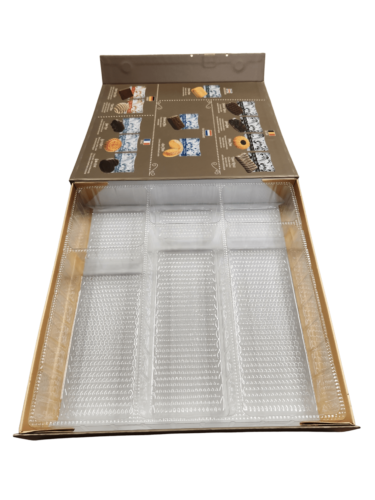
In this comprehensive guide, we’ll delve into the top 10 reasons why blister packaging should be a strong consideration for your product packaging needs.
Enhanced Product Visibility
Blister packaging excels in showcasing your product. Its transparent plastic shell offers a clear view of the item within. This visibility builds consumer trust and confidence as customers can precisely see the product they are purchasing, reducing the likelihood of misunderstandings or dissatisfaction.
Reliable Protection from Contamination
One of the primary advantages of blister packs is their superior protection against external contaminants. The sealed plastic shell encases the product securely, shielding it from dust, moisture, and handling. This ensures that your product remains clean and intact until it is opened by the end-user.
Tamper-Evident Features
Blister packaging can be designed to incorporate tamper-evident features, such as perforated edges or prominently printed warnings. These elements reassure customers that the product has not been tampered with, enhancing safety and trust in your brand.
Extensive Customization Options
Blister packs offer ample room for customization. You can tailor the packaging to precisely fit the shape and size of your product, allowing you to add branding elements, labels, or eye-catching graphics. This level of customization creates a unique and visually appealing presentation that sets your product apart.
Exceptional Durability
Blister packs are renowned for their durability. They can withstand the rigors of handling, transportation, and storage. The robust plastic shell resists tearing, ensuring that your products reach customers in excellent condition.
Cost-Effective Solution
Blister packaging is often a cost-effective choice, particularly for high-volume production. The efficiency of the packaging process and material options can help reduce overall packaging costs while maintaining quality.
Space Efficiency
Blister packs are space-efficient, making them ideal for retailers and businesses with limited shelf or storage space. The compact design allows for easy stacking and storage, optimizing space usage.
Sustainability Considerations
Blister packaging can be designed with sustainability in mind. Many blister pack materials are recyclable, contributing to eco-friendly packaging practices. By choosing sustainable options, you can reduce your environmental footprint and appeal to environmentally conscious consumers.
Shelf Life Extension
Blister packs can be designed to extend the shelf life of products that require protection from moisture, light, or oxygen. This is particularly crucial for industries such as pharmaceuticals and food, where product freshness and integrity are paramount.
Versatile Packaging Solution
Blister packaging’s versatility is one of its standout features. It is suitable for a wide range of products, spanning pharmaceuticals, cosmetics, small electronics, hardware, and more. Its adaptability and compatibility with diverse product types make it a popular choice across various industries.
Blister packaging offers a multitude of advantages, making it an attractive and versatile option for product packaging. Its transparency, contamination protection, tamper-evident features, customization possibilities, durability, cost-effectiveness, and space efficiency are some of the key reasons businesses opt for blister packaging. Additionally, blister packs can contribute to sustainability goals, extend product shelf life, and accommodate a wide array of products. Whether you operate in the pharmaceutical, electronics, or consumer goods industry, exploring the benefits of blister packaging can enhance your product’s appeal, protection, and marketability.
If you are interested in blister packaging, then partner with Brown Packaging today to get started.
In 2026, sustainability is no longer just a trend—it’s a buyer expectation. Forest Stewardship Council (FSC) certification has become a key benchmark for responsible packaging, signaling that materials are sourced
Sustainability is now a top priority for packaging buyers. Retailers, regulators, and consumers are all demanding packaging solutions that reduce environmental impact without sacrificing performance. In 2026, buyers must balance
Choosing the right packaging material is one of the most important decisions buyers face. Single-material packaging offers simplicity and recyclability, while multi-material designs provide enhanced performance and protection. Understanding the
One of the biggest challenges in sustainable packaging is balancing environmental responsibility with product protection. Buyers often worry that switching to eco-friendly materials means sacrificing durability or driving up costs.
Home » Top 10 Reasons to Consider Blister Packaging for Your Products

In the current competitive retail landscape, the packaging of a product plays an increasingly significant role in customer decision-making. Brands are progressively realizing the power of packaging as a communication tool. Among the many forms of packaging available, blister packs stand out as a popular choice for several reasons. They strike a balance between product visibility, protection, and cost-effectiveness, hence the growing demand across various industries. Defining Blister Packs: A Quick Overview Blister packs, also mistaken as clamshell packaging, are pre-formed plastic packaging solutions that seal the product against a cardboard backing or another plastic component. This type of packaging is widely used for small consumer goods, pharmaceuticals, and medical devices. Their design is purposefully transparent to showcase the product within, offering potential buyers a clear view of what they’re about to purchase. Increased Product Visibility: The Window to Purchase Decision Showcasing Product Quality One of the most significant advantages of blister packs is the transparency that allows customers to view the product directly. With the rise of informed consumers, the ‘see before you buy’ concept has never been more crucial. By providing an unobstructed view, blister packs instill confidence in the product, as consumers can verify the product’s condition and quality firsthand. Highlighting Product Features Through a blister pack’s clear plastic cover, brands have the opportunity to highlight the most critical product features. This visual promotion can be a game-changer, particularly for products with unique design elements or accessories that the company wants to emphasize. Deterring Product Tampering Product visibility also plays a vital role in preventing tampering. With blister packs, any signs of interference are easily recognizable, thus providing an additional layer of assurance to customers about the product’s integrity. Superior Product Protection: Ensuring Safety and Longevity Resistance to External Factors Blister packs provide superior protection against numerous external factors such as moisture, light, and temperature changes, making them suitable for products sensitive to such conditions, like pharmaceuticals and electronics. Enhancing Product Life Blister packs are designed to be tough and durable. The rigid plastic housing protects the product from mechanical damage during transport or in-store handling, thereby extending the product’s shelf life and ensuring it reaches the consumer in its best state. Improved Tamper Evident Packaging As previously mentioned, blister packs deter tampering. However, they also serve as excellent tamper-evident packaging. If the package is opened or damaged, it is immediately noticeable, allowing both the seller and the buyer to be assured of the product’s untouched condition. Balancing Cost-effectiveness and Environmental Concerns While the benefits of product visibility and protection are undeniable, it’s essential to highlight that blister packs are also cost-effective and can be designed with environmental concerns in mind. Economical Production and Versatility The production process for blister packs is relatively economical, making them an affordable option for many businesses. The versatility of blister packaging, fitting a wide range of products, also contributes to its cost-effectiveness. Eco-friendly Options In addition to traditional blister packs, some companies are now offering eco-friendly alternatives known as “trap packs.” Trap packs are designed with sustainability in mind, using recycled materials or materials that are easier to recycle. PET (Polyethylene Terephthalate) and RPET (Recycled Polyethylene Terephthalate) are commonly used due to their high recyclability. These eco-conscious trap packs provide the same level of visibility and protection while minimizing their environmental impact. Conclusion: The All-Round Packaging Solution Blister packs have proven their value in the world of product packaging. By boosting visibility and offering superior protection, these packs are instrumental in driving purchase decisions while ensuring products reach consumers in optimal condition. As eco-friendly options like trap packs become more widely available, blister packs are positioned to remain a popular choice for packaging needs in the foreseeable future. If you are interested in blister packs, then partner with Brown Packaging today to get started. (714)300-0650 request@brownpackaging.com Most Recent Posts: Categories: Corrugated Ecommerce ESD Design Display Flexible Packaging Foam Folding Carton Packaging Plastic Packaging Pouch Printing Protection Retail Rigid Box Thermoform Sustainability Subscribe To Our Newsletter By submitting your information, you agree to our terms and conditions and privacy policy. Blister Packaging Facebook Twitter LinkedIn Pinterest Relevant Posts

Poly bags are a staple in the packaging industry, offering a lightweight, cost-effective, and versatile solution for packaging various products, from food and consumer goods to medical supplies and industrial materials. The two most common materials used in poly bag manufacturing are polyethylene (PE) and polypropylene (PP), each with distinct properties that influence their performance, strength, and clarity. Understanding the differences between these materials is crucial for selecting the right bag for your application. Polyethylene (PE) Bags Polyethylene bags are made from the polymerization of ethylene gas, forming flexible plastic materials available in different densities—high-density (HDPE), low-density (LDPE), linear low-density (LLDPE), and medium-density (MDPE)—each with varying levels of strength, clarity, and durability. High-Density Polyethylene (HDPE): Known for its superior strength and puncture resistance, HDPE is ideal for heavy-duty applications, such as bulk food storage, industrial packaging, and carrying sharp or irregular-shaped items like fertilizers, sand, or mulch. These bags are rigid, moisture-resistant, and commonly used in shopping bags and take-out packaging. Low-Density Polyethylene (LDPE): More flexible and clearer than HDPE, LDPE bags are widely used for lightweight products like bread, candies, snacks, and small consumer goods. While they offer high clarity and softness, they lack the durability required for heavy or sharp-edged products. Linear Low-Density Polyethylene (LLDPE): Offering a balance between strength and flexibility, LLDPE is commonly used in food-grade packaging, grocery bags, and lawn care products due to its chemical resistance and contamination-free properties. Medium-Density Polyethylene (MDPE): Positioned between HDPE and LDPE in terms of flexibility and strength, MDPE bags provide a well-rounded option for cosmetics, food packaging, electronics, and retail applications. Polypropylene (PP) Bags Polypropylene bags are made from the polymerization of propylene, resulting in a rigid, high-clarity material that excels in moisture resistance, chemical protection, and heat resistance. These bags are widely used in applications where product visibility and contamination prevention are critical. Applications: PP bags are commonly used in medical, food, beauty, and electronics packaging, as they provide superior clarity for product display and ensure protection against moisture, debris, and bacteria. Their resistance to high temperatures also makes them ideal for outdoor packaging and sterilized environments. Advantages Over Polyethylene: PP bags do not absorb moisture, are more resistant to tearing, and have a crisper structure, making them suitable for premium product presentation. Which Poly Bag Should You Choose? The decision between polyethylene and polypropylene largely depends on your packaging requirements: For strength and durability → Choose HDPE or LLDPE for heavy, industrial, or bulk items. For flexibility and affordability → Choose LDPE or MDPE for lightweight products. For high clarity and contamination resistance → Choose Polypropylene (PP) for food, medical, or electronics packaging. Brown Packaging offers a wide selection of custom and stock poly bags to suit your needs. Contact us today to discuss the best solution for your packaging application! (714)300-0650 request@brownpackaging.com Most Recent Posts: Categories: Corrugated Folding Carton Display Packaging Rigid Box Subscribe To Our Newsletter By submitting your information, you agree to our terms and conditions and privacy policy. Poly Bags Facebook Twitter LinkedIn Pinterest Relevant Posts

Storage is an essential aspect of our daily lives, be it for personal use or in the professional sector. The need for effective and efficient storage has led to the development of various storage solutions. In this blog, we will delve deep into a comparison between corrugated bin boxes and one of the most popular storage alternatives – plastic bins. Our primary focus will be on durability and lifespan. What are Corrugated Bin Boxes? Corrugated bin boxes are made from corrugated cardboard. They are commonly used in warehouses, offices, and retail settings for sorting and storing small items. The design is simple: a rectangular open-top box that can be easily labeled and stacked. The primary material – corrugated cardboard – comprises fluted or arched layers sandwiched between two linerboards, which provides strength and rigidity. What are Plastic Bins? Plastic bins are storage containers made of different types of plastic materials. They come in a myriad of sizes, colors, and designs, ranging from small organizational bins to large tote containers. Their use spans from households to industrial settings, with special designs like stackable or lidded options available based on needs. Durability: Plastic Bins vs. Corrugated Bin Boxes Plastic Bins Strength: Plastic bins are generally stronger and more resilient than corrugated bin boxes. They can handle rougher treatment, such as being tossed around or holding heavier items. Weather Resistance: Plastic bins offer better protection against moisture, humidity, and other environmental factors. They can be used in settings where corrugated bin boxes might deteriorate quickly, such as damp basements or outdoor storage. Wear and Tear: Plastic is resistant to tearing, denting, and breaking, making plastic bins more durable in environments with frequent handling or movement. Corrugated Bin Boxes Strength: While corrugated bin boxes provide reasonable strength due to their fluted structure, they are not as robust as plastic bins. They are best suited for lighter items and gentler handling. Weather Resistance: Corrugated boxes are susceptible to moisture and can degrade if exposed to water or high humidity for extended periods. Wear and Tear: Over time, corrugated boxes may start to wear out, especially at the edges or corners. They are also more prone to tearing if mishandled. Lifespan: Plastic Bins vs. Corrugated Bin Boxes Plastic Bins: The lifespan of plastic bins can range from several years to decades, depending on the quality of the plastic and the conditions in which they’re used. High-quality, heavy-duty plastic bins can last a very long time, especially if they’re not exposed to direct sunlight (which can degrade certain plastics) or extreme temperatures. Corrugated Bin Boxes: The lifespan of a corrugated bin box is generally shorter than that of a plastic bin. Under optimal conditions, they can last several years. However, frequent use, exposure to moisture, or heavy contents can significantly shorten their life. They are often considered a more temporary or recyclable solution compared to plastic bins. Conclusion Both plastic bins and corrugated bin boxes offer unique advantages. The choice between the two will largely depend on your specific needs. If you require a more durable, long-lasting, and weather-resistant solution, plastic bins are the way to go. On the other hand, if you are looking for a more eco-friendly, recyclable, or temporary storage solution, corrugated bin boxes might be the better choice. Regardless of the option you select, always consider the storage environment, the items you’re storing, and the frequency of use to make the most informed decision. If you are interested in corrugated bin boxes, then partner with Brown Packaging today to get started. (714)300-0650 request@brownpackaging.com Most Recent Posts: Categories: Corrugated Ecommerce ESD Design Display Flexible Packaging Foam Folding Carton Packaging Plastic Packaging Pouch Printing Protection Retail Rigid Box Thermoform Sustainability Subscribe To Our Newsletter By submitting your information, you agree to our terms and conditions and privacy policy. Bin Boxes Facebook Twitter LinkedIn Pinterest Relevant Posts