
Home » Mailing Tubes and Order Minimums in Packaging
Mailing Tubes and Order Minimums in Packaging
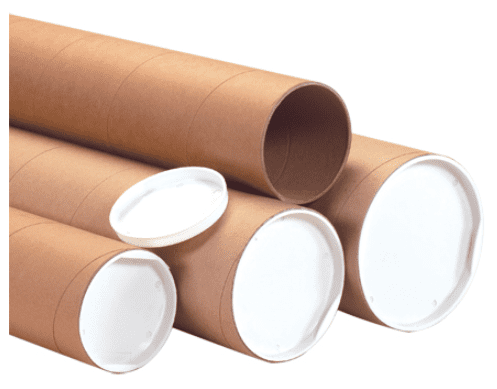
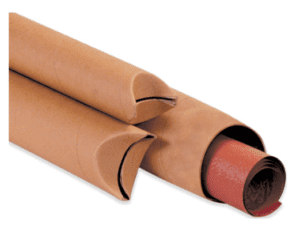
Mailing tubes are a popular choice for safely shipping and storing various items, such as posters, blueprints, and documents. While these tubes offer excellent protection and convenience, understanding order minimums in packaging is equally important, especially for businesses looking to source mailing tubes efficiently. In this comprehensive guide, we will explore mailing tubes, their advantages, and how order minimums can impact your packaging decisions.
The Advantages of Mailing Tubes
Before delving into order minimums, let’s examine why mailing tubes are favored for packaging:
- Protection: Mailing tubes provide a secure and protective enclosure for rolled or cylindrical items, preventing damage during transit.
- Versatility: They come in various lengths and diameters, making them suitable for a wide range of products, from artwork to blueprints.
- Convenience: Mailing tubes are easy to use, requiring minimal assembly and offering a hassle-free packing experience.
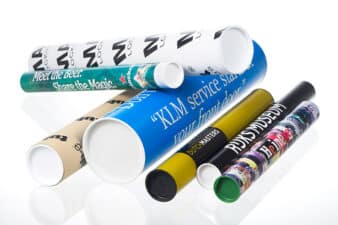
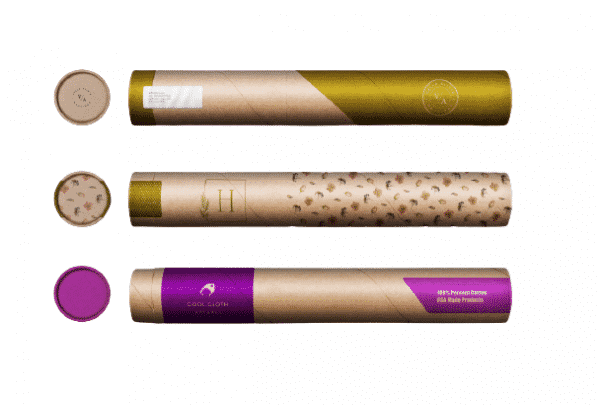
- Brand Presentation: They allow for branding and labeling, helping businesses convey their identity and professionalism.
Now, let’s explore the concept of order minimums:
Understanding Order Minimums
In the world of packaging, order minimums refer to the minimum quantity of a specific packaging product that a supplier requires you to purchase in a single order. These minimums can vary significantly among suppliers and depend on factors such as the type of packaging, size, and customization options.
Factors Impacting Order Minimums for Mailing Tubes
Several factors can influence the order minimums for mailing tubes:
- Size and Dimensions: Larger or custom-sized tubes may have higher minimum order quantities due to their specialized production requirements.
- Material and Customization: Tubes made from unique materials or with custom printing, branding, or finishes may have specific minimums.
- Supplier Policies: Each packaging supplier may have its own policies regarding minimum orders. Some suppliers cater to small businesses with lower minimums, while others primarily serve larger enterprises.
- Volume Discounts: Suppliers often offer volume discounts, encouraging customers to order larger quantities by reducing the cost per unit.
Determining the Right Order Quantity
When deciding on the order quantity for mailing tubes, consider the following factors:
- Usage Frequency: Assess how frequently you use mailing tubes in your packaging operations. Ordering in larger quantities may be cost-effective if you use them regularly.
- Storage Space: Consider your available storage space for bulk orders. Ensure you have adequate space to store the tubes without overcrowding your facility.
- Budget Constraints: Evaluate your budget and cash flow. Ordering larger quantities may require a more substantial upfront investment, so ensure it aligns with your financial capabilities.
- Supplier Relationships: Establish a relationship with a packaging supplier who understands your needs and offers flexible order minimums that match your requirements.
- Lead Times: Take into account the lead times required for manufacturing and delivery. Ordering larger quantities may allow you to reduce order frequency.
Custom Mailing Tubes and Order Minimums
If you require custom mailing tubes with unique dimensions, branding, or printing, be prepared for potentially higher order minimums. Customization often involves specialized production processes and setup costs that can impact minimum quantity requirements.
Conclusion
Mailing tubes are a valuable packaging solution for various industries and products. Understanding order minimums and their impact on your packaging decisions is crucial for efficient sourcing and cost-effective operations. By carefully assessing your usage needs, budget, and supplier options, you can strike the right balance between order quantities and packaging requirements. Establishing a reliable supplier relationship that aligns with your business goals is key to optimizing your mailing tube procurement strategy.
If you are interested in a large volume of mailing tubes, then partner with Brown Packaging today to get started.
In 2026, sustainability is no longer just a trend—it’s a buyer expectation. Forest Stewardship Council (FSC) certification has become a key benchmark for responsible packaging, signaling that materials are sourced
Sustainability is now a top priority for packaging buyers. Retailers, regulators, and consumers are all demanding packaging solutions that reduce environmental impact without sacrificing performance. In 2026, buyers must balance
Choosing the right packaging material is one of the most important decisions buyers face. Single-material packaging offers simplicity and recyclability, while multi-material designs provide enhanced performance and protection. Understanding the
One of the biggest challenges in sustainable packaging is balancing environmental responsibility with product protection. Buyers often worry that switching to eco-friendly materials means sacrificing durability or driving up costs.
Home » Mailing Tubes and Order Minimums in Packaging

Holiday e-commerce volumes push packaging to its limits. Trailers are overfilled, handling is rushed, and parcels endure more drops and vibration than usual. Without proper testing, even well-designed packaging may fail under peak season conditions, leading to damage, costly returns, and dissatisfied customers. Why Peak Season Testing Is Critical Higher stacking pressures: Boxes face extreme compression in full trailers. More frequent handling: Extra scans and transfers increase drop risk. Transit vibrations: Long-haul shipping amplifies mechanical stress. Environmental extremes: Moisture and temperature swings impact materials. Peak conditions require packaging that goes beyond normal performance thresholds. Types of Packaging Tests for Peak Season Compression testing: Measures stacking strength of corrugated boxes. Drop testing: Simulates impacts during warehouse and carrier handling. Vibration testing: Evaluates product protection in long-haul transit. Edge crush test (ECT): Determines box wall strength against vertical pressure. Moisture testing: Assesses packaging durability in variable climates. Balancing Cost and Testing Rigor Not every SKU requires the same testing intensity. Packaging buyers should prioritize: High-value or fragile products. Items with past return/damage history. Heavy SKUs prone to crushing or shifting. Subscription or seasonal kits with multiple components. Testing can be scaled to focus on products where risk is highest. Holiday Packaging and Supply Chain Alignment Testing should be tied directly to peak-season logistics strategies. Packaging must: Meet retailer compliance standards. Withstand real-world shipping simulations. Be validated before production ramps for holiday campaigns. Holiday Packaging Solutions with Brown Packaging Brown Packaging helps brands test and validate packaging for peak season. Using industry-standard methods, we ensure designs hold up against compression, vibration, and environmental stress during high-volume shipping. Contact us to safeguard your holiday packaging. References ASTM International. (2023). ASTM D4169: Standard Practice for Performance Testing of Shipping Containers and Systems.International Safe Transit Association (ISTA). (2022). ISTA Test Procedures for Packaged Products in Transit.Soroka, W. (2009). Fundamentals of Packaging Technology (4th ed.). Institute of Packaging Professionals. (714)300-0650 request@brownpackaging.com Most Recent Posts: Categories: Corrugated Ecommerce ESD Design Display Flexible Packaging Foam Folding Carton Packaging Plastic Packaging Pouch Printing Protection Retail Rigid Box Thermoform Sustainability Subscribe To Our Newsletter By submitting your information, you agree to our terms and conditions and privacy policy. Custom Packaging Facebook Twitter LinkedIn Pinterest Relevant Posts

Packaging plays a crucial role in safeguarding products from various hazards that can compromise their quality, safety, and integrity. From the manufacturing floor to the store shelves and throughout the supply chain, products face several risks that can damage or spoil them if not properly addressed. In this blog, we will explore 6 of the biggest hazards to packaging and how to mitigate them effectively. Incorporate Promotional Inserts Utilize Product Recommendations Highlight Subscription or Loyalty Programs Offer Limited-Time Promotions Include Sample Products Use Packaging as a Brand Ambassador Incorporate Promotional Inserts One of the most direct and cost-effective ways to encourage repeat purchases is by including promotional inserts in your packaging. These can be anything from discount coupons to flyers advertising complementary products or upcoming sales. A thoughtfully placed insert that offers a discount on the customer’s next purchase not only drives them back to your site but also makes them more likely to try other products in your catalog. For example, if a customer purchases skincare products, you could include a flyer promoting your body care line. Cross-selling through inserts introduces customers to items they may not have considered, increasing your average order value over time. Utilize Product Recommendations Using packaging inserts to make personalized product recommendations based on a customer’s past purchases is another effective strategy. You can include suggestions for related items or new arrivals that complement what they have already bought. These recommendations make it easier for customers to discover additional products and feel as though the packaging experience was tailored to them. You can take inspiration from digital giants like Amazon, which have mastered the art of “customers who bought this also bought…” recommendations. By bringing this technique into your e-commerce packaging, you ensure a seamless cross-selling experience. Highlight Subscription or Loyalty Programs Your packaging is an ideal platform to promote loyalty programs or subscription services. By using a small card or an insert, you can introduce customers to the benefits of joining your loyalty program, such as earning points for each purchase or getting access to exclusive offers. Similarly, promoting a subscription service for consumable products like coffee, skincare, or supplements can turn occasional buyers into long-term, repeat customers. Make the enrollment process simple by including a QR code or a link that customers can easily access through their phones. Offer Limited-Time Promotions Create urgency by offering time-sensitive promotions that are delivered right inside the packaging. A card stating “15% off your next order, valid for 30 days” encourages customers to make another purchase before the offer expires. By limiting the timeframe, you incentivize them to take immediate action, which can lead to increased repeat sales. Include Sample Products Another great way to drive cross-selling is to include free samples of other products that may complement the customer’s purchase. If they buy haircare products, for example, include a sample of your latest skincare item. This allows customers to try something new without committing to a purchase, increasing the likelihood they will come back to buy it later if they like the sample. Samples serve as a low-risk method for customers to explore new products and can create excitement around future purchases. Use Packaging as a Brand Ambassador Don’t underestimate the power of well-branded packaging to reinforce your company’s message and encourage repeat business. Strong, cohesive branding across your packaging helps create a memorable unboxing experience. Adding your brand’s logo, tagline, and website URL makes it easy for customers to know where to go when they want to reorder or browse your latest products. Make sure your packaging delivers a consistent brand message, turning it into a brand ambassador that works even after the initial purchase is completed. Conclusion E-commerce packaging offers significant opportunities to promote cross-selling and repeat purchases. By incorporating thoughtful inserts, offering limited-time promotions, highlighting loyalty programs, and including samples, you can turn each package into a marketing tool that encourages ongoing engagement with your brand. Leveraging packaging in this way not only enhances the customer experience but also drives growth by turning one-time buyers into long-term, loyal customers. If you’re interested in ecommerce packaging, then partner with Brown Packaging today to get started. (714)300-0650 request@brownpackaging.com Most Recent Posts: Categories: Corrugated Ecommerce ESD Design Display Flexible Packaging Foam Folding Carton Packaging Plastic Packaging Pouch Printing Protection Retail Rigid Box Thermoform Sustainability Subscribe To Our Newsletter By submitting your information, you agree to our terms and conditions and privacy policy. Ecommerce Packaging Facebook Twitter LinkedIn Pinterest Relevant Posts

In the world of ecommerce, packaging plays a crucial role in ensuring that products reach customers in perfect condition while also reflecting the brand’s image and values. Among the various packaging options available, corrugated and poly mailers are two popular choices. Each option has its own set of advantages and considerations, making the decision between them an important one for any ecommerce business. In this blog post, we’ll delve into the details of corrugated and poly mailers to help you make an informed choice for your ecommerce packaging needs. Corrugated Mailers Advantages: Protection and Durability: Corrugated mailers, often made from sturdy corrugated cardboard, offer exceptional protection to fragile items. The multi-layered structure of corrugated material provides cushioning and absorbs shocks during transit, minimizing the risk of damage. Customization: Corrugated mailers can be easily customized to fit your brand’s identity. They can be printed with high-quality graphics, logos, and branding elements, enhancing your brand recognition and creating a memorable unboxing experience for customers. Versatility: These mailers come in various sizes and shapes, making them suitable for a wide range of products. Additionally, they can be used for products of different weights without compromising on protection. Eco-Friendly Options: Many consumers appreciate sustainable packaging choices. Corrugated mailers can be sourced from recycled materials and are biodegradable, aligning with environmentally conscious values. Considerations: Weight and Shipping Costs: Corrugated mailers are heavier than poly mailers, which can result in higher shipping costs, especially for businesses shipping products in bulk or internationally. Storage Space: Due to their rigid structure, corrugated mailers might require more storage space compared to flat-folded poly mailers. Poly Mailers Advantages: Lightweight: Poly mailers are made from thin, lightweight plastic materials, which can help reduce shipping costs, particularly for businesses that ship large quantities. Water-Resistant: Poly mailers provide a level of water resistance, protecting products from minor exposure to moisture during transit. This feature is particularly useful for products that are not inherently waterproof. Flexibility: Poly mailers are flexible and take up less storage space compared to corrugated mailers. They can be stored flat and easily folded when needed. Tear-Resistant: These mailers are designed to resist tears and punctures, providing an extra layer of protection against potential damage. Considerations: Limited Cushioning: While poly mailers offer some level of protection, they may not be suitable for very delicate or fragile items without additional cushioning. Branding Limitations: While poly mailers can be printed on, the printing quality might not be as high as what’s achievable on corrugated mailers. Environmental Impact: Poly mailers are often made from plastic materials that are not biodegradable. This can be a concern for environmentally conscious customers. Choosing the Right Option Ultimately, the choice between corrugated and poly mailers depends on the nature of your products, your brand image, and your budget considerations. If your priority is to provide maximum protection for fragile items and to create a strong branding impression, corrugated mailers might be the way to go. On the other hand, if cost efficiency, lightweight packaging, and flexibility are more important for your business, poly mailers could be the better choice. Remember, you can also explore hybrid options. For instance, some businesses use corrugated mailers for fragile items and poly mailers for less delicate products, striking a balance between protection and cost-effectiveness. In the end, the ideal packaging solution considers both the practical aspects of safe product transit and the emotional aspects of customer experience. Whichever option you choose, make sure it aligns with your brand’s values and meets your customers’ expectations. If you are interested in ecommerce packaging solutions, then partner with Brown Packaging today to get started. (714)300-0650 request@brownpackaging.com Most Recent Posts: Categories: Corrugated Ecommerce ESD Design Flexible Packaging Foam Folding Carton Packaging Plastic Packaging Pouch Retail Sustainability Subscribe To Our Newsletter By submitting your information, you agree to our terms and conditions and privacy policy. Ecommerce Packaging Facebook Twitter LinkedIn Pinterest Relevant Posts