



window.uetq = window.uetq || []; window.uetq.push(‘event’, ‘submit_lead_form’,{ event_label:‘SUBMIT MESSAGE’ }); window.lintrk('track', { conversion_id: 10271009 }); window.lintrk('track', { conversion_id: 10271017 });

The Shift to U.S. Corrugated Packaging Suppliers

Why More Brands Are Choosing U.S. Corrugated Box Suppliers Oversea Manufacturers

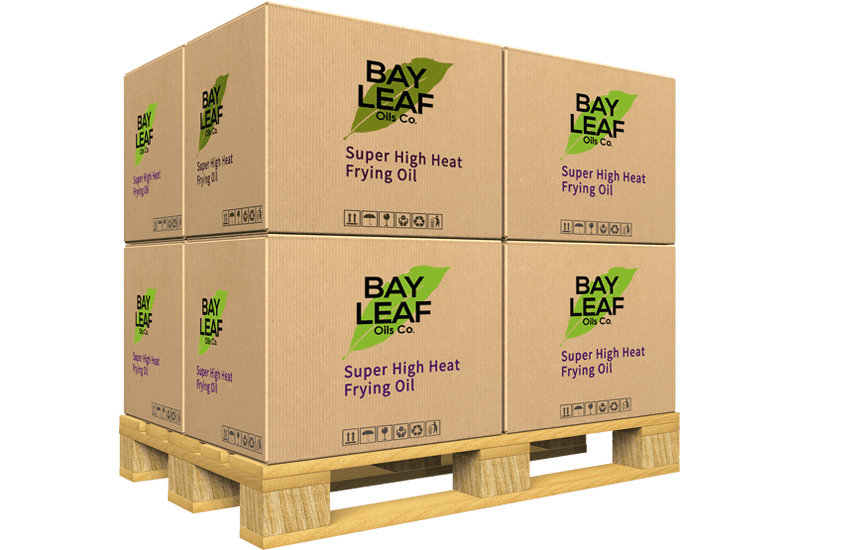
With rising tariffs, unpredictable freight costs, and ongoing supply chain delays, more companies are pulling away from overseas packaging and turning to U.S.-based corrugated box suppliers. While international sourcing once offered significant cost savings, the current landscape has shifted. Now, domestic packaging solutions offer more control, faster turnaround, and better long-term value.

Here’s why this shift is happening—and what buyers need to consider.

Tariffs Are Raising Costs

The return of tariffs on oversea goods has significantly increased the true cost of sourcing corrugated boxes overseas. What used to be a budget-friendly option is now burdened by duties, customs fees, and higher overall import costs—often eliminating any price advantage.

cost of tariffs on packaging

Global Shipping Is Still Unstable

Ocean freight remains volatile, with container costs, port delays, and extended lead times continuing to disrupt planning. Brands relying on overseas box production often face 8–12 week lead times—while U.S. suppliers can typically deliver in 2–4 weeks or less.

Shipping delays

Faster Turnarounds for Retail and E-Commerce

In today’s fast-moving market, speed matters. Whether you’re launching new products, fulfilling flash sales, or restocking inventory, long overseas timelines are a major risk. Domestic suppliers offer more responsive service, making it easier to adjust forecasts and scale with demand.

Handling Holiday Returns with Return-Friendly E-Commerce Packaging

Better Communication and Quality Control

Working with local vendors means easier collaboration, fewer miscommunications, and the ability to address issues quickly. You’re in the same time zone, speaking the same language, and often dealing with someone who knows your business directly.

10 Essential Questions You Should Ask Your Packaging Supplier

Retailers Prefer “Made in USA” Packaging

Many retailers are encouraging (or outright requiring) U.S.-sourced packaging to support local economies and simplify logistics. Having a U.S.-made corrugated box can be a selling point, especially in food, cosmetics, or wellness categories where transparency matters.

Sustainability and Local Sourcing Go Hand in Hand

Brands committed to sustainability are realizing that local packaging = lower carbon footprint. Domestic sourcing means less transportation, less fuel usage, and often better access to recyclable or responsibly sourced materials.

How to Optimize Your Packaging in Delivery Trucks Using CAPE Software

Final Thoughts

What once made sense from a cost standpoint may no longer hold up under today’s market pressure. Tariffs, delays, and uncertainty have led many brands to move their printed corrugated box sourcing back to the U.S.—gaining speed, control, and stability in return.

Looking to bring your packaging supply chain closer to home?
We can help you transition smoothly and build a custom corrugated box solution that works for your business.

Most Recent Posts:
Retail Packaging Trends for 2026

Retail packaging continues to evolve as brands balance sustainability, supply chain performance, and consumer experience. In 2026, buyers face new challenges shaped by material innovation, compliance requirements, and rising consumer

Read More »
Categories:
Subscribe To Our Newsletter

By submitting your information, you agree to our terms and conditions and privacy policy.

Custom Packaging
Facebook
Twitter
LinkedIn
Pinterest
Relevant Posts
corrugated pallet display
Display
brownpackaging
POP Displays in Club Store Environments

Club stores such as Costco, Sam’s Club, and BJ’s Wholesale represent unique opportunities for brands. These high-traffic environments demand large-format point-of-purchase (POP) displays that deliver maximum visual impact while meeting strict retailer specifications. A successful club store display must balance branding, strength, and compliance to protect margins and attract attention in busy aisles. Unique Challenges of Club Store Displays Unlike standard retail, club stores have wider aisles, bulk packaging, and larger average purchase volumes. POP displays must adapt to: High visibility demands: Displays must stand out from a distance. Heavy product loads: Larger packs and bulk SKUs require stronger structures. Extended campaigns: Displays often stay on floors for weeks or months. Strict compliance standards: Club stores enforce precise guidelines for footprint, height, and pallet integration. Structural Design Requirements Club store POP displays often sit directly on pallets, making strength and stability critical. Engineering considerations include: Pallet fit: Displays must align with 40×48 pallets for handling and stacking. Load capacity: Designs must withstand heavy unit loads without sagging. Durability: Reinforced edges and coatings resist wear over extended campaigns. Ease of setup: Displays should arrive pre-packed or require minimal assembly. Graphics for Club Store Impact Graphics in club stores need to be bold and easily legible from a distance. Subtlety is lost in large-format retail environments. Oversized branding: Large logos and product imagery capture attention. Simple messaging: Short, benefit-driven text is more effective than detail-heavy designs. 360-degree visibility: Graphics should appear on all sides for maximum exposure. Best Practices for Club Store POP Displays Design for pallet integration and warehouse handling. Use double- or triple-wall corrugated for strength when needed. Apply protective coatings to extend floor life. Coordinate with graphics teams to simplify high-visibility messaging. Club Store Display Solutions with Brown Packaging Brown Packaging engineers POP displays designed to meet club store demands. From pallet-ready bulk displays to reinforced seasonal promotions, we balance branding with compliance to ensure success in high-traffic environments. Contact us to discuss club store display solutions. References Shop! Association. (2021). Best Practices for In-Store Marketing and POP Displays. Retrieved from https://www.shopassociation.orgSoroka, W. (2009). Fundamentals of Packaging Technology (4th ed.). Institute of Packaging Professionals.Costco Wholesale. (2023). Merchandising Guidelines for Vendors. (714)300-0650 request@brownpackaging.com Most Recent Posts: Categories: Corrugated Ecommerce ESD Design Display Flexible Packaging Foam Folding Carton Packaging Plastic Packaging Pouch Printing Protection Retail Rigid Box Thermoform Sustainability Subscribe To Our Newsletter By submitting your information, you agree to our terms and conditions and privacy policy. POP Display Facebook Twitter LinkedIn Pinterest Relevant Posts

Read More »
POP Display Dump Bin
Display
brownpackaging
What are POP Display Dump Bins?

Point of Purchase (POP) displays are a crucial element in the world of retail marketing. They play a significant role in catching the eye of shoppers and encouraging impulse purchases. One specific type of POP display that’s widely used is the “Dump Bin.” In this blog, we will delve into what POP display dump bins are, their benefits, how they work, and why they are essential for retailers and brands alike. What are POP Display Dump Bins? Definition and Purpose POP display dump bins, often simply referred to as “dump bins,” are open-top containers or bins used in retail environments to display a variety of products. These bins are strategically placed throughout the store, typically near checkout counters, entrances, or high-traffic areas, to capture shoppers’ attention and promote spontaneous buying decisions. Construction and Design Dump bins come in various shapes, sizes, and materials, but they share a few common features. They are open at the top, allowing easy access to products, and they often have slanted sides for better visibility. Dump bins can be made from cardboard, plastic, wire, or even wood, depending on the retailer’s branding and the intended use. How Do Dump Bins Work? Product Placement Retailers carefully select the products they want to promote using dump bins. These products are typically smaller or lower-priced items that are ideal for impulse purchases, such as candies, small toys, or seasonal items. Strategic Placement Dump bins are strategically placed at key locations within the store. For example, near the checkout counter, customers waiting in line are more likely to make additional purchases when they see enticing items in the bin. Visual Appeal Dump bins are designed to be eye-catching. The open, inviting design allows shoppers to see the products easily. Retailers often use colorful signage, branding, and graphics to draw attention to the bin. Accessibility Dump bins are designed for convenience. Shoppers can easily reach in and grab the products they desire without the need for a shopping cart or basket. This accessibility encourages quick, spontaneous purchases. Benefits of Using Dump Bins Increased Sales Dump bins can significantly boost sales, especially for impulse-driven products. Customers who may not have originally intended to purchase these items are more likely to do so when they see them prominently displayed. Enhanced Brand Visibility Dump bins offer an excellent opportunity for brand exposure. Retailers can use these bins to showcase their branding, logos, and taglines, reinforcing their presence in the customer’s mind. Efficient Inventory Management Dump bins can help retailers move excess inventory or promote seasonal items effectively. They create a designated space for these products, preventing them from cluttering the store shelves. Customer Engagement Dump bins engage customers on a sensory level. Shoppers can touch, pick up, and examine the products in a hands-on manner, which can lead to a stronger connection with the brand. Why are Dump Bins Essential? Adaptability Dump bins are versatile and can be used across various industries and retail settings, from grocery stores to clothing boutiques. Their adaptability makes them a valuable tool for marketers. Cost-Effective Dump bins are a cost-effective way to increase sales and brand visibility without significant investments in store redesign or advertising campaigns. Encourage Impulse Buying In the world of retail, impulse purchases can make a significant impact on a business’s bottom line. Dump bins are designed to tap into this consumer behavior effectively. Enhanced Shopping Experience By providing customers with an enjoyable and interactive shopping experience, dump bins contribute to overall customer satisfaction and loyalty. If you are interested in POP display dump bins, then partner with Brown Packaging today to get started. (714)300-0650 request@brownpackaging.com Most Recent Posts: Categories: Corrugated Ecommerce ESD Design Display Flexible Packaging Foam Folding Carton Packaging Plastic Packaging Pouch Printing Protection Retail Rigid Box Thermoform Sustainability Subscribe To Our Newsletter By submitting your information, you agree to our terms and conditions and privacy policy. POP Displays Facebook Twitter LinkedIn Pinterest Relevant Posts

Read More »
POP sidekick display
Display
brownpackaging
Balancing Shelf Presence and Shipping Efficiency in POP Displays

POP display design must serve two masters — maximizing visual impact in-store while minimizing logistics costs. Engineering the right balance between display footprint, assembly complexity, and shipping volume is critical to meeting retailer requirements and protecting margins. Knock-Down vs. Fully Assembled Designs Knock-Down (KDF) Displays: Pros: Reduced shipping volume, lower freight costs, easier warehousing. Cons: Requires assembly labor at store level, potential for setup errors. Fully Assembled Displays: Pros: Guaranteed presentation quality, faster deployment. Cons: Higher dimensional freight costs, risk of damage in transit. Freight Optimization Factors Cube Utilization: Designing displays to fit standard pallet footprints (40×48 inches) and trailer heights improves load efficiency. Dimensional Weight (DIM): Carriers charge based on the higher of actual or volumetric weight; bulky but light displays can be costly to ship. Palletization Patterns: Consistent stacking reduces shifting and improves load stability. Structural Engineering Considerations Flat-Pack Engineering: Modular components with interlocking tabs reduce the need for fasteners. Material Selection: Lighter substrates reduce freight weight but must still meet load-bearing requirements. Protective Packaging: Corner protectors and slip sheets prevent in-transit abrasion. Shelf Presence Strategies Without Bulk Tiered Merchandising: Maximizes SKU visibility without increasing footprint. Bold Header Cards: Achieves eye-level engagement without adding weight. Interchangeable Graphic Panels: Allows seasonal refresh without replacing the structural base. Testing and Compliance ISTA 3E: Simulates unitized load handling for large-format displays. Retailer Compliance Manuals: Many major retailers specify maximum dimensions, palletization methods, and setup time allowances. References International Safe Transit Association. (2018). ISTA 3E: Packaged-products for unitized loads. ISTA. https://ista.orgWalmart. (2024). Retail link supplier compliance guidelines. Walmart Inc. https://www.walmart.com/suppliersTarget. (2024). Target merchandising display guidelines. Target Brands, Inc. https://corporate.target.com (714)300-0650 request@brownpackaging.com Most Recent Posts: Categories: Corrugated Ecommerce ESD Design Display Flexible Packaging Foam Folding Carton Packaging Plastic Packaging Pouch Printing Protection Retail Rigid Box Thermoform Sustainability Subscribe To Our Newsletter By submitting your information, you agree to our terms and conditions and privacy policy. Custom POP Display Facebook Twitter LinkedIn Pinterest Relevant Posts

Read More »