
Home » Straight Tuck End (STE) Folding Cartons: A Comprehensive Guide
Straight Tuck End (STE) Folding Cartons: A Comprehensive Guide
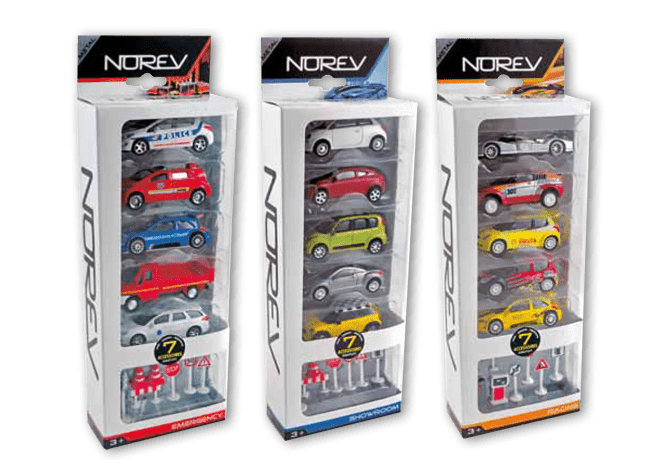
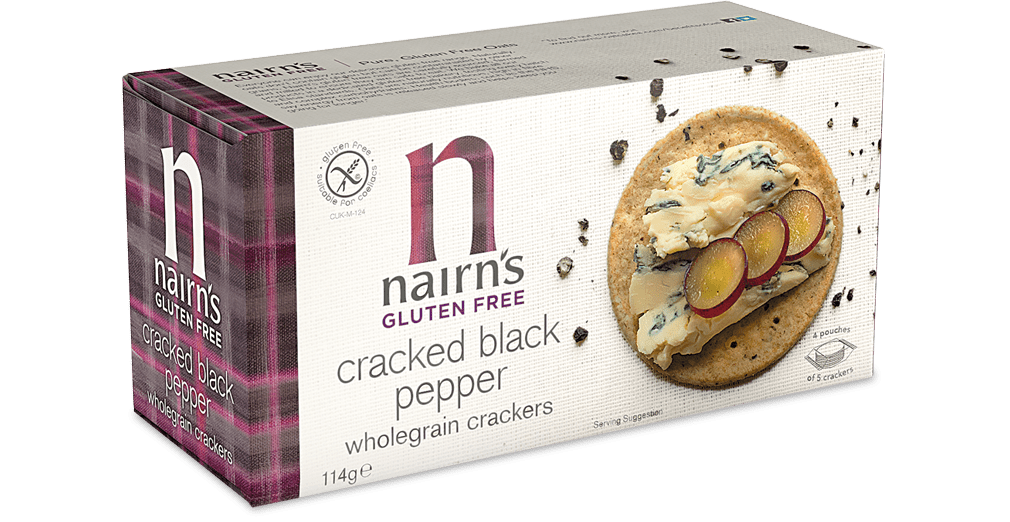
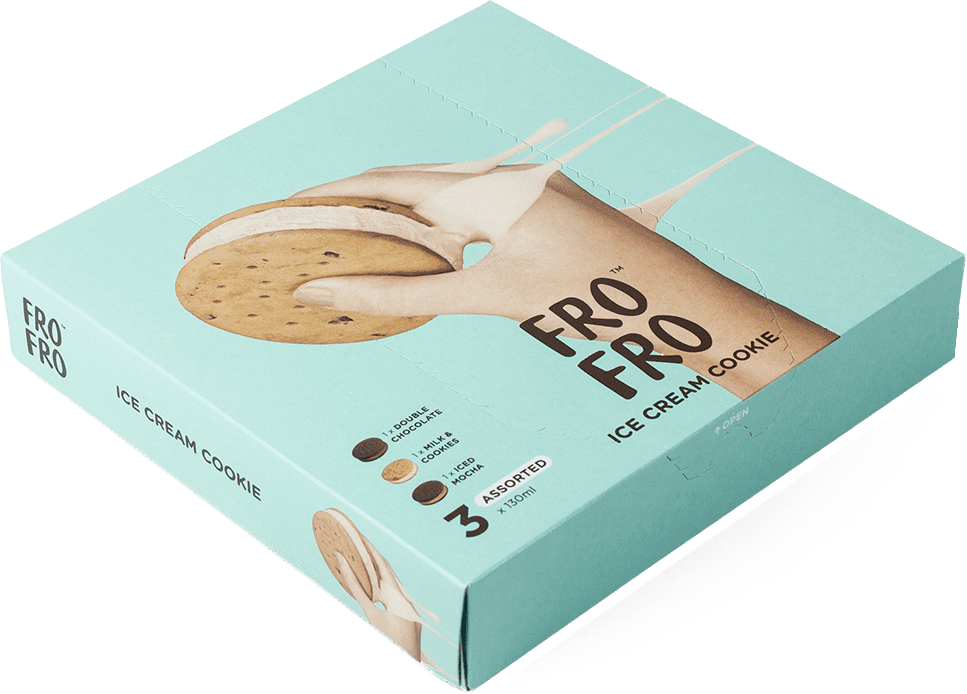
Straight Tuck End (STE) folding cartons are a popular and widely used type of packaging for consumer goods such as food, beverage, cosmetics, and household items. In this blog, we will explore the various aspects of STE folding cartons, including the materials used, customization options, sustainability considerations, and their benefits compared to other packaging styles.
Materials Used in Straight Tuck End Folding Cartons
One of the most common materials used for STE folding cartons is paperboard. Paperboard is a thick and stiff sheet made from recycled paper that is economical and easily printable. It is also recyclable or biodegradable, making it an environmentally friendly choice.
The most popular material is SBS (Solid Bleached Sulfate) paperboard. SBS is a high-quality, bright white paperboard that provides a premium look and feel. It is often used for luxury or high-end products where a premium appearance is important.
Chipboard is another material that can be used for STE folding cartons. Chipboard is a low-cost that provides good product protection. It is a less dense and less durable material than other alternatives, but it is still a popular choice for certain applications.
CNK (Clay Coated Newsback) and CCNB (Clay Coated Natural Back) paperboard are another option that is commonly used for STE folding cartons. CNK and CCNB is a durable and printable paperboard materials that provide good product protection and are a cost-effective alternative to SBS paperboard.
Customization Options
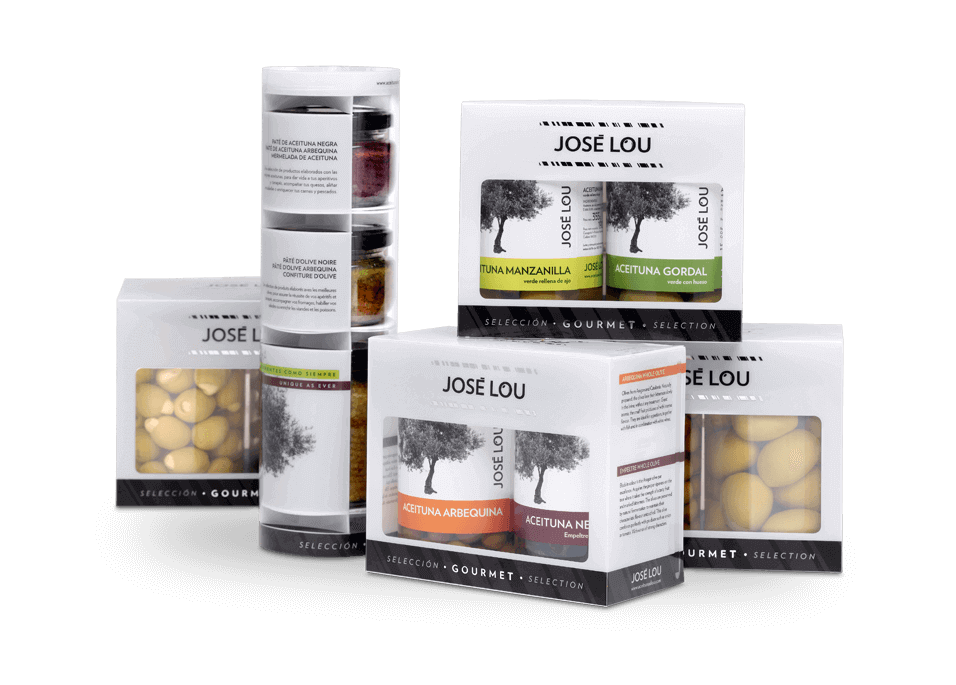
Straight Tuck End folding cartons can be easily customized to meet your specific needs and help you stand out in a crowded market. They can be printed with your company’s branding and product information, and they can be manufactured in a variety of sizes and shapes to fit your product. You can also choose from a range of finishes, such as matte or glossy, to give your cartons a unique look and feel.
Sustainability Considerations
Sustainability is an important consideration for many companies when it comes to packaging. Straight Tuck End folding cartons made from paperboard are a sustainable option as paperboard can be recycled or biodegraded after use. However, it’s important to consider the entire lifecycle of the product, including production and transportation, to ensure that your packaging is as sustainable as possible.
Packaging Applications
STE folding cartons are a versatile packaging option that can be used for a wide range of products and industries. They are suitable for both manual and automated packing processes and can be used for food, beverage, cosmetic, and household items. They are also commonly used for gift and premium packaging as well as for over-the-counter products.
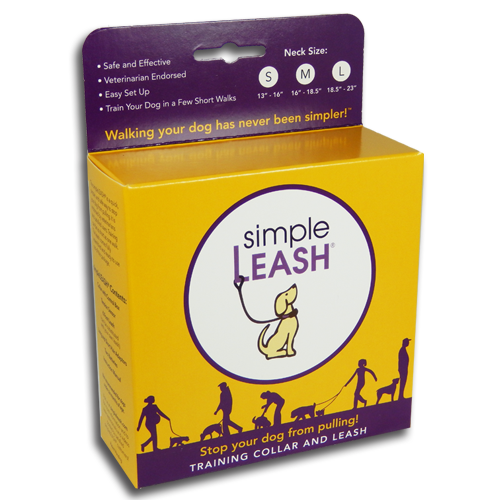
Benefits and Advantages of Straight Tuck End Folding Cartons
There are several benefits and advantages to using Straight Tuck End folding cartons compared to other packaging styles. Some of these include:
- Cost-effective: STE folding cartons are an economical option that provides good product protection.
- Customizable: They can be easily customized to meet your specific needs and can be printed with your company’s branding and product information.
- Versatile: They are suitable for a wide range of products and industries and can be used for both manual and automated packing processes.
- Sustainable: Paperboard is recyclable or biodegradable, making STE folding cartons a sustainable option for those looking to minimize their environmental impact.
Summary: Straight Tuck End Folding Cartons
In conclusion, Straight Tuck End folding cartons are a popular and versatile option for packaging consumer goods. With a range of material options, including CNK and CCNB, SBS, chipboard, and CNK, and the ability to be easily customized, STE folding cartons offer a cost-effective and sustainable solution for a wide range of products and industries.
Whether you are looking to package food, beverages, cosmetics, or household items, STE folding cartons provide good product protection and a premium look and feel that can help you stand out in a crowded market. With their numerous benefits and advantages, STE folding cartons are a smart choice for your packaging needs.
If you are interested in folding cartons, then contact Brown Packaging today for assistance.
Subscription packaging continues to expand across beauty, food, lifestyle, and specialty products. Buyers must balance branding, protection, and sustainability while keeping fulfillment efficient. This checklist highlights the critical areas buyers
As budgets tighten in 2026, packaging buyers are under pressure to reduce costs without increasing damage rates. Cutting too aggressively can lead to product loss, higher return rates, and frustrated
Product damage is one of the most expensive risks in packaging. Beyond replacement costs, damaged goods lead to lost sales, returns, and reputational harm. In 2026, complex e-commerce, global shipping,
Retail packaging continues to evolve as brands balance sustainability, supply chain performance, and consumer experience. In 2026, buyers face new challenges shaped by material innovation, compliance requirements, and rising consumer
Home » Straight Tuck End (STE) Folding Cartons: A Comprehensive Guide

When it comes to maximizing shelf space and capturing buyer attention, few pairings are more effective than folding cartons and POP displays. Whether it’s a full-size floor display or a compact countertop display, using folding cartons within your display system brings structure, brand consistency, and a retail-ready finish that helps your product stand out—and sell. Here’s how and why folding cartons and POP displays work so well together—and how you can use both to your advantage in-store. What Each Does Best Understanding the strengths of each packaging component helps you combine them more effectively: Folding Cartons are primary packaging. They hold, protect, and present your product, while also delivering branding, compliance, and consumer communication. POP (Point-of-Purchase) Displays are secondary packaging built for retail presentation—designed to showcase multiple products in high-traffic areas like endcaps, aisles, and counters. Used together, they create a powerful presentation system that delivers both structure and shelf appeal. Folding Cartons Add Structure Inside the Display When placed inside a POP display, folding cartons help: Keep products organized and upright Prevent movement and scuffing inside the display Maintain a clean, uniform look throughout the lifespan of the promotion This is especially important for countertop displays, where customers may interact directly with the packaging—grabbing one item at a time. ✅ Prevents messy or slouched displays✅ Improves shopability and perceived value✅ Ensures product presentation stays consistent Cartons Enhance Branding Within the Display The display may carry your logo and key messages—but the folding carton is what customers will take home. That’s why it’s important to align the carton design with the display artwork. Tips: Match color palettes and typography between the carton and display Include consistent messaging across both components Ensure front panels of cartons are fully visible and legible within the display tray ✅ Reinforces brand identity✅ Creates a seamless shopper experience✅ Builds brand recall after purchase Essential for Club Stores, Retail Chains & Promotions Many retail and club store environments require retail-ready packaging that combines display and individual packaging. Folding cartons placed in POP displays are perfect for: Multi-pack promotional kits Trial-size or travel-size programs New product launches Seasonal or endcap promotions In club stores, countertop displays or tray packs with folding cartons make it easy for stores to place the product on display without repackaging—saving time and increasing compliance. ✅ Satisfies retail guidelines✅ Makes setup easier for staff✅ Streamlines logistics for brand and retailer Great for High-Volume, Low-Footprint Selling Countertop displays are used in checkout lanes, convenience stores, cafes, and specialty boutiques—anywhere space is tight and impulse purchases are common. Folding cartons in countertop displays are perfect for: Supplements or wellness shots Candy, snacks, or gum Small beauty items or trial kits Electronics accessories or travel essentials These cartons provide structure and protection while still being compact and lightweight—ideal for high-turnover items. ✅ Encourages grab-and-go sales✅ Protects product without adding bulk✅ Gives retailers a neat, self-contained unit Cartons Make Replenishment and Restocking Easy Retail staff love displays that are easy to restock. Folding cartons simplify the process: Easy to count, refill, or rotate Stackable within the display tray Protect the product even after multiple interactions You can even use numbered or color-coded cartons to help identify flavors, formulas, or SKUs within the same display. ✅ Reduces downtime at shelf✅ Keeps displays neat throughout their lifecycle✅ Makes multi-SKU management easier Final Thoughts Folding cartons and POP displays—especially countertop displays—go hand in hand when it comes to boosting product visibility, protection, and in-store performance. While the display grabs attention, the carton delivers branding, clarity, and trust. Need help designing folding cartons that work with POP displays?We’ll help you create a cohesive packaging system that blends structure, design, and in-store efficiency to drive retail success. (714)300-0650 request@brownpackaging.com Most Recent Posts: Categories: Corrugated Ecommerce ESD Design Display Flexible Packaging Foam Folding Carton Packaging Plastic Packaging Pouch Printing Protection Retail Rigid Box Thermoform Sustainability Subscribe To Our Newsletter By submitting your information, you agree to our terms and conditions and privacy policy. POP Displays Facebook Twitter LinkedIn Pinterest Relevant Posts

When it comes to packaging your products, the choice between folding cartons and rigid boxes is crucial. Both types serve similar purposes in protecting, displaying, and promoting products but differ significantly in their construction and usage implications. This guide provides an in-depth comparison to help you decide which packaging solution best suits your product plans, budget, and business goals. Understanding Folding Cartons and Rigid Boxes What is a Folding Carton? Folding Carton Benefits Folding Carton Disadvantages Common Folding Carton Applications What is a Rigid Box? Rigid Box Benefits Rigid Box Disadvantages Common Rigid Box Applications What is A Folding Carton? Folding cartons are typically made from thin paperboard, precisely cut, folded, and glued to form a variety of shapes and sizes. These cartons are versatile, customizable, and widely used across various industries for lightweight, durable, and cost-effective packaging solutions. Folding Carton Benefits • Cheaper in costs: folding cartons are less complex and are generally made with cheaper material than rigid boxes.• Storage space efficient: cartons have the flexibility of folding flat, which makes it ideal for storage purposes.• Lower logistics costs: with lightweight material and a flat structure, cartons are cheap in overhead for shipping and handling.• Faster to produce: typically, the simpler the packaging product is the faster it is able to be produced. Folding Carton Disadvantages • Less product protection: the material used to create folding cartons are thinner compared to rigid boxes.• Product set-up required in fulfillment: packagers usually have to fold the carton into its form.• Cannot hold heavy or fragile items: this type of box is not recommended in holding fragile or heavy items. Common Folding Carton Applications • Food snacks• Cereal• Small electronic devices and accessories• Soda packs• Medicine• Consumer goods (small)• Sports accessories• Nutrition and supplements• Ink cartridges What is A Rigid Box? Rigid boxes are made from heavier cardboard than folding cartons and are non-collapsible. Known for their strength and premium quality, these boxes offer enhanced protection and an elevated unboxing experience, often used for luxury or high-value products. Rigid Box Benefits • Higher perceived product value: rigid boxes provide customers with more confidence due to your investment in the products packaging (display and promotion)• Product set-up is easier in fulfillment: these boxes are delivered in their box shape, which will require less labor in fulfillment.• Superior product protection: these boxes provide extra protection compared to other boxes. Rigid Box Disadvantages • More expensive to make: the cost of materials and effort to make rigid boxes is substantially more than a folding carton.• Slower to Produce: these boxes are more complex, which often result in slower production.• Higher logistics costs: these boxes are not as logistic friendly as cartons.• Requires more storage space: boxes have to be stacked and cannot lay perfectly flat like a foldable box. Common Rigid Box Applications • Gift boxes• Cosmetic and beauty set boxes• Medical devices• High-end and luxury products• Jewelry• Smartphones and computers Comparison and Considerations When choosing between folding cartons and rigid boxes, consider the following aspects: Product Type: The nature of the product, its fragility, and value play crucial roles. Rigid boxes are preferable for delicate or premium items, while folding cartons are sufficient for more durable and lower-value products. Budget Constraints: Folding cartons are more budget-friendly, especially for large volumes, making them suitable for businesses looking to minimize costs. Brand Image: The packaging contributes significantly to brand perception. Rigid boxes often convey a higher quality image, appropriate for luxury brands or premium product lines. Environmental Impact: Consider the sustainability of your packaging choice. Both options can be produced with recycled materials, but the overall environmental impact may vary based on the production process and materials used. Final Recommendation Your decision should align with your overall marketing strategy, product requirements, and customer expectations. If presenting a luxury image or ensuring the utmost protection is crucial, rigid boxes are the best choice. However, if cost efficiency and practicality are more significant concerns, folding cartons will serve well. If you are interested in rigid boxes or folding cartons, then partner with Brown Packaging today to get started. (714)300-0650 request@brownpackaging.com Most Recent Posts: Categories: Corrugated Folding Carton Display Packaging Rigid Box Subscribe To Our Newsletter By submitting your information, you agree to our terms and conditions and privacy policy. Custom Packaging Facebook Twitter LinkedIn Pinterest Relevant Posts

As the packaging industry shifts toward more sustainable and efficient solutions, folding cartons are set to play a significant role in 2025. From eco-friendly materials to smart packaging designs, brands are leveraging folding cartons to meet evolving consumer expectations and regulatory demands. Below are the top folding carton trends to watch for in 2025: Sustainable Materials Advanced Digital Printing Custom Design and Personalization Minimalist and Clean Aesthetic Enhanced Durability and Protection Smart and Connected Packaging Flexible Packaging Solutions Recyclable and Compostable Cartons Lightweight and Efficient Designs Cost-Effective Packaging Sustainable Materials Folding cartons in 2025 will prioritize eco-friendly materials, including recycled paperboard and plant-based alternatives. Brands are expected to shift toward FSC-certified materials and other renewable sources, reducing their environmental impact while still offering durable packaging solutions. Advanced Digital Printing With the advancement of digital printing technology, brands will be able to create intricate, high-quality designs on folding cartons more cost-effectively. In 2025, short-run digital printing will become more accessible, allowing for rapid production without sacrificing detail or color, and enabling small businesses to customize their packaging easily. Custom Design and Personalization Consumers increasingly expect personalized experiences, and folding cartons will be a key player in delivering on this expectation. Custom designs, limited-edition packaging, and personalized messaging will be central trends, helping brands create unique, memorable unboxing experiences. Minimalist and Clean Aesthetic Simplicity in packaging design continues to be a dominant trend. The minimalist approach, with clean lines and neutral colors, reflects a focus on sustainability and appeals to consumers seeking eco-friendly, waste-conscious brands. Expect folding cartons with less ink and fewer materials for a streamlined, eco-conscious look. Enhanced Durability and Protection As more products are being shipped globally, folding cartons will evolve to offer better protection without adding excess material. By integrating reinforced corners and innovative structural designs, folding cartons will ensure that fragile items are protected during transit while maintaining sustainability goals. Smart and Connected Packaging Smart packaging will also play a role in folding cartons, with the integration of QR codes and NFC tags allowing consumers to engage with the product or brand directly through their smartphones. This tech will provide information on product authenticity, freshness, and even sustainability efforts, giving consumers a more interactive experience. Flexible Packaging Solutions The demand for more flexible folding carton solutions is growing. In 2025, expect to see more cartons designed for multi-use purposes, such as packaging that can transform into a display or storage container, giving the product’s packaging a second life and minimizing waste. Recyclable and Compostable Cartons Recyclability and compostability will remain top priorities in folding carton trends for 2025. More brands will move towards mono-material designs that enhance recyclability or use compostable materials that break down easily in commercial or home composting environments, ensuring a minimal environmental footprint. Lightweight and Efficient Designs Lightweight folding cartons will grow in popularity as companies seek to reduce transportation costs and emissions. Cartons that use less material but maintain strength and durability will be highly valued by brands focused on optimizing shipping while still protecting their products. Cost-Effective Packaging As the cost of raw materials fluctuates, brands will increasingly seek cost-effective folding carton solutions that balance affordability with sustainability. Innovations in production efficiency and material sourcing will allow companies to maintain high-quality packaging without increasing costs significantly. Folding cartons are evolving to meet the demands of a more sustainability-focused, cost-conscious market. In 2025, businesses that adopt these trends will be better positioned to align with consumer preferences and regulatory requirements while maintaining the flexibility and durability needed for their products. If you’re interested in folding cartons for 2025, whether they are custom or stock, then partner with Brown Packaging today to get started. (714)300-0650 request@brownpackaging.com Most Recent Posts: Categories: Corrugated Ecommerce ESD Design Display Flexible Packaging Foam Folding Carton Packaging Plastic Packaging Pouch Printing Protection Retail Rigid Box Thermoform Sustainability Subscribe To Our Newsletter By submitting your information, you agree to our terms and conditions and privacy policy. Folding Carton Facebook Twitter LinkedIn Pinterest Relevant Posts