
Home » Stock vs. Custom Bike Shipping Boxes
Stock vs. Custom Bike Shipping Boxes
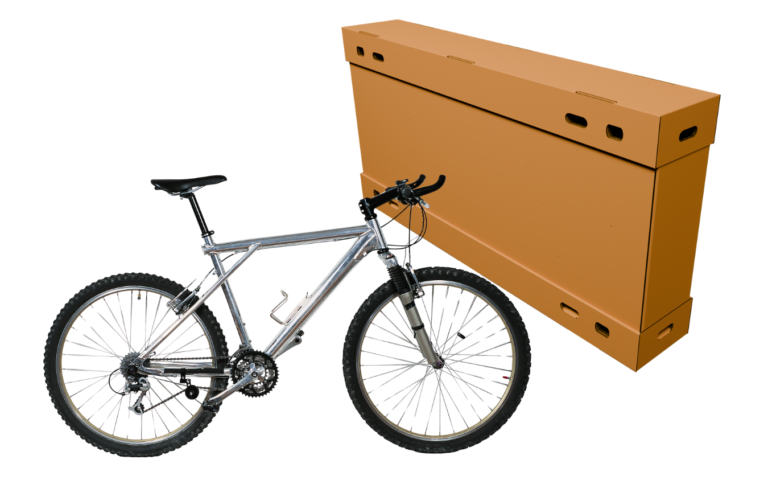
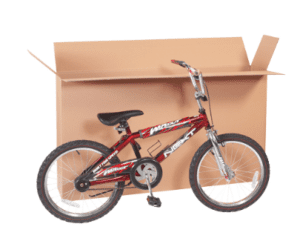
When shipping a bike, selecting the right type of packaging is essential for ensuring protection, efficiency, and cost-effectiveness. While stock bike shipping boxes provide a ready-made, standardized solution, custom bike shipping boxes offer a tailored approach to meet specific needs. Understanding the differences between these two options can help businesses and individuals determine which is the best choice for their shipping requirements.
Stock Bike Shipping Boxes: A Convenient Standard Option
Stock bike shipping boxes are pre-made, widely available, and come in standardized sizes. These boxes are typically used by individuals shipping their bike from one location to another, whether for travel, relocation, or selling a used bike.
Benefits of Stock Bike Shipping Boxes:
- Cost-Effective – Stock boxes are typically more affordable since they are mass-produced and readily available.
- Easily Accessible – Available from packaging suppliers and bike shops, making them a quick and convenient option.
- Meets Standard Shipping Requirements – Designed to comply with general shipping regulations, ensuring ease of transit with most carriers.
- Suitable for General Use – Ideal for standard bike models without unusual dimensions or specialized packaging needs.
Limitations of Stock Bike Shipping Boxes:
- Limited Protection for High-Value or Specialty Bikes – May not offer reinforced strength for heavier or fragile bikes.
- Fixed Dimensions – Bikes that don’t conform to standard sizes may require modifications, extra padding, or additional packaging materials.
- Less Branding Opportunity – Standard boxes lack customization options for branding, instructions, or added protection features.
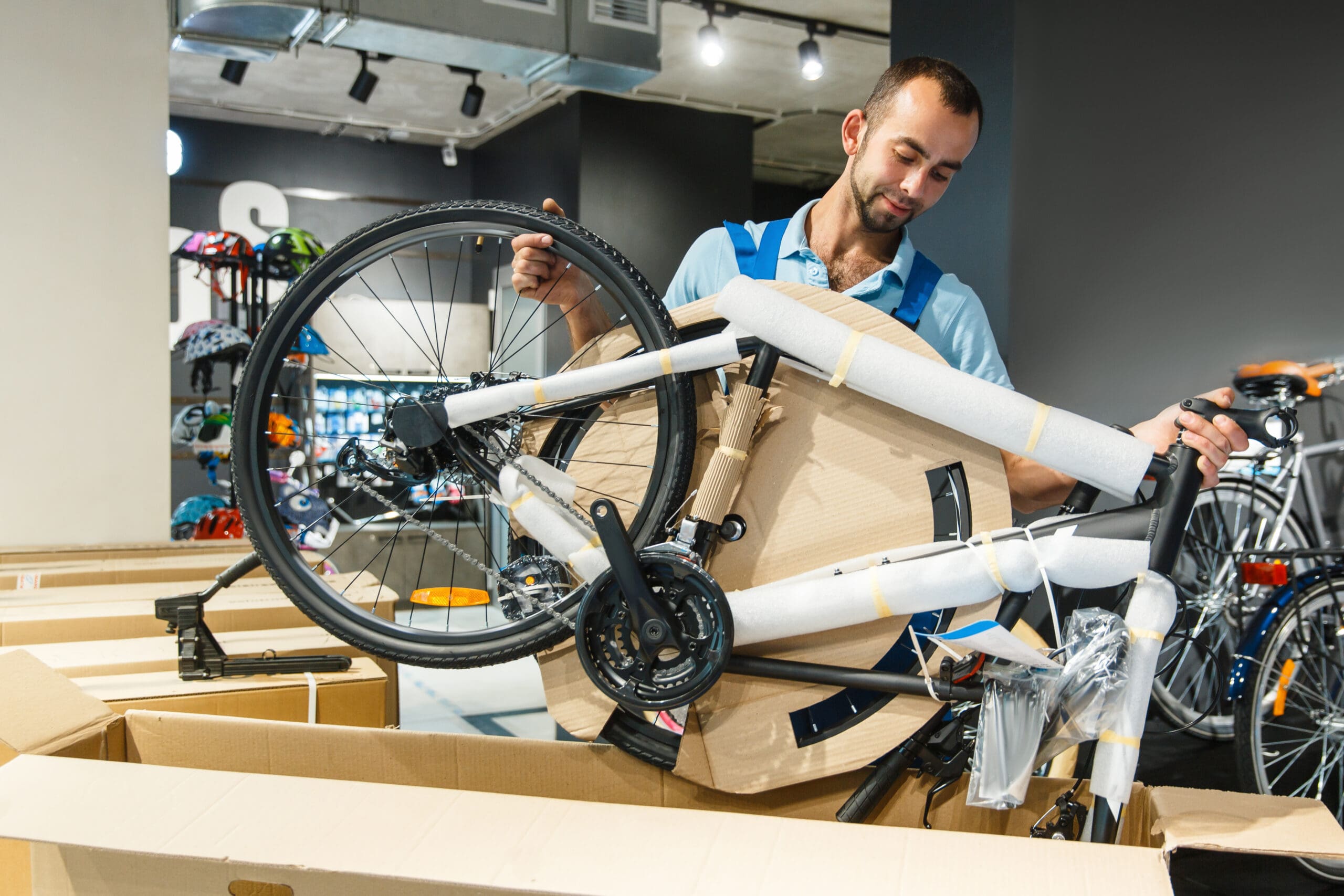
Custom Bike Shipping Boxes: A Tailored Packaging Solution
Custom bike shipping boxes are designed specifically to fit unique bike models, dimensions, and protection requirements. These boxes are most commonly used by businesses shipping new bikes and companies that require optimized efficiency, branding, and compliance with packaging standards.
Benefits of Custom Bike Shipping Boxes:
- Perfect Fit for Any Bike – Designed to accommodate non-standard, electric, performance, or oversized bikes with precision.
- Enhanced Protection – Can include reinforced walls, inserts, corrugated or foam padding, and impact-resistant materials to prevent damage during transit.
- Optimized for Shipping Costs – Custom sizing reduces unnecessary empty space, helping to lower dimensional weight charges.
- Branded Packaging Options – Allows businesses to include logos, handling instructions, and marketing elements for a professional presentation.
- Eco-Friendly Customization – Options for sustainable materials and right-sized packaging to minimize waste.
Limitations of Custom Bike Shipping Boxes:
- Higher Cost – Custom boxes typically cost more due to tailored design and lower production volume.
- Longer Lead Time – Requires time for design, prototyping, and production, making them less ideal for last-minute shipments.
- Minimum Order Quantities – Some suppliers may have quantity requirements, which may not be suitable for individual small businesses.

Stock vs. Custom Bike Shipping Boxes: Key Differences
Feature | Stock Bike Shipping Box | Custom Bike Shipping Box |
Used By | Individuals shipping bikes from point A to B | Businesses shipping new bikes, brands with packaging standards |
Availability | Readily available | Made-to-order |
Protection Level | Standard protection | Enhanced protection with reinforcements |
Fit | Fixed sizes | Tailored to specific bike dimensions |
Branding Options | None | Custom printing, logos, and instructions |
Cost | Lower upfront cost | Higher cost but optimized for efficiency |
Best For | Standard bike models, quick shipments | High-value, oversized, or specialty bikes |
Which Option is Right for You?
- Choose a Stock Bike Shipping Box if you need a cost-effective, readily available solution for standard-sized bikes with minimal packaging concerns.
- Opt for a Custom Bike Shipping Box if you require a precise fit, enhanced protection, or branded packaging for high-value or specialty bikes.
Get the Right Bike Shipping Box for Your Needs
Whether you need stock bike shipping boxes for quick shipments or custom-designed packaging for added protection and branding, Brown Packaging offers tailored solutions to meet your requirements. Contact us today to discuss your bike shipping packaging needs and find the best option for your business or personal use!
Subscription packaging continues to expand across beauty, food, lifestyle, and specialty products. Buyers must balance branding, protection, and sustainability while keeping fulfillment efficient. This checklist highlights the critical areas buyers
As budgets tighten in 2026, packaging buyers are under pressure to reduce costs without increasing damage rates. Cutting too aggressively can lead to product loss, higher return rates, and frustrated
Product damage is one of the most expensive risks in packaging. Beyond replacement costs, damaged goods lead to lost sales, returns, and reputational harm. In 2026, complex e-commerce, global shipping,
Retail packaging continues to evolve as brands balance sustainability, supply chain performance, and consumer experience. In 2026, buyers face new challenges shaped by material innovation, compliance requirements, and rising consumer
Home » Stock vs. Custom Bike Shipping Boxes

In the world of packaging, the way a corrugated box is sealed and closed is as important as the box itself. The right type of sealing and closure not only ensures the safety and security of the contents but also can enhance ease of use, storage, and even branding. This blog post explores the different types of sealing and closure methods available for corrugated boxes, helping businesses choose the best option for their specific needs. Understanding the Importance of Proper Sealing and Closure Before delving into the types, it’s crucial to understand why sealing and closure matter. The right closure method can protect the contents from damage, theft, or contamination, while also providing an additional layer of branding through custom tapes or seals. Tape Closure One of the most common methods of sealing corrugated boxes is using tape. This method is versatile and cost-effective, suitable for a wide range of applications. Pressure-Sensitive Tape: Easy to apply, available in various widths and strengths, and ideal for lightweight to medium-weight boxes. Water-Activated Tape (WAT): Forms a strong bond with the corrugated box, offering superior security, and is excellent for heavier packages. Reinforced Water-Activated Tape: Best for heavy-duty applications, providing extra strength and security. Staple Closure Stapling is a traditional method of closing corrugated boxes, often used for heavy or industrial items. Manual Stapling: Suitable for small-scale operations or where additional security is needed. Pneumatic Stapling: Used in larger operations for efficiency and consistency in sealing. Glue Closure Adhesive or glue is another popular method, especially in automated packaging lines. Hot Melt Adhesive: Quick to apply and set, providing a strong and durable seal. Cold Glue Adhesive: Requires more time to set but offers a strong bond and is suitable for boxes that require refrigeration. Self-Locking Tabs and Slots For consumer-facing products, self-locking tabs and slots offer an appealing and tool-free option. Tab Lock: Simple to use, providing a secure closure without additional materials. Slot Lock: Offers added security as tabs lock into slots, making the box more tamper-resistant. Velcro or Hook-and-Loop Closures For reusable box designs, Velcro or hook-and-loop closures are ideal. Easy Open and Close: Allows for multiple uses, ideal for sample kits or storage boxes. Customizable: Can be designed in various shapes and sizes to suit specific packaging needs. Strapping or Banding Strapping or banding is used for heavy-duty applications or for bundling multiple boxes together. Metal Strapping: Offers the highest strength, ideal for heavy industrial goods. Polyester or Polypropylene Strapping: More flexible than metal, suitable for a wide range of applications. Sealing with Labels or Stickers Custom labels or stickers can double as a sealing method, particularly for light packages or as an additional security seal. Branding Opportunity: Custom labels provide a platform for branding and product information. Tamper-Evident Seals: Enhance security by indicating if the box has been opened. Conclusion The choice of sealing and closure method for corrugated boxes depends on several factors, including the weight and nature of the contents, the shipping and handling process, the need for security, and the desired customer experience. By selecting the appropriate sealing and closure method, businesses can ensure their products are well-protected and arrive at their destination in the best possible condition. Moreover, creative and practical sealing solutions can enhance brand recognition and provide an additional touchpoint for customer engagement. (714)300-0650 request@brownpackaging.com Most Recent Posts: Categories: Corrugated Ecommerce ESD Design Display Flexible Packaging Foam Folding Carton Packaging Plastic Packaging Pouch Printing Protection Retail Rigid Box Thermoform Sustainability Subscribe To Our Newsletter By submitting your information, you agree to our terms and conditions and privacy policy. Custom Corrugated Boxes Facebook Twitter LinkedIn Pinterest Relevant Posts
When it comes to packaging fragile or valuable items, ensuring their safe transportation is crucial. One effective way to protect these items during shipping or storage is by using edge protectors. Edge protectors are versatile packaging materials designed to safeguard the edges of products and prevent damage caused by impact, compression, or rough handling. While standard edge protectors are readily available, customizing them to suit your specific packaging needs can provide added protection and peace of mind. In this step-by-step guide, we will walk you through the process of customizing edge protectors for your unique requirements. Step 1: Assess Your Packaging Requirements Before customizing edge protectors, it’s essential to assess your packaging requirements thoroughly. Consider the size, shape, and fragility of the items you are packaging. Identify potential vulnerabilities, such as sharp corners or delicate surfaces that require extra protection. Additionally, determine the transportation or storage conditions your packages will be subjected to. By understanding your specific needs, you can tailor your edge protectors accordingly. Step 2: Select the Appropriate Edge Protector Material Edge protectors are available in various materials, each offering distinct benefits. Common materials include cardboard, foam, plastic, and composite materials. Cardboard edge protectors are ideal for light to medium-duty applications, while foam edge protectors offer excellent cushioning and shock absorption. Plastic edge protectors are durable and water-resistant, making them suitable for heavy-duty applications. Composite edge protectors combine multiple materials for enhanced protection. Choose the material that best aligns with your requirements. Step 3: Measure and Cut Once you’ve determined the material, it’s time to measure and cut the edge protectors to the desired length. Measure the dimensions of your item’s edges and add a few extra inches for overlap. This overlap will ensure complete edge coverage and optimal protection. Use a ruler or measuring tape to achieve accurate measurements. Then, using a sharp utility knife or scissors, carefully cut the edge protectors along the measured lines, unless they are custom made to the exact size. Step 4: Shape the Edge Protectors Depending on your packaging needs, you may need to shape the edge protectors to fit specific corners or edges. For example, if your item has rounded edges, you can create a curved shape in the foam edge protectors to provide a snug fit. Use a utility knife or scissors to make precise cuts and adjustments, ensuring a tailored fit for maximum protection. Step 5: Add Reinforcements (Optional) For particularly fragile or heavy items, you may consider reinforcing the edge protectors for added strength. Reinforcements can be achieved by layering multiple edge protectors together or by attaching additional support materials, such as adhesive foam pads or corner guards. Reinforcing the edge protectors will help distribute the impact and protect your items from potential damage. Step 6: Secure the Edge Protectors After customizing the edge protectors to fit your specific packaging needs, it’s time to secure them in place. Depending on the material and design of the edge protectors, there are several options for attachment. Adhesive backing, double-sided tape, or straps can be used to secure the edge protectors to the edges or corners of your item. Ensure that the edge protectors are firmly and evenly attached, leaving no gaps or loose ends. Step 7: Test for Adequate Protection Before finalizing your customized edge protectors, perform a thorough testing process to ensure they provide adequate protection. Mimic the transportation or storage conditions your packages will undergo, subjecting them to simulated impacts or rough handling. Inspect the packaged item for any signs of vulnerability or damage. If needed, make further adjustments to the edge protectors to enhance their protective capabilities. Step 8: Regularly Evaluate and Improve Packaging needs and requirements may evolve over time, so it’s crucial to regularly evaluate and improve your customized edge protectors. Stay updated with industry advancements and new packaging technologies that can enhance protection. Solicit feedback from your shipping or warehousing team and customers to identify areas for improvement. By continuously evaluating and refining your customized edge protectors, you can ensure the highest level of protection for your valuable items. If interested in custom edge protectors, then partner with Brown Packaging today. (714)300-0650 request@brownpackaging.com Most Recent Posts: Categories: Corrugated Ecommerce ESD Design Display Flexible Packaging Foam Folding Carton Packaging Plastic Packaging Pouch Printing Protection Retail Rigid Box Thermoform Sustainability Subscribe To Our Newsletter By submitting your information, you agree to our terms and conditions and privacy policy. Edge Protectors Facebook Twitter LinkedIn Pinterest Relevant Posts

In the world of packaging innovation, Modified Atmosphere Packaging (MAP) has emerged as a game-changer. This technology not only extends the shelf life of products but also ensures that they reach consumers in optimal condition. In this blog, we will delve into the intricacies of Modified Atmosphere Packaging, exploring its functions, features, benefits, and diverse applications across various industries. What is Modified Atmosphere Packaging (MAP)? Modified Atmosphere Packaging, often abbreviated as MAP, is a packaging technique designed to alter the atmosphere inside a package to enhance the shelf life and quality of products. Unlike traditional packaging methods, MAP doesn’t just isolate products from the external environment; it actively manages the gases surrounding them. Functions and Features of MAP: Gas Composition Control: MAP involves adjusting the levels of oxygen (O2), carbon dioxide (CO2), and nitrogen (N2) inside the package. These gases are chosen based on the specific requirements of the packaged product. Preservation of Freshness: By controlling the atmosphere, MAP can slow down the natural deterioration of products. This is especially beneficial for perishable goods such as fresh produce, meats, and dairy products. Inhibition of Microbial Growth: Lowering the oxygen content in the package can inhibit the growth of spoilage microorganisms and pathogens, reducing the risk of foodborne illnesses. Retention of Color and Flavor: For food products, MAP helps retain the natural color, flavor, and texture by minimizing oxidation and other chemical reactions that occur in the presence of oxygen. Enhanced Product Presentation: MAP often involves transparent packaging materials, allowing consumers to see the product while ensuring its freshness and quality. Customizable for Different Products: MAP is versatile and can be tailored to suit the specific needs of various products, making it suitable for a wide range of industries. Benefits of MAP: Extended Shelf Life: The primary benefit of MAP is the significant extension of the shelf life of products, reducing food waste and increasing product availability. Improved Product Safety: By controlling the atmosphere, MAP reduces the risk of microbial contamination, enhancing the safety of perishable goods. Enhanced Product Quality: Products packaged using MAP maintain their freshness, taste, and appearance, resulting in higher consumer satisfaction. Reduced Need for Preservatives: MAP can reduce or eliminate the need for artificial preservatives, aligning with consumer demands for cleaner labels. Increased Market Reach: Products with extended shelf lives can be distributed to more distant markets, expanding the reach of businesses. Applications of MAP: Modified Atmosphere Packaging finds applications across a wide spectrum of industries: Food Industry: MAP is extensively used for fresh produce, meats, seafood, bakery products, and dairy items. Pharmaceutical and Healthcare: MAP helps preserve the efficacy and stability of pharmaceuticals, medical devices, and diagnostic kits. Electronics: Delicate electronic components and devices benefit from MAP to protect against corrosion and moisture. Floral Industry: MAP keeps cut flowers fresh for longer periods, extending their vase life. Non-Food Products: MAP is also employed for non-food items such as medical equipment, industrial components, and sensitive instruments. Conclusion: Modified Atmosphere Packaging (MAP) represents a transformative approach to packaging that optimizes the internal environment to extend the shelf life, improve product quality, and enhance safety. Its adaptability and versatility make it a vital tool for industries ranging from food to healthcare and electronics. As consumers increasingly prioritize freshness, quality, and sustainability, MAP is poised to continue revolutionizing the way products are packaged and preserved, ensuring that they reach consumers in the best possible condition. If you are interested in modified atmosphere packaging, then partner with Brown Packaging today to get started. (714)300-0650 request@brownpackaging.com Most Recent Posts: Categories: Corrugated Ecommerce ESD Design Display Flexible Packaging Foam Folding Carton Packaging Plastic Packaging Pouch Printing Protection Retail Rigid Box Thermoform Sustainability Subscribe To Our Newsletter By submitting your information, you agree to our terms and conditions and privacy policy. Custom Packaging Facebook Twitter LinkedIn Pinterest Relevant Posts