
Home » How Much Does Custom Packaging Really Cost?
How Much Does Custom Packaging Really Cost?
Custom packaging isn’t just an expense—it’s an investment that plays a pivotal role in brand identity, customer satisfaction, and even revenue growth. While many businesses shy away from custom packaging due to cost concerns, understanding its value and the factors influencing pricing can help you make informed decisions. In this blog, we’ll uncover the real cost of custom packaging, explore its benefits, and provide actionable tips to maximize your ROI.
Why Custom Packaging Matters
Custom packaging is more than a box or wrapper; it’s a brand statement and a customer experience enhancer.
- Brand Identity: High-quality custom packaging reinforces your brand’s image, making your product instantly recognizable.
- Customer Experience: A memorable unboxing experience can create lasting customer loyalty and boost word-of-mouth marketing.
- Perceived Value: Premium packaging elevates the perceived value of your product, making it stand out from competitors.
Key Factors Influencing Custom Packaging Costs
Material Choices
The type of material used significantly affects cost and functionality.
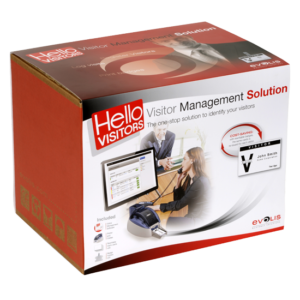
- Corrugated Boxes: Durable and cost-effective, ideal for shipping.
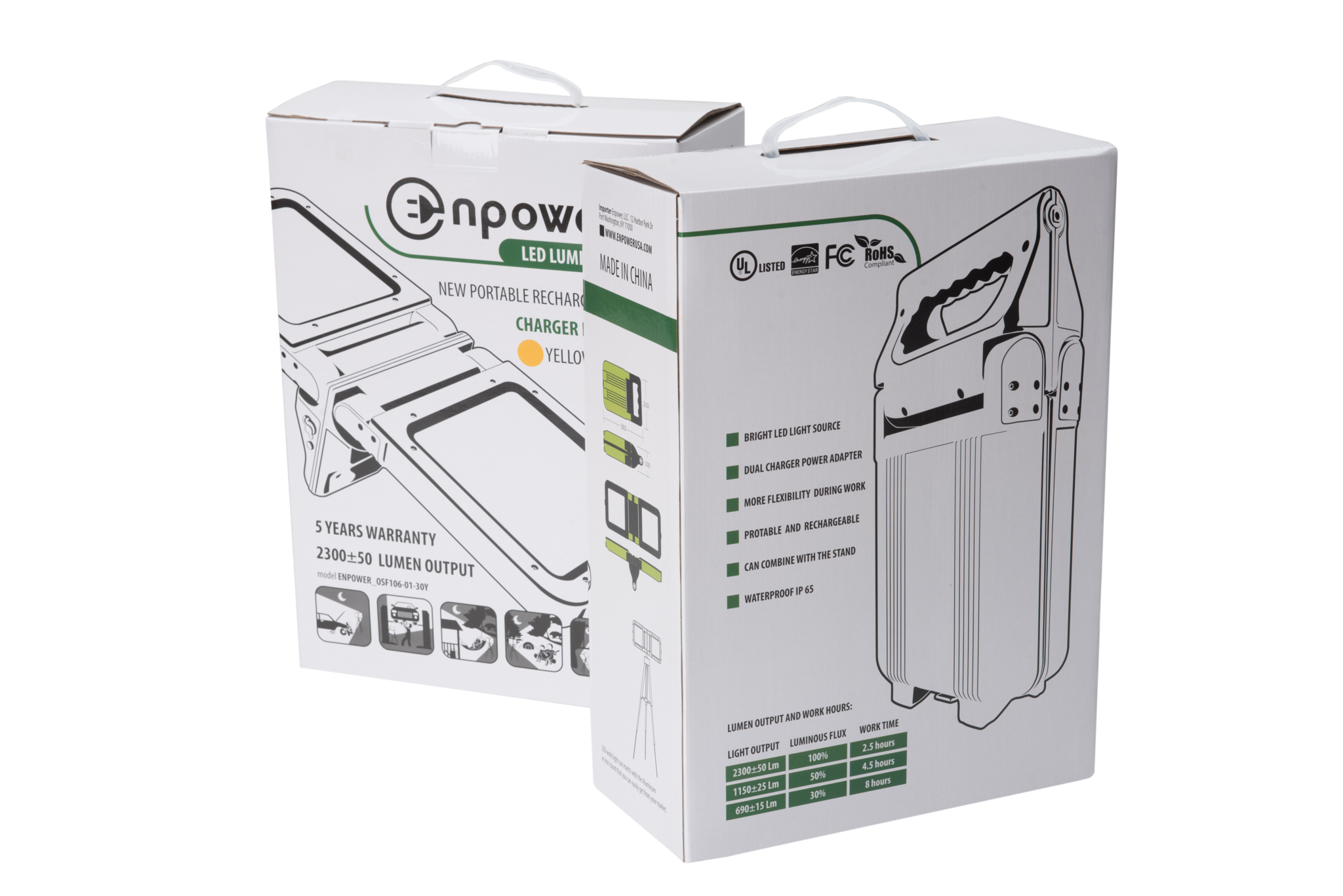
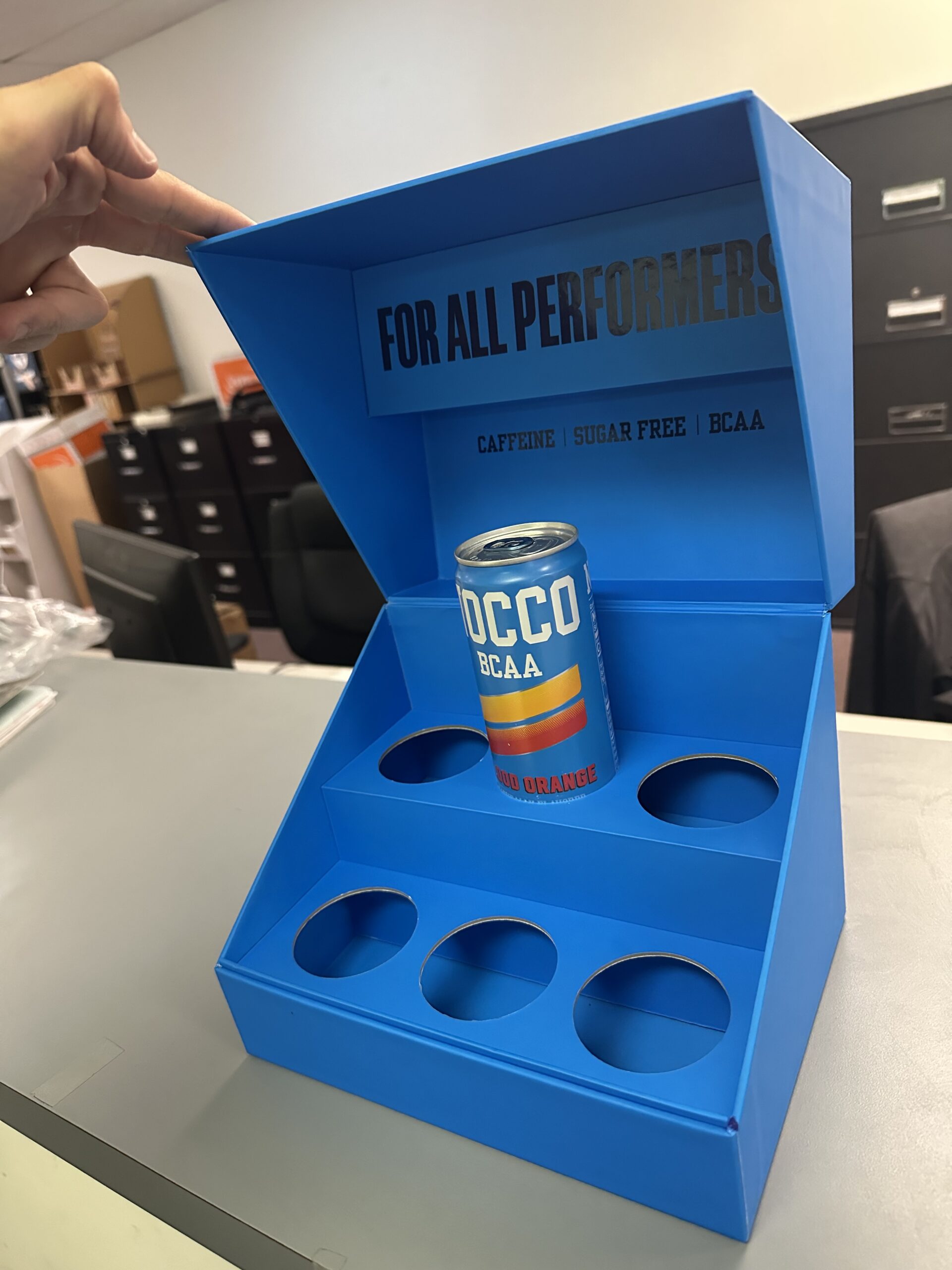
- Rigid Boxes: Luxurious but pricier, often used for high-end products.
- Eco-Friendly Options: Sustainable materials like kraft paper or biodegradable plastics, which appeal to eco-conscious consumers, can increase initial costs but offer long-term brand value.
Printing Techniques
- Digital Printing: Great for small orders; cost-effective but with limited precision.
- Offset Printing: Best for bulk orders; higher upfront costs but offers superior quality.
- Special Effects: Add-ons like embossing, foil stamping, or spot UV can enhance your design but also increase expenses.
Design Complexity
Intricate designs, custom shapes, and multi-component packaging raise production costs. Partnering with experienced designers can optimize the balance between creativity and cost.
Order Quantity
Bulk ordering reduces the per-unit cost due to economies of scale. Smaller orders may result in higher per-unit pricing.
Features For Common Packaging Types
Packaging Type | Key Features | |
Corrugated Boxes | Durable, recyclable, cost-effective. | |
Rigid Boxes | Luxurious feel, used for premium products. | |
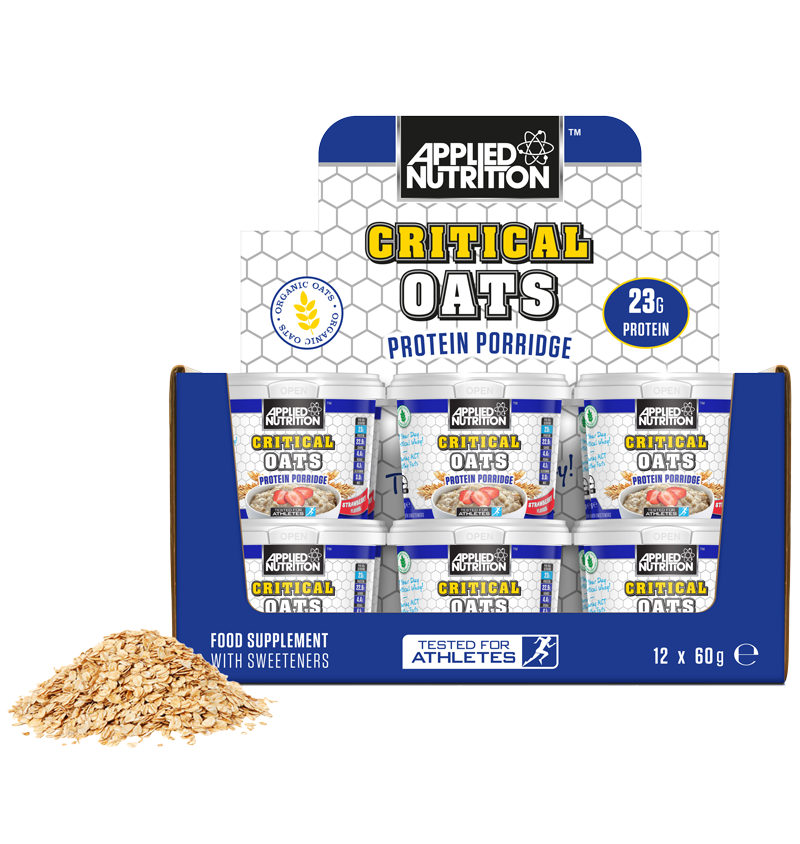
Folding Cartons | Lightweight, customizable for retail. | |
Custom Mailer Boxes | Branding-focused, ideal for e-commerce. | |
Eco-Friendly Options | Sustainable, aligns with green initiatives. | |
How to Optimize Custom Packaging Costs
- Prioritize Materials Wisely
Choose materials that balance quality and cost. For example, opt for kraft paper for eco-friendly yet affordable packaging or corrugated boxes for high durability. - Leverage Bulk Orders
Order in bulk to take advantage of volume discounts. This strategy significantly reduces per-unit costs. - Simplify Design
A clean, minimalist design can be cost-effective and still make a bold statement. Complex designs often require more resources and time to produce. - Use Technology for Efficiency
Automation and advanced design software can streamline the production process, saving time and reducing errors.
Enhancing the Unboxing Experience on a Budget
You don’t need to overspend to impress your customers. Here’s how:
- Add personalized notes or custom stickers.
- Use branded tissue paper to add elegance without breaking the bank.
- Include QR codes linking to exclusive content or promotions.
FAQs About Custom Packaging Costs
How much does custom packaging design cost?
Design services typically range from $300 to $5,000, depending on the complexity and expertise involved.
What percentage of my product price should packaging cost?
Aim to allocate 8-10% of your product’s retail price to packaging costs.
Is custom packaging worth the investment?
Yes. Custom packaging enhances brand recognition, improves customer satisfaction, and can even justify premium pricing for your products.
Conclusion
Custom packaging is an essential tool for businesses looking to elevate their brand and enhance customer loyalty. By understanding the factors that influence cost and employing smart strategies to optimize expenses, you can create packaging that delivers both aesthetic and functional value without overextending your budget.
Ready to take your packaging to the next level? Partner with us to create customized solutions tailored to your brand and budget. Contact us today!
In 2026, sustainability is no longer just a trend—it’s a buyer expectation. Forest Stewardship Council (FSC) certification has become a key benchmark for responsible packaging, signaling that materials are sourced
Sustainability is now a top priority for packaging buyers. Retailers, regulators, and consumers are all demanding packaging solutions that reduce environmental impact without sacrificing performance. In 2026, buyers must balance
Choosing the right packaging material is one of the most important decisions buyers face. Single-material packaging offers simplicity and recyclability, while multi-material designs provide enhanced performance and protection. Understanding the
One of the biggest challenges in sustainable packaging is balancing environmental responsibility with product protection. Buyers often worry that switching to eco-friendly materials means sacrificing durability or driving up costs.
Home » How Much Does Custom Packaging Really Cost?

For businesses, the decision to change packaging suppliers can be driven by various factors such as cost, quality, service, or the need for innovation. However, this change, while potentially beneficial, can also significantly affect the outcome of your product’s packaging. In this detailed blog, we’ll explore the various aspects of how switching packaging suppliers can impact your product and what to consider during this transition. Understanding the Implications of Changing Suppliers The decision to switch packaging suppliers is not one to be taken lightly. It involves considering how the change will impact the quality, design, cost, and overall brand consistency of your product’s packaging. Potential Benefits of Changing Suppliers Improved Quality and Innovation: A new supplier might offer better quality materials or more innovative packaging solutions that enhance the aesthetic and functionality of your product. Access to the latest technology and packaging trends can give your product a competitive edge in the market. Cost Reduction: Switching suppliers can be financially beneficial if the new supplier offers more competitive pricing without compromising quality. Cost savings can also come from more efficient production processes or economies of scale. Enhanced Sustainability: A new supplier may provide more eco-friendly packaging options, aligning with modern sustainability trends and consumer preferences. Challenges and Risks of Supplier Transition Inconsistency in Packaging Quality: A new supplier may interpret your specifications differently, leading to variations in quality or appearance of the packaging. Ensuring consistency is critical, especially if the packaging is a key component of your brand identity. Transition Delays and Logistics: Switching suppliers can lead to transition delays. Timing is crucial, especially if you have strict product launch timelines. Navigating the logistics of the switch, including winding down with the current supplier and ramping up with the new one, requires careful planning. Communication and Misunderstandings: Establishing effective communication with a new supplier is vital. Misunderstandings can lead to errors in the packaging production. Clear and detailed discussions about your packaging needs and expectations are essential. Steps to Ensure a Smooth Transition Conduct Thorough Research: Before switching, research potential suppliers thoroughly. Look for reviews, request samples, and evaluate their customer service and reliability. Consider suppliers’ expertise in your specific product category. Risk Assessment: Conduct a risk assessment to understand the potential impacts of switching suppliers. Plan for contingencies in case of unexpected challenges during the transition. Clear Communication of Specifications: Provide detailed specifications, brand guidelines, and quality standards to your new supplier. If possible, share examples of previous packaging that met your standards. Quality Control Measures: Implement stringent quality control processes with the new supplier to ensure packaging meets your standards. Regularly review sample batches before approving full-scale production. Building a Strong Partnership: Foster a collaborative relationship with your new supplier. Mutual understanding and trust are key to a successful partnership. Regular meetings and open lines of communication can help align expectations. Gradual Transition and Testing: Consider a phased approach to the transition, starting with smaller batches. Test the market’s reaction to the new packaging before fully committing to the change. If you are interested in making the switch, then partner with Brown Packaging today to get started. (714)300-0650 request@brownpackaging.com Most Recent Posts: Categories: Corrugated Ecommerce ESD Design Display Flexible Packaging Foam Folding Carton Packaging Plastic Packaging Pouch Printing Protection Retail Rigid Box Thermoform Sustainability Subscribe To Our Newsletter By submitting your information, you agree to our terms and conditions and privacy policy. Custom Packaging Facebook Twitter LinkedIn Pinterest Relevant Posts

If you’re in the auto parts industry, you already know how critical packaging is—not just for protection during transit, but for branding, compliance, and supply chain efficiency. However, the growing complexity of tariffs on imported packaging materials and components is making sourcing decisions more difficult, especially for brands relying on overseas manufacturing. From corrugated shipping boxes and inserts to folding cartons and protective packaging, tariffs are directly impacting the cost, availability, and lead times of the packaging used to transport and present auto parts. Here’s how to stay ahead and make smarter packaging decisions in today’s evolving trade environment. Know What Packaging Is Affected by Tariffs Auto parts packaging often includes a mix of: Corrugated shippers and printed cartons Folding cartons or sleeves for retail-ready parts Foam inserts, chipboard dividers, or trays Protective wraps, bags, and films Labels, tags, and branded decals Many of these components—especially when sourced from China, India, or Southeast Asia—are now subject to high tariffs, depending on their classification and country of origin. These added fees can significantly increase your cost per unit, particularly for bulk orders or large-scale production runs. Fluctuating Freight Costs Compound the Issue On top of tariffs, the auto industry continues to deal with: Continuously changing ocean freight and container pricing Port congestion and customs delays Limited visibility into landed costs This makes it harder to plan packaging lead times or accurately forecast costs—especially when launching new SKUs or scaling a program. When Overseas Sourcing No Longer Saves Money In the past, sourcing packaging overseas often meant lower unit pricing—but with current tariffs, lead times, and logistics risks, the total landed cost is often higher than working with a domestic supplier. Once you add: Duty fees Shipping and handling costs Lost time due to delays or damage Communication and compliance issues …it becomes clear that a local packaging partner may offer a more cost-effective and stable long-term solution. Domestic Sourcing Offers Key Advantages Many auto parts brands are now working with U.S.-based packaging suppliers to gain: Faster turnaround times Tighter quality control Improved material sourcing transparency Support with packaging engineering and testing Especially for heavy or irregular-shaped components like rotors, pumps, or suspension parts, working with a packaging expert who understands structural performance can reduce breakage, returns, and excess material use—further offsetting cost. Reevaluate Your Packaging Design for Cost Efficiency One of the best ways to absorb tariff impacts is by optimizing your packaging design. A packaging engineer can help: Consolidate SKUs or standardize sizes Swap materials to avoid tariffed substrates Reduce waste with better fitting inserts or right-sized boxes Design for automated fulfillment or improved warehouse efficiency In many cases, these changes improve durability and lower overall packaging spend—without compromising performance or protection. Final Thoughts Tariffs may be out of your control—but how you respond to them isn’t. By understanding your true packaging supply chain, evaluating local alternatives, and working with a proactive partner, you can keep your auto parts protected and your packaging program profitable. Need help navigating tariffs or optimizing your auto parts packaging?We’ll help you design smarter, source more efficiently, and protect your products with confidence—wherever they’re going. (714)300-0650 request@brownpackaging.com Most Recent Posts: Categories: Corrugated Ecommerce ESD Design Display Flexible Packaging Foam Folding Carton Packaging Plastic Packaging Pouch Printing Protection Retail Rigid Box Thermoform Sustainability Subscribe To Our Newsletter By submitting your information, you agree to our terms and conditions and privacy policy. Auto Part & Accessory Packaging Facebook Twitter LinkedIn Pinterest Relevant Posts

In the world of e-commerce, packaging is much more than just protection for your products. It has evolved into a vital marketing asset that helps build brand recognition, enhance customer experiences, and drive brand loyalty. Here are key ways businesses can leverage e-commerce packaging to serve as an effective marketing tool: Create a Memorable Unboxing Experience The unboxing experience is the first physical interaction customers have with your brand. A well-crafted unboxing experience leaves a lasting impression and can turn one-time buyers into loyal customers. Brands can design their packaging to be visually engaging and reflective of their brand identity. This could include using branded materials, premium finishes, or even adding personalized touches, such as custom messages or small gifts. By designing packaging with the customer experience in mind, businesses can foster a deeper emotional connection with their customers, leading to brand loyalty and increased customer retention. Encourage Social Sharing Packaging that is visually appealing or creatively designed encourages customers to share their unboxing experience on social media. A simple, visually striking box or innovative design can easily prompt a customer to share their experience with friends and followers. Social sharing acts as word-of-mouth marketing and provides free promotion, helping your brand reach a wider audience. To amplify social sharing, include your brand’s social media handles and encourage the use of a branded hashtag. Providing customers with an incentive, such as a discount or a feature on your social pages, can further boost engagement and increase your brand’s visibility. Highlight Sustainability Efforts Sustainability is becoming a key concern for modern consumers, and packaging is an excellent space to showcase your eco-friendly practices. Using recyclable or biodegradable materials and clearly communicating your sustainability efforts can help build trust with environmentally conscious customers. Including a brief message about the eco-friendliness of your packaging shows that your brand is committed to reducing its environmental impact. Emphasizing sustainability in packaging can also influence purchase decisions. Consumers are more likely to support brands that align with their values, and environmentally friendly packaging can give your business a competitive edge. Promote Cross-Selling and Repeat Purchases E-commerce packaging is an ideal platform to promote other products and encourage repeat business. By including promotional materials like flyers, coupons, or special discount codes in your packaging, you can drive customers to explore more of your product offerings. Cross-selling is a powerful strategy to increase the average order value and introduce customers to complementary products. Additionally, including discount vouchers or loyalty incentives for future purchases can boost customer retention and repeat sales. Packaging inserts provide an easy and cost-effective way to engage customers and encourage long-term brand loyalty. Personalize the Packaging Experience Personalized packaging creates a unique and memorable experience for customers, helping to foster stronger brand connections. Personal touches like thank-you notes, custom inserts, or packaging that includes the customer’s name make the experience feel special and tailored. Personalization shows customers that your brand values them, and this extra attention can lead to higher customer satisfaction and brand advocacy. A personalized packaging experience can also create differentiation in the market. Small businesses, in particular, can use personalized packaging to compete with larger brands by delivering a more intimate, customer-focused experience. Integrate QR Codes and Augmented Reality Integrating technology into packaging, such as QR codes or augmented reality (AR), offers a unique way to engage customers beyond the physical product. QR codes can lead customers to a landing page with additional product information, video tutorials, or even personalized thank-you messages. AR can allow customers to interact with your brand in new ways, from virtual product demonstrations to digital storytelling. By using technology in your packaging, you not only enhance the customer experience but also provide valuable post-purchase engagement. Interactive packaging can turn the act of receiving a package into an opportunity for deeper brand immersion. Use Packaging as a Storytelling Tool Packaging can be an effective medium for telling your brand’s story. Whether you’re highlighting the origin of your product, sharing your mission, or explaining the craftsmanship behind your brand, packaging offers the perfect canvas for these narratives. Packaging that conveys your values and the story behind your products helps to humanize your brand, making it more relatable and authentic to customers. By leveraging storytelling in your packaging, you create a connection with your customers that goes beyond the product itself. This helps in building emotional ties with your audience, increasing customer loyalty and advocacy. Conclusion E-commerce packaging is no longer just about protecting the product during shipping. It has become a critical marketing tool that can enhance customer experiences, build brand loyalty, and drive sales. By focusing on memorable unboxing experiences, sustainability, personalization, and interactive elements, businesses can turn their packaging into a powerful extension of their brand and a key factor in their marketing strategy. (714)300-0650 request@brownpackaging.com Most Recent Posts: Categories: Corrugated Ecommerce ESD Design Display Flexible Packaging Foam Folding Carton Packaging Plastic Packaging Pouch Printing Protection Retail Rigid Box Thermoform Sustainability Subscribe To Our Newsletter By submitting your information, you agree to our terms and conditions and privacy policy. Ecommerce Packaging Facebook Twitter LinkedIn Pinterest Relevant Posts