Home » Preventing Product Damage in 2026 Supply Chains
Preventing Product Damage in 2026 Supply Chains
Product damage is one of the most expensive risks in packaging. Beyond replacement costs, damaged goods lead to lost sales, returns, and reputational harm. In 2026, complex e-commerce, global shipping, and automation create new challenges for packaging buyers. The right materials, testing, and design strategies are critical to protecting products while controlling costs.
Why Damage Prevention Matters
- Financial losses: Damaged products increase replacement and freight costs.
- Customer impact: Poor delivery experience reduces loyalty and repeat sales.
- Sustainability: Returns and waste drive higher carbon footprints.
- Compliance: Retailers often impose penalties for damaged shipments.
Common Causes of Product Damage
- Compression: Pallet stacking weakens boxes in transit.
- Vibration and shock: Long-haul shipping increases risk.
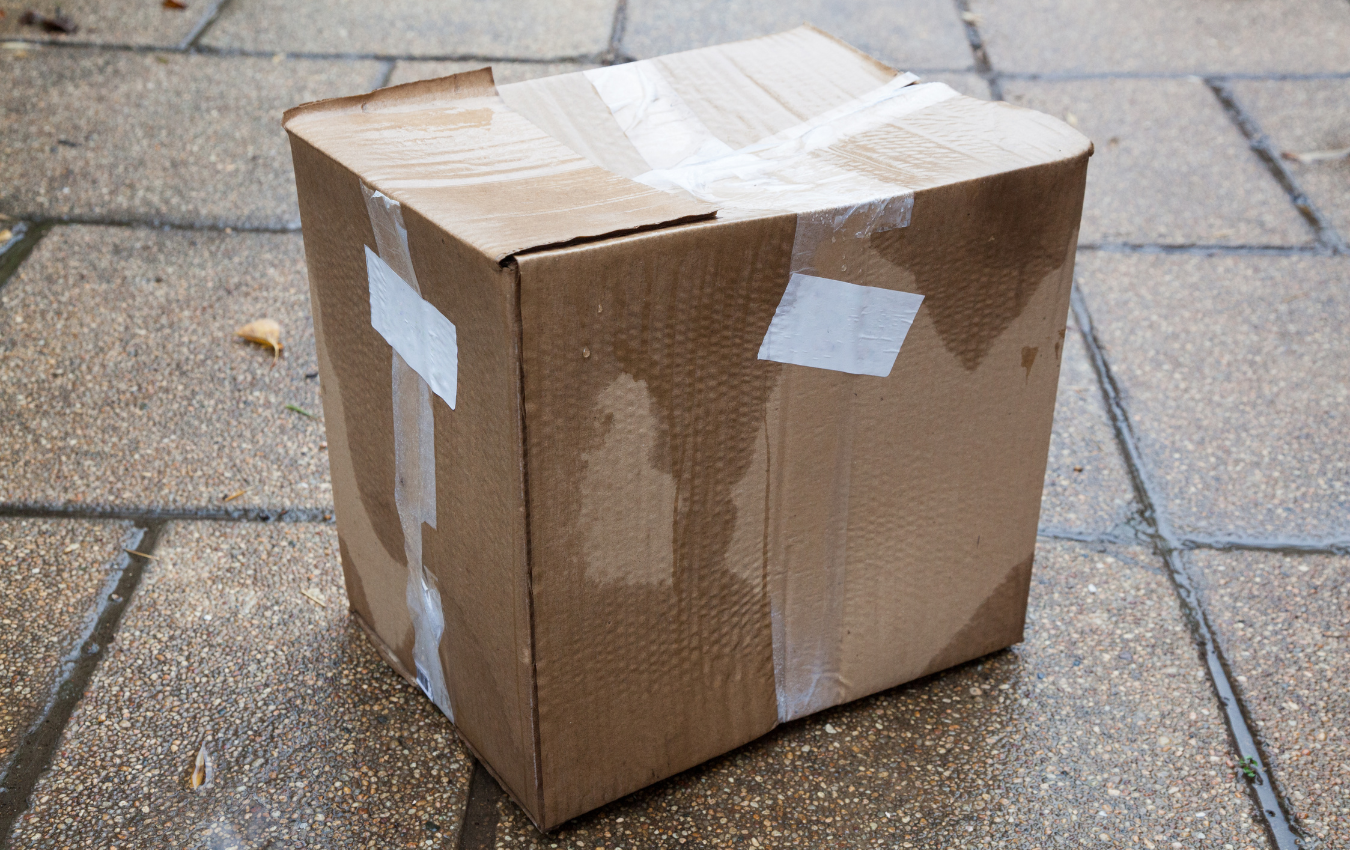
- Moisture exposure: Humidity and rain compromise corrugated performance.
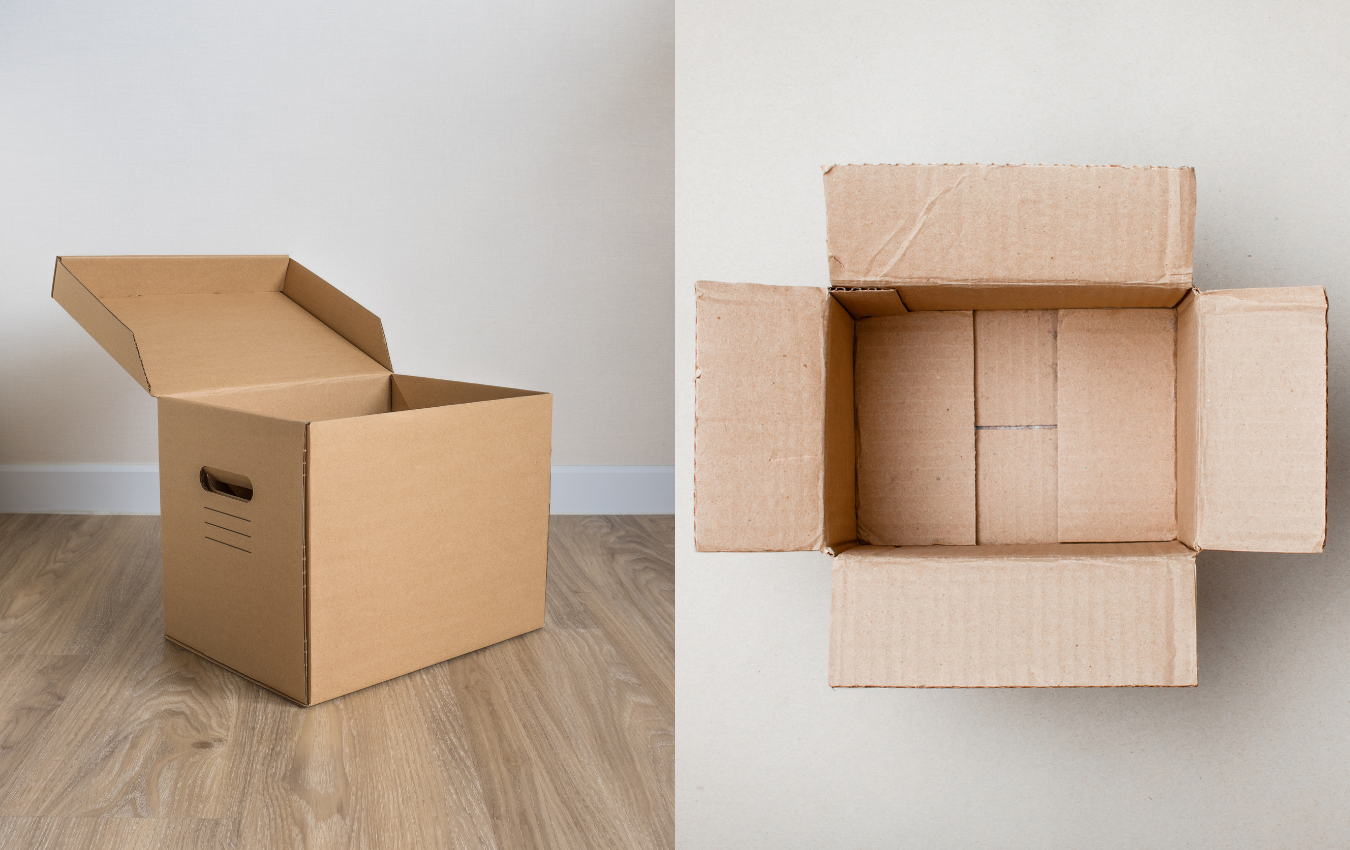
- Poor right-sizing: Oversized boxes allow product movement inside.
Strategies to Reduce Damage in 2026
- Right-size packaging: Minimize empty space and movement.
- Material optimization: Choose the correct corrugated grade for load demands.
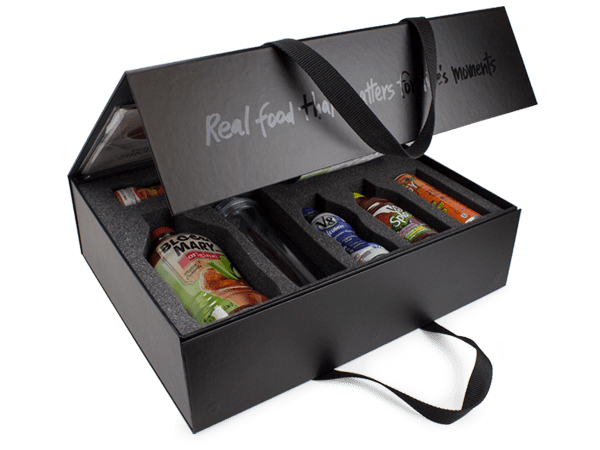
- Protective inserts: Molded pulp or engineered corrugated reduce shock.
- Moisture-resistant coatings: Defend against water and humidity.
- Automation-friendly design: Prevent jams that damage products on high-speed lines.
Testing Protocols for Damage Prevention
- ISTA testing: Simulates vibration, drops, and compression.
- ASTM standards: Validate packaging strength and durability.
- Pilot shipments: Real-world trials confirm lab results.
Packaging Solutions with Brown Packaging
Brown Packaging designs solutions that minimize damage across today’s complex supply chains. From right-sized corrugated to ISTA-tested inserts, we help buyers protect products while reducing costs. Contact us to strengthen your packaging program.
References
ASTM International. (2023). ASTM D4169: Standard Practice for Performance Testing of Shipping Containers and Systems.
International Safe Transit Association (ISTA). (2023). ISTA Testing Procedures for Transport Packaging. Retrieved from https://ista.org
Soroka, W. (2009). Fundamentals of Packaging Technology (4th ed.). Institute of Packaging Professionals.
Product damage is one of the most expensive risks in packaging. Beyond replacement costs, damaged goods lead to lost sales, returns, and reputational harm. In 2026, complex e-commerce, global shipping,
Retail packaging continues to evolve as brands balance sustainability, supply chain performance, and consumer experience. In 2026, buyers face new challenges shaped by material innovation, compliance requirements, and rising consumer
Supplier contracts can make or break a packaging program. Without the right terms, buyers risk price volatility, missed lead times, and inconsistent product quality. In 2026, negotiating smart contracts is
Packaging compliance is no longer optional—it’s a requirement for accessing retail shelves, shipping networks, and international markets. In 2026, buyers must navigate evolving regulations around sustainability, labeling, and testing to
Home » Preventing Product Damage in 2026 Supply Chains

Packaging compliance is no longer optional—it’s a requirement for accessing retail shelves, shipping networks, and international markets. In 2026, buyers must navigate evolving regulations around sustainability, labeling, and testing to avoid costly fines, rejected shipments, or damaged customer relationships. Why Compliance Matters in 2026 Retail requirements: Major retailers demand FSC, ISTA, and sustainability certifications. E-commerce standards: Carriers enforce dimensional weight and package testing rules. Global trade: Export packaging must comply with ISPM 15, ASTM, and ISO guidelines. Consumer trust: Transparency in packaging claims impacts purchasing decisions. Key Compliance Areas for Buyers Material sourcing: FSC-certified corrugated and board for sustainability. Labeling standards: GS1-compliant barcodes and accurate product details. Durability testing: ISTA and ASTM protocols for drop, vibration, and compression. Sustainability regulations: Requirements for recyclable or compostable materials. Chemical restrictions: Compliance with FDA, EU, or state-specific standards. Common Compliance Challenges Keeping up with frequent regulatory changes. Managing multiple certifications across suppliers. Balancing compliance with cost-efficiency. Verifying supplier claims for sustainability. Best Practices for Staying Compliant Audit suppliers annually to confirm certification validity. Run internal packaging tests before scaling. Track regulatory updates for each region you ship to. Work with experienced partners who understand industry compliance. Packaging Solutions with Brown Packaging Brown Packaging helps buyers meet 2026 compliance standards with FSC-certified materials, ISTA-tested designs, and regulatory expertise. Our team ensures your packaging meets retailer, carrier, and sustainability requirements. Contact us to keep your program compliant. References Forest Stewardship Council (FSC). (2023). FSC Certification Guidelines for Packaging. Retrieved from https://fsc.orgInternational Safe Transit Association (ISTA). (2023). ISTA Testing Procedures for Transport Packaging. Retrieved from https://ista.orgGS1. (2024). Global Standards for Packaging and Labeling. Retrieved from https://www.gs1.org (714)300-0650 request@brownpackaging.com Most Recent Posts: Categories: Corrugated Ecommerce ESD Design Display Flexible Packaging Foam Folding Carton Packaging Plastic Packaging Pouch Printing Protection Retail Rigid Box Thermoform Sustainability Subscribe To Our Newsletter By submitting your information, you agree to our terms and conditions and privacy policy. Custom Packaging Facebook Twitter LinkedIn Pinterest Relevant Posts

When it comes to packaging, it’s easy to dismiss it as merely a wrapper for the product. However, packaging serves a crucial role in not only protecting the product but also influencing consumer perception and purchase decisions. In the world of custom packaging, understanding the hierarchy of needs is essential to create packaging that not only satisfies basic requirements but also elevates your brand. Let’s dive into this packaging hierarchy and explore how it can impact your business. Functional Needs: The Foundation of Packaging At the base of the packaging hierarchy lie the functional needs. These are the fundamental requirements that packaging must meet to serve its primary purpose effectively. Without these basic functions, packaging would fail in its essential role. Protection: Packaging should safeguard the product from damage during transportation, handling, and storage. It’s the first line of defense against the rigors of the supply chain. Containment: A well-designed package securely holds the product, preventing spillage, breakage, or leakage. It ensures that the product reaches the customer intact. Accessibility: Packaging should facilitate easy access to the product. Consumers shouldn’t struggle to open or close the package, ensuring a seamless user experience. Safety and Compliance: Meeting Industry Standards Once functional needs are met, safety and compliance considerations come into play. Adherence to regulations and safety standards is vital for both consumer safety and the brand’s reputation. Regulatory Compliance: Packaging must conform to relevant laws and regulations, including labeling requirements and environmental standards. Non-compliance can lead to legal issues and damage your brand’s image. Product Safety: Beyond legal requirements, the packaging materials themselves should not pose any safety risks to consumers. This includes considerations like avoiding toxic substances in packaging. Aesthetic and Branding Needs: Making a Visual Statement Moving up the hierarchy, we encounter the aesthetics and branding aspects of packaging. These elements contribute to the visual appeal of your product and its ability to communicate your brand identity. Visual Appeal: Your packaging should be visually attractive. Colors, graphics, and design should align with your brand’s image and resonate with your target audience. Information: Effective packaging communicates essential product information, usage instructions, and branding elements clearly. It helps consumers make informed choices and reinforces your brand. User Experience and Convenience: Enhancing Customer Satisfaction Beyond aesthetics, the user experience and convenience are paramount. Packaging should enhance the overall customer experience and convenience in using the product. Ease of Use: Packaging should be user-friendly, allowing customers to open and close it without frustration. A pleasant unboxing experience can leave a lasting positive impression. Eco-Friendliness: In today’s environmentally conscious world, eco-friendly packaging is a priority. Sustainable materials and responsible design can appeal to eco-conscious consumers. Customization and Personalization: Setting Your Brand Apart At the pinnacle of the packaging hierarchy is customization and personalization. Custom packaging solutions can set your brand apart and create a unique identity in the market. Tailored Solutions: Custom packaging designs cater to specific products and consumer preferences. They can be tailored to fit various product shapes and sizes. Brand Differentiation: In a crowded marketplace, custom packaging helps your brand stand out. It reinforces brand recognition and builds a loyal customer base. In conclusion, the hierarchy of needs in custom packaging serves as a roadmap for designing packaging that not only meets basic requirements but also elevates your brand. By starting with the foundation of functionality and working your way up to aesthetics and customization, you can create packaging that not only protects your product but also enhances its appeal and strengthens your brand identity. Remember, in the world of packaging, meeting basic needs is just the beginning of a beautiful branding journey. If you are interested in custom packaging, then partner with Brown Packaging today to get started. (714)300-0650 request@brownpackaging.com Most Recent Posts: Categories: Corrugated Ecommerce ESD Design Display Flexible Packaging Foam Folding Carton Packaging Plastic Packaging Pouch Printing Protection Retail Rigid Box Thermoform Sustainability Subscribe To Our Newsletter By submitting your information, you agree to our terms and conditions and privacy policy. Custom Packaging Facebook Twitter LinkedIn Pinterest Relevant Posts

The world of packaging design has undergone a remarkable transformation in recent years, with new and innovative designs emerging to meet the ever-changing needs of consumers and businesses. Packaging is no longer just a means of protection for products, but a crucial component of a brand’s identity and marketing strategy. With the rise of e-commerce and a growing focus on sustainability, packaging design has become increasingly sophisticated and technology-driven, offering consumers a more engaging and interactive experience. Overview: Innovations in Packaging Design In this blog, we will explore the latest advancements in packaging design and how they are revolutionizing the packaging industry. Unique Shapes Interactive Packaging Innovative Printing Techniques Sustainability Smart Packaging Modular Packaging Unique Shapes Unique shapes in packaging design refer to packaging that is not limited to the traditional rectangular or cylindrical shapes. Instead, these designs feature unconventional shapes that are often more eye-catching and memorable for consumers. Unique shapes can be used to convey the brand identity of a product, its purpose, or even its personality. One of the most popular forms of unique shape packaging is custom molding. This allows manufacturers to create packaging in any shape they desire, limited only by their imagination and the capabilities of the manufacturing process. Custom molding is often used to create packaging that is a perfect fit for the product it contains, reducing waste and improving product protection. Another example of unique shape packaging is shaped bottles, such as a shaped soda bottle or a unique shaped liquor bottle. These bottles are often designed to stand out on store shelves and draw the consumer’s attention, while also communicating the brand’s image and values. Unique shape packaging can also be used to create interactive packaging. For example, a package in the shape of a puzzle can be used to engage consumers in a fun, interactive experience. Similarly, packages in the shape of a game board or a book can also create a memorable and enjoyable experience for the consumer. Interactive Packaging Interactive packaging refers to packaging that engages the consumer beyond simply holding and protecting the product. It is designed to create a memorable and enjoyable experience that enhances the consumer’s relationship with the brand. Interactive packaging often employs unique shapes, but it can also include elements such as pop-ups, movable parts, or augmented reality. One example of interactive packaging is the use of pop-up elements. This can include 3D designs that pop up when the package is opened, adding an element of surprise and delight for the consumer. Pop-up elements can also be used to create a sense of excitement and anticipation, such as in the case of a mystery toy inside a box. Another form of interactive packaging is the use of movable parts. This can include packages that have moving gears or levers, allowing the consumer to interact with the package in a fun and playful way. This type of packaging can also be used to provide information or instructions, such as a flip-open package that reveals instructions on how to use a product. Augmented reality is another innovative approach to interactive packaging. This technology allows the consumer to use their smartphone to access additional information, such as product demonstrations or virtual tours. Augmented reality can also be used to bring the packaging to life, creating an immersive experience for the consumer. Innovative Printing Techniques Innovative printing techniques refer to new and advanced methods of printing on packaging that enhance its appearance and functionality. From high-quality images and graphics to intricate patterns and textures, printing techniques have come a long way in recent years, offering brands new and exciting ways to communicate their message and convey their brand identity. One of the most significant advancements in printing technology is digital printing. Digital printing allows for the production of high-quality, full-color images and graphics with a quick turnaround time, making it ideal for short runs or custom packaging. Digital printing also enables brands to print variable data, such as a product’s expiration date or individualized marketing messages, making each package unique and personalized. Another innovative printing technique is the use of raised printing, also known as embossing or debossing. This technique creates a raised or recessed image or text on the packaging, adding a tactile element that can make a strong impact on the consumer. Raised printing can also be combined with other printing techniques, such as foil stamping or spot UV, to create an even more striking and memorable package. Metallized printing is another innovative printing technique that creates a metallic shine on the packaging, adding a premium and sophisticated look. This technique is often used for luxury or high-end products, and it can be combined with other printing techniques, such as embossing or foil stamping, to create an even more eye-catching package. Sustainability Sustainability has become an increasingly important consideration in packaging design, as consumers, businesses, and governments seek to reduce waste and minimize the environmental impact of packaging. Packaging designers are responding to this trend by creating packaging that is environmentally friendly, reducing waste, and promoting recycling. One approach to sustainable packaging design is to use renewable and biodegradable materials, such as paper, plant-based plastics, and bioplastics. These materials are made from renewable resources and are biodegradable, reducing the environmental impact of packaging waste. For example, plant-based plastics can be made from crops like corn or sugarcane and can biodegrade in a matter of months, rather than years like traditional petroleum-based plastics. Another approach to sustainable packaging design is to reduce packaging waste through the use of minimalist designs. This involves using the minimum amount of packaging necessary to protect the product, without any excess or unnecessary materials. This can be achieved through the use of smaller packages, multi-use packaging, or even packages that can be used again after the product has been consumed. Recyclability is also a critical aspect of sustainable packaging design. Packaging designers are incorporating materials and designs that are recyclable and encourage consumers to recycle the packaging. For example, the