
window.uetq = window.uetq || []; window.uetq.push(‘event’, ‘submit_lead_form’,{ event_label:‘SUBMIT MESSAGE’ }); window.lintrk('track', { conversion_id: 10271009 }); window.lintrk('track', { conversion_id: 10271017 });

POP Displays for Seasonal Promotions

POP Displays for Seasonal Promotions

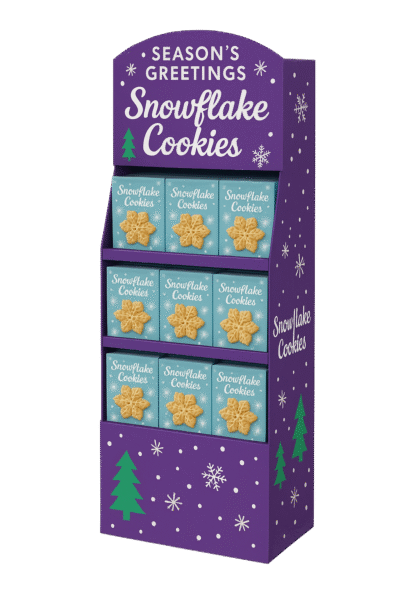
Seasonal promotions are among the most powerful opportunities for brands to capture attention in retail environments. From holidays to back-to-school campaigns, point-of-purchase (POP) displays serve as the centerpiece of these promotions. To succeed, seasonal displays must deliver bold branding, withstand short-term but intensive use, and remain cost-efficient for rapid deployment.

The Role of POP Displays in Seasonal Campaigns

Seasonal promotions rely on speed, visibility, and excitement. POP displays amplify these campaigns by:

  • Highlighting limited-time offers.
  • Creating urgency that drives impulse purchases.
  • Reinforcing brand presence during peak shopping periods.
  • Allowing retailers to reconfigure store layouts quickly.

Design Considerations for Seasonal POP Displays

Unlike long-term club store displays, seasonal displays must balance structural strength with temporary use.

  • Lightweight but durable materials: Enough to last weeks, not months.
  • Fast assembly: Retail staff must set up displays quickly.
  • Compact shipping: Flat-pack designs keep logistics efficient.
  • Creative graphics: Bold, festive, and aligned with seasonal themes.
The Role of POP Displays in Seasonal Campaigns Seasonal promotions rely on speed, visibility, and excitement. POP displays amplify these campaigns by: • Highlighting limited-time offers. • Creating urgency that drives impulse purchases. • Reinforcing brand presence during peak shopping periods. • Allowing retailers to reconfigure store layouts quickly. ________________________________________ Design Considerations for Seasonal POP Displays Unlike long-term club store displays, seasonal displays must balance structural strength with temporary use. • Lightweight but durable materials: Enough to last weeks, not months. • Fast assembly: Retail staff must set up displays quickly. • Compact shipping: Flat-pack designs keep logistics efficient. • Creative graphics: Bold, festive, and aligned with seasonal themes.

Balancing Cost and Performance

Because seasonal promotions are short-lived, packaging buyers must avoid overspending on unnecessary strength. Best practices include:

  • Using single-wall corrugated with protective coatings when appropriate.
  • Right-sizing displays to fit promotion duration and product volume.
  • Selecting cost-efficient printing methods that deliver strong visual impact.

Examples of Seasonal POP Applications

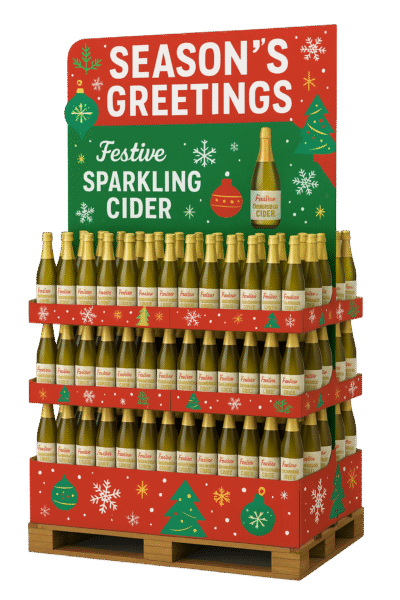
  • Holiday promotions: Gift packs, limited-edition items, and themed displays.
  • Back-to-school campaigns: Stationery, snacks, and student-focused promotions.
  • Summer promotions: Beverage displays and outdoor lifestyle products.

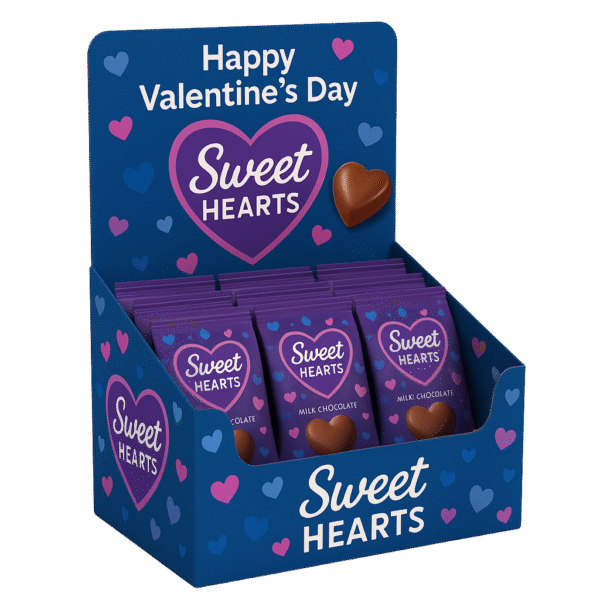
Valentine’s Day or Easter: Small-scale seasonal displays with high turnover.

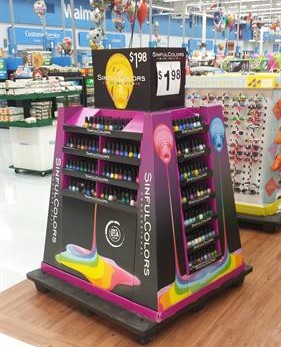
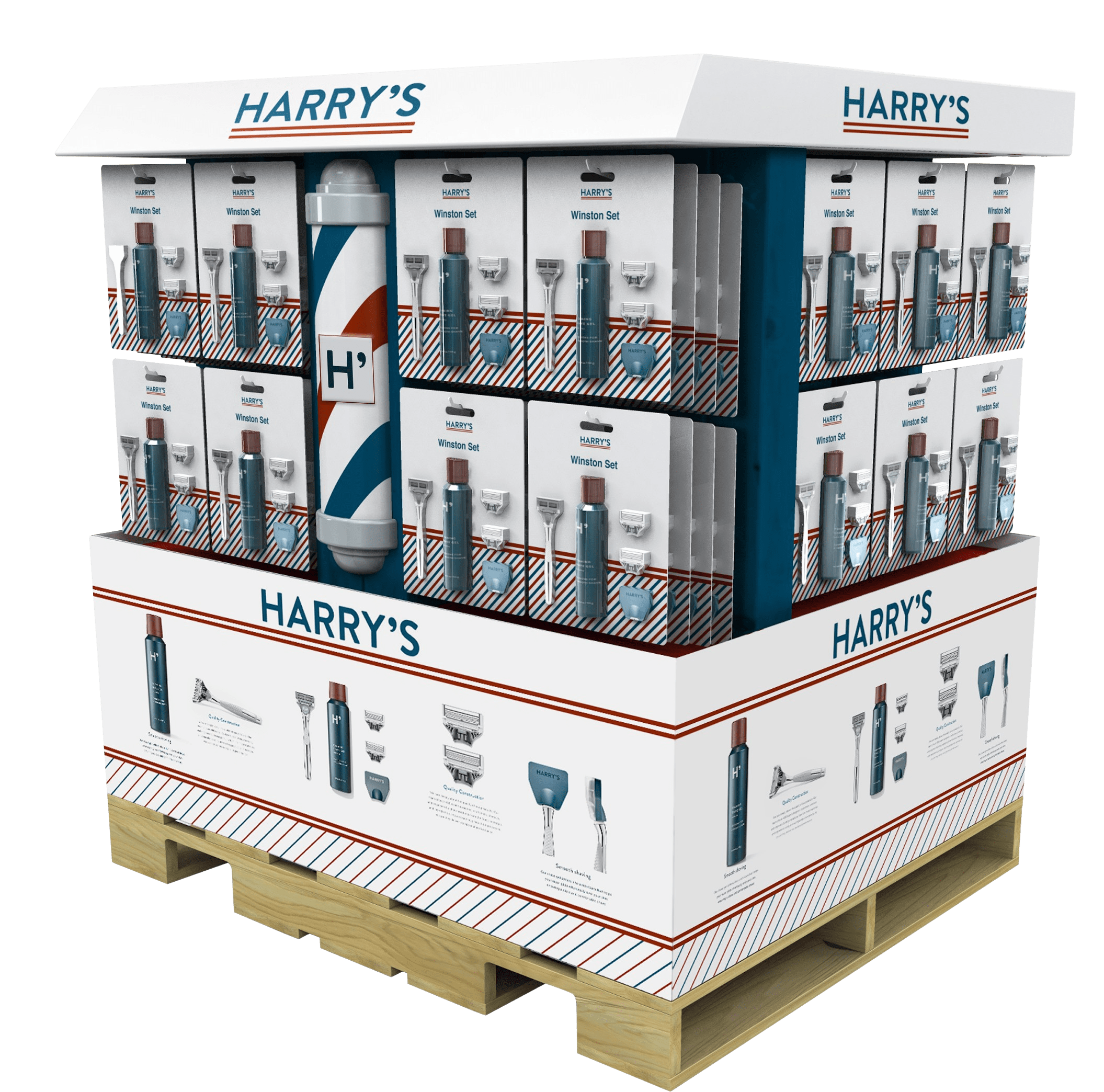
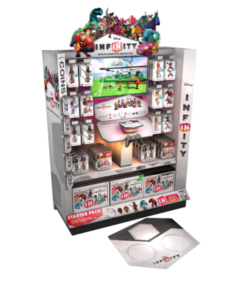
Seasonal powerwing pop display

POP Display Solutions with Brown Packaging

Brown Packaging designs POP displays tailored for seasonal promotions. From festive graphics to cost-efficient structural designs, we create displays that attract shoppers and maximize return during short-term campaigns. Contact us to learn more about seasonal POP solutions.

References


Shop! Association. (2021). Best Practices for In-Store Marketing and POP Displays. Retrieved from https://www.shopassociation.org
Soroka, W. (2009). Fundamentals of Packaging Technology (4th ed.). Institute of Packaging Professionals.
ASTM International. (2023). ASTM D5445: Standard Practice for Pictorial Markings for Handling of Goods.

Most Recent Posts:
Meeting 2026 Packaging Compliance Standards

Packaging compliance is no longer optional—it’s a requirement for accessing retail shelves, shipping networks, and international markets. In 2026, buyers must navigate evolving regulations around sustainability, labeling, and testing to

Read More »
Comparing Single vs. Multi-Material Packaging

Choosing the right packaging material is one of the most important decisions buyers face. Single-material packaging offers simplicity and recyclability, while multi-material designs provide enhanced performance and protection. Understanding the

Read More »
Categories:
Subscribe To Our Newsletter

By submitting your information, you agree to our terms and conditions and privacy policy.

Custom POP displays
POP Display
Facebook
Twitter
LinkedIn
Pinterest
Relevant Posts
Endcap Display
Display
brownpackaging
Choosing Materials and Production for Your POP Display

The selection of materials and the production process are critical aspects of creating a Point of Purchase (POP) display that not only captures attention but is also cost-effective and durable. This stage in the creation of a POP display involves deciding on the materials that will best convey the brand message while standing up to the retail environment. This blog explores how to choose the right materials for your POP display and discusses key considerations for the production process. Material Selection: Balancing Aesthetics, Budget, and Durability Understand Material Options The most common materials used in POP displays include cardboard, plastic, metal, and wood. Each has its advantages and drawbacks: Cardboard (Corrugated) is cost-effective and versatile but less durable. Plastic offers durability and a clean look but can be more expensive. Metal is highly durable and stable, suitable for heavier products. Wood provides a premium aesthetic but is often heavier and more costly. Consider Environmental Factors Select materials that are appropriate for the display’s environment. For indoor displays, durability concerns might be less stringent than for outdoor displays. Additionally, consider the sustainability of materials if environmental impact is a concern for your brand. Align with Budget Your material choice is heavily influenced by your budget. While it’s important to aim for high-quality, cost-effective materials that offer visual appeal and durability, ensure they do not stretch your budget too thin. Plan to allocate resources efficiently to balance between material costs and other elements like design and transportation. Production Process: Ensuring Quality and Efficiency Choose the Right Manufacturer Selecting a manufacturer is a pivotal decision in the production process. Look for manufacturers with experience in producing similar types of displays, good reputations for quality and reliability, and the ability to provide valuable insights and adjustments to your design. Prototype Testing Before moving into mass production, ensure that a prototype of the display is tested. This helps in identifying any potential issues with the design or materials that might affect the display’s functionality or durability. Quality Control Establish a strict quality control process with your manufacturer to ensure that every display meets your standards. Consistent quality is crucial, as any defects can detract from the effectiveness of your display and potentially harm your brand’s reputation. Consider Assembly and Installation Think about the assembly process for your display. If the displays need to be assembled on-site, ensure that they are designed to be easily put together, with clear instructions provided. This can significantly affect the overall success of the display deployment. Plan for Logistics Coordinate with the manufacturer about logistics. This includes the packaging of the displays for shipment and the delivery schedules to ensure that displays arrive in good condition and on time for deployment. Conclusion Choosing the right materials and overseeing a careful production process are essential steps in creating effective POP displays. By considering factors like material properties, budget constraints, and environmental conditions, and by working closely with a reliable manufacturer, you can ensure that your POP display effectively represents your brand and engages your target audience. This attention to detail in the production phase will pay dividends in the display’s success and durability. If you are interested in POP displays, then partner with Brown Packaging today to get started.   (714)300-0650 request@brownpackaging.com Most Recent Posts: Categories: Corrugated Ecommerce ESD Design Display Flexible Packaging Foam Folding Carton Packaging Plastic Packaging Pouch Printing Protection Retail Rigid Box Thermoform Sustainability Subscribe To Our Newsletter By submitting your information, you agree to our terms and conditions and privacy policy. POP Display Facebook Twitter LinkedIn Pinterest Relevant Posts

Read More »
POP Endcap Display
Display
brownpackaging
Point-of-Purchase Displays: A Comprehensive Retailer’s Guide

In the intricate world of retail, where sales are the ultimate goal, having an exceptional product is just the beginning. To truly succeed, retailers need to guide customers through the decision-making process effectively. This is where point-of-purchase (POP) displays emerge as a game-changing strategy, capable of influencing purchasing decisions at the critical moment. By mastering the art of POP displays, retailers can tap into increased sales and create lasting brand impressions. What Are Point of Purchase Displays? Point of purchase displays serve as strategic marketing tools within retail environments, aiming to highlight products and guide customers toward making informed purchase decisions. Designed to capture attention and spark curiosity, these displays play a pivotal role in driving sales by influencing last-minute choices. Point of Purchase vs. Point of Sale Distinguishing between point of purchase and point of sale is crucial, as they serve distinct purposes. While both contribute to the shopping experience, point of purchase refers to the area where products are showcased, visually guiding customers, while point of sale is the actual transaction point. Exploring Different Types of Point-of-Purchase Displays POP displays come in various forms, catering to diverse needs. Temporary displays are ideal for seasonal promotions, while semi-permanent and permanent displays offer durability and adaptability. Additionally, digital and robotic POP displays introduce an interactive dimension to product presentation. End Cap Display Pallet Display Countertop Display The Essence of Point-of-Purchase Marketing Point-of-purchase marketing strategically targets customers precisely when they’re ready to make a purchase. In-store POP displays encompass a range of tools, from attention-grabbing banners to central aisle displays, all aimed at enhancing product understanding and driving decision-making. The Multi-Faceted Benefits of POP Displays Cost-Efficiency: Temporary POP displays offer flexibility at an affordable cost, enabling frequent updates. Targeted Impact: POP displays focus on specific products, catering to niche audiences and building brand recognition. Highlighting Promotions: These displays effectively showcase special offers, enticing customers to explore and purchase. Enhanced Visibility: By rotating products on display, retailers ensure continuous product discovery and engagement. Boosting Sales: The culmination of benefits leads to increased sales, making POP displays a crucial revenue driver. Crafting Effective Point-of-Purchase Displays: Expert Tips Strategic Placement: Choose locations that maximize visibility and engagement. Clear Messaging: Communicate product benefits concisely for easy customer understanding. Engaging Visuals: Utilize captivating designs, imagery, and colors to capture attention. Interactive Elements: Incorporate interactivity, such as product demos or videos, for enhanced engagement. Testing Ground: Experiment with various displays to identify what resonates best with your audience. Strategically Deploying POP Displays for Maximum Impact Beyond the checkout counter, creativity thrives. POP displays can thrive throughout the store, leading customers through paths and sections that encourage additional purchases. This strategic approach extends the shopping experience and encourages exploration. Mastering the art of point-of-purchase displays is pivotal in the evolving landscape of retail. By strategically deploying and creatively designing POP displays, retailers can influence decisions, create captivating shopping journeys, and foster brand loyalty. If you are interested in point of purchase displays, then partner with Brown Packaging today. (714)300-0650 request@brownpackaging.com Most Recent Posts: Categories: Corrugated Ecommerce ESD Design Display Flexible Packaging Foam Folding Carton Packaging Plastic Packaging Pouch Printing Protection Retail Rigid Box Thermoform Sustainability Subscribe To Our Newsletter By submitting your information, you agree to our terms and conditions and privacy policy. POP Displays Facebook Twitter LinkedIn Pinterest Relevant Posts

Read More »
Half Pallet POP Display
Corrugated
brownpackaging
Load Bearing Design Principles for Corrugated POP Displays

POP displays must balance eye-catching branding with structural integrity. Inadequate load-bearing design can result in product sagging, leaning, or complete collapse, which not only risks product loss but also damages retailer confidence. By applying engineering principles, testing protocols, and correct material selection, brands can maximize display stability without unnecessary cost. Understanding Load-Bearing Capacity Static Load vs. Dynamic Load: Static load refers to the total weight a display can hold without movement. Dynamic load accounts for forces during handling, stocking, and customer interaction. Failure Modes: Panel buckling, shelf deflection, joint separation, and base collapse are the most common failure points. Material Selection Corrugated Board Strength: Flute profile (B, C, E, or BC) impacts stiffness and stacking strength. Higher ECT boards increase vertical load capacity but also affect cost and weight. Coatings and Laminates: Water-resistant coatings prevent fiber weakening in humid environments. Laminates can increase rigidity but may impact recyclability. Structural Reinforcements Double-Wall Shelving: For heavier products such as beverages or canned goods. Internal Braces: Die-cut supports hidden behind the graphic panels for increased stability. Base Skids: Distributes load more evenly to prevent floor contact wear and pallet jack damage. Design and Geometry Weight Distribution: Heavier SKUs should be placed at lower tiers to reduce tipping risk. Joint Engineering: Lock tabs, glue flaps, and interlocking slots improve structural stability. Shear Resistance: Cross-bracing and panel alignment reduce the risk of diagonal collapse. Testing Protocols ASTM D642: Measures compression strength to determine safe stacking loads. ISTA 3A & 6-Series: Simulates real-world handling, vibration, and impact. Shelf Deflection Tests: Measures how much a shelf bends under load over time. Best Practices Always design for at least 25% higher load capacity than the expected maximum product weight. Validate prototypes under realistic load and environmental conditions before production. Balance cost-to-performance ratio — over-engineering increases cost without visible retail benefit. References ASTM International. (2015). ASTM D642-15: Standard test method for determining compressive resistance of shipping containers. ASTM International. https://www.astm.org/d0642-15.htmlInternational Safe Transit Association. (2018). ISTA 3A general simulation performance test for packaged-products for parcel delivery system shipment. ISTA. https://ista.org/International Safe Transit Association. (2018). ISTA 6-Series transit tests. ISTA. https://ista.org/ (714)300-0650 request@brownpackaging.com Most Recent Posts: Categories: Corrugated Ecommerce ESD Design Display Flexible Packaging Foam Folding Carton Packaging Plastic Packaging Pouch Printing Protection Retail Rigid Box Thermoform Sustainability Subscribe To Our Newsletter By submitting your information, you agree to our terms and conditions and privacy policy. POP Display Facebook Twitter LinkedIn Pinterest Relevant Posts

Read More »