



window.uetq = window.uetq || []; window.uetq.push(‘event’, ‘submit_lead_form’,{ event_label:‘SUBMIT MESSAGE’ }); window.lintrk('track', { conversion_id: 10271009 }); window.lintrk('track', { conversion_id: 10271017 });

Point-of-Purchase Displays: A Comprehensive Retailer’s Guide

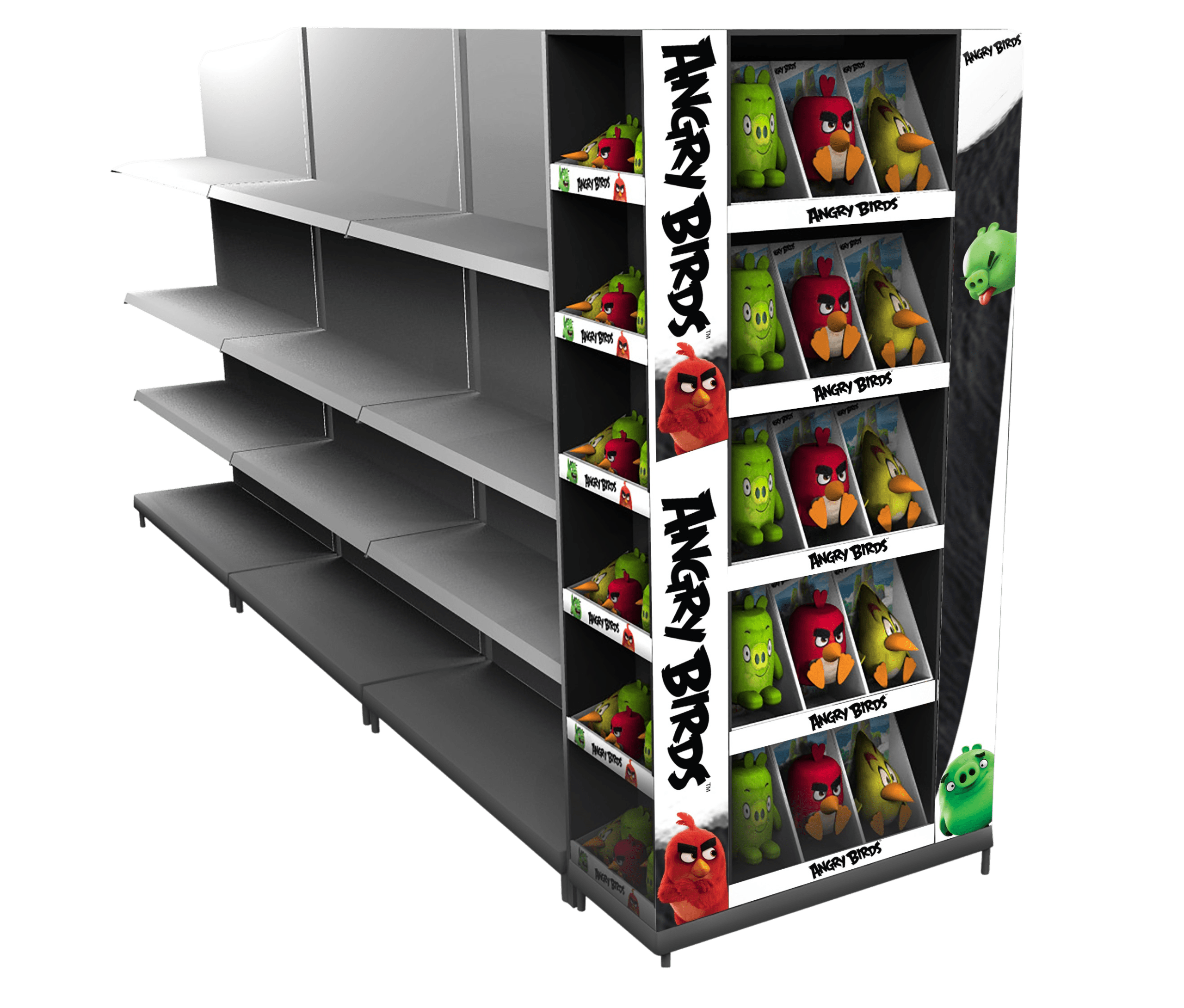
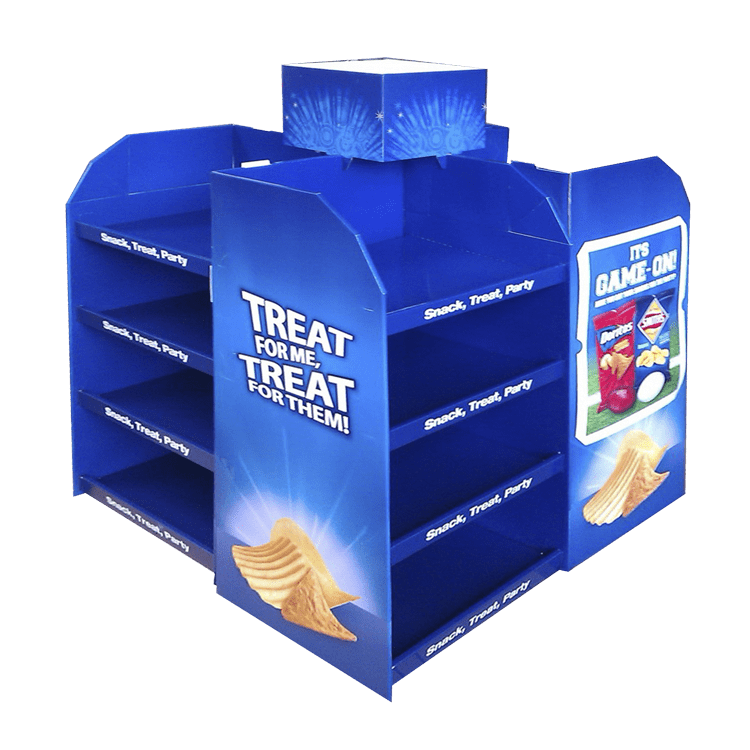
POP Endcap Display

In the intricate world of retail, where sales are the ultimate goal, having an exceptional product is just the beginning. To truly succeed, retailers need to guide customers through the decision-making process effectively. This is where point-of-purchase (POP) displays emerge as a game-changing strategy, capable of influencing purchasing decisions at the critical moment. By mastering the art of POP displays, retailers can tap into increased sales and create lasting brand impressions.

What Are Point of Purchase Displays?

Point of purchase displays serve as strategic marketing tools within retail environments, aiming to highlight products and guide customers toward making informed purchase decisions. Designed to capture attention and spark curiosity, these displays play a pivotal role in driving sales by influencing last-minute choices.

Point of Purchase vs. Point of Sale

Distinguishing between point of purchase and point of sale is crucial, as they serve distinct purposes. While both contribute to the shopping experience, point of purchase refers to the area where products are showcased, visually guiding customers, while point of sale is the actual transaction point.

Exploring Different Types of Point-of-Purchase Displays

POP displays come in various forms, catering to diverse needs. Temporary displays are ideal for seasonal promotions, while semi-permanent and permanent displays offer durability and adaptability. Additionally, digital and robotic POP displays introduce an interactive dimension to product presentation.

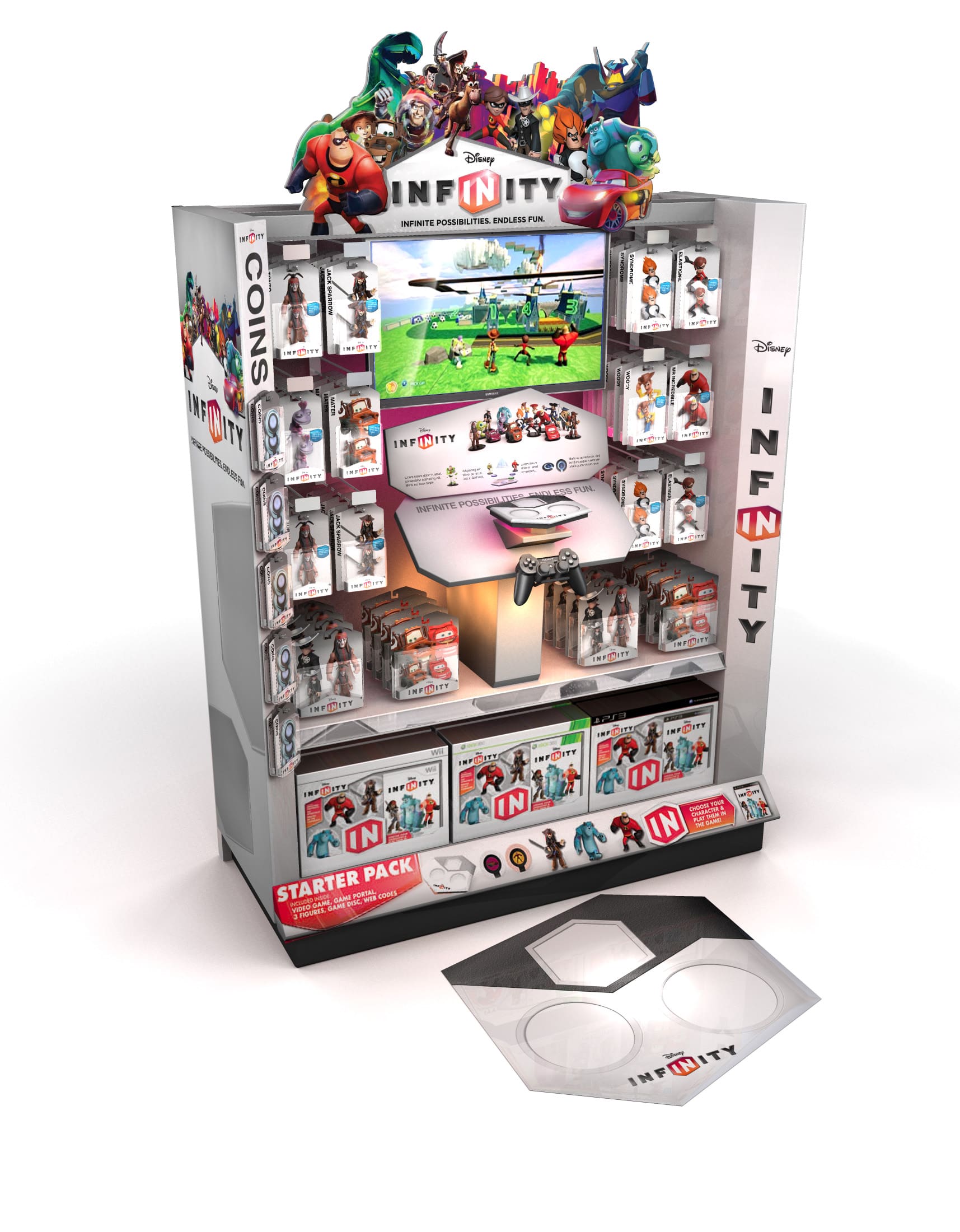
Endcap Display

End Cap Display

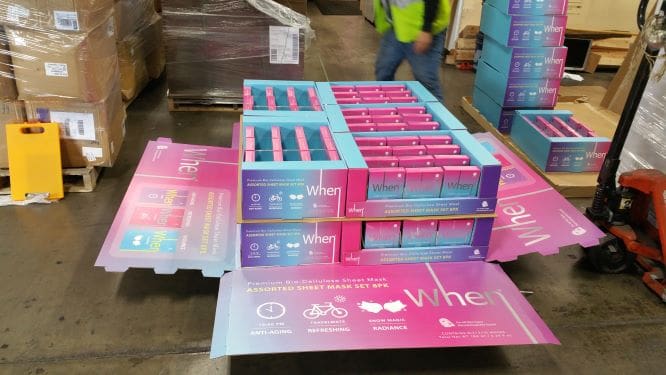
custom printed pallet display

Pallet Display

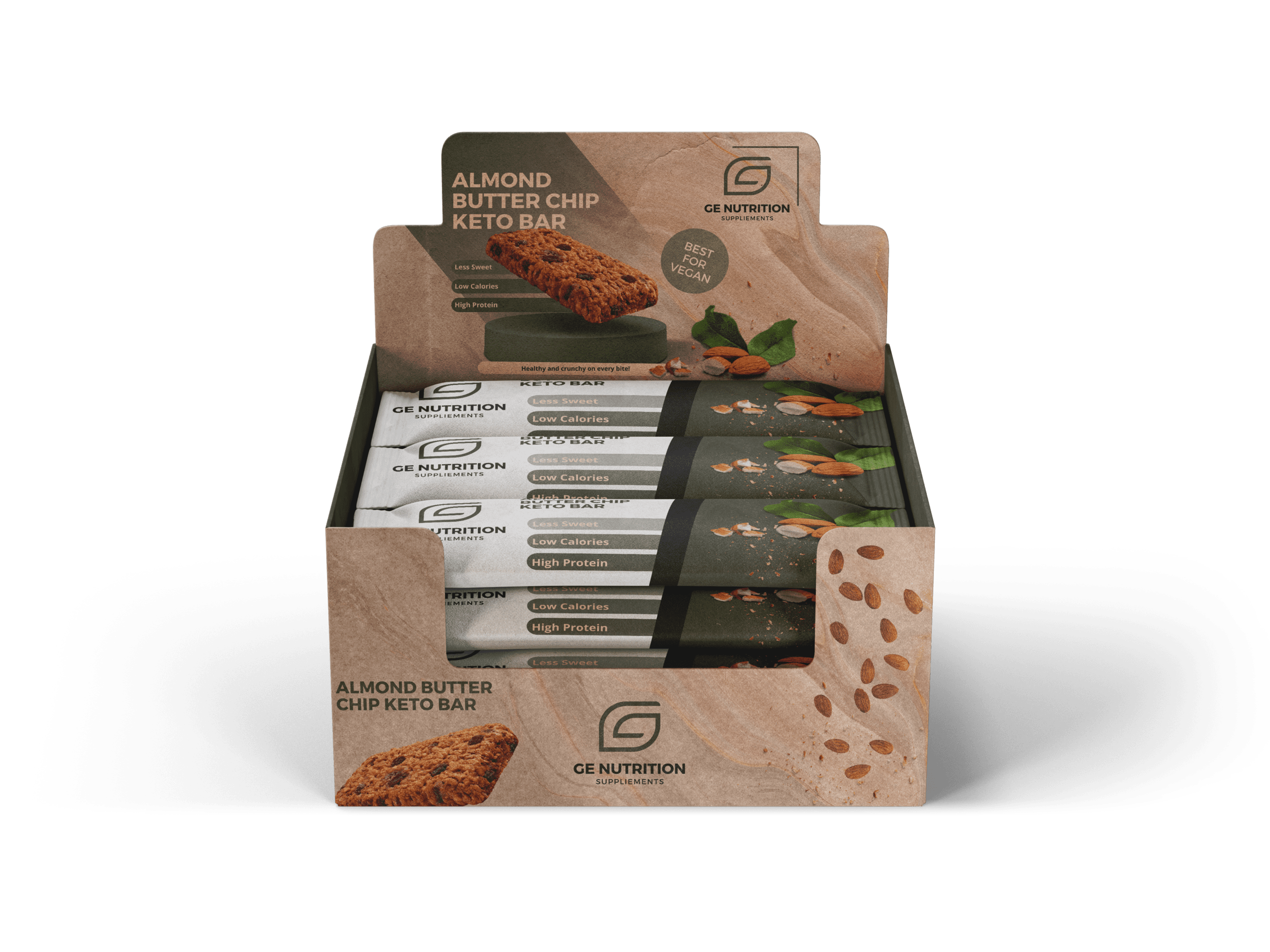
Countertop Display with custom insert cavities

Countertop Display

The Essence of Point-of-Purchase Marketing

Point-of-purchase marketing strategically targets customers precisely when they’re ready to make a purchase. In-store POP displays encompass a range of tools, from attention-grabbing banners to central aisle displays, all aimed at enhancing product understanding and driving decision-making.

The Multi-Faceted Benefits of POP Displays

  • Cost-Efficiency: Temporary POP displays offer flexibility at an affordable cost, enabling frequent updates.
  • Targeted Impact: POP displays focus on specific products, catering to niche audiences and building brand recognition.
  • Highlighting Promotions: These displays effectively showcase special offers, enticing customers to explore and purchase.
  • Enhanced Visibility: By rotating products on display, retailers ensure continuous product discovery and engagement.
  • Boosting Sales: The culmination of benefits leads to increased sales, making POP displays a crucial revenue driver.

Crafting Effective Point-of-Purchase Displays: Expert Tips

  • Strategic Placement: Choose locations that maximize visibility and engagement.
  • Clear Messaging: Communicate product benefits concisely for easy customer understanding.
  • Engaging Visuals: Utilize captivating designs, imagery, and colors to capture attention.
  • Interactive Elements: Incorporate interactivity, such as product demos or videos, for enhanced engagement.
  • Testing Ground: Experiment with various displays to identify what resonates best with your audience.
Corrugated Display

Strategically Deploying POP Displays for Maximum Impact

Beyond the checkout counter, creativity thrives. POP displays can thrive throughout the store, leading customers through paths and sections that encourage additional purchases. This strategic approach extends the shopping experience and encourages exploration.

Mastering the art of point-of-purchase displays is pivotal in the evolving landscape of retail. By strategically deploying and creatively designing POP displays, retailers can influence decisions, create captivating shopping journeys, and foster brand loyalty.

If you are interested in point of purchase displays, then partner with Brown Packaging today.

Most Recent Posts:
Retail Packaging Trends for 2026

Retail packaging continues to evolve as brands balance sustainability, supply chain performance, and consumer experience. In 2026, buyers face new challenges shaped by material innovation, compliance requirements, and rising consumer expectations. Understanding these trends helps companies stay competitive while aligning packaging programs with industry standards. Sustainability Becomes Non-Negotiable Greater use of recyclable and compostable substrates. Retailers pushing suppliers toward FSC-certified materials. Minimalist designs that reduce waste without losing impact. Smarter Packaging for Supply Chains Increased adoption of right-sizing to reduce freight costs. Boxes designed for automation and faster fulfillment. Stronger corrugated grades to withstand long e-commerce journeys. Enhanced Consumer Experience Custom graphics for seasonal campaigns and limited editions. Tear strips, resealable closures, and window cutouts for convenience. Premium finishes that elevate gift packaging at retail. Growth of Hybrid Packaging Formats Combining corrugated strength with folding carton graphics. Modular designs for multi-SKU and club store environments. Packaging engineered to serve both e-commerce and in-store needs. Compliance and Testing Standards Retailers demanding ISTA and ASTM testing for packaging durability. Supply chain audits on recyclability and sustainability claims. More pressure for transparent reporting on environmental impact. Retail Packaging Solutions with Brown Packaging Brown Packaging helps brands adapt to evolving retail packaging trends. From sustainable substrates to automation-friendly designs, our solutions balance branding, durability, and compliance for 2026. Contact us to prepare your packaging program for the year ahead. References Forest Stewardship Council (FSC). (2023). FSC Packaging Certification Guidelines. Retrieved from https://fsc.orgSustainable Packaging Coalition. (2023). Packaging Trends and Consumer Insights. Retrieved from https://sustainablepackaging.orgSoroka, W. (2009). Fundamentals of Packaging Technology (4th ed.). Institute of Packaging Professionals. (714)300-0650 request@brownpackaging.com Most Recent Posts: Categories: Corrugated Ecommerce ESD Design Display Flexible Packaging Foam Folding Carton Packaging Plastic Packaging Pouch Printing Protection Retail Rigid Box Thermoform Sustainability Subscribe To Our Newsletter By submitting your information, you agree to our terms and conditions and privacy policy. Custom Packaging Facebook Twitter LinkedIn Pinterest Relevant Posts

Read More »
Packaging Supplier Contracts: What Buyers Should Know

Supplier contracts can make or break a packaging program. Without the right terms, buyers risk price volatility, missed lead times, and inconsistent product quality. In 2026, negotiating smart contracts is essential for controlling costs, securing reliable supply, and meeting compliance requirements. Why Packaging Contracts Matter Cost stability: Protects against sudden raw material price spikes. Supply security: Ensures availability during peak demand. Quality control: Aligns suppliers with testing and compliance standards. Operational efficiency: Streamlines purchasing and reduces administrative burden. Key Terms Buyers Should Negotiate Volume commitments: Secure better pricing with accurate forecasts. Price adjustment clauses: Define when and how costs can change. Lead times and delivery windows: Avoid shortages and production delays. Testing and compliance: Require ISTA, ASTM, or FSC certification where applicable. Sustainability commitments: Ensure suppliers align with environmental goals. Risks of Weak Contracts Paying inflated prices during market fluctuations. Receiving inconsistent corrugated strength or print quality. Missed shipments leading to costly expedited freight. Difficulty meeting retailer or regulatory compliance. Best Practices for Buyers in 2026 Leverage data: Use past order history to negotiate realistic volumes. Dual sourcing: Maintain backup suppliers for risk management. Annual reviews: Reassess terms to reflect changes in demand and compliance. Collaborative approach: Treat suppliers as partners, not just vendors. Packaging Solutions with Brown Packaging Brown Packaging helps buyers secure strong supplier contracts that balance cost, quality, and supply chain reliability. Our partnerships and industry expertise ensure your packaging program is protected for 2026 and beyond. Contact us to discuss supplier solutions. References Soroka, W. (2009). Fundamentals of Packaging Technology (4th ed.). Institute of Packaging Professionals.Fiber Box Association. (2024). Corrugated Packaging Market Outlook. Retrieved from https://www.fibrebox.orgSustainable Packaging Coalition. (2023). Supplier Standards for Sustainable Packaging. Retrieved from https://sustainablepackaging.org (714)300-0650 request@brownpackaging.com Most Recent Posts: Categories: Corrugated Ecommerce ESD Design Display Flexible Packaging Foam Folding Carton Packaging Plastic Packaging Pouch Printing Protection Retail Rigid Box Thermoform Sustainability Subscribe To Our Newsletter By submitting your information, you agree to our terms and conditions and privacy policy. Custom Packaging Facebook Twitter LinkedIn Pinterest Relevant Posts

Read More »
Meeting 2026 Packaging Compliance Standards

Packaging compliance is no longer optional—it’s a requirement for accessing retail shelves, shipping networks, and international markets. In 2026, buyers must navigate evolving regulations around sustainability, labeling, and testing to avoid costly fines, rejected shipments, or damaged customer relationships. Why Compliance Matters in 2026 Retail requirements: Major retailers demand FSC, ISTA, and sustainability certifications. E-commerce standards: Carriers enforce dimensional weight and package testing rules. Global trade: Export packaging must comply with ISPM 15, ASTM, and ISO guidelines. Consumer trust: Transparency in packaging claims impacts purchasing decisions. Key Compliance Areas for Buyers Material sourcing: FSC-certified corrugated and board for sustainability. Labeling standards: GS1-compliant barcodes and accurate product details. Durability testing: ISTA and ASTM protocols for drop, vibration, and compression. Sustainability regulations: Requirements for recyclable or compostable materials. Chemical restrictions: Compliance with FDA, EU, or state-specific standards. Common Compliance Challenges Keeping up with frequent regulatory changes. Managing multiple certifications across suppliers. Balancing compliance with cost-efficiency. Verifying supplier claims for sustainability. Best Practices for Staying Compliant Audit suppliers annually to confirm certification validity. Run internal packaging tests before scaling. Track regulatory updates for each region you ship to. Work with experienced partners who understand industry compliance. Packaging Solutions with Brown Packaging Brown Packaging helps buyers meet 2026 compliance standards with FSC-certified materials, ISTA-tested designs, and regulatory expertise. Our team ensures your packaging meets retailer, carrier, and sustainability requirements. Contact us to keep your program compliant. References Forest Stewardship Council (FSC). (2023). FSC Certification Guidelines for Packaging. Retrieved from https://fsc.orgInternational Safe Transit Association (ISTA). (2023). ISTA Testing Procedures for Transport Packaging. Retrieved from https://ista.orgGS1. (2024). Global Standards for Packaging and Labeling. Retrieved from https://www.gs1.org (714)300-0650 request@brownpackaging.com Most Recent Posts: Categories: Corrugated Ecommerce ESD Design Display Flexible Packaging Foam Folding Carton Packaging Plastic Packaging Pouch Printing Protection Retail Rigid Box Thermoform Sustainability Subscribe To Our Newsletter By submitting your information, you agree to our terms and conditions and privacy policy. Custom Packaging Facebook Twitter LinkedIn Pinterest Relevant Posts

Read More »
How FSC Packaging Certification Impacts Your Brand

In 2026, sustainability is no longer just a trend—it’s a buyer expectation. Forest Stewardship Council (FSC) certification has become a key benchmark for responsible packaging, signaling that materials are sourced from responsibly managed forests. For packaging buyers, FSC certification is more than a compliance checkbox—it’s a brand value that influences purchasing decisions, retailer acceptance, and customer loyalty. What Is FSC Certification? The Forest Stewardship Council certifies that paper-based packaging materials are sourced from forests managed for environmental responsibility, social benefit, and economic viability. FSC Mix: Packaging contains a blend of FSC-certified and controlled wood. FSC Recycled: Packaging is made entirely from recycled fiber. FSC 100%: Packaging is sourced only from FSC-certified forests. Why FSC Matters to Buyers in 2026 Retail access: Many major retailers now require FSC-certified packaging. Sustainability goals: Aligns with corporate ESG and carbon reduction commitments. Consumer trust: Customers recognize the FSC label and view it as credible. Global compliance: Meets international sustainability regulations. How FSC Certification Strengthens Brand Value Differentiation: Stand out with certified sustainable packaging. Marketing advantage: FSC logos reinforce eco-friendly messaging. Risk reduction: Verified sourcing prevents greenwashing claims. Customer loyalty: Environmentally conscious buyers prefer certified products. Challenges in FSC Implementation Limited supply of certain FSC substrates. Higher costs compared to non-certified materials. Need for supplier audits and documentation. Packaging Solutions with Brown Packaging Brown Packaging partners with buyers to integrate FSC-certified materials into corrugated boxes, folding cartons, and retail packaging. Our solutions support sustainability while maintaining cost efficiency and protection. Contact us to strengthen your brand with FSC-certified packaging. References Forest Stewardship Council (FSC). (2023). FSC Certification Guidelines for Packaging. Retrieved from https://fsc.orgSustainable Packaging Coalition. (2023). Consumer Insights on Sustainable Packaging. Retrieved from https://sustainablepackaging.orgSoroka, W. (2009). Fundamentals of Packaging Technology (4th ed.). Institute of Packaging Professionals. (714)300-0650 request@brownpackaging.com Most Recent Posts: Subscribe To Our Newsletter By submitting your information, you agree to our terms and conditions and privacy policy. Sustainable Packaging Facebook Twitter LinkedIn Pinterest Relevant Posts

Read More »
Sustainable Packaging Buyers’ Guide for 2026

Sustainability is now a top priority for packaging buyers. Retailers, regulators, and consumers are all demanding packaging solutions that reduce environmental impact without sacrificing performance. In 2026, buyers must balance eco-friendly materials, cost, and compliance to build programs that are both effective and future-ready. What Buyers Need to Know About Sustainable Packaging Regulatory pressure: Governments are enforcing stricter rules on recyclability and plastic use. Retail mandates: FSC certification and recyclable packaging are becoming standard requirements. Consumer expectations: Customers increasingly choose brands with visible sustainability commitments. Sustainable Material Options Recycled corrugated: High recycled content while maintaining compression strength. Compostable films: Suitable for select food and retail applications. Molded pulp inserts: Replace foam or plastic for protective packaging. Water-based coatings: Enhance moisture resistance without harmful chemicals. Balancing Cost and Performance Right-size packaging: Reduces material waste and shipping costs. Hybrid solutions: Combine eco-materials with corrugated for balance. Life cycle analysis: Evaluate true environmental impact, not just marketing claims. How to Evaluate Sustainable Suppliers Verify FSC, SPC, or ISO certifications. Request testing data for durability and recyclability. Audit supply chains for consistency and transparency. Ensure claims meet local and international compliance standards. Packaging Solutions with Brown Packaging Brown Packaging helps buyers implement sustainable packaging programs that balance cost, performance, and compliance. From recycled corrugated to eco-friendly coatings and inserts, we deliver solutions that meet 2026 sustainability goals. Contact us to explore sustainable packaging options. References Forest Stewardship Council (FSC). (2023). FSC Certification Guidelines for Packaging. Retrieved from https://fsc.orgSustainable Packaging Coalition. (2023). Packaging Sustainability Trends and Buyer Insights. Retrieved from https://sustainablepackaging.orgSoroka, W. (2009). Fundamentals of Packaging Technology (4th ed.). Institute of Packaging Professionals. (714)300-0650 request@brownpackaging.com Most Recent Posts: Categories: Corrugated Ecommerce ESD Design Display Flexible Packaging Foam Folding Carton Packaging Plastic Packaging Pouch Printing Protection Retail Rigid Box Thermoform Sustainability Subscribe To Our Newsletter By submitting your information, you agree to our terms and conditions and privacy policy. Sustainable Packaging Facebook Twitter LinkedIn Pinterest Relevant Posts

Read More »
Comparing Single vs. Multi-Material Packaging

Choosing the right packaging material is one of the most important decisions buyers face. Single-material packaging offers simplicity and recyclability, while multi-material designs provide enhanced performance and protection. Understanding the trade-offs helps companies balance cost, functionality, and sustainability goals in 2026. What Is Single-Material Packaging? Single-material packaging uses one substrate—such as corrugated board, folding carton, or plastic—for the entire structure. Advantages: Easier to recycle and dispose. Lower material costs in many cases. Streamlined sourcing and inventory. Supports sustainability messaging. Disadvantages: Limited barrier protection. Less customization for fragile or complex products. May require added thickness for strength, increasing weight. What Is Multi-Material Packaging? Multi-material packaging combines two or more substrates—such as corrugated with foam, or paperboard laminated with film—to achieve specific performance outcomes. Advantages: Greater protection against moisture, oxygen, and impact. Allows for premium finishes and enhanced graphics. Ideal for fragile or high-value products. Customizable for unique supply chain conditions. Disadvantages: More difficult to recycle due to material separation. Higher cost and longer lead times. Complex sourcing and inventory management. When to Use Each Approach Single-material packaging: Best for products with low fragility, strong sustainability requirements, or cost-driven programs. Multi-material packaging: Best for high-value, fragile, or regulated products requiring advanced protection. Balancing Performance and Sustainability Buyers must weigh performance needs against eco goals: Use recyclable coatings to extend single-material performance. Choose hybrid designs that separate easily for recycling. Apply multi-material solutions only where risk of damage outweighs cost. Packaging Solutions with Brown Packaging Brown Packaging helps buyers evaluate when to use single- vs. multi-material packaging. Our team balances sustainability, performance, and cost to deliver solutions tailored to your supply chain. Contact us to explore the right approach for your products. References Forest Stewardship Council (FSC). (2023). FSC Packaging Certification Guidelines. Retrieved from https://fsc.orgSoroka, W. (2009). Fundamentals of Packaging Technology (4th ed.). Institute of Packaging Professionals.Sustainable Packaging Coalition. (2022). Design for Recyclability and Multi-Material Packaging Report. Retrieved from https://sustainablepackaging.org (714)300-0650 request@brownpackaging.com Most Recent Posts: Categories: Corrugated Ecommerce ESD Design Display Flexible Packaging Foam Folding Carton Packaging Plastic Packaging Pouch Printing Protection Retail Rigid Box Thermoform Sustainability Subscribe To Our Newsletter By submitting your information, you agree to our terms and conditions and privacy policy. Custom Packaging Facebook Twitter LinkedIn Pinterest Relevant Posts

Read More »
Categories:
Subscribe To Our Newsletter

By submitting your information, you agree to our terms and conditions and privacy policy.

countertop display
POP Displays
Facebook
Twitter
LinkedIn
Pinterest
Relevant Posts
Custom Point of Purchase Displays
Display
brownpackaging
The Art and Science of Point of Purchase Displays: Definition and Applications

In the bustling world of retail, where competition is fierce and every inch of shelf space matters, staying ahead requires innovation. You’ve cultivated an exceptional business, a skilled team, and a compelling product lineup. However, you’ve noticed that certain competitors seem to be outselling you. Naturally, you’re intrigued and want to explore avenues that can give you a competitive edge. This is where Point of Purchase (POP) displays come into play. Demystifying Point of Purchase Displays Picture yourself navigating the aisles of your local supermarket. Amidst the array of neatly organized products on the shelves, your attention is irresistibly drawn to a strategically positioned display that showcases a selection of items. This strategic arrangement is what’s known as a Point of Purchase (POP) display – a dynamic solution that has the potential to transform your products from ordinary to attention-grabbing. Unveiling the Influence of POP Displays The essence of a POP display is simple yet remarkably effective. It’s a custom-made display set apart from its usual shelf location, demanding attention in the store. Unlike typical shelf arrangements, POP displays are often situated at the heart of aisles or at aisle ends, ensuring maximum visibility. This placement empowers your products with heightened prominence and branding opportunities, allowing them to shine amidst the retail landscape. The Artistry of Presentation A standard POP display takes physical form with one to four sides, frequently crafted from corrugated cardboard – as depicted in the accompanying image. Imagine the ingenuity employed for canned beverages, where soda or alcohol cases are stacked in creative patterns to create an enticing shape. Each structure houses a curated selection of products, adorned with a strategic interplay of design elements such as color palettes, typography, pricing details, logos, visuals, and product imagery. This symphony of visuals ensures your products seize attention in the bustling retail environment. Captivating Attention, Driving Sales The allure of POP displays lies in their ability to capture attention and drive sales. Recall your recent visit to a retail giant like Walmart. Those thoughtfully positioned displays that commanded your gaze were POP displays. It’s likely you’ve even succumbed to their appeal and made a purchase based on their captivating presentation. By breaking away from conventional shelf placements, POP displays adeptly capture shopper interest, translating to higher conversions and amplified sales for the featured products. Versatility in Application The realm of POP displays isn’t confined; it spans diverse retail settings. In expansive retail spaces like Walmart, you’ll encounter four-sided POP displays gracing main aisles – known as “action alleys.” These displays, strategically positioned every 10-20 feet, proudly exhibit an array of products encompassing, video games, books, beverages, and packaged foods. Smaller, one or two-sided POP displays mark the end of each aisle, seamlessly connecting to the larger shopping thoroughfares. From Retail Titans to Local Treasures While major retailers prominently showcase these displays, smaller establishments also reap rewards. Gas stations, country stores, auto parts shops, and neighborhood boutiques effectively utilize one or two-sided POP displays to allure customers and heighten product visibility. These displays function as compelling marketing tools, effectively conveying your product’s value proposition and encouraging impulse purchases. Elevate Your Retail Strategy with POP Displays In the relentless world of retail competition, innovation is your formidable ally. Enhance your sales prowess by harnessing the potential of POP displays. Their strategic placement, captivating designs, and enhanced visibility can convert casual browsers into enthusiastic purchasers. Whether you’re an industry titan akin to Walmart or a local gem nestled in a community, integrating POP displays can serve as your enigmatic ingredient for retail triumph. If you are interested in point of purchase displays, then partner with Brown Packaging today to get started. (714)300-0650 request@brownpackaging.com Most Recent Posts: Categories: Corrugated Ecommerce ESD Design Display Flexible Packaging Foam Folding Carton Packaging Plastic Packaging Pouch Printing Protection Retail Rigid Box Thermoform Sustainability Subscribe To Our Newsletter By submitting your information, you agree to our terms and conditions and privacy policy. POP Displays Facebook Twitter LinkedIn Pinterest Relevant Posts

Read More »
Endcap Display
Display
brownpackaging
Choosing Materials and Production for Your POP Display

The selection of materials and the production process are critical aspects of creating a Point of Purchase (POP) display that not only captures attention but is also cost-effective and durable. This stage in the creation of a POP display involves deciding on the materials that will best convey the brand message while standing up to the retail environment. This blog explores how to choose the right materials for your POP display and discusses key considerations for the production process. Material Selection: Balancing Aesthetics, Budget, and Durability Understand Material Options The most common materials used in POP displays include cardboard, plastic, metal, and wood. Each has its advantages and drawbacks: Cardboard (Corrugated) is cost-effective and versatile but less durable. Plastic offers durability and a clean look but can be more expensive. Metal is highly durable and stable, suitable for heavier products. Wood provides a premium aesthetic but is often heavier and more costly. Consider Environmental Factors Select materials that are appropriate for the display’s environment. For indoor displays, durability concerns might be less stringent than for outdoor displays. Additionally, consider the sustainability of materials if environmental impact is a concern for your brand. Align with Budget Your material choice is heavily influenced by your budget. While it’s important to aim for high-quality, cost-effective materials that offer visual appeal and durability, ensure they do not stretch your budget too thin. Plan to allocate resources efficiently to balance between material costs and other elements like design and transportation. Production Process: Ensuring Quality and Efficiency Choose the Right Manufacturer Selecting a manufacturer is a pivotal decision in the production process. Look for manufacturers with experience in producing similar types of displays, good reputations for quality and reliability, and the ability to provide valuable insights and adjustments to your design. Prototype Testing Before moving into mass production, ensure that a prototype of the display is tested. This helps in identifying any potential issues with the design or materials that might affect the display’s functionality or durability. Quality Control Establish a strict quality control process with your manufacturer to ensure that every display meets your standards. Consistent quality is crucial, as any defects can detract from the effectiveness of your display and potentially harm your brand’s reputation. Consider Assembly and Installation Think about the assembly process for your display. If the displays need to be assembled on-site, ensure that they are designed to be easily put together, with clear instructions provided. This can significantly affect the overall success of the display deployment. Plan for Logistics Coordinate with the manufacturer about logistics. This includes the packaging of the displays for shipment and the delivery schedules to ensure that displays arrive in good condition and on time for deployment. Conclusion Choosing the right materials and overseeing a careful production process are essential steps in creating effective POP displays. By considering factors like material properties, budget constraints, and environmental conditions, and by working closely with a reliable manufacturer, you can ensure that your POP display effectively represents your brand and engages your target audience. This attention to detail in the production phase will pay dividends in the display’s success and durability. If you are interested in POP displays, then partner with Brown Packaging today to get started.   (714)300-0650 request@brownpackaging.com Most Recent Posts: Categories: Corrugated Ecommerce ESD Design Display Flexible Packaging Foam Folding Carton Packaging Plastic Packaging Pouch Printing Protection Retail Rigid Box Thermoform Sustainability Subscribe To Our Newsletter By submitting your information, you agree to our terms and conditions and privacy policy. POP Display Facebook Twitter LinkedIn Pinterest Relevant Posts

Read More »
Custom Point of Purchase Displays
Display
brownpackaging
Why Retail POP Displays Matter: The Ultimate Guide

In the fast-paced world of retail, every moment counts when it comes to capturing the attention of customers and driving sales. This is where Point of Purchase (POP) displays come into play as invaluable tools that can make or break a retailer’s success. In this comprehensive guide, we’ll dive deep into the reasons why retail POP displays matter and how they can significantly impact your business. The Power of First Impressions Imagine a shopper walking into a store. Their eyes scan the surroundings, looking for something that catches their interest. This is the moment when the power of a well-designed POP display comes into play. These displays are strategically placed to attract attention and create an immediate connection with your products. The first impression can be the deciding factor in whether a customer explores further or simply walks by. Visual Appeal and Branding Effective POP displays go beyond just showcasing products – they also convey your brand’s identity and values. The design, colors, and overall aesthetics of your displays should align with your brand image. Consistency in branding across all displays creates a cohesive and memorable shopping experience for customers. When done right, POP displays not only attract attention but also help build brand recognition and loyalty. Influence on Purchasing Decisions The primary goal of any retail business is to convert browsers into buyers. POP displays play a critical role in influencing purchasing decisions at the point of sale. By strategically placing products and using eye-catching visuals, you can guide customers towards specific items or promotions. Whether it’s a limited-time offer or a new product launch, a well-executed POP display can create a sense of urgency and encourage impulse buys. Enhanced Product Visibility With the vast array of products available in a store, it’s easy for certain items to get lost in the shuffle. POP displays solve this problem by giving your products a dedicated space to shine. By elevating products to eye level and using creative design elements, you ensure that they’re noticed by customers who might have otherwise overlooked them. Improved visibility can lead to increased sales and customer satisfaction. Creating Engaging Shopping Experiences Shopping is not just about transactions; it’s an experience. POP displays can transform a mundane trip to the store into an exciting and interactive journey. Incorporating elements like product demonstrations, interactive screens, or QR codes can engage customers on a deeper level. These experiences not only provide valuable information but also create a memorable visit that customers are likely to share with others. Flexibility and Versatility POP displays come in various shapes, sizes, and types, offering flexibility to suit different products and promotions. Whether it’s a temporary display for a seasonal campaign or a permanent fixture, these displays can adapt to your evolving needs. This versatility allows retailers to tailor their displays to specific goals, ensuring maximum impact. Targeted Marketing POP displays offer a targeted approach to marketing. Instead of trying to reach a broad audience, you can focus on specific segments by placing displays in relevant sections of your store. For example, if you’re promoting fitness products, you can position displays near the athletic wear or gym equipment section. This precision in targeting enhances the effectiveness of your marketing efforts. Measurable Results One of the significant advantages of POP displays is their measurability. Retailers can track the success of each display by monitoring sales data before and after implementation. This data-driven approach allows you to fine-tune your strategies and make informed decisions about future displays. By analyzing which displays resonate most with your customers, you can continually optimize your approach. Competitive Edge In today’s competitive retail landscape, standing out is essential. A well-designed POP display can give you a competitive edge by showcasing your products in a unique and memorable way. It’s a chance to differentiate yourself from competitors and create a lasting impression on customers. Investing in innovative displays can help position your brand as a leader in the industry. Building Customer Relationships Beyond the transactional aspect, successful retailers aim to build lasting relationships with their customers. Effective POP displays can contribute to this by creating positive experiences. When customers feel excited and engaged during their shopping journey, they’re more likely to associate those emotions with your brand. This emotional connection can lead to repeat business and word-of-mouth recommendations. If you are interested in pop displays, then partner with Brown Packaging today to get started. (714)300-0650 request@brownpackaging.com Most Recent Posts: Categories: Corrugated Ecommerce ESD Design Display Flexible Packaging Foam Folding Carton Packaging Plastic Packaging Pouch Printing Protection Retail Rigid Box Thermoform Sustainability Subscribe To Our Newsletter By submitting your information, you agree to our terms and conditions and privacy policy. POP Displays Facebook Twitter LinkedIn Pinterest Relevant Posts

Read More »