Home » Maximizing Customer Satisfaction: The Power of Crafting Engaging Unboxing Experiences
Maximizing Customer Satisfaction: The Power of Crafting Engaging Unboxing Experiences

In today’s world of e-commerce, businesses are constantly searching for ways to differentiate themselves from their competitors. One often overlooked aspect of the customer experience is the unboxing experience. The act of unboxing is the first physical interaction a customer has with a product, and it can greatly influence their perception of the brand and their overall satisfaction with their purchase.
In this article, we will explore the importance of the unboxing experience and share some tips on how to create an engaging unboxing experience that leaves a lasting impression on the customer.
The Importance of the Unboxing Experience
The unboxing experience is the first touchpoint a customer has with a product, and it sets the tone for the entire customer experience. A well-crafted unboxing experience can create excitement, anticipation, and delight in the customer, which can translate to positive brand perception and increased customer loyalty.
Research has shown that the unboxing experience can have a significant impact on customer satisfaction and their likelihood to repurchase from a brand. In a study conducted by Dotcom Distribution, 40% of customers said they would be more likely to purchase from a retailer again if they had a positive unboxing experience, and 68% said that the unboxing experience influenced their perception of the brand.

Creating an Engaging Unboxing Experience
Now that we’ve established the importance of the unboxing experience, let’s discuss how to create an engaging unboxing experience that leaves a lasting impression on the customer.
Packaging Design
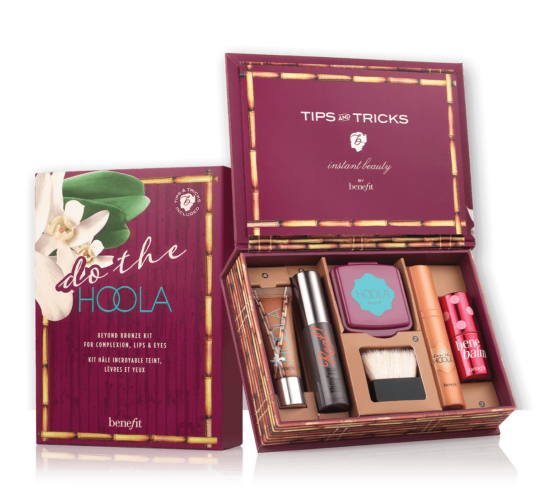
The first step in creating an engaging unboxing experience is to design packaging that is visually appealing and consistent with your brand identity. Consider using unique shapes, colors, and materials to make your packaging stand out from your competitors. The packaging should also be functional, protecting the product during shipping and handling.
Personalization
Personalization is key to creating an emotional connection with the customer. Consider adding a handwritten note or personalized message to the packaging to make the customer feel special and valued. You could also include samples or freebies based on the customer’s purchase history or preferences.
Unboxing Instructions
Including clear and concise unboxing instructions can help customers feel confident in their purchase and prevent any confusion or frustration during the unboxing process. Consider including step-by-step instructions or a video tutorial to guide the customer through the unboxing experience.
Surprise and Delight
Including a surprise or unique element in the unboxing experience can create excitement and anticipation in the customer. Consider including a small gift or discount code in the packaging, or designing the packaging to reveal the product in a creative way.

Shareability
Encourage customers to share their unboxing experience on social media by including branded hashtags or social media handles in the packaging. This not only increases brand visibility, but also creates a sense of community and engagement with the brand.
Sustainable Packaging
Sustainability is becoming increasingly important to customers, and using eco-friendly packaging materials can create a positive impression of the brand. Consider using biodegradable or recyclable materials, or even incorporating sustainable elements into the packaging design, such as plant able seed paper.
Brand Storytelling
The unboxing experience is a great opportunity to share the brand’s story and values with the customer. Consider including a booklet or card that tells the brand’s story, or incorporating messaging into the packaging design that communicates the brand’s values and mission.
Multi-Sensory Experience
Creating a multi-sensory experience can engage the customer on a deeper level and create a memorable experience. Consider incorporating scents, textures, or sound elements into the packaging design to create a sensory experience that complements the product.
Product Protection
While the unboxing experience should be visually appealing and engaging, it’s important to also ensure that the product is well-protected during shipping and handling. Consider using packaging materials such as bubble wrap or foam inserts to protect the product and prevent damage during transit.
Feedback and Reviews
The unboxing experience can also be used to gather feedback and encourage reviews from customers. Consider including a feedback card or directing customers to a review platform to share their thoughts on the product and the unboxing experience.
Summary: Unboxing Experience
In conclusion, creating an engaging unboxing experience is a crucial aspect of the customer experience that can greatly influence customer satisfaction and loyalty towards a brand. By investing in packaging design, personalization, clear instructions, surprise and delight elements, shareability, sustainability, brand storytelling, multi-sensory experiences, product protection, and feedback and reviews, businesses can create a memorable and positive unboxing experience that leaves a lasting impression on the customer.
If you are interested in custom packaging for your business and want to maximize the unboxing experience, then partner with Brown Packaging today to get started.
Retail packaging continues to evolve as brands balance sustainability, supply chain performance, and consumer experience. In 2026, buyers face new challenges shaped by material innovation, compliance requirements, and rising consumer expectations. Understanding these trends helps companies stay competitive while aligning packaging programs with industry standards. Sustainability Becomes Non-Negotiable Greater use of recyclable and compostable substrates. Retailers pushing suppliers toward FSC-certified materials. Minimalist designs that reduce waste without losing impact. Smarter Packaging for Supply Chains Increased adoption of right-sizing to reduce freight costs. Boxes designed for automation and faster fulfillment. Stronger corrugated grades to withstand long e-commerce journeys. Enhanced Consumer Experience Custom graphics for seasonal campaigns and limited editions. Tear strips, resealable closures, and window cutouts for convenience. Premium finishes that elevate gift packaging at retail. Growth of Hybrid Packaging Formats Combining corrugated strength with folding carton graphics. Modular designs for multi-SKU and club store environments. Packaging engineered to serve both e-commerce and in-store needs. Compliance and Testing Standards Retailers demanding ISTA and ASTM testing for packaging durability. Supply chain audits on recyclability and sustainability claims. More pressure for transparent reporting on environmental impact. Retail Packaging Solutions with Brown Packaging Brown Packaging helps brands adapt to evolving retail packaging trends. From sustainable substrates to automation-friendly designs, our solutions balance branding, durability, and compliance for 2026. Contact us to prepare your packaging program for the year ahead. References Forest Stewardship Council (FSC). (2023). FSC Packaging Certification Guidelines. Retrieved from https://fsc.orgSustainable Packaging Coalition. (2023). Packaging Trends and Consumer Insights. Retrieved from https://sustainablepackaging.orgSoroka, W. (2009). Fundamentals of Packaging Technology (4th ed.). Institute of Packaging Professionals. (714)300-0650 request@brownpackaging.com Most Recent Posts: Categories: Corrugated Ecommerce ESD Design Display Flexible Packaging Foam Folding Carton Packaging Plastic Packaging Pouch Printing Protection Retail Rigid Box Thermoform Sustainability Subscribe To Our Newsletter By submitting your information, you agree to our terms and conditions and privacy policy. Custom Packaging Facebook Twitter LinkedIn Pinterest Relevant Posts

Supplier contracts can make or break a packaging program. Without the right terms, buyers risk price volatility, missed lead times, and inconsistent product quality. In 2026, negotiating smart contracts is essential for controlling costs, securing reliable supply, and meeting compliance requirements. Why Packaging Contracts Matter Cost stability: Protects against sudden raw material price spikes. Supply security: Ensures availability during peak demand. Quality control: Aligns suppliers with testing and compliance standards. Operational efficiency: Streamlines purchasing and reduces administrative burden. Key Terms Buyers Should Negotiate Volume commitments: Secure better pricing with accurate forecasts. Price adjustment clauses: Define when and how costs can change. Lead times and delivery windows: Avoid shortages and production delays. Testing and compliance: Require ISTA, ASTM, or FSC certification where applicable. Sustainability commitments: Ensure suppliers align with environmental goals. Risks of Weak Contracts Paying inflated prices during market fluctuations. Receiving inconsistent corrugated strength or print quality. Missed shipments leading to costly expedited freight. Difficulty meeting retailer or regulatory compliance. Best Practices for Buyers in 2026 Leverage data: Use past order history to negotiate realistic volumes. Dual sourcing: Maintain backup suppliers for risk management. Annual reviews: Reassess terms to reflect changes in demand and compliance. Collaborative approach: Treat suppliers as partners, not just vendors. Packaging Solutions with Brown Packaging Brown Packaging helps buyers secure strong supplier contracts that balance cost, quality, and supply chain reliability. Our partnerships and industry expertise ensure your packaging program is protected for 2026 and beyond. Contact us to discuss supplier solutions. References Soroka, W. (2009). Fundamentals of Packaging Technology (4th ed.). Institute of Packaging Professionals.Fiber Box Association. (2024). Corrugated Packaging Market Outlook. Retrieved from https://www.fibrebox.orgSustainable Packaging Coalition. (2023). Supplier Standards for Sustainable Packaging. Retrieved from https://sustainablepackaging.org (714)300-0650 request@brownpackaging.com Most Recent Posts: Categories: Corrugated Ecommerce ESD Design Display Flexible Packaging Foam Folding Carton Packaging Plastic Packaging Pouch Printing Protection Retail Rigid Box Thermoform Sustainability Subscribe To Our Newsletter By submitting your information, you agree to our terms and conditions and privacy policy. Custom Packaging Facebook Twitter LinkedIn Pinterest Relevant Posts
Packaging compliance is no longer optional—it’s a requirement for accessing retail shelves, shipping networks, and international markets. In 2026, buyers must navigate evolving regulations around sustainability, labeling, and testing to avoid costly fines, rejected shipments, or damaged customer relationships. Why Compliance Matters in 2026 Retail requirements: Major retailers demand FSC, ISTA, and sustainability certifications. E-commerce standards: Carriers enforce dimensional weight and package testing rules. Global trade: Export packaging must comply with ISPM 15, ASTM, and ISO guidelines. Consumer trust: Transparency in packaging claims impacts purchasing decisions. Key Compliance Areas for Buyers Material sourcing: FSC-certified corrugated and board for sustainability. Labeling standards: GS1-compliant barcodes and accurate product details. Durability testing: ISTA and ASTM protocols for drop, vibration, and compression. Sustainability regulations: Requirements for recyclable or compostable materials. Chemical restrictions: Compliance with FDA, EU, or state-specific standards. Common Compliance Challenges Keeping up with frequent regulatory changes. Managing multiple certifications across suppliers. Balancing compliance with cost-efficiency. Verifying supplier claims for sustainability. Best Practices for Staying Compliant Audit suppliers annually to confirm certification validity. Run internal packaging tests before scaling. Track regulatory updates for each region you ship to. Work with experienced partners who understand industry compliance. Packaging Solutions with Brown Packaging Brown Packaging helps buyers meet 2026 compliance standards with FSC-certified materials, ISTA-tested designs, and regulatory expertise. Our team ensures your packaging meets retailer, carrier, and sustainability requirements. Contact us to keep your program compliant. References Forest Stewardship Council (FSC). (2023). FSC Certification Guidelines for Packaging. Retrieved from https://fsc.orgInternational Safe Transit Association (ISTA). (2023). ISTA Testing Procedures for Transport Packaging. Retrieved from https://ista.orgGS1. (2024). Global Standards for Packaging and Labeling. Retrieved from https://www.gs1.org (714)300-0650 request@brownpackaging.com Most Recent Posts: Categories: Corrugated Ecommerce ESD Design Display Flexible Packaging Foam Folding Carton Packaging Plastic Packaging Pouch Printing Protection Retail Rigid Box Thermoform Sustainability Subscribe To Our Newsletter By submitting your information, you agree to our terms and conditions and privacy policy. Custom Packaging Facebook Twitter LinkedIn Pinterest Relevant Posts
In 2026, sustainability is no longer just a trend—it’s a buyer expectation. Forest Stewardship Council (FSC) certification has become a key benchmark for responsible packaging, signaling that materials are sourced from responsibly managed forests. For packaging buyers, FSC certification is more than a compliance checkbox—it’s a brand value that influences purchasing decisions, retailer acceptance, and customer loyalty. What Is FSC Certification? The Forest Stewardship Council certifies that paper-based packaging materials are sourced from forests managed for environmental responsibility, social benefit, and economic viability. FSC Mix: Packaging contains a blend of FSC-certified and controlled wood. FSC Recycled: Packaging is made entirely from recycled fiber. FSC 100%: Packaging is sourced only from FSC-certified forests. Why FSC Matters to Buyers in 2026 Retail access: Many major retailers now require FSC-certified packaging. Sustainability goals: Aligns with corporate ESG and carbon reduction commitments. Consumer trust: Customers recognize the FSC label and view it as credible. Global compliance: Meets international sustainability regulations. How FSC Certification Strengthens Brand Value Differentiation: Stand out with certified sustainable packaging. Marketing advantage: FSC logos reinforce eco-friendly messaging. Risk reduction: Verified sourcing prevents greenwashing claims. Customer loyalty: Environmentally conscious buyers prefer certified products. Challenges in FSC Implementation Limited supply of certain FSC substrates. Higher costs compared to non-certified materials. Need for supplier audits and documentation. Packaging Solutions with Brown Packaging Brown Packaging partners with buyers to integrate FSC-certified materials into corrugated boxes, folding cartons, and retail packaging. Our solutions support sustainability while maintaining cost efficiency and protection. Contact us to strengthen your brand with FSC-certified packaging. References Forest Stewardship Council (FSC). (2023). FSC Certification Guidelines for Packaging. Retrieved from https://fsc.orgSustainable Packaging Coalition. (2023). Consumer Insights on Sustainable Packaging. Retrieved from https://sustainablepackaging.orgSoroka, W. (2009). Fundamentals of Packaging Technology (4th ed.). Institute of Packaging Professionals. (714)300-0650 request@brownpackaging.com Most Recent Posts: Subscribe To Our Newsletter By submitting your information, you agree to our terms and conditions and privacy policy. Sustainable Packaging Facebook Twitter LinkedIn Pinterest Relevant Posts
Sustainability is now a top priority for packaging buyers. Retailers, regulators, and consumers are all demanding packaging solutions that reduce environmental impact without sacrificing performance. In 2026, buyers must balance eco-friendly materials, cost, and compliance to build programs that are both effective and future-ready. What Buyers Need to Know About Sustainable Packaging Regulatory pressure: Governments are enforcing stricter rules on recyclability and plastic use. Retail mandates: FSC certification and recyclable packaging are becoming standard requirements. Consumer expectations: Customers increasingly choose brands with visible sustainability commitments. Sustainable Material Options Recycled corrugated: High recycled content while maintaining compression strength. Compostable films: Suitable for select food and retail applications. Molded pulp inserts: Replace foam or plastic for protective packaging. Water-based coatings: Enhance moisture resistance without harmful chemicals. Balancing Cost and Performance Right-size packaging: Reduces material waste and shipping costs. Hybrid solutions: Combine eco-materials with corrugated for balance. Life cycle analysis: Evaluate true environmental impact, not just marketing claims. How to Evaluate Sustainable Suppliers Verify FSC, SPC, or ISO certifications. Request testing data for durability and recyclability. Audit supply chains for consistency and transparency. Ensure claims meet local and international compliance standards. Packaging Solutions with Brown Packaging Brown Packaging helps buyers implement sustainable packaging programs that balance cost, performance, and compliance. From recycled corrugated to eco-friendly coatings and inserts, we deliver solutions that meet 2026 sustainability goals. Contact us to explore sustainable packaging options. References Forest Stewardship Council (FSC). (2023). FSC Certification Guidelines for Packaging. Retrieved from https://fsc.orgSustainable Packaging Coalition. (2023). Packaging Sustainability Trends and Buyer Insights. Retrieved from https://sustainablepackaging.orgSoroka, W. (2009). Fundamentals of Packaging Technology (4th ed.). Institute of Packaging Professionals. (714)300-0650 request@brownpackaging.com Most Recent Posts: Categories: Corrugated Ecommerce ESD Design Display Flexible Packaging Foam Folding Carton Packaging Plastic Packaging Pouch Printing Protection Retail Rigid Box Thermoform Sustainability Subscribe To Our Newsletter By submitting your information, you agree to our terms and conditions and privacy policy. Sustainable Packaging Facebook Twitter LinkedIn Pinterest Relevant Posts
Choosing the right packaging material is one of the most important decisions buyers face. Single-material packaging offers simplicity and recyclability, while multi-material designs provide enhanced performance and protection. Understanding the trade-offs helps companies balance cost, functionality, and sustainability goals in 2026. What Is Single-Material Packaging? Single-material packaging uses one substrate—such as corrugated board, folding carton, or plastic—for the entire structure. Advantages: Easier to recycle and dispose. Lower material costs in many cases. Streamlined sourcing and inventory. Supports sustainability messaging. Disadvantages: Limited barrier protection. Less customization for fragile or complex products. May require added thickness for strength, increasing weight. What Is Multi-Material Packaging? Multi-material packaging combines two or more substrates—such as corrugated with foam, or paperboard laminated with film—to achieve specific performance outcomes. Advantages: Greater protection against moisture, oxygen, and impact. Allows for premium finishes and enhanced graphics. Ideal for fragile or high-value products. Customizable for unique supply chain conditions. Disadvantages: More difficult to recycle due to material separation. Higher cost and longer lead times. Complex sourcing and inventory management. When to Use Each Approach Single-material packaging: Best for products with low fragility, strong sustainability requirements, or cost-driven programs. Multi-material packaging: Best for high-value, fragile, or regulated products requiring advanced protection. Balancing Performance and Sustainability Buyers must weigh performance needs against eco goals: Use recyclable coatings to extend single-material performance. Choose hybrid designs that separate easily for recycling. Apply multi-material solutions only where risk of damage outweighs cost. Packaging Solutions with Brown Packaging Brown Packaging helps buyers evaluate when to use single- vs. multi-material packaging. Our team balances sustainability, performance, and cost to deliver solutions tailored to your supply chain. Contact us to explore the right approach for your products. References Forest Stewardship Council (FSC). (2023). FSC Packaging Certification Guidelines. Retrieved from https://fsc.orgSoroka, W. (2009). Fundamentals of Packaging Technology (4th ed.). Institute of Packaging Professionals.Sustainable Packaging Coalition. (2022). Design for Recyclability and Multi-Material Packaging Report. Retrieved from https://sustainablepackaging.org (714)300-0650 request@brownpackaging.com Most Recent Posts: Categories: Corrugated Ecommerce ESD Design Display Flexible Packaging Foam Folding Carton Packaging Plastic Packaging Pouch Printing Protection Retail Rigid Box Thermoform Sustainability Subscribe To Our Newsletter By submitting your information, you agree to our terms and conditions and privacy policy. Custom Packaging Facebook Twitter LinkedIn Pinterest Relevant Posts
Home » Maximizing Customer Satisfaction: The Power of Crafting Engaging Unboxing Experiences

Choosing the right printing method for your packaging is very important. It is necessary to consider artwork, design, quantity, time frame and many more when weighing your decision. Having quality packaging design plays a role in your business success, which makes it important to pick which method of printing would be best for you. Digital Print Digital printing is one of the most versatile printing methods. It can be used to print on labels, pouches, folding cartons, corrugated boxes and much more. Since this printing is done digitally it has the fastest lead times compared to other printing methods. Digital printing uses CMYK (cyan, magenta, yellow, black) color when printing images. It is not 100% accurate when it comes to color matching, which means your image may have slight differences run to run. If you need a lot of colors for your print, this process will create the image as close as possible using only 4 colors. With the improvements on digital printing technology, newer machines can add in-between colors and can set much closer to actual colors using 6 to 8 ink cartridges. Digital printing is best for smaller quantities because once you have larger quantities some of the other methods start becoming cheaper. The aspect that makes this method appear cheaper is not needing tooling, which creates lower startup cost. Benefits of Digital Printing No tooling investment Fast lead times Can print on many different packaging types Disadvantages of Digital Printing Cost more for large volume prints Not fully accurate with color Flexographic Printing Flexographic is the process of flexible photopolymer printing plates wrapped around cylinders. These have raised images and rotate at high speeds to transfer the ink. This method uses water-based inks and oil based inks. Something to keep in mind about flexo is that each color requires a different printing plate so if your images have a lot of color this method could get expensive. This method is popular due to the faster lead times and the ability to print on many different surfaces. It also can be a cost-effective method because all steps are done with one single pass through the machine, lowering the price per unit. With a short set up time, this process can have your images printed at high speeds. Printing plates can be costly and changes to your image can be time consuming so it is important to have your images accurately done before creating the printing plates. Mostly this Rotogravure Printing Rotogravure is the most frequently used printing method for high volume printing. It is best used for stand-up pouches and on folding cartons. This method offers consistent high-quality printing. Although this method is highly expensive, when it comes to gravure cylinders used to print, they are extremely durable and will last several runs. Since the cylinders takes a while to create, the lead times are going to be long for this printing process. The artwork is etched onto the surface of the cylinders using acid and then they must be cooled for a while before production can begin. For this method both CMYK and PMS colors can be used in the print. This allows rotogravure to have excellent print quality. If your business is looking for large quantities and high-quality printing then this method would be the right fit. Benefits of Rotogravure Printing Premium print quality images Cylinders last a long time Can produce high volume printing with no decrease in image quality Disadvantages of Rotogravure Printing Expensive tooling Long lead times Silkscreen Printing Silkscreen is the process of pressing ink through treated silk or other synthetic material onto your packaging. Set up cost are relatively affordable and it is a great alternative for smaller quantity jobs. Since the ink is thicker than other methods, it will be harder to get high quality pictures. It is best for full color artwork with no gradients and usually does not have a super clean finish. If your company is needing high volumes and photo quality artwork done, this would not be the best fit. This method is commonly used on printing on bottles because of its scratch resistant inks, making it have a longer life span than paper labels. Benefits of Silkscreen Printing Does not require a flat surface to print Best used for small volumes Low start up tooling cost Disadvantages of Silkscreen Printing Slower than other printing methods Chance of human errors during production Will not have a clean finish Not able to reproduce photo quality images Which Printing Method is Best for Your Business Needs Deciding which printing method is best for your packaging needs is important. Each method has its advantages and disadvantages. It is best to weigh out all options and determine based off artwork, design, quantity, time frame and cost, which one would be best for your business needs. If you need help making that decision, contact Brown Packaging today and one of our packaging specialists will assist you. (714)300-0650 request@brownpackaging.com Most Recent Posts: Categories: Corrugated Ecommerce ESD Design Display Flexible Packaging Foam Folding Carton Packaging Plastic Packaging Pouch Printing Protection Retail Rigid Box Thermoform Sustainability Subscribe To Our Newsletter By submitting your information, you agree to our terms and conditions and privacy policy. Custom Packaging Facebook Twitter LinkedIn Pinterest Relevant Posts

In e-commerce, packaging plays a crucial role in protecting products, creating a memorable unboxing experience, and building brand loyalty. Within packaging, there are different layers, with primary packaging being one of the most important. It is the first layer of protection directly surrounding the product, and it’s essential in safeguarding items and shaping customer perceptions. This blog will break down the concept of primary packaging in e-commerce, its functions, and why it matters for your business. What is Primary Packaging? Primary packaging refers to the material that is in direct contact with the product. It’s the first level of packaging that holds, protects, and contains the product itself. In many cases, it is the packaging that consumers interact with first when they open a package. Examples of primary packaging in e-commerce include: The bottle that holds liquid products like shampoos or lotions. The box that contains electronics, like a smartphone or a camera. The pouch that holds food items, such as coffee beans or snacks. In contrast, secondary packaging refers to the outer materials used for protection or grouping during shipping (such as the shipping box or mailer), while tertiary packaging is used for bulk handling and transportation (like pallets or larger boxes). Functions of Primary Packaging in E-Commerce Product Protection: The most essential role of primary packaging is to protect the product. It serves as a barrier against contamination, breakage, and external damage, ensuring that the product reaches the customer intact. For example, a glass bottle of perfume is encased in its primary packaging to shield it from damage and spills during transit. Branding and Marketing: Primary packaging is often the face of your brand. It is the first thing the customer sees and interacts with, making it a critical touchpoint for branding and marketing. Custom-designed packaging with logos, vibrant colors, or eye-catching graphics creates a memorable customer experience, differentiates your product from competitors, and reinforces brand identity. Information Delivery: Primary packaging provides essential information about the product, including product descriptions, ingredients, instructions for use, and expiration dates. For instance, a food package will typically include nutritional information and preparation instructions, making it easier for customers to use the product correctly. Customer Experience and Engagement: In e-commerce, where customers cannot physically inspect the product before purchasing, the unboxing experience becomes an essential part of customer engagement. Well-designed primary packaging enhances this experience, creating a sense of anticipation and satisfaction when customers receive their items. A memorable unboxing can lead to customer loyalty and even social media sharing. Why Primary Packaging Matters in E-Commerce Protects During Shipping In e-commerce, products are subject to more handling than traditional retail. Packages can be dropped, stacked, or mishandled during transit. Primary packaging needs to be durable enough to protect the product throughout this journey. Without effective primary packaging, products can arrive damaged, leading to returns, refunds, and dissatisfied customers. Influences Buying Decisions Primary packaging often influences customers’ purchase decisions. In e-commerce, product images and descriptions play a huge role, but once the item arrives, the physical packaging must meet the expectations set online. If the packaging is attractive, practical, and functional, it enhances the overall perception of the product. Creates Brand Loyalty Memorable and well-designed primary packaging adds to the unboxing experience and leaves a lasting impression on customers. When the packaging feels premium or reflects the company’s values (such as using eco-friendly materials), customers are more likely to remember the brand and make repeat purchases. Sustainability Matters As sustainability becomes a critical factor for consumers, brands are increasingly focusing on eco-friendly primary packaging options. By using recyclable or compostable materials, businesses not only protect their products but also align with consumer preferences for environmentally friendly packaging. This reduces environmental impact and enhances the brand’s reputation. Examples of Effective Primary Packaging in E-Commerce Cosmetics and Beauty Products: Primary packaging for beauty products, like lipstick tubes or foundation bottles, is designed to protect delicate formulations while offering a luxurious appearance. High-quality materials and aesthetically pleasing designs add to the product’s perceived value. Food and Beverage: Pouches or vacuum-sealed bags are often used for perishable items like coffee or snacks, preserving freshness and protecting the product from external factors like moisture and air. Electronics: Smartphones or headphones are housed in secure, often sleek boxes designed not only to protect against damage but also to enhance the unboxing experience. These boxes may include foam inserts for added protection and premium branding. Conclusion Primary packaging is a critical element in e-commerce packaging strategies. It plays an essential role in protecting the product, enhancing customer experiences, and strengthening brand identity. E-commerce businesses that invest in high-quality, sustainable, and well-designed primary packaging are more likely to see satisfied customers, lower return rates, and increased brand loyalty. If you’re interested in ecommerce packaging and/or primary packaging, then partner with Brown Packaging today to get started. (714)300-0650 request@brownpackaging.com Most Recent Posts: Categories: Corrugated Ecommerce ESD Design Display Flexible Packaging Foam Folding Carton Packaging Plastic Packaging Pouch Printing Protection Retail Rigid Box Thermoform Sustainability Subscribe To Our Newsletter By submitting your information, you agree to our terms and conditions and privacy policy. Ecommerce Packaging Facebook Twitter LinkedIn Pinterest Relevant Posts

In today’s competitive market, businesses need to constantly look for ways to cut costs and increase efficiency to remain profitable. One area where businesses can save money is in their packaging costs. Packaging is an essential part of any business, but it can also be a significant expense. In this guide, we will explore some tips and strategies that businesses can use to reduce their packaging costs, as well as the potential tradeoffs that come with those savings. Cost Reducing Packaging Strategies to Use Right-Size Your Packaging To right-size your packaging, businesses should take accurate measurements of their products and choose packaging that fits those dimensions, leaving just enough space to protect the product. Using packaging that is too large can waste materials, increase shipping costs, and take up unnecessary space. Choosing the right size packaging can save businesses money on materials and shipping costs while reducing their environmental impact. Use Lighter Weight Materials Choosing lighter weight packaging materials can significantly reduce the cost of materials, shipping, and energy used during production. For example, switching from a traditional corrugated box to a padded envelope or lightweight mailer can save on materials, weight, and shipping costs. Businesses can also consider using eco-friendly materials like recycled plastic, paper, or biodegradable materials that are lighter and cost-effective. Optimize Your Packaging Design Businesses can optimize their packaging design by selecting packaging that is durable, easy to use, and visually appealing. By using a unique design that fits the product, businesses can reduce the amount of material needed, use more cost-effective materials, and reduce shipping costs. Additionally, using packaging that is easy to open and store can reduce the likelihood of damaged products and improve customer satisfaction. Use Sustainable Materials Switching to sustainable materials like recycled plastic, paper, or biodegradable materials can reduce costs and improve sustainability. While sustainable materials can be more expensive, businesses can reduce costs by purchasing in bulk, using eco-friendly packaging designs that require fewer materials, and sourcing materials locally to reduce shipping costs. Sustainable materials can also help businesses appeal to customers who are environmentally conscious. Buy in Bulk Purchasing packaging materials in bulk can help businesses take advantage of volume discounts, reduce shipping costs, and ensure they have enough packaging on hand for peak sales seasons. Buying in bulk can also help businesses negotiate better pricing, improve lead times, and reduce the risk of running out of materials when demand increases. By implementing these strategies, businesses can reduce their packaging costs without sacrificing quality, sustainability, or customer satisfaction. However, it is essential to consider potential tradeoffs and weigh the benefits of each strategy to determine which is best for their unique business needs. Potential Tradeoffs To Cutting Packaging Costs Quality Reducing packaging costs can sometimes lead to lower quality materials, which can impact the appearance and safety of the product. Using low-quality packaging materials can result in damaged products, increased returns, and harm to a brand’s reputation. Therefore, businesses should consider the balance between cost savings and the quality of packaging materials to ensure they are not sacrificing quality for cost savings. Sustainability While sustainable packaging materials can reduce a business’s environmental impact, they can be more expensive than traditional packaging materials. Therefore, businesses must weigh the benefits of sustainable packaging against the higher costs. Choosing sustainable materials can help businesses appeal to environmentally conscious customers, but it is essential to ensure the cost is reasonable and the materials provide the necessary protection for the product. Brand Image Packaging plays a critical role in shaping a brand’s image. Choosing packaging that is low quality or visually unappealing can negatively impact a brand’s image and harm sales. Therefore, businesses should consider the potential impact of packaging changes on their brand image and take steps to ensure they are not sacrificing brand image for cost savings. Customer Satisfaction Packaging is often the first impression customers have of a product. Poor quality or unappealing packaging can negatively impact customer satisfaction and harm a brand’s reputation. Therefore, businesses must consider the potential impact of packaging changes on customer satisfaction and ensure they are not sacrificing customer satisfaction for cost savings. Summary: Cutting Packaging Costs and Tradeoffs In conclusion, reducing your packaging costs can provide many benefits for your business, including cost savings, increased efficiency, and improved sustainability. However, businesses need to carefully consider the potential tradeoffs and balance cost savings with the need to maintain quality, sustainability, and brand image. By taking a strategic approach to packaging, businesses can reduce their costs without sacrificing quality or customer satisfaction. (714)300-0650 request@brownpackaging.com Most Recent Posts: Categories: Corrugated Ecommerce ESD Design Display Flexible Packaging Foam Folding Carton Packaging Plastic Packaging Pouch Printing Protection Retail Rigid Box Thermoform Sustainability Subscribe To Our Newsletter By submitting your information, you agree to our terms and conditions and privacy policy. Custom Packaging Facebook Twitter LinkedIn Pinterest Relevant Posts