

window.uetq = window.uetq || []; window.uetq.push(‘event’, ‘submit_lead_form’,{ event_label:‘SUBMIT MESSAGE’ }); window.lintrk('track', { conversion_id: 10271009 }); window.lintrk('track', { conversion_id: 10271017 });

Mailing Tubes and Order Minimums in Packaging

Mailing Tubes and Order Minimums in Packaging

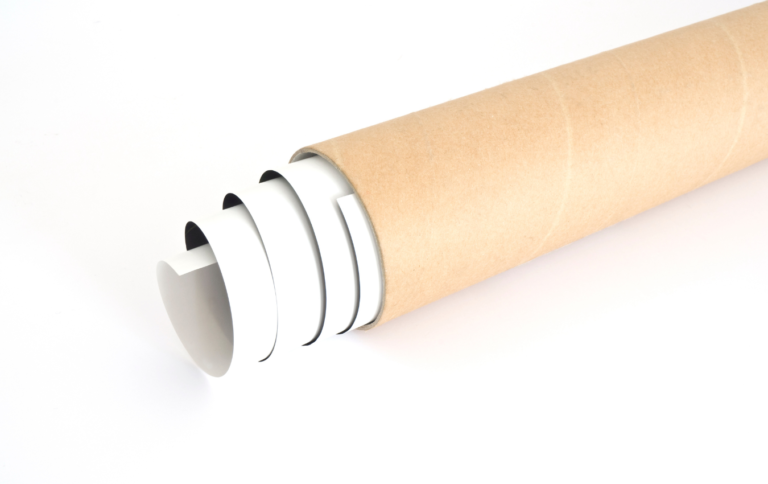
Mailing tubes are a popular choice for safely shipping and storing various items, such as posters, blueprints, and documents. While these tubes offer excellent protection and convenience, understanding order minimums in packaging is equally important, especially for businesses looking to source mailing tubes efficiently. In this comprehensive guide, we will explore mailing tubes, their advantages, and how order minimums can impact your packaging decisions.

The Advantages of Mailing Tubes

Before delving into order minimums, let’s examine why mailing tubes are favored for packaging:

  1. Protection: Mailing tubes provide a secure and protective enclosure for rolled or cylindrical items, preventing damage during transit.
  2. Versatility: They come in various lengths and diameters, making them suitable for a wide range of products, from artwork to blueprints.
  3. Convenience: Mailing tubes are easy to use, requiring minimal assembly and offering a hassle-free packing experience.
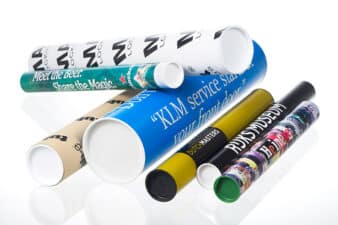
  4. Brand Presentation: They allow for branding and labeling, helping businesses convey their identity and professionalism.

Now, let’s explore the concept of order minimums:

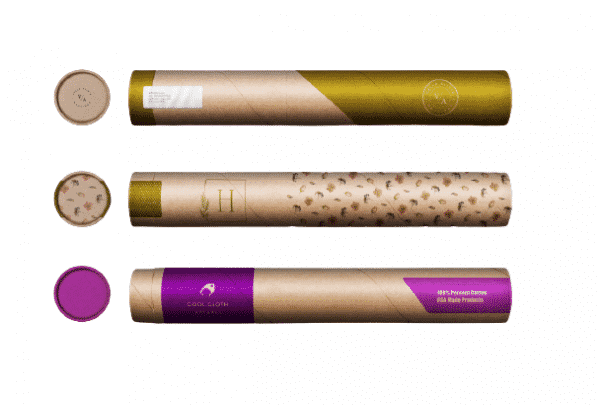
Custom Shipping and Mailing Tubes

Understanding Order Minimums

In the world of packaging, order minimums refer to the minimum quantity of a specific packaging product that a supplier requires you to purchase in a single order. These minimums can vary significantly among suppliers and depend on factors such as the type of packaging, size, and customization options.

How to Maximize Efficiency with Mailing Tubes in Your Shipping Process

Factors Impacting Order Minimums for Mailing Tubes

Several factors can influence the order minimums for mailing tubes:

  1. Size and Dimensions: Larger or custom-sized tubes may have higher minimum order quantities due to their specialized production requirements.
  2. Material and Customization: Tubes made from unique materials or with custom printing, branding, or finishes may have specific minimums.
  3. Supplier Policies: Each packaging supplier may have its own policies regarding minimum orders. Some suppliers cater to small businesses with lower minimums, while others primarily serve larger enterprises.
  4. Volume Discounts: Suppliers often offer volume discounts, encouraging customers to order larger quantities by reducing the cost per unit.
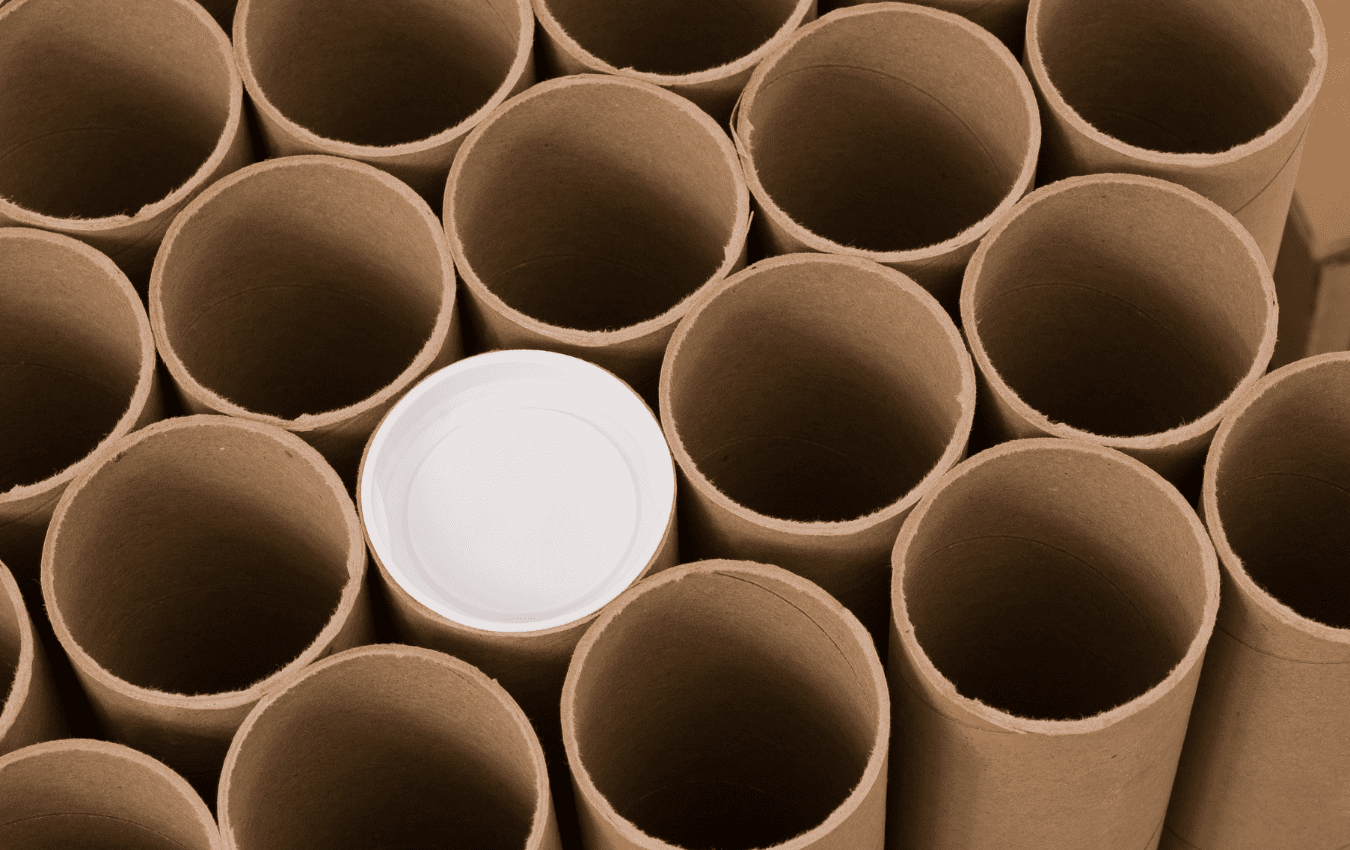
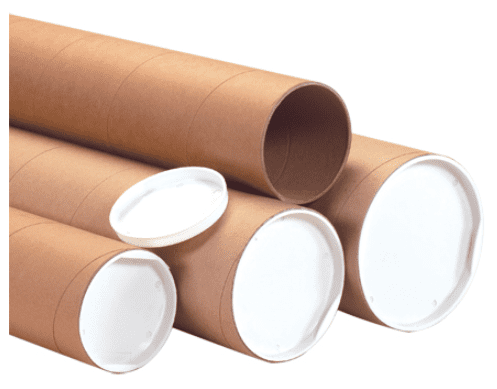
Heavy Duty Kraft Tubes

Determining the Right Order Quantity

When deciding on the order quantity for mailing tubes, consider the following factors:

  1. Usage Frequency: Assess how frequently you use mailing tubes in your packaging operations. Ordering in larger quantities may be cost-effective if you use them regularly.
  2. Storage Space: Consider your available storage space for bulk orders. Ensure you have adequate space to store the tubes without overcrowding your facility.
  3. Budget Constraints: Evaluate your budget and cash flow. Ordering larger quantities may require a more substantial upfront investment, so ensure it aligns with your financial capabilities.
  4. Supplier Relationships: Establish a relationship with a packaging supplier who understands your needs and offers flexible order minimums that match your requirements.
  5. Lead Times: Take into account the lead times required for manufacturing and delivery. Ordering larger quantities may allow you to reduce order frequency.

Custom Mailing Tubes and Order Minimums

If you require custom mailing tubes with unique dimensions, branding, or printing, be prepared for potentially higher order minimums. Customization often involves specialized production processes and setup costs that can impact minimum quantity requirements.

custom mailing tubes

Conclusion

Mailing tubes are a valuable packaging solution for various industries and products. Understanding order minimums and their impact on your packaging decisions is crucial for efficient sourcing and cost-effective operations. By carefully assessing your usage needs, budget, and supplier options, you can strike the right balance between order quantities and packaging requirements. Establishing a reliable supplier relationship that aligns with your business goals is key to optimizing your mailing tube procurement strategy.

If you are interested in a large volume of mailing tubes, then partner with Brown Packaging today to get started.

Most Recent Posts:
Retail Packaging Trends for 2026

Retail packaging continues to evolve as brands balance sustainability, supply chain performance, and consumer experience. In 2026, buyers face new challenges shaped by material innovation, compliance requirements, and rising consumer

Read More »
Categories:
Subscribe To Our Newsletter

By submitting your information, you agree to our terms and conditions and privacy policy.

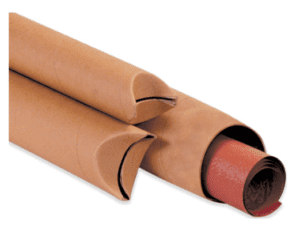
Kraft Crimped End Tubes
Custom Mailing Tubes
Facebook
Twitter
LinkedIn
Pinterest
Relevant Posts
How to Prioritize Durability and Protection in E-Commerce Packaging
Ecommerce
brownpackaging
Prioritizing Durability in E-Commerce Packaging

Ensuring that products arrive in perfect condition is a top priority for e-commerce businesses, as damaged items can lead to returns, bad reviews, and loss of customer trust. To prioritize durability and protection in your e-commerce packaging, you should focus on several key strategies: Select the Right Materials Use Protective Inserts Right-Size Your Packaging Secure Sealing Test Packaging Durability Consider the Entire Supply Chain Choose Sustainable Yet Durable Materials Select the Right Materials The foundation of durable packaging lies in using the right materials. Strong, high-quality materials can better withstand the stresses of shipping and handling. Corrugated Boxes: These are widely used for shipping because of their strength and durability. Double-wall or triple-wall corrugated boxes provide extra layers of protection, making them ideal for heavier or fragile items. Padded Mailers: For smaller or more delicate items, padded mailers (with bubble wrap or foam lining) offer extra cushioning while being compact. Rigid Mailers: For documents or flat items that need to avoid bending, rigid mailers are a good choice to protect against damage during transit. By choosing materials that are appropriate for your product’s size and fragility, you can significantly reduce the risk of damage. Use Protective Inserts Inserts provide an extra layer of protection inside the packaging. They help to secure the product in place and absorb impact from movement or drops during transit. Foam Inserts: Custom foam inserts or molded pulp inserts are ideal for protecting fragile or sensitive products like electronics, cosmetics, or glassware. Corrugated Dividers: For multiple items being shipped in the same package, corrugated dividers ensure each product is isolated and protected from collisions with other items inside the box. Air Cushions and Bubble Wrap: For products with irregular shapes, bubble wrap, paper void fillers or air pillows can help fill voids and provide cushioning. The right inserts are critical for absorbing shock and preventing products from shifting, which is one of the main causes of damage during shipping. Right-Size Your Packaging Using oversized boxes leads to excess movement of products inside the package, increasing the chances of damage. Right-sizing your packaging to fit your product snugly minimizes the need for excess filler material and ensures the product is secure. Reduce Void Space: Design packaging that minimizes empty spaces inside the box. This reduces the need for additional packing materials and keeps the product from shifting during transit. Custom Packaging: Consider using custom-fit boxes that are designed specifically for the size and shape of your product. Custom packaging not only offers better protection but also gives your product a more professional appearance. Right-sized packaging also reduces shipping costs by decreasing the dimensional weight of the package, benefiting both your bottom line and the environment. Secure Sealing Durability isn’t just about the box itself—secure sealing is essential to keep the contents safe and intact during transit. Reinforced Tape: Use heavy-duty packaging tape, especially for larger or heavier boxes. Water-activated tape (also known as gummed tape) provides a tamper-evident seal and is more durable than standard tape. Double-Sealing for Fragile Items: For extra protection, consider using multiple layers of tape or reinforcing vulnerable areas of the box, such as the corners and edges, where impacts are more likely to occur. Tamper-Evident Seals: These seals ensure that customers can identify whether the packaging has been opened or tampered with, offering an extra layer of protection and peace of mind. Test Packaging Durability Before committing to a packaging solution, conducting real-world durability tests ensures that your products are protected throughout the shipping process. Drop Tests: Simulate shipping conditions by performing drop tests from different heights to assess how well the packaging holds up to impact. Compression Testing: Test how well your packaging can withstand weight and pressure, especially for items that may be stacked during shipping or storage. Environmental Testing: For products shipped in extreme conditions (hot, cold, or humid environments), test how your packaging materials react to these conditions to ensure the product’s integrity remains intact. Testing helps you identify weak points in your packaging design and gives you the opportunity to make improvements before issues arise with customers. Consider the Entire Supply Chain Your product’s journey doesn’t end when it leaves your warehouse. To ensure durable and protective packaging, consider every step of the supply chain, from your packaging facility to the final delivery. Third-Party Logistics (3PL) Handling: Ensure that your packaging can withstand the handling practices of third-party shipping and logistics companies. This includes drops, stacking, and rough handling. Carrier Requirements: Some carriers have specific packaging guidelines for certain products (like fragile items or hazardous materials). Adhering to these guidelines reduces the risk of damage and ensures smooth shipping. By understanding how your product will be handled at each stage of the supply chain, you can better design your packaging to prevent damage and ensure safe delivery. Choose Sustainable Yet Durable Materials Sustainability and durability don’t have to be mutually exclusive. Many eco-friendly materials can offer excellent protection while reducing your environmental footprint. Recycled Corrugated Boxes: Boxes made from recycled materials are just as durable as virgin fiber boxes, but have the added benefit of being more sustainable. Biodegradable Packing Materials: Biodegradable air cushions, packing peanuts, and bubble wrap offer protective cushioning while minimizing environmental impact. By choosing sustainable materials that also prioritize durability, you meet customer expectations for eco-consciousness while ensuring their products arrive in perfect condition. Conclusion Prioritizing durability and protection in your e-commerce packaging is essential for reducing damage, improving customer satisfaction, and minimizing return rates. By selecting the right materials, using protective inserts, and optimizing your packaging design, you can create a packaging solution that not only protects your products but also enhances the overall customer experience. Regular testing and adapting your packaging to the realities of the supply chain ensure that your packaging is fit for purpose and durable enough to handle the rigors of shipping. If you’re interested in ecommerce packaging, then partner with Brown Packaging today to get started. (714)300-0650 request@brownpackaging.com Most Recent Posts: Categories: Corrugated Ecommerce ESD Design

Read More »
The Impact of E-commerce on Packaging: Challenges and Opportunities
Ecommerce
brownpackaging
The Impact of E-commerce on Packaging: Challenges and Opportunities

In recent years, the world has seen a rapid growth in the e-commerce industry. With the convenience of online shopping and the ability to purchase goods and services from the comfort of our homes, e-commerce has become a popular choice for consumers all over the world. This surge in e-commerce has also brought about a significant change in the packaging industry. E-commerce has created new challenges and opportunities for the packaging industry, leading to new innovations and changes in the way products are packaged and delivered. The packaging of products plays a crucial role in the e-commerce industry. It must not only protect the product during transit but also provide a positive unboxing experience for the customer. The packaging of a product is often the first interaction a customer has with a brand, and it can make a lasting impression. With the rise of e-commerce, packaging has become more important than ever, as it must meet the demands of online shopping while still promoting the brand and creating a positive customer experience. Overview: The Impact of Ecommerce on Packaging In this blog, we will explore the challenges and opportunities that the e-commerce industry has brought to the world of packaging. We will examine how e-commerce packaging is changing the way products are packaged and delivered and what this means for the future of the packaging industry. By understanding the challenges and opportunities in e-commerce packaging, we can gain a better appreciation of the impact that e-commerce is having on the packaging industry and how it is shaping the future of online shopping. Challenges in E-commerce Packaging Protecting Products in Transit Minimizing Shipping Costs Reducing Waste Opportunities in E-commerce Packaging Personalizing Packaging Enhancing the Customer Experience Streamlining Delivery Processes Conclusion: The Future of E-commerce Packaging Challenges in E-commerce Packaging The growth of e-commerce has brought about a number of challenges for the packaging industry. Packaging for e-commerce must be able to protect products during transit, minimize shipping costs, and reduce waste, all while meeting the demands of customers and stakeholders. These challenges can be difficult to navigate, but they also provide an opportunity for companies to differentiate themselves and gain a competitive advantage. In this section, we will explore some of the challenges associated with e-commerce packaging and how companies are addressing these challenges to meet the demands of online shopping. Protecting Products in Transit One of the biggest challenges in e-commerce packaging is ensuring that products arrive at their destination in good condition. With packages being handled by multiple people and machines during transit, it can be difficult to protect fragile items from damage. This is particularly important for e-commerce companies, as damaged products can result in returns and negative reviews, which can harm the company’s reputation and bottom line. To address this challenge, e-commerce companies are investing in new materials and packaging methods that can better protect products during transit. Some companies are using stronger and more durable packaging materials, such as double-walled boxes and foam inserts, to absorb shock and protect fragile items. Others are using custom-fit packaging that is designed to fit the product perfectly, reducing the amount of movement and potential damage during transit. In addition to using stronger materials, e-commerce companies are also implementing new technologies to help protect products during transit. For example, some companies are using sensors and tracking devices to monitor the condition of packages during transit, allowing them to quickly address any issues that may arise. Others are using predictive analytics to predict which packages are at a higher risk of damage, allowing them to take extra precautions to protect these packages. Minimizing Shipping Costs In the e-commerce industry, shipping costs can make up a significant portion of a company’s expenses. With the rise of e-commerce, shipping volumes have increased dramatically, and companies are looking for ways to minimize their shipping costs. Fortunately, e-commerce packaging provides an opportunity for companies to reduce these costs. One of the ways that e-commerce companies can minimize shipping costs is by using lighter and more compact packaging materials. By using lighter materials, companies can reduce the weight of packages, which in turn reduces shipping costs. For example, companies can switch from using heavy corrugated boxes to using lighter poly mailers. This not only reduces the weight of packages but also takes up less space in shipping containers, allowing companies to ship more packages in a single shipment, further reducing costs. Another way that companies can minimize shipping costs is by using more efficient packaging methods. For example, some companies are using void fill materials, such as air cushions or biodegradable peanuts, to fill empty space in packages. By using these materials efficiently, companies can reduce the size of packages and minimize the amount of space that is taken up in shipping containers, reducing shipping costs. Finally, companies can minimize shipping costs by using sustainable packaging materials. By using eco-friendly packaging materials, such as recycled or biodegradable materials, companies can reduce their impact on the environment, as well as take advantage of discounts offered by some shipping carriers for using sustainable packaging. Reducing Waste The growth of e-commerce has also led to an increase in packaging waste, as more and more packages are being shipped to customers all over the world. With growing concerns about the environmental impact of packaging waste, e-commerce companies are looking for ways to reduce the waste associated with their packaging. Fortunately, e-commerce packaging provides an opportunity for companies to reduce waste and promote sustainability. One of the ways that e-commerce companies can reduce waste is by using more environmentally friendly packaging materials. For example, companies can switch from using single-use plastic packaging to using biodegradable or compostable packaging materials, such as paper, starch-based materials, or cellulose. By using these materials, companies can reduce the amount of waste that is generated and promote sustainability. Another way that companies can reduce waste is by using reusable or recyclable packaging materials. For example, companies can use reusable packaging materials, such as cloth or

Read More »
Mastering Ecommerce Packaging Optimization for Shipping Success
Ecommerce
brownpackaging
Mastering Ecommerce Packaging Optimization for Shipping Success

Efficient and effective packaging is a cornerstone of successful ecommerce operations. It’s not just about protecting your products; it’s also about minimizing costs, reducing environmental impact, and providing an excellent customer experience. In this blog post, we’ll look into key strategies to optimize your ecommerce packaging for shipping, ensuring your products arrive safely and your business thrives. Right-Sizing is Key Select packaging that fits your products snugly, without excess space. This minimizes the need for fillers and reduces the risk of items moving around during transit. Use packaging solutions that come in various sizes to match your diverse product range. Quality is Non-Negotiable Invest in high-quality packaging materials that provide adequate protection. Fragile items require extra padding, while sturdy items might need less cushioning. Bubble wrap, air pillows, and foam and corrugated inserts can be tailored to different product needs. Consider Dimensional Weight Pricing Shipping carriers often charge based on the dimensional weight (size) of a package rather than just its actual weight. Opt for packaging that keeps your dimensional weight as low as possible without compromising product safety. Choose Environmentally Friendly Options Sustainability is crucial. Opt for recyclable, biodegradable, or reusable packaging materials. Not only does this appeal to environmentally conscious consumers, but it also reduces waste and shipping costs in the long run. Automate Packaging Processes Automated packaging systems can accurately measure, cut, and assemble packaging materials to fit each order. This reduces human error and speeds up the packing process, leading to more consistent results. Standardize Packaging Across Products Standardizing your packaging as much as possible simplifies the packing process. When your team knows exactly how to pack each type of product, it minimizes confusion and ensures uniform quality. Avoid Overly Complex Designs While branding is important, overly complex packaging designs can lead to errors in packing and increase production costs. Find a balance between branding and practicality. Implement Barcoding and Labeling Ensure every package has a clear and scannable barcode label. This not only aids in tracking but also reduces the chances of misdelivery. Test, Test, Test Regularly test your packaging’s durability by simulating shipping conditions. This helps you identify weaknesses and make necessary improvements. Leverage Technology for Data Insights Use data analytics to identify patterns in product damage during shipping. This can help you refine your packaging strategy and make data-driven decisions. Provide Unboxing Instructions Include instructions for opening the package safely. This can prevent accidental damage caused by customers struggling to open the package. Collaborate with Shipping Partners Engage with your shipping partners to understand their packaging guidelines and requirements. Following these guidelines can lead to smoother operations and potentially reduced shipping costs. Opt for Flat-Folding Options Whenever possible, choose packaging solutions that can be flat-folded. This saves storage space, reduces shipping costs, and allows for easier packing. Customer Feedback Loop Encourage customers to provide feedback on the packaging. Their insights can reveal pain points and guide improvements. Continuous Improvement Mindset Ecommerce packaging is not a static endeavor. Regularly assess and improve your packaging strategy based on customer feedback, industry trends, and technological advancements. By optimizing your ecommerce packaging for shipping, you’re not only ensuring the safe delivery of your products but also enhancing your brand’s reputation and operational efficiency. Keep the customer experience at the forefront of your efforts, and let your packaging become a testament to your commitment to quality and care. If you are interested in ecommerce packaging and want to optimize your packaging for shipping success, then partner with Brown Packaging today to get started. (714)300-0650 request@brownpackaging.com Most Recent Posts: Categories: Corrugated Ecommerce ESD Design Display Flexible Packaging Foam Folding Carton Packaging Plastic Packaging Pouch Printing Protection Retail Rigid Box Thermoform Sustainability Subscribe To Our Newsletter By submitting your information, you agree to our terms and conditions and privacy policy. Ecommerce Packaging Facebook Twitter LinkedIn Pinterest Relevant Posts

Read More »