




window.uetq = window.uetq || []; window.uetq.push(‘event’, ‘submit_lead_form’,{ event_label:‘SUBMIT MESSAGE’ }); window.lintrk('track', { conversion_id: 10271009 }); window.lintrk('track', { conversion_id: 10271017 });

Magnetic Rigid Boxes Explained: Applications and Benefits

custom rigid box

Magnetic rigid boxes have become a hallmark of luxury packaging, offering a blend of functionality, elegance, and durability. These boxes are a popular choice for high-end products, elevating the unboxing experience and enhancing brand perception. In this blog, we will explore what magnetic rigid boxes are, their applications, and the benefits they bring to various industries.

Understanding Magnetic Rigid Boxes

Magnetic rigid boxes are premium packaging solutions constructed from sturdy materials. They feature a magnetic closure mechanism that provides a seamless and secure seal. This type of packaging is known for its rigid structure, which offers excellent protection for the contents inside, and its sleek, sophisticated appearance.

Key Features of Magnetic Rigid Boxes

  • Durability: Made from high-quality, rigid materials that protect the product from damage.
  • Elegant Design: Often designed with a minimalist aesthetic, these boxes exude luxury and exclusivity.
  • Magnetic Closure: The magnetic seal ensures the box closes securely, adding a sense of sophistication to the unboxing experience.

Applications in Various Industries

Magnetic rigid boxes are versatile and used across several sectors:

  • Luxury Goods: Ideal for high-end products like jewelry, watches, and designer accessories.
  • Cosmetics and Beauty Products: Used for premium skincare and makeup products, enhancing the perceived value of the items.
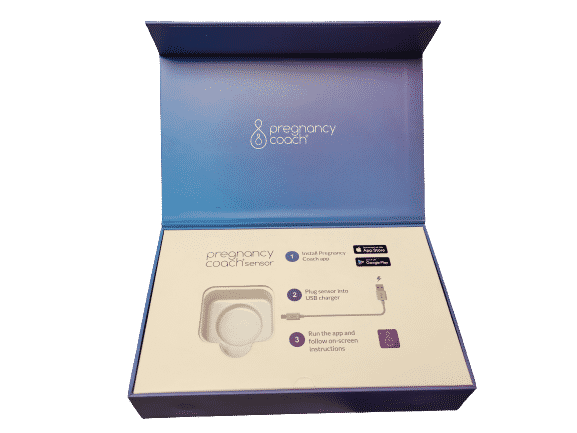
  • Tech Gadgets: Suitable for packaging electronics and gadgets, providing both protection and a premium presentation.
  • Corporate Gifts: Often used for executive and corporate gifts, adding a touch of class and professionalism.
custom medical rigid box with inserts

Benefits of Using Magnetic Rigid Boxes


Enhanced Brand Image:

These boxes reflect quality and sophistication, elevating the brand’s image in the eyes of consumers.

Improved Customer Experience:

The tactile sensation of opening a magnetic box and the overall unboxing experience can leave a lasting impression on customers.

Durability and Protection:

The robust construction ensures the product inside is well-protected, reducing the risk of damage during transit.

Sustainability Options:

Many magnetic rigid boxes are made with eco-friendly materials, aligning with the growing demand for sustainable packaging solutions.

Marketing and Branding:

They provide ample space for branding, allowing companies to incorporate logos, brand colors, and other design elements.

custom rigid box with insert

Customization and Personalization

  • Design Flexibility: Magnetic rigid boxes offer vast customization options in terms of size, color, and finish.
  • Personalization: They can be personalized with specific designs, logos, or messages, making them ideal for special editions or exclusive releases.

If you are interested in custom rigid magnetic boxes, then partner with Brown Packaging today to get started.

Most Recent Posts:
Retail Packaging Trends for 2026

Retail packaging continues to evolve as brands balance sustainability, supply chain performance, and consumer experience. In 2026, buyers face new challenges shaped by material innovation, compliance requirements, and rising consumer expectations. Understanding these trends helps companies stay competitive while aligning packaging programs with industry standards. Sustainability Becomes Non-Negotiable Greater use of recyclable and compostable substrates. Retailers pushing suppliers toward FSC-certified materials. Minimalist designs that reduce waste without losing impact. Smarter Packaging for Supply Chains Increased adoption of right-sizing to reduce freight costs. Boxes designed for automation and faster fulfillment. Stronger corrugated grades to withstand long e-commerce journeys. Enhanced Consumer Experience Custom graphics for seasonal campaigns and limited editions. Tear strips, resealable closures, and window cutouts for convenience. Premium finishes that elevate gift packaging at retail. Growth of Hybrid Packaging Formats Combining corrugated strength with folding carton graphics. Modular designs for multi-SKU and club store environments. Packaging engineered to serve both e-commerce and in-store needs. Compliance and Testing Standards Retailers demanding ISTA and ASTM testing for packaging durability. Supply chain audits on recyclability and sustainability claims. More pressure for transparent reporting on environmental impact. Retail Packaging Solutions with Brown Packaging Brown Packaging helps brands adapt to evolving retail packaging trends. From sustainable substrates to automation-friendly designs, our solutions balance branding, durability, and compliance for 2026. Contact us to prepare your packaging program for the year ahead. References Forest Stewardship Council (FSC). (2023). FSC Packaging Certification Guidelines. Retrieved from https://fsc.orgSustainable Packaging Coalition. (2023). Packaging Trends and Consumer Insights. Retrieved from https://sustainablepackaging.orgSoroka, W. (2009). Fundamentals of Packaging Technology (4th ed.). Institute of Packaging Professionals. (714)300-0650 request@brownpackaging.com Most Recent Posts: Categories: Corrugated Ecommerce ESD Design Display Flexible Packaging Foam Folding Carton Packaging Plastic Packaging Pouch Printing Protection Retail Rigid Box Thermoform Sustainability Subscribe To Our Newsletter By submitting your information, you agree to our terms and conditions and privacy policy. Custom Packaging Facebook Twitter LinkedIn Pinterest Relevant Posts

Read More »
Packaging Supplier Contracts: What Buyers Should Know

Supplier contracts can make or break a packaging program. Without the right terms, buyers risk price volatility, missed lead times, and inconsistent product quality. In 2026, negotiating smart contracts is essential for controlling costs, securing reliable supply, and meeting compliance requirements. Why Packaging Contracts Matter Cost stability: Protects against sudden raw material price spikes. Supply security: Ensures availability during peak demand. Quality control: Aligns suppliers with testing and compliance standards. Operational efficiency: Streamlines purchasing and reduces administrative burden. Key Terms Buyers Should Negotiate Volume commitments: Secure better pricing with accurate forecasts. Price adjustment clauses: Define when and how costs can change. Lead times and delivery windows: Avoid shortages and production delays. Testing and compliance: Require ISTA, ASTM, or FSC certification where applicable. Sustainability commitments: Ensure suppliers align with environmental goals. Risks of Weak Contracts Paying inflated prices during market fluctuations. Receiving inconsistent corrugated strength or print quality. Missed shipments leading to costly expedited freight. Difficulty meeting retailer or regulatory compliance. Best Practices for Buyers in 2026 Leverage data: Use past order history to negotiate realistic volumes. Dual sourcing: Maintain backup suppliers for risk management. Annual reviews: Reassess terms to reflect changes in demand and compliance. Collaborative approach: Treat suppliers as partners, not just vendors. Packaging Solutions with Brown Packaging Brown Packaging helps buyers secure strong supplier contracts that balance cost, quality, and supply chain reliability. Our partnerships and industry expertise ensure your packaging program is protected for 2026 and beyond. Contact us to discuss supplier solutions. References Soroka, W. (2009). Fundamentals of Packaging Technology (4th ed.). Institute of Packaging Professionals.Fiber Box Association. (2024). Corrugated Packaging Market Outlook. Retrieved from https://www.fibrebox.orgSustainable Packaging Coalition. (2023). Supplier Standards for Sustainable Packaging. Retrieved from https://sustainablepackaging.org (714)300-0650 request@brownpackaging.com Most Recent Posts: Categories: Corrugated Ecommerce ESD Design Display Flexible Packaging Foam Folding Carton Packaging Plastic Packaging Pouch Printing Protection Retail Rigid Box Thermoform Sustainability Subscribe To Our Newsletter By submitting your information, you agree to our terms and conditions and privacy policy. Custom Packaging Facebook Twitter LinkedIn Pinterest Relevant Posts

Read More »
Meeting 2026 Packaging Compliance Standards

Packaging compliance is no longer optional—it’s a requirement for accessing retail shelves, shipping networks, and international markets. In 2026, buyers must navigate evolving regulations around sustainability, labeling, and testing to avoid costly fines, rejected shipments, or damaged customer relationships. Why Compliance Matters in 2026 Retail requirements: Major retailers demand FSC, ISTA, and sustainability certifications. E-commerce standards: Carriers enforce dimensional weight and package testing rules. Global trade: Export packaging must comply with ISPM 15, ASTM, and ISO guidelines. Consumer trust: Transparency in packaging claims impacts purchasing decisions. Key Compliance Areas for Buyers Material sourcing: FSC-certified corrugated and board for sustainability. Labeling standards: GS1-compliant barcodes and accurate product details. Durability testing: ISTA and ASTM protocols for drop, vibration, and compression. Sustainability regulations: Requirements for recyclable or compostable materials. Chemical restrictions: Compliance with FDA, EU, or state-specific standards. Common Compliance Challenges Keeping up with frequent regulatory changes. Managing multiple certifications across suppliers. Balancing compliance with cost-efficiency. Verifying supplier claims for sustainability. Best Practices for Staying Compliant Audit suppliers annually to confirm certification validity. Run internal packaging tests before scaling. Track regulatory updates for each region you ship to. Work with experienced partners who understand industry compliance. Packaging Solutions with Brown Packaging Brown Packaging helps buyers meet 2026 compliance standards with FSC-certified materials, ISTA-tested designs, and regulatory expertise. Our team ensures your packaging meets retailer, carrier, and sustainability requirements. Contact us to keep your program compliant. References Forest Stewardship Council (FSC). (2023). FSC Certification Guidelines for Packaging. Retrieved from https://fsc.orgInternational Safe Transit Association (ISTA). (2023). ISTA Testing Procedures for Transport Packaging. Retrieved from https://ista.orgGS1. (2024). Global Standards for Packaging and Labeling. Retrieved from https://www.gs1.org (714)300-0650 request@brownpackaging.com Most Recent Posts: Categories: Corrugated Ecommerce ESD Design Display Flexible Packaging Foam Folding Carton Packaging Plastic Packaging Pouch Printing Protection Retail Rigid Box Thermoform Sustainability Subscribe To Our Newsletter By submitting your information, you agree to our terms and conditions and privacy policy. Custom Packaging Facebook Twitter LinkedIn Pinterest Relevant Posts

Read More »
How FSC Packaging Certification Impacts Your Brand

In 2026, sustainability is no longer just a trend—it’s a buyer expectation. Forest Stewardship Council (FSC) certification has become a key benchmark for responsible packaging, signaling that materials are sourced from responsibly managed forests. For packaging buyers, FSC certification is more than a compliance checkbox—it’s a brand value that influences purchasing decisions, retailer acceptance, and customer loyalty. What Is FSC Certification? The Forest Stewardship Council certifies that paper-based packaging materials are sourced from forests managed for environmental responsibility, social benefit, and economic viability. FSC Mix: Packaging contains a blend of FSC-certified and controlled wood. FSC Recycled: Packaging is made entirely from recycled fiber. FSC 100%: Packaging is sourced only from FSC-certified forests. Why FSC Matters to Buyers in 2026 Retail access: Many major retailers now require FSC-certified packaging. Sustainability goals: Aligns with corporate ESG and carbon reduction commitments. Consumer trust: Customers recognize the FSC label and view it as credible. Global compliance: Meets international sustainability regulations. How FSC Certification Strengthens Brand Value Differentiation: Stand out with certified sustainable packaging. Marketing advantage: FSC logos reinforce eco-friendly messaging. Risk reduction: Verified sourcing prevents greenwashing claims. Customer loyalty: Environmentally conscious buyers prefer certified products. Challenges in FSC Implementation Limited supply of certain FSC substrates. Higher costs compared to non-certified materials. Need for supplier audits and documentation. Packaging Solutions with Brown Packaging Brown Packaging partners with buyers to integrate FSC-certified materials into corrugated boxes, folding cartons, and retail packaging. Our solutions support sustainability while maintaining cost efficiency and protection. Contact us to strengthen your brand with FSC-certified packaging. References Forest Stewardship Council (FSC). (2023). FSC Certification Guidelines for Packaging. Retrieved from https://fsc.orgSustainable Packaging Coalition. (2023). Consumer Insights on Sustainable Packaging. Retrieved from https://sustainablepackaging.orgSoroka, W. (2009). Fundamentals of Packaging Technology (4th ed.). Institute of Packaging Professionals. (714)300-0650 request@brownpackaging.com Most Recent Posts: Subscribe To Our Newsletter By submitting your information, you agree to our terms and conditions and privacy policy. Sustainable Packaging Facebook Twitter LinkedIn Pinterest Relevant Posts

Read More »
Sustainable Packaging Buyers’ Guide for 2026

Sustainability is now a top priority for packaging buyers. Retailers, regulators, and consumers are all demanding packaging solutions that reduce environmental impact without sacrificing performance. In 2026, buyers must balance eco-friendly materials, cost, and compliance to build programs that are both effective and future-ready. What Buyers Need to Know About Sustainable Packaging Regulatory pressure: Governments are enforcing stricter rules on recyclability and plastic use. Retail mandates: FSC certification and recyclable packaging are becoming standard requirements. Consumer expectations: Customers increasingly choose brands with visible sustainability commitments. Sustainable Material Options Recycled corrugated: High recycled content while maintaining compression strength. Compostable films: Suitable for select food and retail applications. Molded pulp inserts: Replace foam or plastic for protective packaging. Water-based coatings: Enhance moisture resistance without harmful chemicals. Balancing Cost and Performance Right-size packaging: Reduces material waste and shipping costs. Hybrid solutions: Combine eco-materials with corrugated for balance. Life cycle analysis: Evaluate true environmental impact, not just marketing claims. How to Evaluate Sustainable Suppliers Verify FSC, SPC, or ISO certifications. Request testing data for durability and recyclability. Audit supply chains for consistency and transparency. Ensure claims meet local and international compliance standards. Packaging Solutions with Brown Packaging Brown Packaging helps buyers implement sustainable packaging programs that balance cost, performance, and compliance. From recycled corrugated to eco-friendly coatings and inserts, we deliver solutions that meet 2026 sustainability goals. Contact us to explore sustainable packaging options. References Forest Stewardship Council (FSC). (2023). FSC Certification Guidelines for Packaging. Retrieved from https://fsc.orgSustainable Packaging Coalition. (2023). Packaging Sustainability Trends and Buyer Insights. Retrieved from https://sustainablepackaging.orgSoroka, W. (2009). Fundamentals of Packaging Technology (4th ed.). Institute of Packaging Professionals. (714)300-0650 request@brownpackaging.com Most Recent Posts: Categories: Corrugated Ecommerce ESD Design Display Flexible Packaging Foam Folding Carton Packaging Plastic Packaging Pouch Printing Protection Retail Rigid Box Thermoform Sustainability Subscribe To Our Newsletter By submitting your information, you agree to our terms and conditions and privacy policy. Sustainable Packaging Facebook Twitter LinkedIn Pinterest Relevant Posts

Read More »
Comparing Single vs. Multi-Material Packaging

Choosing the right packaging material is one of the most important decisions buyers face. Single-material packaging offers simplicity and recyclability, while multi-material designs provide enhanced performance and protection. Understanding the trade-offs helps companies balance cost, functionality, and sustainability goals in 2026. What Is Single-Material Packaging? Single-material packaging uses one substrate—such as corrugated board, folding carton, or plastic—for the entire structure. Advantages: Easier to recycle and dispose. Lower material costs in many cases. Streamlined sourcing and inventory. Supports sustainability messaging. Disadvantages: Limited barrier protection. Less customization for fragile or complex products. May require added thickness for strength, increasing weight. What Is Multi-Material Packaging? Multi-material packaging combines two or more substrates—such as corrugated with foam, or paperboard laminated with film—to achieve specific performance outcomes. Advantages: Greater protection against moisture, oxygen, and impact. Allows for premium finishes and enhanced graphics. Ideal for fragile or high-value products. Customizable for unique supply chain conditions. Disadvantages: More difficult to recycle due to material separation. Higher cost and longer lead times. Complex sourcing and inventory management. When to Use Each Approach Single-material packaging: Best for products with low fragility, strong sustainability requirements, or cost-driven programs. Multi-material packaging: Best for high-value, fragile, or regulated products requiring advanced protection. Balancing Performance and Sustainability Buyers must weigh performance needs against eco goals: Use recyclable coatings to extend single-material performance. Choose hybrid designs that separate easily for recycling. Apply multi-material solutions only where risk of damage outweighs cost. Packaging Solutions with Brown Packaging Brown Packaging helps buyers evaluate when to use single- vs. multi-material packaging. Our team balances sustainability, performance, and cost to deliver solutions tailored to your supply chain. Contact us to explore the right approach for your products. References Forest Stewardship Council (FSC). (2023). FSC Packaging Certification Guidelines. Retrieved from https://fsc.orgSoroka, W. (2009). Fundamentals of Packaging Technology (4th ed.). Institute of Packaging Professionals.Sustainable Packaging Coalition. (2022). Design for Recyclability and Multi-Material Packaging Report. Retrieved from https://sustainablepackaging.org (714)300-0650 request@brownpackaging.com Most Recent Posts: Categories: Corrugated Ecommerce ESD Design Display Flexible Packaging Foam Folding Carton Packaging Plastic Packaging Pouch Printing Protection Retail Rigid Box Thermoform Sustainability Subscribe To Our Newsletter By submitting your information, you agree to our terms and conditions and privacy policy. Custom Packaging Facebook Twitter LinkedIn Pinterest Relevant Posts

Read More »
Categories:
Subscribe To Our Newsletter

By submitting your information, you agree to our terms and conditions and privacy policy.

Custom Rigid Box
Rigid Boxes
Facebook
Twitter
LinkedIn
Pinterest
Relevant Posts
Corrugated Boxes vs. Folding Cartons vs. Rigid Boxes: Choosing the Perfect Gift Box
Corrugated
brownpackaging
Corrugated Boxes vs. Folding Cartons vs. Rigid Boxes: Choosing the Perfect Gift Box

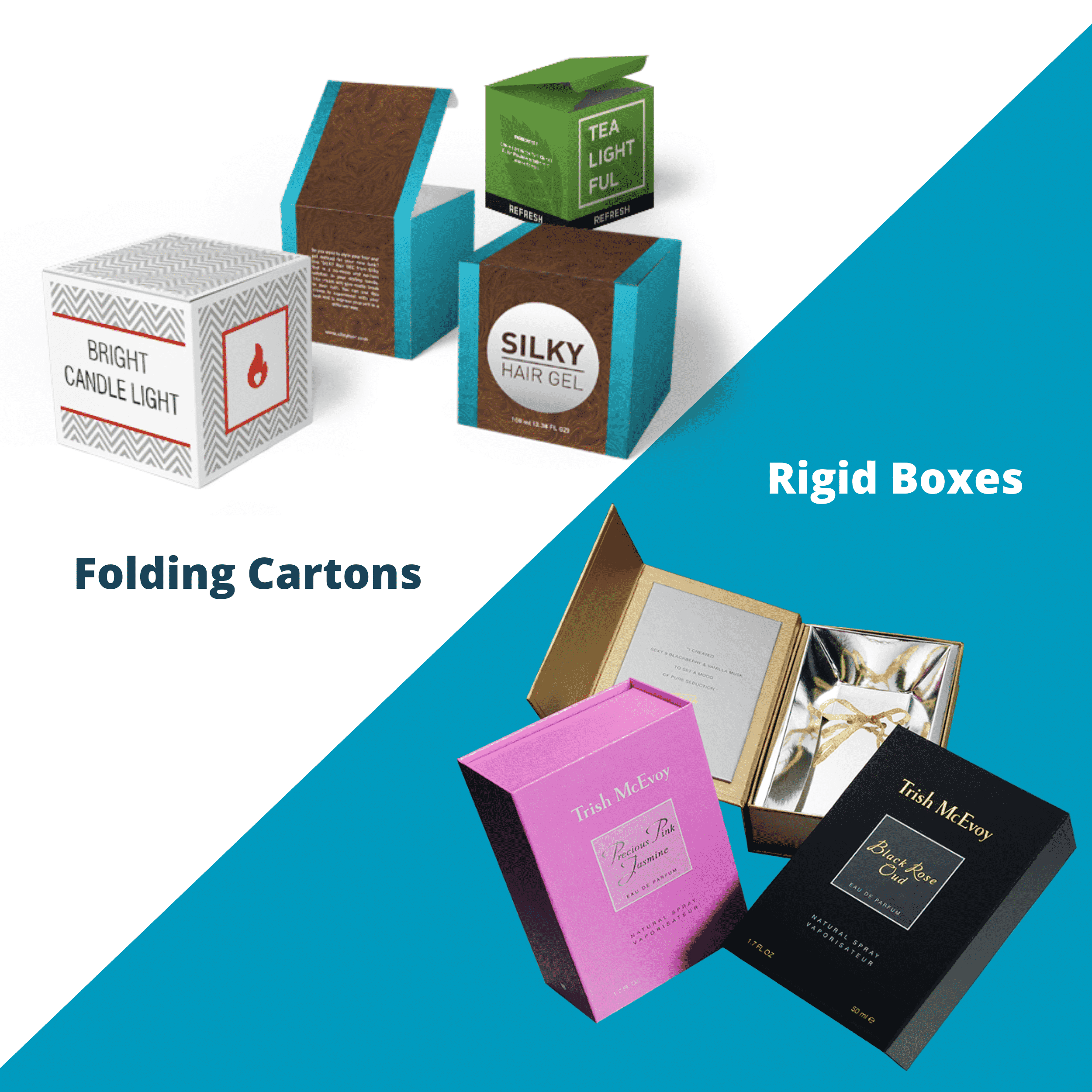
Gift-giving is a timeless tradition, and the packaging plays a crucial role in making the gesture even more special. When it comes to choosing the right gift box, there are several options available, each with its own unique characteristics. In this blog, we’ll delve into the world of gift packaging and compare three popular choices: corrugated boxes, folding cartons, and rigid boxes. By understanding the features, pros, and cons of each, you can make an informed decision and enhance your gift-giving experience. Corrugated Boxes Corrugated boxes are a versatile and cost-effective option for gift packaging. They are constructed from three layers of paper, with a fluted inner layer sandwiched between two flat liner boards. Here’s what you need to know: Pros: Durability: Corrugated boxes are known for their strength and resilience, making them ideal for shipping delicate or fragile gifts. Customizability: They can be easily customized with various printing options, making it easy to add a personal touch. Eco-Friendly: Many corrugated boxes are made from recyclable materials, appealing to environmentally conscious consumers. Affordability: These boxes are typically more budget-friendly compared to rigid boxes. Cons: Aesthetic Limitations: Corrugated boxes may lack the elegance and sophistication of rigid boxes or folding cartons. Bulkiness: They tend to be bulkier than other options, which can be a concern if storage space is limited. Folding Cartons Folding cartons are the most common type of packaging for retail products and gifts. They are typically made from paperboard and are designed to fold flat for easy storage and shipping. Let’s explore their advantages and disadvantages: Pros: Aesthetic Appeal: Folding cartons offer a wide range of design possibilities, allowing for eye-catching graphics, unique shapes, and luxurious finishes. Space-Efficient: They are space-efficient when stored flat and can be easily assembled when needed. Versatility: Folding cartons come in various sizes and shapes, catering to a wide range of gift-giving occasions. Printing Quality: The smooth surface of paperboard ensures high-quality printing, making it perfect for detailed graphics and images. Cons: Less Durability: Folding cartons are not as sturdy as corrugated boxes or rigid boxes, so they may not be suitable for heavy or fragile items. Limited Customization: While they offer design flexibility, they might not provide the same level of customization as rigid boxes. Rigid Boxes Rigid boxes, also known as setup boxes or gift boxes, are synonymous with luxury and premium gift packaging. These boxes are made from thick, rigid board and are known for their sturdiness and elegance. Let’s explore their attributes: Pros: Luxury and Elegance: Rigid boxes exude luxury and sophistication, making them perfect for high-end gifts and occasions. Durability: They offer exceptional protection for fragile or valuable items, ensuring the gift arrives in pristine condition. Customization: Rigid boxes can be fully customized with premium printing, embossing, foil stamping, and other embellishments. Reusability: Many recipients cherish rigid boxes and reuse them for storage or as decorative items. Cons: Cost: Rigid boxes are more expensive to produce than corrugated boxes or folding cartons, making them less budget-friendly. Storage: They take up more storage space due to their rigidity, which may not be practical for everyone. If you are interested in gift boxes, whether they are corrugated boxes, folding cartons or rigid boxes, then partner with Brown Packaging today to get started. (714)300-0650 request@brownpackaging.com Most Recent Posts: Categories: Corrugated Ecommerce ESD Design Display Flexible Packaging Foam Folding Carton Packaging Plastic Packaging Pouch Printing Protection Retail Rigid Box Thermoform Sustainability Subscribe To Our Newsletter By submitting your information, you agree to our terms and conditions and privacy policy. Custom Packaging Facebook Twitter LinkedIn Pinterest Relevant Posts
Read More »
custom two piece rigid box
Rigid Box
brownpackaging
Budget-Friendly Strategies for Rigid Boxes

Rigid boxes, known for their durability and premium appearance, are a popular choice for packaging high-end products. However, the perception of being expensive can deter some businesses from utilizing them. In this detailed blog, we will explore effective strategies to ensure that you don’t break the bank when using rigid boxes for your packaging needs. With the right approach, you can enjoy the benefits of rigid boxes without exceeding your budget. Opt for Standard Sizes Customization often adds to the cost of rigid boxes. To save money, consider using standard box sizes whenever possible. Standard sizes are readily available, which can reduce production costs and lead times. If your product can fit into a standard-sized box without compromising protection or presentation, it’s a cost-effective choice. Choose Simple Designs Intricate and complex designs, such as embossing, debossing, or intricate patterns, can significantly increase the cost of rigid boxes. Simplify your design to include only essential branding elements and graphics. A minimalist approach can be just as impactful and cost-effective. Use Single-Color Printing If branding is crucial but you want to keep costs down, consider using single-color printing. A single color, especially in a bold and striking shade, can effectively convey your brand identity without the expense of full-color printing. This approach not only saves on printing costs but also creates an elegant and eye-catching look. Bulk Ordering Economies of scale come into play when ordering larger quantities of rigid boxes. Manufacturers often offer discounts for bulk orders. Evaluate your packaging needs and consider ordering a larger quantity upfront if it aligns with your long-term packaging requirements. This can result in significant cost savings per box. Utilize Stock Materials Custom materials, such as unique textures or specialized finishes, can escalate the cost of rigid boxes. Choosing stock materials that are readily available and in common use can help lower costs. Stock materials are usually more affordable because they are produced in larger quantities. Consolidate Packaging Components Incorporate multiple packaging components into a single rigid box. For example, you can include a foam insert or molded pulp tray within the box to hold and protect the product. This eliminates the need for separate packaging components and can save on overall packaging costs. Explore Different Box Styles Consider alternative rigid box styles that may be more cost-effective while still providing the desired level of protection and presentation. For instance, a hinged lid box or a magnetic closure box may be more budget-friendly than a traditional two-piece rigid box. Seek Multiple Quotes Don’t settle for the first manufacturer or supplier you come across. Seek quotes from multiple sources to compare pricing, quality, and lead times. This competitive approach can help you secure a cost-effective deal without compromising on quality. Sustainable Choices Many businesses are now prioritizing eco-friendly packaging. Choosing sustainable materials for your rigid boxes, such as recycled cardboard or FSC-certified paperboard, can not only align with your environmental values but also sometimes come at a lower cost. Conclusion Rigid boxes offer a premium and durable packaging solution that can elevate your brand’s image. However, cost concerns should not deter you from utilizing them. By implementing these budget-friendly strategies, you can enjoy the benefits of rigid boxes without breaking the bank. Remember to balance your packaging requirements with your budget constraints to achieve both cost-effectiveness and brand impact. With the right approach, you can strike a perfect balance between quality and affordability in your packaging solutions. If you are interested in rigid boxes, then partner with Brown Packaging today to get started. (714)300-0650 request@brownpackaging.com Most Recent Posts: Categories: Corrugated Ecommerce ESD Design Display Flexible Packaging Foam Folding Carton Packaging Plastic Packaging Pouch Printing Protection Retail Rigid Box Thermoform Sustainability Subscribe To Our Newsletter By submitting your information, you agree to our terms and conditions and privacy policy. Rigid Boxes Facebook Twitter LinkedIn Pinterest Relevant Posts

Read More »
custom rigid box two piece
Rigid Box
brownpackaging
How Packaging Suppliers Streamline Rigid Boxes for Retail

Rigid boxes are the premium standard in packaging—perfect for luxury products, high-end electronics, skincare, and gift sets. But creating a beautiful rigid box is only part of the process. To succeed in retail, your packaging must also meet strict retailer requirements, ensure supply chain efficiency, and deliver an exceptional unboxing experience for the customer. That’s where the right packaging supplier makes a real difference. From early design support to final delivery, a knowledgeable supplier helps streamline every stage of your rigid box project—so you can get to market faster, stay compliant, and reduce costly packaging missteps. Aligning Structural Design with Retail Requirements Every major retailer—Target, Sephora, Walmart, Ulta, Costco—has its own set of packaging specs. A qualified packaging supplier understands these standards and helps ensure your rigid box design meets them from day one. They’ll help you: Choose the right box dimensions and formats for shelf compatibility Design boxes that are stackable, protective, and easy to merchandise Comply with weight, display, and material restrictions Avoid common issues that cause costly rejections ✅ Saves time on approvals✅ Prevents repackaging or reworking✅ Positions you for smoother retailer onboarding Coordinating Print, Finishes & Branding for Consistency Retail-ready rigid boxes need to stand out visually while maintaining strict brand consistency across SKUs and product lines. A packaging supplier can oversee the full process—ensuring your logo placement, colors, and finishes are correct on every box, no matter the quantity. They’ll also advise you on: Matching existing packaging elements Choosing finishes that enhance shelf appeal (foil, embossing, soft-touch) Selecting print methods (offset, digital) that meet timeline and volume needs Incorporating interior printing or custom inserts for elevated presentation ✅ Elevates product value and brand perception✅ Supports promotional versions or line extensions✅ Helps meet retailer expectations for premium packaging Managing Production and Lead Times Efficiently One of the biggest challenges with rigid boxes is the longer production time compared to other packaging formats. Working with a supplier means you’ll have production timelines mapped out, risks flagged early, and inventory timed to meet retail delivery windows. Suppliers help with: Coordinating multiple components (base, lid, insert, printing) Managing long-lead finishes like embossing or foil Setting expectations for inventory drop dates Avoiding bottlenecks caused by fragmented communication ✅ Helps you hit critical launch dates✅ Reduces delays from scattered sourcing✅ Provides transparency and timeline accountability Offering Samples, Prototypes, and Pre-Press Checks Before full production, your supplier can create physical samples or digital proofs to ensure everything—from structure to graphics to fit—is perfect. This step is especially important when dealing with multiple SKUs or new retail accounts. What they provide: Full production mockups or white samples for review Guidance on packaging dielines and layout Print file proofing for color, resolution, and layout accuracy Pre-production testing for inserts, closures, and durability ✅ Reduces costly production mistakes✅ Ensures fit and finish meets expectations✅ Speeds up retailer approval and compliance Supporting Fulfillment, Assembly & Shipping Optimization Many retailers require fully assembled, filled, or shelf-ready packaging. Your supplier can often assist with kitting, packout, or coordination with your co-packer or fulfillment partner to make sure your rigid boxes are ready to go right out of the box. They can help: Pre-build boxes with inserts, tissue, and product placement Label, barcode, or shrink-wrap to meet retailer specs Pack efficiently for pallet optimization and damage prevention Prepare packaging to meet e-commerce AND retail requirements ✅ Reduces labor and fulfillment complexity✅ Delivers a true turnkey solution✅ Increases speed to shelf or customer Staying Compliant with Regulations and Sustainability Trends Retailers expect packaging to meet increasing standards for sustainability, labeling, and material sourcing. A knowledgeable supplier helps you stay ahead of compliance and align with retail trends. Support may include: Guidance on recyclable or eco-friendly materials Compliance with food-safe or cosmetic-safe materials Material reduction strategies for reduced carbon footprint Providing certifications or documentation for retail requirements ✅ Positions your brand as forward-thinking✅ Prevents compliance delays or rejections✅ Helps meet retailer sustainability scorecards Final Thoughts Rigid boxes can elevate your product—but only when they’re backed by the right strategy, materials, and execution. A reliable packaging supplier helps you do more than just create a beautiful box—they streamline the entire process for retail readiness, brand consistency, and supply chain success. Need help getting your rigid boxes ready for retail?We’ll guide you through every step—from design and printing to compliance and delivery—to help you launch with confidence. (714)300-0650 request@brownpackaging.com Most Recent Posts: Categories: Corrugated Ecommerce ESD Design Display Flexible Packaging Foam Folding Carton Packaging Plastic Packaging Pouch Printing Protection Retail Rigid Box Thermoform Sustainability Subscribe To Our Newsletter By submitting your information, you agree to our terms and conditions and privacy policy. Rigid Boxes Facebook Twitter LinkedIn Pinterest Relevant Posts

Read More »