

Home » How to Lower Packaging Costs Without Sacrificing Quality
How to Lower Packaging Costs Without Sacrificing Quality
Cost pressure is real—but downgrading your packaging isn’t the answer. Smart brands know that the real savings come from strategy, not shortcuts. The key is to identify areas where you’re overspending or overdesigning, and then apply targeted fixes that maintain product protection, streamline operations, and preserve your brand’s appearance.
Here are six proven ways to lower packaging costs without compromising what matters.
Rethink Your Materials, Not Your Message
You don’t need premium substrates or specialty coatings for every box. Often, a switch in material spec delivers the same structural integrity at a better price.
How to do it:
- Downgrade from double-wall to single-wall corrugated (if damage rates are low)
- Replace foam inserts with chipboard or corrugated partitions
- Use kraft instead of white board for internal packaging where branding isn’t visible
- Swap soft-touch coatings or laminates for matte aqueous or simpler finishes
This preserves your customer experience while reducing waste and cost at the source.
Right-Size Every SKU
Oversized packaging isn’t just wasteful—it costs more in materials, freight, and void fill. Right-sizing your packaging is one of the fastest ways to cut cost across the board.
How to do it:
- Audit your most frequently shipped SKUs and measure internal void space
- Consolidate sizes where possible to simplify inventory
- Switch to smaller mailers or die-cut cartons for low-weight products
- Use inserts or dividers to stabilize smaller products within tighter boxes
This reduces dimensional weight and improves pallet or parcel density.
Simplify Your Print Approach
You can still brand your packaging without maxing out your budget. Print costs add up when you increase colors, coverage, or setup complexity.
How to do it:
- Use 1-color or 2-color flexographic printing for basic branding
- Minimize print to one or two sides of the box
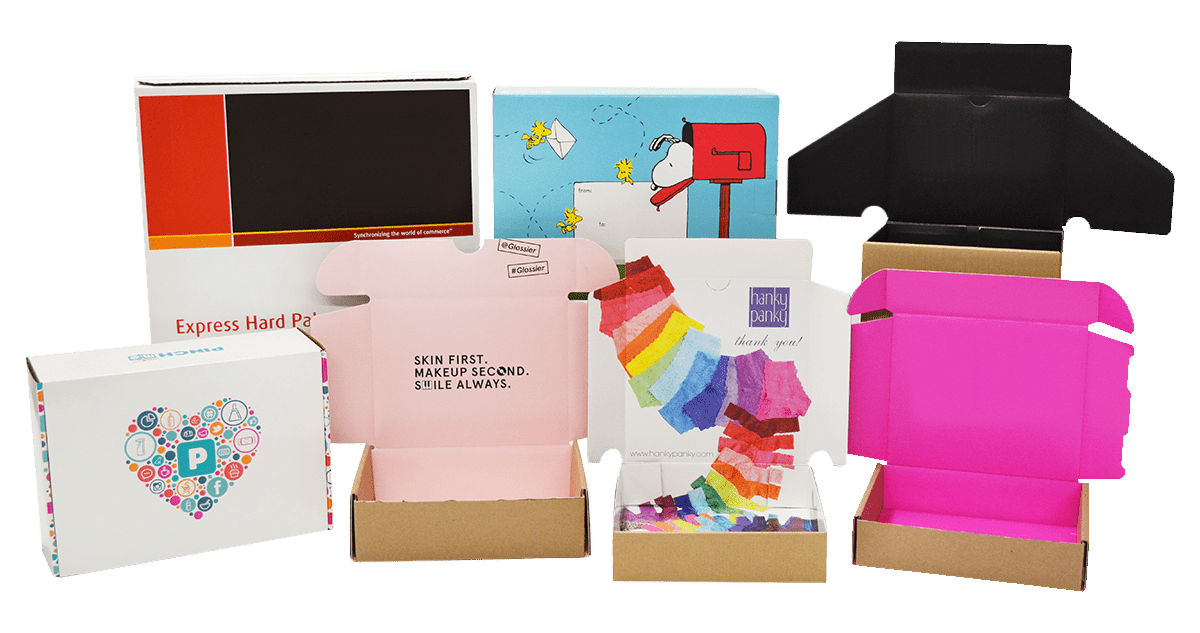
- Print inside the box instead of full exterior coverage for an affordable “wow” moment
- Skip unnecessary coatings, varnishes, or plate changes
Simple, clean branding often looks more professional and is far more cost-effective.
Reduce Labor Through Smarter Structures
Packaging costs aren’t just in the materials—they’re in the assembly. If your packaging slows down fulfillment, you’re paying for it in time and wages.
How to do it:
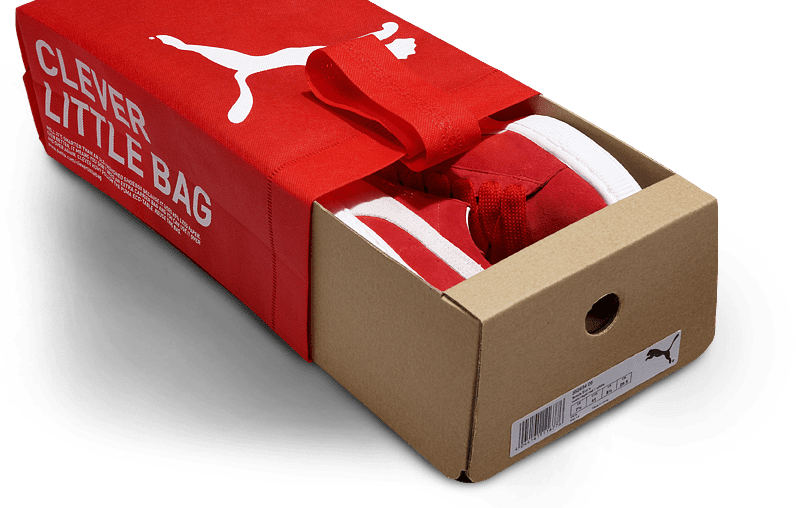
- Switch to auto bottom boxes, also called auto-lock, or pre-glued cartons
- Avoid tray-lid combinations that require excessive folding or taping
- Use adhesive peel-and-seal mailers to eliminate the need for tape
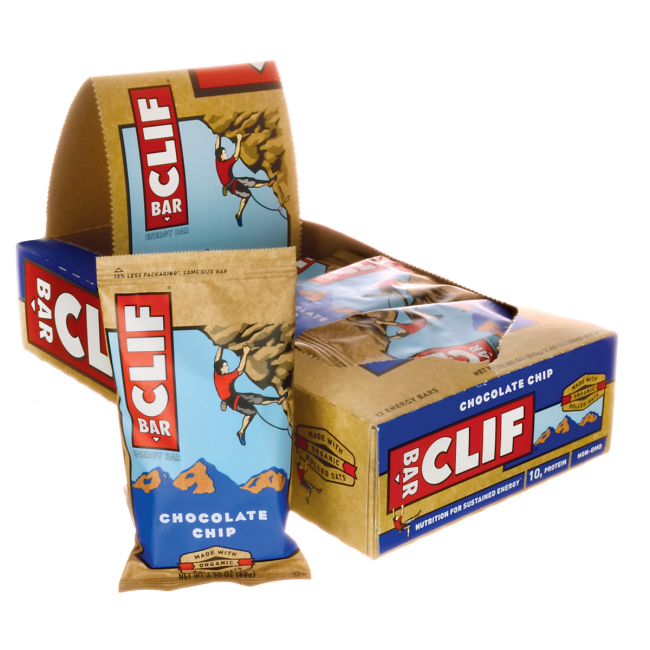
- Consider shelf-ready packaging that doubles as display
This speeds up your operations and makes training packers easier—especially at scale.
Increase Order Efficiency
Ordering smarter often reduces cost more than ordering cheaper.
How to do it:
- Increase volume to hit price breaks (especially on custom runs)
- Bundle packaging components (e.g., boxes + inserts + tape)
- Set up a stock-and-release program with your supplier
- Avoid rush jobs by forecasting further ahead
A stable order flow lets suppliers optimize production—saving you money on every run.
Redesign for Function First
Many packaging programs are inherited, not designed. Revisiting your structure with fresh eyes can eliminate unnecessary features and uncover major savings.
How to do it:
- Ask your packaging partner for a design review
- Remove features that add cost but don’t serve the product
- Test shipping protection levels—don’t overbuild
- Design for stackability, shelf fit, or automation to reduce damage and downtime
Final Thoughts
Lowering packaging costs doesn’t mean watering down your brand or risking product safety. It means being more intentional—about materials, size, structure, and operations. By refining your packaging setup, you can cut cost and improve performance at the same time.
Need help lowering your packaging spend?
We’ll help you identify where you’re overspending—and design a more efficient, better-performing solution that doesn’t cut corners.
Box Compression Test (BCT) measures how much vertical load a corrugated box can last before it collapses. This matters when: Boxes are stacked on pallets Loads are stored for extended
Most companies don’t realize how much they’re paying to ship empty space. Packaging is often designed around convenience or standard sizes, not efficiency. The result is wasted cube, higher freight
Excess moisture in pet food packaging can cause mold growth, nutrient degradation, clumping, and product spoilage. Effective moisture control combines barrier material selection, packaging design, and controlled production environments to
Exporting products requires packaging that can endure extended transit times, multiple handling points, and strict international regulations. Full Overlap (FOL) boxes are a proven solution for export shipments because their
Home » How to Lower Packaging Costs Without Sacrificing Quality