Home » How Long Do Corrugated Boxes Last?
How Long Do Corrugated Boxes Last?
The longevity of corrugated boxes, a question frequently asked by businesses and consumers alike, hinges on several key factors, including their construction, material quality, and the conditions under which they are stored and used. Typically, corrugated boxes are designed to withstand the rigors of shipping and handling for a single shipping cycle, which can range from a few days to several weeks, depending on the logistics involved. However, under ideal conditions and with proper care, these boxes can be reused multiple times, extending their useful life significantly.
Understanding Corrugated Boxes
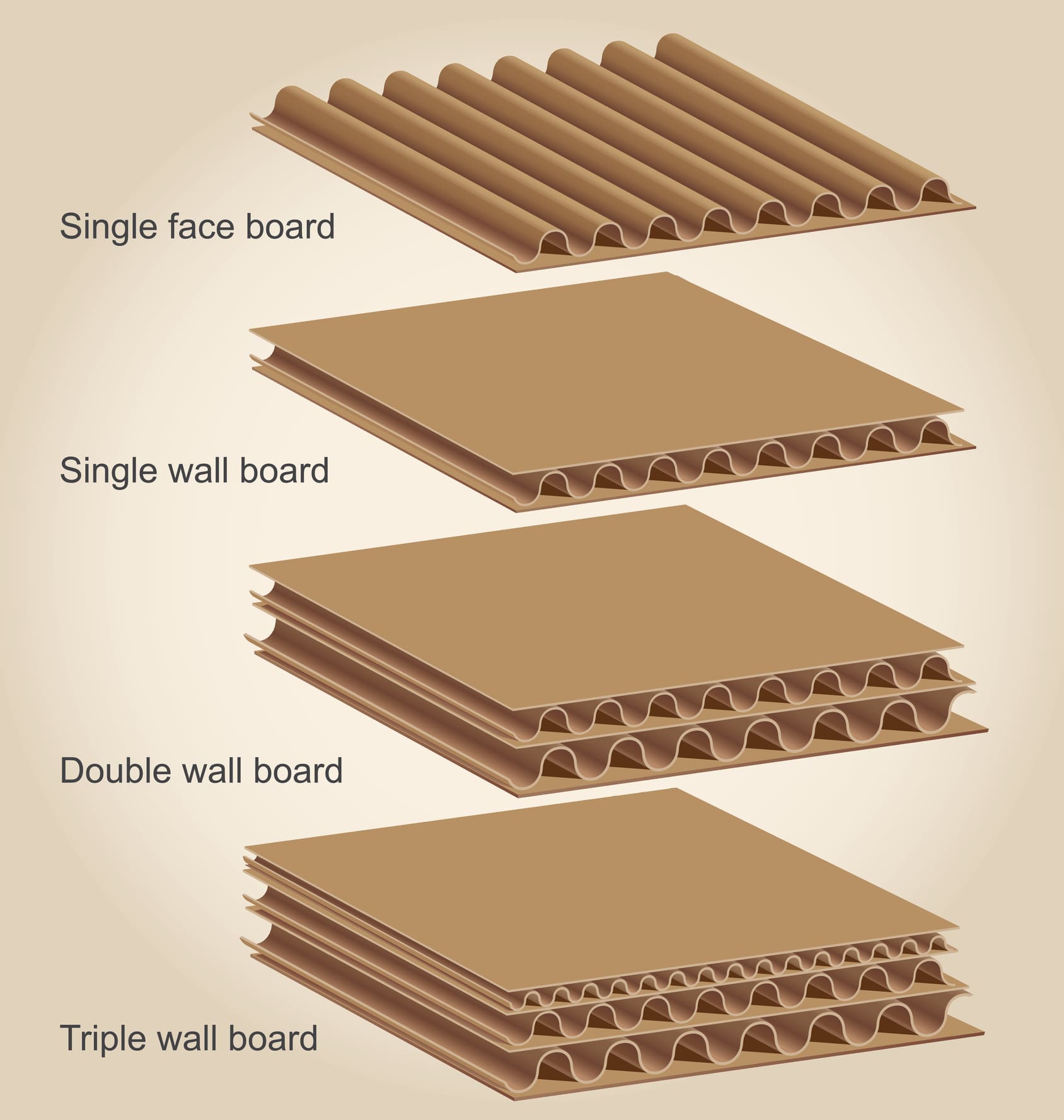
To appreciate why and how corrugated boxes last, it’s important to start with their construction. Corrugated boxes are made from corrugated fiberboard, consisting of two or three flat linerboards encasing a fluted corrugated sheet. This design imparts strength and durability, making the boxes capable of protecting contents against bumps, drops, and compression.
Material Properties
The durability of corrugated boxes also depends on the quality of the materials used. High-quality corrugated fiberboard, made from virgin or recycled paper, can enhance the box’s strength and longevity. The paper’s grade, thickness, and the flute size of the corrugated medium contribute to the box’s overall durability, resistance to moisture, and ability to withstand various loads.
Environmental Conditions and Storage
How long corrugated boxes last is greatly influenced by environmental conditions. Exposure to humidity, extreme temperatures, and direct sunlight can weaken the boxes, reducing their lifespan. Proper storage in a cool, dry place can help preserve their integrity for longer periods. Additionally, avoiding overloading and ensuring that boxes are stacked correctly can prevent crushing and deformation, further extending their life.
Reusability and Recycling
One of the strengths of corrugated boxes is their reusability. Boxes that are gently used and remain in good condition can be reused for shipping or storage multiple times. This reusability factor not only extends the life of the boxes but also contributes to environmental sustainability by reducing waste and the need for new materials.
Moreover, when corrugated boxes reach the end of their useful life, they are highly recyclable. The recycling process rejuvenates the fiber, allowing it to be used in the production of new boxes or other paper products, thus closing the loop in the product lifecycle.
Best Practices for Extending Life
To maximize the lifespan of corrugated boxes, several best practices can be followed:
- Avoid exposure to damp conditions and direct sunlight.
- Do not overload boxes or stack them in a manner that puts undue stress on the bottom boxes.
- Store boxes in a cool, dry environment to prevent the paper from weakening.
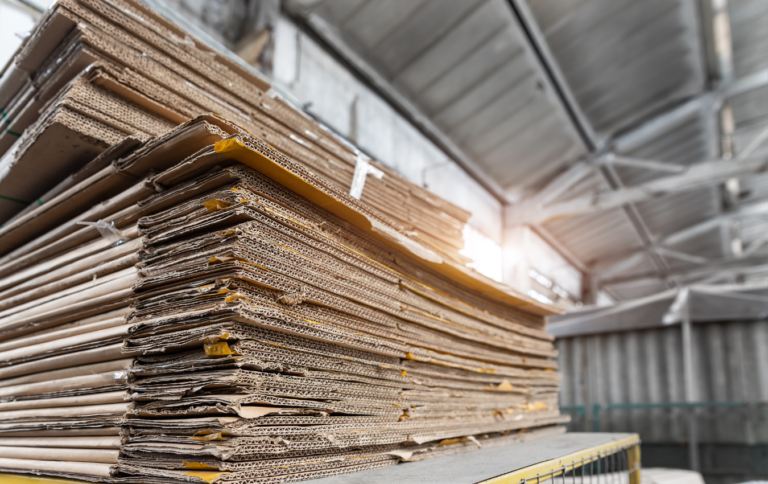
- Flatten and store unused boxes in a protected area to avoid unnecessary wear and tear.
Conclusion
In conclusion, the lifespan of corrugated boxes is a function of their construction, the quality of materials used, and how they are handled and stored. With proper care and under ideal conditions, these boxes can serve well beyond a single shipping cycle, offering an efficient, cost-effective, and environmentally friendly packaging solution. By understanding the factors that contribute to their longevity, users can take steps to extend the life of their corrugated boxes, benefiting both their bottom line and the planet.
If you are interested in corrugated boxes, then partner with Brown Packaging today to get started.
In 2026, sustainability is no longer just a trend—it’s a buyer expectation. Forest Stewardship Council (FSC) certification has become a key benchmark for responsible packaging, signaling that materials are sourced
Sustainability is now a top priority for packaging buyers. Retailers, regulators, and consumers are all demanding packaging solutions that reduce environmental impact without sacrificing performance. In 2026, buyers must balance
Choosing the right packaging material is one of the most important decisions buyers face. Single-material packaging offers simplicity and recyclability, while multi-material designs provide enhanced performance and protection. Understanding the
One of the biggest challenges in sustainable packaging is balancing environmental responsibility with product protection. Buyers often worry that switching to eco-friendly materials means sacrificing durability or driving up costs.
Home » How Long Do Corrugated Boxes Last?
Corrugated packaging has been a popular choice for packaging and shipping goods for over a century, and for good reason. The unique structure of corrugated packaging, with its fluted layer between two liners, provides a lightweight yet strong material that can be customized to fit a wide variety of shapes and sizes. However, the environmental benefits of corrugated packaging are often overlooked. With increasing concern over climate change and the impact of waste on the environment, it’s important to consider the sustainability of the materials we use, including packaging. Fortunately, corrugated packaging offers a range of environmental advantages that make it one of the most sustainable packaging materials available today. It’s made from renewable resources, can be easily recycled, and has a relatively low carbon footprint compared to other materials. As consumers become more conscious of their environmental impact, companies are also making an effort to reduce their carbon footprint and contribute to sustainable practices. Choosing corrugated packaging is a simple yet effective way to make a positive impact on the environment. By using recyclable and biodegradable materials, companies can reduce waste, conserve resources, and minimize their carbon footprint. Overview: Corrugated Packaging, Benefits & Sustainability In this article, we will explore the sustainability benefits of corrugated packaging, including its recyclability, biodegradability, and low carbon footprint. We will also examine how these benefits contribute to a more sustainable future and what steps we can take to promote the use of corrugated packaging. Recyclability Biodegradability Low Carbon Footprint Recyclability Recyclability of corrugated packaging is one of the key reasons it is such a sustainable material. Corrugated packaging is made from paper, which is a renewable resource and can be recycled multiple times. Recycling corrugated packaging is easy and efficient, with the vast majority of materials collected and reused within just a few weeks. In this section, we will explore the different aspects of the recyclability of corrugated packaging, including its collection and sorting, recycling process, and benefits to the environment. Collection and Sorting The first step in the recycling process of corrugated packaging is the collection and sorting of materials. Most municipalities have curbside recycling programs that include corrugated packaging, making it easy for households to recycle. The packaging can also be recycled at local recycling centers or through drop-off programs. Once the materials are collected, they are transported to a recycling facility, where they are sorted and prepared for recycling. Recycling Process The recycling process of corrugated packaging is relatively simple and requires minimal energy compared to other materials. The first step is to remove any contaminants, such as tape or staples, which can be done through a pulping process that separates the fibers from the contaminants. The fibers are then cleaned, screened, and de-inked, and made into new paper products. The entire process can take just a few weeks from the time the packaging is collected to the production of new products. Benefits to the Environment Recycling corrugated packaging has many benefits for the environment. Firstly, it conserves resources, as the paper fibers can be recycled multiple times, reducing the need for new materials. Secondly, it reduces the amount of waste sent to landfills, which helps to preserve natural habitats and reduce greenhouse gas emissions. Finally, recycling corrugated packaging helps to promote a circular economy, where materials are reused and waste is minimized. Biodegradability Another sustainability advantage of corrugated packaging is its biodegradability. This means that the material can be broken down by natural processes and does not persist in the environment. In this section, we will explore the biodegradability of corrugated packaging, including how it decomposes, the impact on the environment, and the benefits of composting. Decomposition When corrugated packaging is disposed of in a landfill, it decomposes over time and produces methane gas, a potent greenhouse gas. However, the decomposition process of corrugated packaging is significantly faster than other materials such as plastic, which can take hundreds of years to break down. Corrugated packaging is made from paper, which is a natural material that can be broken down by microorganisms. Impact on the Environment When corrugated packaging is recycled, it is diverted from landfills, and methane emissions are reduced. Methane gas is a potent greenhouse gas that contributes to climate change, so by reducing the amount of corrugated packaging in landfills, we can help mitigate the effects of climate change. Additionally, the biodegradability of corrugated packaging means that it is less likely to persist in the environment and cause harm to wildlife. Composting Corrugated packaging is also an excellent material for composting. It can be shredded and added to a compost pile, where it breaks down quickly and helps to nourish the soil. Composting corrugated packaging also helps to reduce waste and conserve resources. The paper fibers in corrugated packaging provide a good source of carbon for composting, which is essential for creating a balanced compost pile. Benefits of Composting Composting corrugated packaging has many benefits, including reducing the amount of waste sent to landfills, improving soil health, and conserving resources. By adding corrugated packaging to a compost pile, it can help to break down other organic materials, such as food waste, and create a nutrient-rich compost that can be used to grow plants. Low Carbon Footprint The low carbon footprint of corrugated packaging is another important sustainability advantage. The manufacturing process requires less energy compared to other materials, and the packaging is lightweight, which reduces transportation emissions. In this section, we will explore the different aspects of the low carbon footprint of corrugated packaging, including the manufacturing process, transportation emissions, and the impact on the environment. Manufacturing Process The manufacturing process of corrugated packaging requires less energy compared to other materials. The packaging is made from renewable resources, which reduces the reliance on fossil fuels. The process of manufacturing corrugated packaging involves converting wood pulp into paper, which is then formed into the distinctive corrugated structure. The manufacturing process is energy efficient and can be powered by renewable energy sources. Transportation Emissions The lightweight nature of
Corrugated Boxes are exposed to many different circumstances during packing, shipping and storage. Ensuring that your corrugated packaging is protecting your product fully is important. The two-test used to evaluate the strength of your packaging are Mullen Burst Test and Edge Crush Test. They both serve a similar purpose of testing the strength of the box, and they test it in different ways. It is important to understand the difference between the two tests, in order to ensure you pick the right strength quality test for your packaging needs. Mullen Burst: The Mullen Burst Test was the first standard box strength test to be used. It uses a pressurized diaphragm to measure how much pressure the side of a corrugated box can endure before it will burst. It is measured in pounds per square inch. This test is best for measuring the forces a box may be subject to during rough handling, as well as the total weight amount the box can hold. It doesn’t measure the amount of weight that can be stacked on top of a box that is when the Edge Crush Test becomes more effective. Edge Crush The Edge Crush Test (ECT) measures the vertical compression along the edge of a package and focuses on the compression and stacking strength of a corrugated box. It is measured by the force in pounds per lineal inch of load bearing edge that a box can take before failure. This test is often used when one is concerned about the max weight a box can handle during pallet shipments and warehouse stacking. More so this test measures how much weight a corrugated box can handle before it would crush. Which test should you use? Edge Crush test is best used when the items you are packaging will not move during shipment, won’t exert lateral force to the sides of the boxes, and won’t go through a variety of different shipment handlers. If you are stacking or palletizing your boxes, ECT can provide a better measure of how the box will hold up during that stacking process. In order to best protect your product from being crushed during shipment, use Edge Crush Test. Mullen Burst test is best if the items in the box will move during shipment, there will be pressure to the sides of the boxes, and the box will go through many different handlers during shipping. If you’re concerned about a package being punctured during shipment use Mullen Burst Test. BMC The Box Manufacturer Certification Stamp (BMC) is added to all corrugated boxes in order to show the boxes strength. Every BMC contains either the Mullen Burst Test Rating or the Edge Crush Test Rating information. This stamp shows that the box is compliant with the regulations set by the National Motor Freight Traffic Association (NMFTA). Although this is not legally required most carriers require it. What is located on a BMC? Box manufacturers name and location Mullen Burst Test Rating or Edge Crush Test Rating Max sum of outside dimensions Max allowed gross weight Board construction Both Mullen Burst Test and Edge Crush Test are useful in their own ways. Although they both serve a similar purpose of testing the strength of the box, these test are not equivalent as they measure completely different things. It is important to understand the difference between the two tests, in order to ensure you pick the right strength quality test for your packaging needs. If you need assistance understanding the difference between these two test and need help determining which one is best for your business packaging needs, then contact Brown Packaging and one of our packaging experts can assist you. (714)300-0650 request@brownpackaging.com Most Recent Posts: Categories: Corrugated Ecommerce ESD Design Display Flexible Packaging Foam Folding Carton Packaging Plastic Packaging Pouch Printing Protection Retail Rigid Box Thermoform Sustainability Subscribe To Our Newsletter By submitting your information, you agree to our terms and conditions and privacy policy. Custom Corrugated Facebook Twitter LinkedIn Pinterest Relevant Posts
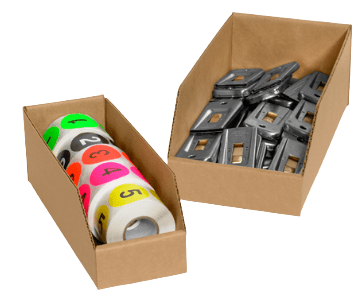
Venture into a sizable retail store, roam the pathways of an expansive warehouse, or take a behind-the-scenes glance at a bustling e-commerce fulfillment center, and you’re bound to encounter the unassuming yet invaluable bin box. But let’s decode this organizational marvel a bit further. What are bin boxes, and why are custom corrugated bin boxes gaining traction? Here’s your comprehensive guide. Understanding the Corrugated Bin Box A bin box, at its core, is a straightforward, open-front container devised to store and systematically arrange products, parts, and inventory. Often placed on shelves, they facilitate immediate access to the items stored within. The term “corrugated” delineates the material from which the box is crafted. Essentially, corrugated cardboard is a sturdy, wavy paperboard birthed from the marriage of a flat paper sheet with a corrugated (wavy) counterpart. This union bestows upon it robustness and rigidity, making it a favored choice in the realm of packaging and shipping. The Merits of Going Custom with Corrugated Bin Boxes Customization, especially in the business landscape, is synonymous with specificity and precision. Here’s why custom corrugated bin boxes are game-changers: Tailored Sizing: Enterprises can modify the box’s dimensions to accommodate specific items or utilize shelf space to the maximum. Branding Spotlight: From logos to product details, custom-printed boxes can amplify brand visibility and furnish critical information to staff members. Augmented Strength: Depending on the items they’re destined to house, custom boxes can be fortified to offer enhanced durability. Organizational Mastery: Incorporating dividers, crafting unique shapes, or fashioning distinct openings can elevate the categorization and orderliness of stored items. Where Custom Corrugated Bin Boxes Shine Retail Stores: Ideal for showcasing products, especially those petite items that have a penchant for chaos. Warehouses: In vast inventory landscapes, bin boxes offer methodical categorization, accelerating access and restocking processes. Workshops: From expansive manufacturing units to compact workshops, bin boxes ensure tools and components stay in their designated spots. Office Environments: A haven for stationeries, documents, and myriad office essentials, ensuring a clutter-free and efficient workspace. The Green Footprint Sustainability isn’t just a buzzword; it’s an imperative. Corrugated bin boxes are not only recyclable but can also be constructed from recycled materials. This eco-centric approach aids in attenuating the carbon footprint and propelling a sustainable business model. To Sum It Up Custom corrugated bin boxes transcend the realm of mere storage apparatus. They are organizational maestros, pivotal in streamlining processes, enhancing brand prominence, and championing efficiency in diverse business setups. Whether you’re a retail entity keen on impeccable displays or a vast warehouse set on operational fluidity, these custom boxes promise to be an indispensable ally in your business journey. If you are interested in corrugated bin boxes, then partner with Brown Packaging today to get started. Final Thoughts Corrugated bin boxes are a versatile and eco-friendly solution for storage needs. By following these stacking guidelines, you can ensure the safety and longevity of both your boxes and their contents. Always prioritize stability and avoid the temptation to stack too high – it’s better to have two stable shorter stacks than one towering, unstable one. Safe stacking! If you are interested in corrugated bin boxes, then partner with Brown Packaging today to get started. (714)300-0650 request@brownpackaging.com Most Recent Posts: Categories: Corrugated Ecommerce ESD Design Display Flexible Packaging Foam Folding Carton Packaging Plastic Packaging Pouch Printing Protection Retail Rigid Box Thermoform Sustainability Subscribe To Our Newsletter By submitting your information, you agree to our terms and conditions and privacy policy. Corrugated Bin Boxes Facebook Twitter LinkedIn Pinterest Relevant Posts