

Home » Understanding the Corrugated Box Drop Test
Understanding the Corrugated Box Drop Test
In the world of packaging, ensuring the safety and integrity of products during transit is paramount. This is where the corrugated box drop test comes into play. It’s a critical evaluation method used to determine the durability and protective qualities of corrugated boxes, which are widely used in shipping various goods. This blog post delves into the details of the corrugated box drop test, its importance, and how it is conducted.
The Importance of the Corrugated Box Drop Test
Drop testing is an essential part of quality control in packaging. It simulates the impacts a package may endure during handling and shipping, including being dropped, knocked, or jostled. For businesses, ensuring that their product packaging can withstand such treatment is crucial to avoid damage during shipping, which can lead to financial losses and affect customer satisfaction.
What is a Corrugated Box Drop Test?
The corrugated box drop test is a systematic procedure where a packed corrugated box is dropped from a specific height to observe how well the packaging protects its contents. This test is typically performed under controlled conditions following standardized guidelines, such as those set by ASTM or ISTA.

How is the Drop Test Conducted?
- Preparation of the Test Sample:
- The corrugated boxes are prepared with the actual product inside, or a dummy package that simulates the weight and dimensions of the real product.
- The boxes are sealed as they would be for normal distribution.
- Determination of Drop Height:
- The height from which the box is dropped depends on the package’s weight and the standards being followed. Typically, the higher the package’s weight, the lower the drop height.
- Execution of the Drop:
- The box is dropped onto a solid, flat surface. The drops are conducted on different faces of the box, including corners and edges, to simulate various real-world scenarios.
- Each drop is observed and recorded, noting any visible damage to the box and its contents.
- Assessment Post-Drop:
- After the test, the box is examined for any signs of structural failure, such as tears, ruptures, or punctures.
- The contents are checked for damage or breakage.
Interpreting Test Results
- Pass/Fail Criteria: The criteria for passing the test can vary but generally include no significant damage to the box or its contents.
- Data Analysis: The results are analyzed to determine if the packaging design needs to be improved. This could involve enhancing the box’s material strength, adding protective cushioning inside, or altering the box design.
Why is the Drop Test Crucial?
- Consumer Confidence: Ensuring product safety during shipping builds consumer trust and satisfaction.
- Cost-Effectiveness: It’s more cost-effective to invest in proper packaging than to bear the costs of damaged goods and returns.
- Brand Reputation: Consistently delivering products in excellent condition enhances a brand’s reputation.
Technological Advances in Drop Testing
- Automated Drop Test Equipment: Some companies use advanced, automated equipment to conduct more precise and repeatable drop tests.
- Simulation Software: Technological advancements allow for computer simulations of drop tests, providing an additional layer of analysis.
Conclusion
The corrugated box drop test is a vital tool in the packaging industry, serving as a frontline check for packaging integrity. Regularly conducting these tests helps businesses ensure that their products are well-protected through the rigors of shipping and handling. In the end, the drop test is not just about maintaining product integrity; it’s about upholding customer satisfaction and preserving the brand’s reputation in a competitive marketplace.
If you are interested in corrugated boxes and require assistance in passing a drop test, then partner with Brown Packaging today to get started.
Sustainable packaging in 2027 will be less about broad claims and more about proof, performance, compliance, and cost control. Buyers will still care about recyclable
Sustainable packaging in 2027 will be less about broad claims and more about proof, performance, compliance, and cost control. Buyers will still care about recyclable
A folding carton may look simple once it reaches the shelf, but it goes through a controlled production process before it becomes a finished package.
Folding carton production is becoming more automated because buyers are asking for faster timelines, tighter consistency, and more flexibility across more SKUs. Shorter product lifecycles,
Folding carton style matters because structure affects more than appearance. The right carton can improve shelf presentation, packing speed, product access, closure security, storage efficiency,
Pouch packaging trends in 2027 will be shaped by convenience, shelf impact, sustainability pressure, sealing performance, automation, ecommerce growth, and total packaging cost. Buyers will
By submitting your information, you agree to our terms and conditions and privacy policy.
Home » Understanding the Corrugated Box Drop Test

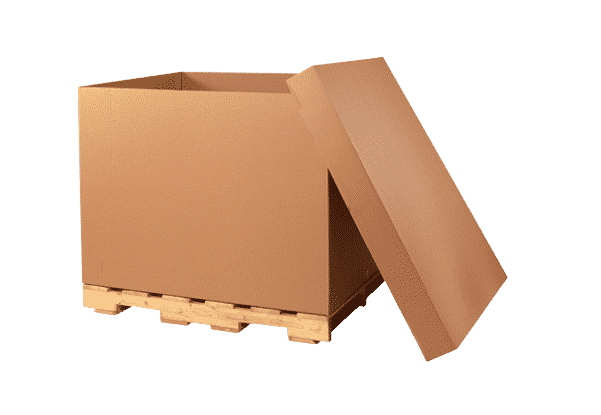

Gaylord containers are large, sturdy boxes used primarily for shipping, storing, and handling bulk materials. Often utilized in industries like manufacturing, agriculture, and retail, these

The weight a corrugated box can hold depends on factors such as box construction, material grade, flute size, and box dimensions. Corrugated boxes are designed

The Edge Crush Test (ECT) is a critical performance metric for corrugated boxes, directly correlating to stacking strength and load-bearing capacity. In the high-stress world