window.uetq = window.uetq || []; window.uetq.push(‘event’, ‘submit_lead_form’,{ event_label:‘SUBMIT MESSAGE’ }); window.lintrk('track', { conversion_id: 10271009 }); window.lintrk('track', { conversion_id: 10271017 });

Enhancing Brand Recognition Through Consistent POP Displays

Enhancing Brand Recognition Through Consistent POP Displays

In the fiercely competitive world of retail, brand recognition is the key to success. Standing out amidst a sea of choices requires a strategic approach, and one effective method to achieve this is through the art of consistent Point-of-Purchase (POP) displays. These displays are more than just functional; they are an opportunity to reinforce your brand identity and leave a lasting imprint on your customers’ minds.

The Role of Brand Recognition in Retail

Brand recognition is the ability of consumers to identify and associate a brand with specific attributes, values, and emotions. It’s not just about recalling a company’s name; it’s about forging a strong connection that leads to trust, loyalty, and increased sales.

The Power of Consistency in Branding

Consistency is the cornerstone of effective branding. It entails presenting a unified and harmonious image across all touchpoints, whether online, on packaging, or in-store displays. Consistency builds familiarity, making it easier for customers to connect with your brand on a profound level.

Leveraging POP Displays for Cohesive Branding

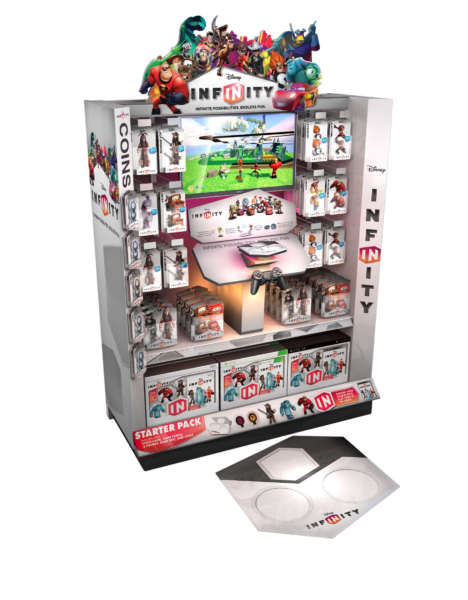
POP displays, strategically placed within a retail environment, offer a golden opportunity to reinforce consistent branding. These displays serve as visual ambassadors, conveying your brand’s essence in a matter of seconds. When executed seamlessly, they bridge the gap between online and offline experiences.
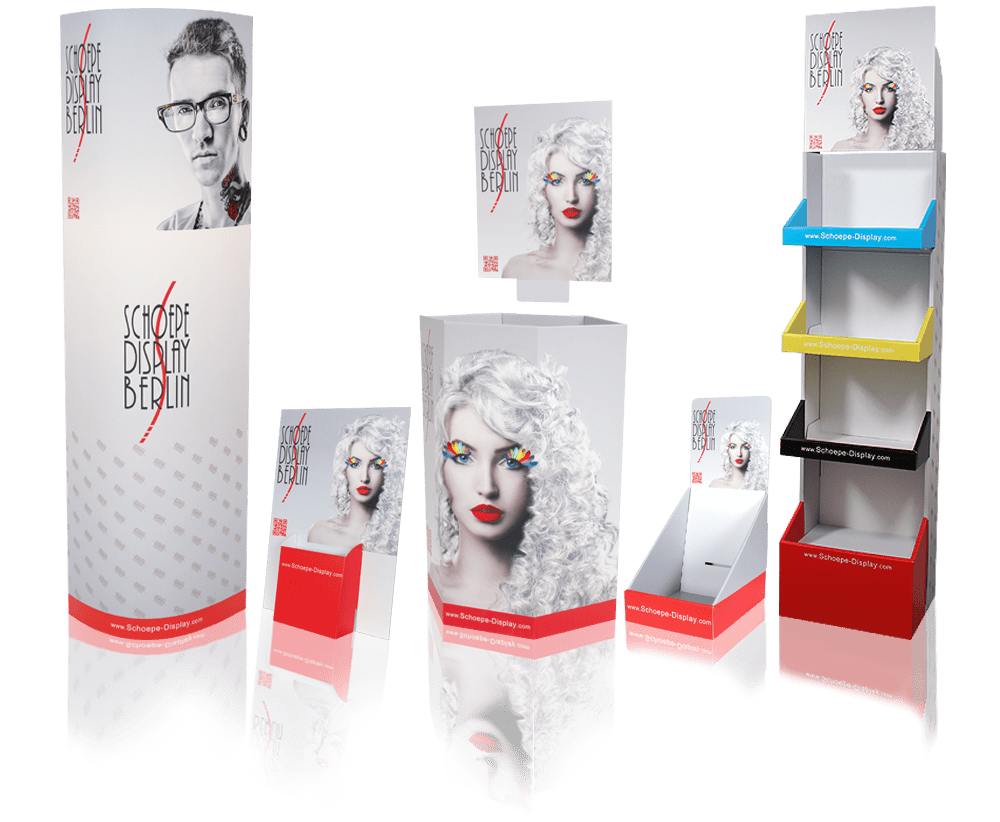
Dump bin display

Key Elements of Consistent POP Displays

Color Palette and Typography

Consistency in color and typography is a visual hallmark of your brand. Opt for a color palette that aligns with your brand’s personality and resonates with your audience. Whether bold and vibrant or minimalistic and subdued, the colors you choose should reflect your brand’s identity. The same holds true for typography—choose fonts that are not only readable but also reflective of your brand’s tone.

Logo Placement and Sizing

Your logo is your brand’s visual signature. Ensure it’s prominently placed on all your POP displays. Maintain a consistent logo size, regardless of the display’s dimensions. This consistency reinforces brand recognition and fosters a cohesive appearance.

Messaging and Tone

Craft a clear and succinct brand message that effectively communicates your value proposition. Keep a consistent tone across your messaging—whether it’s light-hearted, professional, or inspirational. A unified tone helps customers identify and resonate with your brand’s voice.

Visual Style and Imagery

Select a visual style that aligns with your brand’s essence. Whether through photography, illustrations, or graphics, make sure your chosen style remains consistent across all displays. A cohesive visual approach enhances brand recognition and makes your displays instantly recognizable.

Creating a Unified In-Store Experience

Consistent POP displays contribute to a unified in-store experience. When customers encounter consistent visual elements across various products and displays, it reinforces a sense of familiarity and trust. This experience plays a vital role in cultivating long-lasting customer relationships.
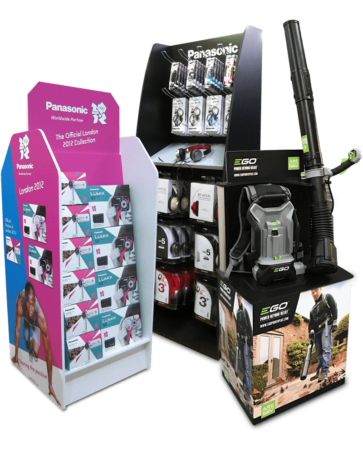
Custom Displays

Benefits of Consistent Branding in POP Displays

  • Instant Recognition: Customers can quickly identify your brand.
  • Professionalism: Consistency conveys professionalism and dependability.
  • Trust and Loyalty: Familiarity fosters trust, leading to customer loyalty.
  • Unified Brand Identity: Consistency maintains a unified brand image across touchpoints.

Tips for Implementing Consistent Branding in POP Displays

  • Conduct a brand audit to identify key visual elements.
  • Establish clear brand guidelines for your POP displays.
  • Educate your staff on the significance of consistent branding.
  • Regularly review and update displays to ensure alignment with your brand.

Measuring the Impact of Brand-Centric POP Displays

Monitor metrics such as customer engagement, sales lift, and customer feedback to gauge the impact of consistent POP displays on brand recognition and overall performance.

Future Trends in Brand-Focused POP Displays

Explore emerging trends like interactive displays, personalized experiences, and the integration of technology. Discuss how brands can incorporate these trends while maintaining consistency.

By harnessing the potential of consistent POP displays, retailers can forge a commanding brand presence that resonates with customers, nurtures loyalty, and propels long-term success in today’s dynamic retail landscape.

If you are interested in Point of purchase displays, then partner with Brown Packaging today to get started.

Most Recent Posts:
Subscription Packaging Buyers’ Checklist for 2026

Subscription packaging continues to expand across beauty, food, lifestyle, and specialty products. Buyers must balance branding, protection, and sustainability while keeping fulfillment efficient. This checklist highlights the critical areas buyers should review in 2026 when sourcing or redesigning subscription packaging. Branding and Unboxing Experience Seasonal or rotating graphics to keep unboxing fresh. Premium finishes such as foil, embossing, or unique die-cuts. Easy-open features like tear strips for convenience. Right-Sizing and Efficiency Reduce DIM charges with packaging tailored to product sizes. Use modular designs to cover multiple SKUs with fewer box sizes. Ensure packaging works with automation to speed fulfillment. Protection and Durability Inserts that prevent product shifting during transit. ISTA-tested designs to withstand vibration and drops. Moisture-resistant coatings for temperature-sensitive items. Sustainability Requirements FSC-certified corrugated or recycled substrates. Recyclable coatings or compostable options. Clear sustainability messaging to support consumer expectations. Cost Control SKU rationalization to limit unnecessary box variations. Material selection that balances protection and price. Supplier contracts that secure pricing for seasonal peaks. Packaging Solutions with Brown Packaging Brown Packaging designs subscription packaging that combines branding, protection, and sustainability. From FSC-certified corrugated to custom inserts, our solutions help buyers create packaging that builds loyalty and controls costs in 2026. Contact us to review your subscription packaging program. References Sustainable Packaging Coalition. (2023). Subscription Packaging and Consumer Insights. Retrieved from https://sustainablepackaging.orgForest Stewardship Council (FSC). (2023). FSC Certification Guidelines for Packaging. Retrieved from https://fsc.orgInternational Safe Transit Association (ISTA). (2023). ISTA Testing Procedures for Transport Packaging. Retrieved from https://ista.org (714)300-0650 request@brownpackaging.com Most Recent Posts: Categories: Corrugated Ecommerce ESD Design Display Flexible Packaging Foam Folding Carton Packaging Plastic Packaging Pouch Printing Protection Retail Rigid Box Thermoform Sustainability Subscribe To Our Newsletter By submitting your information, you agree to our terms and conditions and privacy policy. Ecommerce Packaging Facebook Twitter LinkedIn Pinterest Relevant Posts
Read More »
Cutting Packaging Costs Without Sacrificing Protection

As budgets tighten in 2026, packaging buyers are under pressure to reduce costs without increasing damage rates. Cutting too aggressively can lead to product loss, higher return rates, and frustrated customers. The key is balancing material use, box design, and supply chain efficiency so that savings do not come at the expense of protection. Where Packaging Costs Add Up Oversized boxes: Drive dimensional weight charges. Excess materials: Overuse of void fill and inserts. Complex SKU mix: Redundant sizes increase inventory costs. Inefficient freight: Poor palletization and stacking. Cost-Saving Strategies That Maintain Protection Right-sizing: Match box size to product dimensions to cut DIM charges and material use. Optimize corrugated grades: Switch to single- or double-wall where appropriate without compromising strength. Consolidate SKUs: Streamline packaging options to reduce inventory overhead. Efficient inserts: Replace foam or excess dunnage with engineered corrugated or molded pulp. Supplier contracts: Negotiate based on annual volumes, not just peak season orders. Testing Before Implementing Changes Use ASTM and ISTA protocols to ensure changes won’t increase product damage. Test for compression, vibration, and drop resistance. Run pilot shipments before scaling across the supply chain. Balancing Sustainability and Cost Eco-friendly doesn’t have to mean expensive: Use recyclable coatings to reduce plastic films. Choose corrugated designs that require less material while maintaining stacking strength. Highlight sustainable solutions in marketing to offset cost concerns. Packaging Solutions with Brown Packaging Brown Packaging helps companies lower costs while protecting products across the supply chain. From SKU rationalization to right-sized corrugated solutions, our team ensures packaging savings don’t compromise performance. Contact us to optimize your packaging program. References Soroka, W. (2009). Fundamentals of Packaging Technology (4th ed.). Institute of Packaging Professionals.ASTM International. (2023). ASTM D4169: Standard Practice for Performance Testing of Shipping Containers and Systems.Sustainable Packaging Coalition. (2023). Packaging Efficiency and Waste Reduction Report. Retrieved from https://sustainablepackaging.org (714)300-0650 request@brownpackaging.com Most Recent Posts: Categories: Corrugated Ecommerce ESD Design Display Flexible Packaging Foam Folding Carton Packaging Plastic Packaging Pouch Printing Protection Retail Rigid Box Thermoform Sustainability Subscribe To Our Newsletter By submitting your information, you agree to our terms and conditions and privacy policy. Custom Packaging Facebook Twitter LinkedIn Pinterest Relevant Posts

Read More »
Preventing Product Damage in 2026 Supply Chains

Product damage is one of the most expensive risks in packaging. Beyond replacement costs, damaged goods lead to lost sales, returns, and reputational harm. In 2026, complex e-commerce, global shipping, and automation create new challenges for packaging buyers. The right materials, testing, and design strategies are critical to protecting products while controlling costs. Why Damage Prevention Matters Financial losses: Damaged products increase replacement and freight costs. Customer impact: Poor delivery experience reduces loyalty and repeat sales. Sustainability: Returns and waste drive higher carbon footprints. Compliance: Retailers often impose penalties for damaged shipments. Common Causes of Product Damage Compression: Pallet stacking weakens boxes in transit. Vibration and shock: Long-haul shipping increases risk. Moisture exposure: Humidity and rain compromise corrugated performance. Poor right-sizing: Oversized boxes allow product movement inside. Strategies to Reduce Damage in 2026 Right-size packaging: Minimize empty space and movement. Material optimization: Choose the correct corrugated grade for load demands. Protective inserts: Molded pulp or engineered corrugated reduce shock. Moisture-resistant coatings: Defend against water and humidity. Automation-friendly design: Prevent jams that damage products on high-speed lines. Testing Protocols for Damage Prevention ISTA testing: Simulates vibration, drops, and compression. ASTM standards: Validate packaging strength and durability. Pilot shipments: Real-world trials confirm lab results. Packaging Solutions with Brown Packaging Brown Packaging designs solutions that minimize damage across today’s complex supply chains. From right-sized corrugated to ISTA-tested inserts, we help buyers protect products while reducing costs. Contact us to strengthen your packaging program. References ASTM International. (2023). ASTM D4169: Standard Practice for Performance Testing of Shipping Containers and Systems.International Safe Transit Association (ISTA). (2023). ISTA Testing Procedures for Transport Packaging. Retrieved from https://ista.orgSoroka, W. (2009). Fundamentals of Packaging Technology (4th ed.). Institute of Packaging Professionals. (714)300-0650 request@brownpackaging.com Most Recent Posts: Categories: Corrugated Ecommerce ESD Design Display Flexible Packaging Foam Folding Carton Packaging Plastic Packaging Pouch Printing Protection Retail Rigid Box Thermoform Sustainability Subscribe To Our Newsletter By submitting your information, you agree to our terms and conditions and privacy policy. Custom Packaging Facebook Twitter LinkedIn Pinterest Relevant Posts

Read More »
Retail Packaging Trends for 2026

Retail packaging continues to evolve as brands balance sustainability, supply chain performance, and consumer experience. In 2026, buyers face new challenges shaped by material innovation, compliance requirements, and rising consumer expectations. Understanding these trends helps companies stay competitive while aligning packaging programs with industry standards. Sustainability Becomes Non-Negotiable Greater use of recyclable and compostable substrates. Retailers pushing suppliers toward FSC-certified materials. Minimalist designs that reduce waste without losing impact. Smarter Packaging for Supply Chains Increased adoption of right-sizing to reduce freight costs. Boxes designed for automation and faster fulfillment. Stronger corrugated grades to withstand long e-commerce journeys. Enhanced Consumer Experience Custom graphics for seasonal campaigns and limited editions. Tear strips, resealable closures, and window cutouts for convenience. Premium finishes that elevate gift packaging at retail. Growth of Hybrid Packaging Formats Combining corrugated strength with folding carton graphics. Modular designs for multi-SKU and club store environments. Packaging engineered to serve both e-commerce and in-store needs. Compliance and Testing Standards Retailers demanding ISTA and ASTM testing for packaging durability. Supply chain audits on recyclability and sustainability claims. More pressure for transparent reporting on environmental impact. Retail Packaging Solutions with Brown Packaging Brown Packaging helps brands adapt to evolving retail packaging trends. From sustainable substrates to automation-friendly designs, our solutions balance branding, durability, and compliance for 2026. Contact us to prepare your packaging program for the year ahead. References Forest Stewardship Council (FSC). (2023). FSC Packaging Certification Guidelines. Retrieved from https://fsc.orgSustainable Packaging Coalition. (2023). Packaging Trends and Consumer Insights. Retrieved from https://sustainablepackaging.orgSoroka, W. (2009). Fundamentals of Packaging Technology (4th ed.). Institute of Packaging Professionals. (714)300-0650 request@brownpackaging.com Most Recent Posts: Categories: Corrugated Ecommerce ESD Design Display Flexible Packaging Foam Folding Carton Packaging Plastic Packaging Pouch Printing Protection Retail Rigid Box Thermoform Sustainability Subscribe To Our Newsletter By submitting your information, you agree to our terms and conditions and privacy policy. Custom Packaging Facebook Twitter LinkedIn Pinterest Relevant Posts

Read More »
Packaging Supplier Contracts: What Buyers Should Know

Supplier contracts can make or break a packaging program. Without the right terms, buyers risk price volatility, missed lead times, and inconsistent product quality. In 2026, negotiating smart contracts is essential for controlling costs, securing reliable supply, and meeting compliance requirements. Why Packaging Contracts Matter Cost stability: Protects against sudden raw material price spikes. Supply security: Ensures availability during peak demand. Quality control: Aligns suppliers with testing and compliance standards. Operational efficiency: Streamlines purchasing and reduces administrative burden. Key Terms Buyers Should Negotiate Volume commitments: Secure better pricing with accurate forecasts. Price adjustment clauses: Define when and how costs can change. Lead times and delivery windows: Avoid shortages and production delays. Testing and compliance: Require ISTA, ASTM, or FSC certification where applicable. Sustainability commitments: Ensure suppliers align with environmental goals. Risks of Weak Contracts Paying inflated prices during market fluctuations. Receiving inconsistent corrugated strength or print quality. Missed shipments leading to costly expedited freight. Difficulty meeting retailer or regulatory compliance. Best Practices for Buyers in 2026 Leverage data: Use past order history to negotiate realistic volumes. Dual sourcing: Maintain backup suppliers for risk management. Annual reviews: Reassess terms to reflect changes in demand and compliance. Collaborative approach: Treat suppliers as partners, not just vendors. Packaging Solutions with Brown Packaging Brown Packaging helps buyers secure strong supplier contracts that balance cost, quality, and supply chain reliability. Our partnerships and industry expertise ensure your packaging program is protected for 2026 and beyond. Contact us to discuss supplier solutions. References Soroka, W. (2009). Fundamentals of Packaging Technology (4th ed.). Institute of Packaging Professionals.Fiber Box Association. (2024). Corrugated Packaging Market Outlook. Retrieved from https://www.fibrebox.orgSustainable Packaging Coalition. (2023). Supplier Standards for Sustainable Packaging. Retrieved from https://sustainablepackaging.org (714)300-0650 request@brownpackaging.com Most Recent Posts: Categories: Corrugated Ecommerce ESD Design Display Flexible Packaging Foam Folding Carton Packaging Plastic Packaging Pouch Printing Protection Retail Rigid Box Thermoform Sustainability Subscribe To Our Newsletter By submitting your information, you agree to our terms and conditions and privacy policy. Custom Packaging Facebook Twitter LinkedIn Pinterest Relevant Posts

Read More »
Meeting 2026 Packaging Compliance Standards

Packaging compliance is no longer optional—it’s a requirement for accessing retail shelves, shipping networks, and international markets. In 2026, buyers must navigate evolving regulations around sustainability, labeling, and testing to avoid costly fines, rejected shipments, or damaged customer relationships. Why Compliance Matters in 2026 Retail requirements: Major retailers demand FSC, ISTA, and sustainability certifications. E-commerce standards: Carriers enforce dimensional weight and package testing rules. Global trade: Export packaging must comply with ISPM 15, ASTM, and ISO guidelines. Consumer trust: Transparency in packaging claims impacts purchasing decisions. Key Compliance Areas for Buyers Material sourcing: FSC-certified corrugated and board for sustainability. Labeling standards: GS1-compliant barcodes and accurate product details. Durability testing: ISTA and ASTM protocols for drop, vibration, and compression. Sustainability regulations: Requirements for recyclable or compostable materials. Chemical restrictions: Compliance with FDA, EU, or state-specific standards. Common Compliance Challenges Keeping up with frequent regulatory changes. Managing multiple certifications across suppliers. Balancing compliance with cost-efficiency. Verifying supplier claims for sustainability. Best Practices for Staying Compliant Audit suppliers annually to confirm certification validity. Run internal packaging tests before scaling. Track regulatory updates for each region you ship to. Work with experienced partners who understand industry compliance. Packaging Solutions with Brown Packaging Brown Packaging helps buyers meet 2026 compliance standards with FSC-certified materials, ISTA-tested designs, and regulatory expertise. Our team ensures your packaging meets retailer, carrier, and sustainability requirements. Contact us to keep your program compliant. References Forest Stewardship Council (FSC). (2023). FSC Certification Guidelines for Packaging. Retrieved from https://fsc.orgInternational Safe Transit Association (ISTA). (2023). ISTA Testing Procedures for Transport Packaging. Retrieved from https://ista.orgGS1. (2024). Global Standards for Packaging and Labeling. Retrieved from https://www.gs1.org (714)300-0650 request@brownpackaging.com Most Recent Posts: Categories: Corrugated Ecommerce ESD Design Display Flexible Packaging Foam Folding Carton Packaging Plastic Packaging Pouch Printing Protection Retail Rigid Box Thermoform Sustainability Subscribe To Our Newsletter By submitting your information, you agree to our terms and conditions and privacy policy. Custom Packaging Facebook Twitter LinkedIn Pinterest Relevant Posts

Read More »
Categories:
Subscribe To Our Newsletter

By submitting your information, you agree to our terms and conditions and privacy policy.

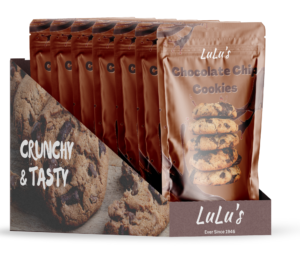
Custom stand up pouches with counter top display
POP Displays
Facebook
Twitter
LinkedIn
Pinterest
Relevant Posts
Custom Full Pallet Display with blister packs, corrugated carriers, sample packs, and poly bags
Display
brownpackaging
Mastering Quality Control in POP Production

Once the design and material selection for a Point of Purchase (POP) display are locked in, the project moves into the critical production phase. This stage is where your concept is transformed into a tangible product ready for retail environments. The key to successful production lies in stringent quality control measures and a well-coordinated manufacturing process. This blog outlines the essential steps and considerations for the production phase of POP displays, ensuring each unit is built to meet both aesthetic and functional standards. Streamlining the Manufacturing Process Setting Up the Production Line The first step in the production phase is setting up the manufacturing line. This setup should be optimized based on the design specifications and material requirements of the POP display. Efficient line setup helps minimize production time and cost, ensuring that each component is assembled correctly and efficiently. Integrating Technology and Automation Where possible, integrating advanced manufacturing technologies and automation can enhance precision and speed in the production process. Automation can be particularly beneficial in producing components that require consistent replication of detailed designs, contributing to uniformity and quality across all units. Implementing Quality Control Measures Developing Quality Standards Before production begins, establish clear quality standards that align with the display’s design and functionality goals. These standards should cover all aspects of the display, including material integrity, color accuracy, structural stability, and overall finish. Continuous Quality Monitoring Implement continuous quality monitoring throughout the production process. This involves regular inspections and testing of the displays at various stages of manufacturing. By catching defects or deviations early, you can prevent issues that might compromise the final product’s effectiveness. Feedback Loop with Design and Materials Teams Maintain a feedback loop with the design and materials teams. This collaboration ensures that any potential issues identified during production can be traced back to design or material choices and addressed promptly, preventing recurrence. Ensuring Compliance with Specifications Adherence to Design Specifications It’s crucial that the manufacturing process adheres strictly to the agreed-upon design specifications. This adherence prevents variations that could affect how the display performs in its intended retail environment and ensures that all functional and aesthetic elements are preserved. Alignment with Material Specifications Similarly, ensure that the materials used in production match the specifications decided during the planning phase. Using the correct materials affects not only the display’s look and feel but also its durability and impact in a store setting. Preparing for Post-Production Assembly and Pre-Installation Checks If the display requires assembly post-production, conduct thorough checks to ensure all parts fit together correctly and that assembly is as straightforward as possible. These checks can help streamline the installation process later on. Final Quality Assurance Before the displays are shipped, a final quality assurance check should be conducted. This final review ensures that every display unit meets your brand’s quality standards and is ready for deployment without needing further modifications. Conclusion The production phase is where your POP display comes to life. By focusing on efficient production setups, stringent quality control, and strict adherence to specifications, you can ensure that the manufactured displays meet the desired standards. Thorough planning and monitoring during this phase lay the groundwork for effective POP displays that attract attention and withstand the demands of the retail environment, ultimately driving sales and enhancing brand presence. If you are interested in POP displays, then partner with Brown Packaging today to get started. (714)300-0650 request@brownpackaging.com Most Recent Posts: Categories: Corrugated Ecommerce ESD Design Display Flexible Packaging Foam Folding Carton Packaging Plastic Packaging Pouch Printing Protection Retail Rigid Box Thermoform Sustainability Subscribe To Our Newsletter By submitting your information, you agree to our terms and conditions and privacy policy. POP Display Facebook Twitter LinkedIn Pinterest Relevant Posts

Read More »
Custom Full Pallet Display with blister packs, corrugated carriers, sample packs, and poly bags
Display
brownpackaging
Pack-Out for Point of Purchase Displays: A Comprehensive Guide

Point of purchase displays, also known as POP displays, are an essential marketing tool for businesses to showcase their products and attract customers. However, creating a successful POP display is not just about designing an eye-catching display; it also involves careful planning and execution of the pack-out process. Pack-out refers to the process of assembling, arranging, and packing products within a POP display unit. In this blog, we will discuss the essential aspects of pack-out for POP displays and provide some tips on how to optimize the process for maximum efficiency and effectiveness. Understanding the POP Display Layout Before you start the pack-out process, it is crucial to understand the layout of your POP display unit. This includes knowing the dimensions, the number of shelves, the weight limit for each shelf, and any special features such as hooks or holders. Knowing the design layout will help you plan how to arrange your products within the unit, taking into account factors such as product size, weight, and packaging. You should also consider how to maximize the visual impact of your products, such as using color coordination or arranging products by height or theme. Once you have a good understanding of your POP display concept, you need to design your display and organize your products for pack-out. This involves deciding which products to include, how many of each product, and how to arrange them within the unit. When selecting the design end product, consider the following factors: Popularity: Which products are most likely to attract customers and generate sales? Seasonality: Are there any products that are more suitable for a particular season or holiday? Packaging: Can the products be easily displayed and arranged within the POP display unit? When deciding how to arrange your products, consider the following tips: Place high-selling products at eye-level or within easy reach. Group products by category or theme to make it easier for customers to find what they are looking for. Use color coordination to create an attractive and cohesive display. Place products with the same packaging or branding together to create a stronger visual impact. Executing the Pack-out Process Now that you have organized your products for pack-out, it’s time to execute the process. Here are some essential steps to follow: Step 1: Prepare the POP Display Unit Before you start packing products into the unit, you need to ensure it is clean, stable, and ready for use. This includes removing any debris, dusting the shelves, and ensuring that any special features such as hooks or holders are secure. Step 2: Pack Products onto the Shelves Begin packing products onto the shelves, starting with the bottom shelf and working your way up. Ensure that each product is securely in place, and that there is enough space between products to prevent overcrowding. Step 3: Check for Balance and Stability As you pack each shelf, check that the unit remains balanced and stable. Ensure that heavy products are evenly distributed across the shelves and that there is no risk of the unit tipping over. Step 4: Make Final Adjustments Once all products are packed, step back and take a look at the overall display. Make any final adjustments to product positioning or arrangement to ensure that the display is visually appealing and optimized for sales. Step 5: Prepare for Shipment After completing the pack-out process for your POP display, it’s essential to prepare the display unit for shipment to its destination. This involves ensuring that the unit is securely packaged and protected to prevent damage during transit. Here are some considerations for preparing the shipment of your POP display: Packaging Selection: Choose appropriate packaging materials to protect the display unit during shipment. Depending on the size and nature of the display, options such as Regular Slotted Containers (RSC), Half-Slotted Containers (HSC), or Top Cap and Sleeve packaging can be used. These packaging solutions provide structural integrity and protection during transportation. Securing the Display: Take measures to secure the products within the display unit to prevent shifting or damage during transit. This can include using additional cushioning materials, such as foam inserts or bubble wrap, to keep the products in place and protect them from impacts. Labeling and Identification: Clearly label the shipment with necessary information, such as the destination address, handling instructions, and any other relevant details. Use appropriate labeling systems, such as barcodes or QR codes, to facilitate tracking and ensure accurate delivery. Quality Control: Conduct a final quality control check before shipment. Verify that the display unit is in optimal condition, all products are properly arranged and secured, and the packaging is intact. This step ensures that the display reaches its destination in the best possible state. Shipping Method and Carrier Selection: Choose a reputable shipping carrier or logistics provider that specializes in handling fragile or large displays. Consider factors such as delivery time, cost, and tracking capabilities when selecting the most suitable shipping method. Optimizing Pack-out Efficiency and Effectiveness To optimize pack-out for POP displays, consider the following tips: Use high-quality, durable packaging that is easy to arrange within the display unit. Use a pack-out checklist to ensure that all necessary products and materials are available before beginning the process. Train employees on the pack-out process to ensure that it is executed consistently and efficiently. Monitor sales and customer feedback to make adjustments to the pack-out process and product selection. Summary: POP Displays and Pack-out Pack-out for point of purchase displays is a critical aspect of creating a successful marketing strategy for businesses. By understanding the layout of the POP display unit, organizing products for pack-out, and executing the pack-out process with care, businesses can create an attractive and effective display that will attract customers and generate sales. To optimize pack-out efficiency and effectiveness, businesses should use high-quality packaging, develop a pack-out checklist, train employees on the process, and monitor sales and customer feedback to make adjustments as needed. (714)300-0650 request@brownpackaging.com Most Recent Posts: Categories: Corrugated Ecommerce ESD Design Display Flexible Packaging Foam

Read More »
Display
brownpackaging
Design and Prototyping: Bringing Your POP Display to Life

The design and prototyping phase is a pivotal step in the creation of a Point of Purchase (POP) display. It’s where the conceptual groundwork laid in the initial stages comes to fruition, through creative design and practical execution. This blog explores the detailed process of designing and prototyping a POP display, ensuring it effectively resonates with your target audience while aligning with your brand’s identity. Creative Design: Crafting the Concept Collaborating with Designers Working closely with skilled designers is crucial to transforming your ideas into tangible designs. These professionals can offer creative solutions that blend aesthetic appeal with functional design, ensuring the display is both eye-catching and effective in a retail setting. Aligning Design with Brand Identity The design of your POP display should reflect your brand’s core values and visual identity. This includes using brand-specific colors, fonts, and imagery. Consistency in design reinforces brand recognition and enhances the overall impact of your display. Focusing on Target Audience Engagement Understanding your target audience is key to effective design. The display should cater to their preferences and behaviors, which were identified during the research phase. Elements like engaging graphics, dynamic shapes, and interactive components can draw in your audience and make the display more appealing. Effective Messaging The messaging used in your POP display should be clear, concise, and compelling. It’s not just about promoting a product; it’s about communicating value and evoking a response. Whether it’s a call to action or a promotional message, the text should be easily readable and positioned strategically to catch the viewer’s attention. Prototyping: Testing and Refining the Design Building the Prototype Once the design is finalized, the next step is to create a prototype. This is a critical stage where you can see your concept materialized into a physical form. Prototyping allows you to assess the design’s practical aspects and overall impact. Visualizing in Real Environment Prototyping offers the opportunity to visualize how the display will look in its intended environment. This is the time to examine the scale, color accuracy, and placement of messaging. Seeing the display in a physical format can often highlight necessary adjustments that aren’t apparent in digital designs. Making Necessary Adjustments Based on feedback from the prototyping phase, adjustments can be made to improve the design. This might involve tweaking the size to better fit retail spaces, adjusting colors for greater impact, or refining the messaging for clearer communication. Testing Functionality and Durability It’s also important to test the prototype for functionality and durability, especially if the display will be used in high-traffic areas. This ensures that the display will withstand regular use and maintain its visual appeal over time. Conclusion The design and prototyping stages are where creativity meets practicality. By focusing on strong collaboration with designers, aligning the design with brand identity, and rigorously testing the prototype, you can ensure that your POP display not only looks appealing but also effectively achieves its marketing objectives. This process not only enhances the potential success of the display but also minimizes risks and costs associated with making changes after mass production. If you are interested in POP displays, then partner with Brown Packaging today to get started. In Conclusion Bundle packaging is a powerful strategy that can benefit both businesses and customers. It offers convenience, value, and the potential for increased sales. By understanding your audience, choosing the right products, and effectively marketing your bundles, you can tap into the potential of bundle packaging to enhance your brand and drive revenue. So, get creative, bundle up, and watch your sales soar! If you are interested in bundle packaging, then partner with Brown Packaging today to get started. (714)300-0650 request@brownpackaging.com Most Recent Posts: Categories: Corrugated Ecommerce ESD Design Display Flexible Packaging Foam Folding Carton Packaging Plastic Packaging Pouch Printing Protection Retail Rigid Box Thermoform Sustainability Subscribe To Our Newsletter By submitting your information, you agree to our terms and conditions and privacy policy. POP Displays Facebook Twitter LinkedIn Pinterest Relevant Posts

Read More »