
window.uetq = window.uetq || []; window.uetq.push(‘event’, ‘submit_lead_form’,{ event_label:‘SUBMIT MESSAGE’ }); window.lintrk('track', { conversion_id: 10271009 }); window.lintrk('track', { conversion_id: 10271017 });

Design and Prototyping: Bringing Your POP Display to Life

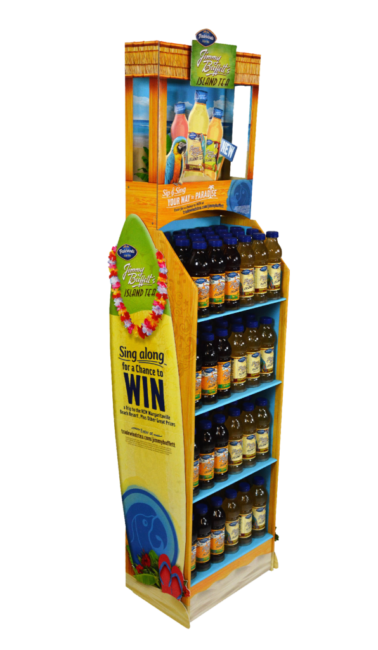
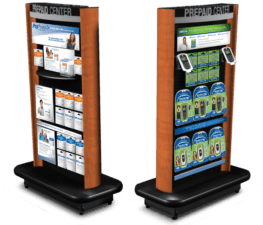
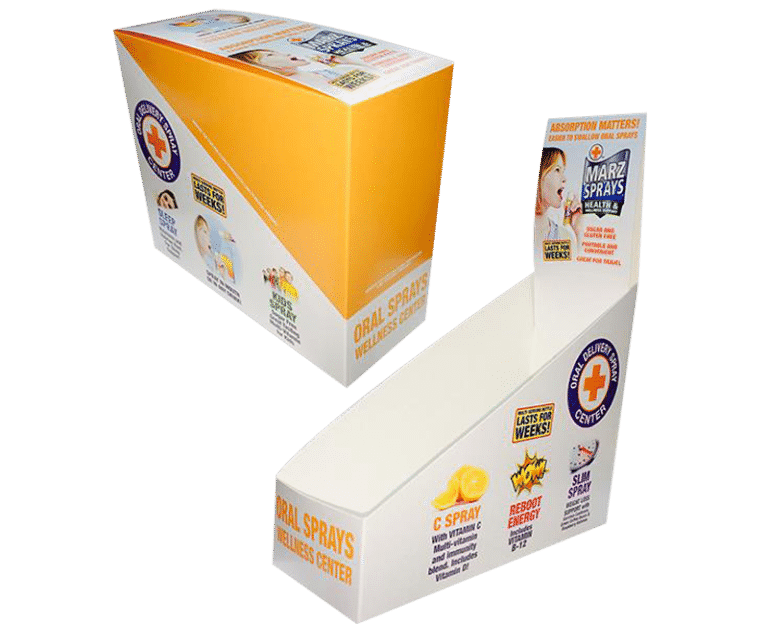
The design and prototyping phase is a pivotal step in the creation of a Point of Purchase (POP) display. It’s where the conceptual groundwork laid in the initial stages comes to fruition, through creative design and practical execution. This blog explores the detailed process of designing and prototyping a POP display, ensuring it effectively resonates with your target audience while aligning with your brand’s identity.

Creative Design: Crafting the Concept

Collaborating with Designers

Working closely with skilled designers is crucial to transforming your ideas into tangible designs. These professionals can offer creative solutions that blend aesthetic appeal with functional design, ensuring the display is both eye-catching and effective in a retail setting.

Aligning Design with Brand Identity

The design of your POP display should reflect your brand’s core values and visual identity. This includes using brand-specific colors, fonts, and imagery. Consistency in design reinforces brand recognition and enhances the overall impact of your display.

Focusing on Target Audience Engagement

Understanding your target audience is key to effective design. The display should cater to their preferences and behaviors, which were identified during the research phase. Elements like engaging graphics, dynamic shapes, and interactive components can draw in your audience and make the display more appealing.

Effective Messaging

The messaging used in your POP display should be clear, concise, and compelling. It’s not just about promoting a product; it’s about communicating value and evoking a response. Whether it’s a call to action or a promotional message, the text should be easily readable and positioned strategically to catch the viewer’s attention.

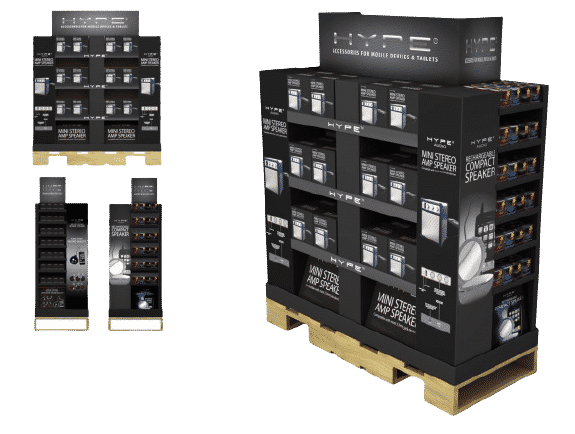
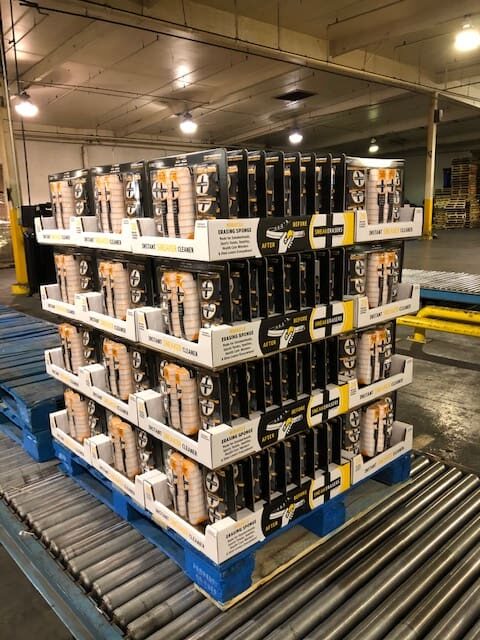
custom printed pallet display

Prototyping: Testing and Refining the Design

Building the Prototype

Once the design is finalized, the next step is to create a prototype. This is a critical stage where you can see your concept materialized into a physical form. Prototyping allows you to assess the design’s practical aspects and overall impact.

Visualizing in Real Environment

Prototyping offers the opportunity to visualize how the display will look in its intended environment. This is the time to examine the scale, color accuracy, and placement of messaging. Seeing the display in a physical format can often highlight necessary adjustments that aren’t apparent in digital designs.

Making Necessary Adjustments

Based on feedback from the prototyping phase, adjustments can be made to improve the design. This might involve tweaking the size to better fit retail spaces, adjusting colors for greater impact, or refining the messaging for clearer communication.

Testing Functionality and Durability

It’s also important to test the prototype for functionality and durability, especially if the display will be used in high-traffic areas. This ensures that the display will withstand regular use and maintain its visual appeal over time.

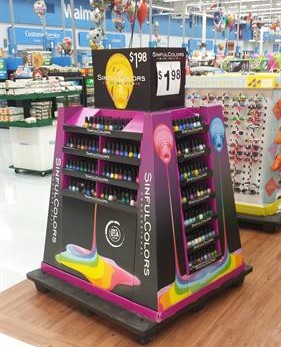
Custom Full Pallet Display with blister packs, corrugated carriers, sample packs, and poly bags

Conclusion

The design and prototyping stages are where creativity meets practicality. By focusing on strong collaboration with designers, aligning the design with brand identity, and rigorously testing the prototype, you can ensure that your POP display not only looks appealing but also effectively achieves its marketing objectives. This process not only enhances the potential success of the display but also minimizes risks and costs associated with making changes after mass production.

If you are interested in POP displays, then partner with Brown Packaging today to get started.

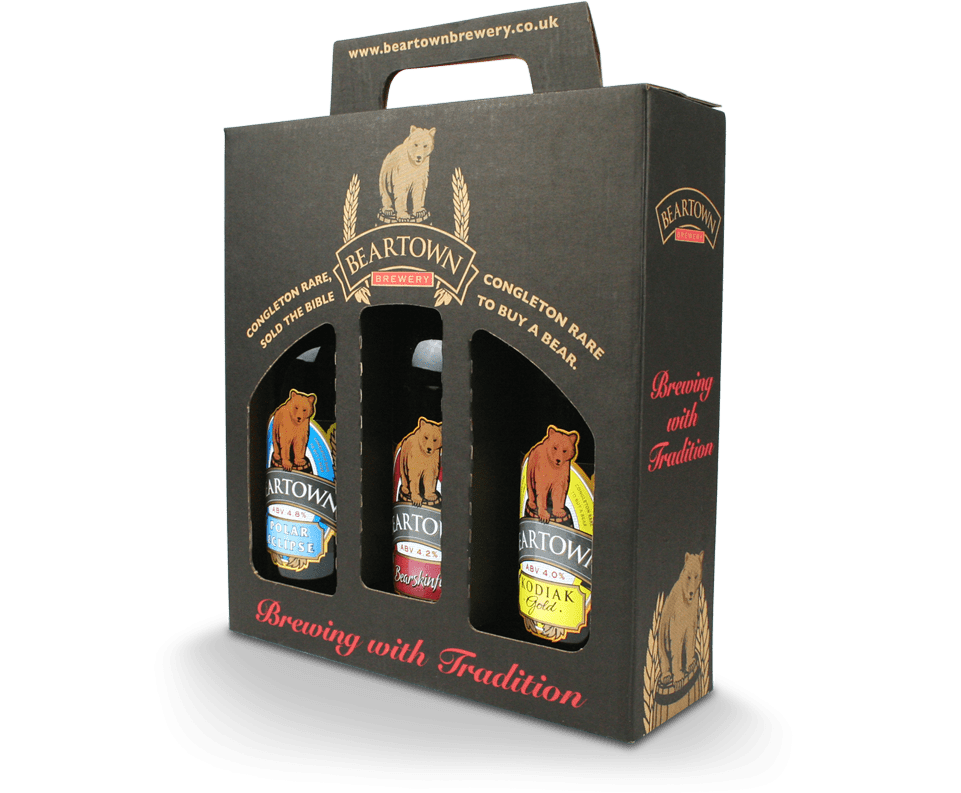
Corrugated beverage box custom with print

In Conclusion

Bundle packaging is a powerful strategy that can benefit both businesses and customers. It offers convenience, value, and the potential for increased sales. By understanding your audience, choosing the right products, and effectively marketing your bundles, you can tap into the potential of bundle packaging to enhance your brand and drive revenue. So, get creative, bundle up, and watch your sales soar!

If you are interested in bundle packaging, then partner with Brown Packaging today to get started.

Most Recent Posts:
Retail Packaging Trends for 2026

Retail packaging continues to evolve as brands balance sustainability, supply chain performance, and consumer experience. In 2026, buyers face new challenges shaped by material innovation, compliance requirements, and rising consumer

Read More »
Categories:
Subscribe To Our Newsletter

By submitting your information, you agree to our terms and conditions and privacy policy.

rigid subscription box
POP Displays
Facebook
Twitter
LinkedIn
Pinterest
Relevant Posts
Packout and Fulfillment
Display
brownpackaging
Balancing Visual Impact and Logistics in POP Displays

Point-of-purchase (POP) displays must catch a shopper’s eye while also moving efficiently through the supply chain. Striking the right balance between visual impact and logistics ensures displays drive sales without creating costly inefficiencies. A design that leans too far toward graphics may ship poorly, while one built only for logistics risks blending into the background. The Role of Visual Impact Graphics and structure are central to a display’s retail performance. Visual impact drives traffic and communicates the brand message at a glance. Bold colors and large product imagery attract attention. Clean layouts improve readability in busy aisles. Seasonal themes and promotions build urgency. Without strong branding, even the most efficient display may fail to engage shoppers. Logistics Demands in POP Displays Retailers expect displays that not only sell but also ship and set up efficiently. Logistics considerations include: Cube efficiency: Displays should maximize pallet and trailer space. Durability: Strength to withstand transit and handling. Ease of assembly: Retail staff need quick setup without extra labor. Compliance: Dimensions must meet retailer guidelines for footprint and safety. Strategies to Balance Both Sides Collaborative design: Structural and graphics teams work together from the start. Prototype testing: Confirm visual alignment and shipping durability before production. Material selection: Choose corrugated grades that allow high-quality print and strength. Right-size graphics: Design branding that adapts to fold lines and pallet constraints. Examples of Balanced POP Designs Club store pallet displays: Large branding surfaces combined with pallet-ready engineering. Seasonal promotions: Bold graphics with lightweight, compact shipping formats. Cross-merchandising units: Multi-SKU designs that showcase brands while stacking efficiently. POP Display Solutions with Brown Packaging Brown Packaging creates POP displays that deliver both retail impact and supply chain efficiency. Our designs maximize brand presence while meeting freight, compliance, and setup demands. Contact us to explore display options that balance impact with logistics. References Shop! Association. (2021). Best Practices for In-Store Marketing and POP Displays. Retrieved from https://www.shopassociation.orgSoroka, W. (2009). Fundamentals of Packaging Technology (4th ed.). Institute of Packaging Professionals.ASTM International. (2022). ASTM D685: Standard Practice for Conditioning Paper and Paper Products for Testing. (714)300-0650 request@brownpackaging.com Most Recent Posts: Categories: Corrugated Ecommerce ESD Design Display Flexible Packaging Foam Folding Carton Packaging Plastic Packaging Pouch Printing Protection Retail Rigid Box Thermoform Sustainability Subscribe To Our Newsletter By submitting your information, you agree to our terms and conditions and privacy policy. POP Display Facebook Twitter LinkedIn Pinterest Relevant Posts

Read More »
Custom Full Pallet Display with blister packs, corrugated carriers, sample packs, and poly bags
Display
brownpackaging
Mastering Quality Control in POP Production

Once the design and material selection for a Point of Purchase (POP) display are locked in, the project moves into the critical production phase. This stage is where your concept is transformed into a tangible product ready for retail environments. The key to successful production lies in stringent quality control measures and a well-coordinated manufacturing process. This blog outlines the essential steps and considerations for the production phase of POP displays, ensuring each unit is built to meet both aesthetic and functional standards. Streamlining the Manufacturing Process Setting Up the Production Line The first step in the production phase is setting up the manufacturing line. This setup should be optimized based on the design specifications and material requirements of the POP display. Efficient line setup helps minimize production time and cost, ensuring that each component is assembled correctly and efficiently. Integrating Technology and Automation Where possible, integrating advanced manufacturing technologies and automation can enhance precision and speed in the production process. Automation can be particularly beneficial in producing components that require consistent replication of detailed designs, contributing to uniformity and quality across all units. Implementing Quality Control Measures Developing Quality Standards Before production begins, establish clear quality standards that align with the display’s design and functionality goals. These standards should cover all aspects of the display, including material integrity, color accuracy, structural stability, and overall finish. Continuous Quality Monitoring Implement continuous quality monitoring throughout the production process. This involves regular inspections and testing of the displays at various stages of manufacturing. By catching defects or deviations early, you can prevent issues that might compromise the final product’s effectiveness. Feedback Loop with Design and Materials Teams Maintain a feedback loop with the design and materials teams. This collaboration ensures that any potential issues identified during production can be traced back to design or material choices and addressed promptly, preventing recurrence. Ensuring Compliance with Specifications Adherence to Design Specifications It’s crucial that the manufacturing process adheres strictly to the agreed-upon design specifications. This adherence prevents variations that could affect how the display performs in its intended retail environment and ensures that all functional and aesthetic elements are preserved. Alignment with Material Specifications Similarly, ensure that the materials used in production match the specifications decided during the planning phase. Using the correct materials affects not only the display’s look and feel but also its durability and impact in a store setting. Preparing for Post-Production Assembly and Pre-Installation Checks If the display requires assembly post-production, conduct thorough checks to ensure all parts fit together correctly and that assembly is as straightforward as possible. These checks can help streamline the installation process later on. Final Quality Assurance Before the displays are shipped, a final quality assurance check should be conducted. This final review ensures that every display unit meets your brand’s quality standards and is ready for deployment without needing further modifications. Conclusion The production phase is where your POP display comes to life. By focusing on efficient production setups, stringent quality control, and strict adherence to specifications, you can ensure that the manufactured displays meet the desired standards. Thorough planning and monitoring during this phase lay the groundwork for effective POP displays that attract attention and withstand the demands of the retail environment, ultimately driving sales and enhancing brand presence. If you are interested in POP displays, then partner with Brown Packaging today to get started. (714)300-0650 request@brownpackaging.com Most Recent Posts: Categories: Corrugated Ecommerce ESD Design Display Flexible Packaging Foam Folding Carton Packaging Plastic Packaging Pouch Printing Protection Retail Rigid Box Thermoform Sustainability Subscribe To Our Newsletter By submitting your information, you agree to our terms and conditions and privacy policy. POP Display Facebook Twitter LinkedIn Pinterest Relevant Posts

Read More »
Endcap Display
Display
brownpackaging
Choosing Materials and Production for Your POP Display

The selection of materials and the production process are critical aspects of creating a Point of Purchase (POP) display that not only captures attention but is also cost-effective and durable. This stage in the creation of a POP display involves deciding on the materials that will best convey the brand message while standing up to the retail environment. This blog explores how to choose the right materials for your POP display and discusses key considerations for the production process. Material Selection: Balancing Aesthetics, Budget, and Durability Understand Material Options The most common materials used in POP displays include cardboard, plastic, metal, and wood. Each has its advantages and drawbacks: Cardboard (Corrugated) is cost-effective and versatile but less durable. Plastic offers durability and a clean look but can be more expensive. Metal is highly durable and stable, suitable for heavier products. Wood provides a premium aesthetic but is often heavier and more costly. Consider Environmental Factors Select materials that are appropriate for the display’s environment. For indoor displays, durability concerns might be less stringent than for outdoor displays. Additionally, consider the sustainability of materials if environmental impact is a concern for your brand. Align with Budget Your material choice is heavily influenced by your budget. While it’s important to aim for high-quality, cost-effective materials that offer visual appeal and durability, ensure they do not stretch your budget too thin. Plan to allocate resources efficiently to balance between material costs and other elements like design and transportation. Production Process: Ensuring Quality and Efficiency Choose the Right Manufacturer Selecting a manufacturer is a pivotal decision in the production process. Look for manufacturers with experience in producing similar types of displays, good reputations for quality and reliability, and the ability to provide valuable insights and adjustments to your design. Prototype Testing Before moving into mass production, ensure that a prototype of the display is tested. This helps in identifying any potential issues with the design or materials that might affect the display’s functionality or durability. Quality Control Establish a strict quality control process with your manufacturer to ensure that every display meets your standards. Consistent quality is crucial, as any defects can detract from the effectiveness of your display and potentially harm your brand’s reputation. Consider Assembly and Installation Think about the assembly process for your display. If the displays need to be assembled on-site, ensure that they are designed to be easily put together, with clear instructions provided. This can significantly affect the overall success of the display deployment. Plan for Logistics Coordinate with the manufacturer about logistics. This includes the packaging of the displays for shipment and the delivery schedules to ensure that displays arrive in good condition and on time for deployment. Conclusion Choosing the right materials and overseeing a careful production process are essential steps in creating effective POP displays. By considering factors like material properties, budget constraints, and environmental conditions, and by working closely with a reliable manufacturer, you can ensure that your POP display effectively represents your brand and engages your target audience. This attention to detail in the production phase will pay dividends in the display’s success and durability. If you are interested in POP displays, then partner with Brown Packaging today to get started.   (714)300-0650 request@brownpackaging.com Most Recent Posts: Categories: Corrugated Ecommerce ESD Design Display Flexible Packaging Foam Folding Carton Packaging Plastic Packaging Pouch Printing Protection Retail Rigid Box Thermoform Sustainability Subscribe To Our Newsletter By submitting your information, you agree to our terms and conditions and privacy policy. POP Display Facebook Twitter LinkedIn Pinterest Relevant Posts

Read More »