

Home » Crafting Effective Packaging Design: A Guide for Marketing Teams
Crafting Effective Packaging Design: A Guide for Marketing Teams
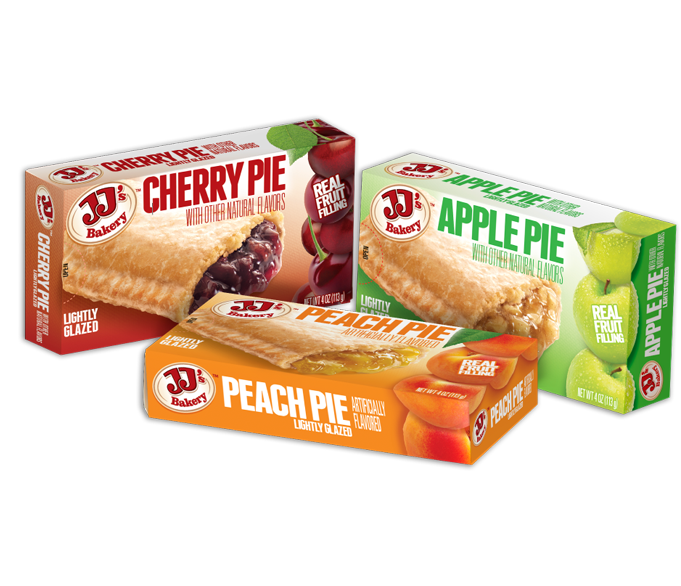
Packaging design is a crucial aspect of any product’s marketing strategy. It serves as a visual ambassador for your brand and plays a pivotal role in attracting and engaging your target audience. In this blog post, we will explore how marketing teams can build an effective packaging design tailored to their audience.
Understand Your Audience
The first step in designing packaging that resonates with your audience is to thoroughly understand who your audience is. This involves:
- Conducting market research: Gather data on your target demographic, including their preferences, buying behaviors, and lifestyle.
- Creating buyer personas: Develop detailed profiles of your ideal customers, considering factors like age, gender, income, interests, and values.
- Analyzing competitors: Study how your competitors are packaging similar products and identify gaps or opportunities to stand out.
Define Your Brand Identity
Before delving into design, ensure your team has a strong grasp of your brand identity. Your packaging should consistently reflect your brand’s values, mission, and personality. This includes:
- Brand messaging: Define the key messages you want to convey through your packaging. Is your brand known for sustainability, luxury, or affordability?
- Color palette and typography: Establish a consistent color scheme and font style that align with your brand’s personality. These elements should be recognizable and evoke specific emotions.
- Logo placement: Decide where your logo will be prominently featured on the packaging. This ensures brand recognition and reinforces your identity.
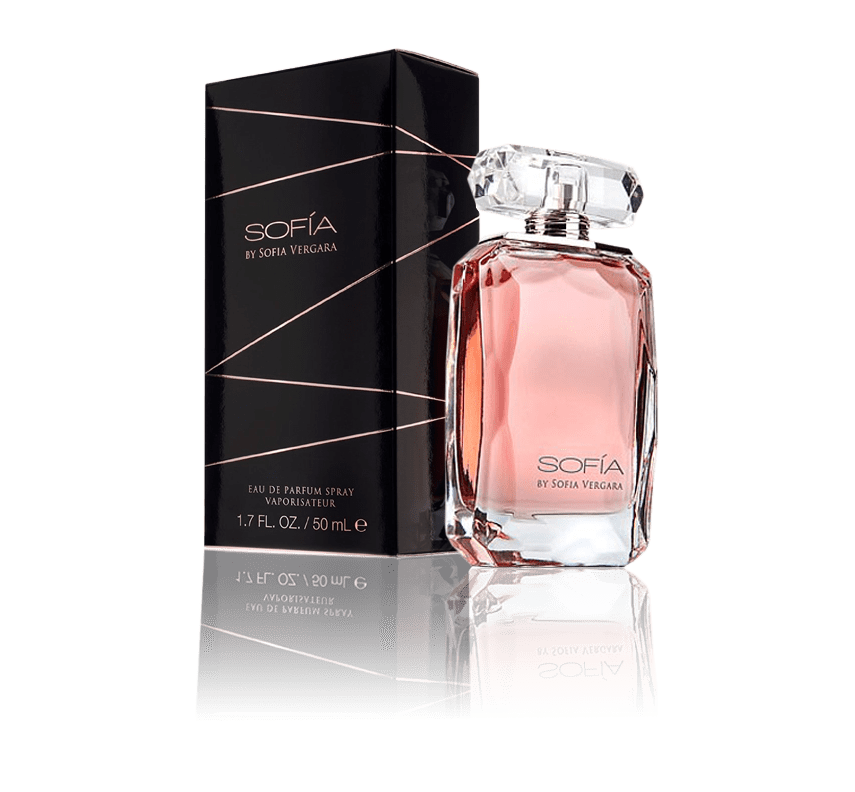
Focus on Functionality
Effective packaging design isn’t just about aesthetics; it also needs to be practical and functional. Consider the following aspects:
- Product protection: Ensure your packaging provides adequate protection for the product. Fragile items may require cushioning, while food products may need tamper-evident seals.
- Ease of use: Make it easy for customers to open, access, and use the product. User-friendly packaging can enhance the overall customer experience.
- Storage and shelf space: Design packaging that is stackable and doesn’t take up excessive shelf space, as this can impact retailers’ willingness to stock your product.
Incorporate Storytelling
Packaging is an opportunity to tell a story and connect with your audience on a deeper level. You can achieve this through:
- Visual storytelling: Use imagery and graphics to convey your brand’s story, values, and product benefits. Visual elements should be consistent with your brand’s narrative.
- Content writing: Craft compelling and concise copy that engages consumers. Highlight key features, benefits, and unique selling points.
- QR codes and augmented reality: Incorporate technology to provide customers with an interactive experience, such as access to additional information or videos related to your product.
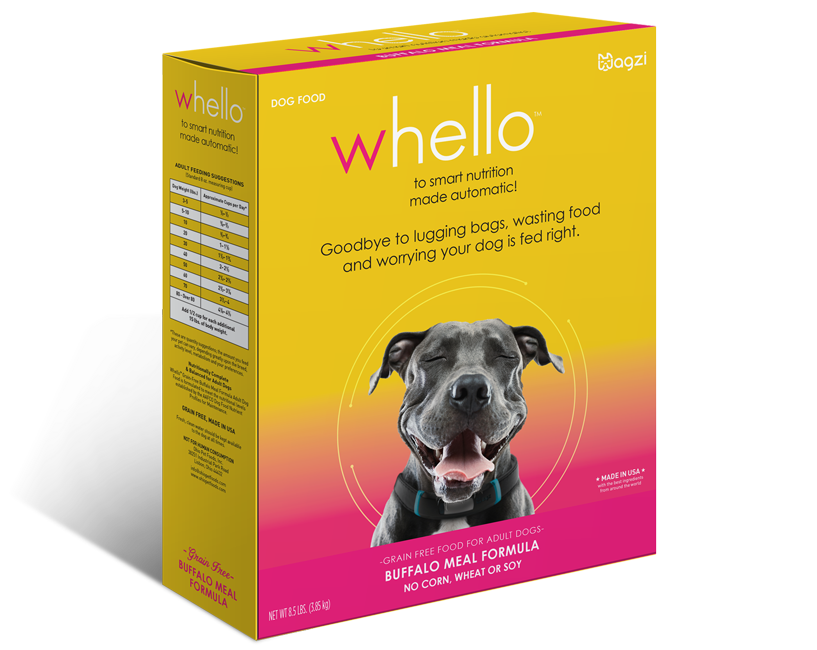
Sustainability Matters
Today’s consumers are increasingly eco-conscious, and sustainable packaging design can be a significant selling point. Consider the following:
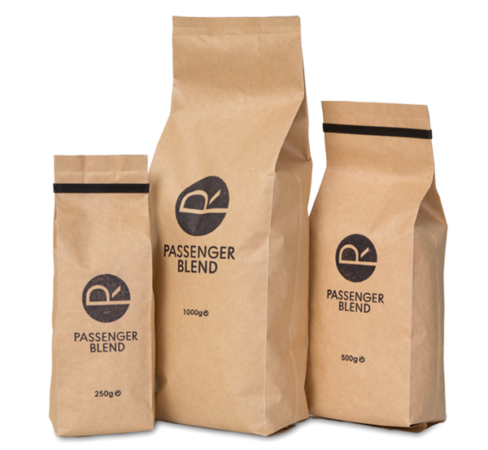
- Eco-friendly materials: Explore sustainable packaging materials such as recycled paper, biodegradable plastics, or reusable containers.
- Reduce waste: Minimize excess packaging and opt for minimalist designs that reduce material consumption.
- Communicate your efforts: Highlight your commitment to sustainability on the packaging to resonate with environmentally conscious consumers.
Test and Iterate
Once your packaging design is ready, don’t rush into production. Conduct testing and gather feedback from focus groups or surveys. Use this feedback to make necessary improvements and refinements. Iteration is key to ensuring your packaging design is as effective as possible.
Collaborate with Design Professionals
While marketing teams have valuable insights into their brands and audiences, it can be beneficial to collaborate with design professionals, especially for complex or specialized projects. Graphic designers, packaging engineers, and UX designers can provide expertise that complements your team’s efforts.
If you are interested in packaging solutions, then partner with Brown Packaging today to get started.
Not all retail environments are the same—and your POP display shouldn’t be either. What works in big box retail often fails in specialty stores, and
Bigger doesn’t always mean better. Many brands default to floor displays because they assume more visibility equals more sales. But in many retail environments, counter
Retail-ready packaging (RRP) and POP displays are often treated as interchangeable. On paper, they both improve product presentation and efficiency. In reality, they serve completely
Companies managing multiple SKUs often face the challenge of balancing protection, efficiency, and cost in their packaging systems. Custom inserts can be designed with modularity
Many packaging programs grow bloated over time, with dozens of overlapping box sizes, materials, and formats. While this may seem flexible, it often increases costs,
The conversation around affordability has changed. Brands aren’t just trying to spend less — they’re trying to spend smarter while maintaining the same level of
By submitting your information, you agree to our terms and conditions and privacy policy.
Home » Crafting Effective Packaging Design: A Guide for Marketing Teams


Product damage during transit is one of the most significant hidden costs in packaging. Each damaged shipment increases returns, erodes customer trust, and raises overall
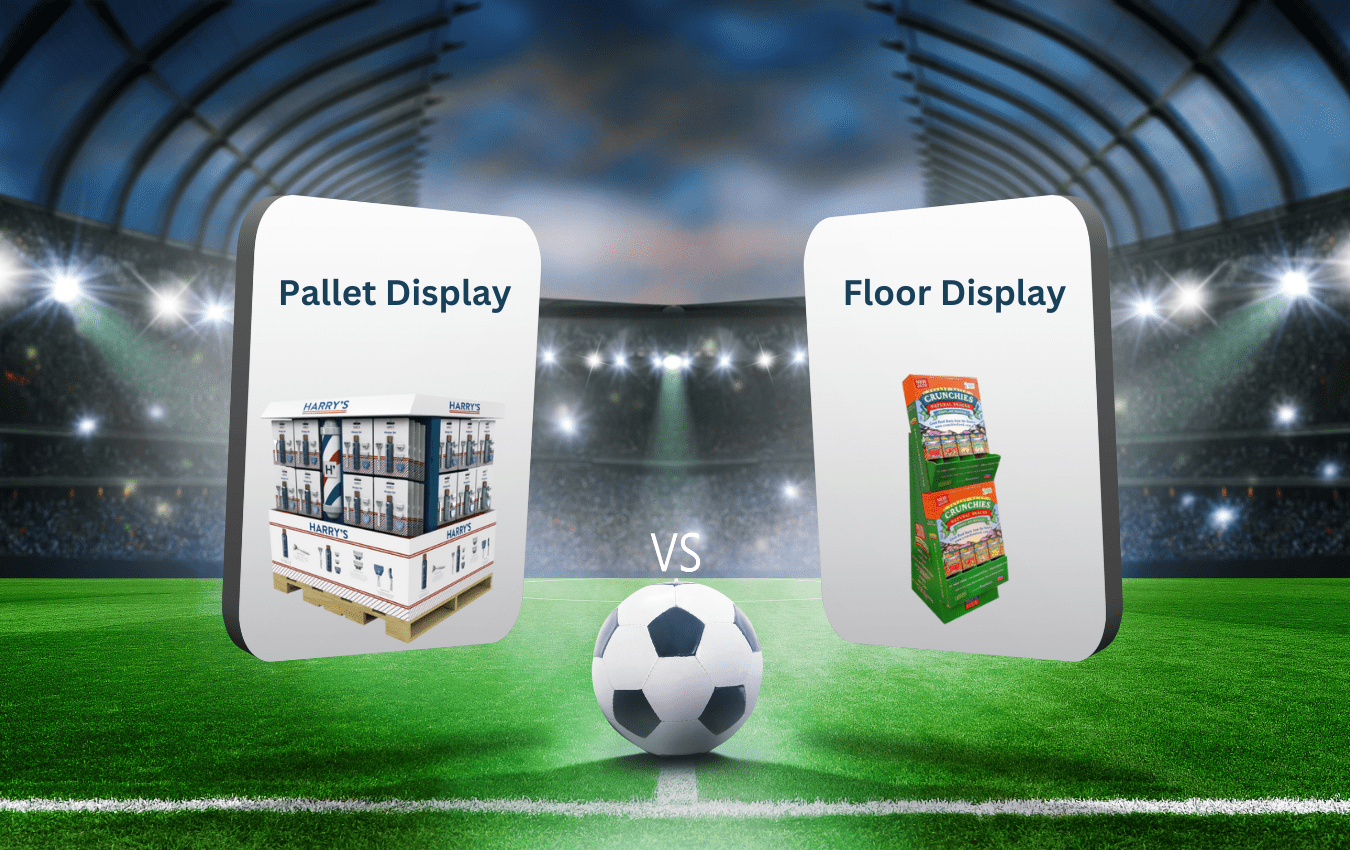
In the ever-evolving landscape of retail marketing, the art of product presentation plays a pivotal role in captivating consumers and driving sales. Two popular options
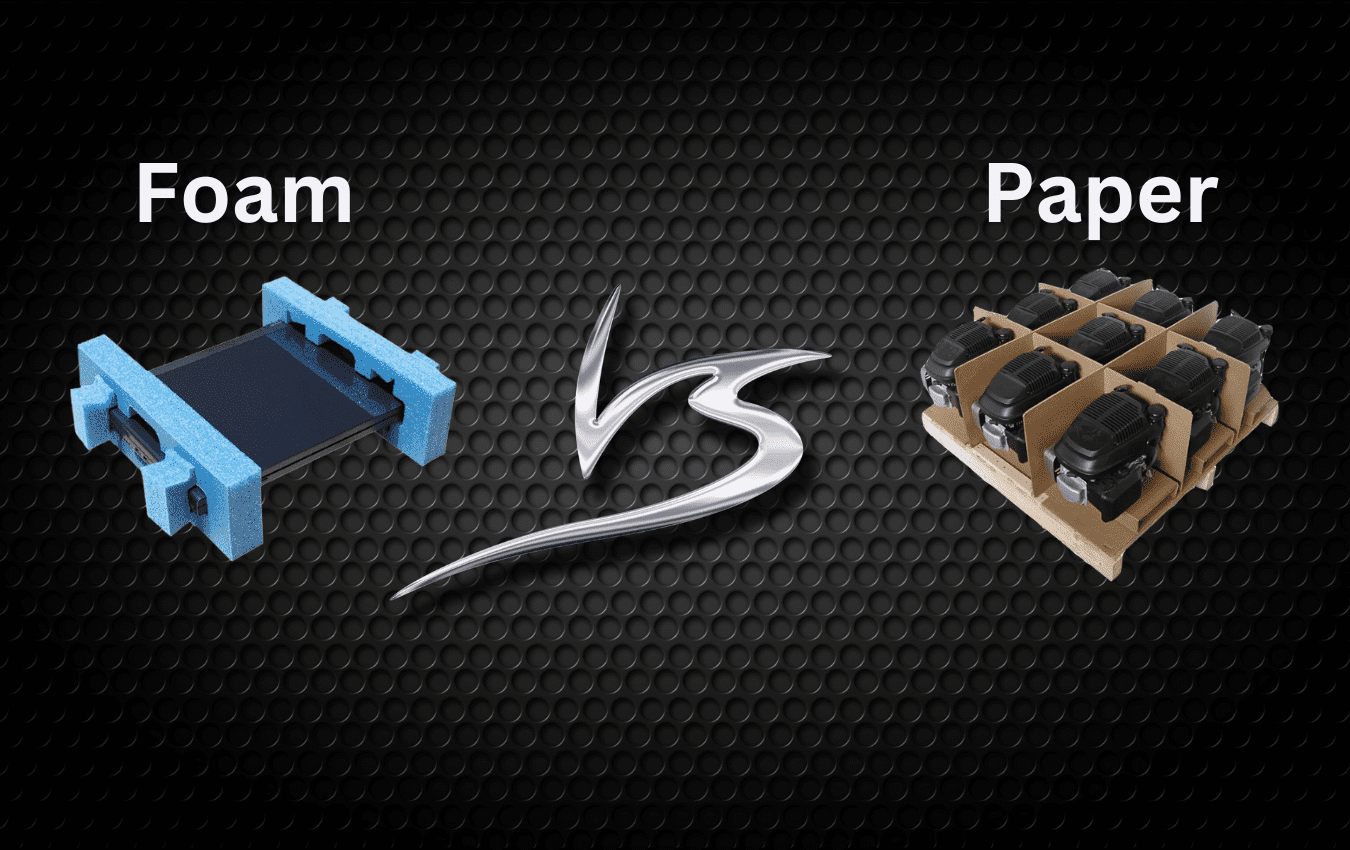
In the world of e-commerce and supply chain management, the need for reliable packaging materials cannot be overstated. From the careful encasing of fragile items