

Home » Corrugated Boxes vs. Folding Cartons vs. Rigid Boxes: Choosing the Perfect Gift Box
Corrugated Boxes vs. Folding Cartons vs. Rigid Boxes: Choosing the Perfect Gift Box

Gift-giving is a timeless tradition, and the packaging plays a crucial role in making the gesture even more special. When it comes to choosing the right gift box, there are several options available, each with its own unique characteristics. In this blog, we’ll delve into the world of gift packaging and compare three popular choices: corrugated boxes, folding cartons, and rigid boxes. By understanding the features, pros, and cons of each, you can make an informed decision and enhance your gift-giving experience.
Corrugated Boxes
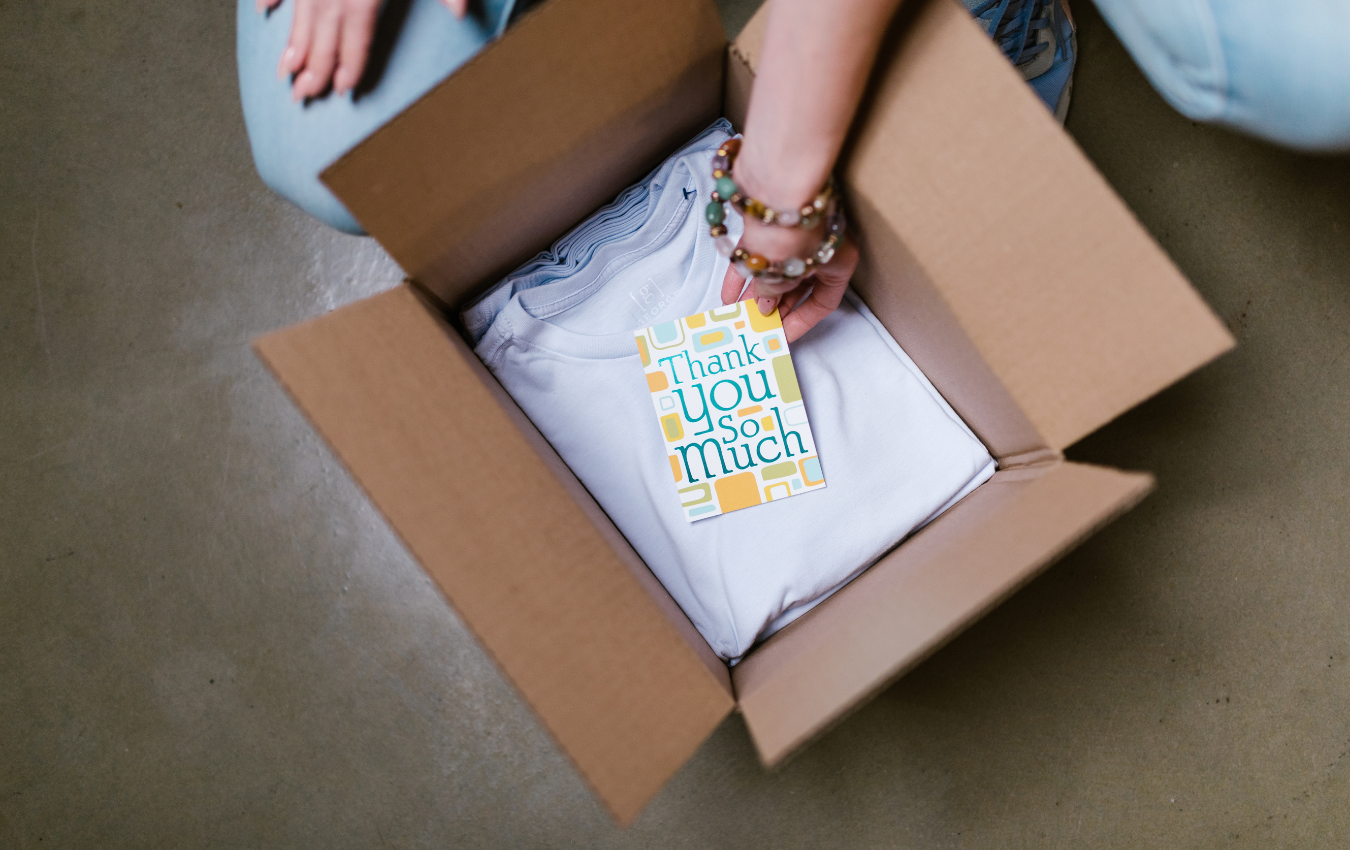
Corrugated boxes are a versatile and cost-effective option for gift packaging. They are constructed from three layers of paper, with a fluted inner layer sandwiched between two flat liner boards. Here’s what you need to know:
Pros:
- Durability: Corrugated boxes are known for their strength and resilience, making them ideal for shipping delicate or fragile gifts.
- Customizability: They can be easily customized with various printing options, making it easy to add a personal touch.
- Eco-Friendly: Many corrugated boxes are made from recyclable materials, appealing to environmentally conscious consumers.
- Affordability: These boxes are typically more budget-friendly compared to rigid boxes.
Cons:
- Aesthetic Limitations: Corrugated boxes may lack the elegance and sophistication of rigid boxes or folding cartons.
- Bulkiness: They tend to be bulkier than other options, which can be a concern if storage space is limited.
Folding Cartons
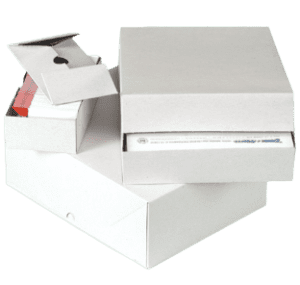
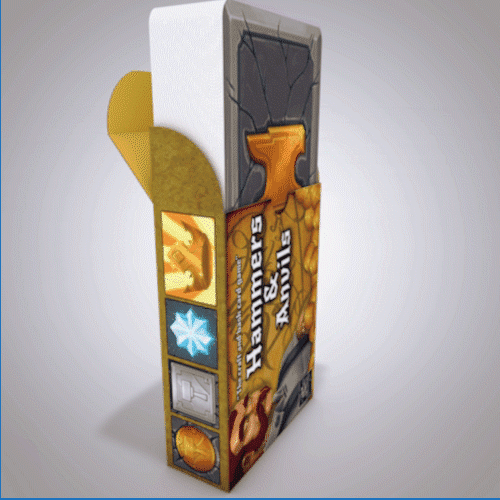
Folding cartons are the most common type of packaging for retail products and gifts. They are typically made from paperboard and are designed to fold flat for easy storage and shipping. Let’s explore their advantages and disadvantages:
Pros:
- Aesthetic Appeal: Folding cartons offer a wide range of design possibilities, allowing for eye-catching graphics, unique shapes, and luxurious finishes.
- Space-Efficient: They are space-efficient when stored flat and can be easily assembled when needed.
- Versatility: Folding cartons come in various sizes and shapes, catering to a wide range of gift-giving occasions.
- Printing Quality: The smooth surface of paperboard ensures high-quality printing, making it perfect for detailed graphics and images.
Cons:
- Less Durability: Folding cartons are not as sturdy as corrugated boxes or rigid boxes, so they may not be suitable for heavy or fragile items.
- Limited Customization: While they offer design flexibility, they might not provide the same level of customization as rigid boxes.
Rigid Boxes
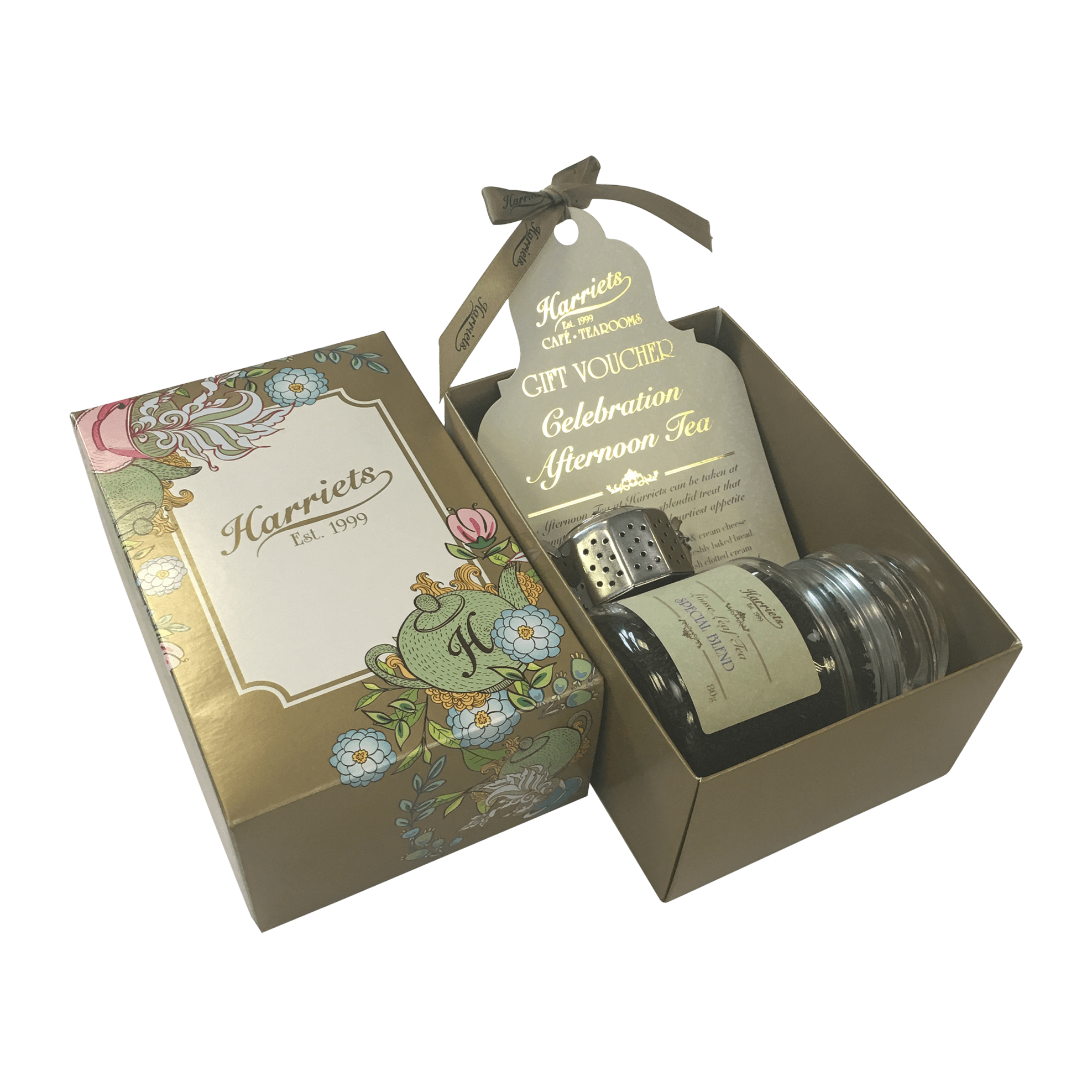
Rigid boxes, also known as setup boxes or gift boxes, are synonymous with luxury and premium gift packaging. These boxes are made from thick, rigid board and are known for their sturdiness and elegance. Let’s explore their attributes:
Pros:
- Luxury and Elegance: Rigid boxes exude luxury and sophistication, making them perfect for high-end gifts and occasions.
- Durability: They offer exceptional protection for fragile or valuable items, ensuring the gift arrives in pristine condition.
- Customization: Rigid boxes can be fully customized with premium printing, embossing, foil stamping, and other embellishments.
- Reusability: Many recipients cherish rigid boxes and reuse them for storage or as decorative items.
Cons:
- Cost: Rigid boxes are more expensive to produce than corrugated boxes or folding cartons, making them less budget-friendly.
- Storage: They take up more storage space due to their rigidity, which may not be practical for everyone.
If you are interested in gift boxes, whether they are corrugated boxes, folding cartons or rigid boxes, then partner with Brown Packaging today to get started.
Sustainable packaging in 2027 will be less about broad claims and more about proof, performance, compliance, and cost control. Buyers will still care about recyclable
Sustainable packaging in 2027 will be less about broad claims and more about proof, performance, compliance, and cost control. Buyers will still care about recyclable
A folding carton may look simple once it reaches the shelf, but it goes through a controlled production process before it becomes a finished package.
Folding carton production is becoming more automated because buyers are asking for faster timelines, tighter consistency, and more flexibility across more SKUs. Shorter product lifecycles,
Folding carton style matters because structure affects more than appearance. The right carton can improve shelf presentation, packing speed, product access, closure security, storage efficiency,
Pouch packaging trends in 2027 will be shaped by convenience, shelf impact, sustainability pressure, sealing performance, automation, ecommerce growth, and total packaging cost. Buyers will
By submitting your information, you agree to our terms and conditions and privacy policy.
Home » Corrugated Boxes vs. Folding Cartons vs. Rigid Boxes: Choosing the Perfect Gift Box


Functional features like tear strips, windows, and hang tabs can enhance consumer experience and retail appeal—but they also introduce engineering challenges. Each modification affects structural
Launching a product in a retail chain or club store is a significant milestone for any brand. However, this process can come with challenges, particularly
Corrugated boxes, commonly referred to as cardboard boxes, are a ubiquitous presence in our day-to-day lives. From moving houses to shipping products, these boxes are