

Home » Benefits of Edge Protectors for Pallet Shipping
Benefits of Edge Protectors for Pallet Shipping
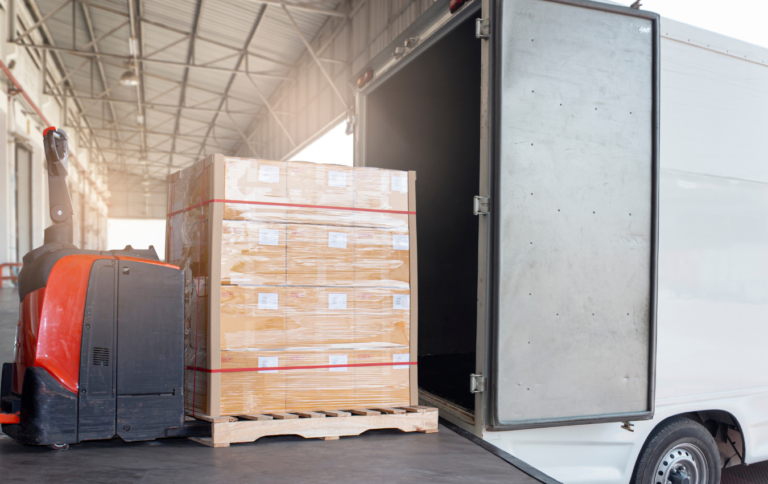
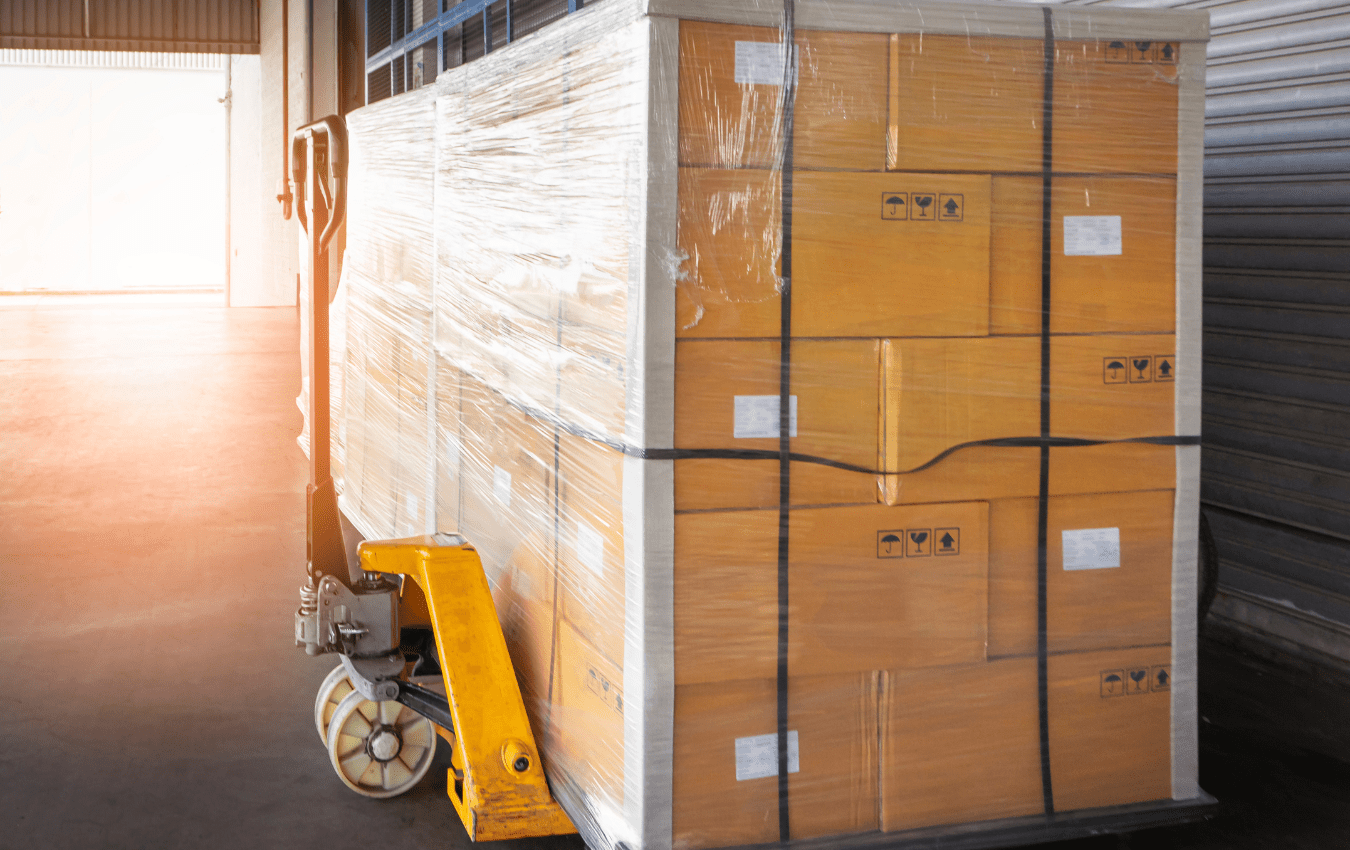
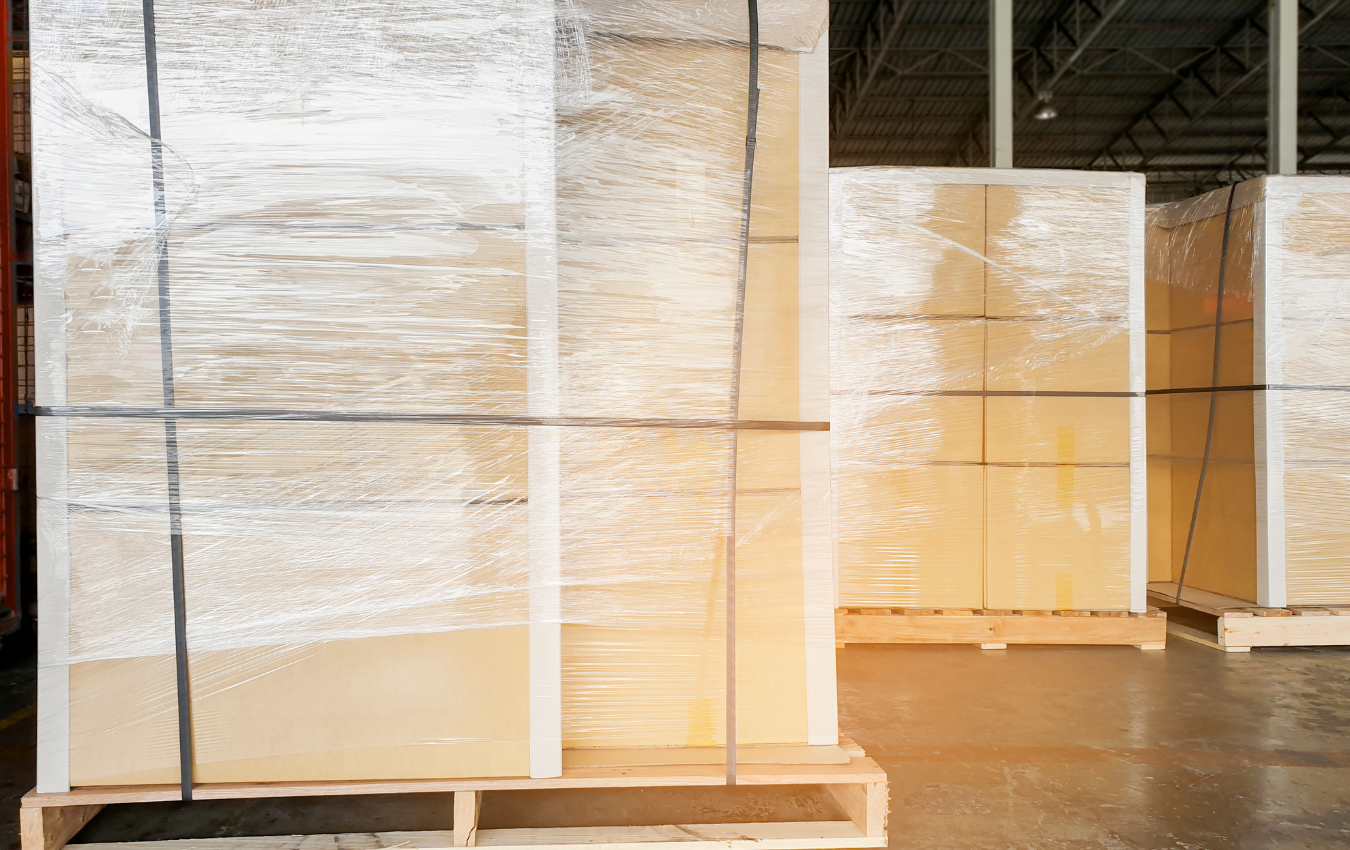
In shipping large quantities of goods, ensuring the safety and stability of pallet loads is paramount. Edge protectors play a vital role in protecting palletized shipments from damage during transportation and handling. This blog explores how edge protectors enhance the security of pallet loads, their types, and the benefits they bring to logistics and supply chains.
What Are Edge Protectors?
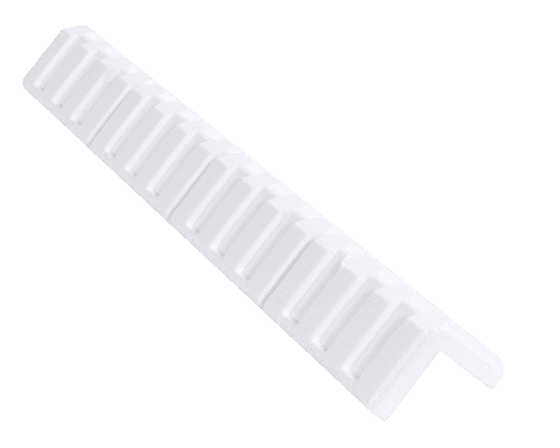
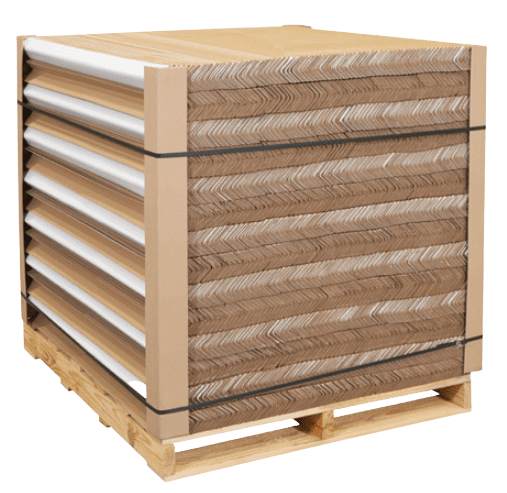
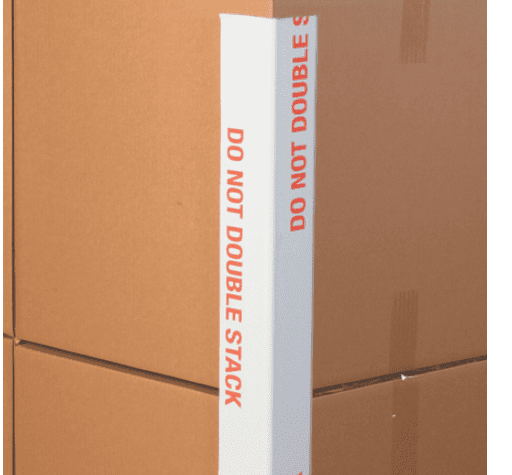
Edge protectors, also known as corner protectors, are sturdy materials placed along the edges of palletized loads to provide reinforcement and protection. Typically made from plastic, corrugated, or foam materials, edge protectors prevent damage to packaging and products during strapping, stacking, and transit. They come in various sizes, thicknesses, and shapes, such as L-shaped or flat, to suit different load configurations.
Types of Edge Protectors
Plastic Edge Protectors
- Material: High-density polyethylene (HDPE).
- Uses: Ideal for securing heavy pallet loads.
- Benefits: Strong and durable, resistant to moisture and impact, and reusable.
Corrugated Edge Protectors
- Material: Sturdy corrugated board.
- Uses: Suitable for eco-conscious businesses or lighter palletized goods.
- Benefits: Lightweight, recyclable, and customizable in length and thickness.
Foam Edge Protectors
- Material: Shock-absorbing foam.
- Uses: Best for fragile or sensitive products on pallets.
- Benefits: Provides superior cushioning against impacts and vibrations during transport.
Benefits of Edge Protectors for Pallet Loads
- Enhanced Stability
Edge protectors help secure straps tightly around palletized loads, reducing the risk of movement or shifting during transportation. This stability minimizes the likelihood of toppled pallets and damaged products.
- Prevents Strap Damage
Tensioned straps can dig into packaging, causing tears or deformation. Edge protectors distribute the pressure evenly across the load, safeguarding both the packaging and the products inside.
- Improved Load Integrity
By reinforcing the corners and edges of a pallet load, edge protectors prevent crushing and damage, particularly for cartons stacked at the bottom of the pallet.
- Reduced Shipping Costs
Minimizing damage to goods lowers the risk of returns and replacements, reducing overall shipping expenses and improving profit margins.
- Streamlined Stacking and Storage
Edge protectors maintain the structural integrity of stacked pallets, allowing for safe and efficient storage in warehouses or during transit.
- Enhanced Sustainability
Corrugated edge protectors are biodegradable and recyclable, making them an eco-friendly choice for businesses aiming to reduce their environmental impact.
- Protection Against Legal Liability
Properly secured pallet loads with edge protectors demonstrate due diligence in product safety, reducing the risk of legal disputes over damaged goods during transportation.
Customization for Pallet Loads
Edge protectors can be customized to fit the unique requirements of palletized shipments:
- Length and Thickness: Tailor edge protectors to match pallet dimensions and load weight.
- Materials: Choose foam for fragile products or plastic for heavier loads.
- Branding: Add logos or company branding for enhanced visibility and professional presentation.
Conclusion
Edge protectors are indispensable for protecting palletized goods during shipping, ensuring stability, reducing damage, and lowering costs. They provide a cost-effective solution to safeguard products, maintain load integrity, and enhance overall operational efficiency.
Interested in stock or custom edge protectors for palletized loads? Contact Brown Packaging today to explore options tailored to your business needs.
Retail packaging continues to evolve as brands balance sustainability, supply chain performance, and consumer experience. In 2026, buyers face new challenges shaped by material innovation, compliance requirements, and rising consumer
Supplier contracts can make or break a packaging program. Without the right terms, buyers risk price volatility, missed lead times, and inconsistent product quality. In 2026, negotiating smart contracts is
Packaging compliance is no longer optional—it’s a requirement for accessing retail shelves, shipping networks, and international markets. In 2026, buyers must navigate evolving regulations around sustainability, labeling, and testing to
In 2026, sustainability is no longer just a trend—it’s a buyer expectation. Forest Stewardship Council (FSC) certification has become a key benchmark for responsible packaging, signaling that materials are sourced
Home » Benefits of Edge Protectors for Pallet Shipping

Selecting the right stretch film is essential for ensuring the stability, safety, and integrity of your products during storage and transit. Stretch film plays a crucial role in protecting products on pallets, minimizing damage, and reducing losses. Understanding the basics of stretch film and the specific needs of your application is key to making the right choice. To select the right stretch film for your application, you must consider the following factors: Load Type The Type of Product You Are Shipping Application Methods Cost Detailed Considerations When Selecting Stretch Film Load Type Understanding the type of load you are securing is crucial in selecting the appropriate stretch film. Loads can be categorized into three main types: Type A Loads: Uniform loads with straight edges that are similar in shape to the pallet. These loads are easier to wrap and are less prone to puncturing the film. Type B Loads: Loads with some irregular shapes or slightly overhanging edges which can challenge the film’s integrity and require more durable film to prevent tears. Type C Loads: Highly irregular loads with sharp edges or unstable stacking that pose the highest risk for puncturing and tearing. These require the strongest, most resilient films. Product Type and Weight The type of product and its weight influence the choice of stretch film: Light Loads: For products like tissues or paper goods, a lighter gauge film can suffice. Medium Loads: Products such as canned goods that weigh more but aren’t excessively heavy might need a medium gauge film for better performance. Heavy Loads: For items like bricks or chemicals, a heavy-duty film is necessary to accommodate the increased weight and potential shifting within the load. Application Methods The method of application significantly affects the type of stretch film needed: Hand Rolls: Best for low-volume packaging operations or where machinery is not feasible. Hand rolls are lighter and more manageable for manual application. Machine Rolls: Ideal for high-volume environments where machines can apply the film much faster and more consistently than manual applications. Cost Considerations Budget is always a concern, but balancing cost with quality is key: Economic Films: Typically thinner and less durable, suitable for light, uniform loads that require basic containment. Premium Films: More expensive, these films offer better stretch, durability, and puncture resistance for challenging load types. Special Product Requirements and Additives Depending on the specific needs of the products being shipped, different additives in stretch films can provide necessary protection: UV Protection: Essential for products exposed to sunlight during storage or transit to prevent degradation. Anti-Static Films: Crucial for electronic products to prevent static discharge during handling. Colored Films: Useful for coding shipments by destination or product type, enhancing organization and handling efficiency. Sustainability Options Consider environmentally friendly films that reduce the impact on the environment without compromising on quality or performance: Recycled Content Films: Made from post-consumer or post-industrial recycled materials. Biodegradable Films: Designed to break down more quickly than traditional plastics, reducing waste in landfills. Summary: Making the Right Stretch Film Choice To effectively select the right stretch film, you must analyze the load type and product characteristics to determine the film’s required strength and resistance. Consider the operational context, such as the volume of wrapping needed and whether it will be done manually or with machines. Balance your budget with the need for film performance to avoid over-spending or under-protecting your products. Evaluate any special requirements such as UV protection, anti-static properties, or color coding. Opt for sustainable options where possible to align with environmental goals. By thoroughly assessing these factors, you can choose a stretch film that not only meets your logistical requirements but also enhances the security and integrity of your shipments. For tailored solutions that match your specific needs, consulting with a professional packaging supplier like Brown Packaging can provide you with the expertise and product range to ensure optimal protection and performance. (714)300-0650 request@brownpackaging.com Most Recent Posts: Categories: Corrugated Folding Carton Display Packaging Rigid Box Subscribe To Our Newsletter By submitting your information, you agree to our terms and conditions and privacy policy. Stretch Film Facebook Twitter LinkedIn Pinterest Relevant Posts

In a supply chain, your packaging is subjected to various stresses, including being pushed, pulled, dropped, and compressed against other packages. Proper packaging techniques are crucial for minimizing product loss, ensuring successful product launches, and avoiding shortages due to damages incurred during shipment. Overview: Effective Strategies to Enhance Packaging Protection Packaging not only needs to be attractive but also robust enough to protect the contents from the rigorous conditions of the supply chain. Here are comprehensive strategies to ensure your packaging holds up under stress and delivers your products safely to their destinations. Consider Packaging Inserts, Partitions, and Dividers Using packaging inserts, partitions, and dividers can greatly enhance the stability of your products within their boxes. These elements are crucial for preventing movement that can lead to damage: Inserts: These are molded or cut to fit the contours of your product, holding it snugly in place. Partitions and Dividers: These help organize the package and add an additional layer of separation and protection, especially useful for packages containing multiple items or products that must not touch each other. Optimize the Structural Design of Your Packaging The shape and size (structural design) of your packaging play a critical role in how well your products are protected: Custom Fit: Design your packaging to precisely fit your product with enough room for protective materials but not so much that items can shift around. Material Selection: Use the appropriate materials that provide enough strength and cushioning to protect your products from shocks and impacts. Don’t Cut Corners on Quality Selecting high-quality packaging materials can prevent a lot of issues down the line: Material Durability: Choose materials that can withstand the pressures of shipping and handling without degrading or failing. Quality vs. Cost: While it’s tempting to go for the cheapest options, investing in higher quality materials can reduce the need for costly replacements and avoid damage to your products. Learn more about cost vs protection. Utilize Edge Protectors for Extra Support Edge protectors can reinforce the corners and edges of your packages, which are often the first to suffer damage: Protection and Stability: Edge protectors keep the package shape intact and protect against impacts and crushing forces. Material Options: Common materials for edge protectors include paperboard and plastic, each offering different levels of protection and recyclability. Use the Right Tape for Your Application Choosing the appropriate tape is crucial for ensuring that your packages remain sealed and intact throughout their journey: Tape Quality: High-quality tape will secure your packages without peeling off or tearing easily. Application Specifics: Consider the environment your packages will be exposed to, such as cold or humid conditions, and choose tape that can handle these environments effectively. Select and Use the Right Stretch Film Stretch film wraps help hold your packages together on a pallet, providing stability and protection against dust, moisture, and movement: Film Type: Choose between cast and blown stretch films depending on your needs—blown film is typically more resistant to puncture and tear. Additives: Consider films with UV protection or anti-static properties if your products require these features. Label Your Packaging Clearly Proper labeling not only helps with handling and shipping but can also reduce the risk of mishandling: Informational Labels: Include handling instructions, product descriptions, and any necessary warnings to ensure proper treatment during transit. Consider Cushioning Products Cushioning materials can absorb shocks and protect your products from impacts and vibrations: Types of Cushioning: Options include bubble wrap, foam inserts, air pillows, and packing peanuts, each suitable for different types of products and levels of protection. Test Your Packaging Material and Products Conducting tests according to standards set by organizations like the International Safe Transit Association (ISTA) ensures your packaging can withstand typical handling and shipping conditions: Testing Standards: Follow established testing protocols to simulate shipping and handling stresses on your packaging to see if they meet the required durability standards. Conclusion: Ensuring Optimal Package Protection By implementing these strategies, you can significantly enhance the protection of your products throughout the supply chain. From choosing the right materials and designs to employing protective inserts and rigorous testing, each step plays a vital role in safeguarding your items against potential damage. Collaborate with packaging experts like Brown Packaging to tailor solutions that meet your specific needs and improve the resilience of your packaging systems. (714)300-0650 request@brownpackaging.com Most Recent Posts: Categories: Corrugated Folding Carton Display Packaging Rigid Box Subscribe To Our Newsletter By submitting your information, you agree to our terms and conditions and privacy policy. Custom Packaging Facebook Twitter LinkedIn Pinterest Relevant Posts

Choosing the right sealing method impacts product quality, cost, durability, and speed to market. The two most common options—heat seal and cold seal—each have distinct strengths and limitations. By understanding how these methods differ, buyers can select the most effective solution for food, medical, industrial, and consumer products. What is Heat Seal? Heat seal packaging uses heated surfaces to melt the sides of a film or a sealant coating together. This creates a tight, durable closure that resists outside elements. Because it supports multi-layered films with barrier properties, heat seal remains one of the most widely used sealing methods. Applications Heat seal is often used for snacks, dry goods, frozen foods, and pasta. In addition, medical devices, electronic components, and industrial items such as screws or fittings are frequently packaged this way. These products are typically sealed in pouches, sachets, plastic bags, or blister packs. Advantages Provides strong seals resistant to chemicals, moisture, and harsh environments. Creates a tamper-evident closure. Works without adhesives. Disadvantages However, high temperatures can damage products such as chocolate or ice cream. Production requires precise monitoring of time, temperature, and pressure. Sealing speed is up to 10 times slower than cold seal. Heated machinery increases the risk of burns and workplace injuries. What is Cold Seal? Cold seal packaging bonds film surfaces by applying a cohesive coating that sticks only to itself when pressure is added. Since heat is not required, this process is faster and well suited for products sensitive to high temperatures. Applications Cold seal is common for chocolates, ice cream, pharmaceuticals, baked goods, flammable items, and other temperature-sensitive products. Packaging formats include pouches, roll stock, chipboard cartons, clamshells, and blister packs. Advantages Much faster than heat seal because no warm-up is needed. Protects heat-sensitive products. Easier to open, enhancing consumer convenience. Disadvantages However, seal strength is lower than heat seal. Requires cohesive material, adding cost. Not chemical resistant, limiting use in some food and beverage applications. Which Method Should You Choose? Heat seal provides maximum strength, durability, and tamper resistance, making it ideal for applications that demand barrier protection. In contrast, cold seal offers higher production speed and protects heat-sensitive products, though with reduced strength. Ultimately, the choice depends on your product type, performance requirements, and fulfillment environment. Sealing Solutions with Brown Packaging Whether you need the superior durability of heat seal or the speed and temperature protection of cold seal, Brown Packaging delivers customized solutions to match your application. Contact us today to get started. References Soroka, W. (2009). Fundamentals of Packaging Technology (4th ed.). Institute of Packaging Professionals.FDA. (2023). Food Contact Substances and Packaging Materials Guidance. U.S. Food and Drug Administration.Fibre Box Association. (2022). Sealing and Packaging Methods Overview. Retrieved from https://www.fibrebox.org (714)300-0650 request@brownpackaging.com Most Recent Posts: Categories: Corrugated Folding Carton Display Packaging Rigid Box Subscribe To Our Newsletter By submitting your information, you agree to our terms and conditions and privacy policy. Custom Packaging Facebook Twitter LinkedIn Pinterest Relevant Posts