


Home » Balancing Branding and Performance in Retail Boxes
Balancing Branding and Performance in Retail Boxes
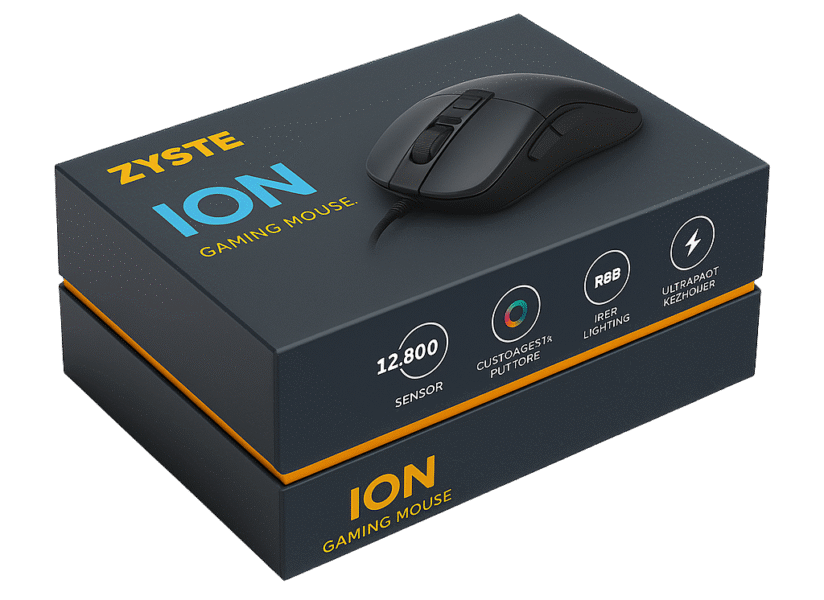
Retail packaging must do two jobs at once—catch the shopper’s eye while protecting the product through the supply chain. Too much focus on graphics can weaken structure, while over-engineering for performance can overlook the branding needed to drive sales. Buyers need solutions that blend both without inflating costs.
The Role of Branding in Retail Boxes
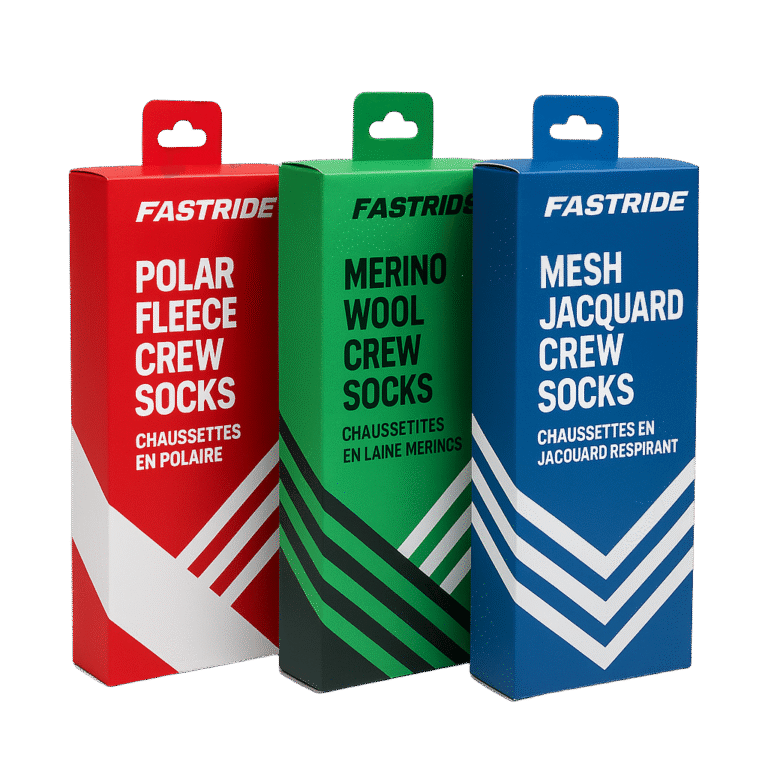
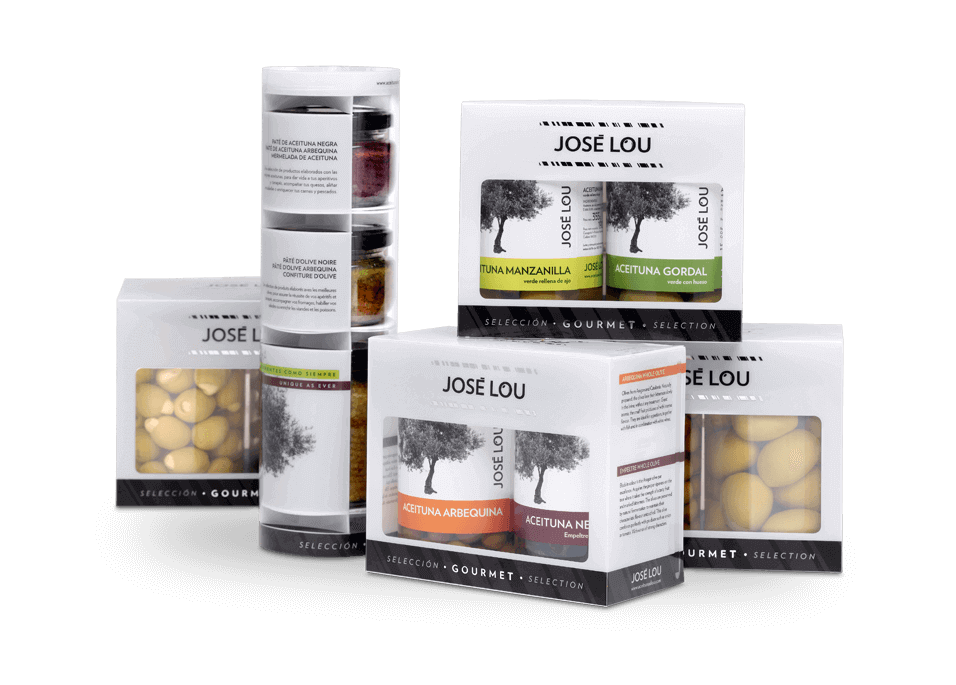
- Shelf impact: Bold graphics and finishes differentiate products in crowded aisles.
- Consumer connection: Packaging communicates brand values and quality.
- Promotional flexibility: Seasonal or limited-edition graphics boost sales.
The Role of Performance in Retail Boxes
- Durability: Boxes must withstand shipping, handling, and shelf stocking.
- Compliance: Structural strength and barcodes must meet retailer requirements.
- Sustainability: Materials must align with eco goals without compromising strength.
How to Balance Branding and Performance
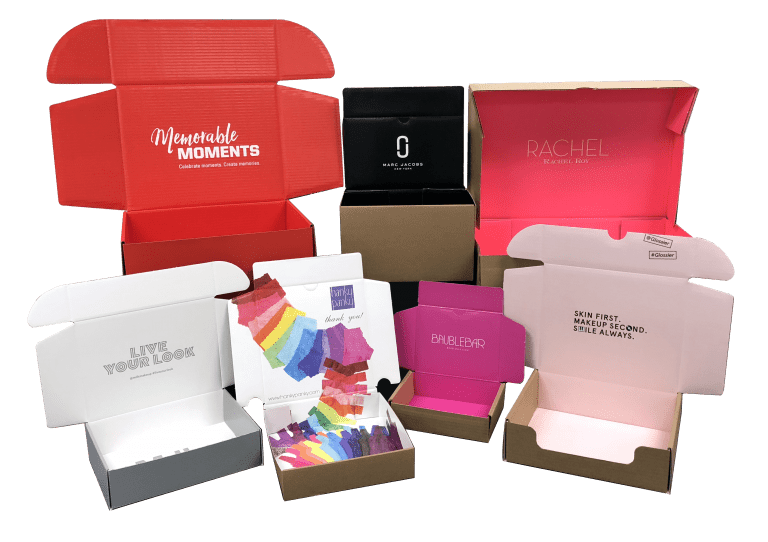
- Integrated design: Build graphics around structural features like folds, flaps, and windows.
- Material choice: Use substrates that support high-quality printing and durability.
- Testing protocols: Ensure performance under ISTA or ASTM standards before scaling.
- Cost management: Match premium finishes to high-margin SKUs only.
Examples in Action
- Confectionery boxes: Gloss coatings and die-cuts combined with reinforced board.
- Electronics packaging: Retail-ready graphics with inserts for secure transit.
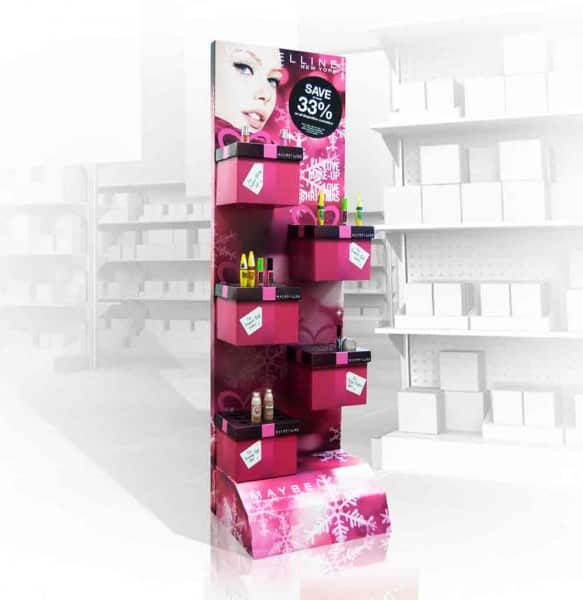
- Club store displays: Bulk packaging with strong corrugated and bold branding panels.
Packaging Solutions with Brown Packaging
Brown Packaging creates retail boxes that balance high-impact branding with supply chain durability. From FSC-certified substrates to performance-tested structures, our solutions help brands stand out while meeting retailer requirements. Contact us to optimize your retail packaging.
References
Soroka, W. (2009). Fundamentals of Packaging Technology (4th ed.). Institute of Packaging Professionals.
Sustainable Packaging Coalition. (2023). Retail Packaging Trends and Sustainability Insights. Retrieved from https://sustainablepackaging.org
ASTM International. (2023). ASTM D4169: Performance Testing of Shipping Containers.
Supplier contracts can make or break a packaging program. Without the right terms, buyers risk price volatility, missed lead times, and inconsistent product quality. In 2026, negotiating smart contracts is
Packaging compliance is no longer optional—it’s a requirement for accessing retail shelves, shipping networks, and international markets. In 2026, buyers must navigate evolving regulations around sustainability, labeling, and testing to
In 2026, sustainability is no longer just a trend—it’s a buyer expectation. Forest Stewardship Council (FSC) certification has become a key benchmark for responsible packaging, signaling that materials are sourced
Sustainability is now a top priority for packaging buyers. Retailers, regulators, and consumers are all demanding packaging solutions that reduce environmental impact without sacrificing performance. In 2026, buyers must balance
Home » Balancing Branding and Performance in Retail Boxes

The holiday season is the busiest—and most demanding—time of year for e-commerce packaging. Higher shipping volumes, faster turnaround times, and rougher handling conditions increase the risk of product damage. For packaging buyers, preventing costly returns and protecting brand reputation requires balancing structural strength, material efficiency, and smart design choices. The Risks of Peak Season Shipping During peak periods, parcels move through more touchpoints than at any other time of year. This creates conditions that amplify damage risks: Increased handling: More scans, transfers, and repacks. Stacking and compression: Trailers and warehouses filled to maximum capacity. Temperature extremes: Exposure to cold, moisture, or fluctuating environments. Rushed labor: Faster fulfillment increases the chance of rough handling. Key Packaging Strategies for Damage Prevention Right-size boxes: Eliminate empty space that allows product shifting. Reinforced materials: Choose double-wall or high-performance corrugated for heavy SKUs. Protective inserts: Foam, corrugated, or molded pulp provide stability. Edge and corner protection: Absorb shock during stacking and transit. Moisture resistance: Add coatings or liners for weather-sensitive deliveries. Testing Packaging for Peak Loads Simulation testing before the holiday rush ensures packaging is fit for purpose: Vibration testing: Replicates conditions of long-haul transit. Compression testing: Confirms stacking strength under peak loads. Drop testing: Evaluates impact protection across handling points. Investing in testing reduces the risk of large-scale returns that erode profit margins. Balancing Cost and Performance Not every product requires heavy-duty protection. Over-packaging drives up material and freight costs. Buyers should focus on: Identifying SKUs most vulnerable to damage. Applying protective features only where necessary. Leveraging data from past returns to guide improvements. Holiday Packaging Solutions with Brown Packaging Brown Packaging helps brands design e-commerce packaging that survives peak season conditions without unnecessary cost. From reinforced corrugated boxes to protective inserts and coatings, our solutions ensure your products arrive intact and customer-ready. Contact us to prepare your packaging program for the holiday rush. References ASTM International. (2023). ASTM D4169: Standard Practice for Performance Testing of Shipping Containers and Systems.Soroka, W. (2009). Fundamentals of Packaging Technology (4th ed.). Institute of Packaging Professionals.International Safe Transit Association (ISTA). (2022). ISTA Series Test Procedures for Packaged Products in Transit. (714)300-0650 request@brownpackaging.com Most Recent Posts: Categories: Corrugated Ecommerce ESD Design Display Flexible Packaging Foam Folding Carton Packaging Plastic Packaging Pouch Printing Protection Retail Rigid Box Thermoform Sustainability Subscribe To Our Newsletter By submitting your information, you agree to our terms and conditions and privacy policy. Ecommerce Packaging Facebook Twitter LinkedIn Pinterest Relevant Posts

Gift-giving is a timeless tradition, and the packaging plays a crucial role in making the gesture even more special. When it comes to choosing the right gift box, there are several options available, each with its own unique characteristics. In this blog, we’ll delve into the world of gift packaging and compare three popular choices: corrugated boxes, folding cartons, and rigid boxes. By understanding the features, pros, and cons of each, you can make an informed decision and enhance your gift-giving experience. Corrugated Boxes Corrugated boxes are a versatile and cost-effective option for gift packaging. They are constructed from three layers of paper, with a fluted inner layer sandwiched between two flat liner boards. Here’s what you need to know: Pros: Durability: Corrugated boxes are known for their strength and resilience, making them ideal for shipping delicate or fragile gifts. Customizability: They can be easily customized with various printing options, making it easy to add a personal touch. Eco-Friendly: Many corrugated boxes are made from recyclable materials, appealing to environmentally conscious consumers. Affordability: These boxes are typically more budget-friendly compared to rigid boxes. Cons: Aesthetic Limitations: Corrugated boxes may lack the elegance and sophistication of rigid boxes or folding cartons. Bulkiness: They tend to be bulkier than other options, which can be a concern if storage space is limited. Folding Cartons Folding cartons are the most common type of packaging for retail products and gifts. They are typically made from paperboard and are designed to fold flat for easy storage and shipping. Let’s explore their advantages and disadvantages: Pros: Aesthetic Appeal: Folding cartons offer a wide range of design possibilities, allowing for eye-catching graphics, unique shapes, and luxurious finishes. Space-Efficient: They are space-efficient when stored flat and can be easily assembled when needed. Versatility: Folding cartons come in various sizes and shapes, catering to a wide range of gift-giving occasions. Printing Quality: The smooth surface of paperboard ensures high-quality printing, making it perfect for detailed graphics and images. Cons: Less Durability: Folding cartons are not as sturdy as corrugated boxes or rigid boxes, so they may not be suitable for heavy or fragile items. Limited Customization: While they offer design flexibility, they might not provide the same level of customization as rigid boxes. Rigid Boxes Rigid boxes, also known as setup boxes or gift boxes, are synonymous with luxury and premium gift packaging. These boxes are made from thick, rigid board and are known for their sturdiness and elegance. Let’s explore their attributes: Pros: Luxury and Elegance: Rigid boxes exude luxury and sophistication, making them perfect for high-end gifts and occasions. Durability: They offer exceptional protection for fragile or valuable items, ensuring the gift arrives in pristine condition. Customization: Rigid boxes can be fully customized with premium printing, embossing, foil stamping, and other embellishments. Reusability: Many recipients cherish rigid boxes and reuse them for storage or as decorative items. Cons: Cost: Rigid boxes are more expensive to produce than corrugated boxes or folding cartons, making them less budget-friendly. Storage: They take up more storage space due to their rigidity, which may not be practical for everyone. If you are interested in gift boxes, whether they are corrugated boxes, folding cartons or rigid boxes, then partner with Brown Packaging today to get started. (714)300-0650 request@brownpackaging.com Most Recent Posts: Categories: Corrugated Ecommerce ESD Design Display Flexible Packaging Foam Folding Carton Packaging Plastic Packaging Pouch Printing Protection Retail Rigid Box Thermoform Sustainability Subscribe To Our Newsletter By submitting your information, you agree to our terms and conditions and privacy policy. Custom Packaging Facebook Twitter LinkedIn Pinterest Relevant Posts

In the enchanting world of newborn toys, the packaging is more than just a protective layer; it’s a vital component of the product experience. From safety considerations to psychological impacts, toy packaging for newborns requires a delicate balance of practicality and appeal. In this blog, we’ll explore the multifaceted aspects of toy packaging for the youngest of consumers. Understanding the Target Audience: Newborns and Parents Before delving into the specifics of packaging, it’s crucial to understand the dual audience: the newborns and their parents. While the babies are the end-users, parents are the decision-makers. Thus, the packaging must be designed to appeal to adult aesthetics and sensibilities while being safe and suitable for infants. Safety First: Non-Toxic Materials and Design Material Safety: The foremost consideration is safety. Packaging materials must be non-toxic and free from harmful chemicals. Since newborns tend to explore with their mouths, ensuring that inks, dyes, and plastics are safe for potential mouthing is essential. Choking Hazards: Small parts are a strict no-no. All elements of the packaging should be large enough to not pose a choking hazard. Durability and Protection: While the packaging should be sturdy to protect the toy, it also shouldn’t be too hard or have sharp edges that could harm the baby. Sensory Appeal: Engaging the Newborn’s Senses Visual Stimulation: Bright, high-contrast colors and patterns are known to be more engaging for newborns, aiding in visual development. Textural Elements: Incorporating various textures can stimulate tactile exploration, an important aspect of newborn development. Educational Aspect: Early Learning Opportunities Packaging that incorporates basic shapes, numbers, or letters can subtly introduce educational elements. This not only adds value but also appeals to parents who are keen on early learning. Environmental Responsibility: Eco-Friendly Options With increasing awareness of environmental issues, eco-friendly packaging is highly appealing. Biodegradable, recyclable, or reusable packaging resonates with environmentally conscious parents. Practicality for Parents: Ease of Opening and Storage Ease of Opening: Parents appreciate packaging that is easy to open, especially when juggling the demands of a newborn. Storage and Reusability: Packaging that doubles as storage for the toy, or can be repurposed, adds practical value. Marketing and Branding: Communicating Values and Trust Clear Information: Parents look for clear information on age appropriateness, safety standards, and educational benefits. Aesthetic Appeal: Elegant, minimalistic designs can be very appealing to modern parents. The packaging should reflect the brand’s values and quality. Innovations in Packaging: Technology and Trends Smart Packaging: QR codes or augmented reality elements can provide additional information or interactive experiences. Sensory Experience Enhancements: Some brands are experimenting with gentle sounds or mild scents in packaging to enhance the sensory experience. If you are interested in toy packaging for newborn products, then partner with Brown Packaging today to get started. (714)300-0650 request@brownpackaging.com Most Recent Posts: Categories: Corrugated Ecommerce Design Display Flexible Packaging Foam Folding Carton Packaging Plastic Packaging Printing Retail Sustainability Subscribe To Our Newsletter By submitting your information, you agree to our terms and conditions and privacy policy. Custom Packaging Facebook Twitter LinkedIn Pinterest Relevant Posts