



Home » Are Corrugated Boxes Effective?
Are Corrugated Boxes Effective?
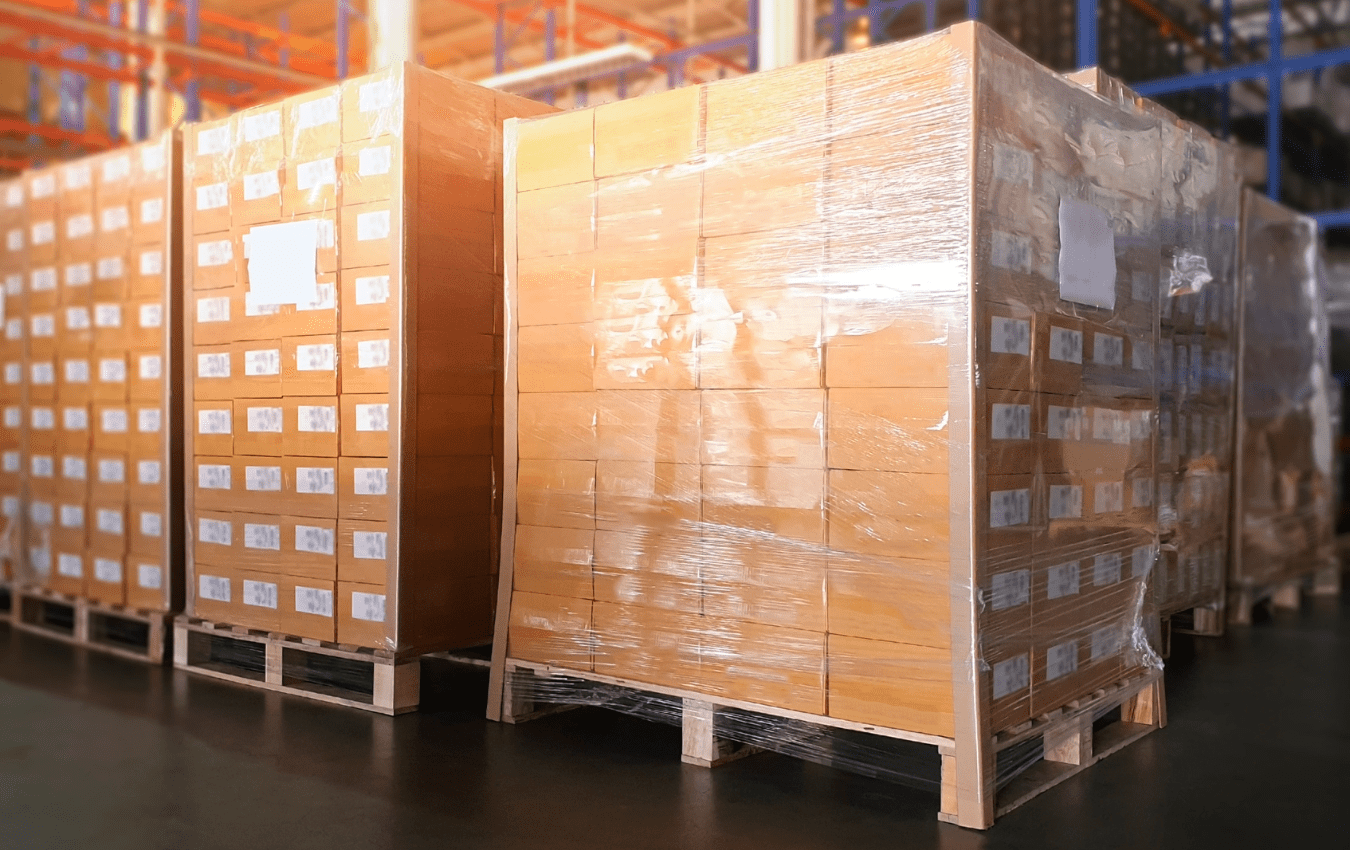
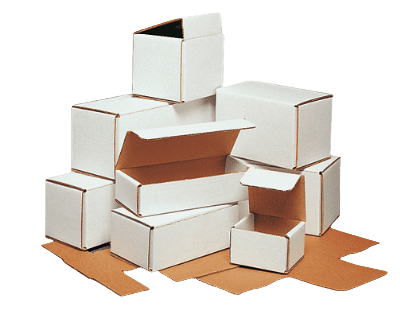
Corrugated boxes are highly effective for a wide range of packaging needs, providing superior protection, durability, and versatility. Their unique construction allows them to withstand various stresses during shipping and storage, making them a preferred choice for businesses and consumers alike.
The Structure of Corrugated Boxes
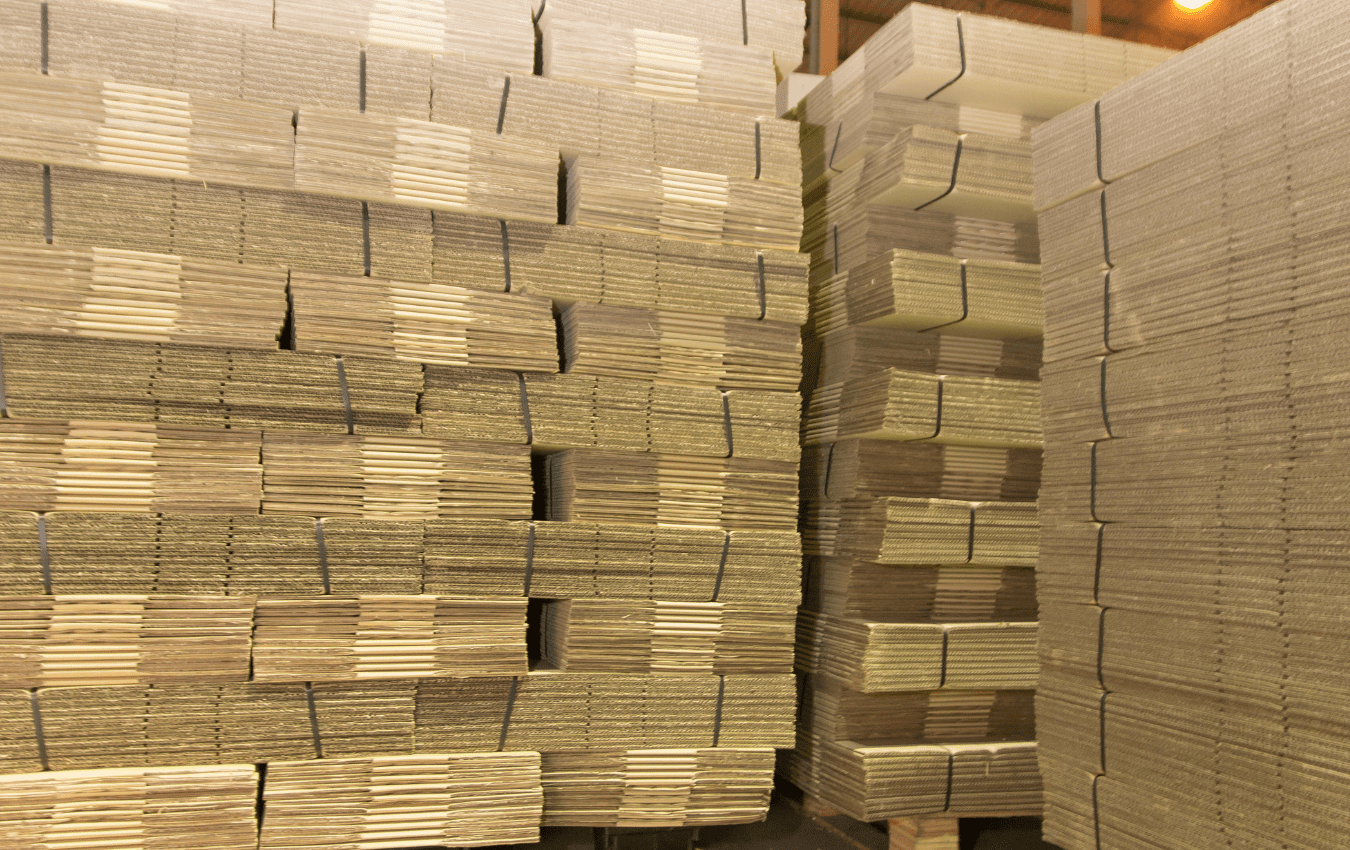
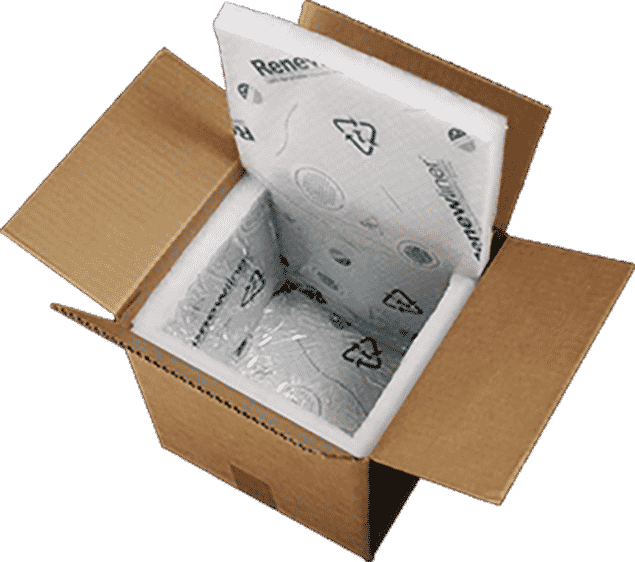
The effectiveness of corrugated boxes starts with their structure. Made from corrugated fiberboard, which includes a fluted corrugated sheet sandwiched between two flat linerboards, these boxes offer a robust design capable of absorbing shock and preventing damage to the contents. This structure not only imparts strength but also provides insulation that can protect against temperature variations.
Versatility and Customization
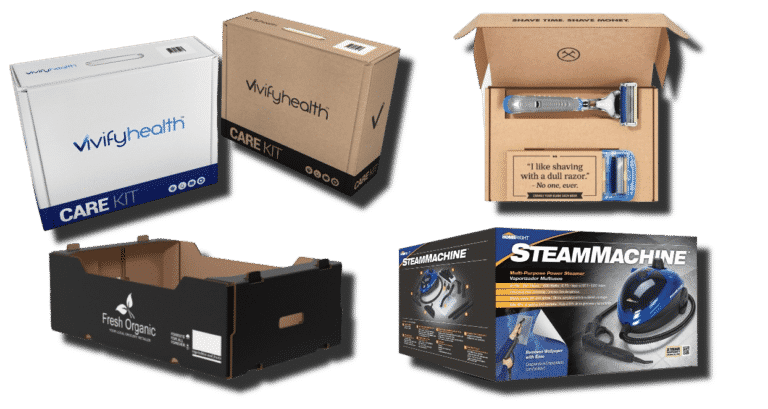
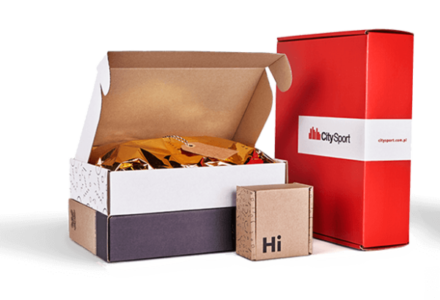
Corrugated boxes are celebrated for their versatility. They can be custom-manufactured to fit any size, shape, or weight requirement, ensuring that products, regardless of their dimensions, can be securely packaged with minimal movement inside the box. This customizability extends to the printing and branding of the boxes, making them an effective marketing tool in addition to their primary function of protection.
Sustainability
One of the most compelling advantages of corrugated boxes is their sustainability. Made from renewable resources, primarily recycled paper and cardboard, these boxes can be recycled again after their lifecycle, reducing waste and the demand for raw materials. The recycling process for corrugated cardboard is efficient and widespread, contributing to its status as one of the most recycled materials in the world.
Durability and Protection
The durability of corrugated boxes is a key factor in their effectiveness. They are designed to resist tears, splits, and bursts, which can occur during handling and transit. The fluting within the cardboard also provides a cushion for the items inside, protecting against impacts. Furthermore, corrugated boxes can be treated with coatings or laminates to make them resistant to moisture, oil, and other environmental factors, thereby enhancing the protection they offer.
Cost-Effectiveness
Corrugated boxes are cost-effective, offering a high level of protection relative to their cost. They are lightweight, which reduces shipping costs, and their material and construction costs are lower compared to alternative packaging options. This cost-effectiveness makes corrugated boxes an attractive option for a wide range of industries, from e-commerce to retail and beyond.
Challenges and Considerations
While corrugated boxes are effective, there are considerations to keep in mind. The integrity of the box can be compromised by overloading, improper handling, or exposure to damp conditions. However, these challenges can be mitigated through proper design, handling, and storage practices.
Conclusion
In conclusion, corrugated boxes offer an effective solution for packaging needs across various industries. Their strength, flexibility, sustainability, and cost-effectiveness make them a superior choice for protecting goods during transit and storage. By leveraging the inherent benefits of corrugated boxes and adhering to best practices for their use, businesses can ensure the safety of their products while also contributing to environmental sustainability.
If you are interested in corrugated boxes, then partner with Brown Packaging today to get started.
Subscription packaging continues to expand across beauty, food, lifestyle, and specialty products. Buyers must balance branding, protection, and sustainability while keeping fulfillment efficient. This checklist highlights the critical areas buyers
As budgets tighten in 2026, packaging buyers are under pressure to reduce costs without increasing damage rates. Cutting too aggressively can lead to product loss, higher return rates, and frustrated
Product damage is one of the most expensive risks in packaging. Beyond replacement costs, damaged goods lead to lost sales, returns, and reputational harm. In 2026, complex e-commerce, global shipping,
Retail packaging continues to evolve as brands balance sustainability, supply chain performance, and consumer experience. In 2026, buyers face new challenges shaped by material innovation, compliance requirements, and rising consumer
Home » Are Corrugated Boxes Effective?

RSC boxes are known for their efficiency and versatility, but their performance ultimately comes down to strength. Buyers often see numbers like ECT, BCT, and burst strength on specifications — but which tests matter most, and what do they actually measure? Choosing the right RSC depends on understanding how these tests translate to real-world shipping conditions. Edge Crush Test (ECT) What It Measures Resistance of corrugated board to edgewise compressive forces. Expressed in pounds per inch (e.g., 32 ECT). Why It Matters Directly tied to stacking strength and pallet performance. The most common metric used in North America for corrugated box strength. Limitations Only measures board strength, not the full box. Doesn’t account for humidity, handling abuse, or long-term compression. Box Compression Test (BCT) What It Measures Maximum load a finished box can withstand before collapsing. Accounts for box size, design, and board strength. Why It Matters Most accurate predictor of how an RSC will perform in stacking and pallet loads. Useful for optimizing board grades to reduce cost without risking damage. Limitations Requires lab testing of actual boxes. Not always practical for small-volume or custom runs. Burst Strength (Mullen Test) What It Measures Pressure required to rupture corrugated board by puncture. Historically the go-to test before ECT became standard. Why It Matters Still relevant for industries where puncture or tearing is a higher risk than compression (e.g., heavy parts, bulk industrial goods). Limitations Doesn’t reflect stacking strength. Often replaced by ECT in modern logistics. Translating Tests to Real-World Performance High-Volume E-Commerce: ECT rating is usually the key metric, especially for stacking in warehouses. Heavy Industrial Products: Burst strength may be more relevant if products are sharp or heavy. Palletized Loads: BCT is the best indicator, as it measures box and board performance together. Moisture & Humidity: None of the above tests fully account for water absorption — additional treatments or coatings may be necessary. Buyer Takeaway Look for ECT when evaluating basic strength requirements. Prioritize BCT if your shipments are palletized or stacked in warehouses. Consider burst strength if your products are heavy, sharp, or prone to puncture risks. Remember: lab tests are only part of the story — real-world conditions like humidity, handling, and long-term storage will also affect performance. References Fibre Box Association. (2023). Box Performance Standards. https://www.fibrebox.org TAPPI. (2024). Testing Methods for Corrugated Packaging. https://www.tappi.org Soroka, W. (2016). Fundamentals of Packaging Technology (5th ed.). Institute of Packaging Professionals. (714)300-0650 request@brownpackaging.com Most Recent Posts: Categories: Corrugated Ecommerce ESD Design Display Flexible Packaging Foam Folding Carton Packaging Plastic Packaging Pouch Printing Protection Retail Rigid Box Thermoform Sustainability Subscribe To Our Newsletter By submitting your information, you agree to our terms and conditions and privacy policy. Regular Slotted Container Facebook Twitter LinkedIn Pinterest Relevant Posts

Corrugated board comes in multiple flute sizes and wall grades, each designed to balance strength, weight, and cost. Selecting the wrong grade can lead to product damage, excessive freight costs, or unnecessary material expense. In 2026, buyers must match corrugated performance to their supply chain conditions, sustainability goals, and budget requirements. Common Corrugated Grades Single-wall: Lightweight, cost-effective, suitable for many retail and e-commerce uses. Double-wall: Greater strength and stacking ability for heavy or fragile items. Triple-wall: Maximum compression resistance for industrial, bulk, and export packaging. Key Factors When Choosing a Grade Product weight: Heavier items require stronger board. Supply chain conditions: Long transit times, stacking, and climate variations increase stress. Cost balance: Higher grades protect better but add material expense. Sustainability goals: Use recycled content or right-size to minimize waste. Compliance: Certain industries require ISTA or ASTM-tested packaging. How to Match Grade to Application E-commerce: Single-wall RSCs with performance coatings for moisture resistance. Industrial parts: Double-wall or triple-wall for high stacking and pallet loads. Export packaging: Triple-wall FOL boxes for international freight durability. Retail displays: Lighter grades with strong print surfaces for shelf appeal. Testing for Performance Confidence Compression testing: Ensures cartons withstand stacking loads. Vibration and drop testing: Validates protection during transport. Material analysis: Confirms recycled fiber content aligns with performance goals. Packaging Solutions with Brown Packaging Brown Packaging works with buyers to identify the right corrugated grade for each application. From single-wall e-commerce boxes to triple-wall export packaging, we balance protection, cost, and sustainability. Contact us to select the right grade for 2026. References ASTM International. (2023). ASTM D642: Standard Test Method for Compression Resistance of Shipping Containers.Soroka, W. (2009). Fundamentals of Packaging Technology (4th ed.). Institute of Packaging Professionals.Fiber Box Association. (2024). Corrugated Packaging Performance Handbook. Retrieved from https://www.fibrebox.org (714)300-0650 request@brownpackaging.com Most Recent Posts: Categories: Corrugated Ecommerce ESD Design Display Flexible Packaging Foam Folding Carton Packaging Plastic Packaging Pouch Printing Protection Retail Rigid Box Thermoform Sustainability Subscribe To Our Newsletter By submitting your information, you agree to our terms and conditions and privacy policy. Custom Corrugated Boxes Facebook Twitter LinkedIn Pinterest Relevant Posts

When choosing corrugated packaging, box style directly impacts cost, strength, speed of packing, and customer experience. Two of the most common options are the Regular Slotted Container (RSC) and the Roll-End Tuck-Top (RETT) mailer. While both protect products well, their design differences make each suited for very different needs. Regular Slotted Container (RSC) Design & Features Flaps of equal length meet in the center. Requires tape, glue, or staples for closure. Minimal board waste, highly efficient to manufacture. Advantages Strong and Stackable: Excellent compression strength for palletized loads. Cost-Efficient: Standardized design lowers production cost. Versatile: Common in nearly every industry. Limitations Slower Assembly: Tape or glue required for every box. Basic Presentation: Not designed for branded unboxing experiences. Roll-End Tuck-Top (RETT) Mailer Design & Features Single-piece die-cut design. Built-in dust flaps protect contents from debris. Cherry locks (small locking tabs) keep the lid secure without tape. Advantages Fast Assembly: Self-locking design saves time and eliminates tape. Premium Look: Ideal for branded unboxing and e-commerce. Better Closure: Dust flaps improve integrity; cherry locks prevent accidental opening. Limitations Higher Cost: Requires custom tooling and more board. Lower Stacking Strength: Not as durable for bulk palletized shipping. Less Flexible for Large Sizes: Best suited to small-to-medium e-commerce parcels. RSC vs. RETT: Side-by-Side Comparison Feature RSC Box RETT Mailer Closure Method Tape, glue, or staples Dust flaps + cherry locks (self-locking) Assembly Speed Slower Faster Stacking Strength High (pallet loads) Moderate Cost Lower Higher Branding & Unboxing Basic Premium Best For Bulk shipping, warehousing, palletization E-commerce, subscription boxes, retail-ready packaging Regular Slotted Container (RSC) Roll End Tuck Top (RETT) with cherry lock and dust flaps Buyer Takeaways Choose an RSC if you need maximum stacking strength and shipping efficiency. Perfect for palletized loads, warehouses, and industrial distribution. Choose a RETT mailer if your focus is branding, presentation, and fast assembly. Ideal for e-commerce, D2C shipments, and subscription boxes. Dust flaps and cherry locks make RETT mailers especially well-suited to online retail, where presentation and secure delivery both matter. References Fibre Box Association. (2023). Corrugated Box Styles and Design Guide. https://www.fibrebox.org Association of Independent Corrugated Converters (AICC). (2024). Corrugated Packaging Fundamentals. https://www.aiccbox.org (714)300-0650 request@brownpackaging.com Most Recent Posts: Categories: Corrugated Ecommerce ESD Design Display Flexible Packaging Foam Folding Carton Packaging Plastic Packaging Pouch Printing Protection Retail Rigid Box Thermoform Sustainability Subscribe To Our Newsletter By submitting your information, you agree to our terms and conditions and privacy policy. Custom Corrugated Boxes Facebook Twitter LinkedIn Pinterest Relevant Posts