





Home » Applying the Four Ps of Marketing to Custom Packaging
Applying the Four Ps of Marketing to Custom Packaging
In the dynamic world of marketing, packaging plays a central role in shaping consumer perceptions and influencing purchasing decisions. Custom packaging offers a unique opportunity to leverage the timeless principles of the Four Ps of Marketing—Product, Price, Place, and Promotion—while embracing modern strategies for creating memorable brand experiences. In this blog, we’ll explore how custom packaging aligns with these four pillars, making it an essential component of modern marketing.
Product: Elevating Your Brand Through Packaging
In the context of custom packaging, “product” encompasses not only the item within but also the packaging itself. Your packaging should seamlessly extend the product experience and elevate its perceived value.
- Product Enhancement: Consider how your custom packaging enhances the overall product experience. It should be functional, aesthetically pleasing, and a reflection of your brand’s identity.
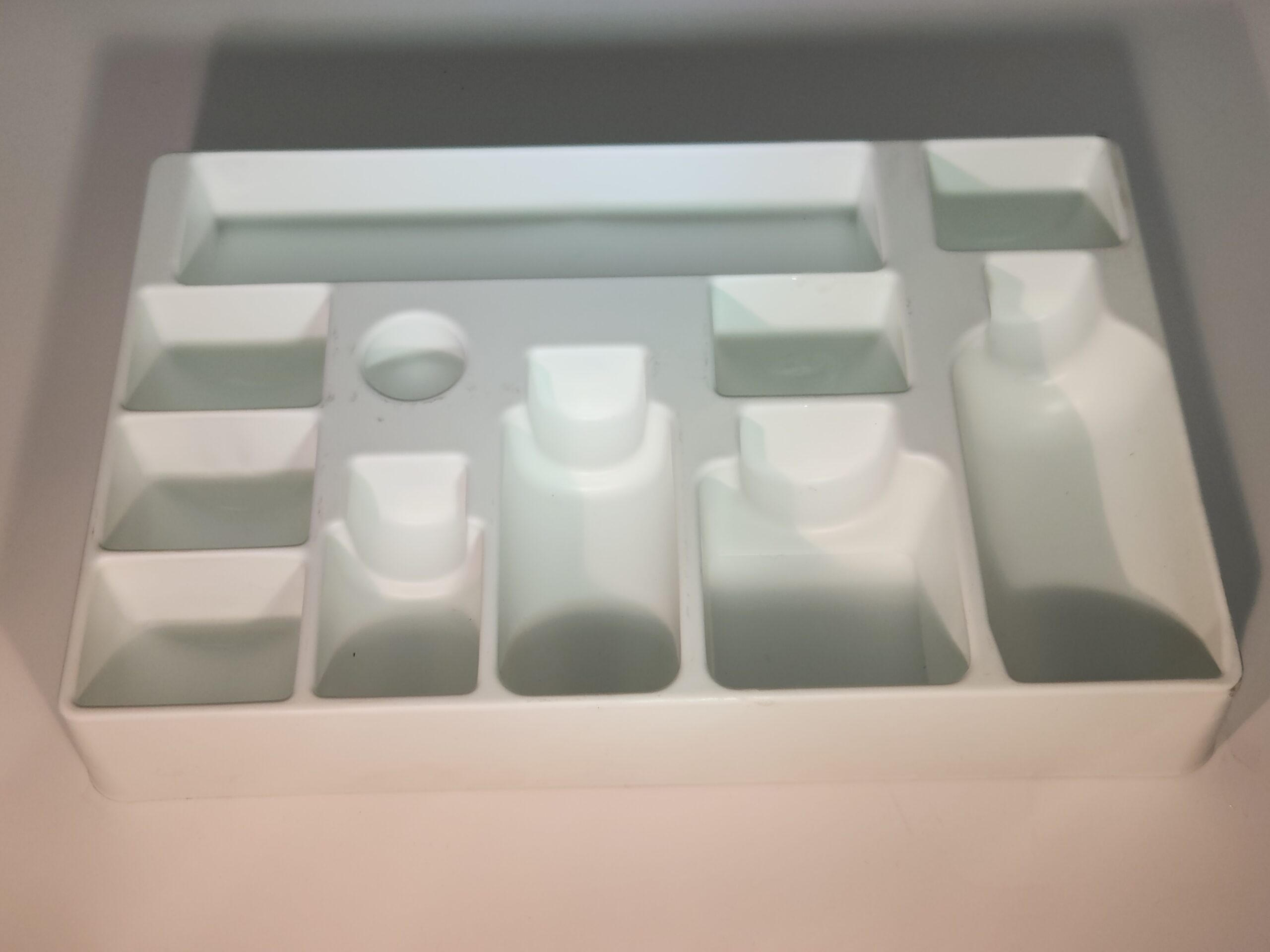
- Tailored Solutions: Custom packaging allows you to design packaging that perfectly fits the product, creating a seamless and visually appealing connection.
Price: The Packaging-Value Connection
“Price” goes beyond just setting a cost; it’s about the perceived value customers derive from your product. Custom packaging can significantly impact your pricing strategy.
- Perceived Value: High-quality, customized packaging can enhance the perceived value of your product, justifying a premium price.
- Cost Considerations: Be sure to factor in the cost of custom packaging materials and design when determining your pricing strategy to ensure it remains profitable.
Place: Packaging Meets Distribution
The “place” element centers on distribution channels and accessibility. Custom packaging should align with your distribution strategy and the locations where your product is available.
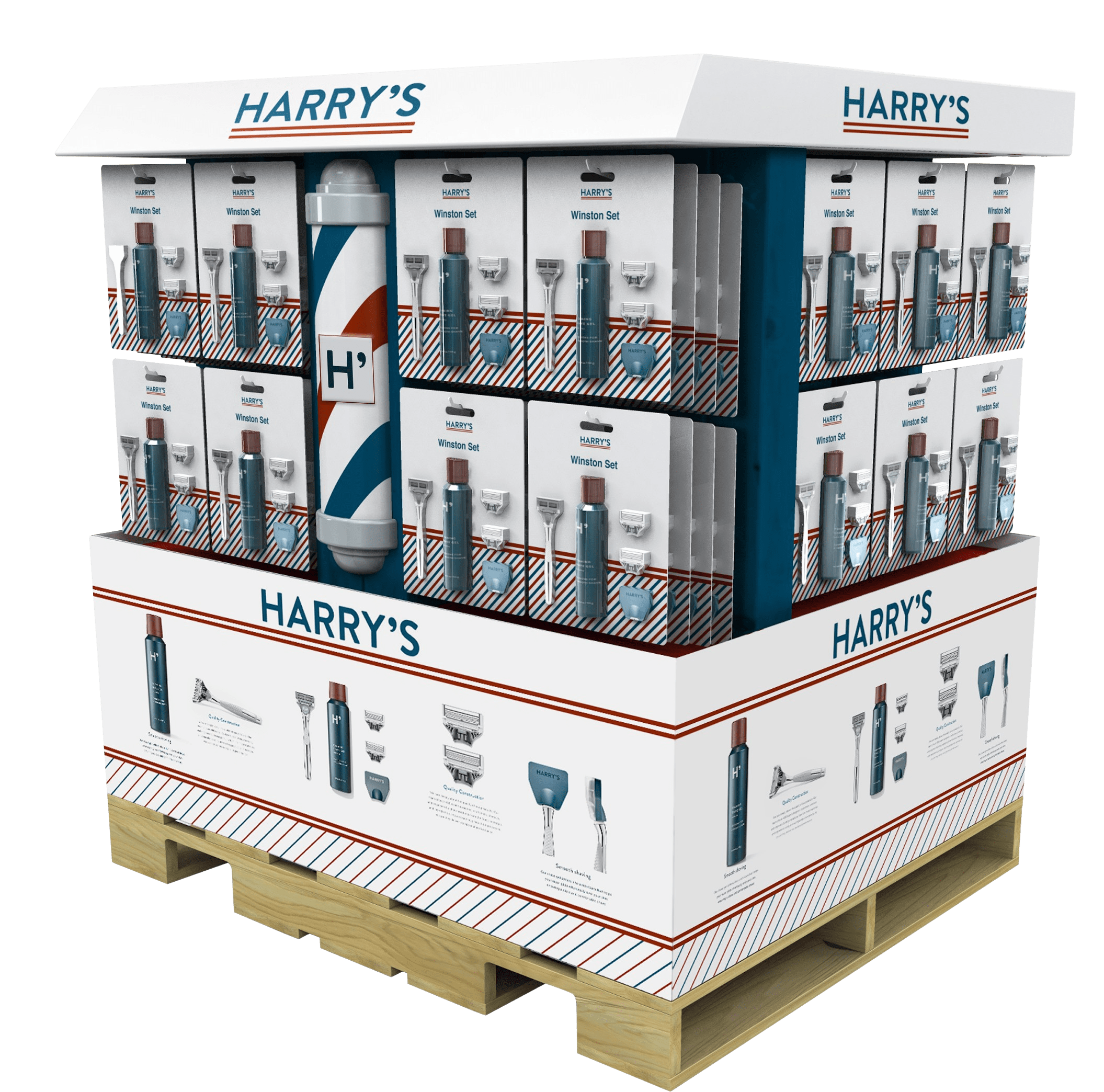
- Distribution Channels: Consider how your custom packaging suits your distribution channels, especially in e-commerce, where unique packaging may be needed for shipping.
- Logistics Alignment: Ensure that your packaging aligns with the logistical requirements of efficiently delivering your product to customers.
Promotion: Packaging as a Marketing Canvas
“Promotion” encompasses all the marketing activities aimed at promoting your product. Custom packaging is a potent promotional tool in itself.
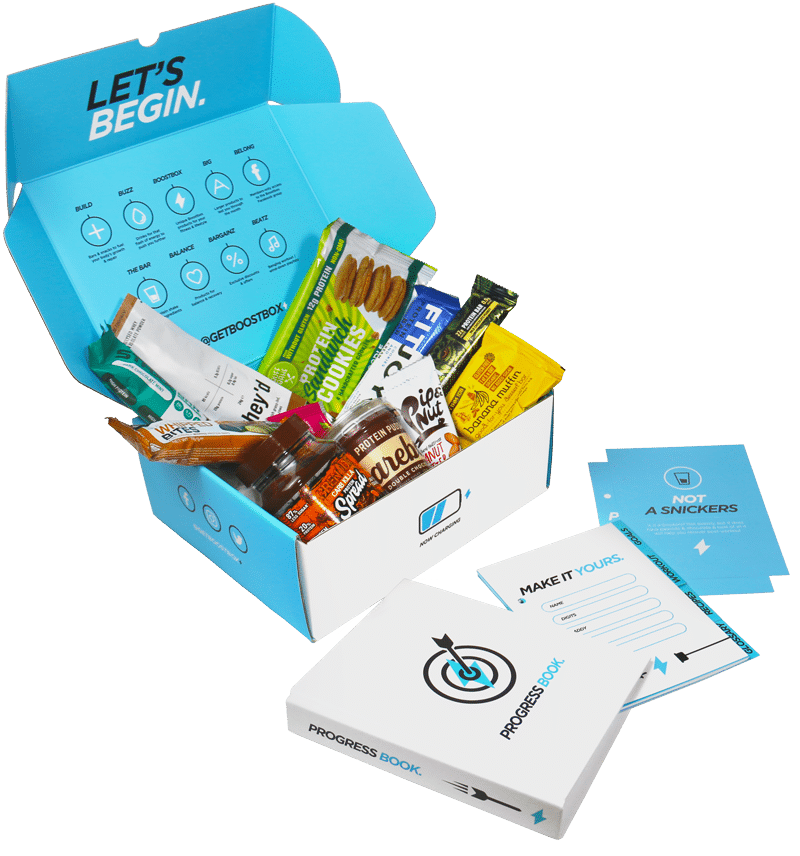
- Brand Reinforcement: Utilize custom packaging to reinforce your brand identity, tell your brand’s story, and grab attention in physical stores or online marketplaces.
- Creative Branding: Think of your packaging as a canvas for creative branding and storytelling, making your product memorable to consumers.
Conclusion
In conclusion, custom packaging is not just a container for your product; it’s a strategic marketing tool that seamlessly aligns with the Four Ps of Marketing. It enhances product value, aligns with distribution channels, serves as a powerful promotional canvas, and creates unforgettable brand experiences. In the competitive marketplace of today, packaging your brand effectively can make all the difference, influencing consumer choices and building brand loyalty.
If you are interested in custom packaging, then partner with Brown Packaging today to get started.
In 2026, sustainability is no longer just a trend—it’s a buyer expectation. Forest Stewardship Council (FSC) certification has become a key benchmark for responsible packaging, signaling that materials are sourced from responsibly managed forests. For packaging buyers, FSC certification is more than a compliance checkbox—it’s a brand value that influences purchasing decisions, retailer acceptance, and customer loyalty. What Is FSC Certification? The Forest Stewardship Council certifies that paper-based packaging materials are sourced from forests managed for environmental responsibility, social benefit, and economic viability. FSC Mix: Packaging contains a blend of FSC-certified and controlled wood. FSC Recycled: Packaging is made entirely from recycled fiber. FSC 100%: Packaging is sourced only from FSC-certified forests. Why FSC Matters to Buyers in 2026 Retail access: Many major retailers now require FSC-certified packaging. Sustainability goals: Aligns with corporate ESG and carbon reduction commitments. Consumer trust: Customers recognize the FSC label and view it as credible. Global compliance: Meets international sustainability regulations. How FSC Certification Strengthens Brand Value Differentiation: Stand out with certified sustainable packaging. Marketing advantage: FSC logos reinforce eco-friendly messaging. Risk reduction: Verified sourcing prevents greenwashing claims. Customer loyalty: Environmentally conscious buyers prefer certified products. Challenges in FSC Implementation Limited supply of certain FSC substrates. Higher costs compared to non-certified materials. Need for supplier audits and documentation. Packaging Solutions with Brown Packaging Brown Packaging partners with buyers to integrate FSC-certified materials into corrugated boxes, folding cartons, and retail packaging. Our solutions support sustainability while maintaining cost efficiency and protection. Contact us to strengthen your brand with FSC-certified packaging. References Forest Stewardship Council (FSC). (2023). FSC Certification Guidelines for Packaging. Retrieved from https://fsc.orgSustainable Packaging Coalition. (2023). Consumer Insights on Sustainable Packaging. Retrieved from https://sustainablepackaging.orgSoroka, W. (2009). Fundamentals of Packaging Technology (4th ed.). Institute of Packaging Professionals. (714)300-0650 request@brownpackaging.com Most Recent Posts: Subscribe To Our Newsletter By submitting your information, you agree to our terms and conditions and privacy policy. Sustainable Packaging Facebook Twitter LinkedIn Pinterest Relevant Posts
Sustainability is now a top priority for packaging buyers. Retailers, regulators, and consumers are all demanding packaging solutions that reduce environmental impact without sacrificing performance. In 2026, buyers must balance eco-friendly materials, cost, and compliance to build programs that are both effective and future-ready. What Buyers Need to Know About Sustainable Packaging Regulatory pressure: Governments are enforcing stricter rules on recyclability and plastic use. Retail mandates: FSC certification and recyclable packaging are becoming standard requirements. Consumer expectations: Customers increasingly choose brands with visible sustainability commitments. Sustainable Material Options Recycled corrugated: High recycled content while maintaining compression strength. Compostable films: Suitable for select food and retail applications. Molded pulp inserts: Replace foam or plastic for protective packaging. Water-based coatings: Enhance moisture resistance without harmful chemicals. Balancing Cost and Performance Right-size packaging: Reduces material waste and shipping costs. Hybrid solutions: Combine eco-materials with corrugated for balance. Life cycle analysis: Evaluate true environmental impact, not just marketing claims. How to Evaluate Sustainable Suppliers Verify FSC, SPC, or ISO certifications. Request testing data for durability and recyclability. Audit supply chains for consistency and transparency. Ensure claims meet local and international compliance standards. Packaging Solutions with Brown Packaging Brown Packaging helps buyers implement sustainable packaging programs that balance cost, performance, and compliance. From recycled corrugated to eco-friendly coatings and inserts, we deliver solutions that meet 2026 sustainability goals. Contact us to explore sustainable packaging options. References Forest Stewardship Council (FSC). (2023). FSC Certification Guidelines for Packaging. Retrieved from https://fsc.orgSustainable Packaging Coalition. (2023). Packaging Sustainability Trends and Buyer Insights. Retrieved from https://sustainablepackaging.orgSoroka, W. (2009). Fundamentals of Packaging Technology (4th ed.). Institute of Packaging Professionals. (714)300-0650 request@brownpackaging.com Most Recent Posts: Categories: Corrugated Ecommerce ESD Design Display Flexible Packaging Foam Folding Carton Packaging Plastic Packaging Pouch Printing Protection Retail Rigid Box Thermoform Sustainability Subscribe To Our Newsletter By submitting your information, you agree to our terms and conditions and privacy policy. Sustainable Packaging Facebook Twitter LinkedIn Pinterest Relevant Posts
Choosing the right packaging material is one of the most important decisions buyers face. Single-material packaging offers simplicity and recyclability, while multi-material designs provide enhanced performance and protection. Understanding the trade-offs helps companies balance cost, functionality, and sustainability goals in 2026. What Is Single-Material Packaging? Single-material packaging uses one substrate—such as corrugated board, folding carton, or plastic—for the entire structure. Advantages: Easier to recycle and dispose. Lower material costs in many cases. Streamlined sourcing and inventory. Supports sustainability messaging. Disadvantages: Limited barrier protection. Less customization for fragile or complex products. May require added thickness for strength, increasing weight. What Is Multi-Material Packaging? Multi-material packaging combines two or more substrates—such as corrugated with foam, or paperboard laminated with film—to achieve specific performance outcomes. Advantages: Greater protection against moisture, oxygen, and impact. Allows for premium finishes and enhanced graphics. Ideal for fragile or high-value products. Customizable for unique supply chain conditions. Disadvantages: More difficult to recycle due to material separation. Higher cost and longer lead times. Complex sourcing and inventory management. When to Use Each Approach Single-material packaging: Best for products with low fragility, strong sustainability requirements, or cost-driven programs. Multi-material packaging: Best for high-value, fragile, or regulated products requiring advanced protection. Balancing Performance and Sustainability Buyers must weigh performance needs against eco goals: Use recyclable coatings to extend single-material performance. Choose hybrid designs that separate easily for recycling. Apply multi-material solutions only where risk of damage outweighs cost. Packaging Solutions with Brown Packaging Brown Packaging helps buyers evaluate when to use single- vs. multi-material packaging. Our team balances sustainability, performance, and cost to deliver solutions tailored to your supply chain. Contact us to explore the right approach for your products. References Forest Stewardship Council (FSC). (2023). FSC Packaging Certification Guidelines. Retrieved from https://fsc.orgSoroka, W. (2009). Fundamentals of Packaging Technology (4th ed.). Institute of Packaging Professionals.Sustainable Packaging Coalition. (2022). Design for Recyclability and Multi-Material Packaging Report. Retrieved from https://sustainablepackaging.org (714)300-0650 request@brownpackaging.com Most Recent Posts: Categories: Corrugated Ecommerce ESD Design Display Flexible Packaging Foam Folding Carton Packaging Plastic Packaging Pouch Printing Protection Retail Rigid Box Thermoform Sustainability Subscribe To Our Newsletter By submitting your information, you agree to our terms and conditions and privacy policy. Custom Packaging Facebook Twitter LinkedIn Pinterest Relevant Posts
One of the biggest challenges in sustainable packaging is balancing environmental responsibility with product protection. Buyers often worry that switching to eco-friendly materials means sacrificing durability or driving up costs. In 2026, new material technologies allow brands to meet sustainability goals without compromising strength or supply chain performance. Why Protection Still Matters Damaged products create more waste than packaging ever could. Returns increase logistics costs and carbon emissions. Retailers and e-commerce platforms expect packaging to deliver both sustainability and reliability. Eco-Friendly Material Options Recycled corrugated: Maintains stacking strength while reducing virgin fiber use. Molded pulp inserts: Cushion fragile items while replacing plastic foam. Water-based barrier coatings: Add moisture resistance without plastic films. Compostable films: Ideal for short shelf-life or single-use applications. Paper-based mailers: Replace poly mailers for e-commerce shipments. How to Balance Eco Goals and Protection Use right-sizing to reduce material volume while improving fit. Apply hybrid solutions (corrugated + pulp) for high-value goods. Conduct ISTA testing to validate protective performance. Match material choice to product fragility and supply chain conditions. Examples in Action Electronics: Molded pulp trays replacing EPS foam. Food and beverage: FSC-certified corrugated with recyclable coatings. Retail e-commerce: Recycled paper mailers protecting apparel. Packaging Solutions with Brown Packaging Brown Packaging develops eco-friendly solutions that protect products while meeting sustainability requirements. From recycled corrugated to innovative coatings, our team ensures you never trade protection for environmental impact. Contact us to explore eco-material options. References Forest Stewardship Council (FSC). (2023). FSC Certification Guidelines for Packaging. Retrieved from https://fsc.orgSustainable Packaging Coalition. (2023). Eco-Friendly Packaging Materials and Case Studies. Retrieved from https://sustainablepackaging.orgASTM International. (2023). ASTM D4169: Standard Practice for Performance Testing of Shipping Containers and Systems. (714)300-0650 request@brownpackaging.com Most Recent Posts: Subscribe To Our Newsletter By submitting your information, you agree to our terms and conditions and privacy policy. Custom Packaging Facebook Twitter LinkedIn Pinterest Relevant Posts
In today’s competitive market, packaging affordability doesn’t start with cheaper materials — it starts with smarter design. Every score, fold, and insert decision affects not only how a box looks and feels, but how efficiently it’s made, shipped, and used. Structural engineering is the silent driver of cost efficiency — optimizing strength, space, and performance before the first sheet is ever printed. Why Structure Matters More Than You Think The most impactful cost savings in packaging rarely come from supplier discounts; they come from structural efficiency.A box that uses 10% less board but maintains the same compression strength directly reduces both material and freight cost. A redesigned insert that eliminates the need for secondary packaging saves time and labor at the line. Every cut line and fold path tells a story of cost, sustainability, and brand care — and when those align, affordability becomes part of your brand’s DNA. Designing for Efficiency, Not Excess In a market saturated with overbuilt packaging, engineering restraint is a competitive advantage. Structural teams now rely on 3D CAD modeling and virtual prototyping to simulate performance before production — identifying unnecessary material use and structural redundancies. Through precision die-line planning, engineers can improve sheet yield, reduce assembly time, and minimize void space — the dead air that drives up freight bills.It’s not about doing less; it’s about doing smarter. Balancing Protection and Presentation The temptation to “overprotect” products is common — especially in fragile or high-value goods. But protection doesn’t have to mean bulk. Strategic reinforcements, engineered fluting, and interlocking designs can maintain crush resistance and shock absorption while reducing total board weight. For e-commerce and shelf packaging alike, brands can achieve premium presentation with structural simplicity — a key to making packaging both sustainable and affordable. Prototyping to Prevent Waste Prototyping isn’t just for aesthetics — it’s a safeguard against costly production errors.With short-run sample testing and performance mockups, brands can evaluate fit, function, and protection early in development. Adjusting dimensions by fractions of an inch can save thousands in material waste and prevent rejected runs down the line. Smart packaging buyers now view prototyping not as an expense, but as a cost-control strategy that pays dividends in scale. How Structural Design Supports Brand and Budget Affordable design doesn’t mean compromising brand identity — it means integrating brand goals into structure. A well-engineered box reinforces trust, ensures product consistency, and communicates value through precision and fit. When structure, design, and production align, packaging stops being a cost and starts becoming a business asset. That’s where the real savings live — and where long-term brand equity begins. The Brown Packaging Difference At Brown Packaging, every packaging solution starts with structural intent — not guesswork.Our engineering and design teams collaborate to create packaging that performs across shipping, retail, and automation lines, balancing protection, brand visibility, and cost efficiency. We don’t cut corners; we cut waste.That’s how our clients achieve packaging that’s not just affordable — it’s engineered to perform. References Soroka, W. (2009). Fundamentals of Packaging Technology (4th ed.). Institute of Packaging Professionals. PMMI. (2024). Optimizing Structural Design for Packaging Efficiency. Packaging World. (2025). Engineering the Future of Cost-Effective Packaging. Smithers. (2025). Packaging Innovation and Material Efficiency Trends. (714)300-0650 request@brownpackaging.com Most Recent Posts: Categories: Corrugated Ecommerce ESD Design Display Flexible Packaging Foam Folding Carton Packaging Plastic Packaging Pouch Printing Protection Retail Rigid Box Thermoform Sustainability Subscribe To Our Newsletter By submitting your information, you agree to our terms and conditions and privacy policy. Custom Packaging Facebook Twitter LinkedIn Pinterest Relevant Posts
Every brand is feeling the squeeze — higher raw material costs, volatile freight rates, and a consumer base more price-conscious than ever. But cutting packaging budgets blindly can lead to damaged goods, compliance issues, and eroded brand value. Smart brands aren’t chasing cheaper boxes — they’re making smarter packaging decisions that balance performance, cost, and perception. The difference between saving money and losing value comes down to how you evaluate your packaging, not just what you pay for it. Beyond Unit Price: Understanding Total Packaging Cost A low unit price might look great on paper — until you factor in assembly time, damage rates, and freight efficiency. Smart packaging evaluation considers the total cost of ownership, including: Material yield (how efficiently sheets convert into boxes) Pallet and trailer utilization (freight optimization) Labor efficiency (ease of assembly or automation compatibility) Product protection (damage rates, replacements, and returns) When buyers assess all these metrics, the lowest-cost box often isn’t the best-value box. Material Selection That Saves in the Long Run Switching materials isn’t just about cutting cost — it’s about reducing waste and improving performance. For instance, moving from double-wall to a high-performance single-wall with better flute structure can cut weight and shipping cost without sacrificing protection. In folding cartons, substrate optimization — using a lighter caliper SBS or switching to coated recycled board — can yield savings that scale across production runs. And for rigid boxes, structural tweaks like thinner chipboard paired with strong wrap papers can preserve presentation while reducing material use. Every small change adds up when you scale across thousands of units. Design Efficiency: The Overlooked Cost Saver A smart structural design can eliminate cost before production even starts. Simplifying folds, reducing glue flaps, or reengineering inserts can cut assembly time and material waste. Modern packaging engineers use CAD-based dieline analysis to optimize layouts — ensuring maximum sheet yield and minimal offcut. For e-commerce and retail brands alike, right-sizing packaging improves shipping efficiency and reduces filler materials while maintaining the brand’s polished look. It’s not just design — it’s design that earns its keep Printing Smart: Matching the Process to the Purpose Not every job needs premium litho or complex spot varnishes. A good packaging partner matches print method to scale and brand intent: Flexo printing for high-volume, cost-efficient runs. Digital printing for short runs, personalization, and multi-SKU campaigns. Litho laminating for high-end visuals in rigid or premium retail displays. By choosing the right print method early, brands can avoid over-engineering — saving both time and money without compromising quality. Data-Driven Decisions: The New Standard for Packaging Buyers Leading companies now use data to guide packaging spend. Damage rate metrics, SKU-level freight analysis, and consumer perception studies all contribute to smarter choices. Smart buyers are no longer asking, “What’s the cheapest box?” They’re asking, “What’s the most efficient box that protects the product, ships well, and supports brand goals?” This mindset shift is what separates cost-cutting from cost control. The Brown Packaging Approach At Brown Packaging, we help brands make smarter packaging decisions by combining engineering analysis, supplier network leverage, and real-world testing. Our process aligns packaging performance with total cost goals — from box design to print selection and logistics. The result: stronger packaging, lower waste, and sustainable cost savings that scale with your business. Because in today’s market, smart packaging isn’t just a cost center — it’s a competitive advantage. References PMMI. (2025). Operational Cost Efficiency in Packaging and Logistics. McKinsey & Company. (2024). Total Cost of Ownership in Consumer Goods Packaging. Packaging World. (2025). Data-Driven Decisions in Packaging Sourcing. Soroka, W. (2009). Fundamentals of Packaging Technology (4th ed.). (714)300-0650 request@brownpackaging.com Most Recent Posts: Categories: Corrugated Ecommerce ESD Design Display Flexible Packaging Foam Folding Carton Packaging Plastic Packaging Pouch Printing Protection Retail Rigid Box Thermoform Sustainability Subscribe To Our Newsletter By submitting your information, you agree to our terms and conditions and privacy policy. Custom Packaging Facebook Twitter LinkedIn Pinterest Relevant Posts
Home » Applying the Four Ps of Marketing to Custom Packaging

Finding the right packaging supplier for your company can be quite a challenging, time consuming, and frustrating process, since not all packaging companies are the same. Packaging companies can vary among quality standards and capabilities to products, services, who they serve and where. For your company’s success it is important for you to select the right packaging provider for your business as it can have a direct impact on your company’s operations. A good packaging supplier should be able to meet all of your packaging needs in one place and on time (within industry standard). A quality packaging supplier will improve your business operations with efficient packaging solutions, which will help your bottom line. Typically, a poor packaging supplier will not be able to fulfill your order to your specifications or requirements. Usually, a poor packaging supplier will provide a poor experience with delivery delays, quality issues, billing roadblocks, which will essentially cost you time and many lost opportunities for your business. Ultimately, your packaging provider’s products, services, capabilities, quality standards, who they serve and where, should align with your company’ needs. In order to find this information, you have to ask questions to potential suppliers you are considering working with. Overview: 10 Questions You Need To Ask Your Packaging Provider What Packaging Products Do You Offer? Do You Offer Any Services? Are You A Manufacturer or Distributor? What Is Your Expected Lead Time? Is There An Order Minimum? Can You Supply Me With Samples, If Needed? Can You Meet Retailer Requirements? Do You Have Any Recommendations Or Concerns For My Project? How Much Does It Cost For Delivery? Are You Experienced In Projects Similar To Mine? What Packaging Products Do You Offer? Not all packaging suppliers provide the same packaging products, as there are a large variety of packaging supplies in the market. Some suppliers focus on stock or standard products, others do custom packaging and some do both. Not every packaging supplier will sell the same product. For example, some packaging companies focus on POP displays, some will supply foam, others focus on corrugated or chipboard boxes. You will find that some packaging companies may only offer one product and specialize in that product, while others can offer you a wide selection of stock and custom packaging. Ultimately, depending on what packaging company you choose to question, their answer should vary from one another. It is important to keep in mind that you are looking for a packaging partner that can help you and fulfill your packaging needs. Do You Offer Any Services? Like products, services and capabilities of the packaging supplier can vary from one another. Services can be delivery, product and material sampling/testing, consulting, structural design, graphic design, fulfillment, and more. Some of these services can be offered in-house by the packaging supplier or it may be outsourced. Services are usually most required when you are purchasing a custom packaging product. Stock products generally do not require services as often. Delivery services are usually universally provided by packaging suppliers. Pick a packaging service provider that works best for you. If your supplier does not offer your desired services, then this may require you to involve another party or to find a supplier that does everything for you under them. Are You A Manufacturer or Distributor? Buying from a manufacturer versus a distributor can be completely different. Manufacturers tend to only provide only one or few products and services, while a distributor can provide you a wide variety of products and services. Purchasing from a manufacturer is best when you are buying in bulk and are only seeking one item. It is important to mention that some manufacturers only work distributors and may not supply products to you. Distributors are ideal when you are unsure about what packaging product you will need, as they can supply and recommend a variety of packaging products. If you need multiple packaging products, for example, packaging tape, boxes, edge protectors, stretch film and labels, then a distributor can help you get all that in one place. In addition, they work with a variety of manufacturers and vendors to help provide you a wide range of outsource services that you may need. Hybrid suppliers can provide some of these services in-house in addition to what a distributor can provide. What Is Your Expected Lead Time? It is important for you to meet your project deadlines, prevent shortages, and missed opportunities due to poor lead times. By asking your supplier when they expect your packaging order to be complete, should be a main focus on whether you choose that supplier. Lead times can tell you a lot about your packaging supplier such as their purchasing power in the market, relationship with other suppliers, and how attentive they are to your order. This does not mean you should create unrealistic deadlines, as packaging can be complex and take time to create, however you should see if it’s comparable to other vendors you are trying to get a quote from. In general, stock packaging products have a much lower lead time, while custom packaging products have a much longer lead time. Is There An Order Minimum? Manufacturers and distributors typically require order minimums when placing an order. This is because in order to remain profitable, competitive, and in business, they have to cover all costs of creating or supplying your packaging, while including a markup. Order minimums are subjective to suppliers, some are more efficient than others in small quantities, while others are better in medium or large quantities. This is based on machinery and company capabilities, networking (for distributors). In addition, order minimums will vary based on what materials you order. Depending on how much packaging product you will need will help influence which packaging provider will work best for you. Can You Supply Me With Samples, If Needed? Product and material sampling is key to a successful packaging transaction. Before placing such a large investment, it is recommended you sample your product

When it comes to packaging solutions, corrugated boxes offer versatility and protection. Among the common corrugated box styles are the Regular Slotted Container (RSC) box and the Full-Overlap (FOL) box. Each style caters to specific packaging needs, making them suitable for various applications. In this comparative analysis, we will explore the characteristics, use cases, advantages, and considerations of Corrugated RSC Boxes and Full-Overlap (FOL) Boxes to help you determine which is the right choice for your packaging requirements. What is a (RSC) Box? Regular Slotted Container (RSC) boxes are known for their simplicity and efficiency in design and production. They feature four flaps—two on the top and two on the bottom—that meet in the center when closed. RSC boxes are cost-effective and widely used across industries. What is a Full-Overlap (FOL) Box? Full-Overlap (FOL) boxes, in contrast, are designed with flaps that fully overlap when closed, providing added protection and structural integrity. These boxes excel in safeguarding products during transit, making them ideal for items that require extra strength and stability. A Comparative Analysis Design and Closure: Corrugated (RSC) Box: RSC boxes offer a straightforward design, making them easy to assemble and close with tape or adhesive. Closure involves folding the flaps on the top and bottom, taping or gluing to a secure seal. Full-Overlap (FOL) Box: FOL boxes feature overlapping flaps, enhancing structural integrity and security. The flaps provide additional protection and resistance to crushing, making FOL boxes ideal for fragile or heavy items. Protection and Strength: Corrugated (RSC) Box: RSC boxes offer standard protection and are suitable for a wide range of products. While they provide adequate strength, they may not be the best choice for heavy or delicate items. Full-Overlap (FOL) Box: FOL boxes excel in providing enhanced protection and structural integrity. They are ideal for shipping heavy, fragile or valuable items, including electronics, glassware, and machinery. Regular Slotted Container (RSC) Full Overlap (FOL) Versatility: Corrugated (RSC) Box: RSC boxes are versatile and can be used for various products and industries. They are cost-effective and readily available in standard sizes. Full-Overlap (FOL) Box: FOL boxes are versatile as well but are often chosen for specific applications requiring superior protection. They may be slightly more expensive than RSC boxes due to their specialized design. Customization: Corrugated (RSC) Box: RSC boxes can be customized with printed graphics and branding, enhancing their visual appeal. Full-Overlap (FOL) Box: FOL boxes can also be customized with branding and graphics and are often used for premium or high-end products. Cost-Efficiency: Corrugated (RSC) Box: RSC boxes are generally more cost-effective due to their simpler design and ease of production. Full-Overlap (FOL) Box: FOL boxes may come at a slightly higher cost, primarily due to their enhanced protective features. Choosing the Right Box for Your Needs The choice between Corrugated RSC Boxes and Full-Overlap (FOL) Boxes hinges on your specific packaging requirements. Here are some considerations: If you need a cost-effective and versatile solution for standard products, Corrugated RSC Boxes are a practical choice. If you’re shipping fragile or valuable items, heavy machinery, or electronics, Full-Overlap (FOL) Boxes offer superior protection and structural integrity. Customization and branding are possible with both box styles, allowing you to create a unique packaging experience for your customers. If you are interested corrugated boxes like RSC, FOL and other styles, then partner with Brown Packaging today to get started. (714)300-0650 request@brownpackaging.com Most Recent Posts: Categories: Corrugated Ecommerce ESD Design Display Flexible Packaging Foam Folding Carton Packaging Plastic Packaging Pouch Printing Protection Retail Rigid Box Thermoform Sustainability Subscribe To Our Newsletter By submitting your information, you agree to our terms and conditions and privacy policy. Custom Corrugated Boxes Facebook Twitter LinkedIn Pinterest Relevant Posts

When customizing packaging with logos, brand colors, or designs to enhance product appeal and branding, choosing the right printing technique is crucial. Today’s technology offers several options, each suited to different needs based on budget, volume, and quality requirements. In this guide, we will delve into two popular printing methods—digital and flexographic printing—to help you determine the best option for your packaging needs. Understanding the Complexity of Custom Packaging Custom packaging, which can include boxes, pouches, labels, and cartons, is tailored specifically with unique structures, graphics, materials, and features. Unlike standard products, custom packages require considerable time, planning, effort, and investment, providing significant advantages in product protection, efficiency, and marketability. Digital Printing: Efficiency and Flexibility Digital printing is a modern technique that transfers a digital-based image directly onto the packaging material using advanced printers. This method is ideal for quick turnaround projects due to its minimal setup requirements. Advantages of Digital Printing: Quick Setup: No need for plates or prolonged setup times, making it perfect for tight deadlines. Cost-Effectiveness for Short Runs: Although the cost per unit is higher, the low initial investment makes digital printing cost-effective for small, customized orders. High-Quality Prints: Digital printers can produce detailed, vibrant prints suitable for complex designs and small text. Flexibility: Changes to the artwork or design can be made quickly and inexpensively, allowing for frequent updates and iterations. Ideal Use Cases for Digital Printing: Short runs or low volume orders. Projects requiring high detail and print quality. Customization for limited editions or personalized packaging. Prototypes and samples where frequent modifications are expected. Flexographic Printing: Traditional and Economical Flexographic printing, or flexo, is a more traditional form of printing that involves the use of rubber or plastic plates to apply ink to the packaging material. This method is favored for its efficiency in high-volume production runs. Advantages of Flexographic Printing: Economical for Large Volumes: High initial setup costs are offset by lower costs per unit, making flexo printing cost-effective for large runs. Speed: Once the setup is complete, flexo printing can produce large quantities rapidly. Color Accuracy: Flexo is excellent for projects requiring precise color matching, using GCMI or PMS colors to ensure brand consistency. Ideal Use Cases for Flexographic Printing: High-volume printing where the design does not change frequently. Projects that require exact color specifications. Long-term printing needs where the initial investment in plates can be amortized over time. Making the Right Choice The decision between digital and flexo printing depends on several factors: Volume: Digital printing is more suitable for smaller quantities, while flexo printing is cost-effective for larger runs. Complexity of Design: Digital printing handles complex images and variable data printing more efficiently. Color Accuracy: If exact color matching is critical, flexo printing is the preferred choice. Budget Constraints: Consider the upfront costs associated with flexo printing versus the potentially higher per-unit costs of digital printing for small runs. Choosing between digital and flexo printing for your packaging needs involves weighing the specifics of your project against the strengths of each printing method. For rapid, highly customizable small runs, digital printing offers flexibility and speed. For larger, consistent runs where color accuracy and cost efficiency are paramount, flexo printing provides an effective solution. By carefully considering your project’s requirements, you can select the printing technology that best aligns with your operational goals and budget. If you are interested in flexo or digital print custom packaging, then contact Brown Packaging today to get started. (714)300-0650 request@brownpackaging.com Most Recent Posts: Categories: Corrugated Folding Carton Display Packaging Rigid Box Subscribe To Our Newsletter By submitting your information, you agree to our terms and conditions and privacy policy. Custom Packaging Facebook Twitter LinkedIn Pinterest Relevant Posts