

window.uetq = window.uetq || []; window.uetq.push(‘event’, ‘submit_lead_form’,{ event_label:‘SUBMIT MESSAGE’ }); window.lintrk('track', { conversion_id: 10271009 }); window.lintrk('track', { conversion_id: 10271017 });

When a Counter Display Outperforms a Floor Display (and Why)

When a Counter Display Outperforms a Floor Display (and Why)

Bigger doesn’t always mean better.

Many brands default to floor displays because they assume more visibility equals more sales. But in many retail environments, counter displays outperform floor displays—especially when placement and shopper behavior are aligned.

Choosing the wrong format can lead to:

  • Wasted floor space
  • Lower product interaction
  • Missed impulse purchases

The decision isn’t about size—it’s about proximity and intent.

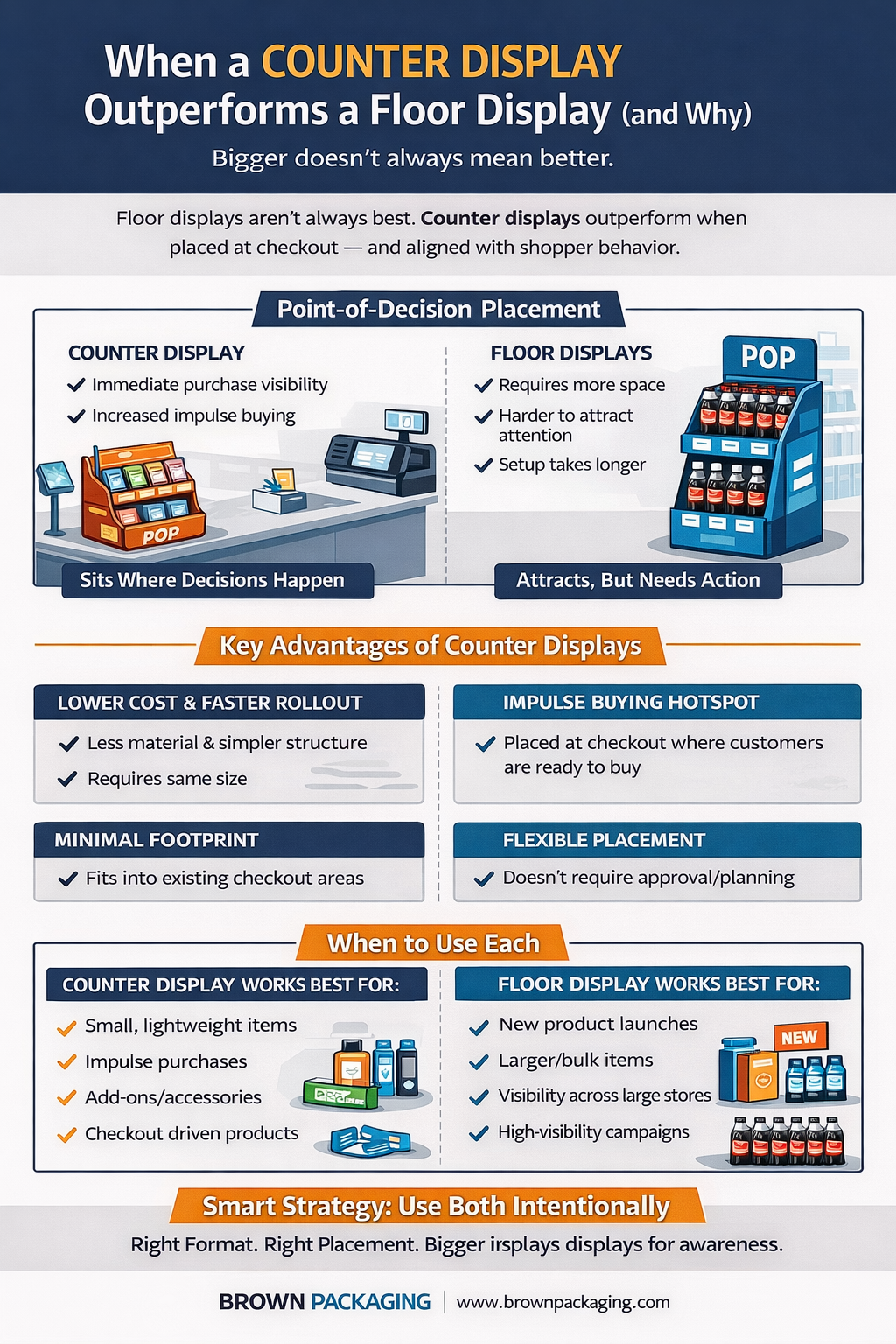
The Core Advantage: Point-of-Decision Placement

Counter displays sit where decisions happen:

  • Checkout counters
  • Service desks
  • High-interaction zones

This creates:

  • Immediate visibility at purchase moment
  • Higher impulse buying behavior
  • Minimal competition for attention

Floor displays rely on attracting attention.
Counter displays capitalize on existing attention.

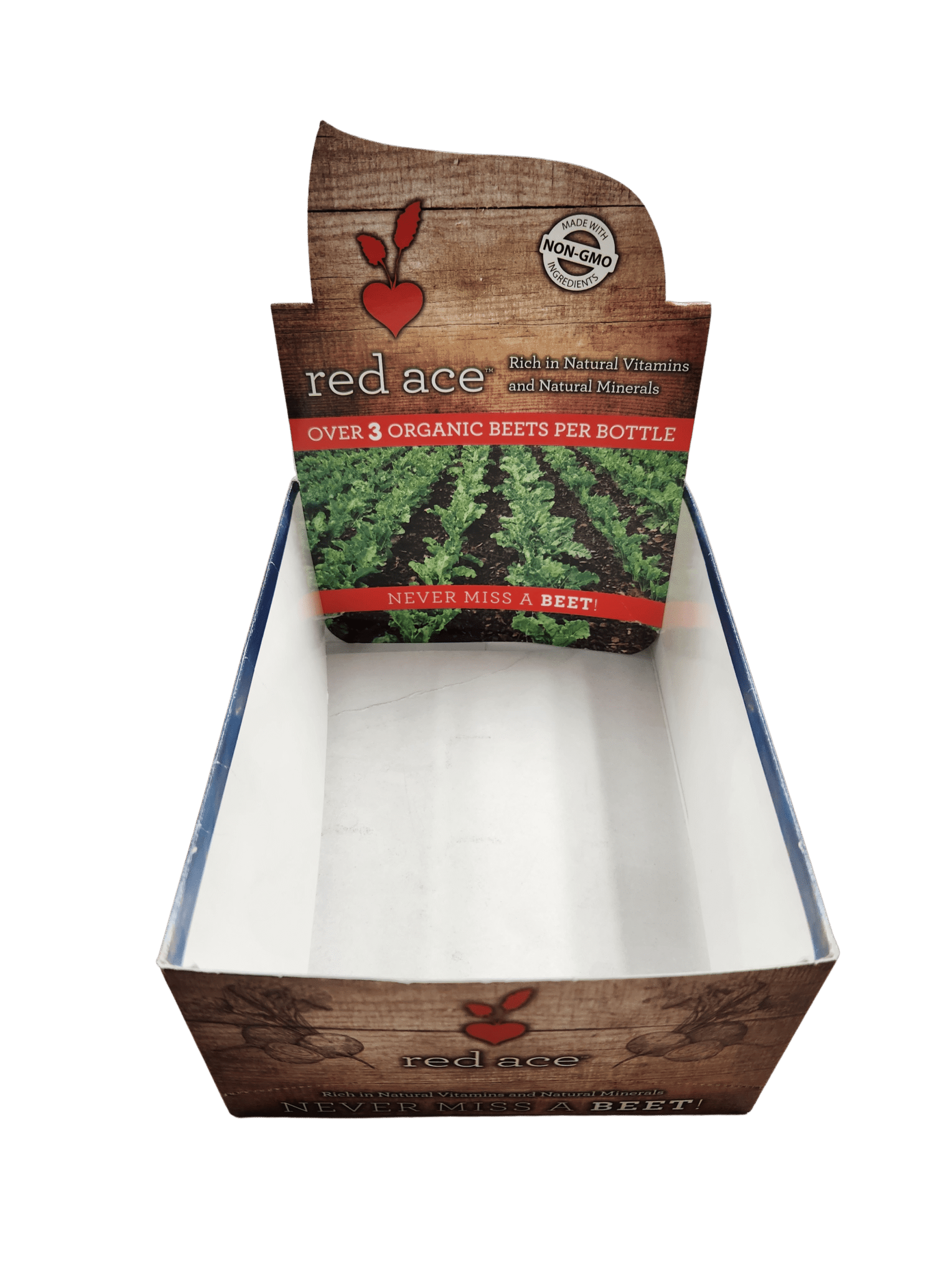
custom countertop displays

Impulse vs Intent: Understanding Shopper Behavior

Floor displays:

  • Interrupt the shopper journey
  • Require attention + interest + action

Counter displays:

  • Capture shoppers already engaged
  • Require minimal additional effort to convert

This is why counter displays often outperform for:

  • Low-cost items
  • Add-on products
  • Convenience-driven purchases

Space Efficiency and Placement Flexibility

Retail floor space is limited—and expensive.

Counter displays:

  • Require minimal footprint
  • Fit into existing checkout areas
  • Face less competition for placement approval

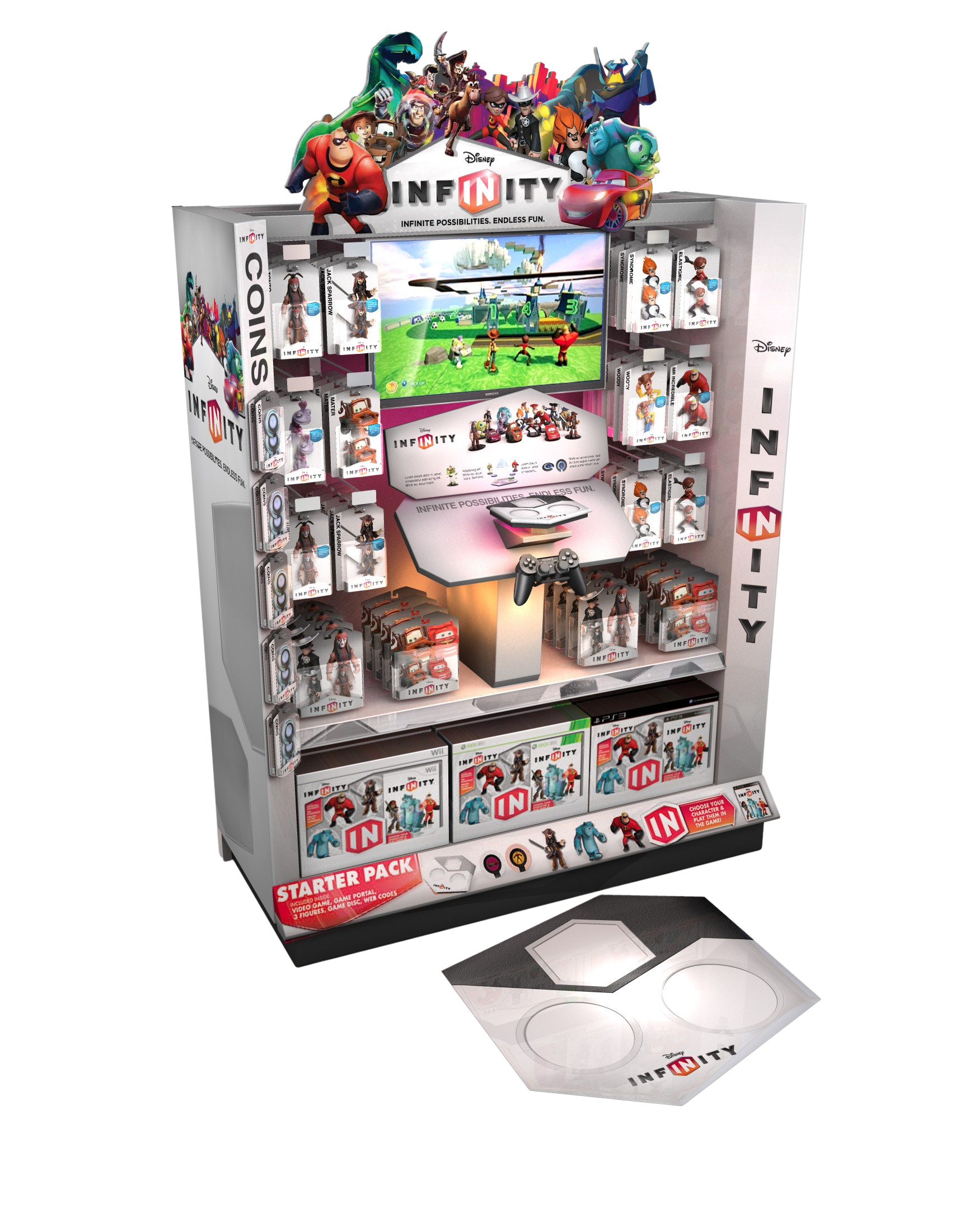
Floor displays:

  • Compete for premium floor locations
  • Require retailer approval and planning
  • Can be removed if space becomes limited

Smaller footprint = easier placement = more consistent execution.

countertop display

Product Type Determines Performance

Counter displays work best for:

  • Small, lightweight products
  • Impulse-driven items
  • High-margin add-ons

Examples:

  • Accessories
  • Trial-size products
  • Grab-and-go items

Floor displays are better suited for:

  • Larger products
  • Bulk items
  • High-visibility campaigns

Choosing the wrong format reduces effectiveness.

Lower Cost, Faster Rollout

Counter displays typically:

  • Use less material
  • Require simpler structures
  • Have lower freight costs

This allows:

  • Faster production timelines
  • Lower upfront investment
  • Easier distribution across more locations

In many cases, multiple counter displays outperform a single floor display in total reach.

custom counter top point of purchase (POP) display, custom printed folding carton box, toy packaging

Reduced Risk of Poor Execution

Floor displays depend on:

  • Proper placement
  • Correct assembly
  • Consistent maintenance

Counter displays:

  • Require minimal setup
  • Are easier for staff to manage
  • Stay in high-visibility areas by default

Less complexity = more consistent performance across stores.

Where Floor Displays Still Win

Floor displays are still the right choice when:

  • You need high visibility across the store
  • You’re launching a new product
  • You require large product capacity
  • You want to dominate a category visually

They create presence—but not always conversion.

The Real Strategy: Use Both Intentionally

High-performing programs often combine:

  • Floor displays for awareness
  • Counter displays for conversion

This creates:

  • Top-of-funnel visibility
  • Bottom-of-funnel purchase capture

It’s not either/or—it’s where each performs best.

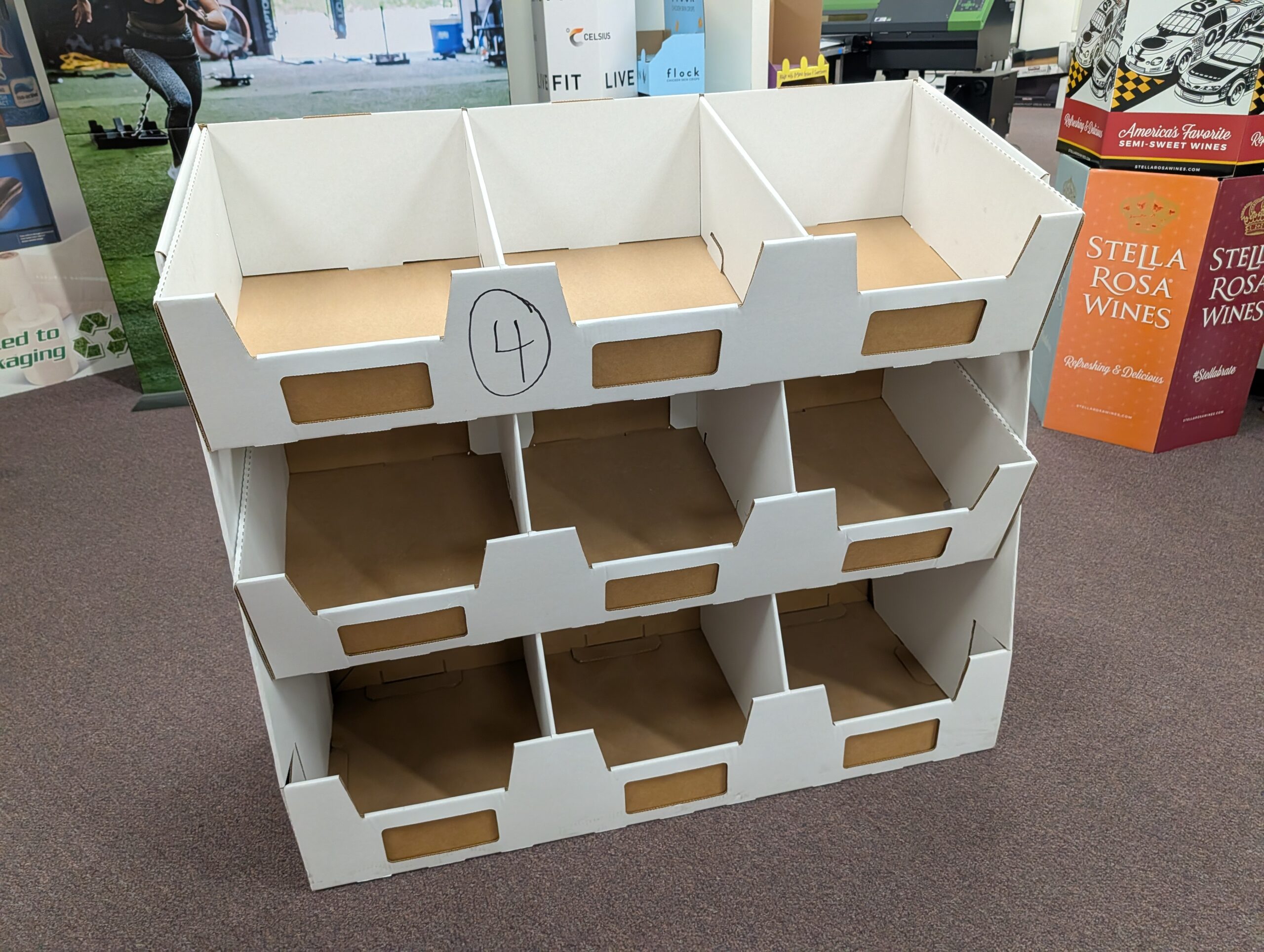
custom printed chipboard shelf box

Where Brands Get It Wrong

  • Assuming bigger displays always perform better
  • Ignoring checkout behavior
  • Using floor displays for impulse products
  • Overlooking space constraints
  • Not testing placement performance

These decisions limit ROI.

What High-Performing Programs Do Differently

They:

  • Match display type to shopper behavior
  • Prioritize placement over size
  • Use counter displays for high-conversion opportunities
  • Combine formats strategically

They focus on where sales actually happen.

How Brown Packaging Optimizes Display Strategy

At Brown Packaging, display selection is based on retail behavior—not assumptions.

We help brands:

  • Identify where products convert best
  • Align display format with placement opportunities
  • Optimize structure for cost and performance
  • Maximize reach across different retail zones

Because the best display isn’t the biggest—it’s the one placed where the purchase happens.

References

Underhill, P. (2009). Why We Buy: The Science of Shopping.
Shop! Association. (2023). Retail Display and Shopper Engagement Study.
NielsenIQ. (2022). Impulse Purchase Behavior Report.
Deloitte. (2022). Retail Space Optimization Report.
Freedonia Group. (2023). Retail Display Market Analysis.

Most Recent Posts:
Retail Ready Packaging vs POP Displays

Retail-ready packaging (RRP) and POP displays are often treated as interchangeable. On paper, they both improve product presentation and efficiency. In reality, they serve completely different roles in retail execution.

Read More »
Subscribe To Our Newsletter

By submitting your information, you agree to our terms and conditions and privacy policy.

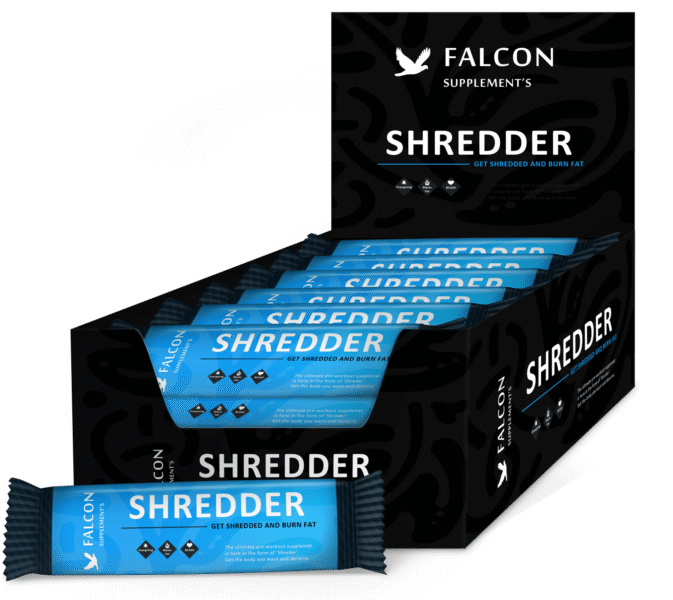
Custom printed stick packs on countertop display
Countertop Display
Facebook
Twitter
LinkedIn
Pinterest
Relevant Posts