
Home » POP Displays for Big Box vs Specialty Retail
POP Displays for Big Box vs Specialty Retail
Not all retail environments are the same—and your POP display shouldn’t be either.
What works in big box retail often fails in specialty stores, and vice versa. The difference isn’t just aesthetic—it’s driven by volume, space, shopper behavior, and operational constraints.
Choosing the wrong display format leads to:
- Poor placement
- Low sell-through
- Inefficient execution
The right choice aligns the display with how the retail environment actually functions.
Big Box Retail: Volume, Efficiency, and Scale
Big box environments are built for:
- High traffic
- High inventory turnover
- Operational efficiency
Displays need to support scale and durability.
What Works in Big Box
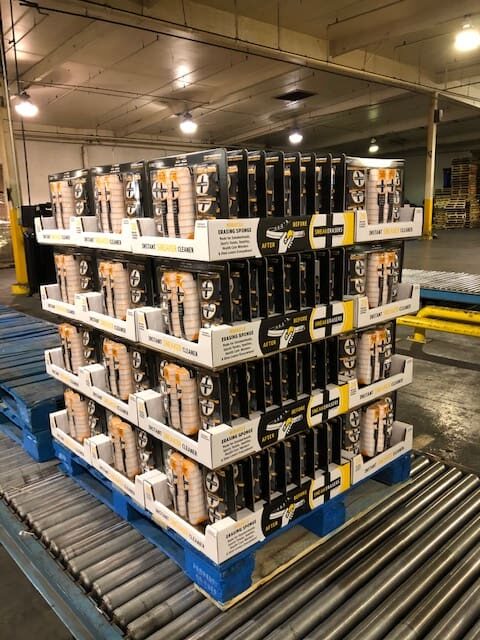
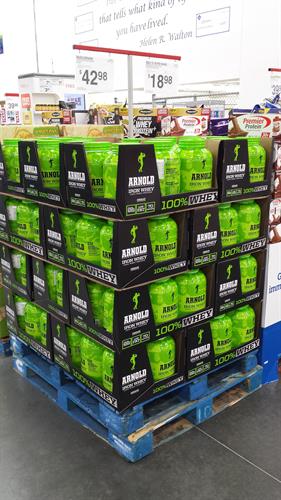
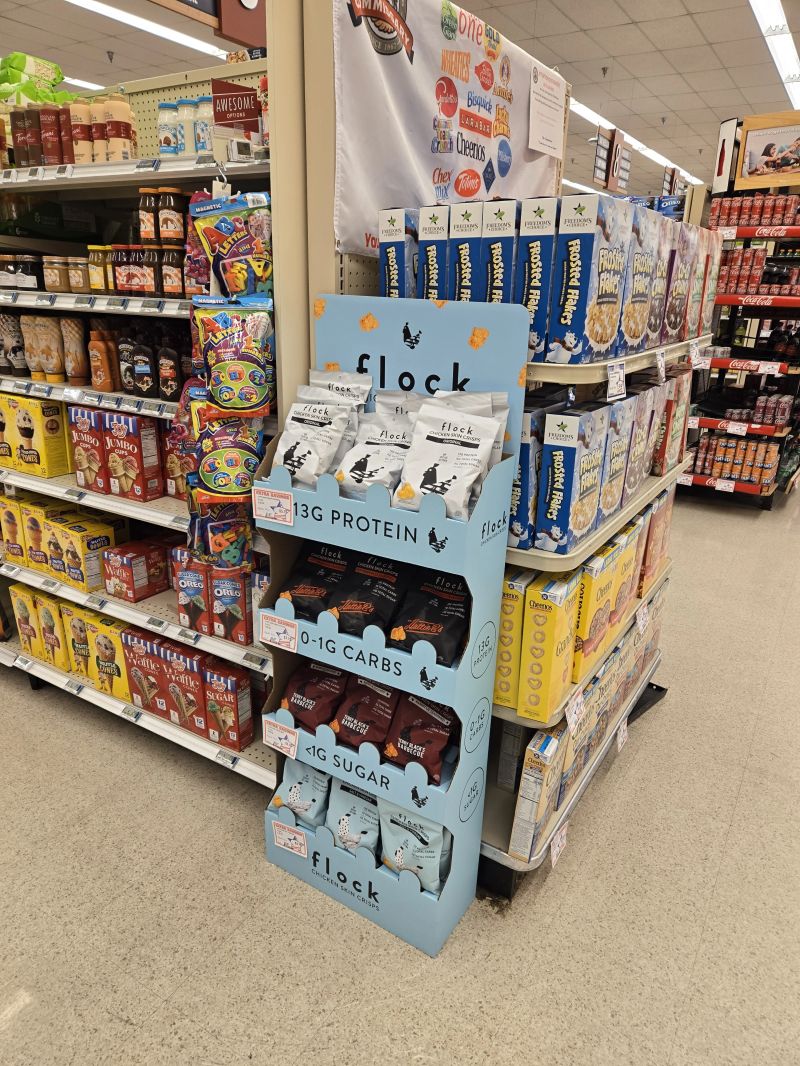
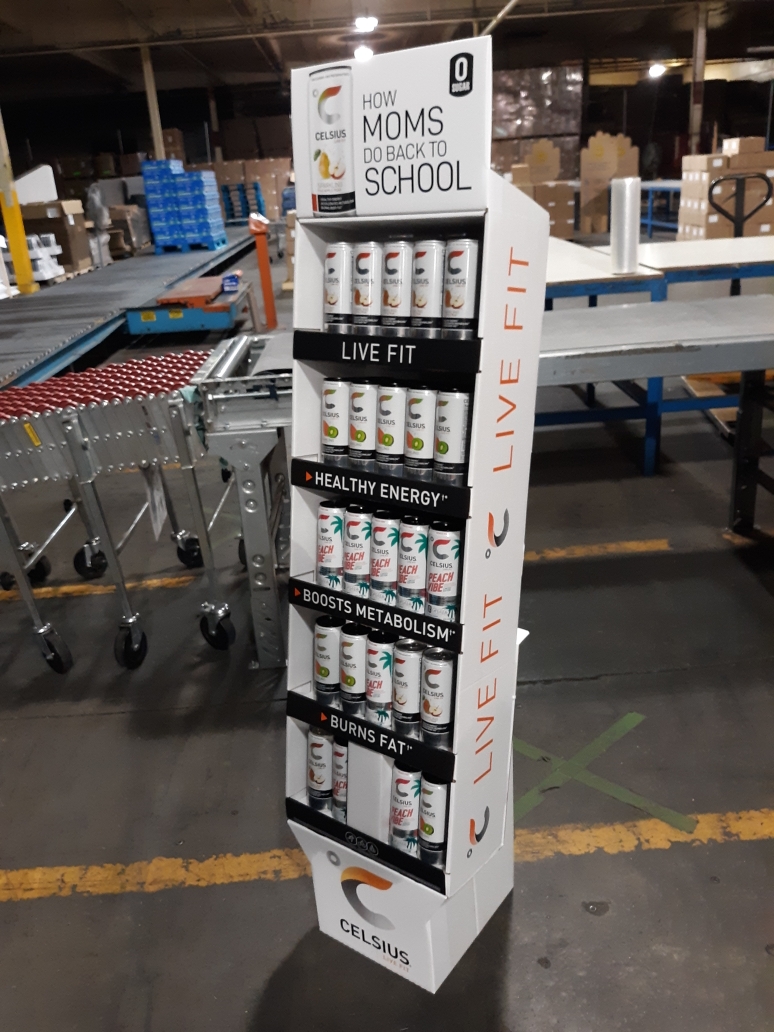
- Floor displays and pallet displays
- High-capacity structures for bulk product
- Durable corrugated construction
- Simple, fast setup (often pre-assembled or hybrid)
What Matters Most
- Load strength and stability
- Ease of replenishment
- Compliance with retailer specifications
- Efficient use of floor space
Graphics matter—but performance matters more.
Specialty Retail: Experience and Brand Presentation
Specialty stores operate differently.
They focus on:
- Curated product selection
- Brand experience
- Controlled environments
Displays here are less about volume—and more about presentation and perception.
What Works in Specialty Retail
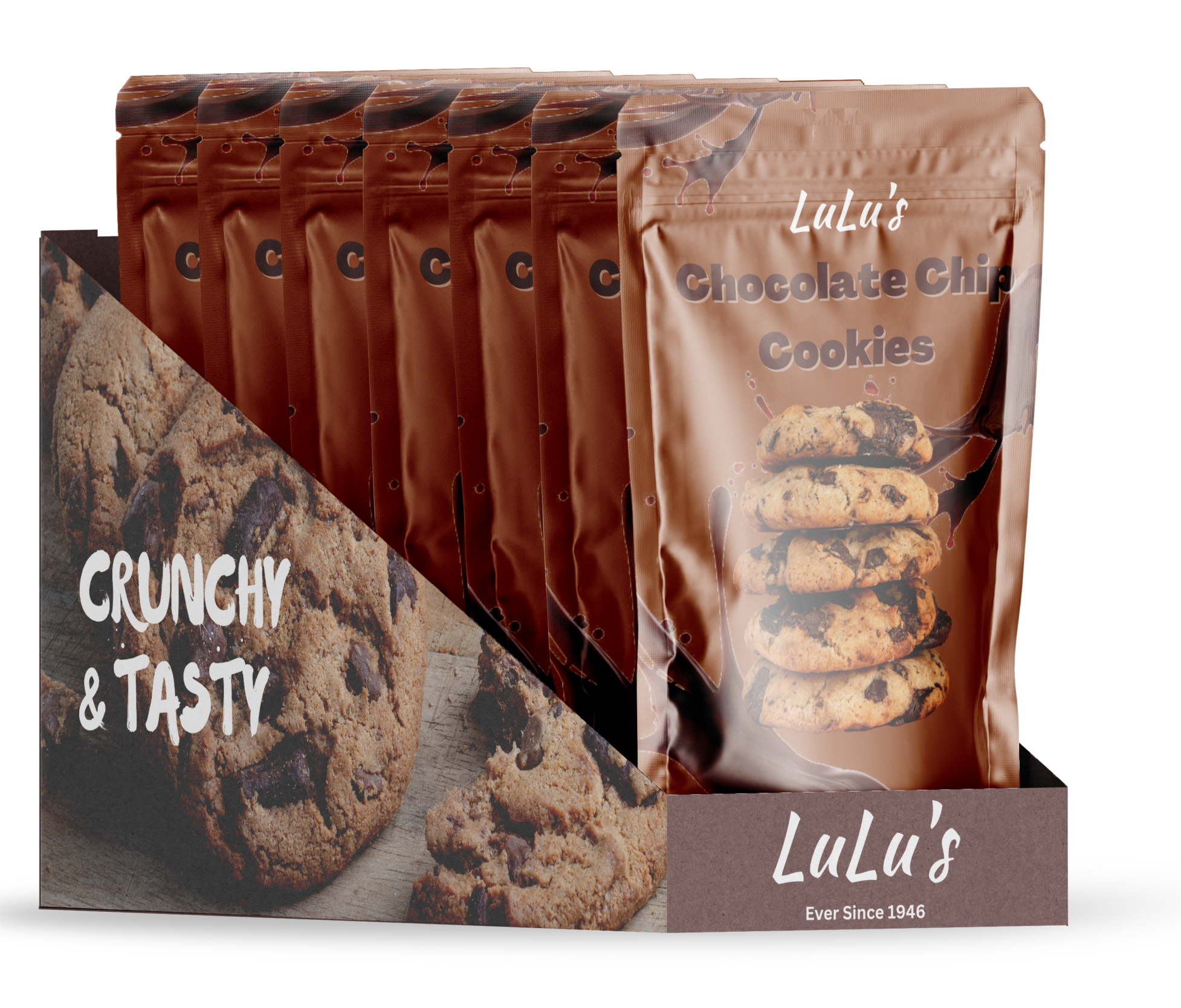
- Counter displays and small footprint units
- Higher-end materials or finishes
- Cleaner, more minimal design
- Lower product capacity with stronger visual focus
What Matters Most
- Visual appeal and brand alignment
- Compact footprint
- Ease of integration into store layout
- Consistency with overall merchandising
Here, appearance carries more weight—but structure still matters.
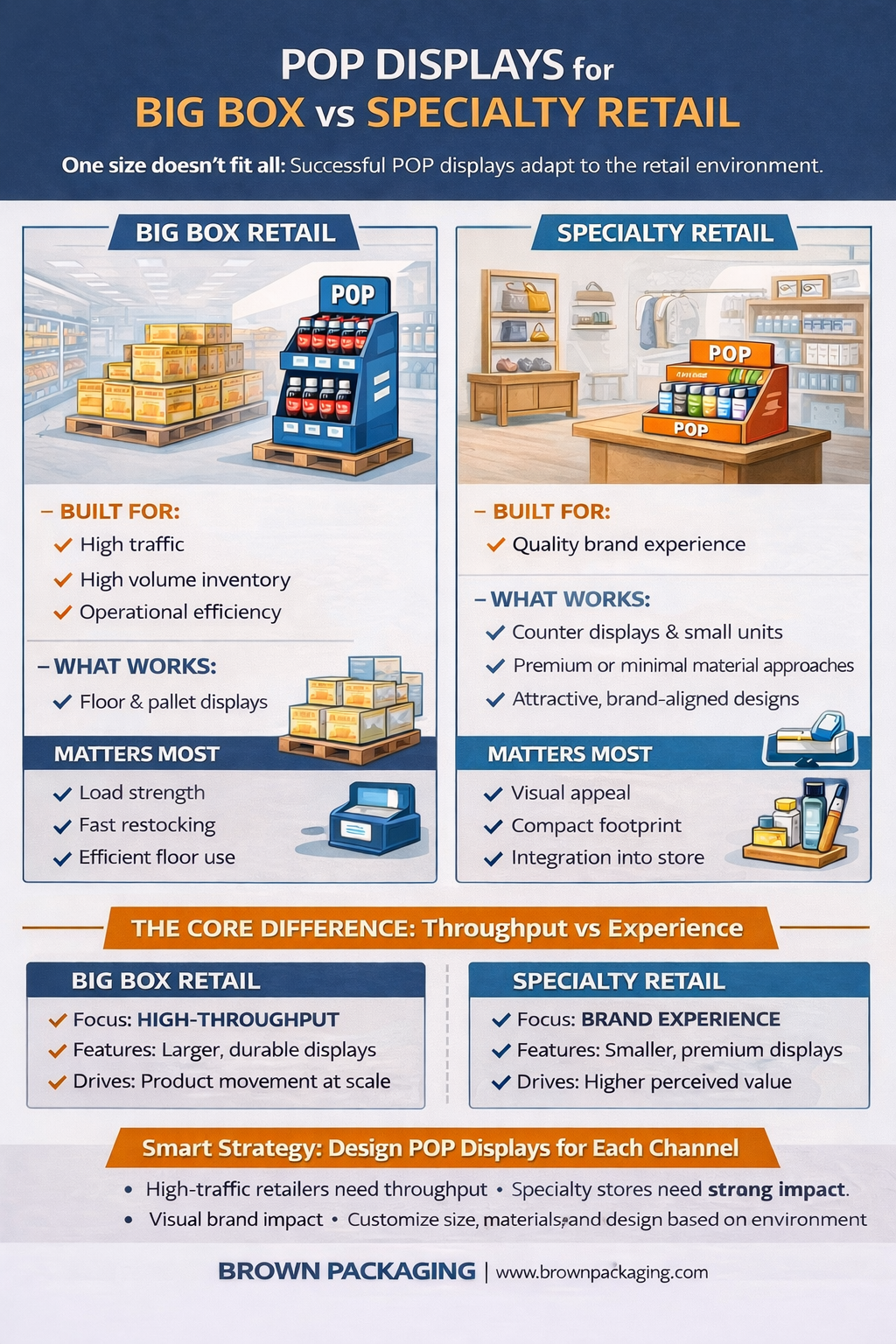
The Core Difference: Throughput vs Experience
This is the key distinction:
- Big box retail = throughput and efficiency
- Specialty retail = presentation and experience
Design decisions should follow this—not personal preference.
Display Size and Footprint Strategy
Big box:
- Larger footprint
- Higher product capacity
- Designed for visibility across wide aisles
Specialty:
- Smaller footprint
- Space-efficient design
- Must fit within tighter merchandising areas
Using a large display in a specialty store can feel intrusive.
Using a small display in big box can get lost.
Material and Structural Considerations
Big box:
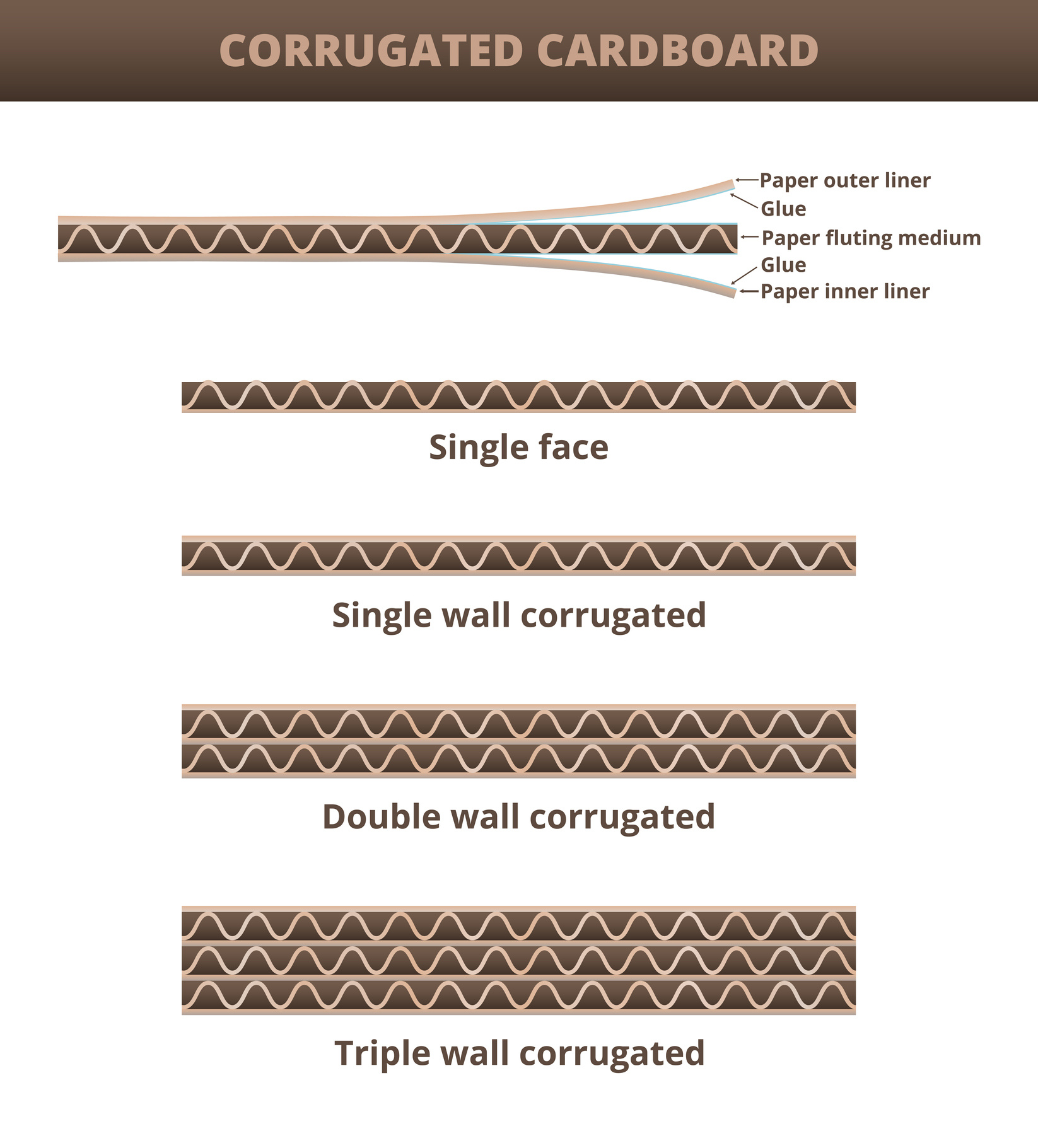
- Stronger board grades (B, C, or double-wall)
- Reinforced load-bearing structures
- Durability over extended use
Specialty:
- Lighter structures acceptable
- Greater focus on finish and print quality
- Shorter lifecycle expectations in some cases
Material choice should reflect environmental demand—not just budget.
Replenishment and Labor Differences
Big box:
- Frequent replenishment
- Higher product movement
- Requires fast, efficient restocking
Specialty:
- Lower volume movement
- More controlled restocking
- Less operational pressure
Displays must match how often they’ll be handled.
Where Brands Get It Wrong
- Using the same display across all retail channels
- Overbuilding for specialty retail
- Underbuilding for big box environments
- Prioritizing aesthetics over function (or vice versa)
- Ignoring retailer-specific requirements
One-size-fits-all rarely works.
The Smart Approach: Channel-Specific Design
High-performing brands:
- Adapt display design to each retail channel
- Maintain consistent branding across formats
- Adjust structure, size, and materials based on environment
This ensures:
- Better placement
- Higher sell-through
- More efficient execution
What the Right Decision Looks Like
The right display:
- Matches retail environment demands
- Supports product movement and visibility
- Aligns with store layout and constraints
- Balances cost with performance
It’s not about preference—it’s about fit.
How Brown Packaging Aligns Displays with Retail Channels
At Brown Packaging, POP displays are designed based on where they’ll perform—not just how they’ll look.
We help brands:
- Adapt display formats for different retail environments
- Optimize structure for volume, space, and durability
- Align materials and print with channel expectations
- Ensure compliance and execution across retailers
Because the best display isn’t universal—it’s purpose-built for where it lives.
References
Shop! Association. (2023). Retail Channel Display Guidelines.
NielsenIQ. (2022). Retail Environment and Shopper Behavior Study.
Freedonia Group. (2023). Retail Display Market Analysis.
Deloitte. (2022). Retail Operations and Merchandising Report.
Soroka, W. (2009). Fundamentals of Packaging Technology (4th ed.). IoPP.
Most POP displays are designed for day-one appearance—not for what happens after the first few units sell. That’s a problem. Because in retail, performance is determined by what happens during
Most POP display decisions eventually come down to a tradeoff:make it look better or make it perform better. The mistake is thinking you have to choose. In reality, the best-performing
Many packaging purchasing decisions are made by comparing price per box. While this metric is easy to evaluate, it often fails to capture the real economics of packaging systems. Packaging
A POP display isn’t successful when it looks good leaving production—it’s successful when it arrives intact, gets placed correctly, and performs in-store. The problem is most displays are designed for
Home » POP Displays for Big Box vs Specialty Retail