


Home » Retail Packaging Trends for 2026
Retail Packaging Trends for 2026
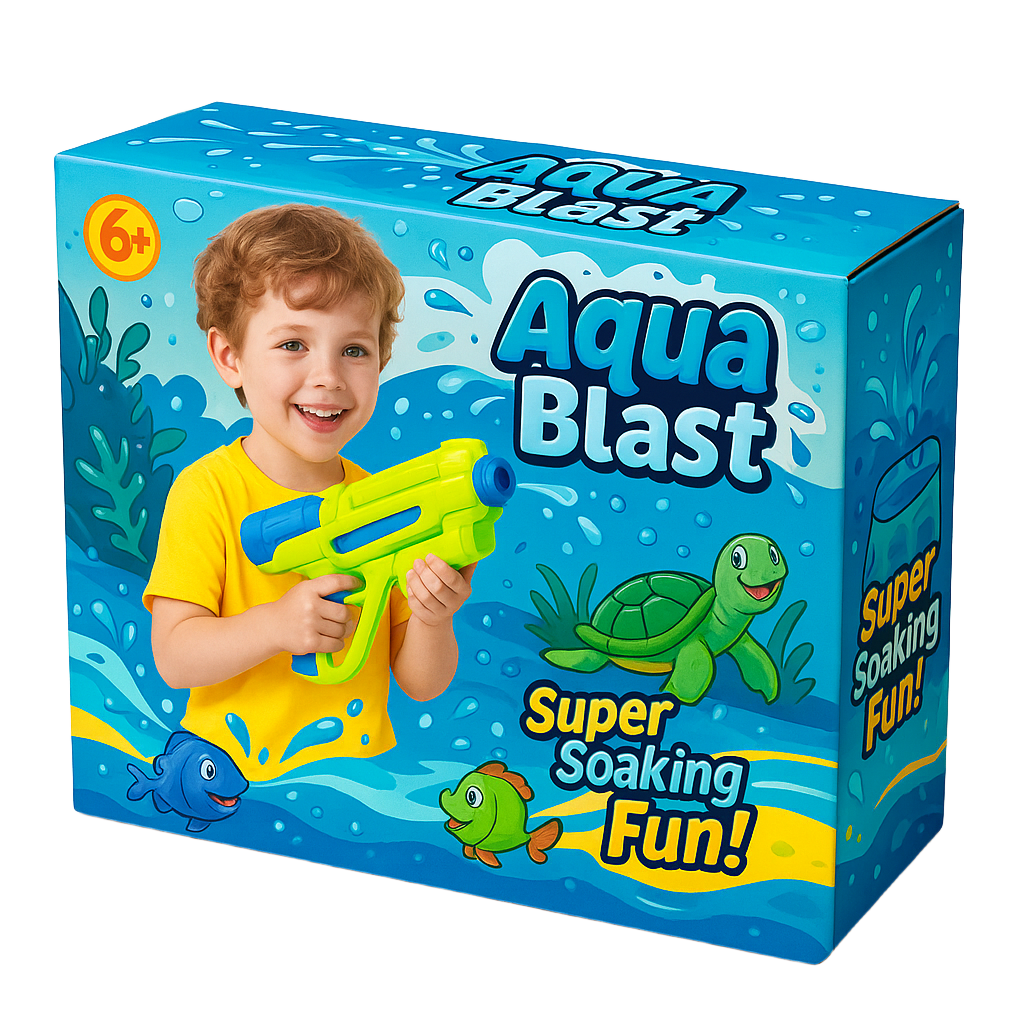
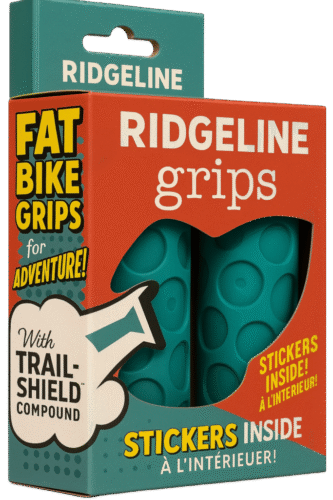
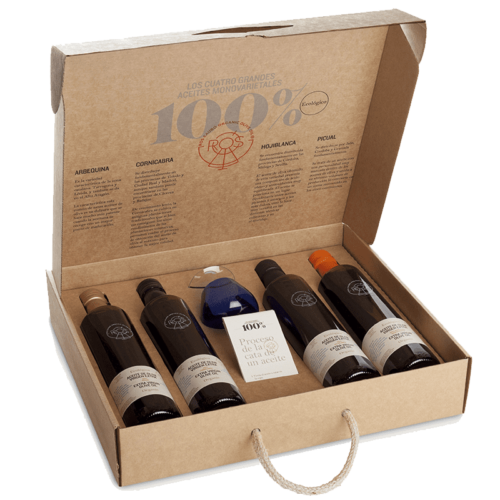
Retail packaging continues to evolve as brands balance sustainability, supply chain performance, and consumer experience. In 2026, buyers face new challenges shaped by material innovation, compliance requirements, and rising consumer expectations. Understanding these trends helps companies stay competitive while aligning packaging programs with industry standards.
Sustainability Becomes Non-Negotiable
- Greater use of recyclable and compostable substrates.
- Retailers pushing suppliers toward FSC-certified materials.
- Minimalist designs that reduce waste without losing impact.
Smarter Packaging for Supply Chains
- Increased adoption of right-sizing to reduce freight costs.
- Boxes designed for automation and faster fulfillment.
- Stronger corrugated grades to withstand long e-commerce journeys.
Enhanced Consumer Experience
- Custom graphics for seasonal campaigns and limited editions.
- Tear strips, resealable closures, and window cutouts for convenience.
- Premium finishes that elevate gift packaging at retail.
Growth of Hybrid Packaging Formats
- Combining corrugated strength with folding carton graphics.
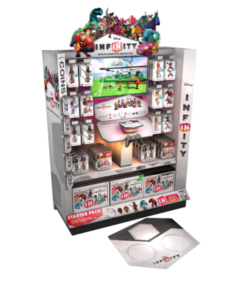
- Modular designs for multi-SKU and club store environments.
- Packaging engineered to serve both e-commerce and in-store needs.
Compliance and Testing Standards
- Retailers demanding ISTA and ASTM testing for packaging durability.
- Supply chain audits on recyclability and sustainability claims.
- More pressure for transparent reporting on environmental impact.
Retail Packaging Solutions with Brown Packaging
Brown Packaging helps brands adapt to evolving retail packaging trends. From sustainable substrates to automation-friendly designs, our solutions balance branding, durability, and compliance for 2026. Contact us to prepare your packaging program for the year ahead.
References
Forest Stewardship Council (FSC). (2023). FSC Packaging Certification Guidelines. Retrieved from https://fsc.org
Sustainable Packaging Coalition. (2023). Packaging Trends and Consumer Insights. Retrieved from https://sustainablepackaging.org
Soroka, W. (2009). Fundamentals of Packaging Technology (4th ed.). Institute of Packaging Professionals.
Retail packaging continues to evolve as brands balance sustainability, supply chain performance, and consumer experience. In 2026, buyers face new challenges shaped by material innovation, compliance requirements, and rising consumer
Supplier contracts can make or break a packaging program. Without the right terms, buyers risk price volatility, missed lead times, and inconsistent product quality. In 2026, negotiating smart contracts is
Packaging compliance is no longer optional—it’s a requirement for accessing retail shelves, shipping networks, and international markets. In 2026, buyers must navigate evolving regulations around sustainability, labeling, and testing to
In 2026, sustainability is no longer just a trend—it’s a buyer expectation. Forest Stewardship Council (FSC) certification has become a key benchmark for responsible packaging, signaling that materials are sourced
Home » Retail Packaging Trends for 2026
With the rise in accidental medication ingestions by children each year, it has become increasingly important to implement child-resistant packaging. Among various packaging solutions, child-resistant blister packs stand out for their potential in enhancing consumer safety. This blog will delve deep into understanding the role of child-resistant blister packs in consumer safety. What are Child-Resistant Blister Packs? Child-resistant blister packs are special types of packaging designed to reduce the risk of children ingesting hazardous substances. These are often used for prescription drugs, over-the-counter medications, and even some types of household chemicals. A perfect example of a child-resistant blister pack is known as a trap pack. A “trap pack” is a specialized packaging designed to thwart unauthorized access, particularly by children, and includes a built-in mechanism or technology to alert caregivers or parents when tampering occurs. These innovative packages enhance child safety by combining physical barriers with real-time alert systems to prevent access to potentially hazardous contents. These packs are specifically designed to be difficult for children to open, usually requiring a level of dexterity or understanding beyond their capabilities. However, they are also designed to allow adults to open them without too much difficulty. Why Child-Resistant Packaging is Important? Over the years, accidental poisoning from medication has been a significant concern. Children are naturally curious and love to explore their environment by tasting, touching, and sniffing unfamiliar objects. If they gain access to potentially harmful substances, such as certain medications or household chemicals, the results can be dangerous or even fatal. According to the American Association of Poison Control Centers, over 50% of the over two million poisoning incidents each year in the United States happen to children under the age of six. This underscores the need for effective child-resistant packaging. Design and Features of Child-Resistant Blister Packs Most child-resistant blister packs feature one or more barriers to entry. These could be hard-to-pierce foils, push-through tabs, or complex series of steps that need to be completed before the medication can be accessed. These features have to strike a delicate balance: being complex enough to deter children, but not so complex that they prevent adults, especially the elderly, from accessing their medication. The Effectiveness of Child-Resistant Blister Packs The introduction of child-resistant packaging has been associated with a significant decline in child poisonings. The US Consumer Product Safety Commission estimates that child-resistant packaging prevents the poisoning of 50,000 children each year in the US alone. Despite this, child-resistant packaging is not child-proof. In other words, given enough time and determination, a child may eventually be able to access the contents of the package. Therefore, while these blister packs add an extra level of safety, they should not be viewed as a replacement for responsible storage of medication and other dangerous substances out of children’s reach. Child-Resistant Blister Packs and Elderly Consumers While child-resistant blister packs are designed to protect children, there’s a group of consumers who sometimes struggle with them: the elderly. Due to potential issues like decreased hand strength and dexterity, or cognitive decline, some seniors find these packs difficult to open. Recognizing this problem, the industry has started to implement dual-functional packaging. These packages maintain their child-resistant properties when closed in one way, but become easy-to-open when closed in another way, catering to the needs of elderly or disabled consumers. The Future of Child-Resistant Packaging The packaging industry continues to innovate in response to the needs of consumers. Emerging technology, like biometrics, may play a role in future child-resistant packaging designs. For example, packaging that only opens with the touch of an adult hand could offer an effective and user-friendly solution. Additionally, there’s ongoing research and development in the area of “trap packs,” which are designed to not only deter children from opening them but also to alert caregivers or parents when tampering is attempted. Summary: Blister Packs and Child Safety Child-resistant blister packs play a crucial role in consumer safety. By making it harder for children to access potentially harmful substances, they significantly reduce the risk of accidental poisoning. However, it’s crucial to remember that these packs are an additional safeguard and not a replacement for careful storage and supervision. As technology advances, we can look forward to even more effective child-resistant packaging solutions. If you are interested in blister packs, then partner with Brown Packaging today to get started. (714)300-0650 request@brownpackaging.com Most Recent Posts: Categories: Corrugated Ecommerce ESD Design Display Flexible Packaging Foam Folding Carton Packaging Plastic Packaging Pouch Printing Protection Retail Rigid Box Thermoform Sustainability Subscribe To Our Newsletter By submitting your information, you agree to our terms and conditions and privacy policy. Blister Packaging Facebook Twitter LinkedIn Pinterest Relevant Posts
The holiday season is the busiest—and most demanding—time of year for e-commerce packaging. Higher shipping volumes, faster turnaround times, and rougher handling conditions increase the risk of product damage. For packaging buyers, preventing costly returns and protecting brand reputation requires balancing structural strength, material efficiency, and smart design choices. The Risks of Peak Season Shipping During peak periods, parcels move through more touchpoints than at any other time of year. This creates conditions that amplify damage risks: Increased handling: More scans, transfers, and repacks. Stacking and compression: Trailers and warehouses filled to maximum capacity. Temperature extremes: Exposure to cold, moisture, or fluctuating environments. Rushed labor: Faster fulfillment increases the chance of rough handling. Key Packaging Strategies for Damage Prevention Right-size boxes: Eliminate empty space that allows product shifting. Reinforced materials: Choose double-wall or high-performance corrugated for heavy SKUs. Protective inserts: Foam, corrugated, or molded pulp provide stability. Edge and corner protection: Absorb shock during stacking and transit. Moisture resistance: Add coatings or liners for weather-sensitive deliveries. Testing Packaging for Peak Loads Simulation testing before the holiday rush ensures packaging is fit for purpose: Vibration testing: Replicates conditions of long-haul transit. Compression testing: Confirms stacking strength under peak loads. Drop testing: Evaluates impact protection across handling points. Investing in testing reduces the risk of large-scale returns that erode profit margins. Balancing Cost and Performance Not every product requires heavy-duty protection. Over-packaging drives up material and freight costs. Buyers should focus on: Identifying SKUs most vulnerable to damage. Applying protective features only where necessary. Leveraging data from past returns to guide improvements. Holiday Packaging Solutions with Brown Packaging Brown Packaging helps brands design e-commerce packaging that survives peak season conditions without unnecessary cost. From reinforced corrugated boxes to protective inserts and coatings, our solutions ensure your products arrive intact and customer-ready. Contact us to prepare your packaging program for the holiday rush. References ASTM International. (2023). ASTM D4169: Standard Practice for Performance Testing of Shipping Containers and Systems.Soroka, W. (2009). Fundamentals of Packaging Technology (4th ed.). Institute of Packaging Professionals.International Safe Transit Association (ISTA). (2022). ISTA Series Test Procedures for Packaged Products in Transit. (714)300-0650 request@brownpackaging.com Most Recent Posts: Categories: Corrugated Ecommerce ESD Design Display Flexible Packaging Foam Folding Carton Packaging Plastic Packaging Pouch Printing Protection Retail Rigid Box Thermoform Sustainability Subscribe To Our Newsletter By submitting your information, you agree to our terms and conditions and privacy policy. Ecommerce Packaging Facebook Twitter LinkedIn Pinterest Relevant Posts
In the ever-evolving world of commerce, packaging serves as a pivotal bridge between businesses and their customers. As shopping habits shift and technology continues to shape the way we buy, the choice between e-commerce and retail packaging has become a crucial decision for brands seeking to provide a seamless and delightful customer experience. This blog delves into the nuances of e-commerce and retail packaging, highlighting their differences, challenges, and the strategies brands can employ to create packaging solutions that resonate with their audience. Defining E-commerce and Retail Packaging E-commerce Packaging: E-commerce packaging refers to the protective materials used to encase products during shipping to customers who order online. It includes elements such as corrugated boxes, bubble mailers, and protective cushioning to ensure products arrive intact. Retail Packaging: Retail packaging, on the other hand, encompasses the design and materials used to package products intended for in-store displays. It focuses on enhancing the visual appeal of products on shelves, capturing attention, and driving in-store sales. Different Stages, Different Needs E-commerce Packaging: Protection is Paramount: E-commerce packaging must withstand the rigors of shipping, handling, and potential impacts. Products need to arrive in pristine condition, requiring sturdy and well-padded materials. Unboxing Experience: Brands have a unique opportunity to create a memorable unboxing experience for online customers. Custom packaging, personal notes, and creative designs contribute to customer satisfaction. Sustainability Matters: The rise of eco-conscious consumers has led to a demand for sustainable e-commerce packaging solutions. Brands are exploring recyclable, compostable, and reusable materials to align with environmental values. Retail Packaging: Visual Impact: Retail packaging is designed to catch the eye of in-store shoppers. Packaging colors, shapes, and graphics play a crucial role in drawing attention and encouraging impulse purchases. In-store Display: Retail packaging needs to fit seamlessly within in-store displays, emphasizing aesthetics and brand consistency. Shelving, hanging, and stacking considerations influence design. Personal Touch: The tactile experience of physically handling products in-store creates an opportunity for brands to connect with customers on a personal level. Packaging materials and finishes contribute to this experience. Challenges and Solutions E-commerce Packaging Challenges: Dimensional Accuracy: Online orders come in various shapes and sizes, making it challenging to find the perfect-fit packaging. Brands are adopting customizable packaging solutions to reduce excess space and shipping costs. Brand Identity: Replicating the brand’s identity in e-commerce packaging can be challenging due to size constraints. However, brands are finding innovative ways to include logos, colors, and designs. Sustainability Dilemma: Balancing the need for protective e-commerce packaging with sustainable materials is a challenge. Brands are exploring lightweight yet sturdy materials and optimizing package sizes. Retail Packaging Challenges: Standout Competition: In-store shelves are filled with products competing for attention. Retail packaging must be unique and engaging to stand out amidst the visual clutter. Limited Shelf Space: Shelf space is limited, which requires brands to design packaging that is compact yet impactful. Clever designs that maximize visibility are essential. Seasonal Changes: Retailers often require packaging that can adapt to seasonal changes in promotions and displays. Flexible packaging solutions that can be easily updated or replaced are crucial. Strategies for Success E-commerce Packaging Strategies: Right-Sized Packaging: Utilizing packaging that matches the product’s dimensions reduces waste and shipping costs. Unboxing Delight: Thoughtful unboxing experiences create a positive impression and encourage social media sharing. Eco-friendly Approach: Brands can adopt sustainable materials and communicate their commitment to eco-conscious customers. Retail Packaging Strategies: Captivating Design: Engaging designs that align with brand identity and resonate with target consumers enhance shelf presence. Space Optimization: Efficient packaging that maximizes shelf space while showcasing product features is essential. Easy Inventory Management: Brands can explore packaging solutions that simplify restocking and replenishment processes. A Symbiotic Relationship E-commerce and retail packaging are not mutually exclusive; they complement each other to provide a comprehensive brand experience. Brands that seamlessly transition between online and in-store shopping by maintaining consistent visual elements and aligning their packaging strategies can create a cohesive and memorable journey for customers. In a rapidly evolving retail landscape, understanding the distinct requirements of e-commerce and retail packaging is essential for brands to thrive. By embracing the challenges, implementing effective strategies, and prioritizing the customer experience, brands can navigate the packaging landscape to deliver value, delight, and satisfaction at every touchpoint. If you are interested in ecommerce and/or retail packaging, then partner with Brown Packaging today. (714)300-0650 request@brownpackaging.com Most Recent Posts: Categories: Corrugated Ecommerce ESD Design Display Flexible Packaging Foam Folding Carton Packaging Plastic Packaging Pouch Printing Protection Retail Rigid Box Thermoform Sustainability Subscribe To Our Newsletter By submitting your information, you agree to our terms and conditions and privacy policy. Ecommerce Packaging Facebook Twitter LinkedIn Pinterest Relevant Posts