




window.uetq = window.uetq || []; window.uetq.push(‘event’, ‘submit_lead_form’,{ event_label:‘SUBMIT MESSAGE’ }); window.lintrk('track', { conversion_id: 10271009 }); window.lintrk('track', { conversion_id: 10271017 });

Meeting 2026 Packaging Compliance Standards

Meeting 2026 Packaging Compliance Standards

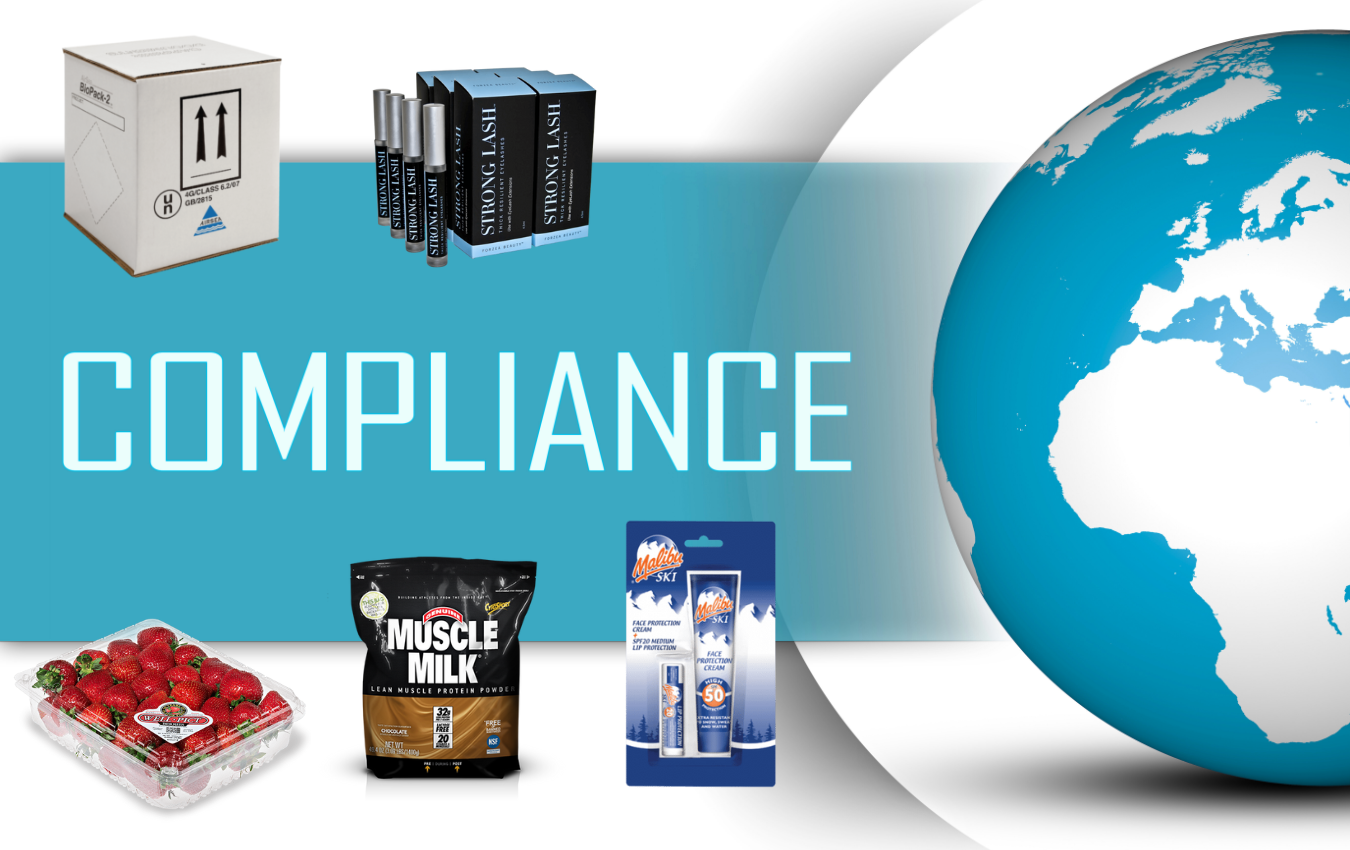
Packaging compliance is no longer optional—it’s a requirement for accessing retail shelves, shipping networks, and international markets. In 2026, buyers must navigate evolving regulations around sustainability, labeling, and testing to avoid costly fines, rejected shipments, or damaged customer relationships.

Why Compliance Matters in 2026

  • Retail requirements: Major retailers demand FSC, ISTA, and sustainability certifications.
  • E-commerce standards: Carriers enforce dimensional weight and package testing rules.
  • Global trade: Export packaging must comply with ISPM 15, ASTM, and ISO guidelines.
  • Consumer trust: Transparency in packaging claims impacts purchasing decisions.
Corrugated Boxes Vs Folding Cartons: Which to Choose for Retail Packaging

Key Compliance Areas for Buyers

  • Material sourcing: FSC-certified corrugated and board for sustainability.
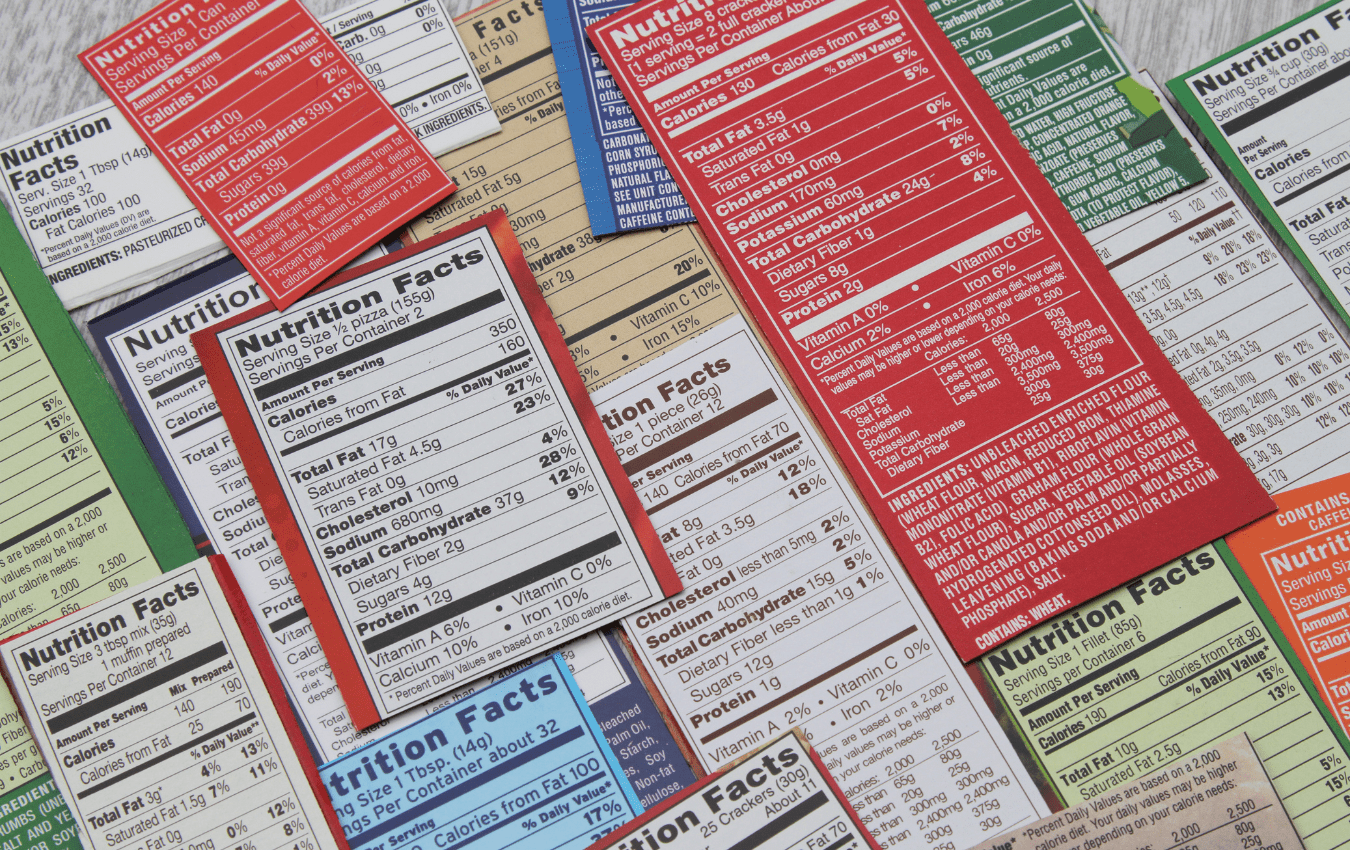
  • Labeling standards: GS1-compliant barcodes and accurate product details.
  • Durability testing: ISTA and ASTM protocols for drop, vibration, and compression.
  • Sustainability regulations: Requirements for recyclable or compostable materials.
  • Chemical restrictions: Compliance with FDA, EU, or state-specific standards.
Food Labeling Regulations: A Guide for Packaging Buyers

Common Compliance Challenges

  • Keeping up with frequent regulatory changes.
  • Managing multiple certifications across suppliers.
  • Balancing compliance with cost-efficiency.
  • Verifying supplier claims for sustainability.

Best Practices for Staying Compliant

  • Audit suppliers annually to confirm certification validity.
  • Run internal packaging tests before scaling.
  • Track regulatory updates for each region you ship to.
  • Work with experienced partners who understand industry compliance.
Packaging Supplier

Packaging Solutions with Brown Packaging

Brown Packaging helps buyers meet 2026 compliance standards with FSC-certified materials, ISTA-tested designs, and regulatory expertise. Our team ensures your packaging meets retailer, carrier, and sustainability requirements. Contact us to keep your program compliant.

References


Forest Stewardship Council (FSC). (2023). FSC Certification Guidelines for Packaging. Retrieved from https://fsc.org
International Safe Transit Association (ISTA). (2023). ISTA Testing Procedures for Transport Packaging. Retrieved from https://ista.org
GS1. (2024). Global Standards for Packaging and Labeling. Retrieved from https://www.gs1.org

Most Recent Posts:
Meeting 2026 Packaging Compliance Standards

Packaging compliance is no longer optional—it’s a requirement for accessing retail shelves, shipping networks, and international markets. In 2026, buyers must navigate evolving regulations around sustainability, labeling, and testing to

Read More »
Comparing Single vs. Multi-Material Packaging

Choosing the right packaging material is one of the most important decisions buyers face. Single-material packaging offers simplicity and recyclability, while multi-material designs provide enhanced performance and protection. Understanding the

Read More »
Categories:
Subscribe To Our Newsletter

By submitting your information, you agree to our terms and conditions and privacy policy.

Custom Packaging
Facebook
Twitter
LinkedIn
Pinterest
Relevant Posts
Understanding Shipping Regulations in Packaging
Packaging
brownpackaging
Understanding Shipping Regulations in Packaging

In the intricate landscape of logistics and supply chain management, compliance with shipping regulations is a critical aspect that businesses must navigate meticulously. The packaging of goods plays a pivotal role in adhering to these regulations. This blog post aims to dissect the complexities of shipping regulations and how they impact packaging, providing businesses with the knowledge to ensure compliance. Understanding Shipping Regulations Shipping regulations are a set of rules and standards set by authorities and shipping companies to ensure the safe, efficient, and legal transport of goods. These regulations can vary widely depending on the mode of transportation, the type of goods being shipped, and the countries involved. Importance of Compliance Compliance with shipping regulations is not just a legal requirement but also a business necessity. Non-compliance can lead to delays, fines, and even the seizure of goods, which can damage a company’s reputation and bottom line. Key Aspects of Shipping Regulations in Packaging Size and Weight Limitations: Most shipping carriers have specific size and weight limits for packages. Exceeding these limits can result in additional charges or shipment rejections. Hazardous Materials: The packaging of hazardous materials (Hazmat) is subject to stringent regulations to prevent accidents during transit. Labeling and Documentation: Proper labeling and accompanying documentation are crucial for smooth customs clearance and compliance with international shipping standards. Packaging Materials: Some regulations dictate the type of materials that can be used, especially for international shipments, to prevent environmental harm and pest infestation. Strategies for Compliance Stay Informed: Regularly update your knowledge of shipping regulations, which can change frequently, especially in international contexts. Design for Compliance: Consider regulatory requirements in the initial stages of packaging design to avoid costly redesigns or delays. Training and Education: Ensure that your staff, especially those involved in packaging and logistics, are well-trained in compliance matters. Build Relationships with Carriers: Establish strong relationships with shipping carriers and logistics providers who can offer valuable guidance on compliance. Challenges in Compliance Complexity of International Shipping: Navigating the myriad of regulations across different countries can be daunting and requires thorough research and planning. Evolving Regulations: Shipping regulations, especially those related to safety and environmental protection, are constantly evolving. Technological Solutions Software for Compliance Management: Utilize software solutions that help in managing and staying updated with shipping regulations. Automation in Packaging: Automated packaging systems can be programmed to comply with various shipping standards, reducing the risk of human error. Environmental Regulations Sustainable Packaging: Environmental regulations are increasingly influencing packaging choices. Eco-friendly and recyclable materials are not only beneficial for the planet but also align with global shipping regulations. If you are interested in packaging that is compliant to specific shipping regulations, then partner with Brown Packaging today to get started. (714)300-0650 request@brownpackaging.com Most Recent Posts: Categories: Corrugated Ecommerce ESD Design Display Flexible Packaging Foam Folding Carton Packaging Plastic Packaging Pouch Printing Protection Retail Rigid Box Thermoform Sustainability Subscribe To Our Newsletter By submitting your information, you agree to our terms and conditions and privacy policy. Stock Packaging Facebook Twitter LinkedIn Pinterest Relevant Posts

Read More »
How to Reuse and Recycle Shipping Tubes
Packaging
brownpackaging
How to Reuse and Recycle Shipping Tubes

In an age where sustainability and ecological responsibility take center stage, our individual roles in environmental preservation have never been more crucial. A key part of this role includes recycling, but we can do even more by reusing items as much as possible before they end up in the recycle bin. Today, we’ll be focusing on an often-overlooked recyclable: the humble shipping tube. Often used for packaging items like posters, blueprints, and textiles, these tubes usually end up in the trash. Here’s a guide on how we can transform them into useful items and eventually recycle them responsibly. Understanding the Importance of Shipping Tube Recycling Before diving into the ways to recycle and reuse shipping tubes, let’s first grasp why it’s vital. Environmental Impact: In general, recycling reduces the need for new raw materials, subsequently reducing deforestation and mining impacts. It also curtails the energy expended in production processes, hence reducing greenhouse emissions. Landfill Reduction: Every item that’s reused or recycled is an item that doesn’t end up in a landfill. Shipping tubes, mainly made from cardboard, paper, or plastic, can take years to degrade and may release harmful chemicals in the process. Economic Efficiency: Reusing and recycling also save money by reducing the need for purchasing new items and by generating income in the recycling and manufacturing industries. Innovative Ways to Reuse Shipping Tubes Before you send your shipping tubes off to be recycled, consider whether you can give them a second life. Below are some creative ideas for reusing these versatile cylinders: Craft Projects: Shipping tubes make great materials for kids’ craft projects. They can become kaleidoscopes, binoculars, musical instruments, or parts of a castle. Storage Solutions: Cut shipping tubes into smaller sections to create custom drawer organizers. Alternatively, keep them whole for storing important documents, artworks, or textiles. Garden Aids: Use them to support young plants or as seedling starters. The biodegradable tubes can be planted directly in the ground, gradually decomposing and adding organic matter to your garden. Proper Recycling of Shipping Tubes When your shipping tubes have been reused to the point of no return, it’s time to recycle them. Here’s how to do it responsibly: Preparation: Remove any plastic caps and non-recyclable materials from the tubes. If your shipping tube came with plastic ends, these usually need to be recycled separately from the tube itself. Recycling Bins: If your local curbside recycling program accepts cardboard or the type of plastic your shipping tubes are made from, you can typically place them in your recycling bin. Always check your local guidelines as these can vary. Recycling Centers: If curbside recycling isn’t an option, take your shipping tubes to a recycling center. These facilities have the ability to recycle various materials, including cardboard and different types of plastic. Commercial Recycling Programs: Some office supply stores and shipping companies offer recycling programs for packaging materials, including shipping tubes. Final Thoughts By reusing and responsibly recycling shipping tubes, we not only reduce waste but also contribute to environmental conservation. And remember, these principles can apply to many other items in our daily lives. Let’s strive for a circular economy, where we reduce, reuse, and recycle as much as possible. Every small action count and contributes to the health and sustainability of our planet. If your interested in custom or stock shipping tubes, then partner with Brown Packaging today to get started. (714)300-0650 request@brownpackaging.com Most Recent Posts: Categories: Subscribe To Our Newsletter By submitting your information, you agree to our terms and conditions and privacy policy. Custom Mailing Tubes Facebook Twitter LinkedIn Pinterest Relevant Posts

Read More »
How To Maximize The Durability of Corrugated Boxes
Corrugated
brownpackaging
Edge Crush Test (ECT) Optimization for E-Commerce Shipments

The Edge Crush Test (ECT) is a critical performance metric for corrugated boxes, directly correlating to stacking strength and load-bearing capacity. In the high-stress world of e-commerce shipping, where packages face frequent handling, multi-stop routes, and varying climates, optimizing ECT values without over-engineering is essential for cost efficiency and product protection. Why ECT Matters in E-Commerce Stacking Strength: Determines how well boxes can withstand vertical loads in warehouse racking or trailer stacking. Material Efficiency: Allows engineers to achieve performance targets with lighter weight liners or mediums, reducing costs. Regulatory Alignment: Certain carriers and industry sectors specify minimum ECT ratings for compliance. Balancing ECT and Basis Weight ECT vs. Mullen Burst: ECT measures column strength; Mullen measures resistance to puncture/tearing. E-commerce often favors ECT for stacked pallet loads. Lightweighting Strategies: Use high-performance recycled fiber blends to maintain stiffness. Incorporate higher-grade outer liners for localized reinforcement. Design Variables That Influence ECT Flute Profile: B- and C-flutes offer different stiffness profiles. B-flute generally yields higher ECT for the same board weight. Adhesive Quality: Uniform glue lines prevent micro-buckling under compression. Moisture Resistance: High humidity can reduce ECT by up to 50%; moisture-resistant coatings help maintain performance. Testing and Standards ASTM D642: Measures box compression strength. TAPPI T839: Determines edgewise compressive strength of corrugated fiberboard using the clamp method. ISTA Series: Full-scale distribution simulation, including drop, vibration, and compression under varying conditions. Optimization in Practice Case Example: Switching from 44 ECT double-wall to 32 ECT single-wall with enhanced flute medium reduced material cost by 14% without increasing damage claims in a 90-day trial. Prototyping: Lab ECT data should be validated through route-specific field testing before large-scale rollout. ReferencesASTM International. (2015). ASTM D642-15: Standard test method for determining compressive resistance of shipping containers. ASTM International. https://www.astm.org/d0642-15.htmlTechnical Association of the Pulp and Paper Industry. (2018). TAPPI T839 om-18: Edgewise compressive strength of corrugated fiberboard using the clamp method. TAPPI. https://www.tappi.org/content/store/shared/T839.htmlInternational Safe Transit Association. (2018). ISTA 6-Series transit tests. ISTA. https://ista.org/ (714)300-0650 request@brownpackaging.com Most Recent Posts: Categories: Corrugated Ecommerce ESD Design Display Flexible Packaging Foam Folding Carton Packaging Plastic Packaging Pouch Printing Protection Retail Rigid Box Thermoform Sustainability Subscribe To Our Newsletter By submitting your information, you agree to our terms and conditions and privacy policy. Custom Corrugated Boxes Facebook Twitter LinkedIn Pinterest Relevant Posts

Read More »

Leave a Comment