
Home » Cutting Packaging Costs Without Sacrificing Protection
Cutting Packaging Costs Without Sacrificing Protection
As budgets tighten in 2026, packaging buyers are under pressure to reduce costs without increasing damage rates. Cutting too aggressively can lead to product loss, higher return rates, and frustrated customers. The key is balancing material use, box design, and supply chain efficiency so that savings do not come at the expense of protection.
Where Packaging Costs Add Up
- Oversized boxes: Drive dimensional weight charges.
- Excess materials: Overuse of void fill and inserts.
- Complex SKU mix: Redundant sizes increase inventory costs.
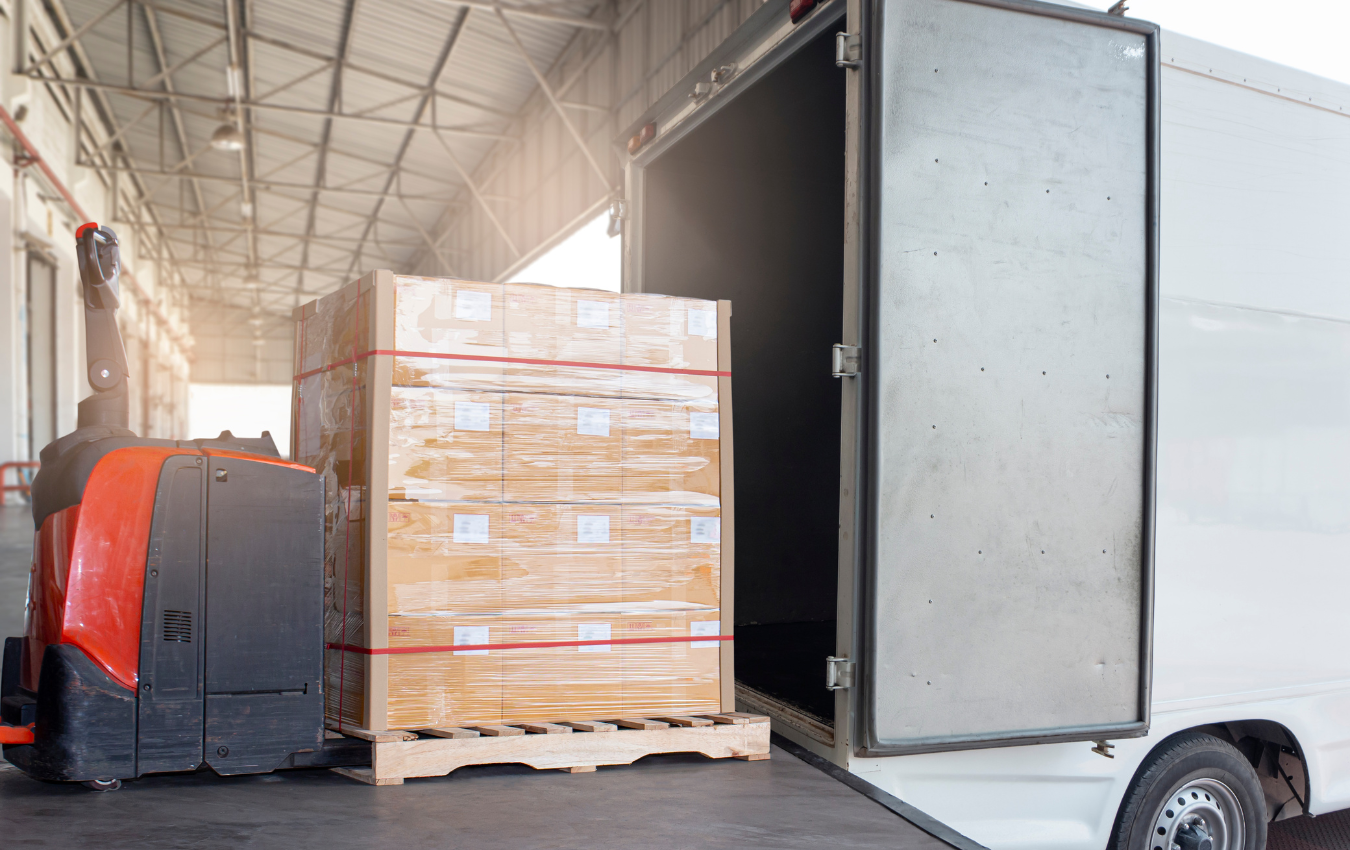
- Inefficient freight: Poor palletization and stacking.
Cost-Saving Strategies That Maintain Protection
- Right-sizing: Match box size to product dimensions to cut DIM charges and material use.
- Optimize corrugated grades: Switch to single- or double-wall where appropriate without compromising strength.
- Consolidate SKUs: Streamline packaging options to reduce inventory overhead.
- Efficient inserts: Replace foam or excess dunnage with engineered corrugated or molded pulp.
- Supplier contracts: Negotiate based on annual volumes, not just peak season orders.
Testing Before Implementing Changes
- Use ASTM and ISTA protocols to ensure changes won’t increase product damage.
- Test for compression, vibration, and drop resistance.
- Run pilot shipments before scaling across the supply chain.
Balancing Sustainability and Cost
Eco-friendly doesn’t have to mean expensive:
- Use recyclable coatings to reduce plastic films.
- Choose corrugated designs that require less material while maintaining stacking strength.
- Highlight sustainable solutions in marketing to offset cost concerns.
Packaging Solutions with Brown Packaging
Brown Packaging helps companies lower costs while protecting products across the supply chain. From SKU rationalization to right-sized corrugated solutions, our team ensures packaging savings don’t compromise performance. Contact us to optimize your packaging program.
References
Soroka, W. (2009). Fundamentals of Packaging Technology (4th ed.). Institute of Packaging Professionals.
ASTM International. (2023). ASTM D4169: Standard Practice for Performance Testing of Shipping Containers and Systems.
Sustainable Packaging Coalition. (2023). Packaging Efficiency and Waste Reduction Report. Retrieved from https://sustainablepackaging.org
Supplier contracts can make or break a packaging program. Without the right terms, buyers risk price volatility, missed lead times, and inconsistent product quality. In 2026, negotiating smart contracts is
Packaging compliance is no longer optional—it’s a requirement for accessing retail shelves, shipping networks, and international markets. In 2026, buyers must navigate evolving regulations around sustainability, labeling, and testing to
In 2026, sustainability is no longer just a trend—it’s a buyer expectation. Forest Stewardship Council (FSC) certification has become a key benchmark for responsible packaging, signaling that materials are sourced
Sustainability is now a top priority for packaging buyers. Retailers, regulators, and consumers are all demanding packaging solutions that reduce environmental impact without sacrificing performance. In 2026, buyers must balance
Home » Cutting Packaging Costs Without Sacrificing Protection

Retail packaging must do two jobs at once—catch the shopper’s eye while protecting the product through the supply chain. Too much focus on graphics can weaken structure, while over-engineering for performance can overlook the branding needed to drive sales. Buyers need solutions that blend both without inflating costs. The Role of Branding in Retail Boxes Shelf impact: Bold graphics and finishes differentiate products in crowded aisles. Consumer connection: Packaging communicates brand values and quality. Promotional flexibility: Seasonal or limited-edition graphics boost sales. The Role of Performance in Retail Boxes Durability: Boxes must withstand shipping, handling, and shelf stocking. Compliance: Structural strength and barcodes must meet retailer requirements. Sustainability: Materials must align with eco goals without compromising strength. How to Balance Branding and Performance Integrated design: Build graphics around structural features like folds, flaps, and windows. Material choice: Use substrates that support high-quality printing and durability. Testing protocols: Ensure performance under ISTA or ASTM standards before scaling. Cost management: Match premium finishes to high-margin SKUs only. Examples in Action Confectionery boxes: Gloss coatings and die-cuts combined with reinforced board. Electronics packaging: Retail-ready graphics with inserts for secure transit. Club store displays: Bulk packaging with strong corrugated and bold branding panels. Packaging Solutions with Brown Packaging Brown Packaging creates retail boxes that balance high-impact branding with supply chain durability. From FSC-certified substrates to performance-tested structures, our solutions help brands stand out while meeting retailer requirements. Contact us to optimize your retail packaging. References Soroka, W. (2009). Fundamentals of Packaging Technology (4th ed.). Institute of Packaging Professionals.Sustainable Packaging Coalition. (2023). Retail Packaging Trends and Sustainability Insights. Retrieved from https://sustainablepackaging.orgASTM International. (2023). ASTM D4169: Performance Testing of Shipping Containers. (714)300-0650 request@brownpackaging.com Most Recent Posts: Categories: Corrugated Ecommerce ESD Design Display Flexible Packaging Foam Folding Carton Packaging Plastic Packaging Pouch Printing Protection Retail Rigid Box Thermoform Sustainability Subscribe To Our Newsletter By submitting your information, you agree to our terms and conditions and privacy policy. Retail Packaging Facebook Twitter LinkedIn Pinterest Relevant Posts

Secondary packaging plays a vital role in the supply chain, influencing marketing, protection, and logistics. It’s an integral component for businesses in various industries. In this blog, we explore the essence of secondary packaging, its significance, various types, applications, and its distinction from primary and tertiary packaging. Understanding Secondary Packaging Secondary packaging encases the primary packaging of a product. It doesn’t come into direct contact with the product but serves as an additional protective layer. This layer of packaging, often seen on store shelves, is crucial in both marketing and safeguarding products during their journey from manufacturer to consumer. The Significance of Secondary Packaging The role of secondary packaging extends beyond mere protection. It is an essential element for branding and marketing, drawing consumer attention with its design and graphics. It also simplifies handling, storage, and transportation of products, particularly in bulk. Additionally, secondary packaging can be a valuable source of product information, such as instructions or ingredients. In today’s environmentally conscious market, eco-friendly secondary packaging options are increasingly important for both brand image and environmental responsibility. Different Types of Secondary Packaging There’s a variety of secondary packaging materials and styles, each suited to different product types and industries. Common forms include boxes and cartons, which offer robust protection and ample branding space. Shrink wrap is great for bundling items like beverages together. Paperboard packaging, often seen in cosmetics and pharmaceuticals, strikes a balance between protection and aesthetic appeal. Plastic cases are another option, offering durability for items like electronics and tools. Applications Across Industries Secondary packaging finds its place in diverse sectors. In the food and beverage industry, it’s crucial for the safe transportation and storage of items. The pharmaceutical industry relies on it for additional protection and information dissemination for medications. In cosmetics and personal care, it enhances brand visibility and safeguards delicate products. For electronics, it provides necessary protection against various environmental factors. Comparing Packaging Levels Secondary packaging differs from primary and tertiary packaging in its focus and function. While primary packaging is in direct contact with the product, such as a beverage bottle, and is mainly concerned with preservation and initial presentation, secondary packaging focuses more on branding, bulk handling, and additional protection. Tertiary packaging, on the other hand, is used for larger-scale handling and transportation, involving items like pallets and crates. Conclusion Secondary packaging is a multifaceted element in product distribution, crucial for protection, presentation, and logistics. It’s not just about safeguarding the product; it’s about enhancing brand value, ensuring product safety, appealing to the target audience, and considering the environmental impact. Thoughtful secondary packaging choices can significantly influence a product’s success in the market. If you are interested in secondary packaging, then partner with Brown Packaging today to get started. (714)300-0650 request@brownpackaging.com Most Recent Posts: Categories: Corrugated Ecommerce ESD Design Display Flexible Packaging Foam Folding Carton Packaging Plastic Packaging Pouch Printing Protection Retail Rigid Box Thermoform Sustainability Subscribe To Our Newsletter By submitting your information, you agree to our terms and conditions and privacy policy. Custom Packaging Facebook Twitter LinkedIn Pinterest Relevant Posts

POP display design must serve two masters — maximizing visual impact in-store while minimizing logistics costs. Engineering the right balance between display footprint, assembly complexity, and shipping volume is critical to meeting retailer requirements and protecting margins. Knock-Down vs. Fully Assembled Designs Knock-Down (KDF) Displays: Pros: Reduced shipping volume, lower freight costs, easier warehousing. Cons: Requires assembly labor at store level, potential for setup errors. Fully Assembled Displays: Pros: Guaranteed presentation quality, faster deployment. Cons: Higher dimensional freight costs, risk of damage in transit. Freight Optimization Factors Cube Utilization: Designing displays to fit standard pallet footprints (40×48 inches) and trailer heights improves load efficiency. Dimensional Weight (DIM): Carriers charge based on the higher of actual or volumetric weight; bulky but light displays can be costly to ship. Palletization Patterns: Consistent stacking reduces shifting and improves load stability. Structural Engineering Considerations Flat-Pack Engineering: Modular components with interlocking tabs reduce the need for fasteners. Material Selection: Lighter substrates reduce freight weight but must still meet load-bearing requirements. Protective Packaging: Corner protectors and slip sheets prevent in-transit abrasion. Shelf Presence Strategies Without Bulk Tiered Merchandising: Maximizes SKU visibility without increasing footprint. Bold Header Cards: Achieves eye-level engagement without adding weight. Interchangeable Graphic Panels: Allows seasonal refresh without replacing the structural base. Testing and Compliance ISTA 3E: Simulates unitized load handling for large-format displays. Retailer Compliance Manuals: Many major retailers specify maximum dimensions, palletization methods, and setup time allowances. References International Safe Transit Association. (2018). ISTA 3E: Packaged-products for unitized loads. ISTA. https://ista.orgWalmart. (2024). Retail link supplier compliance guidelines. Walmart Inc. https://www.walmart.com/suppliersTarget. (2024). Target merchandising display guidelines. Target Brands, Inc. https://corporate.target.com (714)300-0650 request@brownpackaging.com Most Recent Posts: Categories: Corrugated Ecommerce ESD Design Display Flexible Packaging Foam Folding Carton Packaging Plastic Packaging Pouch Printing Protection Retail Rigid Box Thermoform Sustainability Subscribe To Our Newsletter By submitting your information, you agree to our terms and conditions and privacy policy. Custom POP Display Facebook Twitter LinkedIn Pinterest Relevant Posts