
window.uetq = window.uetq || []; window.uetq.push(‘event’, ‘submit_lead_form’,{ event_label:‘SUBMIT MESSAGE’ }); window.lintrk('track', { conversion_id: 10271009 }); window.lintrk('track', { conversion_id: 10271017 });

Pet Product Packaging That Withstands E-Commerce Handling

Custom Corrugated Mailer

E-commerce packaging for pet products must endure far more stress than traditional retail packaging. Shipments face repeated drops, vibration, compression, and environmental fluctuations. Structural design, material selection, and protective features must work together to ensure the product arrives in perfect condition.

Key Hazards in E-Commerce Distribution

  • Drop Impact: Packages may be dropped from heights of up to 1.2 m (4 ft) during sortation or delivery.
  • Vibration: Continuous shaking in transit can cause product settling or material fatigue.
  • Compression: Stacking in transit or warehouses can deform or crush underfilled packages.
  • Moisture and Temperature Extremes: Exposure to rain, snow, and heat during delivery.

Structural Design Considerations

  • Reinforced Corrugated Shippers: Double-wall or heavy-duty C-flute for bulk pet food and accessories.
  • Internal Bracing or Partitioning: Keeps products from shifting during transit.
  • Right-Sizing: Minimizes void space to reduce product movement and dimensional weight charges.
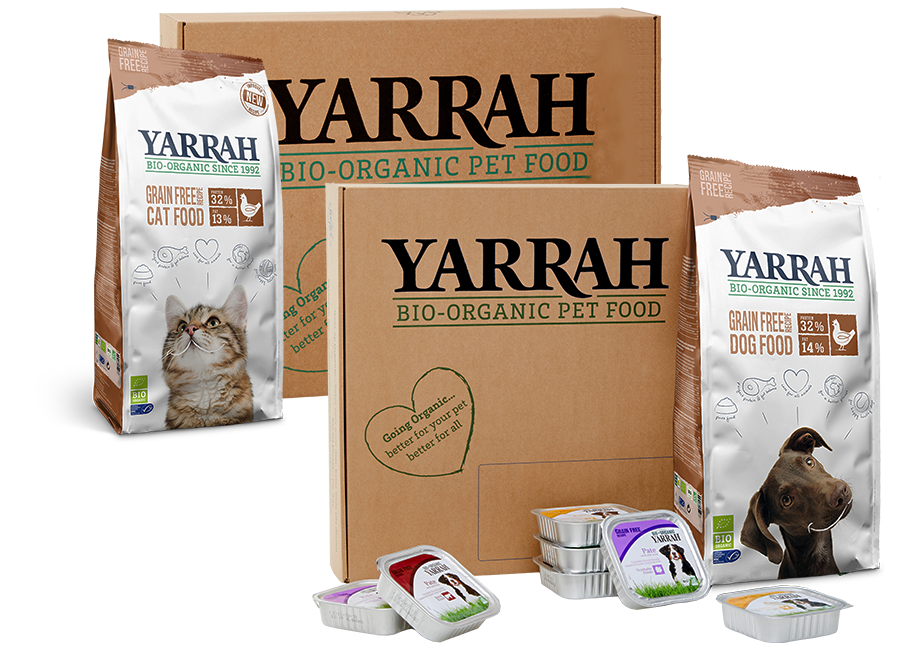
custom corrugated boxes with print and custom printed gusseted pouches

Material Selection

  • Moisture-Resistant Coatings: For corrugated and paperboard used in outer shipping containers.
  • Puncture-Resistant Films: Prevent tearing from sharp pet accessories like toys or grooming tools.
  • Impact-Absorbing Cushioning: Paper-based or foam inserts to protect fragile items such as glass supplement jars.
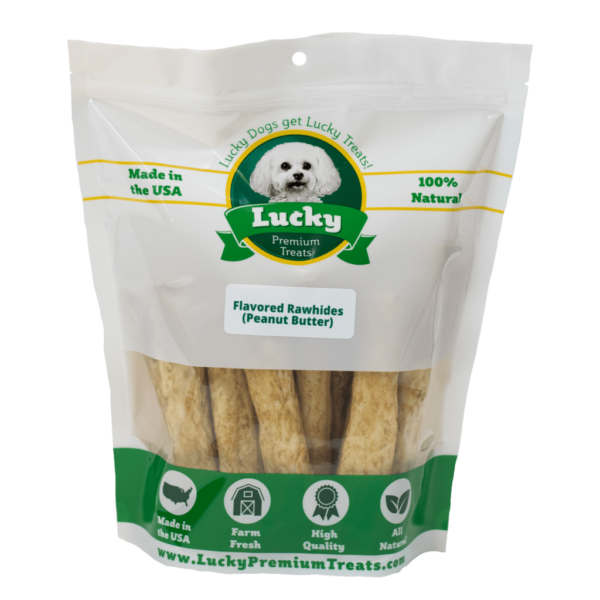
custom pouch

Protective Features

  • Tamper-Evident Seals: Maintain consumer trust and ensure product integrity.
  • Overwraps or Polybags: Provide secondary protection against moisture and dirt.
  • Label Durability: Smudge- and water-resistant labels for scannability.
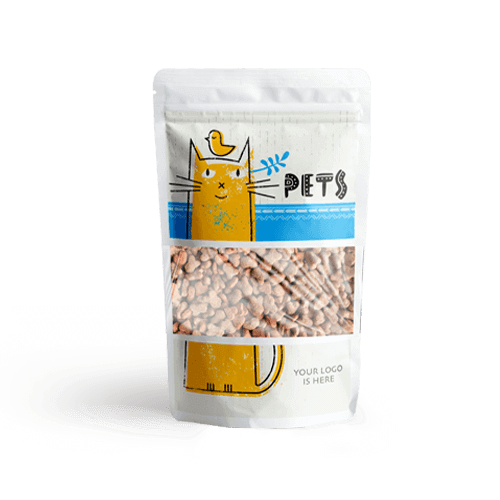
custom Printed pouch with clear window

Performance Testing for E-Commerce

  • Drop Testing: ISTA 3A or ASTM D5276 to simulate parcel handling.
  • Vibration Testing: ASTM D999 to evaluate performance under prolonged vibration.
  • Compression Testing: ASTM D642 to determine stacking strength.
  • Environmental Conditioning: ASTM D4332 to simulate humidity and temperature changes.

E-Commerce Packaging Guidelines

  • Amazon ISTA 6 Standards: Requires packaging to pass drop and vibration tests without damage.
  • Right-Weighting: Balancing durability with material reduction to lower shipping costs.
  • Consumer Experience: Easy-open designs and branding that reinforce product quality.

References


ASTM International. (2015). ASTM D5276-15: Standard test method for drop test of loaded containers by free fall. ASTM International. https://doi.org/10.1520/D5276-15
ASTM International. (2015). ASTM D642-15: Standard test method for determining compressive resistance of shipping containers. ASTM International. https://doi.org/10.1520/D0642-15
International Safe Transit Association. (2022). ISTA test procedures. https://ista.org

Most Recent Posts:
Retail Packaging Trends for 2026

Retail packaging continues to evolve as brands balance sustainability, supply chain performance, and consumer experience. In 2026, buyers face new challenges shaped by material innovation, compliance requirements, and rising consumer

Read More »
Categories:
Subscribe To Our Newsletter

By submitting your information, you agree to our terms and conditions and privacy policy.

custom pet packaging
Custom Packaging
Facebook
Twitter
LinkedIn
Pinterest
Relevant Posts
How To Prevent Packaging Labels and Graphics From Fading
Packaging
brownpackaging
How To Prevent Packaging Labels and Graphics From Fading

Packaging labels and graphics serve as the face of a product, making them an integral part of brand identity and consumer appeal. However, the longevity of these visual elements can be compromised by factors such as UV radiation, moisture, temperature fluctuations, and physical handling. In this blog, we’ll explore effective strategies to safeguard packaging labels and graphics, ensuring they retain their vibrancy and impact throughout the product’s lifecycle. Understanding the Challenge Before we delve into preventive measures, it’s important to understand why packaging labels and graphics fade: UV Radiation: Exposure to ultraviolet (UV) radiation, whether from sunlight or artificial light sources, can break down the pigments and dyes in inks, causing colors to fade over time. Oxygen and Moisture: Oxidation and moisture exposure can lead to chemical reactions that alter the properties of inks and substrates, resulting in fading and degradation. Temperature Fluctuations: Rapid temperature fluctuations can cause materials to expand and contract, potentially leading to cracks, tears, and peeling of labels and graphics. Abrasion and Physical Handling: Rough handling during transportation and storage can cause labels and graphics to rub against surfaces or other packaging materials, leading to wear and tear. Effective Strategies for Prevention To ensure that packaging labels and graphics remain visually appealing and informative, consider implementing the following preventive measures: UV-Resistant Inks: Choose UV-resistant inks designed to withstand exposure to UV radiation. These inks are formulated to be less susceptible to fading and degradation. Protective Coatings: Apply protective coatings, such as UV-resistant varnishes or laminates, over labels and graphics. These coatings create a barrier that shields against UV radiation, moisture, and abrasion. Thoughtful Material Selection: Opt for packaging materials that offer inherent UV protection. UV-resistant films and substrates can serve as a barrier to minimize the impact of UV radiation on labels and graphics. Controlled Storage and Display: Educate retailers and consumers on the importance of storing products away from direct sunlight and fluorescent lighting to minimize UV exposure. Proper storage conditions can significantly extend the life of labels and graphics. Quality Inks and Printing Processes: Invest in high-quality printing processes and inks that are less prone to fading. Options may include pigment-based inks and digital printing technologies known for their durability. Regular Quality Control: Implement regular quality control checks to ensure that printing and labeling processes meet industry standards and are resistant to fading. Consistent quality assurance is essential. Temperature and Humidity Control: Maintain controlled environmental conditions in storage and display areas to prevent extreme temperature fluctuations and humidity levels that can damage labels and graphics. Gentle Handling: Train employees and handlers to practice gentle and careful product handling to avoid physical damage to labels and graphics during transportation and storage. Ensuring Long-Lasting Impact Preventing packaging labels and graphics from fading is not just a matter of aesthetics; it’s an investment in preserving brand identity, consumer trust, and the overall appeal of a product. By implementing these proactive strategies, businesses can ensure that their packaging remains vibrant and impactful, reinforcing brand recognition and delivering a positive consumer experience throughout the product’s journey from production to purchase. If you are interested in labels and custom packaging, then partner with Brown Packaging today to get started. (714)300-0650 request@brownpackaging.com Most Recent Posts: Categories: Corrugated Ecommerce ESD Design Display Flexible Packaging Foam Folding Carton Packaging Plastic Packaging Pouch Printing Protection Retail Rigid Box Thermoform Sustainability Subscribe To Our Newsletter By submitting your information, you agree to our terms and conditions and privacy policy. Custom Packaging Facebook Twitter LinkedIn Pinterest Relevant Posts

Read More »
Navigating Tariffs in Industrial Packaging
Packaging
brownpackaging
Navigating Tariffs in Industrial Packaging

The industrial sector depends heavily on efficient, scalable, and cost-effective packaging—whether it’s for machinery parts, building materials, electronics, or bulk components. But with ongoing tariff policies and global trade tensions, sourcing packaging materials or printed boxes from overseas is no longer as simple or cost-effective as it once was. From corrugated boxes and wood crates to edge protectors and pallets, tariffs are reshaping how industrial companies manage packaging procurement. Here’s what you need to know to stay ahead. Tariffs Are Driving Up the Cost of Key Materials Many industrial packaging products—particularly those sourced from China—are subject to very high tariffs. This includes: Corrugated sheets and printed corrugated boxes Paperboard and chipboard components Wood crates and pallet materials Specialty films, liners, or protective wraps Metal-based packaging parts like clips or hardware When you’re shipping large or heavy items, even a modest tariff adds up quickly—especially if you’re buying in high volumes or rely on custom packaging. International Sourcing Now Comes With Higher Risk It’s not just about cost. Tariffs are one of several issues disrupting international supply chains. Companies are now facing: Delays at ports Very fluctuating freight costs Communication breakdowns with overseas vendors Longer lead times impacting project delivery In an industry where timing, protection, and performance are critical, these delays can derail production timelines or damage your customer reputation. Reevaluate Domestic vs. International Costs In the past, sourcing packaging overseas often meant lower per-unit pricing. But today, once you factor in: Tariffs Freight volatility Port and customs delays Quality control issues Currency fluctuations …the total landed cost often matches or exceeds domestic pricing—especially when you add the risk of downtime, damaged goods, or missed delivery windows. Work With a Supplier That Understands Tariff Exposure Navigating tariffs isn’t just about sourcing differently—it’s about working with a supplier who actively helps you identify risks, reduce complexity, and design smarter packaging. Ask your supplier: Are there U.S.-based or nearshore manufacturing alternatives? Can the design be optimized to reduce material use or lower duty classifications? Are there non-tariffed substrates or board grades that meet your performance needs? Can we consolidate orders or inventory to offset new costs? A knowledgeable supplier should bring proactive solutions—not just pass along price increases. Consider Long-Term Strategy, Not Just Short-Term Cost Tariffs may rise, fall, or shift depending on trade policy, but global uncertainty isn’t going away. That’s why more industrial brands are building flexibility and local sourcing options into their long-term packaging strategy. Benefits include: Faster lead times Greater supply chain control Easier customization and on-demand runs Improved compliance and communication Especially for custom or high-value products, investing in local or tariff-proof sourcing may improve your bottom line and reduce risk. Final Thoughts For industrial companies, packaging isn’t optional—it’s critical to protection, transportation, and performance. And in today’s global environment, managing tariffs effectively is just as important as selecting the right materials. Need help adjusting your industrial packaging strategy around tariffs?We’ll work with you to explore domestic solutions, evaluate materials, and design packaging that meets both your protection and procurement goals. (714)300-0650 request@brownpackaging.com Most Recent Posts: Categories: Corrugated Ecommerce ESD Design Display Flexible Packaging Foam Folding Carton Packaging Plastic Packaging Pouch Printing Protection Retail Rigid Box Thermoform Sustainability Subscribe To Our Newsletter By submitting your information, you agree to our terms and conditions and privacy policy. Industrial Packaging Facebook Twitter LinkedIn Pinterest Relevant Posts

Read More »
Folding Carton
brownpackaging
How Board Caliper Impacts Folding Carton Performance and Cost

Board caliper—the thickness of paperboard—directly influences carton strength, folding behavior, print quality, and cost. Selecting the right caliper is a balancing act between performance requirements and budget. This guide explains how caliper affects carton engineering and when it makes sense to go thicker—or thinner. Defining Board Caliper Board caliper is measured in thousandths of an inch (points) or millimeters. Common folding carton calipers range from 0.012″–0.024″ (12–24 pt). Thicker boards offer greater rigidity and stacking strength, while thinner boards reduce weight and material cost. Structural Performance Compression Strength: Higher caliper increases edge crush resistance and stacking load capacity. Panel Rigidity: Reduces bowing and warping, important for large-panel cartons. Impact Resistance: Added thickness absorbs more shock during handling. Trade-Off: Excess caliper can over-spec the package, adding unnecessary cost and complicating folding on small-radius scores. Folding and Creasing Caliper affects how the board behaves at fold lines: Tighter Radii: Thicker boards need deeper scores to avoid spring-back. Score Cracking Risk: Increases with caliper if scoring isn’t adjusted for bead/channel ratio. Grain Direction Sensitivity: More critical in thicker boards—incorrect grain can cause severe cracking. Print Quality and Surface Smoothness Ink Holdout: Heavier calipers often provide better ink laydown, but fiber quality matters more than thickness alone. Show-Through Prevention: Thicker boards reduce show-through from dark products or graphics on the reverse side. Cost Implications Material Cost: Increases proportionally with caliper. Shipping Weight: Higher caliper increases per-unit mass, affecting freight cost. Storage Volume: Larger stacks and more pallet space required. Optimization Tip: Use the thinnest caliper that meets performance requirements—extra thickness adds cost with no functional benefit. Application Examples High-Strength Needs: 20–24 pt CUK for beverage carriers or frozen food requiring moisture resistance and stacking strength. Premium Branding: 18–20 pt SBS for cosmetics or electronics, balancing rigidity with a smooth print surface. Cost-Driven Retail: 14–16 pt recycled FBB for dry food or lightweight multipacks. Testing Before Scaling Prototyping: Test multiple calipers for rigidity, folding performance, and visual appeal. Distribution Simulation: Run compression, vibration, and humidity testing to confirm performance. Machine Compatibility: Thicker boards may require slower speeds or equipment adjustments. References Soroka, W. (2014). Fundamentals of packaging technology (5th ed.). Institute of Packaging Professionals. ISBN: 978-1-930268-37-2 Twede, D., & Goddard, R. (2021). Cartons, crates and corrugated board: Handbook of paper and wood packaging technology (2nd ed.). DEStech Publications. ISBN: 978-1-60595-120-5 (714)300-0650 request@brownpackaging.com Most Recent Posts: Categories: Corrugated Ecommerce ESD Design Display Flexible Packaging Foam Folding Carton Packaging Plastic Packaging Pouch Printing Protection Retail Rigid Box Thermoform Sustainability Subscribe To Our Newsletter By submitting your information, you agree to our terms and conditions and privacy policy. Custom Folding Cartons Facebook Twitter LinkedIn Pinterest Relevant Posts

Read More »