

Home » How Structural Packaging Design Can Save You Money
How Structural Packaging Design Can Save You Money
When most buyers think of packaging design, they picture logos, colors, and graphics—but what’s often overlooked is structural design: the way your box is shaped, assembled, and built to protect your product. While it might seem like a creative or aesthetic step, structural packaging design is one of the smartest ways to reduce overall costs—without cutting corners.
Here’s how working with a packaging expert on structure can help you improve efficiency, lower waste, and uncover savings you didn’t even know you were missing.
Right-Sizing Reduces Material Waste
One of the most common sources of excess cost is using packaging that’s too big for the product. Oversized boxes mean:
- Wasted material
- Higher shipping dimensional weight (DIM weight)
- More void fill or inner packaging required
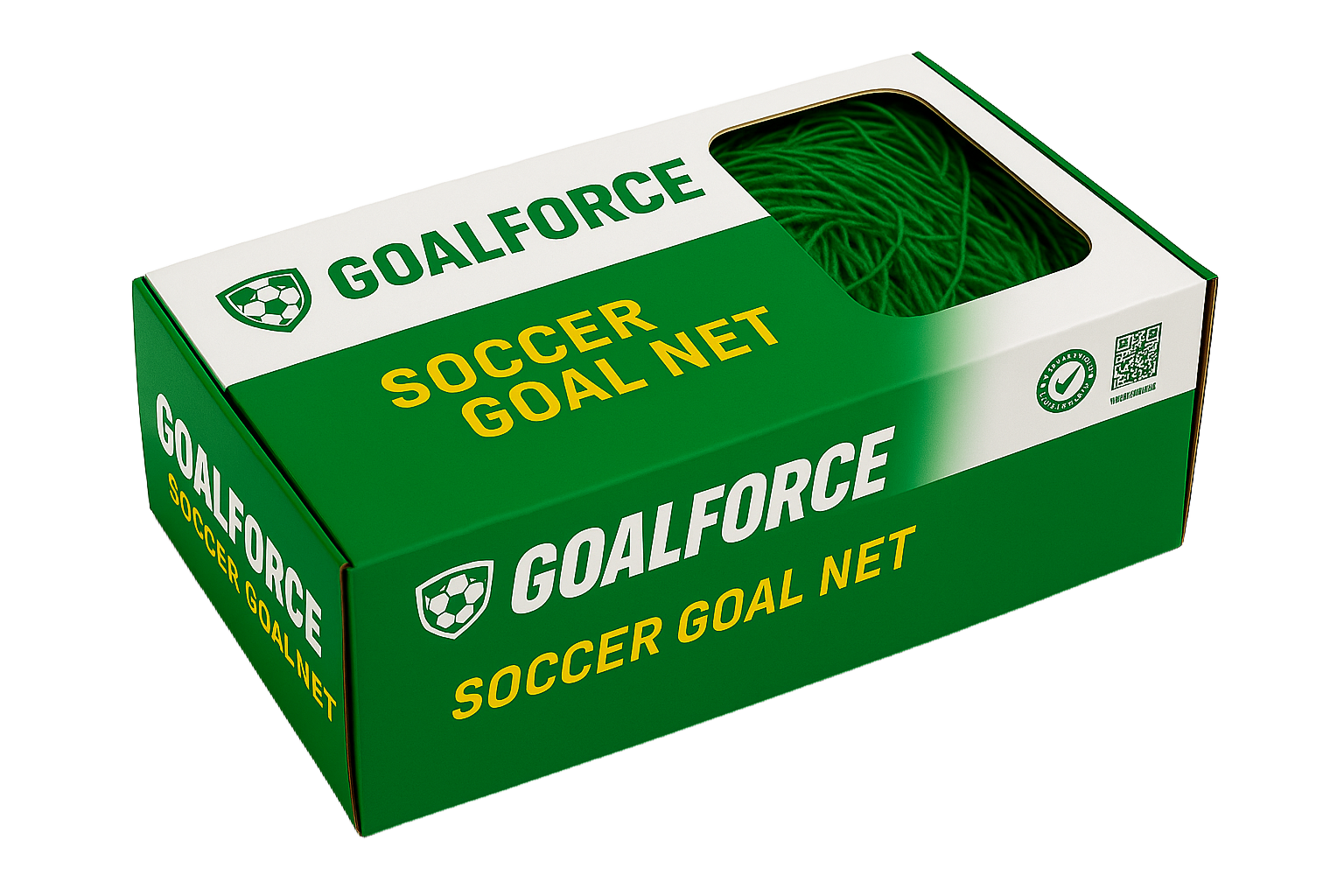
A structural designer will analyze your product’s exact dimensions and create a custom-fit structure that reduces material use and minimizes empty space.
✅ Lower cost per unit
✅ Fewer packing materials needed
✅ Eco-friendlier and More efficient
Smarter Structures Can Ship and Stack Better
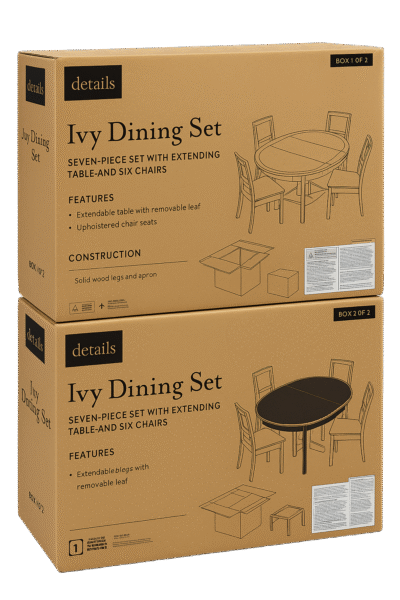
Good packaging design doesn’t just fit the product—it also fits the pallet, the shipping box, and the retail shelf. A structural designer will optimize for:
- Pallet and shipping carton dimensions
- Nesting and stacking efficiency
- Improved cube utilization in transit
This can result in fewer pallets shipped, better trailer utilization, and ultimately lower freight costs—especially on large or frequent shipments.
✅ Reduces freight and warehousing expenses
✅ Maximizes every inch of space
✅ Less breakage or shifting during transit
Eliminating Unnecessary Inserts or Features
You might be using inserts, partitions, or complex folds to keep your product safe when a simpler structural design could do the same job—better. Structural packaging design looks at how to:
- Build protection into the box
- Combine functions (e.g., branding + product separation)
- Remove excess without compromising product safety
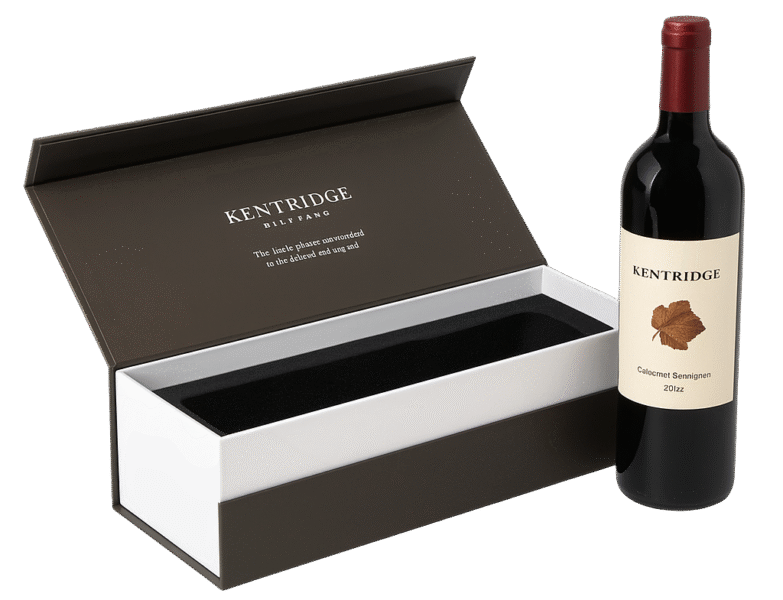
Sometimes switching from foam inserts to chipboard, or replacing a magnetic rigid box with a strong tuck-end carton, delivers the same customer experience with half the cost.
✅ Less packaging complexity
✅ Fewer assembly steps
✅ Reduced material and production costs
Reducing Labor with Easier Assembly
Every second spent assembling or filling your box adds to your cost. Structural designers can engineer packaging that:
- Pops into shape with minimal folding
- Arrives pre-glued or pre-assembled
- Speeds up fulfillment and packing lines
The savings on labor—especially at scale—can be significant, particularly for brands doing their own fulfillment or paying by the hour for co-packing services.
✅ Faster assembly times
✅ Lower labor costs
✅ Fewer bottlenecks in production
Improving Packaging Durability (Which Prevents Losses)
A well-designed structure doesn’t just look good—it protects better. If you’ve had issues with:
- Boxes collapsing in transit
- Product shifting inside
- Customer complaints due to damage
Then investing in a structurally sound design pays off fast. Preventing even a small percentage of returns or damaged shipments can result in thousands of dollars saved over time.
✅ Reduces product damage and returns
✅ Protects your reputation
✅ Cuts down on replacement and reshipping costs
Structural Design Helps Avoid Retail Rejections
If your packaging doesn’t meet retail requirements—whether it’s shelf dimensions, stacking strength, or display visibility—it can lead to chargebacks, delays, or rejections. Structural packaging design ensures compliance with:
- Club store or retail chain display specs
- Structural strength tests (crush, drop, vibration)
- Shelf or tray requirements for in-store merchandising
✅ Avoids costly reprints or redesigns
✅ Streamlines vendor approval processes
✅ Ensures retail-readiness the first time around
Final Thoughts
Structural packaging design isn’t just about aesthetics—it’s one of the most practical, cost-saving investments you can make in your packaging strategy. From reducing material and shipping costs to improving assembly and protection, the right design pays for itself.
Not sure if your current packaging is working efficiently?
Let us review your structure, explore design improvements, and help you uncover real savings—without sacrificing quality or presentation.
Subscription packaging continues to expand across beauty, food, lifestyle, and specialty products. Buyers must balance branding, protection, and sustainability while keeping fulfillment efficient. This checklist highlights the critical areas buyers
As budgets tighten in 2026, packaging buyers are under pressure to reduce costs without increasing damage rates. Cutting too aggressively can lead to product loss, higher return rates, and frustrated
Product damage is one of the most expensive risks in packaging. Beyond replacement costs, damaged goods lead to lost sales, returns, and reputational harm. In 2026, complex e-commerce, global shipping,
Retail packaging continues to evolve as brands balance sustainability, supply chain performance, and consumer experience. In 2026, buyers face new challenges shaped by material innovation, compliance requirements, and rising consumer
Home » How Structural Packaging Design Can Save You Money

In the world of packaging, making a memorable impression is crucial. Packaging not only protects and delivers products but also serves as a powerful branding and marketing tool. Foil stamping, a decorative technique, has gained popularity as a means to add elegance, sophistication, and visual appeal to packaging. In this detailed blog, we will explore what foil stamping is in packaging and how it can elevate your brand’s image and make a lasting impact on customers. What is Foil Stamping? Foil stamping, also known as foil printing, mainly used in hot stamping, is a specialized printing process used to apply metallic or pigmented foil onto various materials, including paper, cardboard, plastics, and more. This process involves the application of heat and pressure to transfer the foil material onto the packaging surface. The result is a brilliant and eye-catching design that stands out from traditional printing methods. How Foil Stamping Works The foil stamping process consists of several key steps: Design Preparation: The first step involves creating a custom design or selecting pre-made foil stamping patterns or templates. This design will be transferred onto the packaging material. Die Creation: A metal die is fabricated based on the chosen design. The die is heated during the stamping process and serves as a mold for transferring the foil. Foil Feeding: The foil roll is placed above the packaging material, and a heat-activated adhesive is applied to the area where the foil will adhere. Stamping Process: The heated metal die is pressed onto the packaging material, transferring the foil onto the adhesive-coated area. The pressure and heat cause the foil to bond with the packaging surface, leaving the desired design in a brilliant metallic or pigmented finish. Cooling and Removal: After the foil is applied, it is allowed to cool, which sets it firmly onto the packaging material. Once cooled, any excess foil is removed, leaving only the stamped design. Benefits of Foil Stamping in Packaging Foil stamping offers a multitude of benefits that make it an attractive choice for packaging enhancement: Visual Appeal: Foil stamping adds a luxurious and eye-catching element to packaging, making it stand out on the shelf or in the hands of customers. Elegance and Sophistication: The reflective and shimmering qualities of foil create an impression of elegance, making it suitable for high-end and luxury products. Customization: Foil stamping allows for customization with various foil colors, including metallic, matte, and holographic options, enabling brands to tailor the design to their unique identity. Durability: Foil-stamped designs are resilient and resistant to fading, ensuring that the packaging maintains its visual appeal over time. Branding and Brand Recognition: Foil-stamped logos and branding elements increase brand recognition and help customers associate the packaging with the brand. Versatility: Foil stamping can be used on a wide range of packaging materials, such as boxes, labels, bags, and more, making it a versatile choice. Applications of Foil Stamping in Packaging Foil stamping can be applied to various packaging types and industries: Cosmetics: Foil stamping is commonly used for high-end cosmetic packaging to convey luxury and quality. Food and Beverages: Premium food and beverage products often feature foil-stamped labels or packaging to communicate exclusivity. Pharmaceuticals: Foil stamping on pharmaceutical packaging can enhance product visibility and compliance. Retail Packaging: Foil-stamped logos and branding elements on retail packaging create an upscale and memorable shopping experience. Event and Wedding Invitations: Foil-stamped invitations and stationery add a touch of elegance and sophistication to special occasions. Conclusion Foil stamping is a remarkable decorative technique that can transform ordinary packaging into extraordinary masterpieces. With its ability to add visual appeal, elegance, and brand recognition, foil stamping is a valuable tool for businesses aiming to make a lasting impression on customers and stand out in a competitive market. Whether used for branding, customization, or enhancing the perceived value of products, foil stamping is a versatile and impactful choice in the world of packaging. If you are interested in packaging with foil stamping, then partner with Brown Packaging today to get started. (714)300-0650 request@brownpackaging.com Most Recent Posts: Subscribe To Our Newsletter By submitting your information, you agree to our terms and conditions and privacy policy. Custom Packaging Facebook Twitter LinkedIn Pinterest Relevant Posts

In today’s market, the printing strategy employed on packaging can play a significant role in a product’s success. This guide is tailored to help buyers navigate the array of print options available, ensuring they select the most effective strategy to enhance brand appeal and customer engagement, while balancing cost and quality. High-Quality Graphics and Imagery The use of high-resolution graphics and vibrant imagery makes packaging more attractive and attention-grabbing. Ensuring that these elements are of the highest quality will reflect well on the product and brand. Brand Consistency Maintaining consistency with brand colors, logos, and typefaces across all packaging is essential. This consistency helps in reinforcing brand recognition and loyalty among customers. Cost-Effective Printing Techniques Digital Printing: Ideal for short to medium runs, offering cost savings for smaller orders and flexibility for design changes. Flexographic Printing: Cost-effective for larger runs, it provides durability and consistency, especially for standard designs. Sustainable Printing Practices Eco-friendly practices are not just good for the environment but also resonate with modern consumers. Utilize sustainable inks and materials wherever possible. Providers who offer soy or vegetable-based inks and recycled materials can help in positioning your brand as environmentally responsible. Interactive Elements Incorporating QR codes or augmented reality features can make packaging more engaging. These elements can lead consumers to additional digital content, enhancing brand interaction and providing more product information. Tactile Printing Techniques Techniques like embossing or debossing add a tactile element to packaging, enhancing the unboxing experience. Foil stamping can also be used to add a premium feel to the product. Typography and Readability Creative and legible typography is key to conveying the product’s message. Different font styles and sizes can be used to create emphasis and a hierarchy of information, making it easier for consumers to access key details. Return on Investment (ROI) Consider the long-term ROI when selecting a print strategy. High-quality printing might cost more upfront but can lead to greater brand recognition and customer loyalty. Evaluate how different printing options can impact the overall budget and balance them against the potential long-term benefits. Customization Options Digital printing and other modern techniques offer extensive customization options, allowing for unique packaging designs that can set a product apart in the marketplace. Evaluating Print Providers Choosing the right print provider is crucial. Look for partners who offer not only quality assurance and a wide range of capabilities but also have a robust portfolio and positive client testimonials. It’s important that they understand your industry’s specific needs and offer exceptional customer service. If you are interested in printed packaging, then partner with Brown Packaging today to get started. (714)300-0650 request@brownpackaging.com Most Recent Posts: Categories: Corrugated Ecommerce ESD Design Display Flexible Packaging Foam Folding Carton Packaging Plastic Packaging Pouch Printing Protection Retail Rigid Box Thermoform Sustainability Subscribe To Our Newsletter By submitting your information, you agree to our terms and conditions and privacy policy. Custom Packaging Facebook Twitter LinkedIn Pinterest Relevant Posts

Before committing to a full production run, businesses often receive packaging samples to evaluate fit, functionality, print quality, and overall design. Whether it’s a digital sample (3D render) or a physical prototype, thoroughly assessing the sample ensures that the final packaging meets aesthetic, protective, and branding requirements. Evaluating a Digital Packaging Sample A digital sample, such as a 3D rendering or a dieline proof, is typically the first step in the approval process. It provides a visual representation of the packaging without producing a physical sample. What to Check in a Digital Sample: Structural Accuracy: Ensure the dieline dimensions match your specifications. Print & Branding Alignment: Confirm that logos, graphics, and text are correctly placed. Color Representation: Compare digital colors with your brand standards (note that digital colors may vary slightly from printed results). Typography & Readability: Check for font clarity, spacing, and legal text placement. Product Fit Estimation: Use the digital mockup to visualize how the product will fit inside the packaging. Next Steps for Digital Samples: Approve the design for a physical prototype if all elements look correct. Request modifications if there are misalignments, incorrect fonts, or sizing issues. Verify with a packaging expert to ensure compliance with industry regulations (especially for food, pharmaceuticals, or fragile products). Evaluating a Physical Packaging Sample Once the digital sample is approved, a physical prototype is produced. This allows for a hands-on review to confirm material quality, fit, and structural integrity. What to Check in a Physical Sample: Size & Fit: Ensure your product fits securely inside without excess movement. Material Durability: Assess the thickness, rigidity, and protective properties of the packaging. Printing & Finishing: Check for sharpness of logos, consistency of colors, and quality of coatings (matte, gloss, spot UV, etc.). Ease of Assembly: Verify that the packaging can be easily folded, sealed, or assembled as required. Structural Performance: Conduct drop tests, stacking tests, or compression tests if needed. Shipping & Storage Suitability: If your product requires long-distance shipping, assess whether additional protective inserts or reinforcements are needed. Next Steps for Physical Samples: Approve the sample for final production if all elements meet expectations. Request modifications if there are fit issues, material concerns, or branding inconsistencies. Test the sample in real-world conditions, such as placing it in a warehouse or shipping it to a test location. Making the Final Decision After evaluating the digital and physical samples, finalize your packaging decision by: Confirming with your team that the design meets branding, protection, and compliance requirements. Approving mass production once all issues are resolved. Coordinating with your supplier on lead times, material availability, and any final adjustments. Final Thoughts: Ensuring the Best Packaging for Your Product Receiving a packaging sample is a crucial step in avoiding costly mistakes and ensuring a seamless production process. By carefully evaluating both digital and physical samples, businesses can optimize product protection, branding impact, and customer experience. Need expert guidance in reviewing your packaging samples? Contact Brown Packaging today to ensure your final packaging is perfect before production! (714)300-0650 request@brownpackaging.com Most Recent Posts: Categories: Corrugated Ecommerce ESD Design Display Flexible Packaging Foam Folding Carton Packaging Plastic Packaging Pouch Printing Protection Retail Rigid Box Thermoform Sustainability Subscribe To Our Newsletter By submitting your information, you agree to our terms and conditions and privacy policy. Custom Packaging Facebook Twitter LinkedIn Pinterest Relevant Posts