
window.uetq = window.uetq || []; window.uetq.push(‘event’, ‘submit_lead_form’,{ event_label:‘SUBMIT MESSAGE’ }); window.lintrk('track', { conversion_id: 10271009 }); window.lintrk('track', { conversion_id: 10271017 });

What Packaging is Used for Protein Bars?

protein bar packaging

Protein bars are a popular on-the-go snack, requiring durable, protective, and visually appealing packaging to ensure freshness and convenience. The right packaging helps extend shelf life, maintain texture, and protect against contamination, making it essential for both retail and eCommerce sales. Businesses must carefully select the best materials and formats for their protein bars to optimize product protection and brand visibility.

Types of Packaging for Protein Bars

Protein bars can be packaged in various materials and formats depending on brand preference, shelf life requirements, and distribution channels. The most common types include:

Flexible Film Packaging (Flow Wraps & Roll Stock)

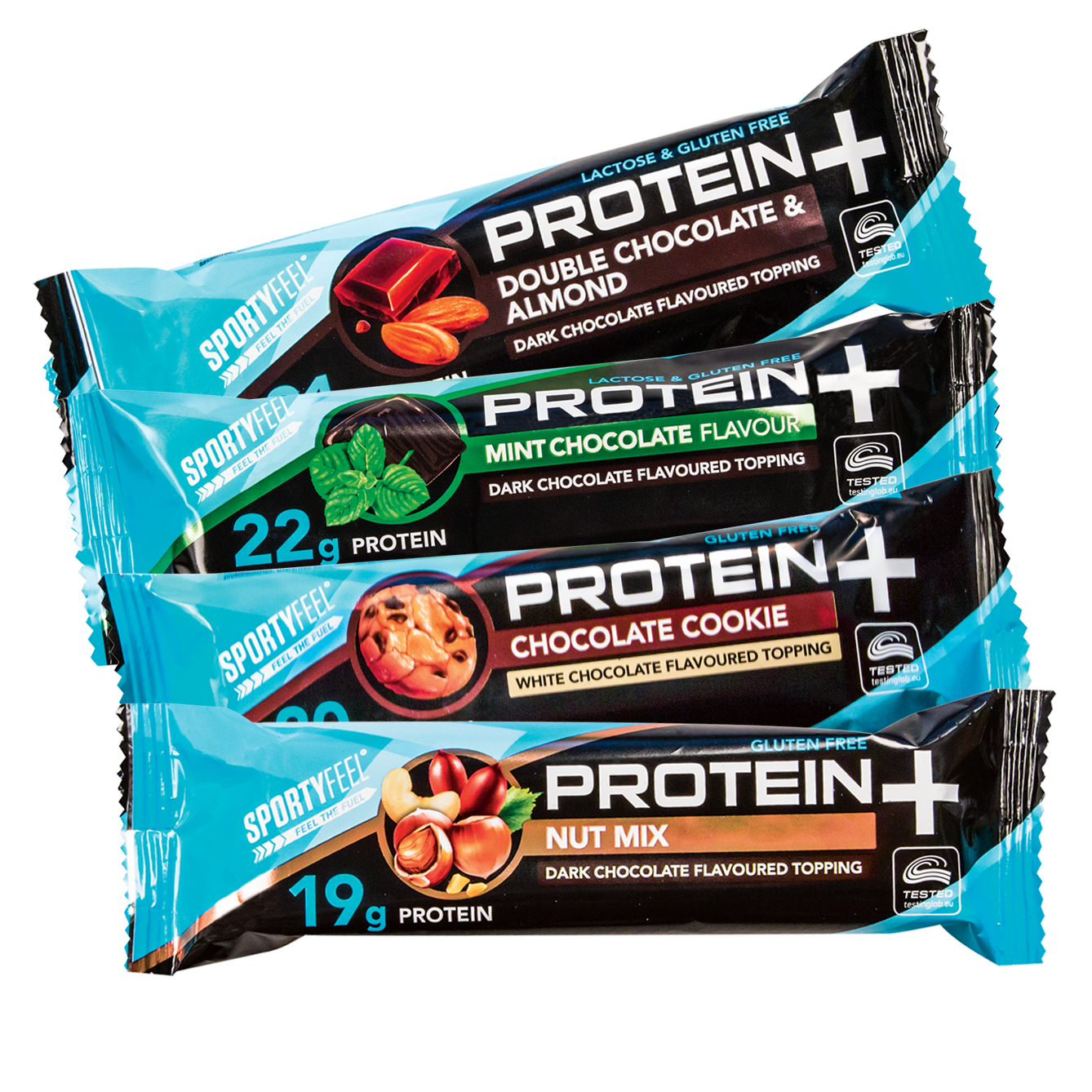
Flow wrap packaging, often produced from roll stock, is the most widely used solution for protein bars due to its lightweight, cost-effectiveness, and superior protection. It consists of a plastic or foil-based flexible film, heat-sealed to create an air-tight package.

Benefits:

  • Provides moisture and oxygen barrier to extend shelf life.
  • Offers high-speed packaging efficiency for mass production.
  • Allows for vibrant branding and print customization.

Stand-Up Pouches and Resealable Bags

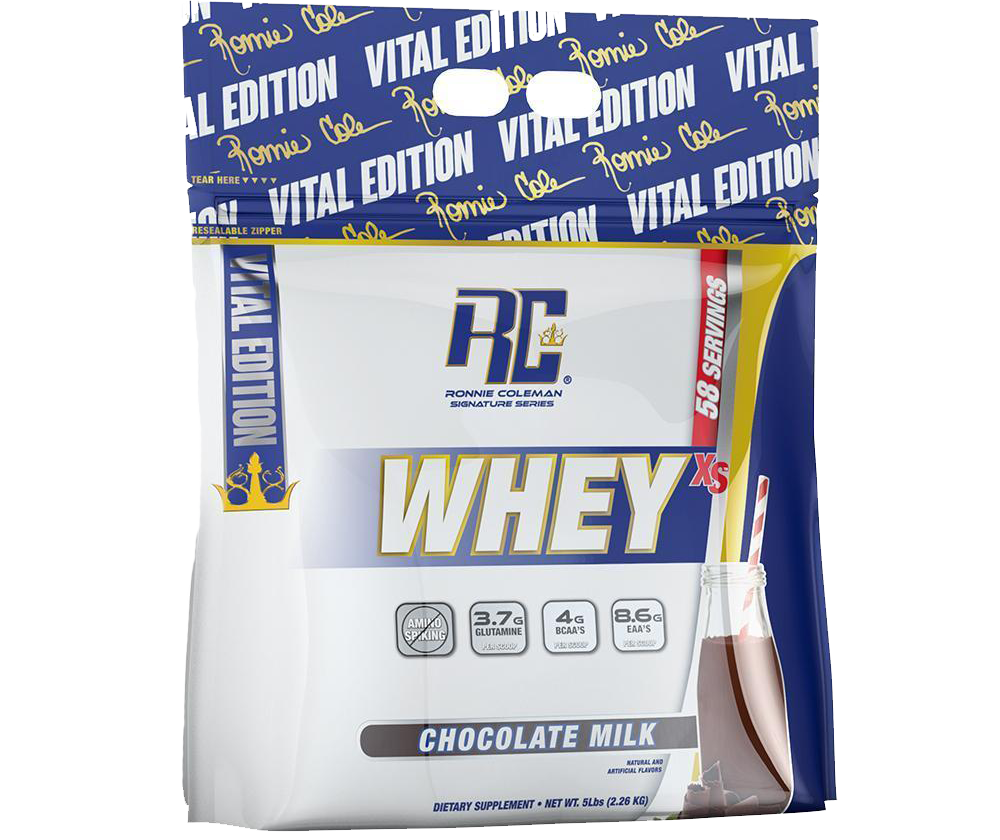
Ideal for multi-pack protein bars, stand-up pouches provide convenience and branding appeal while protecting bars from crushing and environmental factors.

Benefits:

  • Resealable options improve freshness and portion control.
  • Provides a premium look for retail shelves and club store formats.
  • Customizable with clear windows, matte or gloss finishes, and tear notches.

Folding Cartons

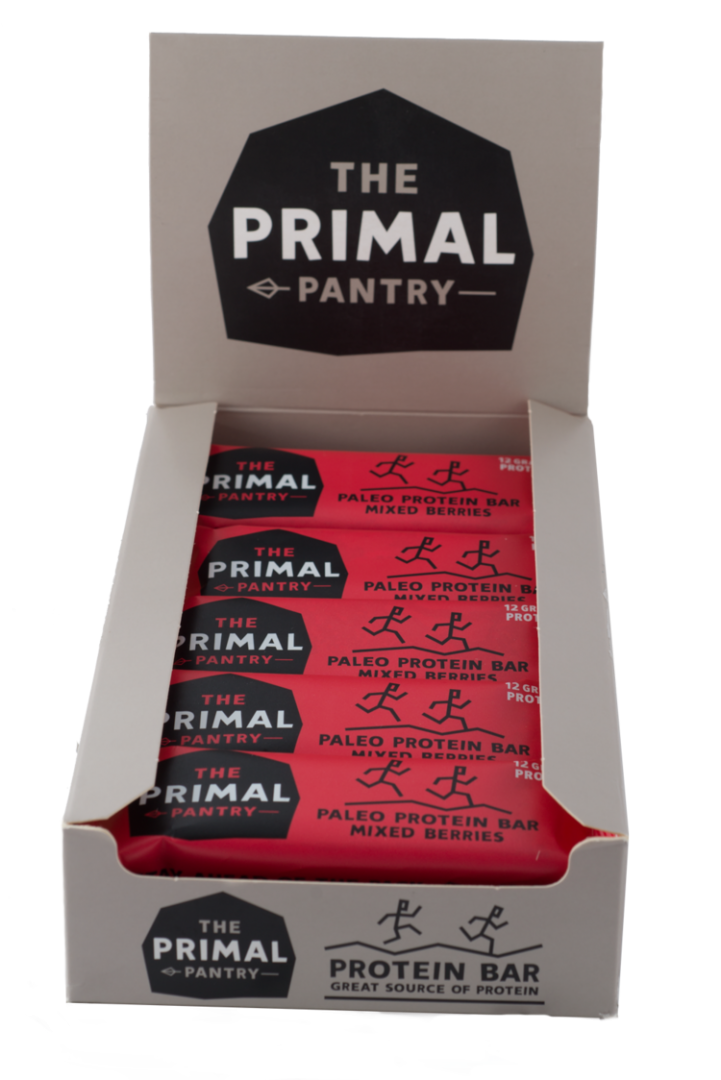
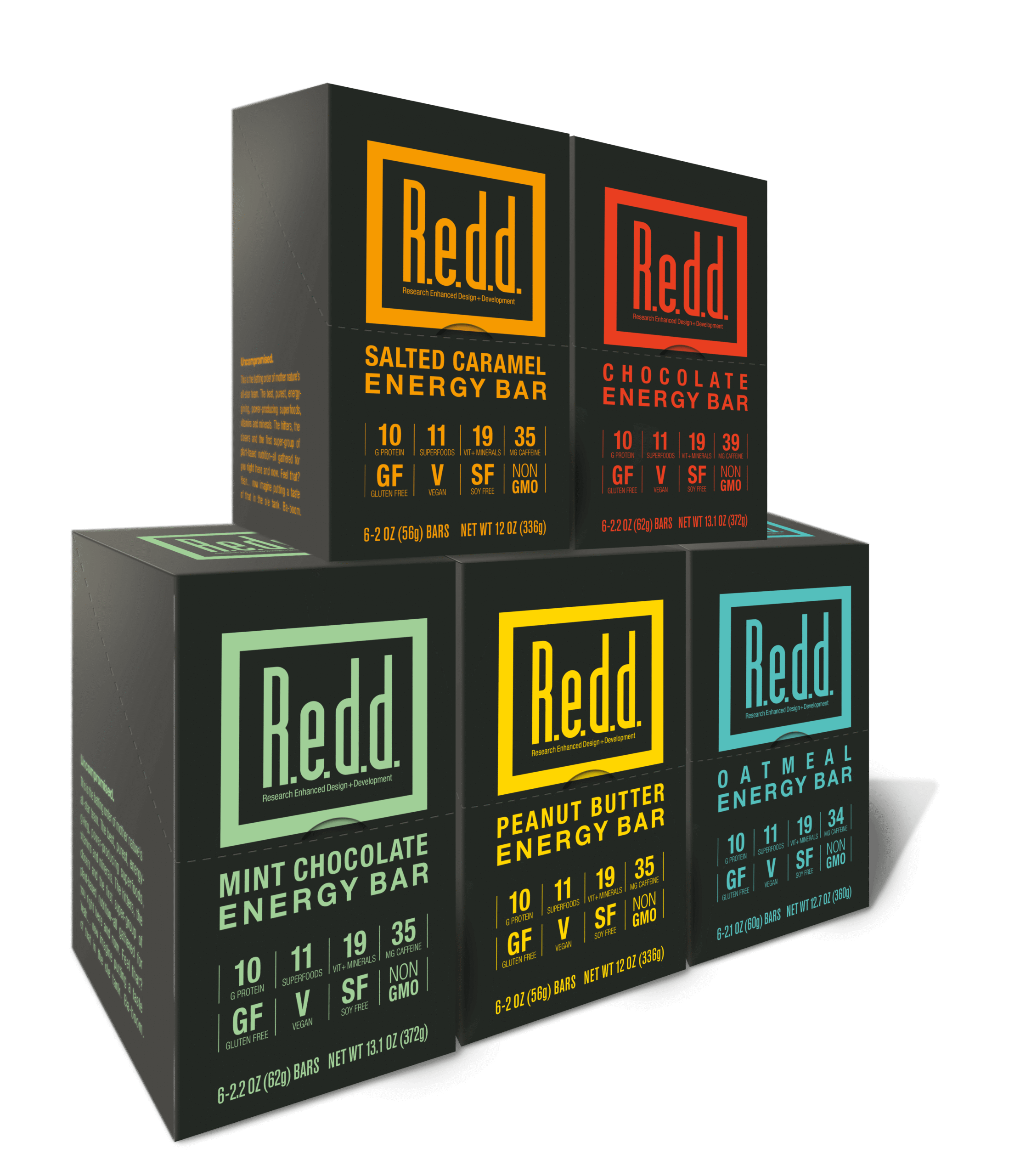
Many protein bars are sold in multi-bar packs housed in folding cartons. These secondary packaging solutions enhance shelf presence and provide additional protection.

Benefits:

  • Ideal for bulk packaging and organized retail display.
  • Supports branding with high-quality printing and embossing options.
  • Adds structural protection to prevent crushing.

Corrugated Boxes for Shipping

For wholesale distribution and eCommerce fulfillment, protein bars are often packed in corrugated shipping boxes to ensure safe transit and bulk handling.

Benefits:

  • Provides durability for long-distance shipping and warehouse storage.
  • Can be designed with custom inserts for product security.
  • Custom printing allows for branded unboxing experiences.

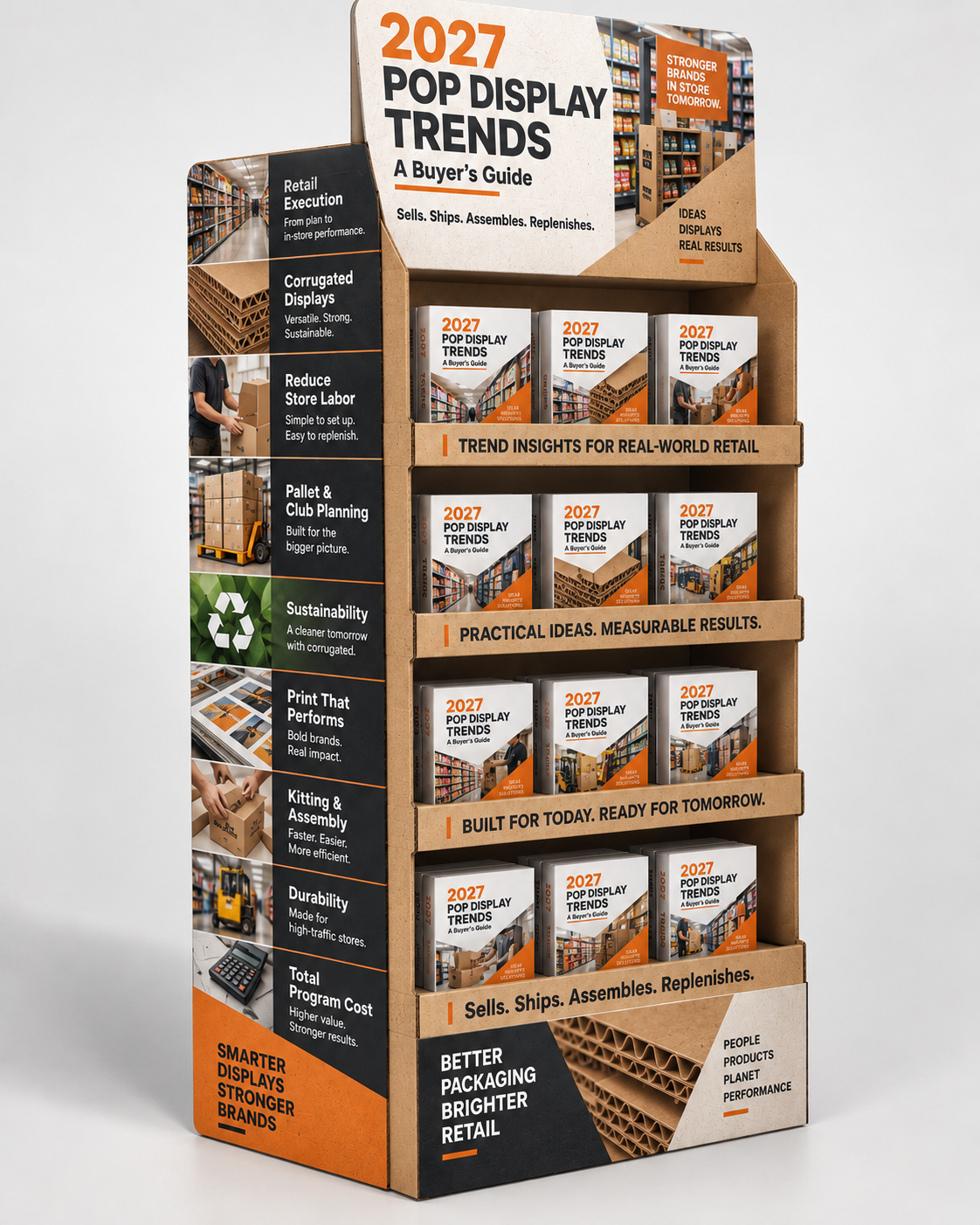
POP and Countertop Displays

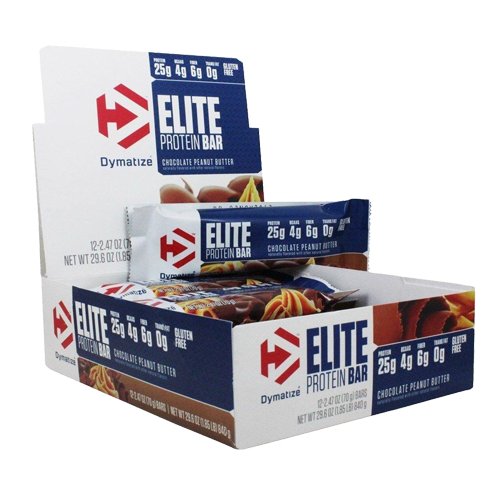
Retailers often use point-of-purchase (POP) and countertop displays to showcase protein bars in high-traffic areas. These displays help drive impulse purchases and enhance brand visibility.

Benefits:

  • Designed for maximum visibility in checkout lanes and retail aisles.
  • Can be customized for seasonal promotions or new product launches.
  • Available in corrugated or folding carton formats for easy setup.
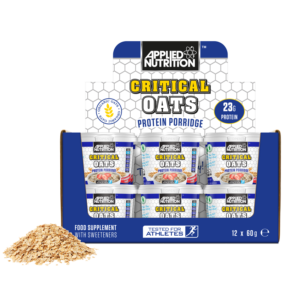
Custom Roll Stock With Countertop Display

Key Packaging Considerations for Protein Bars

Choosing the right protein bar packaging requires evaluating several factors:

  • Shelf Life Protection: Packaging must offer barrier properties against moisture, air, and light to prevent spoilage.
  • Consumer Convenience: Features like resealable closures, easy-open tear notches, and portability enhance the user experience.
  • Branding & Marketing Appeal: High-quality printing, embossing, or matte/gloss finishes make a product stand out on retail shelves.
  • Shipping & Retail Optimization: Bulk packaging and display solutions improve storage, handling, and in-store presentation.

Final Thoughts: Selecting the Best Protein Bar Packaging

Protein bar packaging should be protective, convenient, and visually appealing while aligning with industry requirements. Whether using flow wraps and roll stock for single bars, folding cartons for multi-packs, corrugated boxes for shipping, or POP displays for retail, businesses should evaluate their packaging based on functionality, branding, and distribution needs.

Looking for custom protein bar packaging solutions? Contact Brown Packaging today to explore innovative packaging options that meet your brand’s needs!

Most Recent Posts:
Comparing Single vs. Multi-Material Packaging

Choosing the right packaging material is one of the most important decisions buyers face. Single-material packaging offers simplicity and recyclability, while multi-material designs provide enhanced performance and protection. Understanding the

Read More »
Categories:
Subscribe To Our Newsletter

By submitting your information, you agree to our terms and conditions and privacy policy.

Protein Packaging
Facebook
Twitter
LinkedIn
Pinterest
Relevant Posts
Custom stand up pouches with counter top display
Flexible Packaging
brownpackaging
The Impact of Flexible Packaging on Shelf Appeal

In a fiercely competitive retail landscape, brands strive to ensure their products stand out on the shelves. And one powerful tool they leverage is packaging. It’s often the first interaction that consumers have with a product, and it can significantly influence their buying decisions. Among various packaging options, flexible packaging is fast becoming a popular choice, thanks to its versatility, functionality, and sustainability. But how does it impact the shelf appeal of products? Let’s delve into this topic. The Rise of Flexible Packaging Flexible packaging, which includes everything from stand-up pouches to resealable bags and wraps, has seen a considerable surge in popularity over the years. Thanks to advancements in technology and materials, flexible packaging offers a number of advantages over traditional rigid packaging options. For instance, flexible packaging can be easily customized to fit the shape, size, and weight of a product. This flexibility extends to design possibilities as well, with high-quality printing techniques allowing for vibrant, eye-catching graphics and branding elements. Shelf Appeal: The Power of First Impressions Shelf appeal refers to the visual impact a product makes when displayed on a retail shelf. It’s about making a strong first impression, and as the adage goes, “You never get a second chance to make a first impression”. On retail shelves crammed with numerous competing products, it’s often the packaging that catches the consumer’s eye first and convinces them to pick up the product. The Role of Flexible Packaging in Enhancing Shelf Appeal Here’s how flexible packaging contributes to enhancing the shelf appeal: Product Differentiation: Flexible packaging offers unlimited customization options, from shape and size to design and color. This enables brands to create unique and attention-grabbing packaging that sets their products apart from the competition. High-Quality Graphics: Modern printing technologies can render sharp, vibrant, and high-resolution images on flexible packaging materials. This makes the product visually appealing and easily recognizable on the shelf. Innovative Features: Features such as resealable closures, easy-open tabs, and built-in handles not only provide convenience but also make the product stand out on the shelf. Additionally, these features can be highlighted on the packaging design to further attract customer attention. Sustainability Appeal: Many consumers are now more conscious of the environmental impact of their purchases. As flexible packaging often uses less material than rigid packaging and is increasingly recyclable, it can enhance the shelf appeal for eco-conscious shoppers, especially if right materials are chosen. The Impact of Flexible Packaging on Consumer Perception Research shows that packaging has a significant impact on consumer perception of a product. It can influence how customers perceive the quality and value of the product. Innovative and high-quality packaging, like flexible packaging, can lead customers to perceive the product as high-end and worth a premium price. For instance, a product in a stand-up pouch with a resealable closure might be seen as more innovative and convenient, and thus of higher value, than a similar product in a traditional box or bag. In this way, flexible packaging can help to elevate a brand’s image and increase its appeal on the shelf. The Future of Flexible Packaging and Shelf Appeal Given the numerous benefits and the increasing consumer preference for sustainable and convenient packaging, the use of flexible packaging is only set to increase in the future. Brands will continue to leverage its versatility and adaptability to create packaging designs that boost shelf appeal and connect with their target consumers. If you are interested in flexible packaging, then partner with Brown Packaging today to get started. (714)300-0650 request@brownpackaging.com Most Recent Posts: Categories: Corrugated Ecommerce ESD Design Display Flexible Packaging Foam Folding Carton Packaging Plastic Packaging Pouch Printing Protection Retail Rigid Box Thermoform Sustainability Subscribe To Our Newsletter By submitting your information, you agree to our terms and conditions and privacy policy. Custom Packaging Facebook Twitter LinkedIn Pinterest Relevant Posts

Read More »
How to Find a Domestic Packaging Supplier in the USA
Packaging
brownpackaging
How to Find a Domestic Packaging Supplier in the USA

As businesses increasingly shift away from overseas suppliers, finding a reliable domestic packaging supplier in the USA has become a priority. Domestic suppliers offer shorter lead times, better quality control, and protection from tariffs and international shipping delays. However, identifying the right supplier requires strategic research and evaluation to ensure they meet your specific packaging needs. Key Steps to Finding a U.S. Packaging Supplier Define Your Packaging Requirements Before searching for a supplier, establish clear requirements based on: Packaging Type: Corrugated boxes, folding cartons, flexible packaging, etc. Customization Needs: Printing, coatings, branding, and structural design. Order Volume: Minimum order quantities (MOQs) and scalability for future growth. Industry Standards & Compliance: Food-grade, pharmaceutical, retail, or industrial packaging. Use Online Supplier Directories and Industry Networks Utilize trusted business directories and industry associations to locate reputable suppliers. Some useful resources include: Thomasnet.com – A leading directory of U.S. manufacturers and suppliers. Packaging World Supplier Database – A resource for finding packaging companies. National Association of Manufacturers (NAM) – A database of U.S. manufacturing companies. Trade Shows & Conferences – Events like Pack Expo provide opportunities to meet suppliers in person. Evaluate Supplier Capabilities and Reliability Once you have a list of potential suppliers, conduct thorough evaluations based on: Manufacturing Location & Capacity: Ensure the supplier has facilities within the U.S. and can handle your volume requirements. Lead Times & Logistics: Confirm turnaround times, delivery options, and warehouse locations. Certifications & Compliance: Look for ISO, FDA, FSC, or industry-specific certifications that align with your needs. Customer Reviews & Case Studies: Assess feedback from businesses in your industry. Request Samples and Quotes To ensure product quality, request physical samples before placing a bulk order. Compare multiple quotes for: Material Quality & Durability – Ensure the packaging meets protection standards. Printing & Customization Quality – Verify branding and finishing options. Pricing Transparency – Watch for hidden fees in setup, tooling, or freight costs. Build a Long-Term Partnership Choosing a packaging supplier isn’t just about pricing—it’s about finding a reliable long-term partner. A strong supplier relationship ensures consistent quality, priority service, and customized solutions as your business grows. Final Thoughts: Finding the Right U.S. Packaging Supplier The process of finding a domestic packaging supplier requires research, evaluation, and a clear understanding of your business needs. By prioritizing quality, responsiveness, and supply chain reliability, companies can secure the right partner for sustainable packaging success. Looking for a trusted U.S. packaging supplier? Contact Brown Packaging today to discuss customized solutions for your business. (714)300-0650 request@brownpackaging.com Most Recent Posts: Categories: Corrugated Ecommerce ESD Design Display Flexible Packaging Foam Folding Carton Packaging Plastic Packaging Pouch Printing Protection Retail Rigid Box Thermoform Sustainability Subscribe To Our Newsletter By submitting your information, you agree to our terms and conditions and privacy policy. Custom Packaging Facebook Twitter LinkedIn Pinterest Relevant Posts

Read More »
Blister Packs vs. Other Packaging Options: A Comparative Analysis
Packaging
brownpackaging
Blister Packs vs. Other Packaging Options: A Comparative Analysis

In the world of packaging, different products require different packaging solutions. With myriad options available today, companies can be selective about which suits their needs best. One prominent packaging option used across industries is blister packaging. Yet, how does blister packaging stack up against other packaging types? This blog post aims to provide a comprehensive analysis of blister packs in comparison to other prevalent packaging options. Understanding Blister Packs Blister packs, or clamshell packages, are pre-formed plastic packages mainly used for small consumer goods, pharmaceuticals, and medical devices. They have two main components – the cavity or pocket made from a formable web, usually plastic, and the lid, made from a lidding seal, generally aluminum foil, chipboard, corrugated or plastic. Advantages of Blister Packs Product Visibility: Blister packs allow consumers to visually examine the product without opening the packaging. This feature can be crucial for products where design, color, or size matters to the consumer. Tamper Evident: Blister packs are designed to show clear signs of tampering, enhancing consumer trust. Protection: They provide robust protection from moisture, light, and oxygen, preserving the product’s quality. Cost-effective: Blister packs can be more affordable compared to other packaging options. Other Packaging Options Bottles & Jars These types of packaging are commonly used for beverages, pharmaceuticals, cosmetics, and food items. Advantages of Bottles & Jars Reusable: Unlike blister packs, bottles and jars can be reused, offering a sustainable alternative. Aesthetics: With options for material and shape customization, bottles and jars can enhance a product’s aesthetic appeal. Serving Size Flexibility: They offer more flexibility in terms of serving size, particularly important in the food and beverage industry. Pouches & Bags Flexible packaging like pouches and bags is gaining popularity due to its lightweight nature and convenience. Advantages of Pouches & Bags Portability: Lightweight and space-efficient, these are ideal for on-the-go consumption. Customizable: They offer a broad spectrum of design possibilities and can be resealable. Boxes Boxes are ubiquitous in packaging, ranging from shipping heavy equipment to enclosing tiny jewelry items. Advantages of Boxes Durability: Cardboard and corrugated boxes provide robust protection, ideal for shipping. Versatility: Boxes can be customized to fit a wide array of products. Blister Packs vs. Other Packaging Options: Comparative Analysis Cost While the exact cost will vary based on size and design, blister packs tend to be more affordable than bottles, jars, and boxes, making them a popular choice for businesses aiming to minimize packaging expenses. Pouches and bags, on the other hand, are often similarly priced to blister packs. Environmental Impact Plastic blister packs may not be as environmentally friendly as boxes, pouches, and bags that use biodegradable or recyclable materials. Glass bottles and jars, while recyclable, have a higher carbon footprint due to their weight and the energy required to produce them. Product Protection Blister packs provide excellent protection against external factors, rivalling that offered by bottles, jars, and boxes. Pouches and bags may provide less protection, depending on the material used. Consumer Convenience While blister packs offer product visibility and tamper evidence, they can be difficult to open. In comparison, bottles, jars, boxes, and especially resealable pouches and bags, provide easier access to the product. Product Presentation While blister packs excel in presenting the product visually, they lack the design versatility offered by boxes, pouches, and bags. Glass bottles and jars have a premium aesthetic appeal that blister packs may not match. If you are interested in blister packs or other packaging options, then partner with Brown Packaging today to get started. (714)300-0650 request@brownpackaging.com Most Recent Posts: Categories: Corrugated Ecommerce ESD Design Display Flexible Packaging Foam Folding Carton Packaging Plastic Packaging Pouch Printing Protection Retail Rigid Box Thermoform Sustainability Subscribe To Our Newsletter By submitting your information, you agree to our terms and conditions and privacy policy. Blister Packaging Facebook Twitter LinkedIn Pinterest Relevant Posts

Read More »