
window.uetq = window.uetq || []; window.uetq.push(‘event’, ‘submit_lead_form’,{ event_label:‘SUBMIT MESSAGE’ }); window.lintrk('track', { conversion_id: 10271009 }); window.lintrk('track', { conversion_id: 10271017 });

How Long Do Corrugated Boxes Last?

How Long Do Corrugated Boxes Last?

The longevity of corrugated boxes, a question frequently asked by businesses and consumers alike, hinges on several key factors, including their construction, material quality, and the conditions under which they are stored and used. Typically, corrugated boxes are designed to withstand the rigors of shipping and handling for a single shipping cycle, which can range from a few days to several weeks, depending on the logistics involved. However, under ideal conditions and with proper care, these boxes can be reused multiple times, extending their useful life significantly.

Understanding Corrugated Boxes

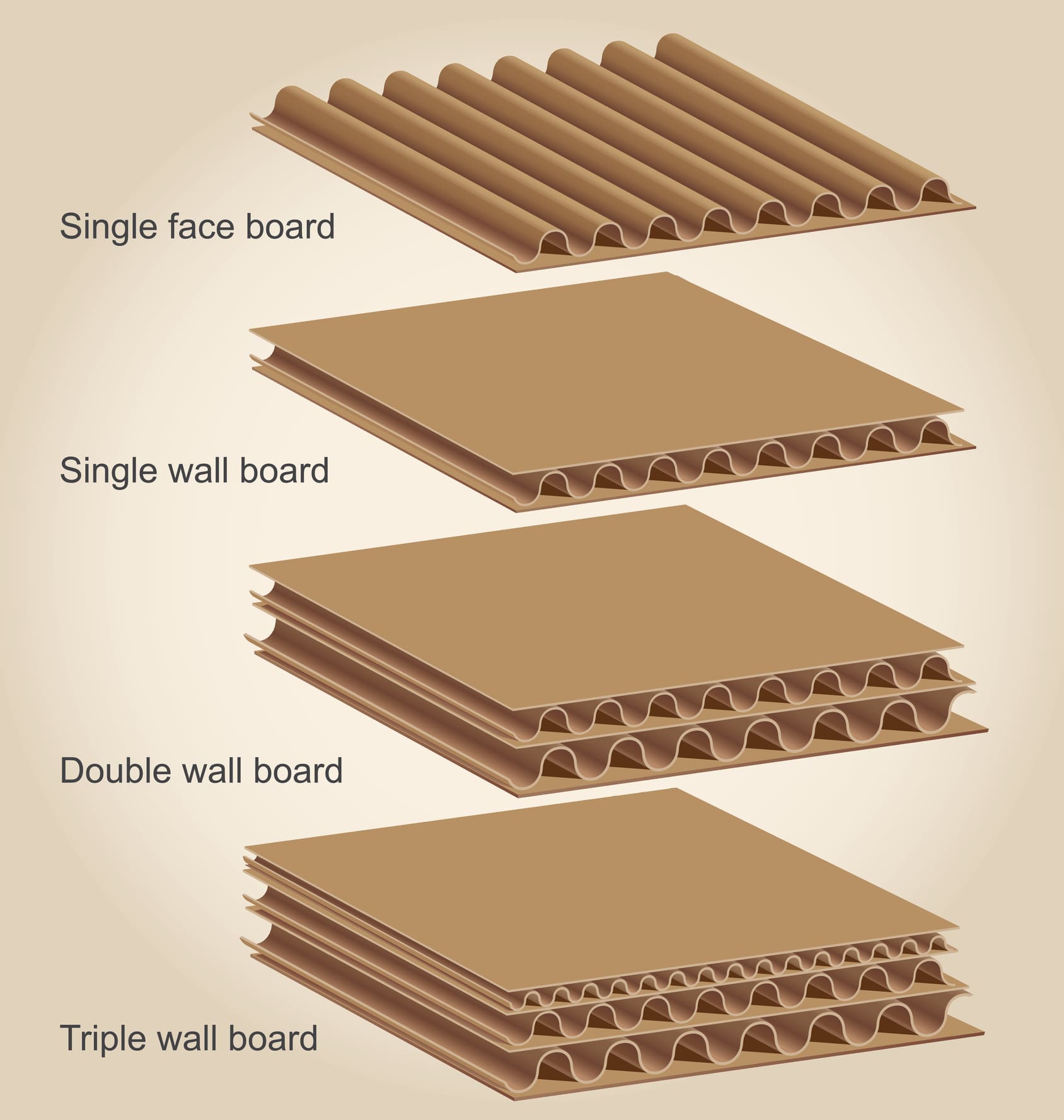
To appreciate why and how corrugated boxes last, it’s important to start with their construction. Corrugated boxes are made from corrugated fiberboard, consisting of two or three flat linerboards encasing a fluted corrugated sheet. This design imparts strength and durability, making the boxes capable of protecting contents against bumps, drops, and compression.

Material Properties

The durability of corrugated boxes also depends on the quality of the materials used. High-quality corrugated fiberboard, made from virgin or recycled paper, can enhance the box’s strength and longevity. The paper’s grade, thickness, and the flute size of the corrugated medium contribute to the box’s overall durability, resistance to moisture, and ability to withstand various loads.

Types of Cardboard wall

Environmental Conditions and Storage

How long corrugated boxes last is greatly influenced by environmental conditions. Exposure to humidity, extreme temperatures, and direct sunlight can weaken the boxes, reducing their lifespan. Proper storage in a cool, dry place can help preserve their integrity for longer periods. Additionally, avoiding overloading and ensuring that boxes are stacked correctly can prevent crushing and deformation, further extending their life.

Reusability and Recycling

One of the strengths of corrugated boxes is their reusability. Boxes that are gently used and remain in good condition can be reused for shipping or storage multiple times. This reusability factor not only extends the life of the boxes but also contributes to environmental sustainability by reducing waste and the need for new materials.

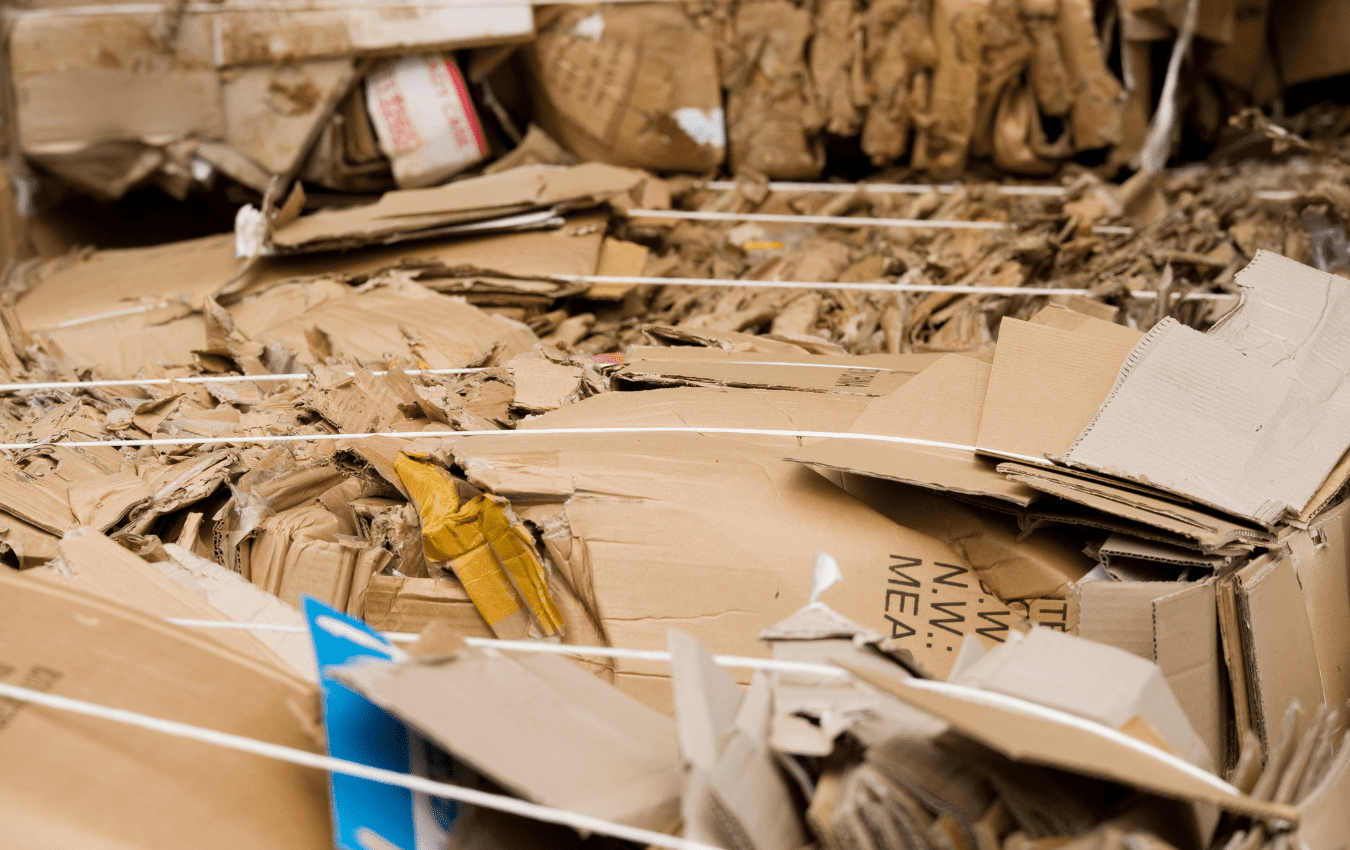
Moreover, when corrugated boxes reach the end of their useful life, they are highly recyclable. The recycling process rejuvenates the fiber, allowing it to be used in the production of new boxes or other paper products, thus closing the loop in the product lifecycle.

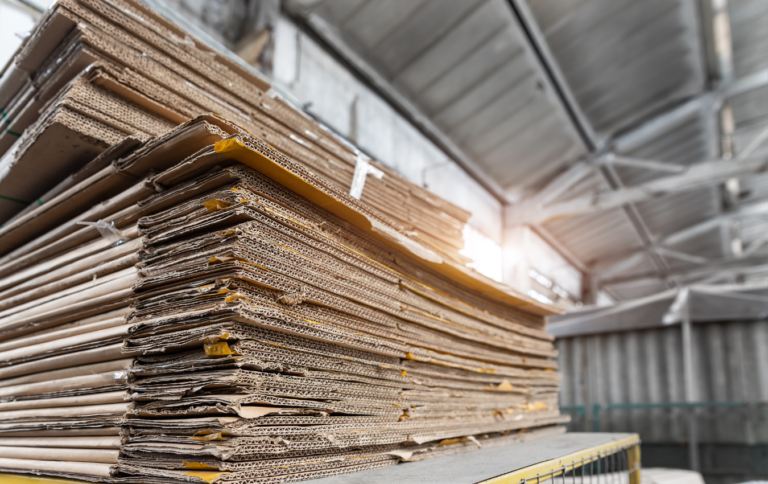
Recycled Corrugated

Best Practices for Extending Life

To maximize the lifespan of corrugated boxes, several best practices can be followed:

  • Avoid exposure to damp conditions and direct sunlight.
  • Do not overload boxes or stack them in a manner that puts undue stress on the bottom boxes.
  • Store boxes in a cool, dry environment to prevent the paper from weakening.
  • Flatten and store unused boxes in a protected area to avoid unnecessary wear and tear.

Conclusion

In conclusion, the lifespan of corrugated boxes is a function of their construction, the quality of materials used, and how they are handled and stored. With proper care and under ideal conditions, these boxes can serve well beyond a single shipping cycle, offering an efficient, cost-effective, and environmentally friendly packaging solution. By understanding the factors that contribute to their longevity, users can take steps to extend the life of their corrugated boxes, benefiting both their bottom line and the planet.

If you are interested in corrugated boxes, then partner with Brown Packaging today to get started.

Most Recent Posts:
Comparing Single vs. Multi-Material Packaging

Choosing the right packaging material is one of the most important decisions buyers face. Single-material packaging offers simplicity and recyclability, while multi-material designs provide enhanced performance and protection. Understanding the

Read More »
Categories:
Subscribe To Our Newsletter

By submitting your information, you agree to our terms and conditions and privacy policy.

RSC Boxes Printed
Custom Corrugated Boxes
Facebook
Twitter
LinkedIn
Pinterest
Relevant Posts
The Role of Board Grade in Supply Chain Resilience
Corrugated
brownpackaging
The Role of Board Grade in Supply Chain Resilience

Why Board Grade Selection Matters In today’s volatile supply chain environment, packaging failures aren’t just a nuisance—they’re a liability. Damage in transit, product returns, and load instability all lead back to one foundational element: board grade. Whether you’re shipping across the country or staging products for long-term storage, the right corrugated board strength directly impacts product integrity, compliance, and bottom-line efficiency. Understanding Board Grade Classifications Corrugated board grade is defined by its burst strength (measured in pounds), edge crush test (ECT) rating, or basis weight in pounds per 1,000 square feet. The two most common standards: Mullen Test (Burst Strength): Measures resistance to puncture or rupture under pressure (e.g., 200#). Edge Crush Test (ECT): Measures stacking strength and compression resistance along the edge (e.g., 32 ECT). Higher board grades offer greater durability but come at a cost—so matching board performance to supply chain risk is key. How Board Grade Supports Supply Chain Resilience ✔ Reduces Transit DamageHeavier board grades (like 44 ECT or 275#) are essential for heavier items or mixed-pallet shipping. They prevent crushing under load and protect high-value products from collapse or impact. ✔ Improves Stacking StabilityIf your supply chain includes warehousing, transloading, or racking, poor stacking strength leads to bottom-box failures. ECT-rated boxes offer predictable stacking loads, enabling more reliable palletization strategies. ✔ Adapts to Environmental StressorsIn humid or high-temperature zones, lower-quality board can warp or delaminate. Upgrading to moisture-resistant coatings or wax-treated grades extends package integrity in unpredictable conditions. ✔ Meets Carrier and Retailer ComplianceMajor carriers and retailers (e.g., Amazon, Walmart) often require packaging that meets minimum board grade thresholds for specific product categories. Failing to comply can result in chargebacks or denied loads. Matching Board Grade to Application Lightweight Goods (<30 lbs): 32 ECT or 200# is often sufficient for controlled distribution. Midweight/Stacked Goods (30–65 lbs): 44 ECT or 275# single-wall offers better stability. Heavy or Fragile Items: 48 ECT+, 350# double-wall, or even triple-wall is standard for machinery, appliances, or multi-SKU master packs. Export Shipments: Double-wall with moisture resistance is critical for sea containers and extended transit. Why Resilience Now Means Cost Efficiency Later Skimping on board grade may reduce material costs short-term, but it increases risks throughout the supply chain: Higher damage rates Increased return logistics More manual rework at DCs Lower pallet efficiency By engineering packaging with the right board spec, brands can build flexibility into distribution—whether absorbing shock during LTL shipping or maintaining load stability during storage. Final Thoughts Your corrugated board grade isn’t just a spec—it’s a strategic decision that drives supply chain resilience. From minimizing product loss to meeting compliance and stacking standards, choosing the right board means fewer disruptions and greater operational continuity. At Brown Packaging, we help businesses select, test, and implement the right corrugated materials based on real-world demands. (714)300-0650 request@brownpackaging.com Most Recent Posts: Categories: Corrugated Ecommerce ESD Design Display Flexible Packaging Foam Folding Carton Packaging Plastic Packaging Pouch Printing Protection Retail Rigid Box Thermoform Sustainability Subscribe To Our Newsletter By submitting your information, you agree to our terms and conditions and privacy policy. Custom Corrugated Boxes Facebook Twitter LinkedIn Pinterest Relevant Posts

Read More »
Comparing Plastic Bins vs. Corrugated Bin Boxes
Corrugated
brownpackaging
Comparing Plastic Bins vs. Corrugated Bin Boxes

Storage is an essential aspect of our daily lives, be it for personal use or in the professional sector. The need for effective and efficient storage has led to the development of various storage solutions. In this blog, we will delve deep into a comparison between corrugated bin boxes and one of the most popular storage alternatives – plastic bins. Our primary focus will be on durability and lifespan. What are Corrugated Bin Boxes? Corrugated bin boxes are made from corrugated cardboard. They are commonly used in warehouses, offices, and retail settings for sorting and storing small items. The design is simple: a rectangular open-top box that can be easily labeled and stacked. The primary material – corrugated cardboard – comprises fluted or arched layers sandwiched between two linerboards, which provides strength and rigidity. What are Plastic Bins? Plastic bins are storage containers made of different types of plastic materials. They come in a myriad of sizes, colors, and designs, ranging from small organizational bins to large tote containers. Their use spans from households to industrial settings, with special designs like stackable or lidded options available based on needs. Durability: Plastic Bins vs. Corrugated Bin Boxes Plastic Bins Strength: Plastic bins are generally stronger and more resilient than corrugated bin boxes. They can handle rougher treatment, such as being tossed around or holding heavier items. Weather Resistance: Plastic bins offer better protection against moisture, humidity, and other environmental factors. They can be used in settings where corrugated bin boxes might deteriorate quickly, such as damp basements or outdoor storage. Wear and Tear: Plastic is resistant to tearing, denting, and breaking, making plastic bins more durable in environments with frequent handling or movement. Corrugated Bin Boxes Strength: While corrugated bin boxes provide reasonable strength due to their fluted structure, they are not as robust as plastic bins. They are best suited for lighter items and gentler handling. Weather Resistance: Corrugated boxes are susceptible to moisture and can degrade if exposed to water or high humidity for extended periods. Wear and Tear: Over time, corrugated boxes may start to wear out, especially at the edges or corners. They are also more prone to tearing if mishandled. Lifespan: Plastic Bins vs. Corrugated Bin Boxes Plastic Bins: The lifespan of plastic bins can range from several years to decades, depending on the quality of the plastic and the conditions in which they’re used. High-quality, heavy-duty plastic bins can last a very long time, especially if they’re not exposed to direct sunlight (which can degrade certain plastics) or extreme temperatures. Corrugated Bin Boxes: The lifespan of a corrugated bin box is generally shorter than that of a plastic bin. Under optimal conditions, they can last several years. However, frequent use, exposure to moisture, or heavy contents can significantly shorten their life. They are often considered a more temporary or recyclable solution compared to plastic bins. Conclusion Both plastic bins and corrugated bin boxes offer unique advantages. The choice between the two will largely depend on your specific needs. If you require a more durable, long-lasting, and weather-resistant solution, plastic bins are the way to go. On the other hand, if you are looking for a more eco-friendly, recyclable, or temporary storage solution, corrugated bin boxes might be the better choice. Regardless of the option you select, always consider the storage environment, the items you’re storing, and the frequency of use to make the most informed decision. If you are interested in corrugated bin boxes, then partner with Brown Packaging today to get started. (714)300-0650 request@brownpackaging.com Most Recent Posts: Categories: Corrugated Ecommerce ESD Design Display Flexible Packaging Foam Folding Carton Packaging Plastic Packaging Pouch Printing Protection Retail Rigid Box Thermoform Sustainability Subscribe To Our Newsletter By submitting your information, you agree to our terms and conditions and privacy policy. Bin Boxes Facebook Twitter LinkedIn Pinterest Relevant Posts

Read More »
rett box with dieline
Corrugated
brownpackaging
Roll End Tuck Top (RETT) Box Explained: Uses & Benefits

RETT boxes are a popular type of corrugated mailer used by the retail and ecommerce industry to ship and display products. These boxes are designed to open and close by tucking the top piece inside of the box, kind of like opening a treasure chest. Many businesses decide to package their products in RETT boxes because of its excellent unboxing experience, structural strength, branding and product protection. You will learn that roll end tuck top boxes are used in a variety of applications and can bring plenty of benefits and added value to your product. Roll End Tuck Top Applications Many retail and ecommerce businesses that sell medical, electronic, industrial, cosmetic and consumer good products tend to use RETT boxes. Even though these boxes are typically used for shipping, they can be used inside a store. To help you get a better understanding of RETT boxes here are a list of everyday applications: Subscription Boxes Sales Kits Containers Product Box Shipping Box Pastry Boxes Shelf Storage Containers These boxes are generally used to package small and medium sized products by themselves or together with other products/pieces. Depending on your product may warrant you to seek custom options such as the boxes’ shape and size. Inserts and trays can be used to hold objects in place to improve product protection and accessibility of the product for end users. Inserts available for RETT boxes include chipboard, corrugated, thermoform and foam materials. Roll End Tuck Top Customization and Options RETT boxes are highly customizable and versatile, which is why they are used to package many different products. For example, graphics and finishes can be added to your packaging to help enhance your branding, message, product information, images, and other content. In addition, there are many different print options for corrugated boxes such as flexo, litho and digital print that can be applied to both the inside and/or outside. Graphics and finishes can be added. RETT boxes can be customized with features such as: Dust Flaps: blocks dust from entering. Lift Tab: A tab cut on the edge of the box, which helps users access the boxes content. Catalog Lock: an insert tab that holds the box close. Tear Strip: prevents product tampering and helps users open the box. Adhesive Strip: double sided tape that is commonly used to seal the box. Thumb Notch: enables easier access and opening of the box. Other ways to customize your RETT box can be based on the strength required to support and protect your product effectively. Sustainable options are available depending on your package supplier, if you are interested in sustainable options, then contact Brown Packaging. Roll End Tuck Top Benefits There are many advantages to package your product in a roll end tuck top mailer such as: Made with strong and durable materials Easy for fulfilment (kitting) Easy for consumers to open Versatile in applications Flexibility in printing and customization options Material and cost efficient compared to alternative mailers such as roll end tuck top with dust flap (RETTDF) and roll end cherry lock (RECL), also known as roll end front tuck (REFT) Re-closable Two-sided print or single sided print available Sustainable – recyclable and reusable Roll End Tuck Top Variations & Alternatives RETT boxes may not always be the best option for you despite all these benefits. However, there are variations of RETT that you might be interested in if you are looking for additional packaging security. For example, you might want to consider RECL, RETTDF, roll end cherry locks and dust flaps (RECLDF) also known as REFT with dust flaps for extra security. RECLDF RETTDF Cheaper alternatives that may work with your application include pouches, folding cartons and poly mailers. For large products: you may want to consider regular slotted containers (RSC) or full overlap (FOL). If you want a more luxury approach, then we recommend rigid boxes. Gusseted Pouch Rigid Box Where Can You Purchase RETT Boxes? Not all packaging suppliers can provide you with custom RETT boxes. You may want to consider whether you want a custom or stock roll end tuck top box, as availability will vary from supplier to supplier. In addition, stock RETT boxes are not available in any size, as they are limited to the most common sizes. If you are interested in either custom or stock mailer boxes, then contact Brown Packaging today to get started. (714)300-0650 request@brownpackaging.com Most Recent Posts: Categories: Corrugated Folding Carton Display Packaging Rigid Box Subscribe To Our Newsletter By submitting your information, you agree to our terms and conditions and privacy policy. Custom Corrugated Boxes Facebook Twitter LinkedIn Pinterest Relevant Posts

Read More »