Home » Guide to Corrugated Gaylord Boxes: Sizes and Applications
Guide to Corrugated Gaylord Boxes: Sizes and Applications
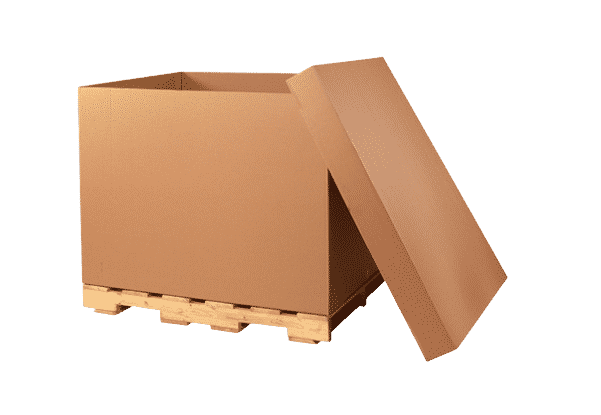
For industries seeking efficient solutions for material storage and transportation, corrugated gaylord boxes have emerged as a viable alternative to plastic totes and super sacks. These lightweight and cost-effective containers are not only environmentally friendly but also surprisingly versatile. Despite misconceptions about their single-use nature, gaylord boxes boast impressive durability and reusability, making them a favorite among businesses. In this guide, we’ll explore the diverse landscape of gaylord box sizes, shedding light on the various options available to manufacturers, retailers, and distributors alike.
Versatility of Corrugated Gaylord Boxes
Before we delve into the specifics of sizing, let’s revisit what makes Corrugated gaylord boxes a staple in the logistics world. Designed to accommodate bulk materials, these containers typically feature cubic or rectangular, ensuring easy access and secure storage.
Corrugated Gaylord Box Sizes: An Overview
Corrugated gaylord boxes span a range of sizes to suit diverse needs across industries. Sizing is typically expressed in inches, measuring length, width, and height. Below, we’ll detail some of the most common gaylord box sizes, along with their dimensions:
Standard Corrugated Gaylord Size: 48 x 40 x 36″
The quintessential gaylord box, measuring 48 inches in length, 40 inches in width, and 36 inches in height. Often rectangular or octangular in shape with three to five walls, these boxes are the most prevalent, with up to 500-550 boxes fitting on a single trailer when properly palletized. The four and five wall variants of this size boast weight capacities ranging from 4,000 to 5,000 lbs. A standout feature is their compatibility with standard pallet dimensions, allowing for double stacking within trailers. This makes them ideal for metal, plastic, and electronic waste recycling. Moreover, these boxes can be bound to pallets, enabling multiple reuses and contributing to their resale value.
Pallet Container: 40 x 40 x 40″
Similar in weight and carrying capacity to the standard 48 x 40 x 36″ corrugated gaylord box, this size measures 40 inches in each dimension. They offer versatility for internal logistics and transportation. The remarkable advantage is their ability to fit and stack on both 40 x 40 and 48 x 40 pallets. This flexibility, coupled with the capacity to hold 3,000 lbs in the four and five wall variants, positions them as a preferred choice for many users.
Pallet Boxes: 40 x 30 x 30″
Measuring 40 inches in length, 30 inches in width, and 30 inches in height, these boxes vary in walls (2-5) and shapes (rectangular or octagonal). While their weight capacity depends on these factors, they are designed for lighter loads compared to the standard 48 x 40 x 36″ corrugated gaylord box. The typical 40 x 30 x 30″ box features 4 walls and holds around 1,200-1,500 lbs. Their advantage lies in their compatibility with standard 40 x 48 pallets, ensuring even stacking and easy transportation.
Small Corrugated Gaylords: 36 x 36 x 36″
Catering to more compact needs, these boxes measure 36 inches in each dimension and typically feature three or four walls. Their smaller stature and lower wall count result in reduced weight and carrying capacities compared to the standard 48 x 40 x 36″ corrugated gaylord box. Weight capacities usually range from 1,000 to 1,200 lbs. While they may hold less weight, these boxes offer two distinct advantages: a higher quantity can fit onto a trailer, and they often come with a lower price per unit.
Choosing the Perfect Fit: Factors to Consider
Selecting the right corrugated gaylord box size involves a careful evaluation of several factors:
- Materials Volume: Assess the quantity of materials you intend to store or transport.
- Storage Space: Consider the available storage area or warehouse dimensions.
- Weight Capacity: Ensure the chosen size can safely accommodate the weight of your materials.
- Transportation: Account for any transportation constraints, such as truck dimensions or shipping regulations.
Applications: Tailoring Sizes to Industries
Different industries benefit from various corrugated gaylord box sizes:
- Agriculture and Manufacturing: Optimal sizes vary for packing produce or components. Uses mid to large sizes.
- Retail and Distribution: Choose sizes that streamline packaging and distribution processes. Uses small to mid sizes.
- Recycling Centers: corrugated gaylord boxes facilitate sorting recyclables of varying volumes. Use mid to large sizes.
If you are interested in custom or stock corrugated gaylord boxes, then partner with Brown Packaging today to get started.
In 2026, sustainability is no longer just a trend—it’s a buyer expectation. Forest Stewardship Council (FSC) certification has become a key benchmark for responsible packaging, signaling that materials are sourced from responsibly managed forests. For packaging buyers, FSC certification is more than a compliance checkbox—it’s a brand value that influences purchasing decisions, retailer acceptance, and customer loyalty. What Is FSC Certification? The Forest Stewardship Council certifies that paper-based packaging materials are sourced from forests managed for environmental responsibility, social benefit, and economic viability. FSC Mix: Packaging contains a blend of FSC-certified and controlled wood. FSC Recycled: Packaging is made entirely from recycled fiber. FSC 100%: Packaging is sourced only from FSC-certified forests. Why FSC Matters to Buyers in 2026 Retail access: Many major retailers now require FSC-certified packaging. Sustainability goals: Aligns with corporate ESG and carbon reduction commitments. Consumer trust: Customers recognize the FSC label and view it as credible. Global compliance: Meets international sustainability regulations. How FSC Certification Strengthens Brand Value Differentiation: Stand out with certified sustainable packaging. Marketing advantage: FSC logos reinforce eco-friendly messaging. Risk reduction: Verified sourcing prevents greenwashing claims. Customer loyalty: Environmentally conscious buyers prefer certified products. Challenges in FSC Implementation Limited supply of certain FSC substrates. Higher costs compared to non-certified materials. Need for supplier audits and documentation. Packaging Solutions with Brown Packaging Brown Packaging partners with buyers to integrate FSC-certified materials into corrugated boxes, folding cartons, and retail packaging. Our solutions support sustainability while maintaining cost efficiency and protection. Contact us to strengthen your brand with FSC-certified packaging. References Forest Stewardship Council (FSC). (2023). FSC Certification Guidelines for Packaging. Retrieved from https://fsc.orgSustainable Packaging Coalition. (2023). Consumer Insights on Sustainable Packaging. Retrieved from https://sustainablepackaging.orgSoroka, W. (2009). Fundamentals of Packaging Technology (4th ed.). Institute of Packaging Professionals. (714)300-0650 request@brownpackaging.com Most Recent Posts: Subscribe To Our Newsletter By submitting your information, you agree to our terms and conditions and privacy policy. Sustainable Packaging Facebook Twitter LinkedIn Pinterest Relevant Posts
Sustainability is now a top priority for packaging buyers. Retailers, regulators, and consumers are all demanding packaging solutions that reduce environmental impact without sacrificing performance. In 2026, buyers must balance eco-friendly materials, cost, and compliance to build programs that are both effective and future-ready. What Buyers Need to Know About Sustainable Packaging Regulatory pressure: Governments are enforcing stricter rules on recyclability and plastic use. Retail mandates: FSC certification and recyclable packaging are becoming standard requirements. Consumer expectations: Customers increasingly choose brands with visible sustainability commitments. Sustainable Material Options Recycled corrugated: High recycled content while maintaining compression strength. Compostable films: Suitable for select food and retail applications. Molded pulp inserts: Replace foam or plastic for protective packaging. Water-based coatings: Enhance moisture resistance without harmful chemicals. Balancing Cost and Performance Right-size packaging: Reduces material waste and shipping costs. Hybrid solutions: Combine eco-materials with corrugated for balance. Life cycle analysis: Evaluate true environmental impact, not just marketing claims. How to Evaluate Sustainable Suppliers Verify FSC, SPC, or ISO certifications. Request testing data for durability and recyclability. Audit supply chains for consistency and transparency. Ensure claims meet local and international compliance standards. Packaging Solutions with Brown Packaging Brown Packaging helps buyers implement sustainable packaging programs that balance cost, performance, and compliance. From recycled corrugated to eco-friendly coatings and inserts, we deliver solutions that meet 2026 sustainability goals. Contact us to explore sustainable packaging options. References Forest Stewardship Council (FSC). (2023). FSC Certification Guidelines for Packaging. Retrieved from https://fsc.orgSustainable Packaging Coalition. (2023). Packaging Sustainability Trends and Buyer Insights. Retrieved from https://sustainablepackaging.orgSoroka, W. (2009). Fundamentals of Packaging Technology (4th ed.). Institute of Packaging Professionals. (714)300-0650 request@brownpackaging.com Most Recent Posts: Categories: Corrugated Ecommerce ESD Design Display Flexible Packaging Foam Folding Carton Packaging Plastic Packaging Pouch Printing Protection Retail Rigid Box Thermoform Sustainability Subscribe To Our Newsletter By submitting your information, you agree to our terms and conditions and privacy policy. Sustainable Packaging Facebook Twitter LinkedIn Pinterest Relevant Posts
Choosing the right packaging material is one of the most important decisions buyers face. Single-material packaging offers simplicity and recyclability, while multi-material designs provide enhanced performance and protection. Understanding the trade-offs helps companies balance cost, functionality, and sustainability goals in 2026. What Is Single-Material Packaging? Single-material packaging uses one substrate—such as corrugated board, folding carton, or plastic—for the entire structure. Advantages: Easier to recycle and dispose. Lower material costs in many cases. Streamlined sourcing and inventory. Supports sustainability messaging. Disadvantages: Limited barrier protection. Less customization for fragile or complex products. May require added thickness for strength, increasing weight. What Is Multi-Material Packaging? Multi-material packaging combines two or more substrates—such as corrugated with foam, or paperboard laminated with film—to achieve specific performance outcomes. Advantages: Greater protection against moisture, oxygen, and impact. Allows for premium finishes and enhanced graphics. Ideal for fragile or high-value products. Customizable for unique supply chain conditions. Disadvantages: More difficult to recycle due to material separation. Higher cost and longer lead times. Complex sourcing and inventory management. When to Use Each Approach Single-material packaging: Best for products with low fragility, strong sustainability requirements, or cost-driven programs. Multi-material packaging: Best for high-value, fragile, or regulated products requiring advanced protection. Balancing Performance and Sustainability Buyers must weigh performance needs against eco goals: Use recyclable coatings to extend single-material performance. Choose hybrid designs that separate easily for recycling. Apply multi-material solutions only where risk of damage outweighs cost. Packaging Solutions with Brown Packaging Brown Packaging helps buyers evaluate when to use single- vs. multi-material packaging. Our team balances sustainability, performance, and cost to deliver solutions tailored to your supply chain. Contact us to explore the right approach for your products. References Forest Stewardship Council (FSC). (2023). FSC Packaging Certification Guidelines. Retrieved from https://fsc.orgSoroka, W. (2009). Fundamentals of Packaging Technology (4th ed.). Institute of Packaging Professionals.Sustainable Packaging Coalition. (2022). Design for Recyclability and Multi-Material Packaging Report. Retrieved from https://sustainablepackaging.org (714)300-0650 request@brownpackaging.com Most Recent Posts: Categories: Corrugated Ecommerce ESD Design Display Flexible Packaging Foam Folding Carton Packaging Plastic Packaging Pouch Printing Protection Retail Rigid Box Thermoform Sustainability Subscribe To Our Newsletter By submitting your information, you agree to our terms and conditions and privacy policy. Custom Packaging Facebook Twitter LinkedIn Pinterest Relevant Posts
Home » Guide to Corrugated Gaylord Boxes: Sizes and Applications
RSC boxes are known for their efficiency and versatility, but their performance ultimately comes down to strength. Buyers often see numbers like ECT, BCT, and burst strength on specifications — but which tests matter most, and what do they actually measure? Choosing the right RSC depends on understanding how these tests translate to real-world shipping conditions. Edge Crush Test (ECT) What It Measures Resistance of corrugated board to edgewise compressive forces. Expressed in pounds per inch (e.g., 32 ECT). Why It Matters Directly tied to stacking strength and pallet performance. The most common metric used in North America for corrugated box strength. Limitations Only measures board strength, not the full box. Doesn’t account for humidity, handling abuse, or long-term compression. Box Compression Test (BCT) What It Measures Maximum load a finished box can withstand before collapsing. Accounts for box size, design, and board strength. Why It Matters Most accurate predictor of how an RSC will perform in stacking and pallet loads. Useful for optimizing board grades to reduce cost without risking damage. Limitations Requires lab testing of actual boxes. Not always practical for small-volume or custom runs. Burst Strength (Mullen Test) What It Measures Pressure required to rupture corrugated board by puncture. Historically the go-to test before ECT became standard. Why It Matters Still relevant for industries where puncture or tearing is a higher risk than compression (e.g., heavy parts, bulk industrial goods). Limitations Doesn’t reflect stacking strength. Often replaced by ECT in modern logistics. Translating Tests to Real-World Performance High-Volume E-Commerce: ECT rating is usually the key metric, especially for stacking in warehouses. Heavy Industrial Products: Burst strength may be more relevant if products are sharp or heavy. Palletized Loads: BCT is the best indicator, as it measures box and board performance together. Moisture & Humidity: None of the above tests fully account for water absorption — additional treatments or coatings may be necessary. Buyer Takeaway Look for ECT when evaluating basic strength requirements. Prioritize BCT if your shipments are palletized or stacked in warehouses. Consider burst strength if your products are heavy, sharp, or prone to puncture risks. Remember: lab tests are only part of the story — real-world conditions like humidity, handling, and long-term storage will also affect performance. References Fibre Box Association. (2023). Box Performance Standards. https://www.fibrebox.org TAPPI. (2024). Testing Methods for Corrugated Packaging. https://www.tappi.org Soroka, W. (2016). Fundamentals of Packaging Technology (5th ed.). Institute of Packaging Professionals. (714)300-0650 request@brownpackaging.com Most Recent Posts: Categories: Corrugated Ecommerce ESD Design Display Flexible Packaging Foam Folding Carton Packaging Plastic Packaging Pouch Printing Protection Retail Rigid Box Thermoform Sustainability Subscribe To Our Newsletter By submitting your information, you agree to our terms and conditions and privacy policy. Regular Slotted Container Facebook Twitter LinkedIn Pinterest Relevant Posts
RSC boxes dominate shipping because they combine strength with efficiency. But beyond protection, their dimensions and stacking performance directly influence freight cost, pallet utilization, and warehouse efficiency. Choosing the right RSC design can reduce supply chain costs by double digits. Pallet Utilization Box Size and FitAn RSC that doesn’t optimize pallet footprint wastes space. Even a 1–2 inch mismatch can reduce units per pallet by 5–10%. Standard Pallet SizesIn North America, most pallets are 48” x 40”. Designing RSC dimensions to fit evenly across this footprint maximizes stacking stability. Load StabilityUniform RSC dimensions improve compression strength across the load, reducing toppling and damage in transit. Dimensional Weight (DIM) Charges Carrier Pricing ModelsCarriers like UPS and FedEx charge based on dimensional weight, not just actual weight. Oversized RSC boxes can inflate costs significantly. Right-SizingSelecting an RSC that closely matches product volume reduces cube size, cutting freight charges. Impact on E-CommerceFor direct-to-consumer shipments, oversize RSC boxes can double shipping cost while raising material expense. Stacking and Compression Box Compression Test (BCT)Determines how much weight an RSC can withstand in a stacked load. Real-World FactorMoisture and long-term storage reduce compression strength. Oversizing boxes to “play it safe” only increases freight cost. Instead, balance board grade with actual load needs. Warehouse Efficiency Knock-Down StorageRSC boxes ship and store flat, reducing warehouse footprint compared to assembled specialty mailers. AutomationConsistent RSC dimensions reduce jams in case erectors and palletizers, improving throughput. Buyer Takeaway Use RSC dimensions that align with pallet footprints to maximize utilization. Avoid oversized boxes — dimensional weight charges add hidden costs. Match board grade and box size to actual load requirements instead of over-specifying. Optimized RSC design isn’t just packaging — it’s a supply chain cost-control tool. References Fibre Box Association. (2023). Palletization and Shipping Standards. https://www.fibrebox.org International Safe Transit Association (ISTA). (2023). Distribution Testing Protocols. https://ista.org Soroka, W. (2016). Fundamentals of Packaging Technology (5th ed.). Institute of Packaging Professionals. (714)300-0650 request@brownpackaging.com Most Recent Posts: Categories: Corrugated Ecommerce ESD Design Display Flexible Packaging Foam Folding Carton Packaging Plastic Packaging Pouch Printing Protection Retail Rigid Box Thermoform Sustainability Subscribe To Our Newsletter By submitting your information, you agree to our terms and conditions and privacy policy. Custom Regular Slotted Container (RSC) Facebook Twitter LinkedIn Pinterest Relevant Posts
In the world of packaging, businesses often face the decision of whether to use chipboard boxes or transition to corrugated ones. Both types have their unique strengths and applications, but there comes a time when transitioning to corrugated boxes is more beneficial. This blog post explores the scenarios that warrant such a transition, helping businesses make an informed decision for their packaging needs. Understanding Chipboard and Corrugated Boxes Before discussing the transition, it’s important to understand the differences between these two types of packaging. Chipboard Boxes: Made from reclaimed paper stock, chipboard boxes are lightweight and ideal for small, non-fragile items. They are commonly used for products like cereals, shoes, or board games. Corrugated Boxes: These are stronger and more durable, consisting of a fluted corrugated sheet sandwiched between two linerboards. They provide better protection and are suitable for heavier or more delicate items. Chipboard box Corrugated box When to Consider Transitioning to Corrugated Boxes Increased Product Weight: If your products have become heavier, corrugated boxes offer the strength and durability necessary to support the additional weight. Fragile or Valuable Items: For products that are fragile or of high value, corrugated boxes provide better protection against impacts and crushing forces. Shipping and Handling Concerns: If your products are being shipped over longer distances or through multiple carriers, corrugated boxes can withstand the rigors of shipping and handling more effectively. Storage and Stacking Needs: Corrugated boxes have superior stacking strength, making them ideal if your products need to be stored or stacked without risking box collapse. Environmental Considerations: While both chipboard and corrugated materials can be environmentally friendly, corrugated boxes often have a higher content of recycled materials and are easily recyclable. Varying Product Sizes: Corrugated boxes come in a wider range of sizes and can be customized more easily, making them suitable for businesses with a diverse product range. Benefits of Switching to Corrugated Boxes Enhanced Product Protection: The sturdy structure of corrugated boxes provides better protection, reducing the risk of product damage during transit. Cost-Effectiveness in the Long Run: Although initially more expensive, the durability of corrugated boxes can reduce the costs associated with damaged goods and returns. Sustainability: Corrugated boxes are highly recyclable, aligning with sustainable business practices. Considerations Before Making the Transition Cost Implications: Evaluate the cost differences between chipboard and corrugated boxes and how it impacts your overall budget. Supplier Relationships: Assess your current supplier’s ability to provide high-quality corrugated options or consider finding a new supplier. Customer Feedback: Gather insights from your customers, as their satisfaction with packaging can influence repeat business. If you are interested in transition from chipboards to corrugated boxes, then partner with Brown Packaging today to get started. (714)300-0650 request@brownpackaging.com Most Recent Posts: Categories: Corrugated Ecommerce ESD Design Display Flexible Packaging Foam Folding Carton Packaging Plastic Packaging Pouch Printing Protection Retail Rigid Box Thermoform Sustainability Subscribe To Our Newsletter By submitting your information, you agree to our terms and conditions and privacy policy. Custom Corrugated Boxes Facebook Twitter LinkedIn Pinterest Relevant Posts